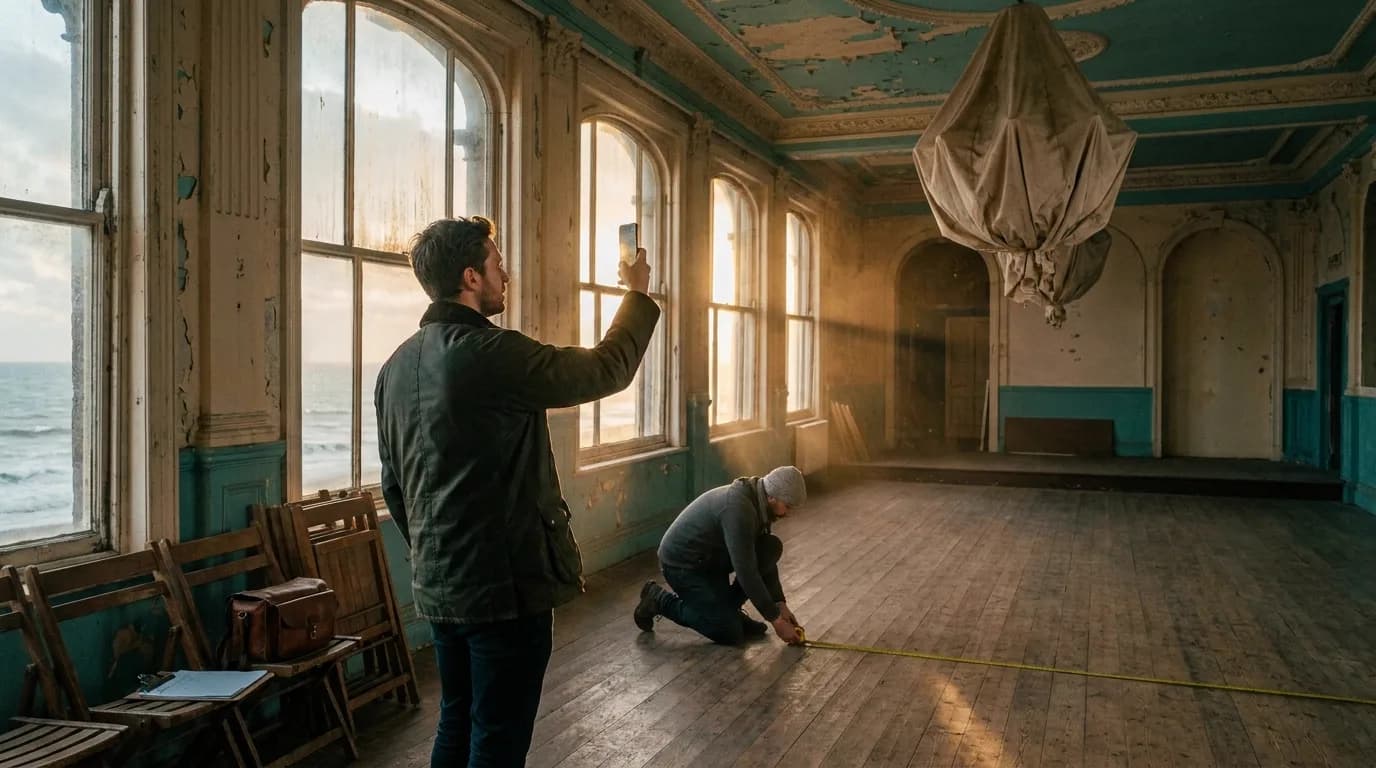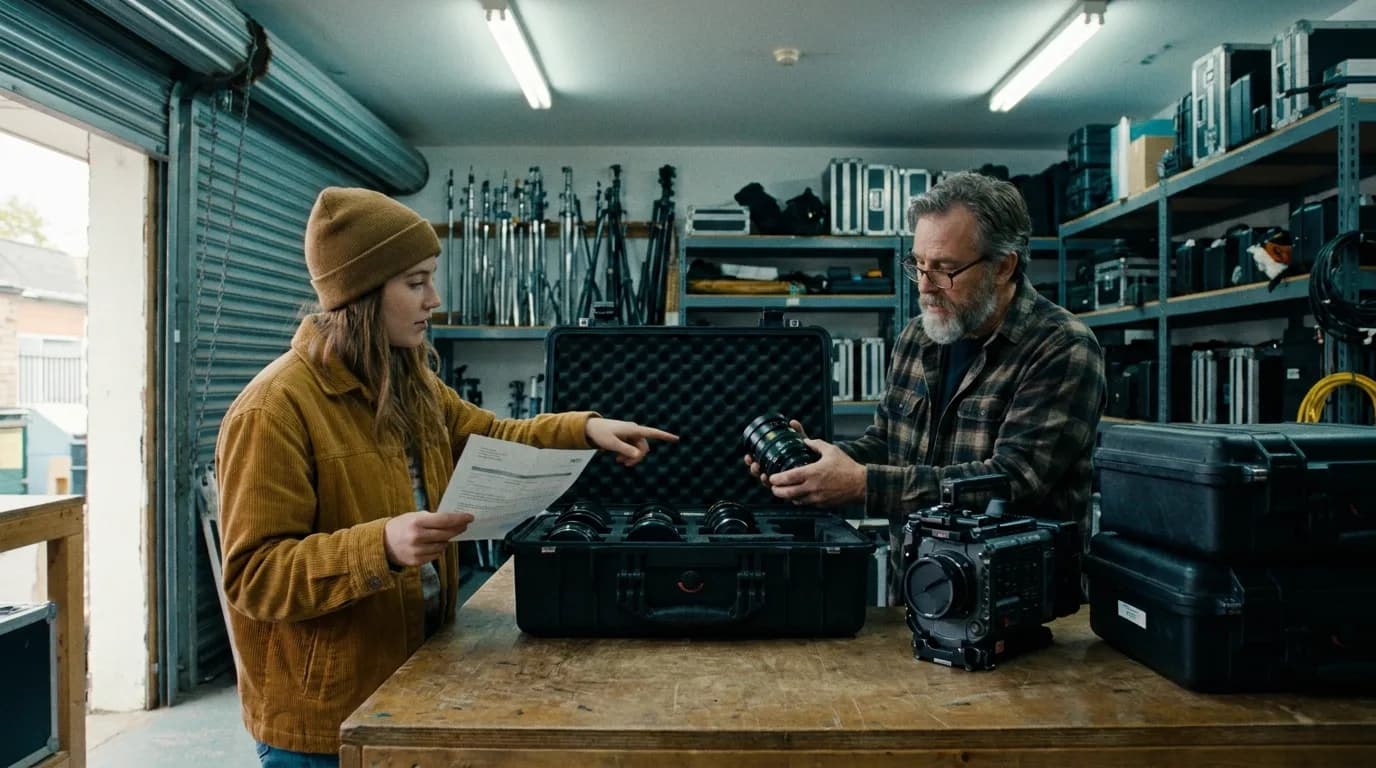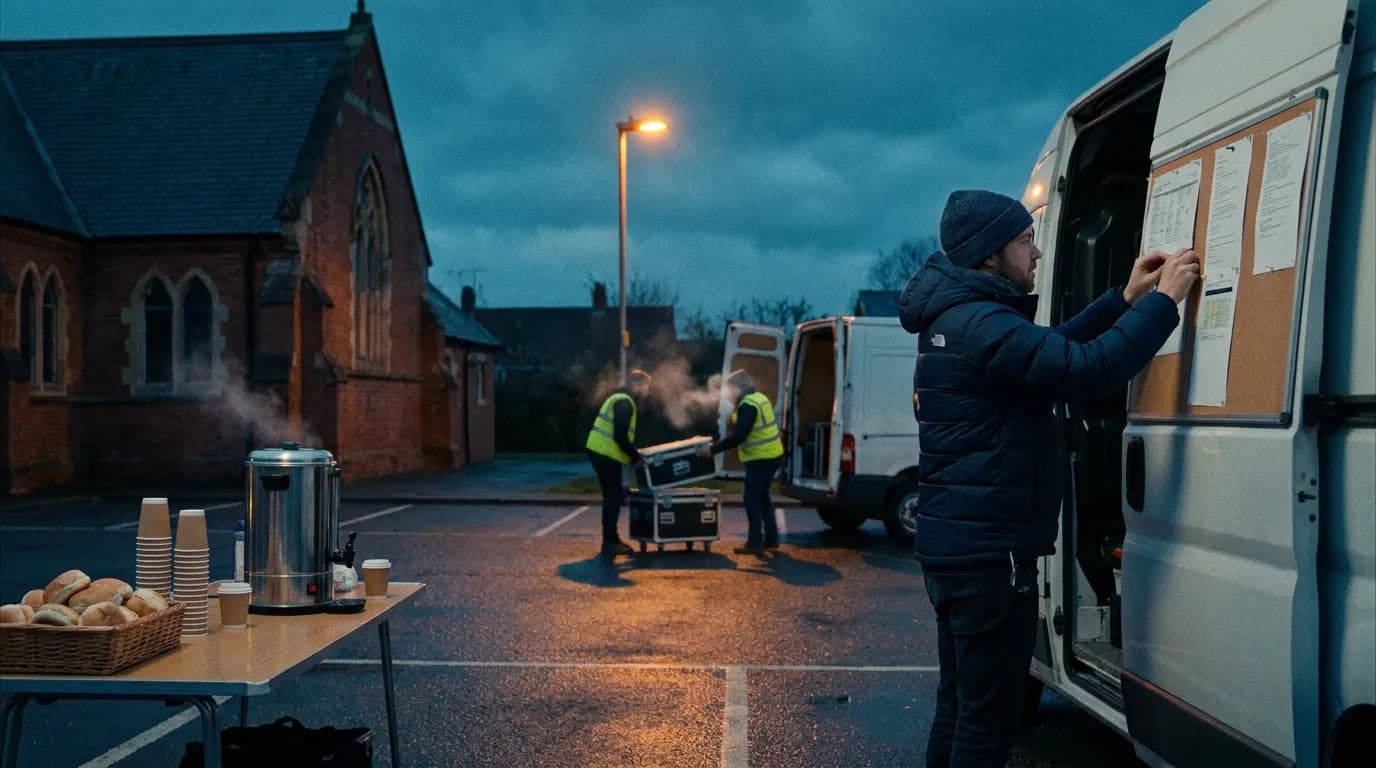

The script is ready. The pitch is tight. But they’ve heard it before. "A jazz drummer pushed to the edge by a ruthless teacher." So what? Then they see eight minutes. The same world, the same tension, the same rhythm, but real. Faces. Sound. Sweat. Now they get it. That’s the power of a proof-of-concept short. Not a trailer. Not a sizzle reel made of other people’s clips. A short film you make that is your feature in miniature. It’s your calling card. It’s the reason Whiplash got made. It’s the reason a lot of first features get financed. And it’s one of the most effective ways to sell tone, vision, and execution when the page isn’t enough.
A proof-of-concept (POC) short is a short film, usually 5–15 minutes, that captures the tone, world, or a key sequence of a longer project you’re pitching (feature or series). You shoot it yourself (or with a small team). You use it in pitch meetings, at festivals, and in submissions. Its job is to prove that you can execute and that the idea works on screen. This guide covers why to make one, what to put in it, how to use it in the pitch process, and what beginners get wrong so you don’t waste time and money on a short that doesn’t do the job.
Free tool: use the Logline Workshop to build and pressure-test your logline.
Why Make a Proof-of-Concept Short?
The page has limits. A script can describe tone. It can’t make someone feel it. A POC short does. The same scene that takes half a page can become three minutes of tension, performance, and atmosphere. Buyers and reps respond to what they see. If they see your world and your direction, they’re more likely to believe in the feature.
It separates you from the stack. Hundreds of pilots and specs land on the same desk. A short that’s clearly the same world as your feature is memorable. It’s also shareable. Execs can forward a link. They can show it in a meeting. A script is read by one person at a time. A short can be watched in a room. That multiplies the number of people who "get" the project.
It proves you can deliver. A great script might be a fluke. A great short that matches the script says: this writer (or writer-director) can execute. That matters for first-time filmmakers and for projects that are tonally risky. The short is evidence. It doesn’t guarantee a green light. It increases the chance that someone will take the next step, meeting, option, development deal.
It can become the opening. Some POC shorts are designed to double as the opening of the feature. You shoot the first scene or the first sequence. When the feature gets made, you’ve already shot part of it. That’s not always the plan, but when it is, the short does double duty: pitch tool and first block of the film.
What Should Be In the Short?
Option A: One key scene or sequence. You pick the scene that best represents the tone and conflict of the feature. The scene that, if it works, makes them want the rest. For Whiplash, the short was essentially the core dynamic: teacher and student, pressure and breakdown. You don’t need to explain the whole plot. You need to make them feel the movie. One scene, done well, can do that.
Option B: A condensed version of the feature. You compress the feature’s arc into 10–15 minutes. We meet the character, we see the inciting incident, we feel the stakes, we land on a beat that implies the rest. Harder to do well, compression can feel rushed, but it can work for high-concept or very clear three-act ideas.
Option C: The same world, different moment. You don’t adapt a scene from the script. You shoot something that could happen in that world. Same tone, same look, same rules. It’s a mood piece that says "this is the sandbox." Useful when the feature’s plot is complex but the tone is the sell.
Most POC shorts work best as Option A: one scene or one sequence, executed at the level you’re aiming for in the feature. Clear. Contained. Proof of tone and execution. For more on making that scene land on the page first, our guide on scene structure and tension applies; the short is where you take that scene to screen.
How to Use It in the Pitch Process
In the room. You pitch. You say: "We also have a short that captures the tone. Can I play it?" You play it. You don’t talk over it. When it’s done, you take one or two questions and then continue the pitch or the conversation. The short supports the pitch; it doesn’t replace the verbal pitch or the script.
In submissions. When a lab, festival, or streamer asks for materials, you send the script and, if they allow links, the short. In your one-pager or cover letter you can say: "A proof-of-concept short is available upon request" or include the link. Don’t make them hunt for it. One click. One link. Make it easy.
At festivals. If the short is strong enough, submit it. Festivals can lead to reps, producers, and buyers. A short that wins or gets into a major festival becomes part of your package. It’s no longer "we have a short." It’s "we have a short that played at X." That carries weight.
With reps. When you’re querying managers or agents, the short can be the thing that gets you read. "I’ve made a proof-of-concept short for my feature; link below." They watch. If they like it, they ask for the script. The short is the hook. For more on reaching reps and buyers without a referral, see our query letter guide; the POC short is one of the best things you can attach to a cold query.
Try it free
Try Screenweaver for free on your script
It is free. Import your existing project, get a clearer view of your outline, and regain control of your story structure in minutes.
Start FreeWhat Beginners Get Wrong (The Trench Warfare Section)
Making a short that doesn’t match the feature. The short is cheerful; the feature is dark. The short is one location; the feature is a road movie. The buyer gets whiplash. The POC has to feel like the same project. Same tone, same world, same level of craft. If the short feels like a different movie, it doesn’t prove the feature; it confuses it.
Making it too long. 20 minutes is a short film. 8 minutes is a proof of concept. Buyers don’t have time to watch a half-hour. Keep it under 15 minutes, ideally 5–12. One scene or one clear sequence. Leave them wanting the feature, not exhausted by the short.
Skipping the script. "We’ll just shoot something." If you don’t have a script for the short (or the feature), you’re not proving you can write. The POC is proof of execution, direction, tone, performance, but it should be based on written material. Have a script for the short. Have the feature script. The short sells the feature; the feature script is what they’re buying.
Poor production value. "We had no budget." Some buyers will still watch. But if the sound is bad, the image is murky, or the performances are flat, the short can hurt more than help. Do what you can: decent sound (lav mics, quiet room), clear image (good light, stable frame), and at least one performance that lands. You don’t need a big budget. You need clarity. A clean, focused short beats a messy, long one.
Not having a plan to get it seen. You make the short and put it on Vimeo with a private link. You never send it. The short only works if people see it. Send it with every pitch. Put it in your query letter. Offer it when you get a meeting. One link. One ask. "Would you like to see the short?"
POC Short vs. Other Pitch Tools
| Tool | What it is | When to use it |
|---|---|---|
| Logline / one-pager | Words | Every pitch |
| Pitch deck | Slides + images | In the room |
| Sizzle reel (rip-o) | Existing clips + music | When you can’t shoot yet |
| Proof-of-concept short | Your own filmed scene(s) | When you can shoot and want to prove execution |
The POC short is the only one that’s your footage. It’s the strongest proof of tone and execution, but it requires time, money, and a team. Use it when the project benefits from "see it to believe it", first-time director, risky tone, or high-concept idea that’s hard to see from the page alone.
The Perspective
A proof-of-concept short is a bet. You invest time and money in a few minutes of film that represent your feature or series. When it works, it gets you read, gets you meetings, and sometimes gets the feature made. Whiplash started as a short. So did Lights Out, Saw, and countless others. The short doesn’t replace the script or the pitch. It supports them. Make it the same world. Keep it short. Get it seen. When the page isn’t enough, the short is your best card. For more on packaging the pitch around it, see our one-pager and pitch deck guides. For industry context on short films and development, the Sundance Institute’s short film program (nofollow) is a useful external resource.
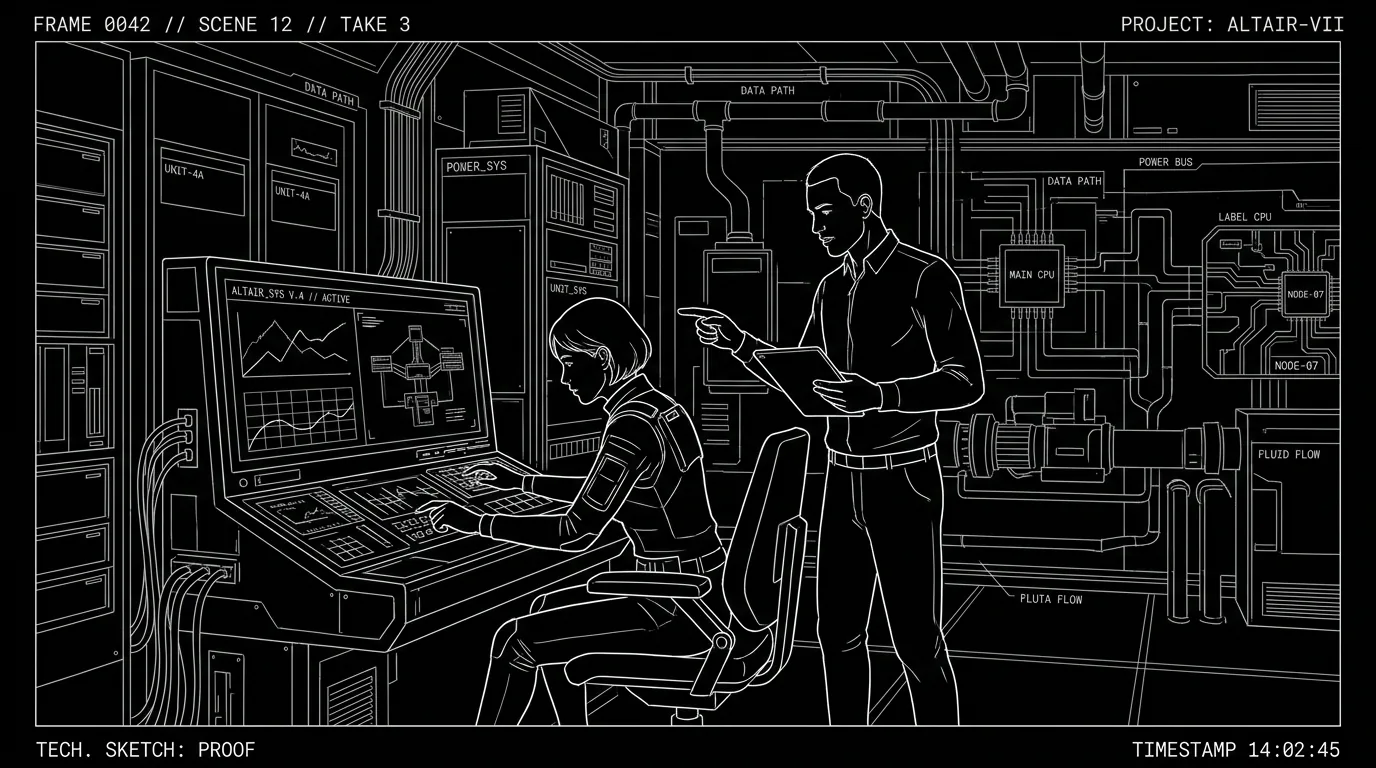
These two visuals work as a pair: the first shows One scene, full execution; dark mode technical sketch, and the second shifts to Short as key to feature; dark mode technical sketch - compare them briefly, then move on.
Final Step
Build your next script with Screenweaver
Move from ideas to production-ready pages faster with timeline-native writing and AI-assisted story flow.
Try Screenweaver