IA en Corto · AI Short Film Festival · Guide

How to win IA en Corto, the AI short film festival.Four categories. Shorts up to 30 minutes. Cheap to enter.

The second edition of an online festival based in Santiago, Chile: the rules, the four categories, the Spanish subtitle rule, the Seedance 2.5 prize and a plan to the 18 October 2026 deadline. Write and storyboard in ScreenWeaver.
  • Extended deadline 18 October 2026
  • Shorts up to 30 minutes
  • No imposed AI tool
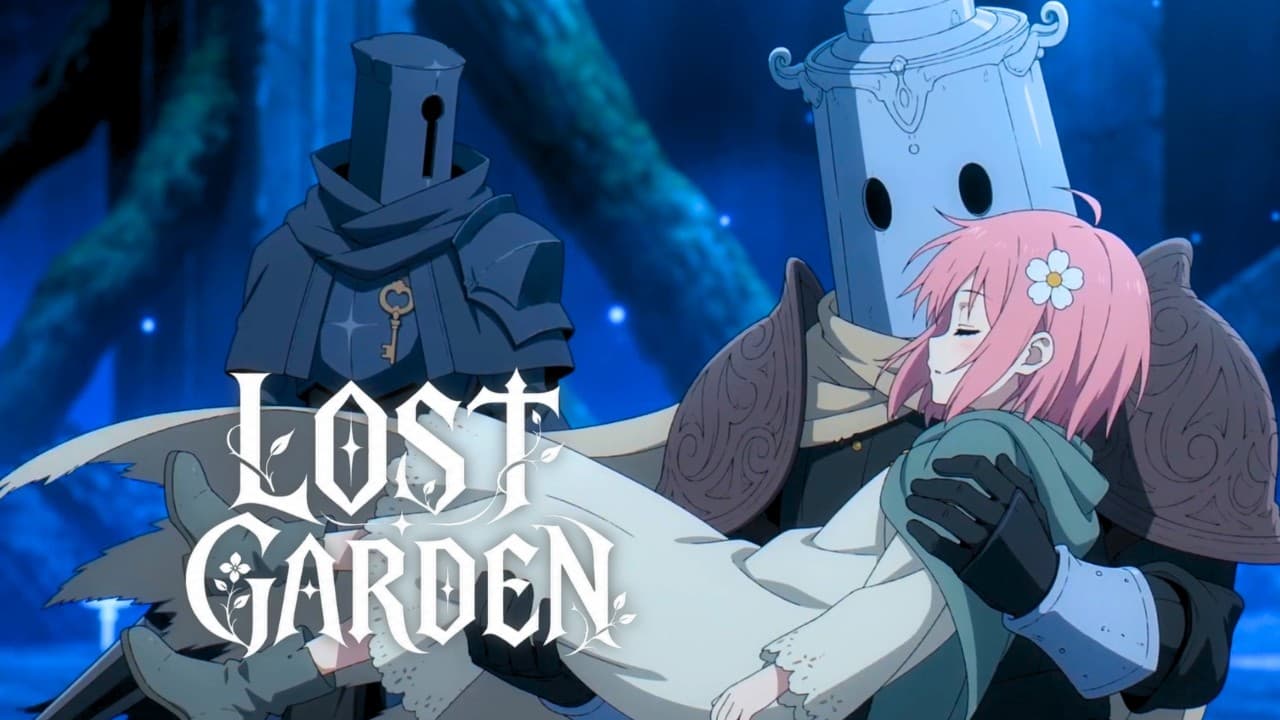
Lost Garden · Episode 1

Independent guide. ScreenWeaver does not organise IA en Corto and is not affiliated with the festival. Rules read on 1 October 2026. Official rules

Available today in ScreenWeaver: screenwriting for free, and a storyboard generated from your screenplay with Storyboard Beta ($9.99 a month). Seventeen days is enough for both.

Rolling out: video generation of each shot, powered by Seedance, with the Filmmaker plan. The festival imposes no tool, but for 18 October you generate with a tool you already use.

Festival rules, one card

What IA en Corto asks for.

IA en Corto is an online festival for short films that use AI in a relevant and creative way. It does not need the whole film to be generated, and it pays in recognition, not cash.
Edition
Second, online, from Santiago, Chile
Deadline
18 October 2026, extended deadline
Entry fee
From $0.84 to $3.78 per category
Length
30 minutes, or 2 for micro-shorts and vertical
Categories
Sci-Fi, General Fiction and Animation, Horror, Micro-Shorts
AI rule
Significant and creative use, not necessarily all of it
Language
Free, with Spanish subtitles if not in Spanish
Prizes
No cash: advisory, Seedance 2.5 training, credits

Source: the festival site iaencorto.com (rules and awards pages) and its listing on Festhome, read on 1 October 2026. The site prints no dates or fees: they come from Festhome, which lists the festival on 20 to 24 October 2026.

Key dates

Seventeen days, and a fee that climbs.

The fee rises at each deadline, from $0.84 to $3.78 per category, according to Festhome. The gap is small, so quality should decide when you submit.
  1. 5 Aug 2026

    Call for entries

    The second edition opened for submissions. The early deadline was 30 August and the standard one 15 September, both passed.

  2. 4 Oct 2026

    Late deadline

    Three days away. The fee is $2.31 per category. Rushing a film for this date saves less than two dollars.

  3. 18 Oct 2026

    Extended deadline

    The last day to submit, at $3.78 per category. The date to plan around.

  4. 19 Oct 2026

    Notifications

    Selected filmmakers are told the day before the festival opens.

  5. 20 to 24 Oct

    The festival, online

    Selected films are shown online on the festival’s platforms. The site is silent on dates, so confirm them in your Festhome account.

How films are judged

Four criteria, no weights.

A selection committee reads every film on artistic, narrative, technical and innovative criteria in the use of AI. The Official Selection goes to works that stand out for quality, originality and a proposal with its own identity. No weights are published.
  • Artistic

    A look and a sound that belong to one author. A single palette, one way of framing, one idea of rhythm. A consistent style reads as direction, and a different style in every shot reads as a tool test.

  • Narrative

    A beginning, a turn and an end that the viewer feels. The first edition’s selection runs from 2 to 10 minutes, so you have room for one character and one change, not for a plot with a cast of ten.

  • Technical

    Clean picture, clear sound, a tidy edit and correct subtitles. For a film not in Spanish, Spanish subtitles are part of the technical file, since the rules ask for them for evaluation and exhibition.

  • Innovation in the use of AI

    The rules want AI to be a relevant part of the creative process and a tool of artistic expression, not a technical resource, and not accidental. Say what AI let you do that no other method could: an impossible place, a transformation, a dream logic.

Awards can stay vacant. If submitted works do not reach the expected artistic, technical or conceptual level, the festival may declare categories or recognitions vacant, and the committee’s decisions are final.

Who decides

Cinema people and AI practitioners.

The festival’s English page lists seven jurors with their professions. Their mix tells you what the screening looks for: filmmakers and AI specialists reading the same film.
  • Film and production

    Julián Casanova Ramírez (film director, screenwriter and producer), Elen Casanova Gómez (executive producer) and Rodrigo Salazar (a degree in film arts and business). Expect story and structure to be read as in any short film programme.

  • AI practitioners and educators

    Esteban Díaz Baena (filmmaker, AI speaker and educator), Javier G. Amblar (AI consultant and speaker) and Fabián Álvarez (content creator and AI speaker). They have seen AI tools used well and badly: show intent, not a demonstration.

  • Design and image

    Lordwind Enrique, senior graphic designer and audiovisual creator. A designer’s eye reads composition, colour and typography, including your title cards and subtitles.

  • The audience

    The site has a public voting page. The film with the strongest public support receives the Audience Award and its laurel, and the director of the Best AI Short Film is invited to join the next jury.

The four categories

Pick one section, and fit it.

The festival groups its submissions in four sections. The fee is per category, so choose the one where a programmer would expect your film. Under each, the angle we would take.
  • 01

    AI Sci-Fi and Cyberpunk

    The science fiction and cyberpunk section.

    The most natural fit for AI, and so probably the busiest. A film with one idea about technology and one human face stands out from a tour of a neon city.

  • 02

    AI General Fiction and Animation

    The open section for fiction and for animation.

    The broadest section, home to dramas, fables and animated tales. A held visual style helps most here: fix the palette and the character sheets first.

  • 03

    AI Horror and Psychological Thriller

    The section for horror and for psychological thrillers.

    Dread is cheap with AI, and the psychology is the hard part. One mind, one place, one doubt: let the viewer wonder what is real before the film explains it.

  • 04

    AI Micro-Shorts and Vertical Format

    Films up to 2 minutes, with vertical framing welcome.

    The cheapest section to finish and the only one made for a phone. Two of the eight films in the first edition’s selection run 2 minutes. One idea, one turn, one last image.

The first edition

What the selection shows.

The first edition’s Official Selection holds eight films: ¿Papá, eres tú?, The Rose, WCNSF, Power/Off, El niño y el mar, Neuronas, Nexo and Super Escolares 2. We could read the selection and its running times, but not the winners page, so the lessons below come from the selection itself.

  1. 01

    Short means short. The selected films run from 2 to 10 minutes, far below the 30 minute ceiling. None of them comes near it.

  2. 02

    Micro-shorts get in. Two of the eight selected films, The Rose and Power/Off, run 2 minutes. A tight idea is not a handicap here.

  3. 03

    Language is free. Spanish and English titles sit side by side in the selection, and the site is published in both languages.

  4. 04

    Selected films get an editorial page with a synopsis, the creative context and AI process, a photo and biography of the director. Write your AI-process note before you submit.

A short film scene, page to frame

Lost Garden: an animated scene made for festivals.

Taken from Lost Garden, episode 1, the ScreenWeaver team’s animated fantasy series. It is the kind of work the General Fiction and Animation section takes: a knight pinned by roots, a giant who frees him, a seed with a child inside. A complete small story. The screenplay page comes first, and the six shots follow as storyboard frames and final images.

Logline. A small knight wakes up in a dead world and learns he is the last guardian of a seed that could bring the garden back.

Screenplay · episode 1 · the Source Tree

INT. HEART OF THE ROOTS - NIGHT

Living roots coil around LANTERN and pin him down. A voice stops them.

THE SOURCE TREE

Stop. He is my guest.

A giant woman of roots and white lilies opens her arms over the cavern.

Her eyes open. Blue, and vast.

THE SOURCE TREE

Welcome to you, Lantern Knight.

She lifts him in her palm, like a lamp.

THE SOURCE TREE

Do not be afraid. I will not harm you.

In the dark, a seed of light opens. Inside the flower, a sleeping child.

THE SOURCE TREE

You must find yours. Protect her.

CUT TO:

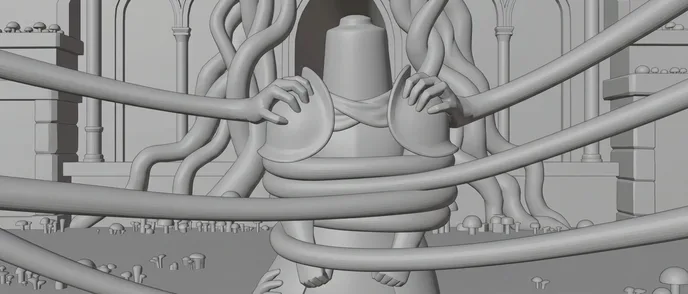
  1. A small lantern-helmed knight bound by thick roots in a ruined hall
    Storyboard frame of the trap shot, in grey
    01

    Medium · the trap

    Medium shot, Lantern bound by thick living roots in a ruined hall, glowing blue mushrooms on the floor, cold light

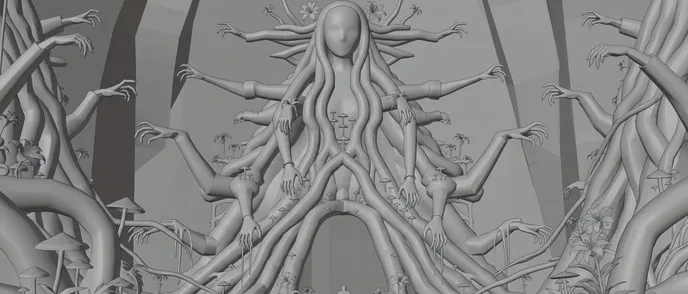
  2. A giant woman made of roots and white lilies spreads her many arms in a dark cavern
    Storyboard frame of the wide shot, in grey
    02

    Wide · the Source Tree

    Symmetrical wide shot, a giant woman made of roots, arms spread with many hands, white lilies, blue glyphs

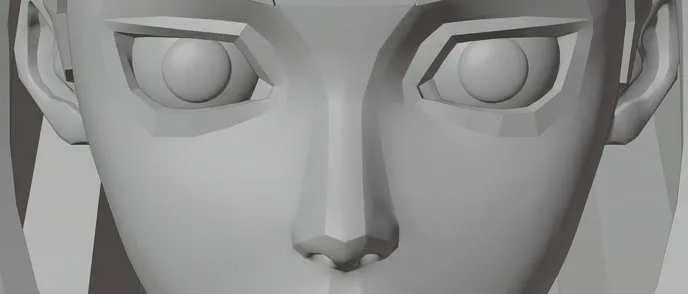
  3. Extreme close-up of a giant pale face with piercing blue eyes
    Storyboard frame of the eyes close-up, in grey
    03

    Extreme close-up · the eyes

    Extreme close-up on the giant's face, piercing blue eyes opening, pale skin, soft light from below

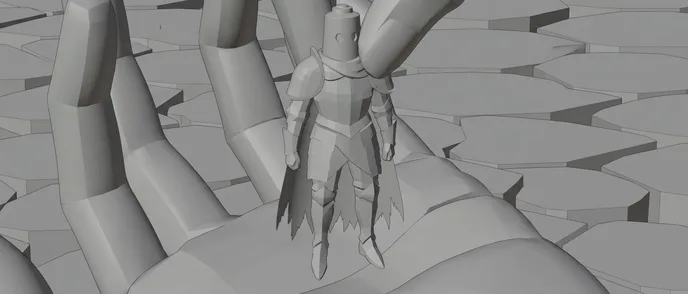
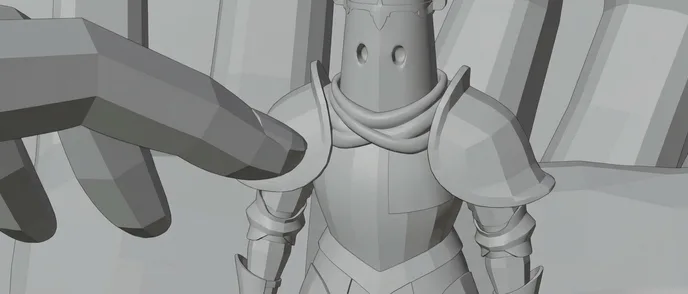
  4. A tiny armored knight stands in the middle of a giant open hand
    Storyboard frame of the palm shot, in grey
    04

    High angle · the palm

    High angle, the tiny knight standing in the center of a giant open palm, stone floor far below

  5. A giant fingertip gently touches the chest of a small armored knight
    Storyboard frame of the touch close-up, in grey
    05

    Close-up · the touch

    Close-up, a giant fingertip gently touches the knight's armored chest, faceless helm, emotion through posture

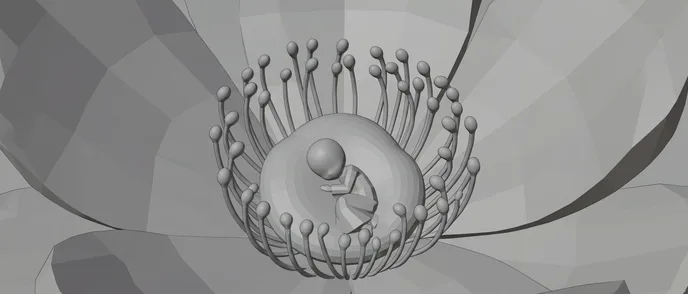
  6. A sleeping pink-haired child curled inside a glowing blue flower
    Storyboard frame of the seed insert, in grey
    06

    Insert · the seed

    Top-down insert, a glowing pale blue flower opening, a sleeping child with pink hair curled inside

Lost Garden, episode 1 runs 17 minutes and was a finalist at the AI London Festival. A cut for IA en Corto would sit well under the 30 minute limit. It is not an entry here. If your own film is not in Spanish, plan the Spanish subtitles from the first edit. The player jumps straight to this scene.

The script

An 8 minute short in five movements.

The first edition’s selection runs from 2 to 10 minutes, so eight minutes is a comfortable middle. That is about 8 screenplay pages and 70 to 90 shots of 4 to 8 seconds.
  1. 0:00 to 0:30

    The first image

    A world and a question, with the title. Say what kind of film this is.

  2. 0:30 to 1:40

    The character and the rule

    Who we follow and what the world allows. Show the rule you will break.

  3. 1:40 to 4:50

    The journey

    The character moves through two or three places. Each one raises the cost and uses AI for something a camera could not film.

  4. 4:50 to 7:00

    The turn

    A choice or a loss that changes the film’s meaning. The scene people will talk about.

  5. 7:00 to 8:00

    The echo

    An image that answers the first one. Then the credits, and the Spanish subtitles if you need them.

The festival wants AI to be part of the idea, not decoration. Build the film around something AI makes possible, and write one paragraph about it for your editorial page.

Day by day

From the section to the Festhome form.

Seventeen days from 1 October to 18 October. The late deadline of 4 October costs $2.31 and the extended one $3.78 per category, so take the extra two weeks and finish a better film.
  1. 01

    1 to 3 Oct

    Choose the section

    Pick one of the four sections, since the fee is per category. Write the logline and say in one sentence what AI allows that a camera does not.

  2. 02

    4 to 6 Oct

    Write the screenplay

    Five to eight pages for a short of that length, or two for a micro-short. Draft it in ScreenWeaver at no cost, in industry format, and time it by reading aloud.

  3. 03

    7 to 9 Oct

    Storyboard and references

    Let ScreenWeaver break the screenplay into shots and draw the storyboard. Approve one reference per character and per set, so faces and places stay the same across the film.

  4. 04

    10 to 14 Oct

    Generate the footage

    Any AI tool is allowed. Work scene by scene from the storyboard, the most important shot first. Keep a log of what AI did in each scene: it feeds your editorial page.

  5. 05

    15 to 16 Oct

    Edit, sound, Spanish subtitles

    Cut, mix and subtitle. If the film is not in Spanish, add Spanish subtitles. Prepare the synopsis, the AI-process note, a photo and a short biography.

  6. 06

    17 to 18 Oct

    Submit on Festhome

    Submit through the festival’s Festhome page and pay the fee. Send it on the 17th, so a connection problem costs you nothing.

Rejection traps

Eight ways to miss the selection.

The rules are friendly and the festival is small. That makes a careless submission easier to spot, not harder.
  • No Spanish subtitles

    The language of the film is free, but a film that is not in Spanish must carry Spanish subtitles for evaluation and exhibition.

  • AI as decoration

    The festival wants AI to be a relevant and creative part of the work, not merely technical or accidental. A film that could be shot without AI will have to justify itself.

  • Over the 2 minute line

    The micro-shorts and vertical section stops at 2 minutes. Every other section stops at 30. Check the running time of your final export, not of your cut.

  • The wrong section

    Four sections and a fee per category. A psychological thriller placed in General Fiction competes with a different crowd, and with a different eye.

  • Rights you do not hold

    Works must respect third-party rights, and the festival says it is not responsible for legal conflicts from AI tools, materials, images or sounds. Check your music and your reference images.

  • Waiting for the last fee

    Fees climb at each deadline: $0.84, $1.68, $2.31 and $3.78 per category. The amounts are small, but they only go up.

  • Counting on an award

    The festival can declare categories or recognitions vacant when works do not reach the expected level, and the committee’s decisions are final.

  • Trusting one source for dates

    The festival site prints no dates. Festhome gives 19 October for notifications and 20 to 24 October for the festival. Confirm them in your account.

Why ScreenWeaver

The second prize is a Seedance 2.5 course.

ScreenWeaver keeps screenplay, storyboard and footage in one connected project, for films and series alike. IA en Corto imposes no tool, and its second prize points at the model ScreenWeaver runs on.
  • Seedance 2.5 on both sides

    According to Festhome, the second prize is a training in AI filmmaking built around Seedance 2.5. ScreenWeaver’s footage pipelines run on Seedance 2.0 and 2.5, so the workflow you prepare is the one the prize teaches.

  • No imposed tool

    Any AI tool is allowed. Footage from ScreenWeaver, powered by Seedance, would fit the rules once it ships. For 18 October, use the tool you already know.

  • Your AI process, already written down

    Selected films get an editorial page that tells the AI process. In a ScreenWeaver project each shot ties back to its scene, its storyboard frame and its prompt, so the answer exists before anyone asks.

  • Start for free today

    Screenwriting costs $0 and has no end date. Add Storyboard Beta for $9.99 a month. The Filmmaker plan, now rolling out, brings video generation.

Real productions

International festival-recognized films have been written and produced with ScreenWeaver.

ScreenWeaver is already being used as a creative workspace for real AI film productions, from cinematic shorts to animated series pilots selected, nominated, and awarded by international festivals.

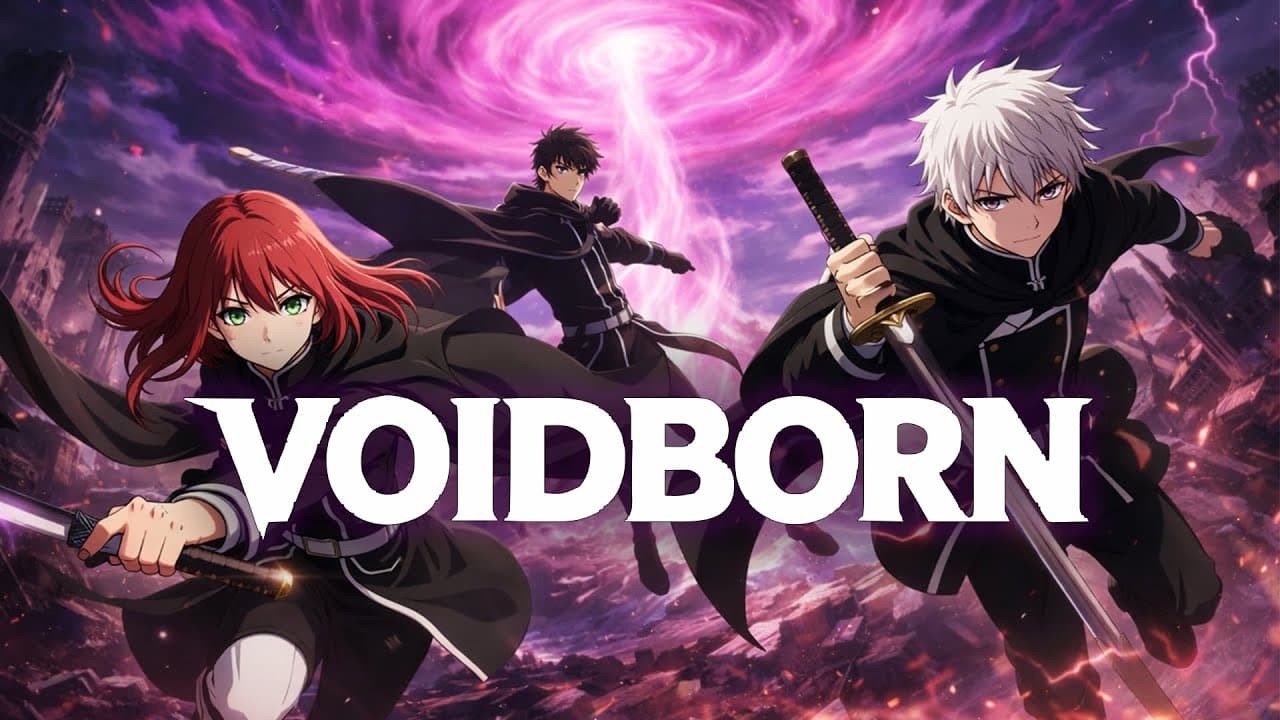
  • Video thumbnail for VOIDBORN

    VOIDBORN

    AI animated / cinematic short

    Festival recognition

    • 1st Place Silver

      Mondial Chroma Awards

    • 2nd Place Dreamina

      Mondial Chroma Awards

    • Award Winner

      Seoul International AI Film Festival

  • Video thumbnail for Les Fils du Vinnana

    Les Fils du Vinnana

    AI short film

    Festival recognition

    • Honorable Mention

      Top Quark Film Festival

    • People's Choice Nominee

      Illuminate Oneness of Humanity

    • Nominee

      ALTFF Supershort

  • Video thumbnail for Lost Garden

    Lost Garden

    AI animated series pilot

    Festival recognition

    • Finalist

      AI London Festival

The pipeline

Write. Board. Produce.

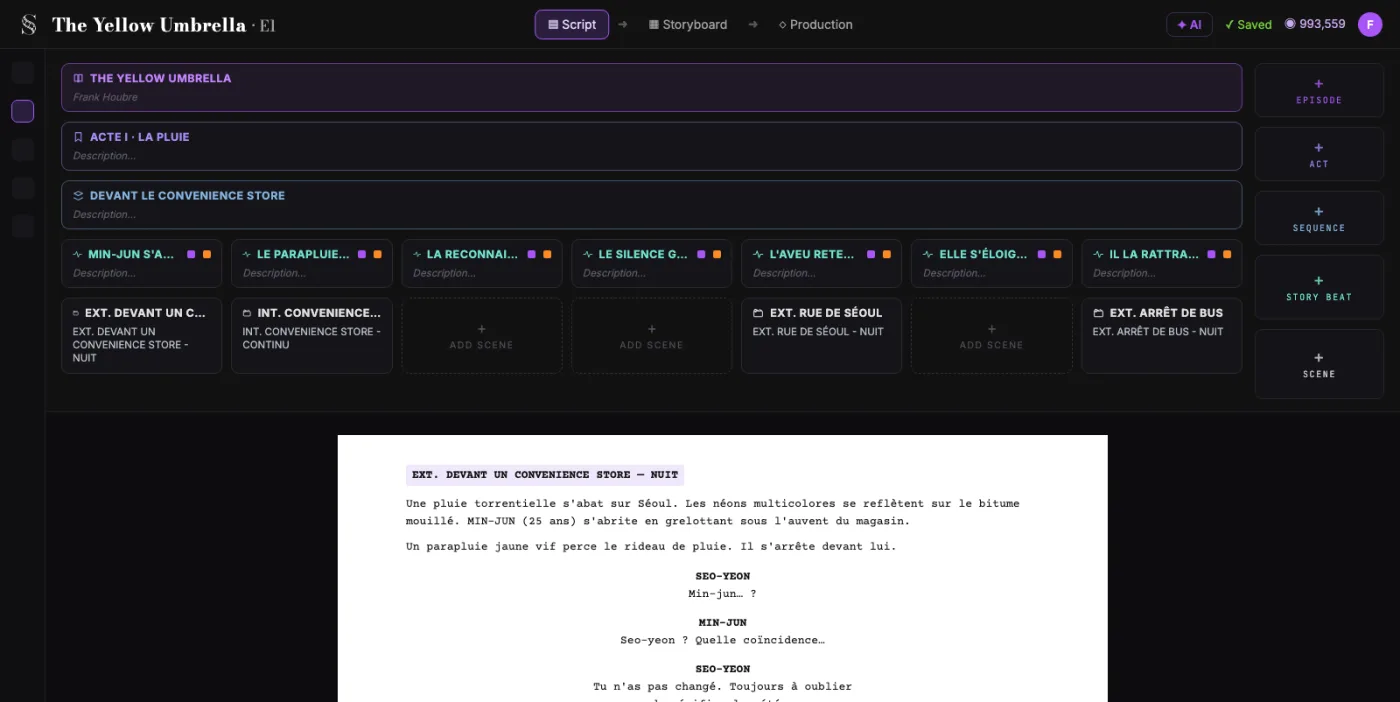
  1. ScreenWeaver screenplay editor: acts, sequences and beats above the formatted script of The Yellow Umbrella

    01The screenplay, enriched

    An industry-standard screenplay editor, and more: a visual outline and beat editor, your writing inspirations (notes, photos, audio) kept next to the page, and an AI researcher to support your writing, not replace it.

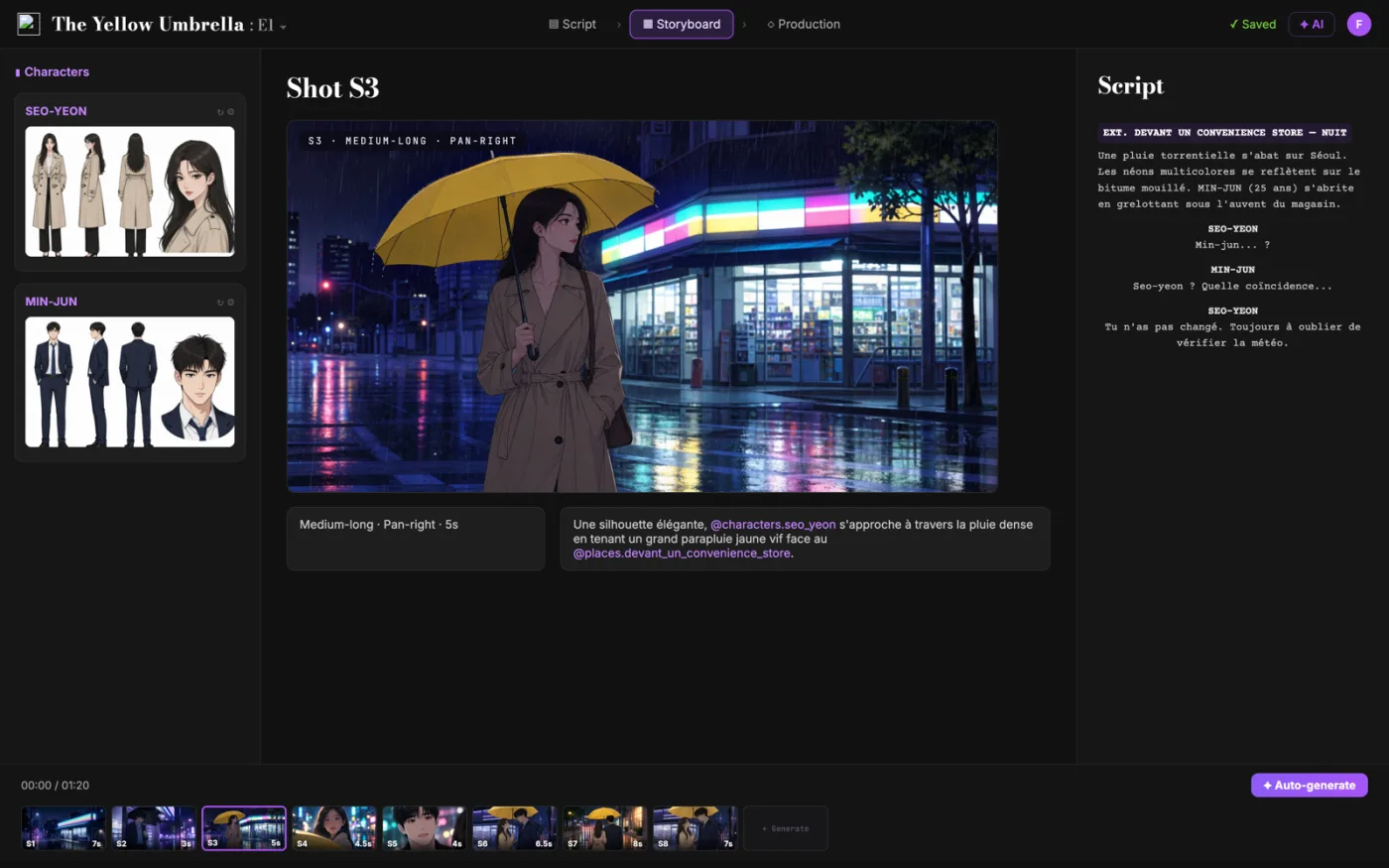
  2. ScreenWeaver storyboard: shot S3 of The Yellow Umbrella with characters, shot settings and the script beside it

    02The storyboard, made easy

    Shot breakdown generated from your screenplay, manual control over every shot (frame, angle, movement, duration), and generative AI previsualization in one click.

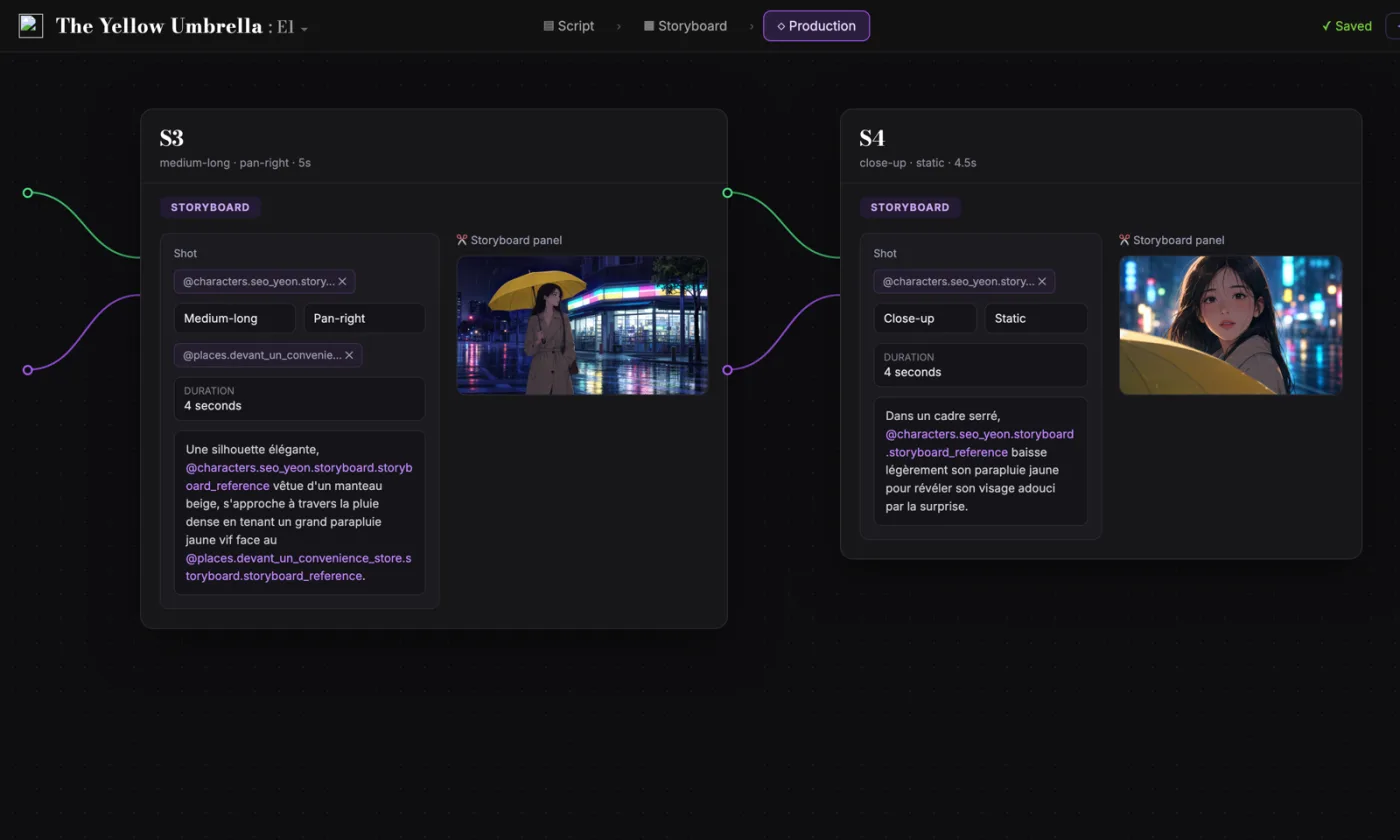
  3. ScreenWeaver production canvas: shots S3 and S4 as connected nodes carrying their storyboard panels and prompts

    03AI production, with finesse

    Footage generation pipelines connected to your screenplay and storyboard. Optimized out of the box, fully editable workflow.

FAQ

IA en Corto, your questions

How do you win IA en Corto?
A selection committee judges artistic, narrative, technical and innovative criteria in the use of AI, with no published weights. The Official Selection goes to films with quality, originality and a proposal of their own, and there are eight laurels plus an Audience Award. Make AI part of the idea, and finish the film cleanly.
Can I submit a film that is not in Spanish?
Yes. The language is free, but a film that is not in Spanish must include Spanish subtitles for evaluation and exhibition.
What do the prizes include?
No cash. According to Festhome, first place gets sales and distribution advice from Inside Films, second place a training in AI filmmaking built around Seedance 2.5, and third place 10,000 FilmSpark AI credits. The festival site lists eight laurels, from Best AI Short Film to Best AI Innovation.
How much does it cost?
Festhome lists $0.84, $1.68, $2.31 and $3.78 per category at the four deadlines. Check the final price at checkout.
Does the whole film have to be made with AI?
No. The rules say it need not be, but AI must be a relevant and creative part of the work, in image, animation, writing, sound or editing.
What are the dates?
The extended deadline is 18 October 2026, with notifications on 19 October and the festival from 20 to 24 October, according to Festhome. The festival site prints no dates, so confirm them in your account.
Who is on the jury?
Seven jurors are listed on the English page, from film directors and producers to AI educators and a graphic designer. The director of the Best AI Short Film is invited to the next jury.
Can I make the film with ScreenWeaver?
You can write and storyboard it in ScreenWeaver today. The festival imposes no tool. ScreenWeaver’s footage, powered by Seedance, is rolling out, so for 18 October generate with the tool you already use.

Seventeen days. Pick the right section.

Draft the screenplay today, for free. Storyboard it, then pick any AI tool for the footage.