FESTIAV Valencia 2026 · Guide

How to win FESTIAV Valencia.Fifteen minutes, five categories, 2,250 euros.

The rules, the weighted grid where 30 percent rewards the creative and ethical use of AI, and the five categories. The 2026 call closes on 4 October at 23:59 (GMT+1), so most filmmakers should aim for the next edition. This page covers both routes.
  • Call closes 4 October 2026
  • 15 minutes maximum, 16:9 only
  • Scoring grid explained
Voidborn · Episode 0

Independent guide. ScreenWeaver does not organise FESTIAV and is not affiliated with Galaxia Televisión, S.L. Rules read on 1 October 2026. Official rules on Festhome

Available today in ScreenWeaver: free screenwriting, and a storyboard generated from your screenplay with Storyboard Beta, $9.99 a month.

Rolling out: video generation of each shot, powered by Seedance, with the Filmmaker plan.

The rules on one card

What FESTIAV asks for.

FESTIAV is the Valencia International Artificial Intelligence Film Festival, run by Galaxia Televisión, S.L. It is exclusively for short films generated wholly or partly with AI, and its second edition screens 20 shorts.
Festival
26 to 30 October 2026, Valencia
Call closes
4 October 2026, 23:59 (GMT+1)
Prizes
2,250 EUR gross across five awards
Running time
Up to 15 minutes with credits
Format
16:9 only, 1080p and 24 fps minimum
AI requirement
A significant part of image, sound or story
Made
On or after 1 January 2025
Entry
12 EUR per category on Festhome

Source: the FESTIAV Participation Rules (version 2.0, April 2026) and the sections and fees tab on Festhome, plus festiav.com, read on 1 October 2026. Two details conflict inside the rules: the final file is due on 20 October in Article 4 and on 15 October in Article 9.6, and Article 7.5 gives a fee of 5 to 20 EUR where Festhome shows 12. Confirm both with the festival.

Key dates

Four weeks that decide the 2026 edition.

The call opened on 22 May 2026 and <b>closes in three days</b>. The dates below are the 2026 ones. No 2027 date has been announced.
  1. 4 Oct 2026

    The call closes

    23:59 (GMT+1), on Festhome. Anything received afterwards is rejected automatically.

  2. 12 Oct 2026

    Selection announced

    Selected works are told from this date, by the festival’s channels and by email.

  3. 15 or 20 Oct 2026

    Final file

    The rules give 20 October in Article 4 and 15 October in Article 9.6. Plan for the earlier date.

  4. 28 and 29 Oct 2026

    Public screenings

    Selected works play at ABC Park in Valencia, alongside talks, a technical session and a networking meeting.

  5. 30 Oct 2026

    Awards ceremony

    At La Harinera. Attendance is recommended, not mandatory, and travel is at your own cost.

How films are scored

A grid with a conscience.

FESTIAV publishes its weights, and the heaviest one is not the image. Thirty percent goes to the creative and ethical use of AI, so how you made the film is part of what is judged.
  • Creative and ethical use of AI

    30%

    Originality, innovation and a meaningful, responsible use of AI tools. List every model in the form, avoid tools the EU AI Act prohibits, and make AI the reason the film exists, not a shortcut.

  • Narrative and artistic quality

    25%

    Dramatic coherence, pacing, structure and expressive power. In 15 minutes that means one character, one want and one change.

  • Audiovisual innovation

    25%

    A distinctive approach in visual, sound or narrative language. A sound idea counts as much as an image, and a voice or a score can carry a film.

  • Aesthetic coherence

    20%

    Unity of tone, editing rhythm and a match between form and content. This is where drifting faces and shifting styles cost points.

The rules say the jury weighs these criteria among others, so the list is not exhaustive, and that a prize can be declared void if no film reaches the minimum quality.

Who decides

A committee, a jury and nine guests.

The rules describe two bodies and name nobody. The jury is not published, and the festival’s speakers are a separate group.
  • The selection committee

    Audiovisual professionals and specialists in AI-based creation, appointed by the organiser, decide which works enter the Official Selection. They may also move your film to another category if your choice looks doubtful or incomplete. Their decision is final.

  • The jury

    At least three specialists in cinema, digital narratives, technology and AI. A member must step aside for a family or employment link to an entrant. Deliberations are confidential and cannot be challenged.

  • The speakers

    Nine speakers are announced on festiav.com for the professional programme, among them an intellectual property lawyer, an AI filmmaker and a former Disney and HBO producer. The site does not say they judge. They are people to meet, not a panel to please.

The five categories

One film, up to five doors.

Each person or team may enter one work per category, five at most, and the same film may be entered in more than one. The committee can still move it. Each card ends on the angle we would take in it.
  • 01

    Fiction AI

    Best Fiction Short Film Generated by AI, 1,000 EUR, the largest prize.

    The most crowded category, and everyone has the same tools. Win on structure: a story a viewer can retell in two sentences.

  • 02

    Comedy AI

    Best Comedy Short Film Generated by AI, 250 EUR.

    Comedy is timing, and timing lives in the cut. Build the joke in the screenplay and the edit, not in the render.

  • 03

    Horror AI

    Best Horror Short Film Generated by AI, 250 EUR.

    Suggestion suits generated images: shadows, partial views, sound. Make the strangeness deliberate, so a glitch reads as design and not as a flaw.

  • 04

    Historical AI

    New in 2026: historical or period works, 500 EUR.

    No precedent and probably fewer entries. Anchor the film in a documented moment and check costume, objects and speech against a source: an anachronism is the first thing a jury sees.

  • 05

    Valencian AI

    New in 2026: works whose primary language is Valencian, 250 EUR, no subtitles required.

    Only for a film whose main language is Valencian. Have a native speaker check every line before you submit, and keep the story local and specific.

The 2025 winners

Three winners, three lessons.

The festival’s site lists the 2025 winners of three categories: El milagro de Empel for Fiction, Dagon for Horror and Hallowmetro for Comedy. We did not watch them and found no credits, so the lessons come from the titles and from the shape of the call.

  1. 01

    Only three categories existed. Historical and Valencian are new in 2026, so those two have no winners to learn from and probably less competition.

  2. 02

    Two titles lean on a known story. El milagro de Empel shares its name with a 1585 episode of Spanish military history, and Dagon with a short story by H. P. Lovecraft. A familiar tale gives a generated film a structure it does not need to invent.

  3. 03

    The working languages are Spanish and English. A film in any other language must carry subtitles in one of them, except in the Valencian category.

From script to screen

Voidborn: thirteen minutes, one look.

FESTIAV caps a film at 15 minutes with credits, in 16:9. Voidborn, episode 0, an anime pilot by the ScreenWeaver team, runs 13 minutes in that frame. This scene shows how a screenplay page becomes a storyboard frame and then a final image.

Logline. Every seven years, the Rift opens and swallows the world’s dreams. A swordsman sworn to a blind seer escorts her through its levels, toward a promise they made to a girl left behind.

Screenplay · episode 0 · English subtitles

EXT. RUINS OF THE FIRST LEVEL - NIGHT

Broken towers under a violet sky. SIM, a swordsman in a black cloak, walks beside LADY MARIA, blindfolded, all in white.

SIM

Tell me, Maria... do you think Leia believes we are still alive?

MARIA

We made a promise... the two of us.

A line of white automatons rises from the ruins.

AUTOMATON

The Rift will wait for no one.

SIM

What are machines doing at this level?

One automaton steps forward. Its face is blank.

AUTOMATON

We must return to the surface.

Its eyes ignite red.

SIM

I am Sim, guardian of Lady Maria... and I will proceed with your execution.

Steel meets steel. Lightning runs down the blade.

CUT TO:

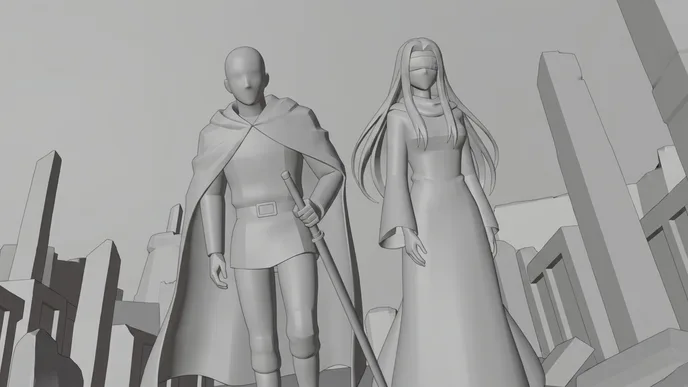
  1. A swordsman in a black cloak and a blindfolded woman in white walk through ruins at night
    Storyboard frame of the wide shot, in grey
    01

    Wide · the pair

    Wide shot, a bald swordsman in a black cloak and a blindfolded red-haired woman in white walk through night ruins

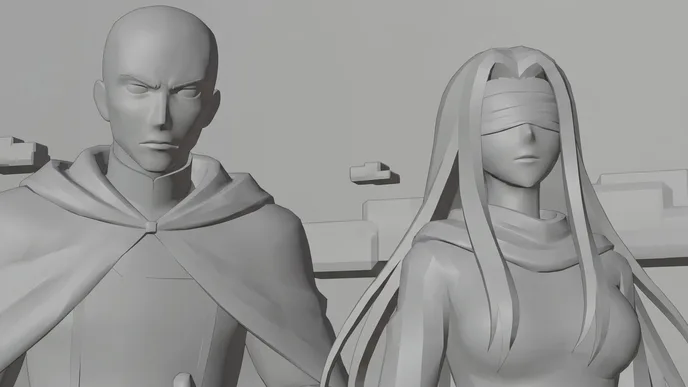
  2. Medium two-shot of a bald swordsman and a blindfolded red-haired woman
    Storyboard frame of the two-shot, in grey
    02

    Two-shot · the promise

    Medium two-shot, the swordsman and the blindfolded seer side by side, violet night sky, broken towers

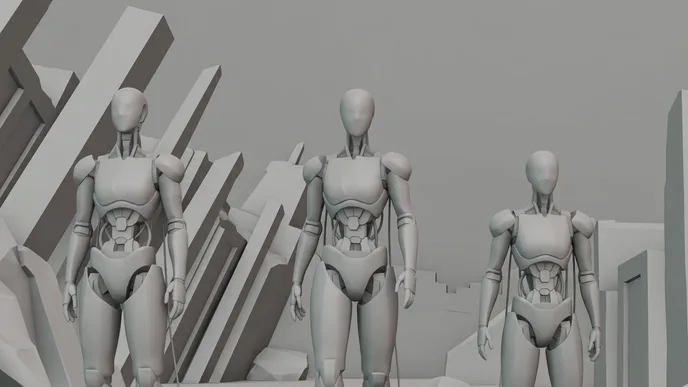
  3. Three white humanoid automatons stand in night ruins
    Storyboard frame of the automatons shot, in grey
    03

    Wide · the machines

    Wide low angle, three white humanoid automatons standing in the ruins, cold blue moonlight

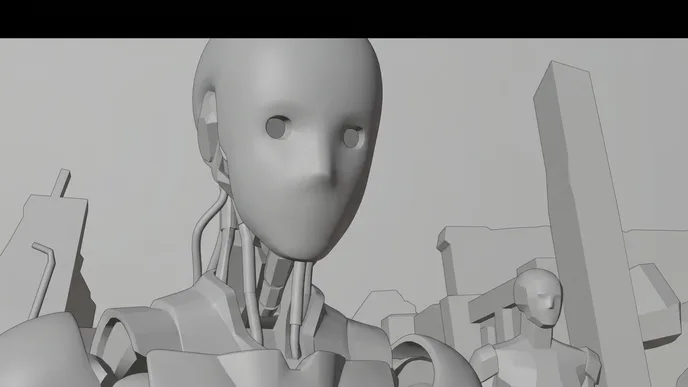
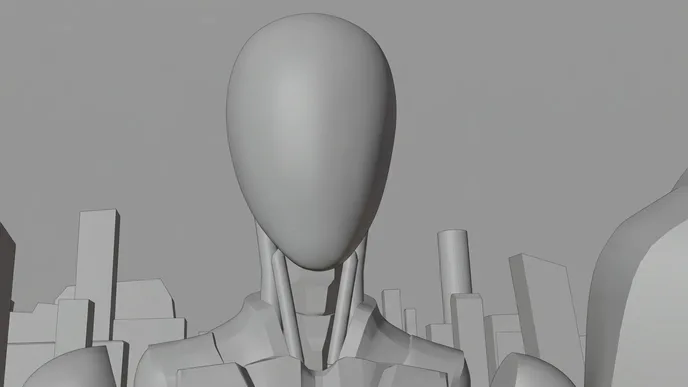
  4. Close-up of a white automaton with a smooth blank face
    Storyboard frame of the blank face close-up, in grey
    04

    Close-up · the blank face

    Close-up on an automaton's smooth faceless head, black eye slots, cables at the neck, ruins behind

  5. A white automaton's eyes glow red
    Storyboard frame of the red eyes close-up, in grey
    05

    Close-up · the red eyes

    Same framing, the automaton's eyes ignite red, the swordsman's shoulder out of focus in the foreground

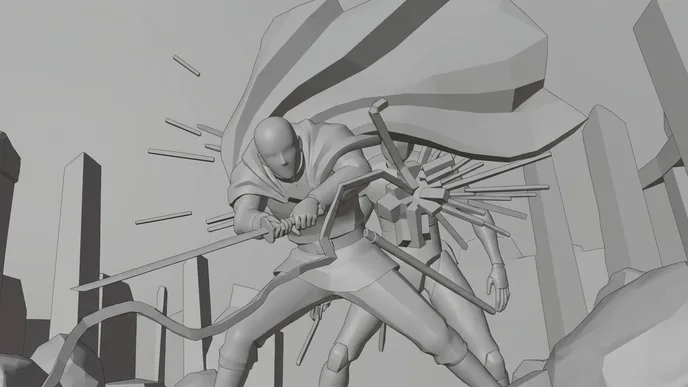
  6. A swordsman strikes with a katana wreathed in lightning and sparks
    Storyboard frame of the clash shot, in grey
    06

    Action · the clash

    Dynamic low angle, the swordsman strikes with his katana, lightning running along the blade, sparks, cape flying

Voidborn, episode 0, 13 minutes in 16:9, inside FESTIAV’s limits. The film won 1st Place Silver and 2nd Place Dreamina at the Mondial Chroma Awards, and an award at the Seoul International AI Film Festival. It is a fair test of the 15 minute format: one world, one look, one duel. Press play to jump to this sequence.

The script

A 12 minute film in five beats.

The cap is 15 minutes including titles and credits, and 3 minutes is the recommended minimum. Aim for 12 minutes: about 12 screenplay pages and 120 to 180 shots of 4 to 6 seconds.
  1. 0:00 to 1:00

    The hook

    One image, one question, and a reason to keep watching. The selection committee sees many shorts.

  2. 1:00 to 3:00

    The world

    Who we follow, what they want, and the one rule of the place or period.

  3. 3:00 to 8:00

    The escalation

    Each scene raises the price. Give one scene to sound and silence.

  4. 8:00 to 11:00

    The climax

    The choice, the joke or the scare, depending on your category.

  5. 11:00 to 12:00

    The landing

    End on a frame that replies to the first. Then 30 seconds of credits.

The cap counts credits. A 12 minute cut with 30 seconds of credits keeps you well under the limit and leaves room to replace a shot at the last minute.

Step by step

From the last days of the 2026 call to the next one.

With three days left, a new film is out of reach. Enter 2026 only with a finished short that meets the format, and use the rest of this plan for the next call.
  1. 01

    Now to 4 October 2026

    Decide whether to enter

    Enter only a finished short that is 16:9, 15 minutes or less and completed in 2025 or later. Anything else waits for the next edition.

  2. 02

    By 4 October, 23:59 (GMT+1)

    Prepare the pack

    A digital copy, a poster, two stills, a photo of the director and a detailed list of the AI tools and models used. Submit on Festhome and wait for the confirmation email.

  3. 03

    26 to 30 October 2026

    Study the 2026 edition

    Screenings are on 28 and 29 October. Note the length, genre and tools of the winners, and where the audience laughs or leans in.

  4. 04

    November 2026 to January 2027

    Write for one category

    Choose Fiction, Comedy, Horror, Historical or Valencian, and write 12 pages for it. Write them in ScreenWeaver for free and read them aloud.

  5. 05

    February to April 2027

    Storyboard and generate

    Approve one reference per character and place, then storyboard every shot. Generate scene by scene with Seedance as video generation reaches your plan. Keep a list of every tool and model: the form asks for it.

  6. 06

    May 2027

    Watch for the call

    The 2026 call opened on 22 May. FESTIAV has announced no 2027 dates, so follow festiav.com and its social accounts.

Why films get rejected

Eight reasons to be refused.

Most of them sit in Articles 5 and 6 of the Participation Rules. Read both before you generate a single shot.
  • A vertical or square film

    Only horizontal 16:9 is accepted. A 9:16 short drama needs a full re-edit, not a crop.

  • Sixteen minutes

    The maximum is 15 minutes, including opening titles and end credits. There is no minimum, but 3 minutes is recommended for narrative substance.

  • A film from 2024

    Works produced before 1 January 2025 are not accepted.

  • A commercial in disguise

    Advertising, promotional and corporate works are out, as are music videos, teasers and pieces without narrative substance, and school projects supervised by an institution.

  • A prohibited tool

    The film must not use AI tools prohibited under the EU Artificial Intelligence Act, nor models that infringe data or copyright rules. The organiser may exclude a work that does.

  • No list of tools

    The form asks for the software and AI models used in the image, sound or narrative, and the pack for a detailed list. An omission is a missing document.

  • Rights you cannot show

    You warrant that you hold all the rights needed, and you indemnify the festival against third-party claims. The organiser can ask for proof, so keep your licences.

  • A film you cannot withdraw

    Once a work is selected and you are notified, you cannot withdraw it unilaterally. Do not enter a film you have promised elsewhere.

Why ScreenWeaver

A festival that asks how you made it. ScreenWeaver keeps the answer.

FESTIAV imposes no tool, and scores the ethical use of AI at 30 percent. ScreenWeaver is one connected project: screenplay, storyboard and footage, with the method written down along the way.
  • A tool list that writes itself

    A shot, its scene, its storyboard frame and its prompt stay linked, because the pipelines are connected to the script. The list of tools and models the form asks for is already in the project.

  • Powered by Seedance

    ScreenWeaver’s footage pipelines are powered by Seedance 2.0 and 2.5. Declare ScreenWeaver and the Seedance version in the form, and check that the tool you use complies with the EU AI Act before you rely on it.

  • One look for fifteen minutes

    References for characters and places stay attached to every shot. That is the difference between aesthetic coherence, worth 20 points, and a hundred clips that do not match.

  • Start for free today

    Free screenwriting on the Screenwriter plan, $0, no expiry. Storyboard on the beta for $9.99 a month. Footage generation will come with the Filmmaker plan, rolling out now.

Real productions

International festival-recognized films have been written and produced with ScreenWeaver.

ScreenWeaver is already being used as a creative workspace for real AI film productions, from cinematic shorts to animated series pilots selected, nominated, and awarded by international festivals.

  • Video thumbnail for VOIDBORN

    VOIDBORN

    AI animated / cinematic short

    Festival recognition

    • 1st Place Silver

      Mondial Chroma Awards

    • 2nd Place Dreamina

      Mondial Chroma Awards

    • Award Winner

      Seoul International AI Film Festival

  • Video thumbnail for Les Fils du Vinnana

    Les Fils du Vinnana

    AI short film

    Festival recognition

    • Honorable Mention

      Top Quark Film Festival

    • People's Choice Nominee

      Illuminate Oneness of Humanity

    • Nominee

      ALTFF Supershort

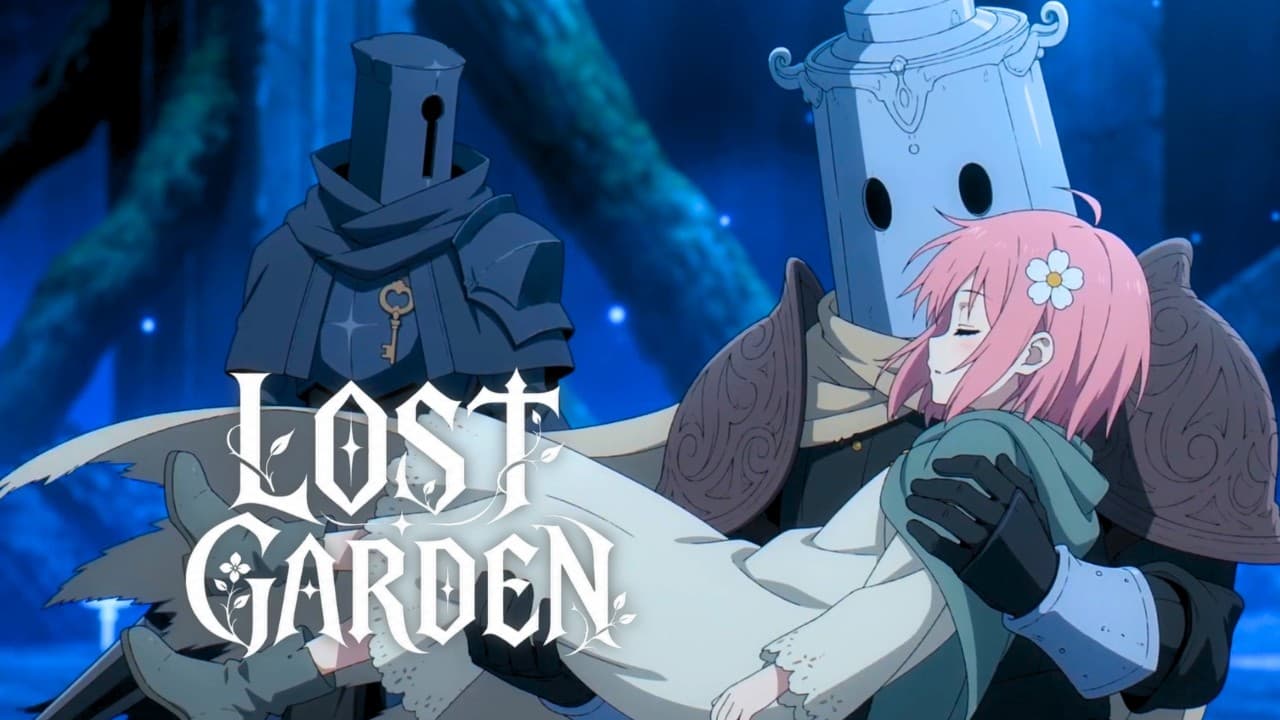
  • Video thumbnail for Lost Garden

    Lost Garden

    AI animated series pilot

    Festival recognition

    • Finalist

      AI London Festival

The pipeline

Write. Board. Produce.

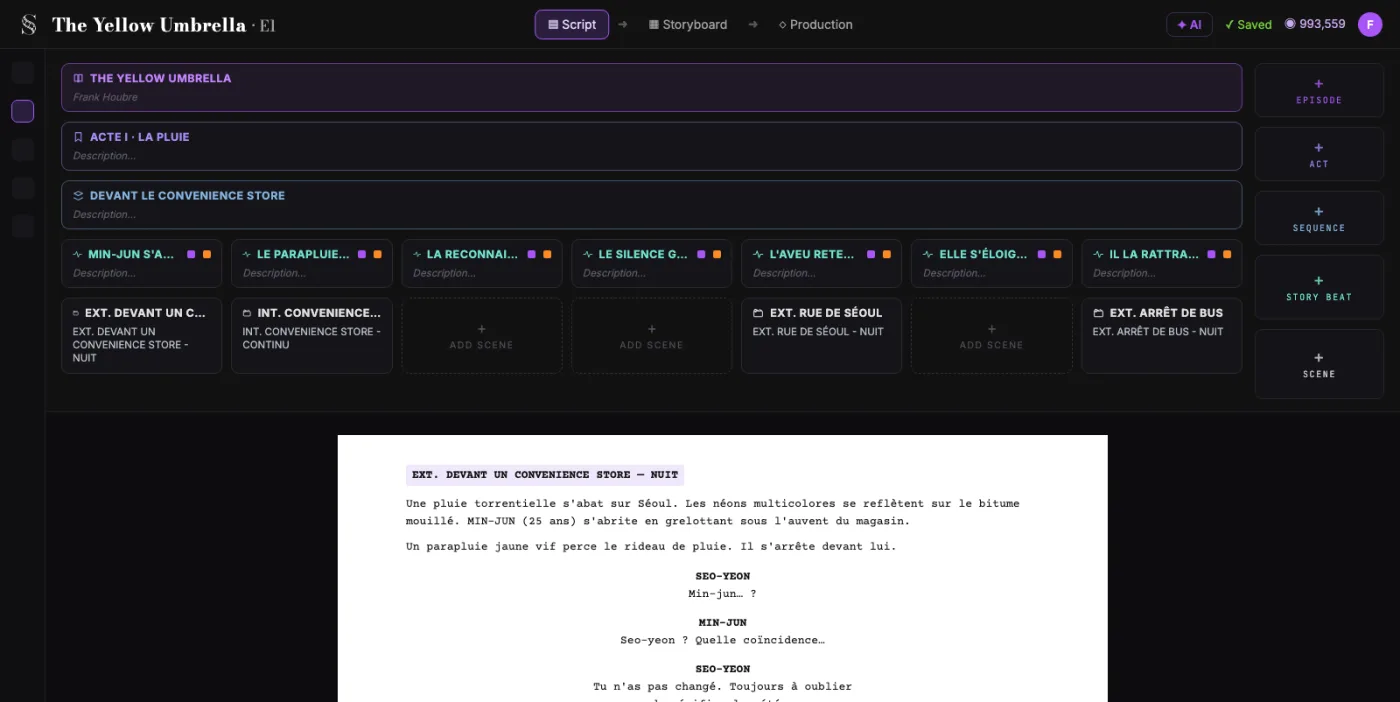
  1. ScreenWeaver screenplay editor: acts, sequences and beats above the formatted script of The Yellow Umbrella

    01The screenplay, enriched

    An industry-standard screenplay editor, and more: a visual outline and beat editor, your writing inspirations (notes, photos, audio) kept next to the page, and an AI researcher to support your writing, not replace it.

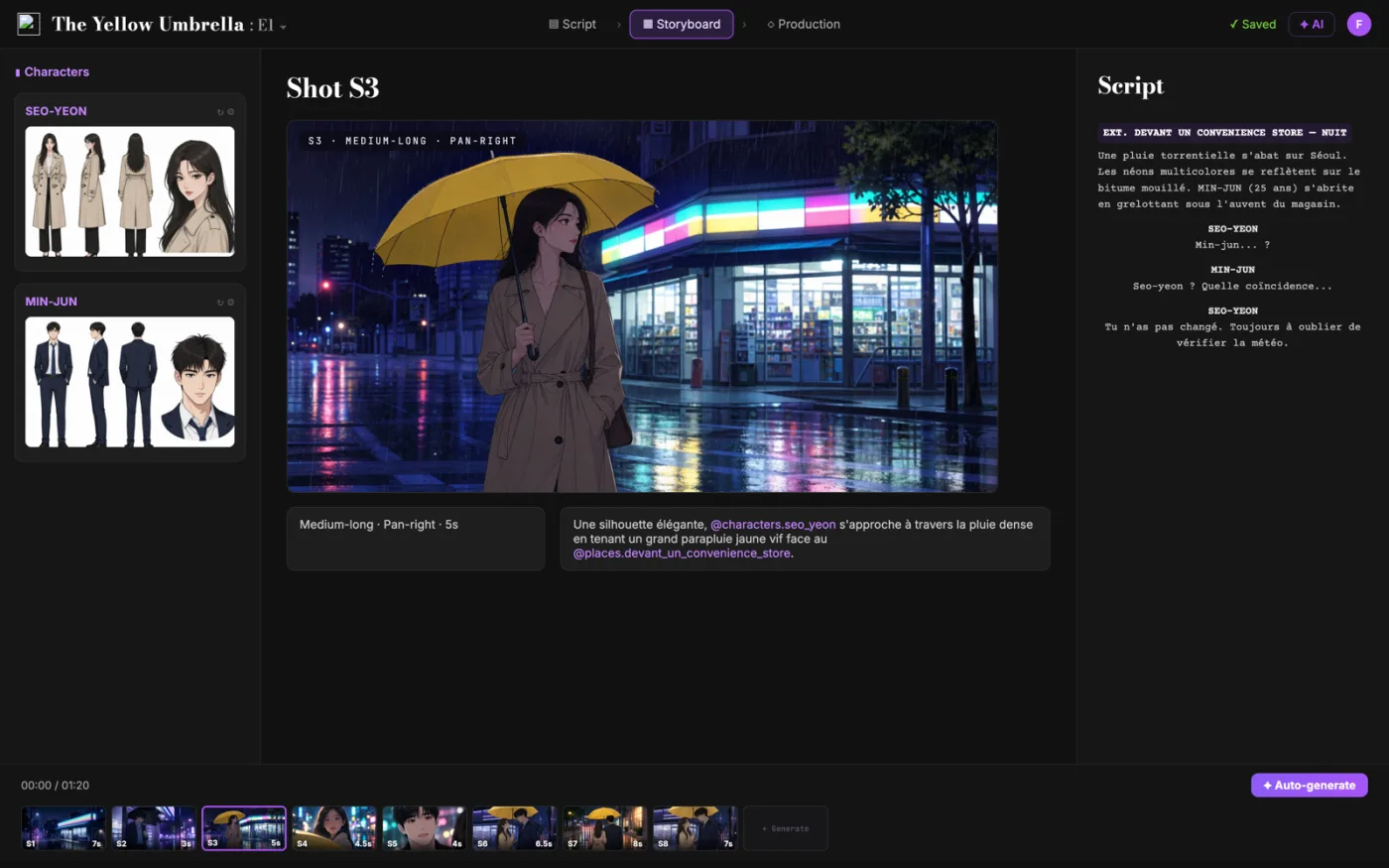
  2. ScreenWeaver storyboard: shot S3 of The Yellow Umbrella with characters, shot settings and the script beside it

    02The storyboard, made easy

    Shot breakdown generated from your screenplay, manual control over every shot (frame, angle, movement, duration), and generative AI previsualization in one click.

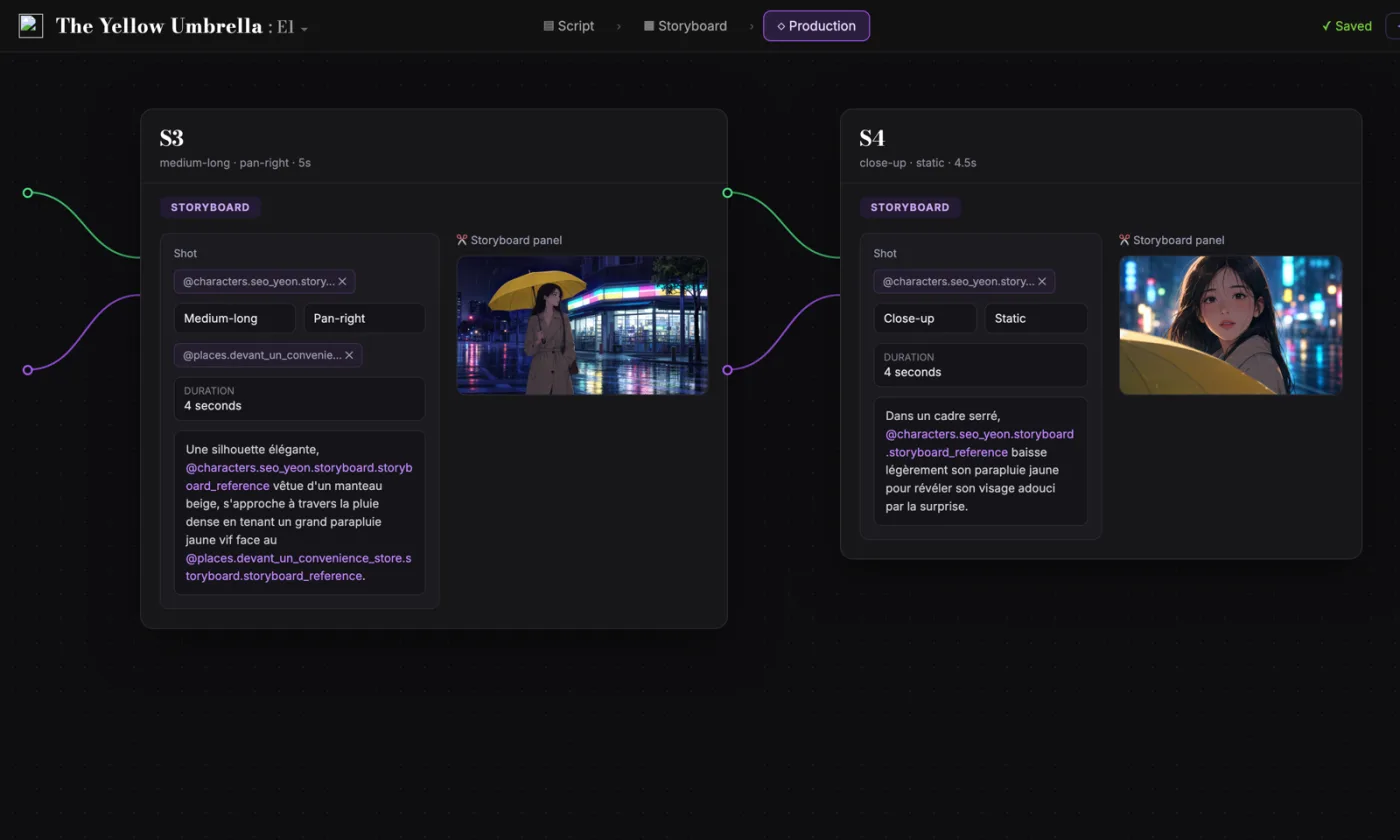
  3. ScreenWeaver production canvas: shots S3 and S4 as connected nodes carrying their storyboard panels and prompts

    03AI production, with finesse

    Footage generation pipelines connected to your screenplay and storyboard. Optimized out of the box, fully editable workflow.

FAQ

FESTIAV Valencia, your questions

How do you win FESTIAV Valencia?
A jury scores each film on four weighted criteria: creative and ethical use of AI 30, narrative and artistic quality 25, audiovisual innovation 25 and aesthetic coherence 20. Fifty-five points go to story and form, and thirty to how you used AI. Five prizes, from 250 to 1,000 EUR, go to the best film of each category.
When is the FESTIAV deadline?
The 2026 call closes on 4 October 2026 at 23:59 (GMT+1), on Festhome. Selection is announced from 12 October and the festival runs from 26 to 30 October. No 2027 date is announced yet.
What does a FESTIAV entry cost?
Festhome shows 12 EUR per category, or 11.04 EUR with its discount. Article 7.5 of the rules says 5 EUR rising to 20 EUR by timing, so confirm the amount at checkout.
What counts as an AI film for FESTIAV?
A short generated wholly or partly with AI models (text-to-video, video-to-video, text-to-audio, image-to-video or a mix), where the AI is a significant element of the visual, sound or narrative creative process. You must list the tools and models in the form.
Can I enter a vertical film?
No. Only horizontal 16:9 is accepted, at 1920 by 1080 or higher and at least 24 frames a second. Vertical and square formats are rejected.
Who sits on the FESTIAV jury?
The rules promise at least three independent specialists in cinema, digital narratives, technology and AI, and name none. A selection committee decides which films enter the Official Selection first.
How many films can I enter?
You may enter one work per category, so five at most, and the same film may be entered in several categories. The committee can reassign a film if your category choice looks doubtful.
What is FESTIAV LAB?
A separate 24 hour creative challenge, according to festiav.com: teams of two or three, in Valencia or remote, all given the same script, music and images, with 3,000 EUR for the winning team. It has its own terms at festiav.com/lab, which we did not read.

Three days left for 2026. The next call starts with a page.

Open the first page at no cost. Storyboard it, then make it with Seedance, with the tool list kept from the first prompt.