HKAIIFF 2027 · Guide

How to win the Hong Kong AI International Film Festival.Seven Unicorn Awards. No AI percentage. US$99 a film.

The 2027 rules, the four dimensions behind the Grand Prix, the evidence the Silver Awards ask for and a plan to the 1 March 2027 deadline. Then write, storyboard and generate your film with ScreenWeaver.
  • Deadline 1 March 2027
  • US$99 per work
  • Tool-neutral awards
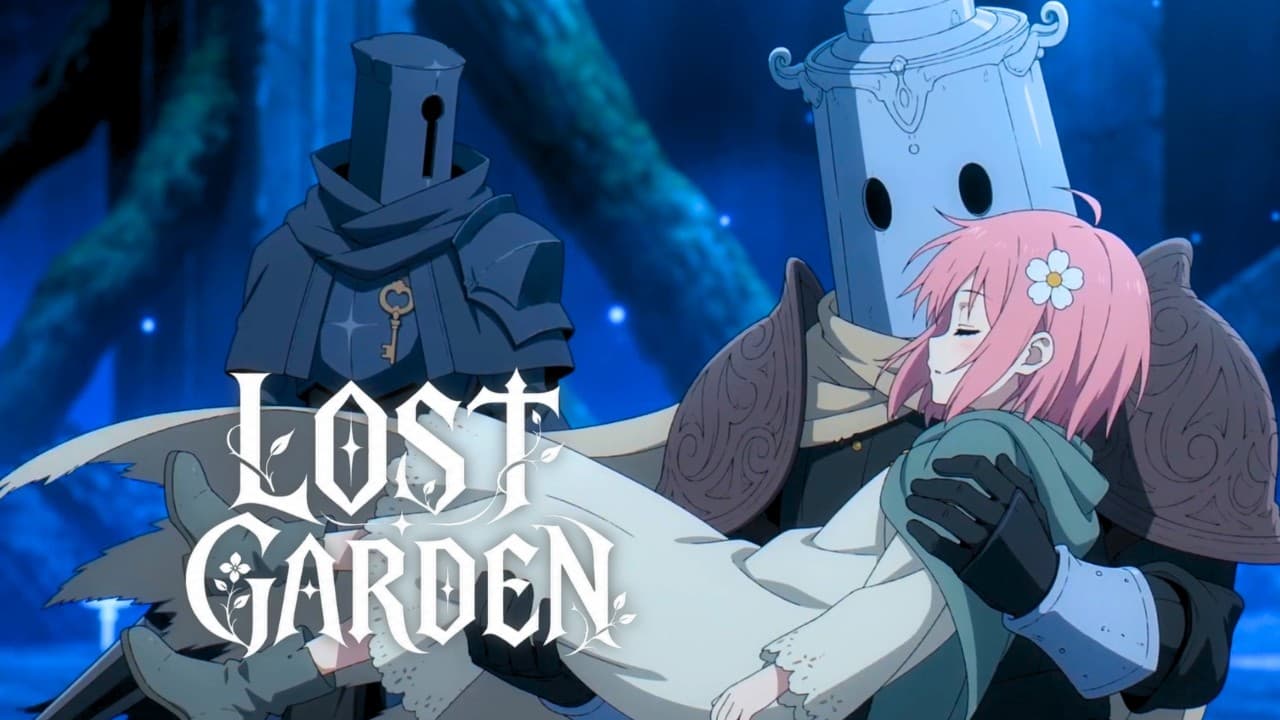
Lost Garden · Episode 1

Independent guide. ScreenWeaver does not organise HKAIIFF and is not affiliated with the Hong Kong AI International Film Festival Association. Rules read on 1 October 2026. Official entry guide

Available today in ScreenWeaver: free screenwriting, and a storyboard generated from your screenplay with Storyboard Beta, $9.99 a month.

Rolling out: video generation of each shot, powered by Seedance, with the Filmmaker plan. The awards are tool-neutral, so you can also generate with any tool you already use.

The rules on one card

What HKAIIFF 2027 asks for.

HKAIIFF is organised by the Hong Kong AI International Film Festival Association. The 2027 edition follows an inaugural edition in 2026. It publishes six official documents, and this card follows version 1.4 of 25 September 2026.
Entry window
1 Oct 2026 to 1 Mar 2027, 23:59 Hong Kong time
Entry fee
US$99 per work, no early or late tiers
Completion date
On or after 1 August 2026
AI requirement
A substantive creative role, no fixed percentage
Running time
No fixed minimum, but a complete work
Language
Any language, with English subtitles or a transcript
Files
Film up to 10 GB, trailer 1 GB, poster 20 MB
Awards
Seven Unicorn Awards, one Grand Prix

Source: the 2027 Entry Guide, the Awards and Jury Regulations, the Jury Handbook and the Submission and Technical Specifications, all version 1.4 of 25 September 2026, read as PDF text on 1 October 2026. Prize amounts are not announced: trophies, certificates and support are set by later announcements.

Key dates

Five months, and a four step form.

The festival publishes dates for entries only. Build your schedule on 1 March, and treat the rest as not yet announced.
  1. 25 Sep 2026

    The 2027 documents

    Six official documents, version 1.4, in English and in two Chinese scripts. Cite the document number and revision when you quote them, as the festival asks.

  2. 1 Oct 2026

    Entries open

    Entries go through hkaiiff.io, linked from hkaiiff.org. Four steps: information, payment, uploads, final submission.

  3. 1 Mar 2027

    Entries close

    23:59 Hong Kong time, UTC+8. An entry number or a payment receipt is not a final submission.

  4. Not announced

    Screenings and results

    The festival will announce screening dates, venues and notification arrangements separately. After a decision you have 14 days to ask for a procedural review.

How films are judged

Four dimensions, a five level scale.

The Grand Prix is judged on four dimensions and a descriptive scale from Level 1, not demonstrated, to Level 5, exceptional. Jurors do not add scores up and use no hidden weights. The festival wants a written reason, not a number.
  • Expression and originality

    A clear, distinctive perspective, and choices that go beyond a tool's preset effects or common combinations of material. The named risk is a generic AI look.

  • Emotional and intellectual power

    How the work creates feeling, understanding, reflection or cultural meaning. It is not tied to a genre or to the intensity of the emotion, so a quiet film can score as high as a loud one.

  • Unity of form and content

    Whether the use of AI belongs to the idea: do narrative, audiovisual and medium choices support one another? The question is why this film needed this method, not how clever the method is.

  • Overall accomplishment

    Whether the work holds together within its stated scope. For a fixed film, jurors assess the whole film, so a strong ending cannot rescue a weak middle.

Commercial potential, sequels, sellable workflows and character assets are not required for the Grand Prix. Tool brands, generation counts, resolution and cost do not automatically decide anything.

Who decides

Two panels, public reasons.

The jury is not named on the pages we read. The Regulations say its list and professional backgrounds are published before results are announced. What they publish today is how it works.
  • The works panel

    It judges the Grand Prix and the three Innovation Awards. Jurors view or experience the complete work first, then read the process records. The records support the film, they do not replace it.

  • The creative-achievements panel

    It judges the three Silver Awards. It examines the associated work and the evidence of the achievement claimed, a method, a character or a world.

  • Votes and quorum

    The Grand Prix needs at least five jurors without a conflict of interest and two thirds support. Other awards need at least three jurors and a majority. An award can be left vacant, and the chair has no casting vote.

  • Reasons made public

    Jurors disclose interests in production, investment or employment and step aside when needed. The festival publishes the winning work, its credits and a jury statement for each award.

The seven awards

Seven awards, six ways to read them.

Only one award is the film as a whole. The others reward a method, a character, a world or an expressive achievement shown in a film, so one entry can win several, each with its own reason.
  • 01

    Golden Unicorn Grand Prix

    The sole highest honour, chosen from all shortlisted works in the main competition. The subject is a complete AI-native film.

    A fixed film can win: interactive or real-time work is not a higher tier. Aim for unity, with every choice serving one idea.

  • 02

    Silver Unicorn · Creative Method

    A method demonstrated in a work: realisation of intent, selection and control, verifiability and reuse. Evidence includes key decisions, input and output comparisons and one repeat test.

    The award where a documented pipeline is the entry. Keep your versions, your references and your failed takes. A claim of speed or cost savings needs a baseline.

  • 03

    Silver Unicorn · Digital Character

    Distinct identity, behaviour and emotional expression, and continuity across situations. Entries show at least two realised performances in different situations.

    Dialogue is not required, and the situations can sit in the same film. This is exactly what a character sheet and consistent references are for.

  • 04

    Silver Unicorn · Worldbuilding

    Self-consistent rules, relationships and causality, and the capacity to carry new stories. Entries show at least two realised scenarios.

    The Handbook says a small, self-consistent world may be preferred over a large, loose one. One rule, honoured in two scenes, beats a map.

  • 05

    Narrative and Audiovisual Innovation

    Two Unicorn Awards: the organisation of time, information, perspective and meaning, and the language of image, sound, motion, space and rhythm.

    Silence, stillness and abstraction count if they serve the work. Generating many stories is not a narrative achievement. Choosing and arranging them is.

  • 06

    Experiential Innovation

    The design of audience participation: actions, viewing paths and the work's responses. Popularity, button counts and real-time generation alone are not the achievement.

    Mostly for interactive and generative works. A linear film is not penalised, and it is simply not what this award is about.

The 2026 edition

What the laureates teach.

The festival's 2026 laureate page lists 19 films. The Unicorn Gold Award went to The Harbour Remembers Twice, a Hong Kong and United Kingdom film of 89 minutes.

  1. 01

    Features dominate. 16 of the 19 laureate films run 43 minutes or more, most between 52 and 92. The three shortest, at 24 to 28 minutes, won the Student, Emerging Filmmaker and Cross-Industry awards.

  2. 02

    The categories changed. 2026 had 19 laureate awards, among them Best Generative Cinema and Best Digital Being. The 2027 festival has seven, and its questions page says you do not calculate a 51% AI share. Do not prepare from last year's list.

  3. 03

    It is international. Seven of the 19 films credit two countries, such as China and Kenya or France and Senegal, next to films from Japan, Brazil, Thailand, Germany and India.

  4. 04

    Responsible use was rewarded. 2026 included a Responsible AI Award and an Open Source Contribution Award. The 2027 documents drop those awards, but ask every entry for sources, permissions and restrictions.

From script to screen

Lost Garden: a character, a world, six shots.

Lost Garden, episode 1 is an animated fantasy series by the ScreenWeaver team, made with Seedance, and its Source Tree scene shows what two Silver Awards ask for: a character who stays recognisable and a world that keeps its rules. The storyboard frame beside each final shot is the kind of evidence a Creative Method entry cites.

Logline. A small knight wakes up in a dead world and learns he is the last guardian of a seed that could bring the garden back.

Screenplay · episode 1 · the Source Tree

INT. HEART OF THE ROOTS - NIGHT

Living roots coil around LANTERN and pin him down. A voice stops them.

THE SOURCE TREE

Stop. He is my guest.

A giant woman of roots and white lilies opens her arms over the cavern.

Her eyes open. Blue, and vast.

THE SOURCE TREE

Welcome to you, Lantern Knight.

She lifts him in her palm, like a lamp.

THE SOURCE TREE

Do not be afraid. I will not harm you.

In the dark, a seed of light opens. Inside the flower, a sleeping child.

THE SOURCE TREE

You must find yours. Protect her.

CUT TO:

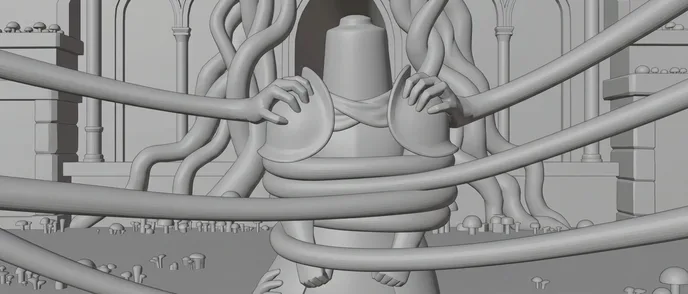
  1. A small lantern-helmed knight bound by thick roots in a ruined hall
    Storyboard frame of the trap shot, in grey
    01

    Medium · the trap

    Medium shot, Lantern bound by thick living roots in a ruined hall, glowing blue mushrooms on the floor, cold light

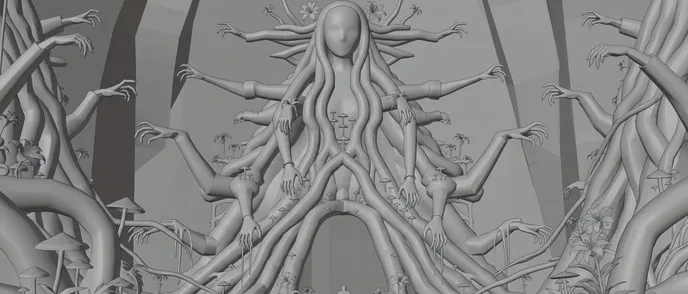
  2. A giant woman made of roots and white lilies spreads her many arms in a dark cavern
    Storyboard frame of the wide shot, in grey
    02

    Wide · the Source Tree

    Symmetrical wide shot, a giant woman made of roots, arms spread with many hands, white lilies, blue glyphs

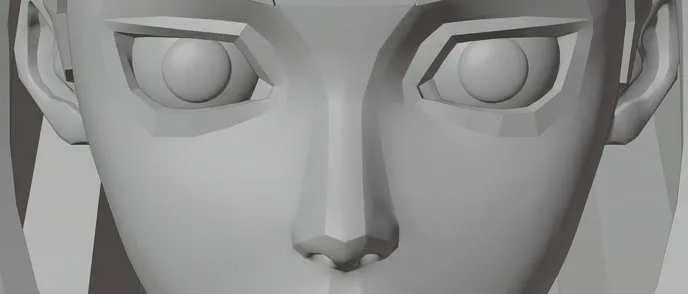
  3. Extreme close-up of a giant pale face with piercing blue eyes
    Storyboard frame of the eyes close-up, in grey
    03

    Extreme close-up · the eyes

    Extreme close-up on the giant's face, piercing blue eyes opening, pale skin, soft light from below

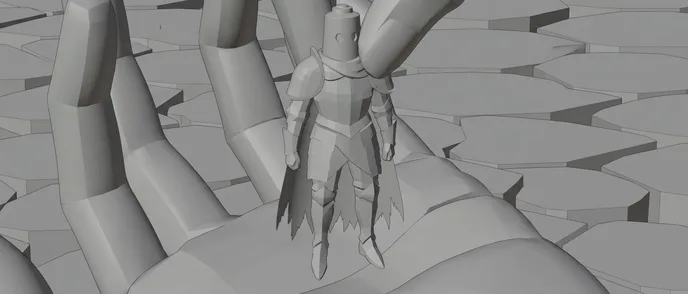
  4. A tiny armored knight stands in the middle of a giant open hand
    Storyboard frame of the palm shot, in grey
    04

    High angle · the palm

    High angle, the tiny knight standing in the center of a giant open palm, stone floor far below

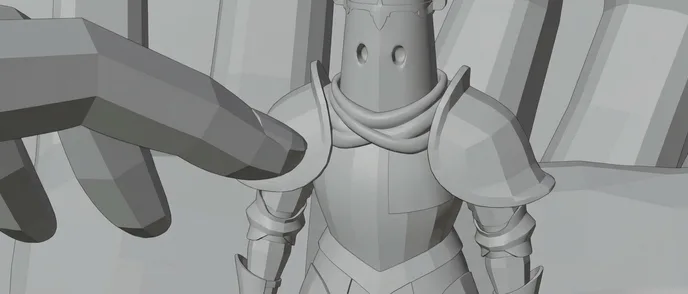
  5. A giant fingertip gently touches the chest of a small armored knight
    Storyboard frame of the touch close-up, in grey
    05

    Close-up · the touch

    Close-up, a giant fingertip gently touches the knight's armored chest, faceless helm, emotion through posture

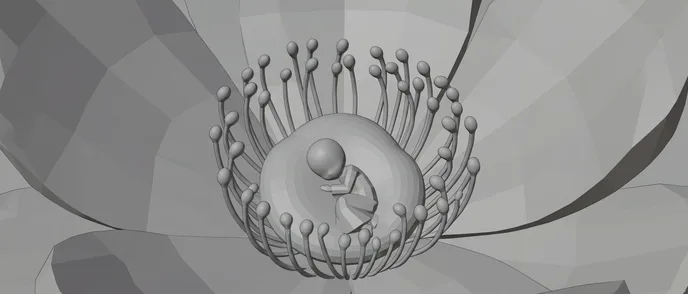
  6. A sleeping pink-haired child curled inside a glowing blue flower
    Storyboard frame of the seed insert, in grey
    06

    Insert · the seed

    Top-down insert, a glowing pale blue flower opening, a sleeping child with pink hair curled inside

Lost Garden, episode 1, a finalist at the AI London Festival, runs 17 minutes in all. HKAIIFF fixes no minimum running time, and its 2026 laureates mostly run 52 to 92 minutes. The player starts at the Source Tree, 7 min 35 into the episode.

The script

A 10 minute film built to leave evidence.

The festival sets no length. Last year's laureates were mostly feature-length, but ten minutes can be finished and still carry about 100 to 150 shots of 4 to 6 seconds. It is built so that every Silver Award can find its two situations.
  1. 0:00 to 1:00

    The world and its rule

    Establish where we are and the one rule that governs it. Worldbuilding evidence starts here.

  2. 1:00 to 3:00

    The character, in situation one

    A person, a creature or an object with a clear identity, shown in the first context.

  3. 3:00 to 7:00

    The pressure

    The rule is tested. The character appears in a second, very different situation and stays recognisable.

  4. 7:00 to 9:00

    The turn

    Time, information or perspective shifts. This is the movement the narrative award looks at.

  5. 9:00 to 10:00

    The echo

    An image that answers the opening and shows what changed.

The Silver Awards ask for at least two realised situations or scenarios. Designing for them costs nothing at the script stage, and it is very expensive to add after the edit.

Month by month

From the entry guide to final submission.

Five months to 1 March 2027. The film is made from December to February, and the evidence builds as you go, not at the end.
  1. 01

    October 2026

    Choose your awards

    Read the Entry Guide and the Jury Handbook. Decide whether you aim only at the Grand Prix or also at a Silver Award: there is no extra fee for either.

  2. 02

    November 2026

    The screenplay and the bible

    Write the screenplay in ScreenWeaver's free plan. Add one page for the world's rules and one for the main character's identity. They become your evidence.

  3. 03

    December 2026

    Storyboard and references

    Let the storyboard come out of the screenplay, then approve one reference per character and per location and adjust framing shot by shot.

  4. 04

    January 2027

    Generate the footage

    Use any tool you trust: the awards are tool-neutral. Keep each version, and note why you picked this take over the others.

  5. 05

    February 2027

    Edit, subtitles and the AI statement

    Finish the cut and add English subtitles, embedded or as UTF-8 SRT or WebVTT. Write the AI statement: the stages, the main tools and your decisions. There is no minimum length.

  6. 06

    By 1 March 2027

    Pay, upload, confirm

    Fill in the information, pay US$99, then upload the poster, the trailer and the complete film, and confirm the final submission. Do it a week early.

Rejection traps

Seven ways to be ruled out.

Eligibility is checked before any artistic judgement, and a high score cannot offset an eligibility problem.
  • A film completed too early

    The version you submit must be completed on or after 1 August 2026. A film finished in July, even a good one, is out unless you rework it into a new complete version and say what changed.

  • A trailer, a pitch or a demo

    A trailer, a concept pitch, a tool demo or a collection of fragments cannot replace a complete work. Raw clips that never became a film do not count.

  • Cosmetic AI

    AI must play a substantive role in the picture, performance, narrative, rules or experience. Subtitling, denoising or upscaling alone does not qualify.

  • No language support

    Works in any language are welcome, but jurors need English subtitles, a transcript or equivalent. A synopsis in English does not replace them.

  • Paying is not submitting

    Uploads open only after payment is confirmed, and an entry number or a receipt does not establish final submission. Confirm the final step and keep the receipt.

  • A version that moves

    The jury files, subtitles, AI statement and forms must match one version. Linked content must not be swapped without telling the festival. A password must stay valid through the review.

  • Unexplained sources

    Say where third-party works, music, real-person likenesses or voices come from, and on what basis you use them. A real face or voice without permission is an eligibility issue, not a style point.

Why ScreenWeaver

The awards judge decisions. ScreenWeaver records them.

ScreenWeaver connects a screenplay, its storyboard and its footage in one project. For a festival that judges decisions, that connection is the point.
  • Evidence as a by-product

    Each shot stays connected to its scene, its storyboard frame and its prompt. For a Silver Award entry, that gives you the key decisions and the input and output comparisons the festival asks for.

  • A character that holds

    References for characters and locations follow each shot. That is the difference between a digital character and a hundred portraits that merely look alike.

  • A world with one set of rules

    Write the rules once, keep them with the screenplay and apply them to every scene. The screenplay and the storyboard stay linked, so a rule broken in shot 40 shows up.

  • Tool-neutral on both sides

    The festival says no brand is an entry condition or an advantage. ScreenWeaver's footage is made with Seedance 2.0 and 2.5, and arrives with the Filmmaker plan. Writing is free today.

Real productions

International festival-recognized films have been written and produced with ScreenWeaver.

ScreenWeaver is already being used as a creative workspace for real AI film productions, from cinematic shorts to animated series pilots selected, nominated, and awarded by international festivals.

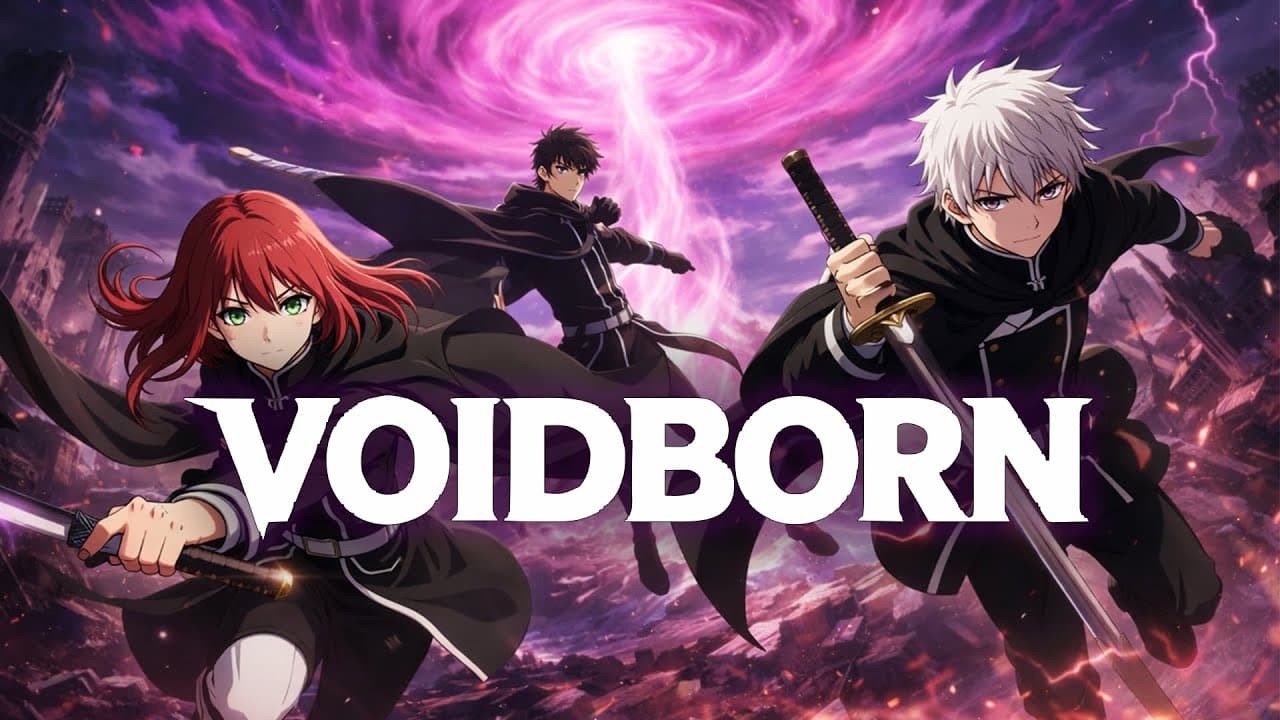
  • Video thumbnail for VOIDBORN

    VOIDBORN

    AI animated / cinematic short

    Festival recognition

    • 1st Place Silver

      Mondial Chroma Awards

    • 2nd Place Dreamina

      Mondial Chroma Awards

    • Award Winner

      Seoul International AI Film Festival

  • Video thumbnail for Les Fils du Vinnana

    Les Fils du Vinnana

    AI short film

    Festival recognition

    • Honorable Mention

      Top Quark Film Festival

    • People's Choice Nominee

      Illuminate Oneness of Humanity

    • Nominee

      ALTFF Supershort

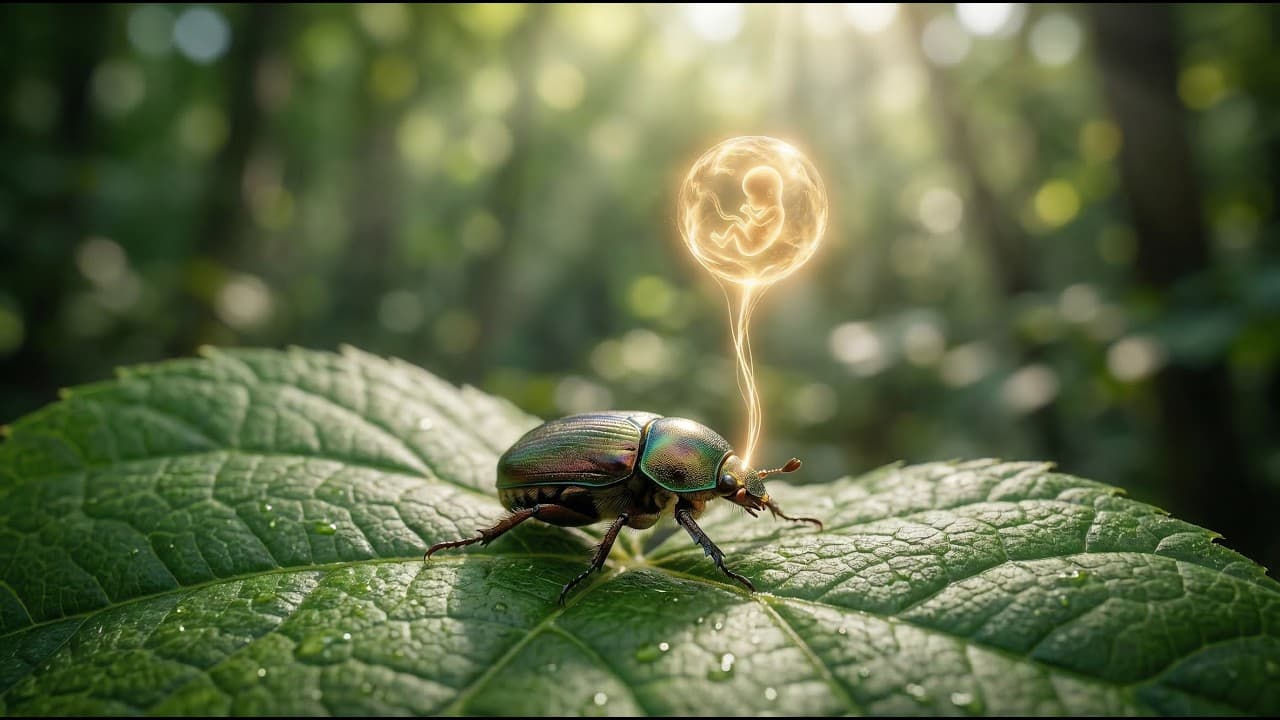
  • Video thumbnail for Lost Garden

    Lost Garden

    AI animated series pilot

    Festival recognition

    • Finalist

      AI London Festival

The pipeline

Write. Board. Produce.

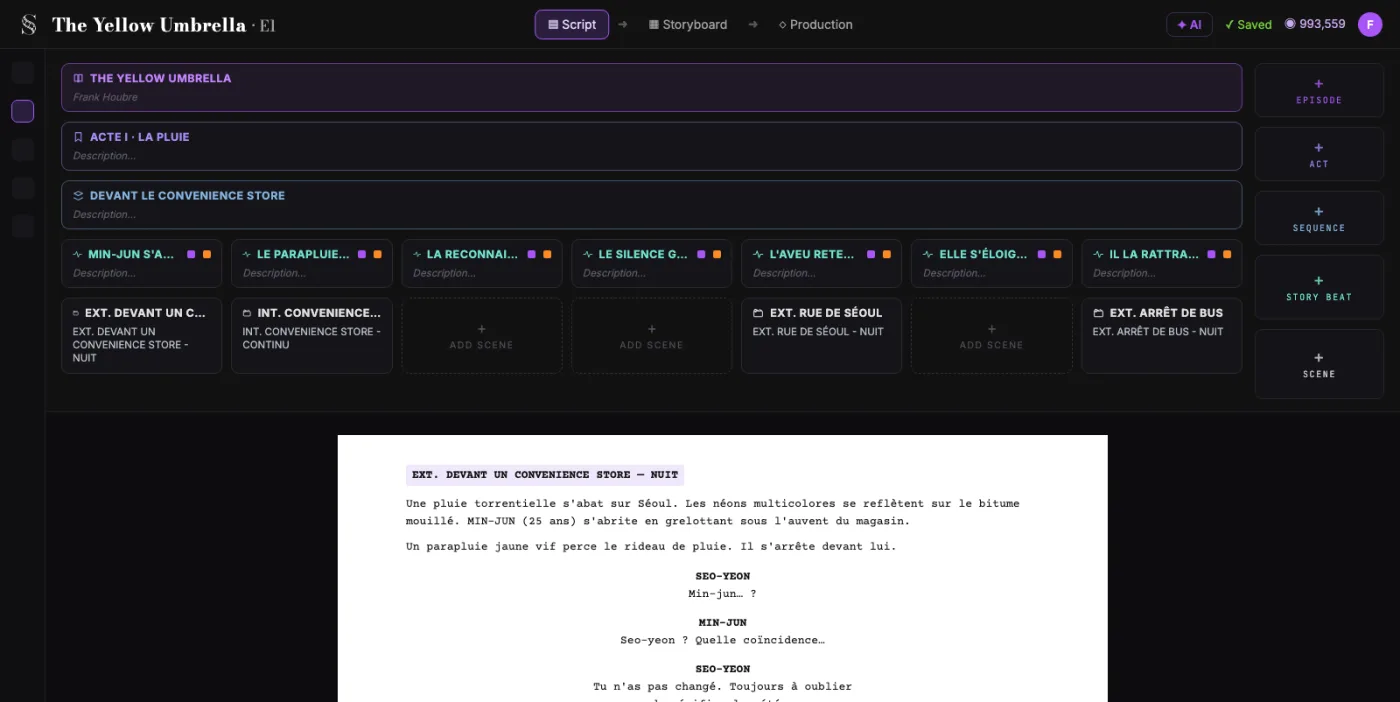
  1. ScreenWeaver screenplay editor: acts, sequences and beats above the formatted script of The Yellow Umbrella

    01The screenplay, enriched

    An industry-standard screenplay editor, and more: a visual outline and beat editor, your writing inspirations (notes, photos, audio) kept next to the page, and an AI researcher to support your writing, not replace it.

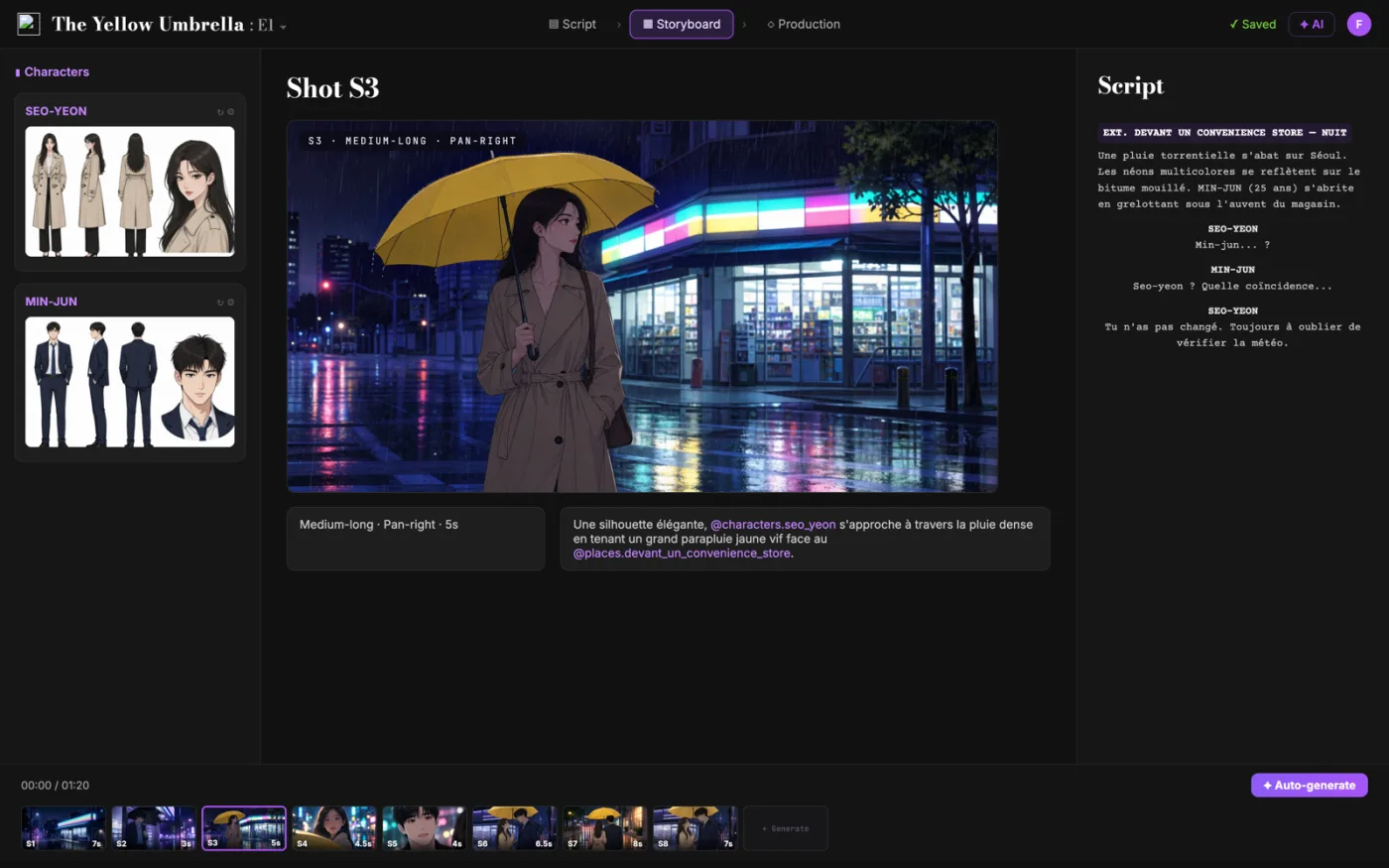
  2. ScreenWeaver storyboard: shot S3 of The Yellow Umbrella with characters, shot settings and the script beside it

    02The storyboard, made easy

    Shot breakdown generated from your screenplay, manual control over every shot (frame, angle, movement, duration), and generative AI previsualization in one click.

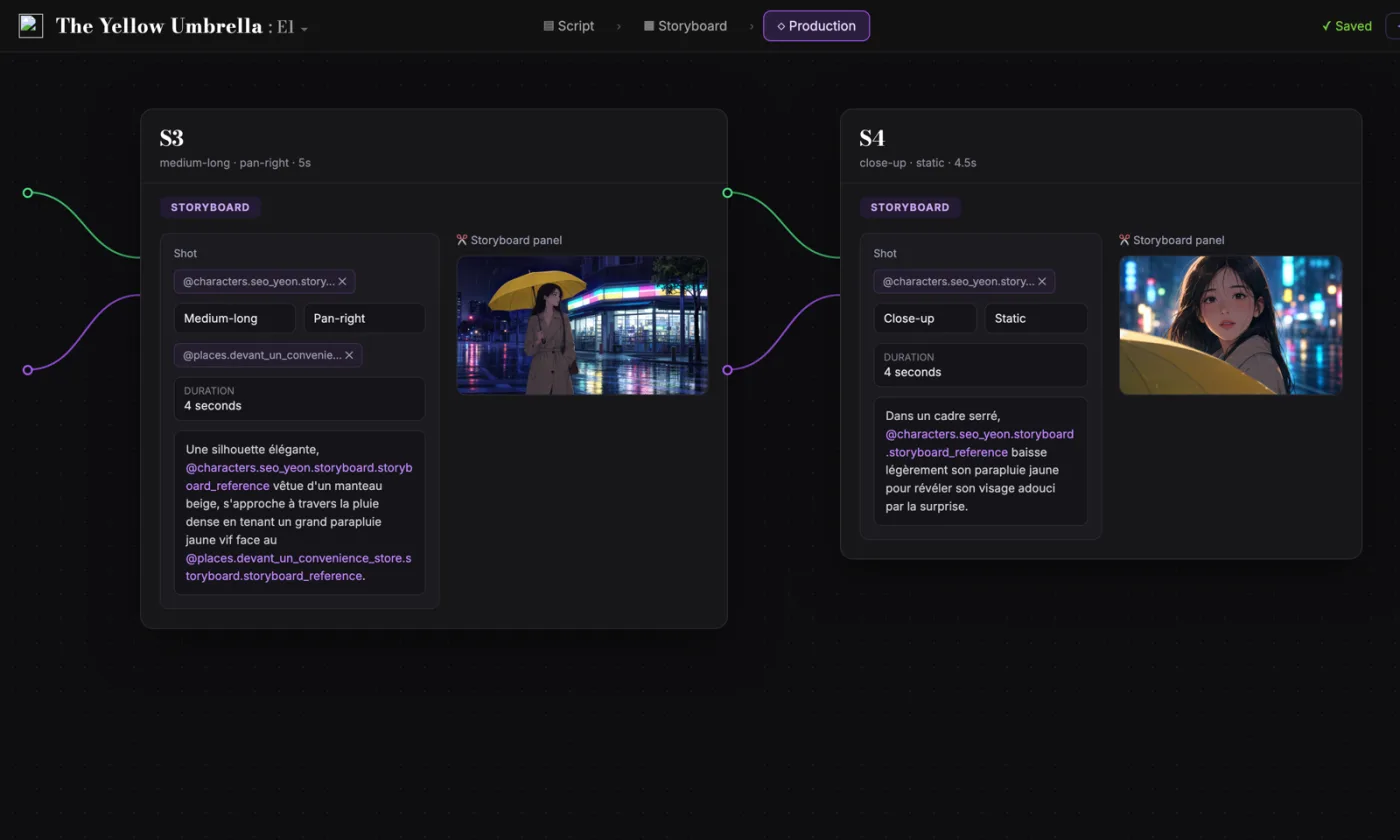
  3. ScreenWeaver production canvas: shots S3 and S4 as connected nodes carrying their storyboard panels and prompts

    03AI production, with finesse

    Footage generation pipelines connected to your screenplay and storyboard. Optimized out of the box, fully editable workflow.

FAQ

HKAIIFF 2027, your questions

How do you win HKAIIFF 2027?
Pass the eligibility check, then be judged on four dimensions for the Grand Prix: expression and originality, emotional and intellectual power, unity of form and content, overall accomplishment. Jurors use a five level descriptive scale, not a points total. The film comes first, and your process records support it.
Can I make my film for HKAIIFF with ScreenWeaver?
Yes. The 2027 awards are tool-neutral and no brand is an entry condition. In ScreenWeaver you write and storyboard today, while shot generation, powered by Seedance 2.0 and 2.5, is rolling out with the Filmmaker plan. Name every tool in your AI statement.
How much of the film must be AI?
There is no fixed percentage in 2027. AI must have a substantive creative role in the picture, performance, narrative, rules or audience experience, and you must be able to explain it. Subtitling, denoising and upscaling alone do not count.
How much does it cost?
US$99 per work, with no early or late tiers. Entering the same work for the Innovation Awards or presenting achievements for the three Silver Awards adds no fee. Each work needs its own entry.
What are the prizes?
The festival has not announced them. Trophies, certificates and support, with their conditions, are set by later announcements, and 2026 amounts do not carry over. An award does not guarantee distribution or a sale.
Can I enter a film that is already online?
Yes, if the version you submit was completed on or after 1 August 2026. There is no premiere requirement: films already screened, distributed or entered elsewhere can apply.
How long must the film be?
There is no fixed minimum running time, and no priority for length, budget or form. The film must be complete. The 2026 laureates were mostly between 52 and 92 minutes, with three of 24 to 28 minutes.
Who is on the jury?
The pages we read name no jurors. The Regulations say the jury list and professional backgrounds are published before results, and that conflicts of interest are disclosed and handled.

Five months. Start with the page.

Start the screenplay and the world bible today, at no cost. Storyboard it, then film it.