Sitges 2026 · AI films guide

Can you submit an AI film to Sitges?Not to the competition. Here is what is left.

Sitges will not accept films created entirely with AI, or with AI as an essential element, in any in-competition category. That covers nine of its sections. Here is the wording, the doors it leaves open, and a plan for the next call.
  • AI banned in competition
  • Shorts up to 30 minutes
  • 59th edition 8 to 18 October 2026
Lost Garden · Episode 1

Independent guide. ScreenWeaver does not organise the Sitges Film Festival and is not affiliated with Fundació Sitges. Rules read on 1 October 2026. Official submission FAQ

Available today in ScreenWeaver: free screenwriting, and a storyboard generated from your screenplay with Storyboard Beta, $9.99 a month.

Rolling out: video generation of each shot, powered by Seedance, with the Filmmaker plan.

The rules on one card

What Sitges asks of a short film.

Sitges is a fantastic genre festival accredited by FIAPF. It has one sentence about AI, repeated in its FAQ, its Regulations and its Submission Rules. Everything below applies to the 59th edition, and the next call is not published yet.
Festival
8 to 18 October 2026, Sitges, Catalonia
Next call
Not announced. The 2026 call ran 23 February to 16 July
AI rule
Not accepted in any in-competition category
Short film limit
30 minutes, made in 2025 or 2026
Short film fee
€60 early bird, €70 final
Genre
Fantastic genre films only
How to submit
FilmFreeway or Festhome, never a link by email
Notification
1 September 2026

Source: the Film submission FAQ, the Regulations and the Submission Rules of the 59th edition on sitgesfilmfestival.com, read on 1 October 2026. The rules of the 60th edition are not published and may change.

What the rules say about AI

One sentence, six consequences.

The wording is the same in three official documents. It does not forbid AI in the festival. It forbids it in the competition, and that is wider than it sounds.
  • The sentence

    The FAQ answers “Can I submit a film made with A.I.?” with: film productions created entirely with artificial intelligence, or those in which artificial intelligence has been an essential element in their concept or artistic production, will not be accepted in any of the in-competition categories. It adds that Sitges is committed to filmmaking talent and the creative authorship of the pieces presented.

  • Two tests, not one

    The first test is “created entirely”, which is easy to read. The second is “an essential element in their concept or artistic production”. It covers a film where AI wrote, designed or generated the core of the work, even if people finished it. The documents do not define “essential”.

  • Nine competitive sections

    The Regulations list nine in-competition sections: Official Fantàstic, the Sitges Collection, Anima’t, Brigadoon, Midnight X-Treme, Noves Visions, Òrbita, Panorama and Sitges Documenta. An AI animated short cannot hope for Anima’t, and an AI horror short cannot hope for Brigadoon.

  • What stays open

    Four sections are out of competition: Special Screenings, Seven Chances, Sitges Clàssics and Sitges Family. The first three are galas, a critics’ selection of films to discover or rediscover, and retrospectives. Only Sitges Family takes direct submissions, and its entries are not judged in competition.

  • What the rules do not say

    Nothing says an AI film is welcome in Sitges Family. The ban text names only the in-competition categories, which leaves the question open. Ask the Films Department in writing before you pay, and keep the answer.

  • No disclosure form

    The submission documents contain no AI declaration to fill in. That is not a loophole: a ban on essential AI use works only if you say honestly what AI did in your film. Hiding it would put the whole entry at risk.

Key dates

The 2026 call is over. Learn its calendar.

The 59th edition is on now, and every window has closed. The 60th has no published dates. <b>Plan for the calendar of the last call</b> and expect small shifts.
  1. 23 Feb 2026

    The call opens

    Submissions open at noon CET on FilmFreeway and Festhome. The early bird fee runs until 18 June: €60 for a short.

  2. 19 Jun to 16 Jul 2026

    Final window

    The fee rises to €70 for a short. The call closes on 16 July at 12:00 noon CET, and nothing is accepted after that.

  3. 1 Sep 2026

    Notification

    Selected producers get an entry form to complete. Everyone else gets an automatic message from the platform. There is no personal feedback.

  4. 8 to 18 Oct 2026

    The 59th festival

    Eleven days in Sitges. The best short of the Official Fantàstic section and the best animated short of Anima’t qualify for the Academy Awards.

  5. Late winter 2027

    Expected next call

    Not announced. The 2026 call opened on 23 February, so a similar start is likely. Read the new FAQ the day it appears.

What programmers look for

Three priorities, none of them a score.

Sitges publishes no grid and no weights. Its regulations do say what the selection puts first, and the three phrases below come from them.
  • Artistic quality

    The Official Fantàstic selection puts artistic quality first. For a short, that means one clear idea carried by direction, not by effects. Fantastic genre is the frame, not the argument.

  • Innovative capacity

    Sitges looks for work that tries something. Noves Visions is the home of experimentation, new languages and genre hybrids. A film that only repeats a known creature story has little to offer here.

  • New trends in genre cinema

    The regulations talk about creating new trends. It is a festival that wants a surprise in the genre. Authorship matters, which is why the AI sentence sits at the top of its documents.

These are the stated priorities of the selection, not published scoring weights. Sitges does not give feedback on rejected films.

Who decides

A programming committee, then juries.

The documents name no jurors. They do describe who decides at each stage, and none of it is open to discussion.
  • The Programming Committee

    It watches the submissions and assigns the final section. It can place a short in a section other than the one you chose, and it reserves the right to do so.

  • An international jury

    The Official Fantàstic In-Competition Selection has an international jury chosen by the Programming Committee. Its winning short qualifies for the Academy Awards.

  • Critics and audiences

    The Catalan Association of Film Critics and Writers appoints a jury for the José Luis Guarner Critics’ Award. Panorama, Midnight X-Treme and the Sitges Collection are decided by audience votes.

  • No personal feedback

    The festival says the volume of submissions rules out feedback. A refusal says nothing about the quality of your film. The Selection Committee views a submission only once.

Sections

Four sections that matter to a short filmmaker.

Sitges has no themes, only sections. These four take shorts. Under each is what an AI filmmaker should know.
  • 01

    Official Fantàstic

    The main section. Shorts up to 30 minutes, unreleased in Spain, with a Spanish premiere required and a European one preferred.

    Its best short film qualifies for the Academy Awards shortlist stage. The AI ban applies in full.

  • 02

    Anima’t

    Animation, with a short film category of up to 30 minutes made in 2025 or 2026. Its best animated short also qualifies for the Academy Awards.

    A generated animation falls under the ban here. A hand-animated short is not affected by it, and ScreenWeaver can plan it.

  • 03

    Brigadoon

    Independent horror and fantastic films, with the Brigadoon Paul Naschy award for the best short. It has its own submission category, and a Spanish premiere is not required.

    The Regulations count Brigadoon among the in-competition sections, so the AI ban applies here too.

  • 04

    Sitges Family

    Films for children and young people, selected for family audiences. It is not an in-competition section and takes shorts and features directly.

    The only section that takes submissions and is outside the ban text. Write to the Films Department first, and plan a Spanish or Catalan dub.

How Sitges reads a short

What the 59th edition documents tell you.

The festival publishes no list of past AI films, and the documents do not point to a precedent. They do state practical limits that reject films before any jury sees them.

  1. 01

    Fantastic genre is a filter. The Submission Rules say all shorts must be fantastic genre films produced in 2025 or 2026. A drama with no genre angle is out.

  2. 02

    Online premieres cost you the entry. Pieces submitted in any category cannot be productions previously posted on the Internet or on other platforms.

  3. 03

    Two Oscar doors. The best short of the Official Fantàstic section and the best animated short of Anima’t are the ones that reach the Academy Awards shortlist stage.

  4. 04

    An unfinished film can enter. Works in progress are accepted if you mark them, but the Selection Committee looks at the file once and no feedback follows.

A film like the ones the rule concerns

Lost Garden: the kind of scene the ban is about.

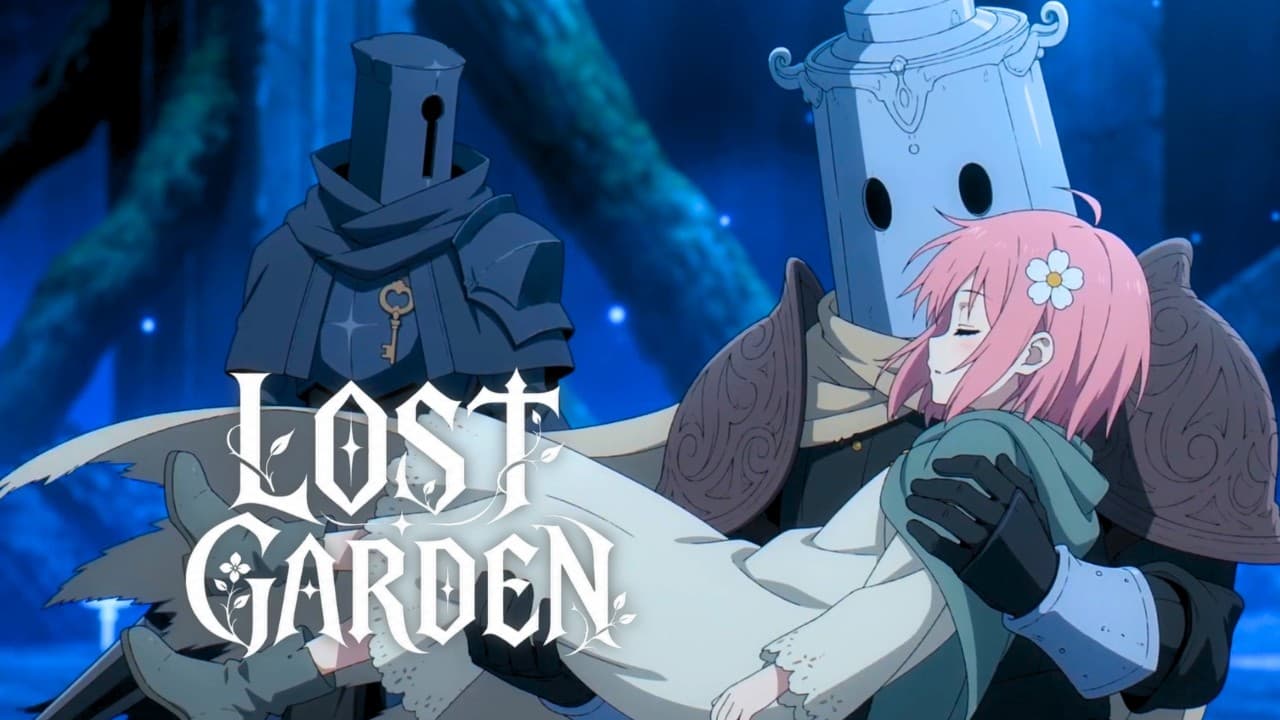
A scene from Lost Garden, episode 1, an animated fantasy by the ScreenWeaver team, made with Seedance. A film built like this would fall under the competition ban, because generation is essential to it. We show it for its craft and to be plain about the rule: it does not belong in Anima’t or in the Official Fantàstic section. Sitges Family is the section to ask about, and the AI festivals are the other route.

Logline. A small knight wakes up in a dead world and learns he is the last guardian of a seed that could bring the garden back.

Screenplay · episode 1 · the Source Tree

INT. HEART OF THE ROOTS - NIGHT

Living roots coil around LANTERN and pin him down. A voice stops them.

THE SOURCE TREE

Stop. He is my guest.

A giant woman of roots and white lilies opens her arms over the cavern.

Her eyes open. Blue, and vast.

THE SOURCE TREE

Welcome to you, Lantern Knight.

She lifts him in her palm, like a lamp.

THE SOURCE TREE

Do not be afraid. I will not harm you.

In the dark, a seed of light opens. Inside the flower, a sleeping child.

THE SOURCE TREE

You must find yours. Protect her.

CUT TO:

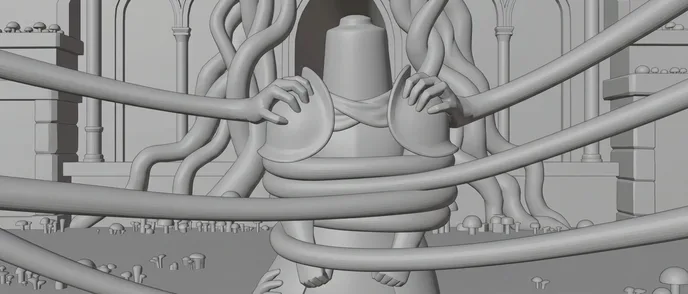
  1. A small lantern-helmed knight bound by thick roots in a ruined hall
    Storyboard frame of the trap shot, in grey
    01

    Medium · the trap

    Medium shot, Lantern bound by thick living roots in a ruined hall, glowing blue mushrooms on the floor, cold light

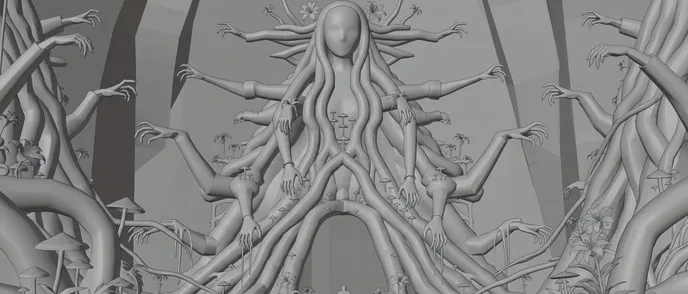
  2. A giant woman made of roots and white lilies spreads her many arms in a dark cavern
    Storyboard frame of the wide shot, in grey
    02

    Wide · the Source Tree

    Symmetrical wide shot, a giant woman made of roots, arms spread with many hands, white lilies, blue glyphs

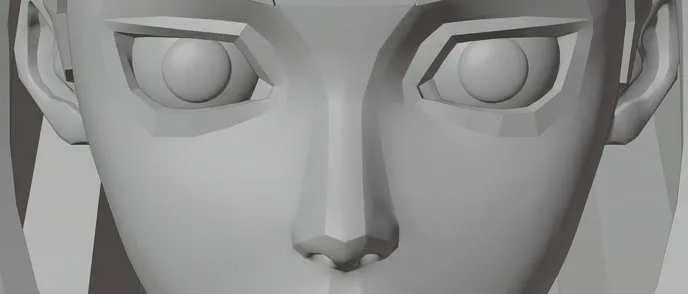
  3. Extreme close-up of a giant pale face with piercing blue eyes
    Storyboard frame of the eyes close-up, in grey
    03

    Extreme close-up · the eyes

    Extreme close-up on the giant's face, piercing blue eyes opening, pale skin, soft light from below

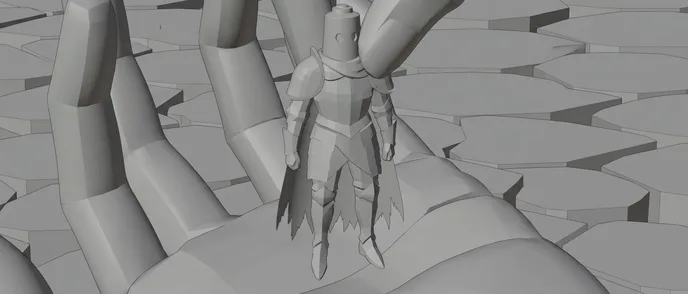
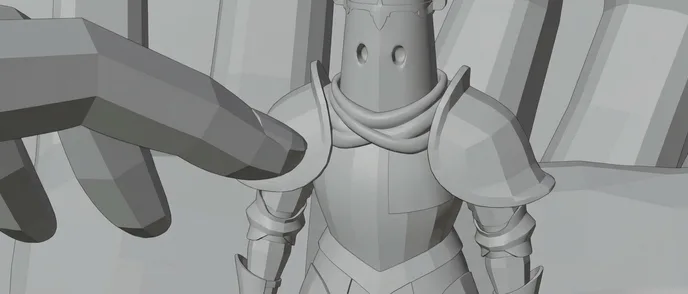
  4. A tiny armored knight stands in the middle of a giant open hand
    Storyboard frame of the palm shot, in grey
    04

    High angle · the palm

    High angle, the tiny knight standing in the center of a giant open palm, stone floor far below

  5. A giant fingertip gently touches the chest of a small armored knight
    Storyboard frame of the touch close-up, in grey
    05

    Close-up · the touch

    Close-up, a giant fingertip gently touches the knight's armored chest, faceless helm, emotion through posture

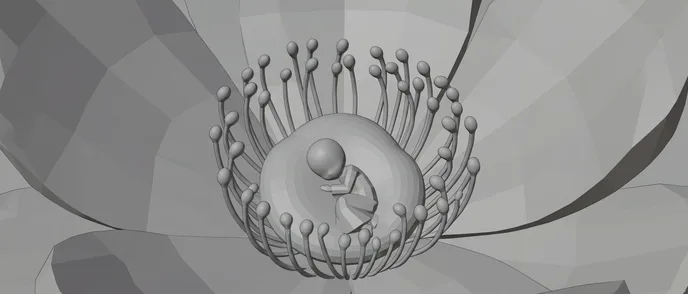
  6. A sleeping pink-haired child curled inside a glowing blue flower
    Storyboard frame of the seed insert, in grey
    06

    Insert · the seed

    Top-down insert, a glowing pale blue flower opening, a sleeping child with pink hair curled inside

Lost Garden, episode 1, 17 minutes, so it also fits Sitges’ 30 minute ceiling for shorts. Its finalist place at the AI London Festival came from a festival that welcomes AI. The player opens at the Source Tree, about seven and a half minutes in.

The script

A 14 minute fantastic short, made by human hands.

If you want to compete at Sitges, the film has to be authored by people. Here is a structure for a 14 minute live action or hand animated short, roughly 14 screenplay pages. ScreenWeaver writes and storyboards it, and you shoot or draw it.
  1. 0:00 to 1:00

    The strange thing

    Fantastic cinema starts with one impossible fact stated calmly. Show it in the first minute.

  2. 1:00 to 4:00

    The ordinary world around it

    Give the impossible fact a human cost. One character, one want, one rule of the strange.

  3. 4:00 to 11:00

    The rule gets tested

    Each scene breaks the rule a little further. Keep the effects practical or hand made, since authorship is what the festival asks for.

  4. 11:00 to 14:00

    The price

    End on a choice and its price. The genre rewards an ending that stays in the room after the credits.

Shorts have a hard ceiling of 30 minutes. Non-English films need English subtitles in the general categories and in Brigadoon.

Month by month

From the 59th edition to the next call.

The festival happens in October, the call opens in late winter and closes in mid July. This plan is built for the next call, whichever route you choose.
  1. 01

    October 2026

    Ask your question

    Describe in an email to the Films Department exactly what AI would do in your film and ask if it counts as essential. Keep the reply with the project files.

  2. 02

    November 2026

    Choose a route

    Either a human-authored film for Sitges, or an AI film for the festivals that welcome it. Do not try to blur the two.

  3. 03

    December 2026

    Write the screenplay

    One idea, one strange rule, fourteen pages. Write it free in ScreenWeaver and run the beat structure before the first shot is planned.

  4. 04

    January to March 2027

    Storyboard, then shoot or draw

    A storyboard in ScreenWeaver gives your crew or your animation team a shared plan. If your route is AI, generate the footage with Seedance as it reaches your plan.

  5. 05

    April to June 2027

    Cut, mix, subtitle

    Finish the film, add English subtitles, and do not publish it online. The Submission Rules refuse anything posted on the Internet.

  6. 06

    From the opening of the call

    Submit in the early bird window

    Use FilmFreeway or Festhome only. The 2026 early bird fee was €60 for a short, against €70 in the final window.

Ways to lose a spot

Eight ways a short fails at Sitges.

Sitges is firm and specific. Several of these traps end an entry before anybody watches it. Go through the list before you pay.
  • An essentially AI film in competition

    The rule says it will not be accepted. The fee is charged when you submit and is not refunded if you withdraw, so a film the rule excludes costs you money and gains you nothing.

  • Guessing what “essential” means

    The documents do not define it. If AI wrote the story, designed the look or generated the footage, treat it as essential. If you are unsure, ask in writing.

  • Hiding AI use

    Do not strip AI from your description to fit the rule. If the truth comes out later, the entry and your name pay for it. Say what AI did, and ask whether it counts.

  • A film already online

    Pieces in any category cannot have been posted on the Internet or on other platforms. Keep the film private until the notification date.

  • No genre angle

    Every short must be a fantastic genre film produced in the call’s two year window. A realist drama with a single dream scene does not qualify.

  • More than 30 minutes

    The maximum running time for shorts is 30 minutes. A 31 minute cut is not a short for Sitges.

  • No English subtitles

    Films in the general categories and in Brigadoon must include English subtitles if the original language is not English. Sitges Family films must be dubbed into Spanish or Catalan.

  • A link sent by email

    Viewing links received outside FilmFreeway or Festhome are not taken into consideration, and DVDs and Blu-rays are not accepted.

Why ScreenWeaver

A tool for the film, whichever door you take.

Sitges asks for authorship, and it asks you to be straight about it. ScreenWeaver is a screenplay, storyboard and footage pipeline in one project, and each part can stand on its own.
  • A script that is yours

    The Screenwriter plan is free and has no time limit. You write every line, you export a PDF or a Final Draft file, and the project is private. That is a clean start for a film built on human authorship.

  • A storyboard as a shared plan

    Each frame is tied to its scene and its beat. A director of photography or an animator can work from it. Ask the Films Department whether a generated storyboard counts for your film, since the rules do not define “essential”.

  • A record of what AI did

    Scene, frame and prompt are recorded against every shot. If you take the AI route, the project is your disclosure, written as you work.

  • Start for free today

    Writing costs nothing and does not expire on the Screenwriter plan. Storyboard Beta is $9.99 monthly. Generated footage, for the AI route, arrives with the Filmmaker plan.

Real productions

International festival-recognized films have been written and produced with ScreenWeaver.

ScreenWeaver is already being used as a creative workspace for real AI film productions, from cinematic shorts to animated series pilots selected, nominated, and awarded by international festivals.

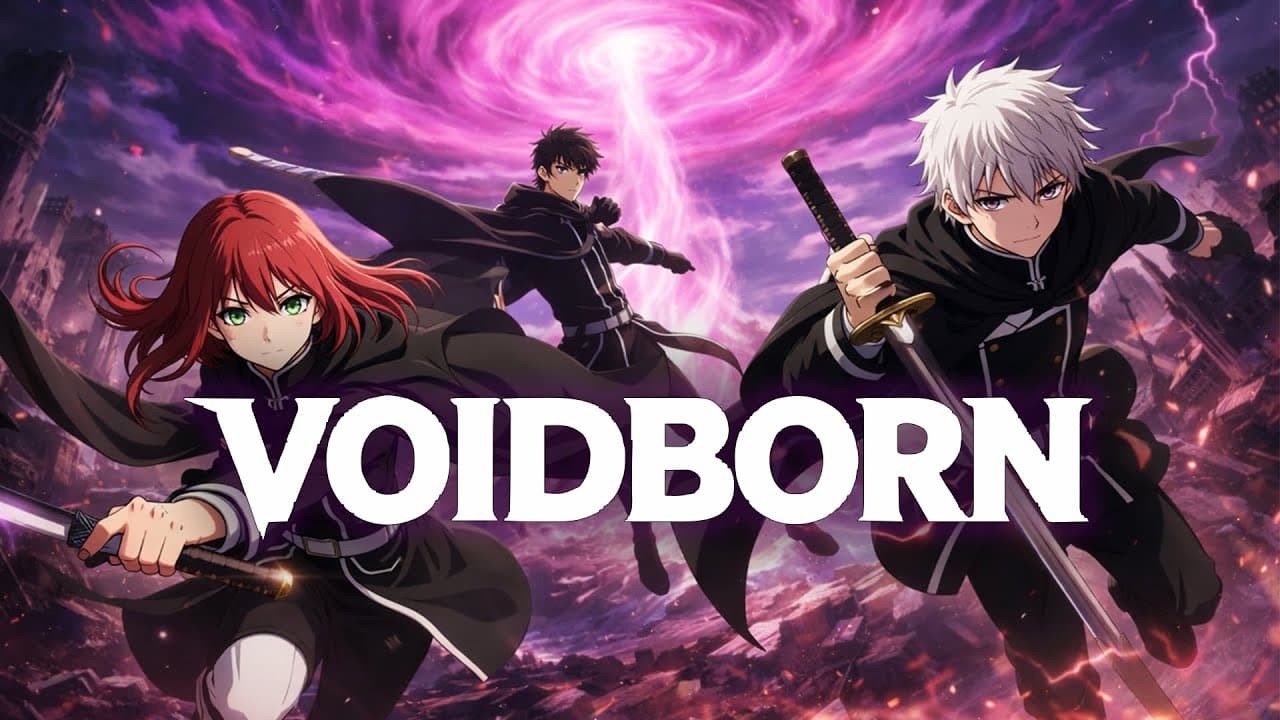
  • Video thumbnail for VOIDBORN

    VOIDBORN

    AI animated / cinematic short

    Festival recognition

    • 1st Place Silver

      Mondial Chroma Awards

    • 2nd Place Dreamina

      Mondial Chroma Awards

    • Award Winner

      Seoul International AI Film Festival

  • Video thumbnail for Les Fils du Vinnana

    Les Fils du Vinnana

    AI short film

    Festival recognition

    • Honorable Mention

      Top Quark Film Festival

    • People's Choice Nominee

      Illuminate Oneness of Humanity

    • Nominee

      ALTFF Supershort

  • Video thumbnail for Lost Garden

    Lost Garden

    AI animated series pilot

    Festival recognition

    • Finalist

      AI London Festival

The pipeline

Write. Board. Produce.

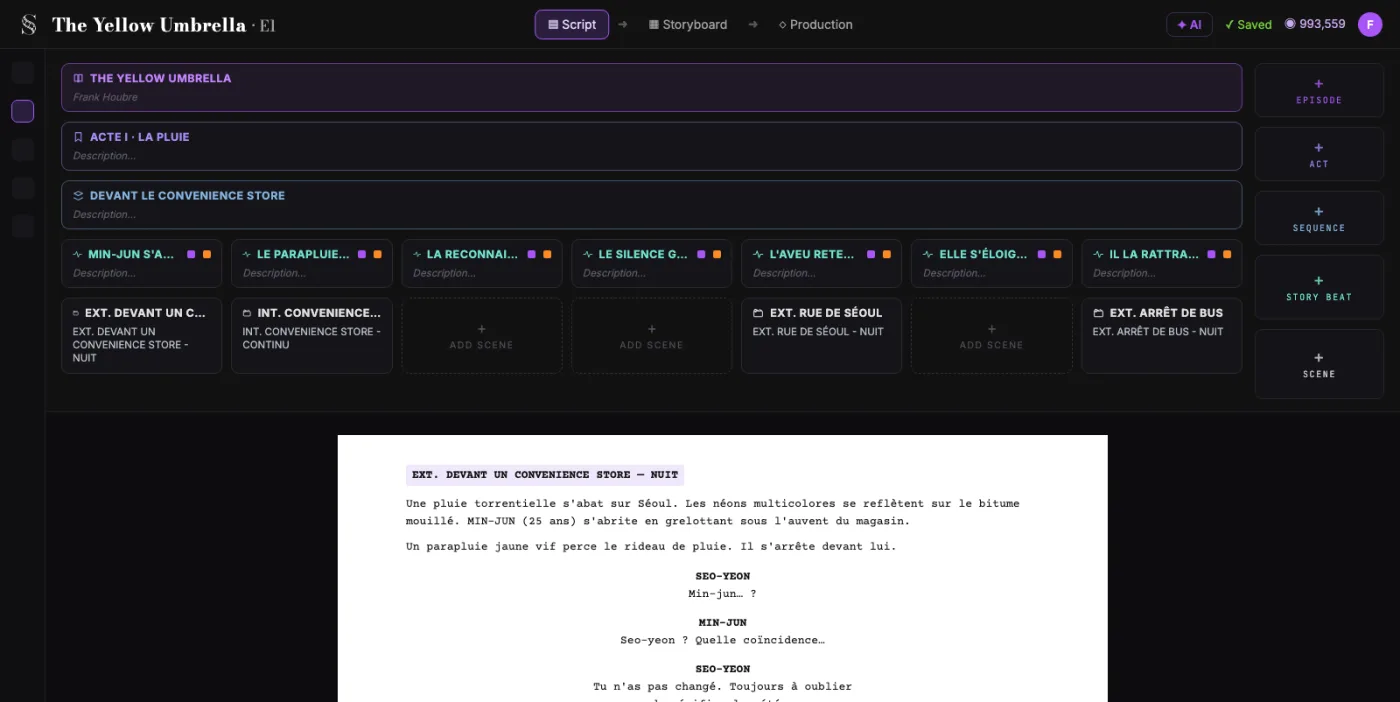
  1. ScreenWeaver screenplay editor: acts, sequences and beats above the formatted script of The Yellow Umbrella

    01The screenplay, enriched

    An industry-standard screenplay editor, and more: a visual outline and beat editor, your writing inspirations (notes, photos, audio) kept next to the page, and an AI researcher to support your writing, not replace it.

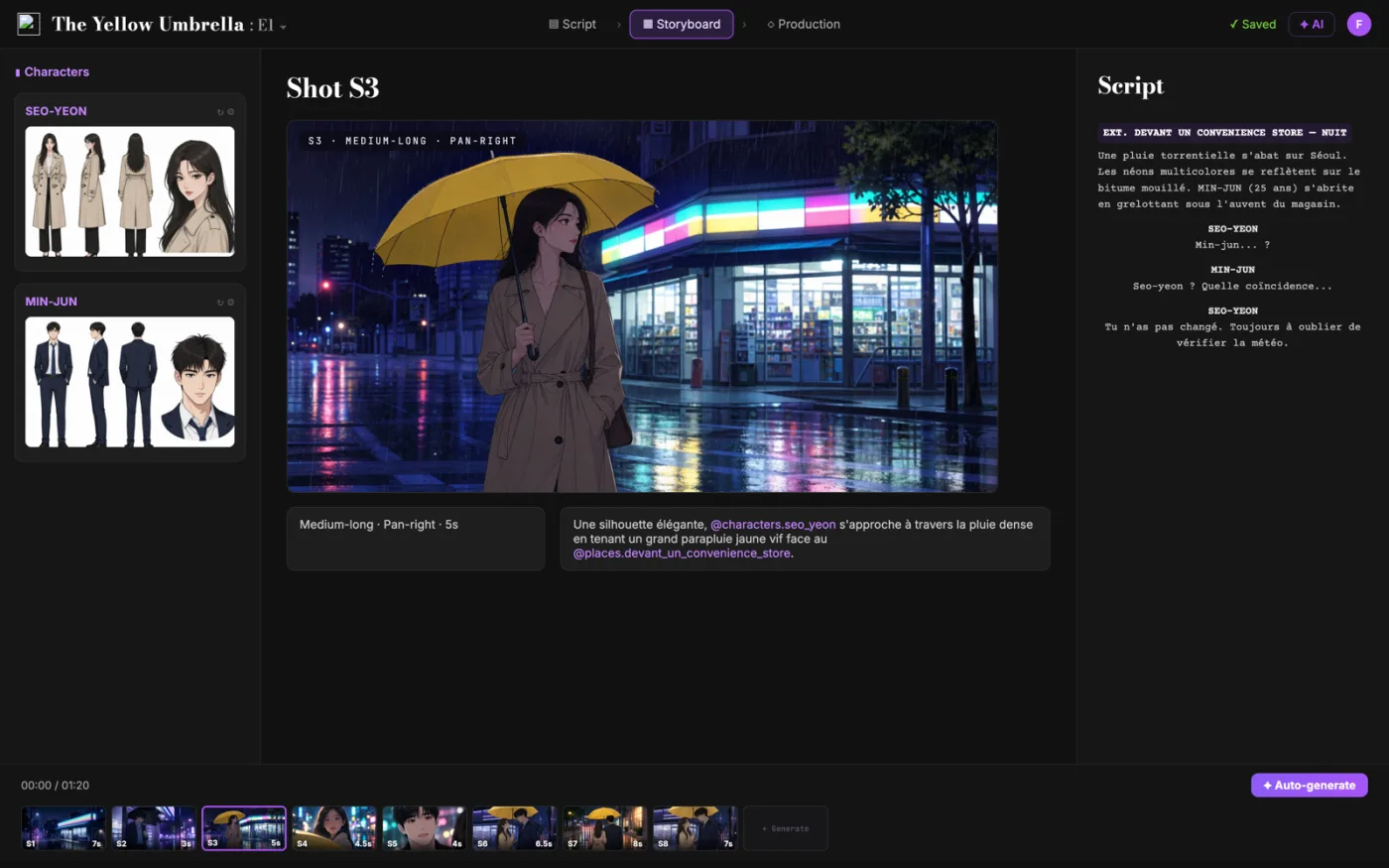
  2. ScreenWeaver storyboard: shot S3 of The Yellow Umbrella with characters, shot settings and the script beside it

    02The storyboard, made easy

    Shot breakdown generated from your screenplay, manual control over every shot (frame, angle, movement, duration), and generative AI previsualization in one click.

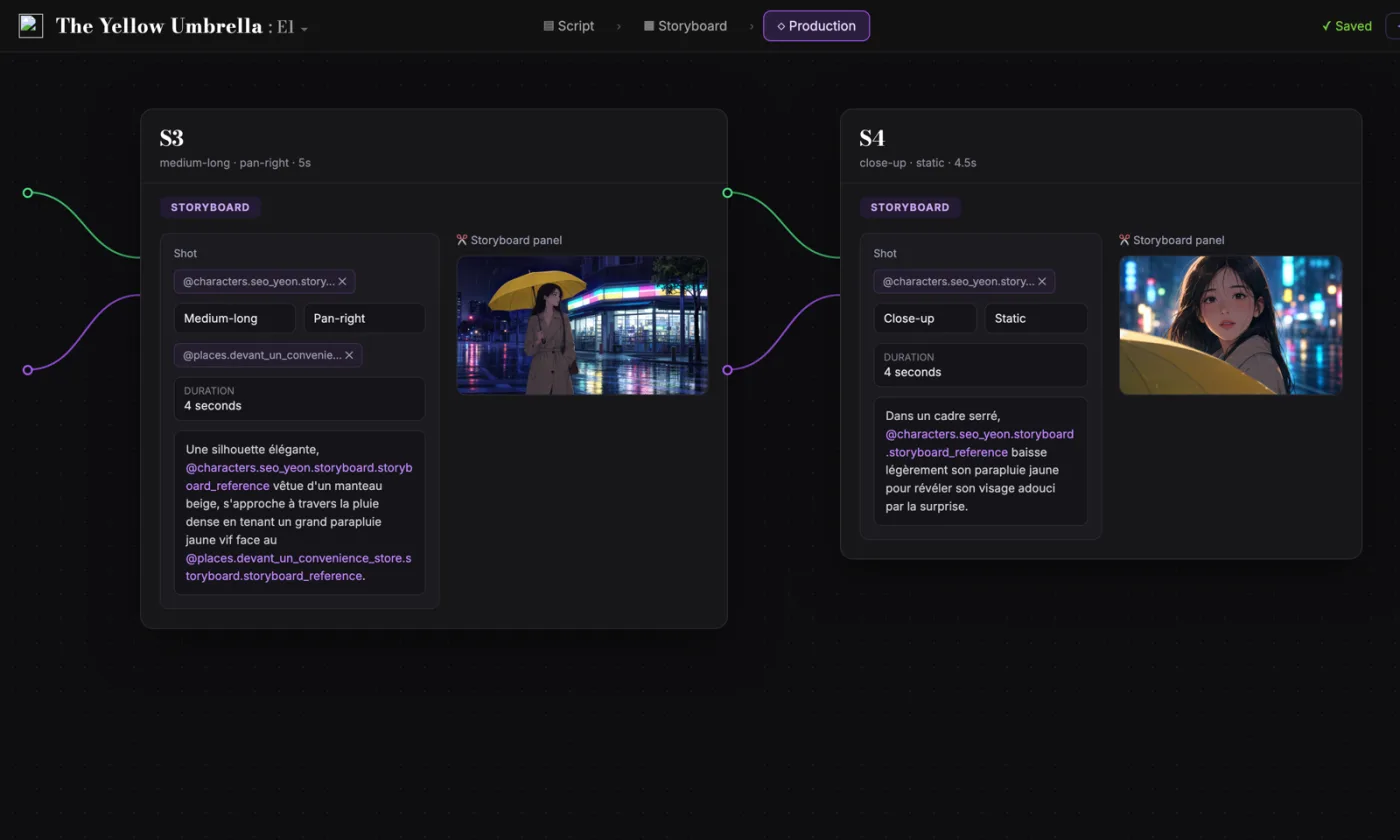
  3. ScreenWeaver production canvas: shots S3 and S4 as connected nodes carrying their storyboard panels and prompts

    03AI production, with finesse

    Footage generation pipelines connected to your screenplay and storyboard. Optimized out of the box, fully editable workflow.

FAQ

Sitges and AI films, your questions

Can you submit an AI film to Sitges?
Not to the competition. The FAQ says films created entirely with AI, or with AI as an essential element in their concept or artistic production, will not be accepted in any in-competition category. Sitges Family is outside competition, and the rules do not say whether it accepts AI work.
What does the Sitges AI rule say exactly?
It appears in the FAQ, the Regulations and the Submission Rules of the 59th edition. It names two cases: films created entirely with AI, and films where AI has been an essential element in the concept or artistic production. Both are excluded from the in-competition categories.
Which sections are in competition?
Nine: Official Fantàstic, Sitges Collection, Anima’t, Brigadoon, Midnight X-Treme, Noves Visions, Òrbita, Panorama and Sitges Documenta. Special Screenings, Seven Chances, Sitges Clàssics and Sitges Family are out of competition.
Can I use AI a little?
The documents do not define “essential”, so nobody outside the festival can tell you. Describe your exact use to the Films Department in writing and keep the reply. Never hide AI use to fit the rule.
When is the next deadline?
Not announced. The 2026 call ran from 23 February to 16 July at noon CET, with an early bird fee until 18 June. The 59th edition takes place from 8 to 18 October 2026.
What does it cost to submit a short?
€60 during the early bird period and €70 in the final window, in 2026. The fee does not include platform charges and is not refunded if you withdraw. Waivers go only through partner organisations in your country.
How long can a short be?
30 minutes at most. Shorts must be fantastic genre films, produced in the two years the call names, and not posted online before submission.
Where can an AI film go instead?
To the festivals built for it. Our guide to AI film festivals lists them with their deadlines, and the guides for London, Seoul, Burano and others cover their rules. Their AI clauses differ, so read each one.

The competition is closed to it. The page is open.

Write the screenplay for free today, and decide your route with the festival's answer in hand.