Venice 2027 · AI films guide

Can you submit an AI film to the Venice Film Festival?Yes, if you declare how it was made.

Venice's own FAQ says works with a substantial contribution of generative AI may be submitted, and makes a declaration mandatory. The rules of the 2026 call, what is still unknown for 2027, and a plan to be ready when the call opens. Start the screenplay in ScreenWeaver while you wait.
  • AI declaration mandatory
  • World premiere only
  • Shorts: 20 minutes at most
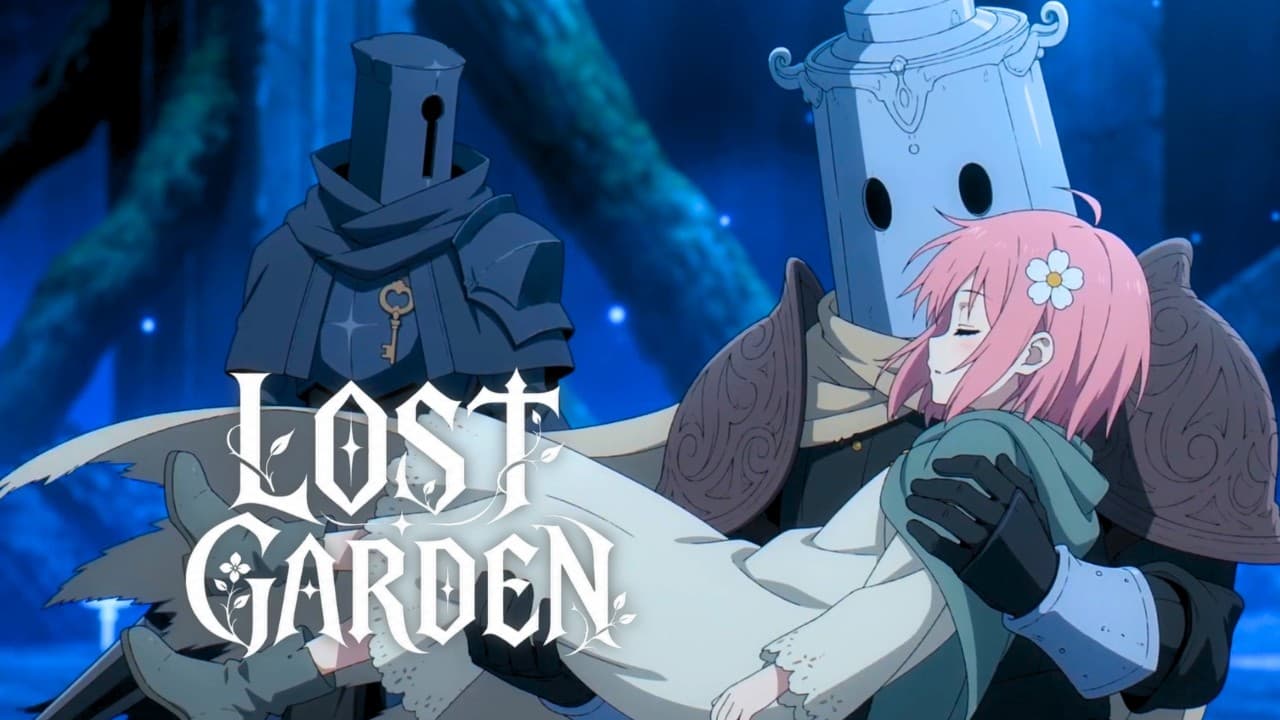
Lost Garden · Episode 1

Independent guide. ScreenWeaver does not organise the Venice Film Festival and is not affiliated with La Biennale di Venezia. Rules read on 1 October 2026. Official information page

Available today in ScreenWeaver: free screenwriting, and a storyboard generated from your screenplay with Storyboard Beta, $9.99 a month.

Rolling out: video generation of each shot, powered by Seedance, with the Filmmaker plan.

The rules on one card

What Venice asks of a film.

The Venice International Film Festival is run by La Biennale di Venezia. Its 2026 FAQ has a full question on AI. The 2027 call is not published yet, so the rules below are those of the 83rd edition.
Latest edition
83rd, 2 to 12 September 2026, Lido
2027 call
Not published on 1 October 2026
2026 deadlines
Shorts 28 May, features 4 June
2026 fees
Shorts €80 then €100, features €200 then €250
Short film limit
20 minutes, credits included
Feature length
60 minutes or more, nothing from 21 to 59
Premiere status
World premiere only
AI declaration
Mandatory at registration

Source: the Biennale Cinema 2026 information page and its FAQ, read on 1 October 2026. The 2027 call will carry its own dates and fees. Check the page before you pay.

What the rules say about AI

A clear yes, with one obligation.

The FAQ has a whole question on AI. The answer permits AI films and imposes a declaration. Here is what it says, what it leaves open, and where an AI short can go.
  • The official answer

    Asked whether works made with the substantial contribution of generative AI or other forms of AI can be submitted, the FAQ says “Yes, such works may be submitted”. It adds that you must declare during registration how and in which stages or elements of production AI was used. Text read on the Biennale page on 1 October 2026.

  • What the declaration must contain

    Two things: how AI was used and in which stages or elements of production. “AI was used” answers neither. List tools, tasks and where they show: script, image, motion, voice, music, restoration.

  • How much AI triggers it

    The wording says substantial contribution of generative AI or other forms of AI. The FAQ gives no percentage and no definition. When in doubt, declare. A long answer costs nothing, and a missing one can cost the entry.

  • No AI section, no quota, no banned tool

    The FAQ creates no AI category and names no forbidden tool. Your film is considered in the same sections as any other and on the same terms.

  • What we could not find

    The FAQ does not say who reads the declaration or how it weighs in selection. The trade press has reported the artistic director's views on AI films, but we could not read those articles, so this page does not rely on them.

  • Where an AI short goes

    Short films go to the competitive Orizzonti Short Films section, up to 20 minutes with credits, and are submitted only by file upload. Selection screenings need an English-subtitled version, burned into the file. Features must run 60 minutes or more.

Key dates

The 2026 calendar, your template for 2027.

Venice has not published its 2027 dates. These are the dates of the 2026 cycle, the best guide to the next one: <b>deadlines in May and June, a festival in early September</b>.
  1. 28 May 2026

    Short film deadline

    Last day for short films. The fee rose from €80 to €100 after 29 April.

  2. 4 Jun 2026

    Feature deadline

    Last day for full-length films. The fee rose from €200 to €250 after 14 May.

  3. Early Jul 2026

    Notifications

    The FAQ says notifications typically start at the beginning of July. If another festival has invited your film, you may ask the Programming Office to look earlier.

  4. 12 Aug 2026

    Festival version due

    Selected films had to reach Venice by this date, as a DCP or as 35 mm or 70 mm prints.

  5. 2 to 12 Sep 2026

    The 83rd festival

    On the Lido. The dates of the 84th edition were not published on 1 October 2026.

Who decides

A team with no names.

The FAQ names no one. It says the selection team decides together, and the page lists the sections where that team places a film.
  • The selection team

    The FAQ describes a joint decision by the selection team, with no names and no numbers. The festival accepts no trailers, so they watch the full film, not a pitch.

  • Notification and early answers

    Notifications typically start at the beginning of July. If another festival has invited your film, the FAQ lets you ask the Programming Office for an earlier answer. Keep your own calendar open if you apply elsewhere too.

  • The juries of the festival

    Once films are selected, juries give the awards. In 2026 the main jury was led by Maggie Gyllenhaal, according to Wikipedia, and the festival director is Alberto Barbera. They judge what the team selected, not your registration form.

Four doors

Where an AI film can aim.

Venice has no themes. It has sections, and an AI film can aim at four kinds of them. For each, our angle for an AI filmmaker follows.
  • 01

    Orizzonti Short Films

    A competitive section for shorts of up to 20 minutes with credits.

    The most direct route for a first AI film. At 14 to 17 minutes you keep a margin under the cap, because credits count.

  • 02

    Venice Immersive

    Immersive projects have no duration limit and may be international premieres. The 2026 fee was €200, then €250.

    For work built for a headset or a space. A flat film on a screen is not an immersive project, so ask the Programming Office before you register.

  • 03

    Biennale College Cinema

    A workshop that backs up to four microbudget features of at most €200,000, for directors on a debut or second film. The 2026 to 2027 call closed on 6 July 2026.

    A long-term target, not an autumn deadline. Its call page mentions no AI restriction, and it is a development path, not a submission of a finished film.

  • 04

    Feature sections

    The Venezia 83 Competition, Orizzonti and Open (out of competition) take films of 60 minutes or more.

    A feature is a year of work in any technology. Be honest about the scale: a first AI feature is a 2028 plan, a short is a 2027 plan.

The 83rd edition

Reading the 83rd edition.

The 83rd Venice International Film Festival ran from 2 to 12 September 2026, with Maggie Gyllenhaal heading the main jury. Woman Unknown, by May el-Toukhy, won the Golden Lion. In Orizzonti, the short film prize went to A Few Moments of Happiness, by Shaden Safieddine Tazi, according to Wikipedia.

  1. 01

    Shorts have a competitive prize. Orizzonti gives a Best Short Film award, so a short is judged against shorts and not against features.

  2. 02

    The declaration is a registration step. It happens before any programmer sees the film, which is why it must be ready the day the call opens.

  3. 03

    No AI film shows in the winner lists I read. The 2026 festival homepage makes no statement on AI. That proves nothing about 2027: a film is judged as a film.

  4. 04

    Freshness counts. For 2026 a film had to be completed after 6 September 2025, within twelve months of the festival. If the 2027 rule is the same, a film finished in early 2027 qualifies.

The selection copy

Lost Garden: six shots from one scene.

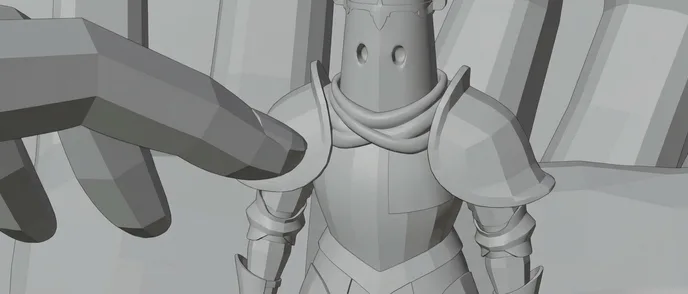
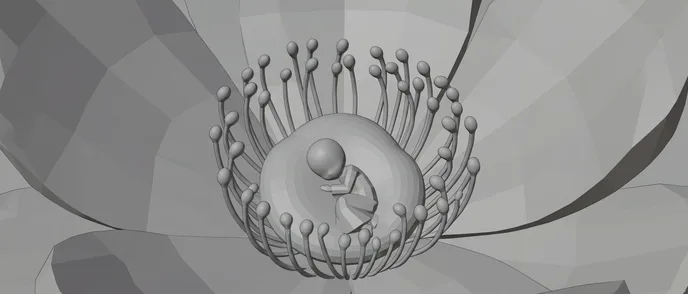
The selection team watches a whole film with your declaration beside it. The scene below is the Source Tree sequence of Lost Garden, episode 1, made by the ScreenWeaver team with Seedance. First the screenplay page, then six shots, each as a storyboard frame and as a final image.

Logline. A small knight wakes up in a dead world and learns he is the last guardian of a seed that could bring the garden back.

Screenplay · episode 1 · the Source Tree

INT. HEART OF THE ROOTS - NIGHT

Living roots coil around LANTERN and pin him down. A voice stops them.

THE SOURCE TREE

Stop. He is my guest.

A giant woman of roots and white lilies opens her arms over the cavern.

Her eyes open. Blue, and vast.

THE SOURCE TREE

Welcome to you, Lantern Knight.

She lifts him in her palm, like a lamp.

THE SOURCE TREE

Do not be afraid. I will not harm you.

In the dark, a seed of light opens. Inside the flower, a sleeping child.

THE SOURCE TREE

You must find yours. Protect her.

CUT TO:

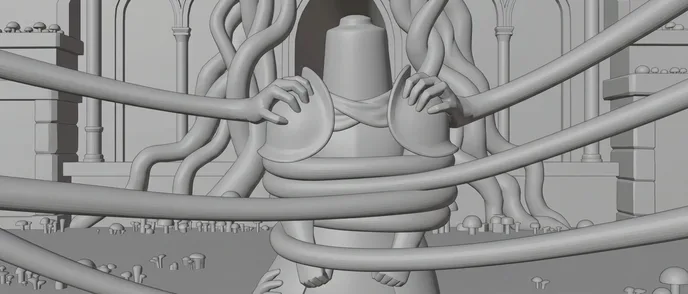
  1. A small lantern-helmed knight bound by thick roots in a ruined hall
    Storyboard frame of the trap shot, in grey
    01

    Medium · the trap

    Medium shot, Lantern bound by thick living roots in a ruined hall, glowing blue mushrooms on the floor, cold light

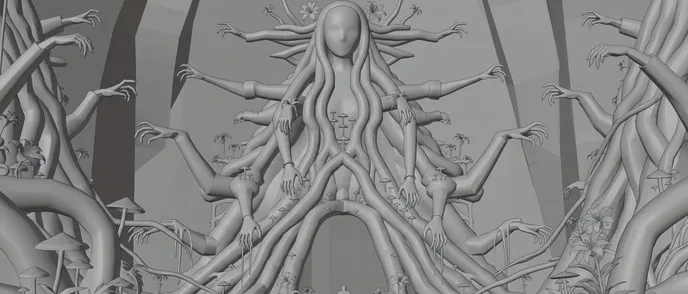
  2. A giant woman made of roots and white lilies spreads her many arms in a dark cavern
    Storyboard frame of the wide shot, in grey
    02

    Wide · the Source Tree

    Symmetrical wide shot, a giant woman made of roots, arms spread with many hands, white lilies, blue glyphs

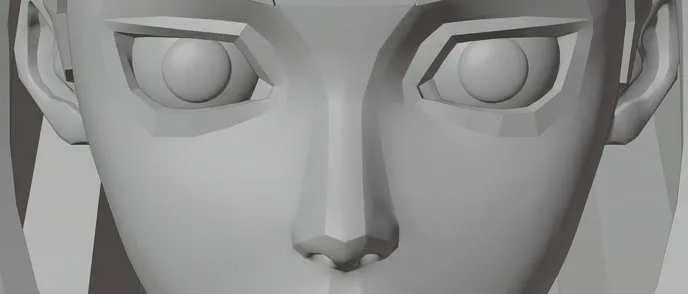
  3. Extreme close-up of a giant pale face with piercing blue eyes
    Storyboard frame of the eyes close-up, in grey
    03

    Extreme close-up · the eyes

    Extreme close-up on the giant's face, piercing blue eyes opening, pale skin, soft light from below

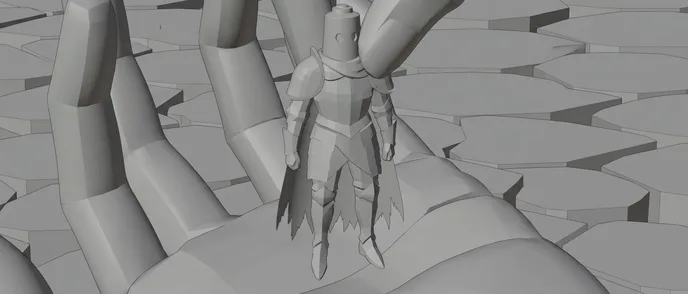
  4. A tiny armored knight stands in the middle of a giant open hand
    Storyboard frame of the palm shot, in grey
    04

    High angle · the palm

    High angle, the tiny knight standing in the center of a giant open palm, stone floor far below

  5. A giant fingertip gently touches the chest of a small armored knight
    Storyboard frame of the touch close-up, in grey
    05

    Close-up · the touch

    Close-up, a giant fingertip gently touches the knight's armored chest, faceless helm, emotion through posture

  6. A sleeping pink-haired child curled inside a glowing blue flower
    Storyboard frame of the seed insert, in grey
    06

    Insert · the seed

    Top-down insert, a glowing pale blue flower opening, a sleeping child with pink hair curled inside

Lost Garden, episode 1 runs 17 minutes, under the 20 minute cap of Orizzonti Short Films. It was a finalist at the AI London Festival and is already online on YouTube, so it could not enter Venice, where a world premiere is required. Keep yours private. Press play to jump to the Source Tree.

The script

A 17 minute short in five movements.

Orizzonti Short Films stops at 20 minutes, credits included. Aim for 17 minutes of film: about 17 screenplay pages and 150 to 200 shots of 4 to 6 seconds, which leaves three minutes for credits and margin.
  1. 0:00 to 1:00

    The opening image

    One precise image and a question left unanswered.

  2. 1:00 to 3:30

    The place and the wish

    Where we are, who wants what, and what the film will refuse to explain.

  3. 3:30 to 11:00

    The weight

    Scenes that deepen instead of repeating. Let one scene breathe, and cut the one that only shows off.

  4. 11:00 to 15:00

    The turn

    The choice the character cannot take back. Hold the shot a second longer than feels safe.

  5. 15:00 to 17:00

    The last frame

    An image that answers the opening one, then room for the credits.

If the film is in another language, burn English subtitles into the selection file. Keep a clean master without them for the DCP.

Month by month

From now to the day the call opens.

The 2027 call is not published. In 2026 the short film deadline fell on 28 May. This plan assumes a spring call and has the film finished before it opens.
  1. 01

    October 2026

    Read the FAQ and decide

    Choose the short, up to 20 minutes with credits. Open a declaration log today: every AI tool, task and stage, written as you go.

  2. 02

    November 2026

    The screenplay

    Seventeen pages. Write it free in ScreenWeaver and read it out loud. Venice needs a world premiere, so keep the project private.

  3. 03

    December 2026

    References and storyboard

    Approve each character and each set once, then generate the storyboard from the screenplay and adjust it shot by shot.

  4. 04

    January and February 2027

    Generate and cut

    Footage scene by scene with Seedance in ScreenWeaver as video generation reaches your plan, then the edit and the sound. The film must be recent: twelve months before the festival was the 2026 limit.

  5. 05

    March 2027

    Subtitles, declaration, screener

    Burn in the English subtitles, export the screener, and turn your log into the declaration: how AI was used, and in which stages.

  6. 06

    Spring 2027

    Register in the first window

    In 2026 the short fee was €80 until 29 April, then €100. Watch the Biennale site and register early, with the declaration filled in.

Ways to lose a spot

Eight ways an AI short can go wrong here.

Most are in the answers on eligibility and delivery. Read them before you pay.
  • No AI declaration

    It is mandatory during registration. A film made with substantial generative AI and registered without the declaration breaks the rule, whatever its quality.

  • A declaration with no detail

    The FAQ asks how, and in which stages or elements of production. One line saying AI was used answers neither question.

  • A film that is not a world premiere

    Every section needs one, apart from immersive projects, which may be international premieres. A film shown publicly anywhere is ineligible. A trailer is allowed.

  • The gap from 21 to 59 minutes

    Shorts stop at 20 minutes with credits and features start at 60. Films between 21 and 59 minutes are not admitted. Cut it or extend it.

  • A film that is too old

    For 2026 only films completed after 6 September 2025 were eligible. If 2027 keeps the twelve month window, do not finish the film years early.

  • English subtitles not burned in

    Selection screenings need an English-subtitled version with the subtitles burned into the file, not sent as a separate file.

  • Rights nobody cleared

    The FAQ puts every copyright issue on you, music and footage included. Check the terms of each AI tool, and of any AI music or voice, before you register.

  • No plan for the festival copy

    A selected film is delivered as a DCP or as 35 mm or 70 mm prints, in two copies or by digital delivery. Budget the DCP early.

Why ScreenWeaver

Venice wants the declaration. ScreenWeaver keeps the evidence.

Venice imposes no tool and requires an honest account of how AI was used. In ScreenWeaver the screenplay, the storyboard and the footage live in one connected project, which is where that account comes from.
  • A declaration written as you work

    Each shot is tied to its scene, its frame and its prompt, so at registration you read the stages off the project instead of rebuilding them from memory.

  • A look that survives a long screener

    References for characters and sets carry from shot to shot, so a 17 minute short keeps its faces. The selection team sees a film, not a pile of clips.

  • A premiere that stays private

    Projects in ScreenWeaver are private, which matters when Venice asks for a world premiere. You decide when anything leaves the project.

  • Start for free today

    The Screenwriter plan is free for good ($0, no expiry), which covers the screenplay and the log. The storyboard is $9.99 a month with Storyboard Beta, and Seedance footage follows with the Filmmaker plan.

Real productions

International festival-recognized films have been written and produced with ScreenWeaver.

ScreenWeaver is already being used as a creative workspace for real AI film productions, from cinematic shorts to animated series pilots selected, nominated, and awarded by international festivals.

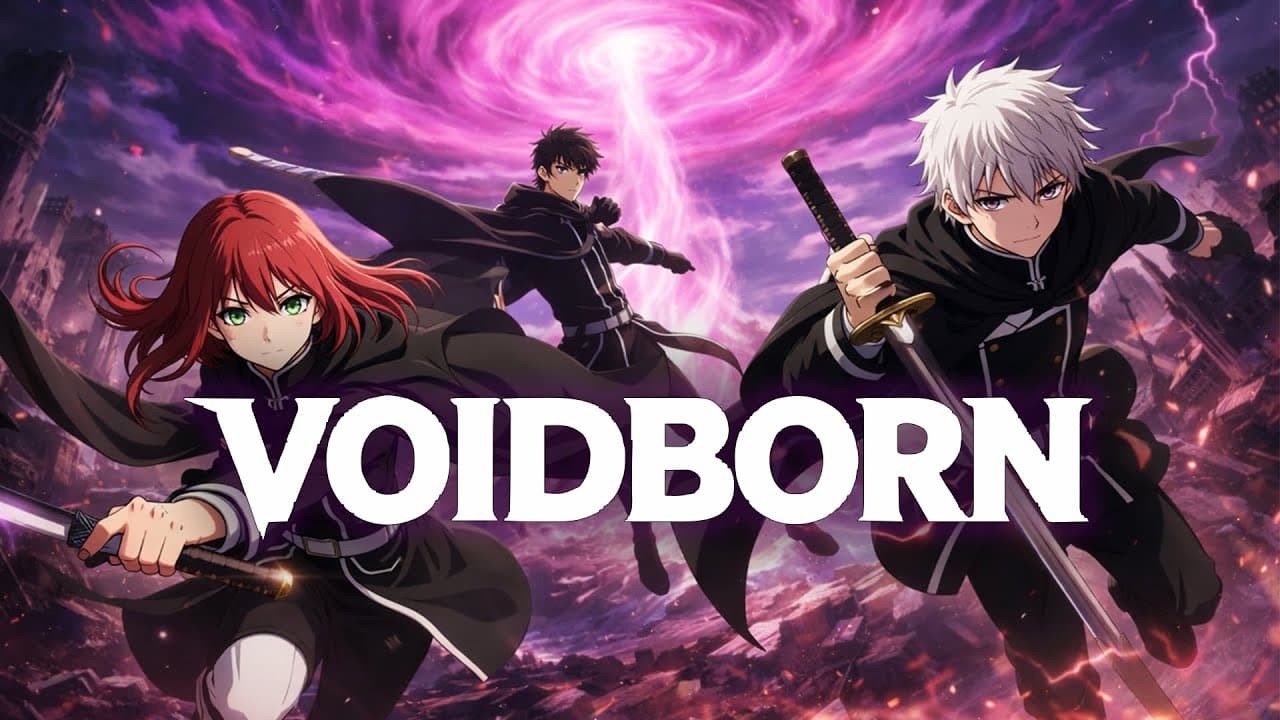
  • Video thumbnail for VOIDBORN

    VOIDBORN

    AI animated / cinematic short

    Festival recognition

    • 1st Place Silver

      Mondial Chroma Awards

    • 2nd Place Dreamina

      Mondial Chroma Awards

    • Award Winner

      Seoul International AI Film Festival

  • Video thumbnail for Les Fils du Vinnana

    Les Fils du Vinnana

    AI short film

    Festival recognition

    • Honorable Mention

      Top Quark Film Festival

    • People's Choice Nominee

      Illuminate Oneness of Humanity

    • Nominee

      ALTFF Supershort

  • Video thumbnail for Lost Garden

    Lost Garden

    AI animated series pilot

    Festival recognition

    • Finalist

      AI London Festival

The pipeline

Write. Board. Produce.

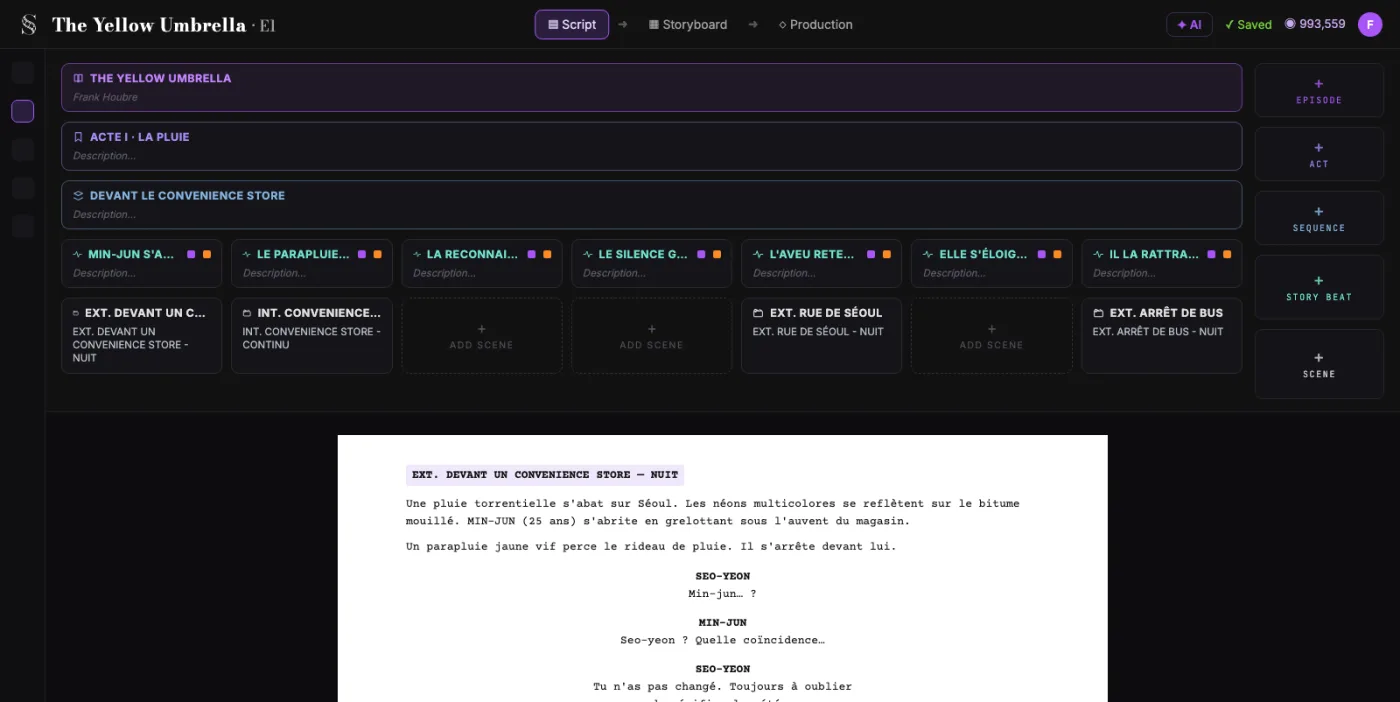
  1. ScreenWeaver screenplay editor: acts, sequences and beats above the formatted script of The Yellow Umbrella

    01The screenplay, enriched

    An industry-standard screenplay editor, and more: a visual outline and beat editor, your writing inspirations (notes, photos, audio) kept next to the page, and an AI researcher to support your writing, not replace it.

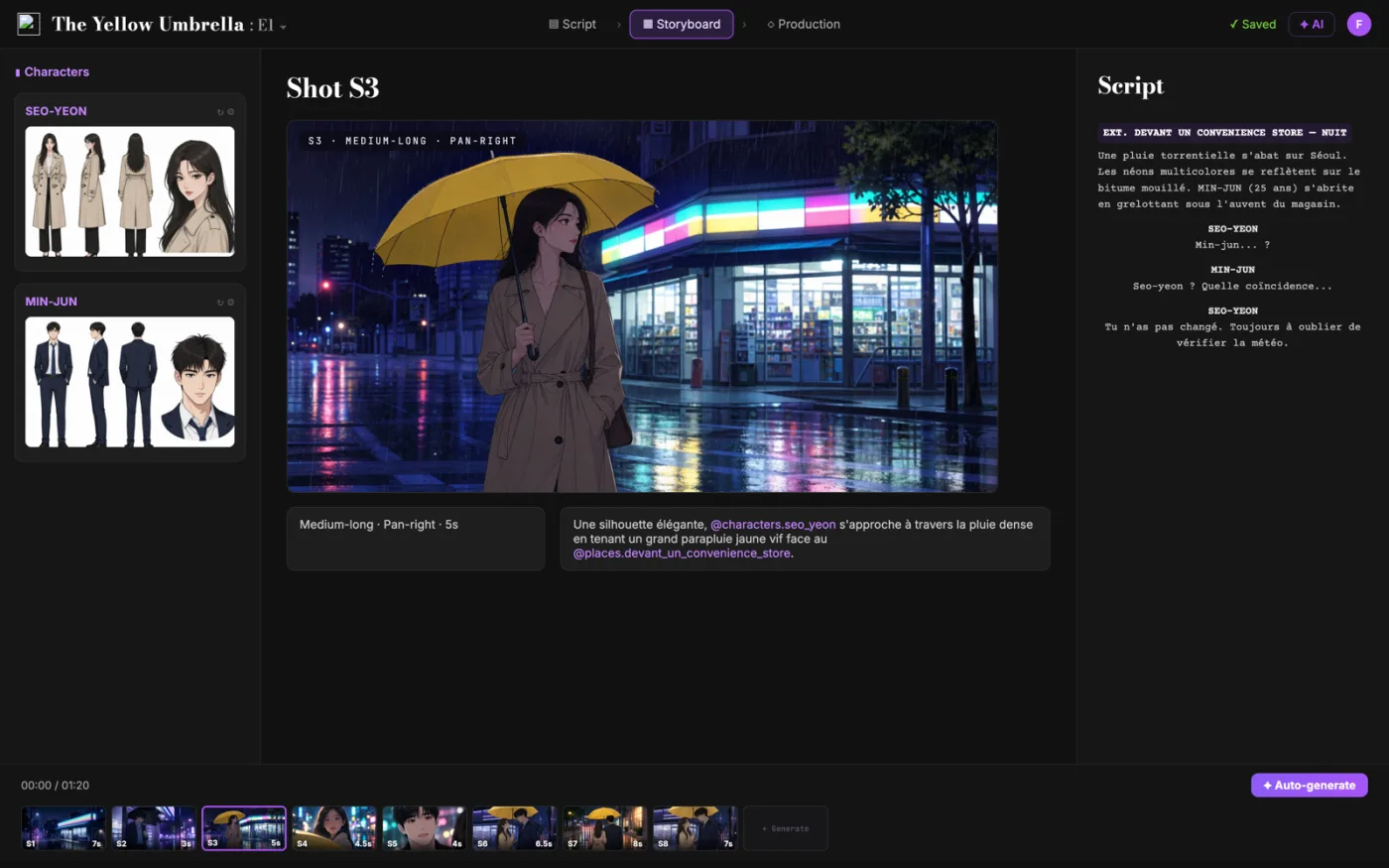
  2. ScreenWeaver storyboard: shot S3 of The Yellow Umbrella with characters, shot settings and the script beside it

    02The storyboard, made easy

    Shot breakdown generated from your screenplay, manual control over every shot (frame, angle, movement, duration), and generative AI previsualization in one click.

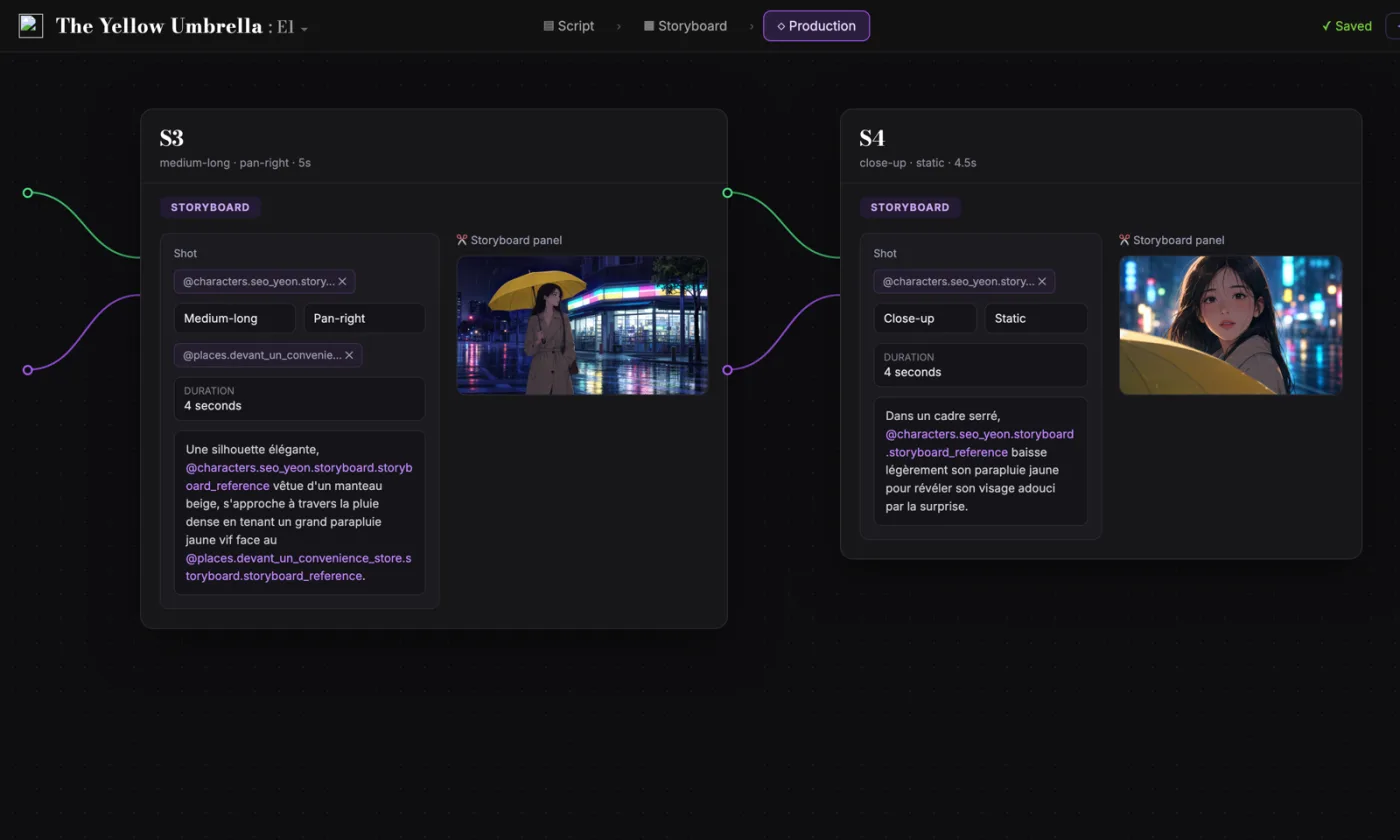
  3. ScreenWeaver production canvas: shots S3 and S4 as connected nodes carrying their storyboard panels and prompts

    03AI production, with finesse

    Footage generation pipelines connected to your screenplay and storyboard. Optimized out of the box, fully editable workflow.

FAQ

Venice and AI films, your questions

Can you submit an AI film to the Venice Film Festival?
Yes. The Biennale's FAQ says such works may be submitted, and that you must declare during registration how and in which stages or elements of production AI was used. It sets no AI quota and bans no tool.
What counts as substantial AI?
The FAQ speaks of works created with the substantial contribution of generative AI or other forms of AI, and gives no threshold. When in doubt, declare, and describe the tools and the stages in plain words.
When is the 2027 deadline?
It was not published on 1 October 2026. In the 2026 call, immersive projects closed on 7 May, short films on 28 May and features on 4 June. The dates of the 84th festival were not announced either.
What do the fees look like?
In 2026 a short cost €80 until 29 April and €100 after. A feature cost €200 until 14 May and €250 after, and an immersive project €200 then €250. The 2027 fees are not published.
How long can an AI short film be?
Up to 20 minutes, credits included, for Orizzonti Short Films. Features need 60 minutes or more, and films from 21 to 59 minutes are not admitted.
Can I put my film online before submitting?
No. Every section needs a world premiere, apart from immersive projects, and a film shown publicly anywhere is ineligible. Per the FAQ, a trailer does not break the rule.
Who selects the films?
The FAQ describes a joint decision by the selection team and names nobody. Notifications typically begin in early July. The festival director is Alberto Barbera.
Should I submit a short or a feature?
For a first AI film, a short. It has its own competitive section, a 20 minute cap that a small team can meet and a lower fee. A feature is a different scale of work, and the world premiere rule is just as strict.

Be ready when the call opens.

The screenplay is free to write today. The declaration log starts with the first prompt.