Slamdance 2027 · AI films guide

Can you submit an AI film to Slamdance?Yes. Through DIG, before 6 October.

Slamdance does not ban AI. It points films made through or with AI to its DIG category. The rules, the fees, how programmers choose, and a plan for the days left before the 6 October 2026 deadline. Then write, storyboard and generate your film in ScreenWeaver.
  • Deadline 6 October 2026
  • AI route: the DIG category
  • Festival 18 to 24 February 2027
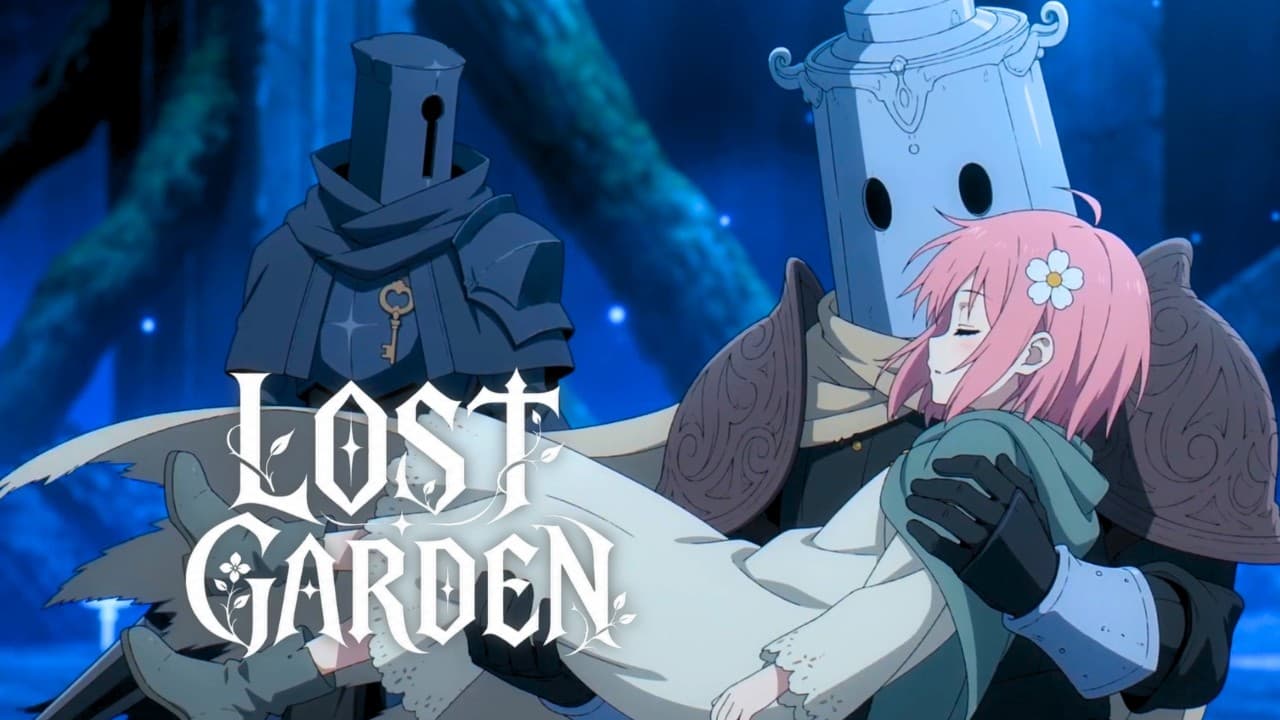
Lost Garden · Episode 2

Independent guide. ScreenWeaver does not organise Slamdance and is not affiliated with the Slamdance Film Festival. Rules read on 1 October 2026. Official submission page

Available today in ScreenWeaver: free screenwriting, and a storyboard generated from your screenplay with Storyboard Beta, $9.99 a month.

Rolling out: video generation of each shot, powered by Seedance, with the Filmmaker plan.

The rules on one card

What Slamdance asks of an AI film.

Slamdance is a general festival, not an AI festival. Its submission page has one sentence about AI, and the practical rules sit around it. Everything else applies to your film as it does to any other.
Festival
18 to 24 February 2027, Los Angeles
Deadline
6 October 2026, 11:59 PM PST
Entry fee, DIG
$90 in the extended window, no refunds
Notification
17 December 2026
Where AI films go
DIG: Digital, Interactive, Gaming
Runtime
No limit stated for DIG, shorts under 40 minutes
Premiere status
Not required, work in progress accepted
DIG prizes
None listed on the submission page

Source: the Festival Submit page of slamdance.com and the 2026 award winners page, read on 1 October 2026. The festival can change its rules: check the page before you pay.

What the rules say about AI

One sentence, six things to know.

The submission page has one line on AI. It is an invitation, not a rule. Here is what it says, and what surrounds it.
  • The AI sentence

    Films made through or with AI are strongly encouraged to submit to the DIG category. There is no ban, no AI quota and no list of forbidden tools. Wording read on 1 October 2026.

  • What DIG is

    DIG stands for Digital, Interactive and Gaming. The page lists games, virtual and augmented reality, live performance, AI-driven film and music, interactive documentaries and installations. Your film sits next to that work, not next to the usual shorts.

  • No AI declaration form

    The rules ask for no AI declaration and no list of tools. They do ask accepted filmmakers to be the authors and to sign that they own the rights to the film and its components. Say plainly how the film was made in your cover letter, and check the terms of every tool you used.

  • Other doors for a short or a series

    Shorts run under 40 minutes with no extra eligibility rule. Episodes takes pilots and single episodes of any length. The 99 Special takes films of 99 seconds or less. Animation asks for a significant frame-by-frame portion, so ask the office before you enter an AI film there.

  • Premiere, completion and language

    Premiere status does not matter and neither does the completion date. A work in progress is accepted if a title card says what is unfinished. A film not in English must carry English subtitles or it is not considered.

  • If you are accepted

    Filmmakers are expected to attend. Slamdance covers no travel, no shipping and no screening fee. For DIG, artists set up, bring their own materials and man their own station. Accepted films also need English closed captions.

Key dates

Five days left, then a long wait.

The 2027 call opened on 18 May 2026 and has had three fee windows. The last one closes on 6 October. After that comes the wait, and one useful trick.
  1. 18 May 2026

    Submissions open

    The earlybird fee for shorts, episodes and DIG was $50. It rose with each window.

  2. 15 Sep 2026

    Extended window

    The last fee window: $90 for DIG, shorts and episodes. Features pay $130.

  3. 6 Oct 2026

    Submissions close

    Deadlines close at 11:59 PM PST. The screener must be uploaded by then.

  4. 17 Dec 2026

    Notification

    Accepted filmmakers are told by email, phone or text and must confirm by the date they are given.

  5. 18 to 24 Feb 2027

    The festival

    Across several venues in Los Angeles. In 2026 the awards ceremony was held on 25 February at the Egyptian Theater.

Who decides

Programmers first, then a jury.

Slamdance names no judges for the submission stage. What it publishes is how its programming works, and it is unusual: your film is chosen by other filmmakers.
  • More than 200 alumni programmers

    The page says Slamdance alumni filmmakers program the festival from the submissions pool. They are filmmakers themselves, so they notice a short that wastes their time.

  • Equal votes, real discussion

    Programmers deliberate and vote, each with the same weight, and no selection is made outside that process. They do not have to read your cover letter. The screener must carry the film alone. Decisions are final and feedback is rarely shared.

  • A jury at the festival

    In 2026 the jury awards covered ten categories, from Narrative Features to the 99 Special. DIG was not one of them. Ask the office whether a DIG film can also compete for a jury award.

  • The audience

    Audience Awards exist too. In 2026 attendance grew 10% and nearly every screening and event sold out, so your film plays to a full room.

Inside DIG

What DIG shows next to your film.

DIG is not a film section. It is a showcase of digital, interactive and gaming work, and your film joins it as one kind of project among six. Four of them matter to a filmmaker. Under each, the angle we would take.
  • 01

    AI-driven film and music

    The line that names you: the next evolution of film and music powered by AI.

    Show a film that needs AI to exist and say so. A realistic short with one AI shot slipped in does not use the category.

  • 02

    Interactive documentaries

    Narratives that ask for the viewer's engagement.

    A documentary or essay film built on real archives and AI reconstruction can fit. Label what is real and what is generated, always.

  • 03

    Live performances

    Art that goes beyond the stage and works on the senses.

    A film screened with a live narrator or live music turns a screener into an event. Plan who travels and what it costs, since Slamdance pays nothing.

  • 04

    Experiential installations

    Work that surrounds the visitor and pulls them into the story.

    An installation means a station you man for days. A looping short on one screen with a clear sign is the lightest version. List your setup needs before you apply.

The 2026 edition

What Slamdance 2026 teaches.

The 32nd edition showed 141 films, 50 of them world premieres, chosen from 10,000 submissions. That is about one film in seventy. Winners were named in ten jury categories, plus audience awards, the AGBO Fellowship and a distribution offer from Utopia.

  1. 01

    The odds are low and the room is human. One film in seventy gets in, and other filmmakers decide. A first minute that works beats a long synopsis.

  2. 02

    No DIG prize was announced. The winners release lists ten jury categories and DIG is not one. It does not mention AI films either. Enter for the screening and the audience, not for a trophy.

  3. 03

    Simple, controlled filmmaking won praise. The jury for the Unstoppable shorts prize called its winner a lesson in fundamentals: few choices, made clearly.

  4. 04

    Sound counted. The narrative shorts winner, Beaks, was praised for its direction and for a sound design and score that gave weight to the story. Plan your sound as carefully as your image.

  5. 05

    The festival backs people, not tools. The AGBO Fellowship is a mentorship with the Russo brothers' studio, chosen by Anthony and Joe Russo. A distinct voice is what Slamdance says it looks for.

From page to screen

The scene a programmer sees first.

Programmers watch screeners in bulk, so the opening of a film does the work. This is the opening of Lost Garden, episode 2, an animated series made by the ScreenWeaver team with Seedance: the screenplay page, then each shot as a storyboard frame and as the final image.

Logline. A newborn knight whose inner light is leaking away crosses a world that has stopped hoping, to find the one blacksmith who can seal his armor.

Screenplay · episode 2 · page 1

INT. UNDERGROUND CAVERN - LOWER PATH - CONTINUOUS

Blue mushrooms the size of houses. LANTERN, a small knight with a lantern for a helm, walks alone.

He presses a hand to his chest. Sparks of light slip between his fingers.

SERRURE

Hold on. You're losing something.

Serrure lifts the edge of the cloak. A gash in the armor. Blue light leaks out like smoke.

SERRURE

That's your energy. What keeps you standing.

He grips Lantern's shoulder. Two knights alone among the crystals.

SERRURE

A suit that leaks goes out. Eventually.

Under the giant mushrooms, the road climbs into the dark.

SERRURE

So. We follow the road.

Serrure points the way. Lantern follows.

CUT TO:

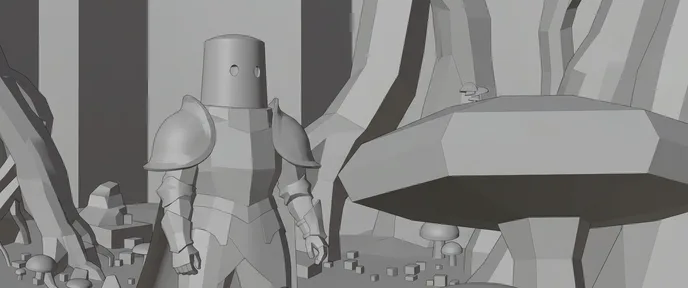
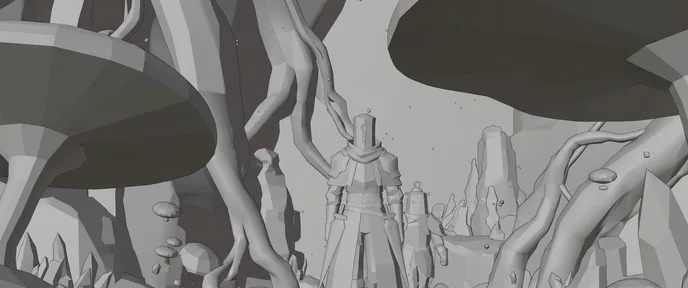
  1. A small knight with a lantern helm stands by a giant glowing blue mushroom in a crystal cavern
    Storyboard frame of the same wide shot, in grey
    01

    Wide · the world

    Wide shot, Lantern alone by a giant glowing blue mushroom, crystal cavern, roots, drifting spores, cold blue light

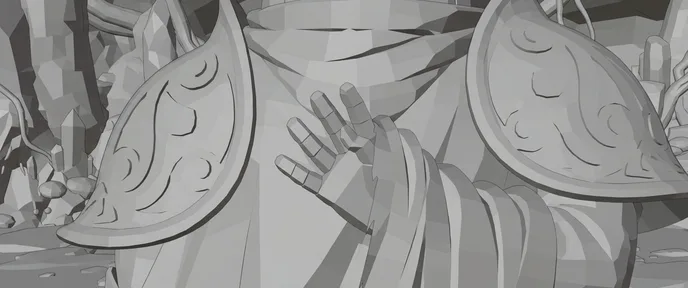
  2. Close-up of an armored chest under a cream cloak, a gloved hand, a spark of light
    Storyboard frame of the chest close-up, in grey
    02

    Close-up · the chest

    Close-up on Lantern's chest, his gloved hand pressed to the cloak, a spark of light escaping between the fingers

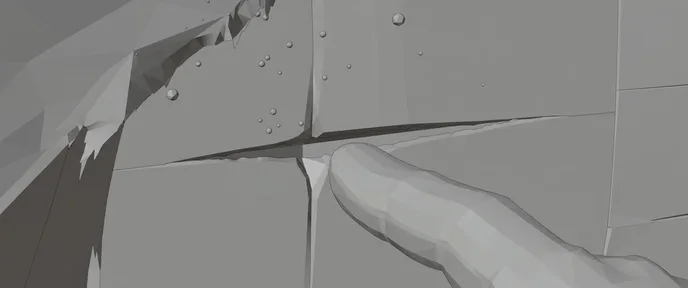
  3. A torn gash in an armor plate leaking bright blue light, a finger pointing at it
    Storyboard frame of the wound insert, in grey
    03

    Insert · the wound

    Extreme close-up, Serrure's finger near a torn gash in the back plate, blue light leaking out like luminous smoke

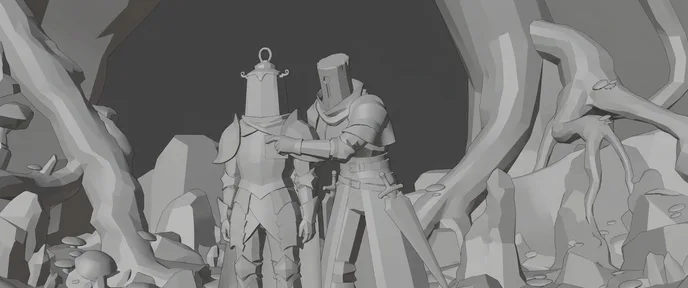
  4. Two armored knights side by side, one with a hand on the other's shoulder, in a crystal cavern
    Storyboard frame of the two-shot, in grey
    04

    Two-shot · the bond

    Medium two-shot among crystals and roots, Serrure's hand on Lantern's shoulder, faceless armors, emotion through posture only

  5. Two small knights walk beneath two giant glowing blue mushrooms
    Storyboard frame of the wide shot, in grey
    05

    Wide · the scale

    Wide low angle, the two knights tiny beneath two giant glowing mushrooms, blue crystals in the foreground, mist

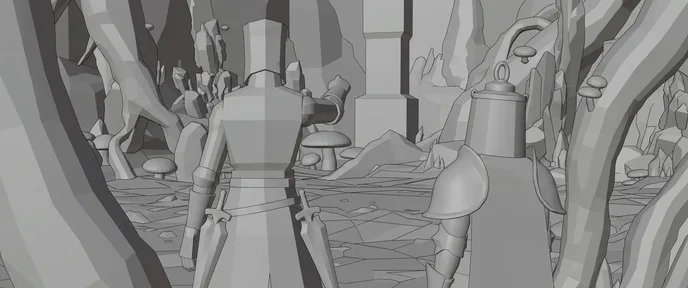
  6. Seen from behind, a tall dark knight points ahead while the small lantern knight looks on
    Storyboard frame of the over-the-shoulder shot, in grey
    06

    Over the shoulder · the road

    Over-the-shoulder from behind, Serrure points ahead into the cavern, Lantern beside him, roots framing the path

Lost Garden, episode 2, 21 minutes. That is well under the 40 minutes Slamdance sets for shorts, and Episodes takes a pilot or a single episode of any length. The player opens on this scene.

The script

A 10 minute short in five movements.

Slamdance shorts can run up to 40 minutes, but programmers watch a mountain of screeners. Aim for 10 minutes: about 10 screenplay pages and 100 to 150 shots of 4 to 6 seconds.
  1. 0:00 to 0:50

    The first image

    A programmer decides in the first minute whether to keep going. Give them a question to carry.

  2. 0:50 to 2:30

    The rule of this world

    Who we follow, what they want, what stops them. Set the one visual rule you will hold.

  3. 2:30 to 6:30

    The cost rises

    Each scene asks more of the character. Cut every shot that only shows off the tool.

  4. 6:30 to 8:30

    The turn

    The moment the film was built for. Give it room and let the sound carry it.

  5. 8:30 to 10:00

    The echo

    An image that answers the first one, then stop. A short that ends on time feels confident.

English subtitles are mandatory for any other language and recommended for all. Burn them into the screener and keep a clean master.

Day by day

From today to the 6 October deadline.

You have five days. That is enough to finish and submit a short you have already shot. It is not enough to make one from nothing: in that case, read this plan as the route for the next call.
  1. 01

    1 October

    Pick the film and the door

    Choose a finished short or a work in progress. Enter DIG for AI-driven film. If you wonder about a second category, ask Slamdance through its contact page first.

  2. 02

    2 October

    Subtitles and screener

    Burn English subtitles into the video, even if the film is in English. Programmers watch the screener, so export a clean compressed copy and test the link.

  3. 03

    3 October

    A title card if unfinished

    For a work in progress, open with a card that lists exactly what is unfinished. Slamdance asks for it. Then never change the link.

  4. 04

    4 and 5 October

    Cover letter and credits

    Programmers are not required to read it, so keep it to ten lines: what the film is, how it was made, who made it. Name every AI tool and every person.

  5. 05

    6 October

    Submit before the deadline

    FilmFreeway or the direct form, DIG category, $90. Deadlines close at 11:59 PM PST. Do not wait for the last hour.

  6. 06

    7 October to 17 December

    Improve the file, not the link

    You can upload a new video to the same link. If the link changes, programmers lose access. Use it to swap a work in progress for the finished cut.

  7. 07

    If accepted

    Plan the trip and the station

    Confirm by the date you are given and deliver an exhibition copy, a trailer, stills and English closed captions. Budget the trip yourself, because Slamdance pays no travel.

Ways to lose a spot

Eight mistakes the rules make easy.

Slamdance is relaxed about premieres and completion dates. It is strict about a few practical things. Read them before you pay the fee.
  • No English subtitles

    A film in another language without English subtitles is not considered. That includes dialogue made with a voice model. Even English films are asked to carry them.

  • A screener link that changes

    If you replace the link instead of the file, programmers lose access and the film may not be watched in time.

  • A work in progress with no title card

    Unfinished work is welcome with a card at the start that says what is unfinished. Without it, rough shots read as mistakes.

  • Rights you cannot sign

    Accepted filmmakers must be the authors and sign that they own all rights to the film and its components. Check the terms of each AI tool, the music and any voice before you submit.

  • Expecting a prize or a fee

    No DIG award is listed, and Slamdance pays no screening fee, no travel and no compensation for DIG. Count the cost of the trip before you enter.

  • Not planning to attend

    Artists are expected at the festival, and DIG artists set up and run their own station. Confirm late and you can lose your place.

  • Assuming AI means Animation

    The Animation category asks for a significant frame-by-frame portion and says live-action puppets do not count. It does not mention AI. Do not guess: ask, or enter DIG.

  • Waiting for the last hour

    Deadlines close at 11:59 PM PST, which is the next morning in Europe. Fees are not refunded, so enter once, in the right category.

Why ScreenWeaver

Slamdance wants a voice. Start with the page.

ScreenWeaver takes a film from screenplay to storyboard to footage inside one connected project. Slamdance imposes no tool, so what counts is the film.
  • A short, a pilot or a 99 second film

    ScreenWeaver builds films, series and short formats from one project. The same screenplay can become the 10 minute short for DIG, a pilot for Episodes or a 99 second cut.

  • Authorship you can sign

    Slamdance asks accepted filmmakers to sign that they own all rights. In ScreenWeaver your projects are private and you own your work. You still check the terms of the tools used for footage.

  • One look from shot to shot

    Each character, set and reference is defined once and reused in every shot, so a short does not read as a reel of unmatched clips. A programmer sees the difference in the first minute.

  • Start before you decide

    The Screenwriter plan costs $0 and has no expiry, so the screenplay starts today. Storyboard Beta is $9.99 a month, and Seedance video generation arrives with the Filmmaker plan.

Real productions

International festival-recognized films have been written and produced with ScreenWeaver.

ScreenWeaver is already being used as a creative workspace for real AI film productions, from cinematic shorts to animated series pilots selected, nominated, and awarded by international festivals.

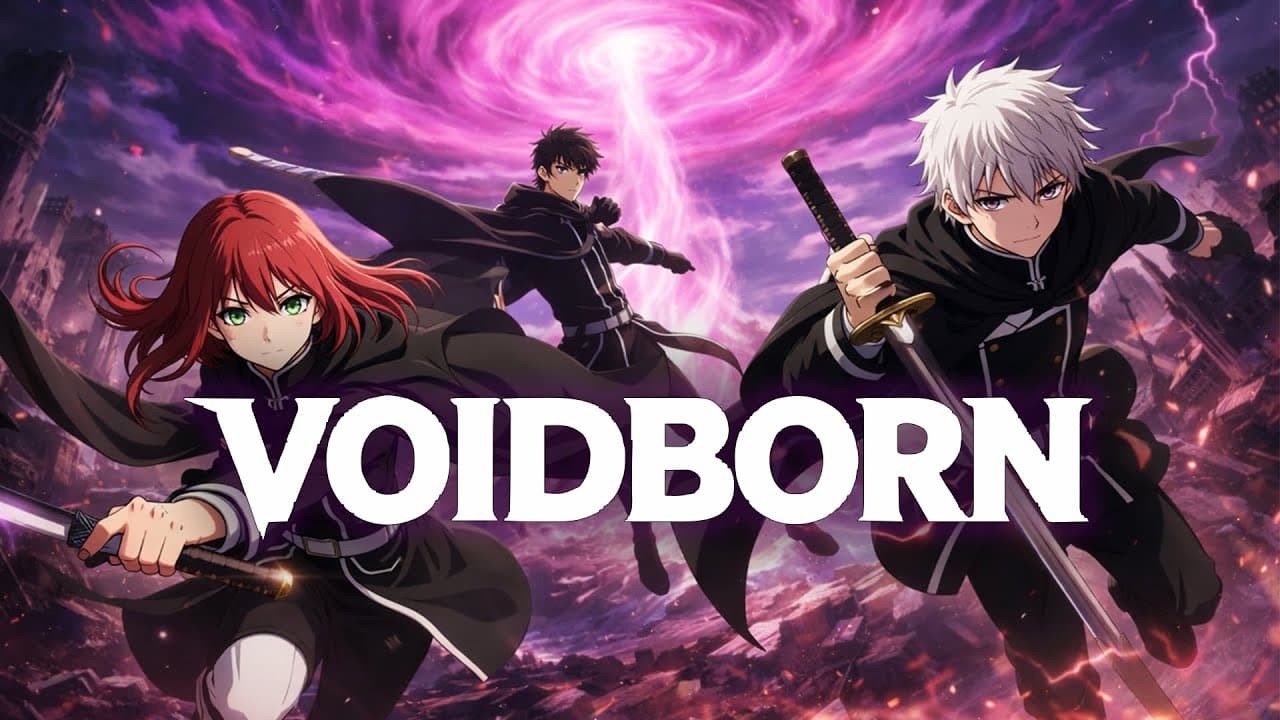
  • Video thumbnail for VOIDBORN

    VOIDBORN

    AI animated / cinematic short

    Festival recognition

    • 1st Place Silver

      Mondial Chroma Awards

    • 2nd Place Dreamina

      Mondial Chroma Awards

    • Award Winner

      Seoul International AI Film Festival

  • Video thumbnail for Les Fils du Vinnana

    Les Fils du Vinnana

    AI short film

    Festival recognition

    • Honorable Mention

      Top Quark Film Festival

    • People's Choice Nominee

      Illuminate Oneness of Humanity

    • Nominee

      ALTFF Supershort

  • Video thumbnail for Lost Garden

    Lost Garden

    AI animated series pilot

    Festival recognition

    • Finalist

      AI London Festival

The pipeline

Write. Board. Produce.

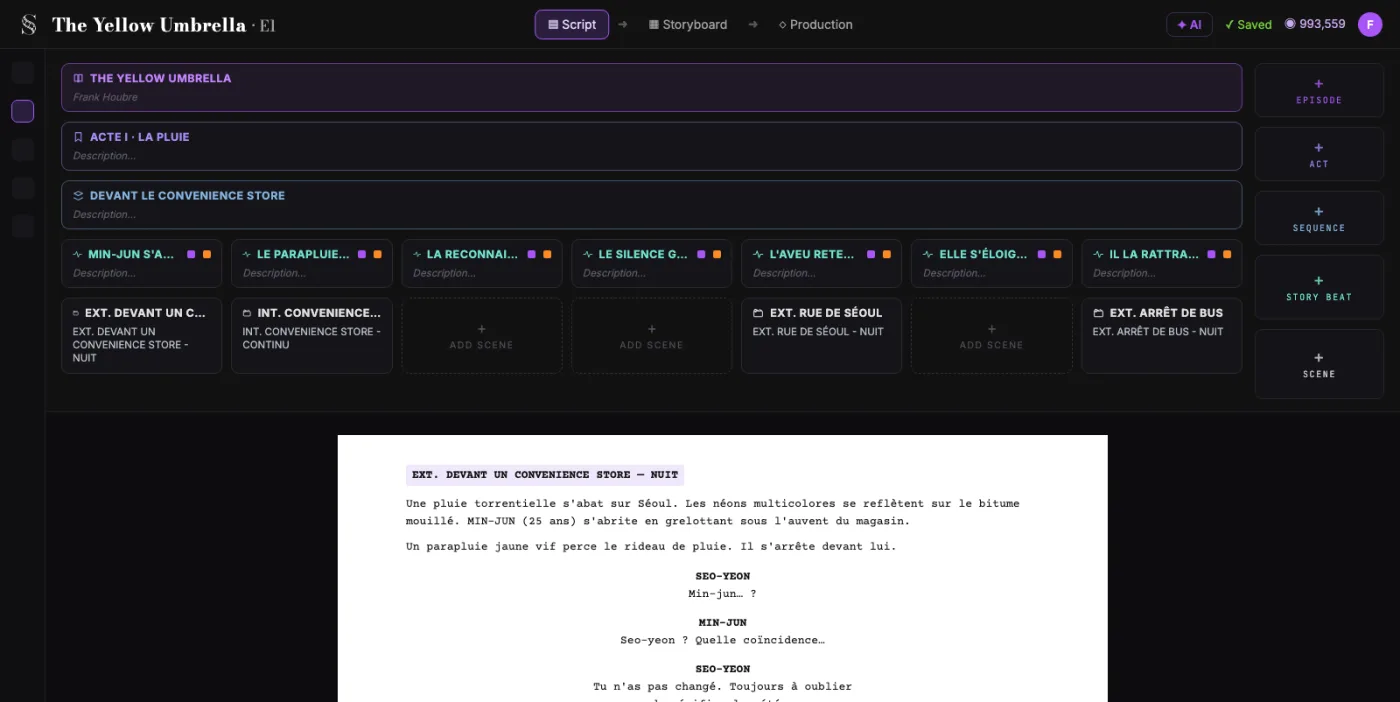
  1. ScreenWeaver screenplay editor: acts, sequences and beats above the formatted script of The Yellow Umbrella

    01The screenplay, enriched

    An industry-standard screenplay editor, and more: a visual outline and beat editor, your writing inspirations (notes, photos, audio) kept next to the page, and an AI researcher to support your writing, not replace it.

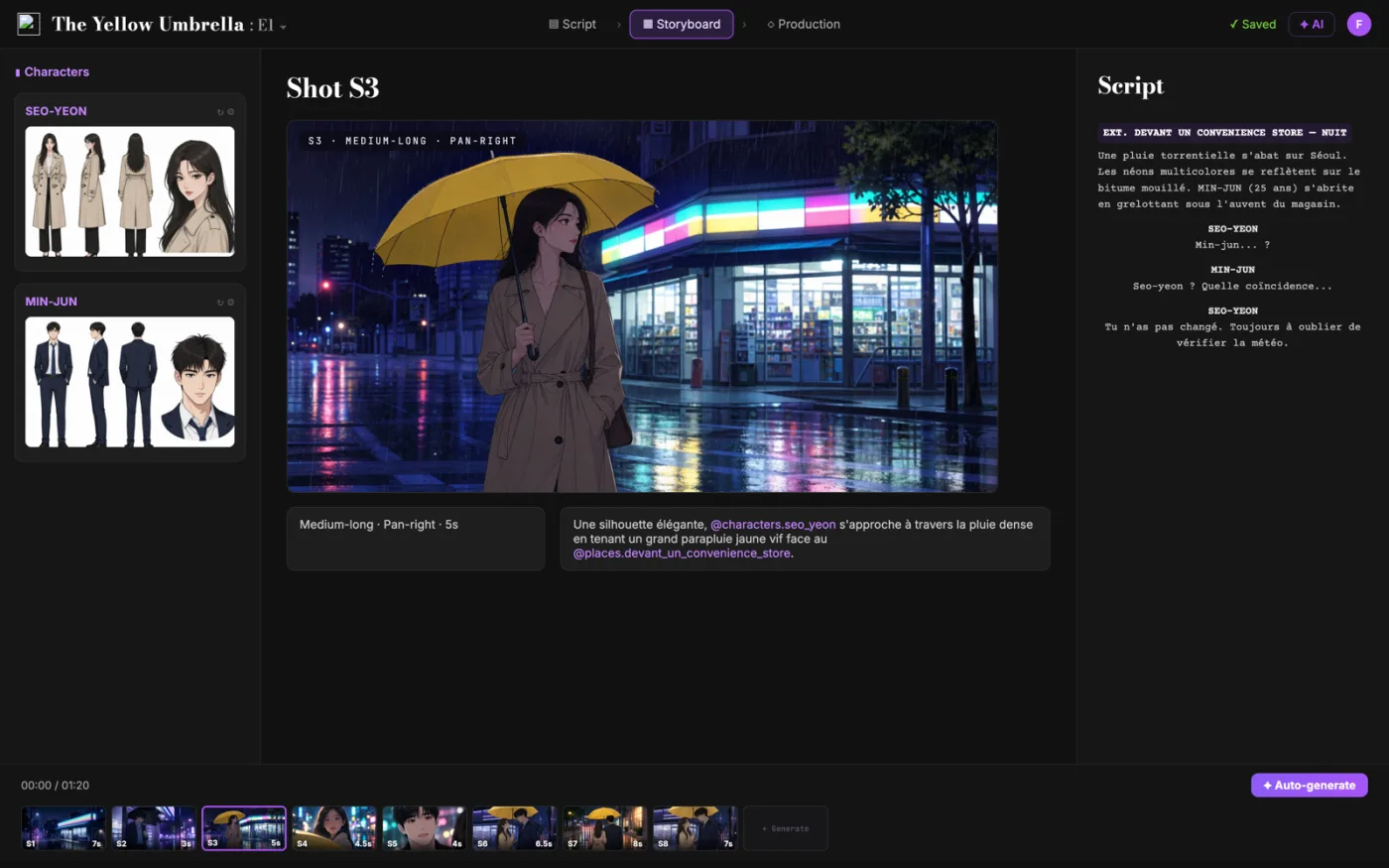
  2. ScreenWeaver storyboard: shot S3 of The Yellow Umbrella with characters, shot settings and the script beside it

    02The storyboard, made easy

    Shot breakdown generated from your screenplay, manual control over every shot (frame, angle, movement, duration), and generative AI previsualization in one click.

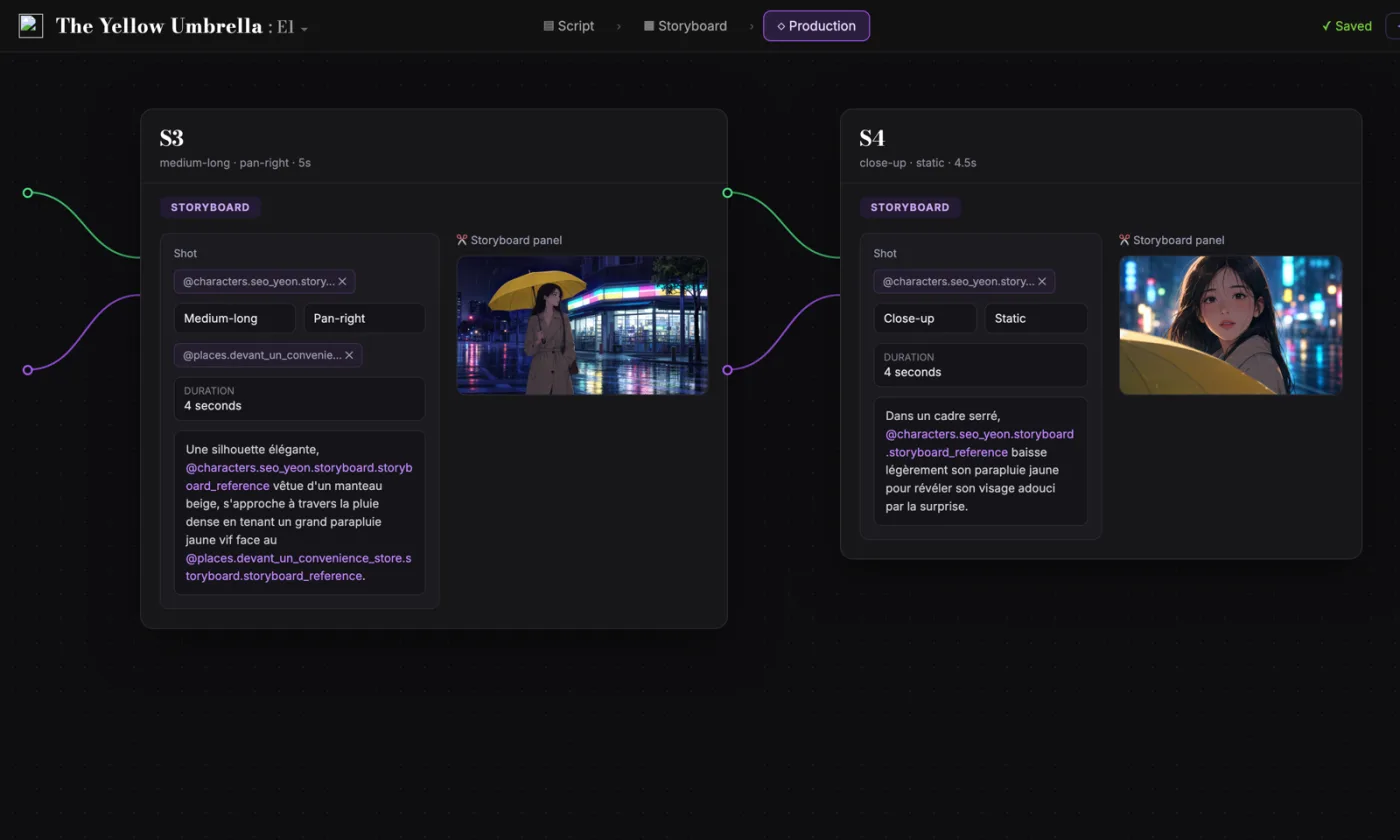
  3. ScreenWeaver production canvas: shots S3 and S4 as connected nodes carrying their storyboard panels and prompts

    03AI production, with finesse

    Footage generation pipelines connected to your screenplay and storyboard. Optimized out of the box, fully editable workflow.

FAQ

Slamdance and AI films, your questions

Can you submit an AI film to Slamdance?
Yes. The submission page says films made through or with AI are strongly encouraged to submit to the DIG category. There is no ban and no AI quota. DIG showcases digital, interactive and gaming work, and lists AI-driven film and music among its kinds of projects.
What is the Slamdance DIG category?
DIG means Digital, Interactive and Gaming. It covers games, virtual and augmented reality, live performances, AI-driven film and music, interactive documentaries and experiential installations. If accepted, artists attend and run their own station, with no travel cover and no compensation.
What are the deadline and the fee?
Submissions close on 6 October 2026 at 11:59 PM PST. In the extended window, DIG, shorts and episodes cost $90, and fees are not refunded. Notification is on 17 December 2026 and the festival runs from 18 to 24 February 2027 in Los Angeles.
Do I have to say my film is made with AI?
The rules ask for no AI declaration. They do ask accepted filmmakers to be the authors and to own the rights to the film and its components. Programmers need not read your cover letter, but say how the film was made there, and say it honestly.
Is there a runtime limit?
DIG states no runtime limit. Shorts must be under 40 minutes, features over 40, and episodes have no runtime limit. A short of 8 to 12 minutes is easier to fit into a programme than a long one.
Who chooses the films?
Slamdance alumni filmmakers program the festival, more than 200 of them. Each programmer has an equal vote and their decisions are final. Feedback is generally not shared with entrants.
Is there a prize for AI films?
None is listed. The 2026 jury awards covered ten categories, including narrative shorts, animated shorts, episodes and the 99 Special, and DIG was not one of them. The AGBO Fellowship, a mentorship with the studio of Joe and Anthony Russo, is chosen by the Russo brothers.
Can I submit a film I already posted online?
For shorts and DIG, yes: Slamdance says premiere status does not matter. Episodes may even be available online already. Features are stricter, since a feature previously self-distributed online is not eligible.

Five days, or the next call.

Whatever the date, the film starts on the page. Write it free today, storyboard it, then generate it.