
Short Film Festivals: The Best Route for New Writers
Imagine this path. Instead of waiting years for someone to maybe read your feature, you take one core idea, carve out a tight 8–12 minute short, shoot it with a small crew, and get it into the right festivals. Suddenly you're not just "a writer with a PDF." You're a writer with a film that played at a major festival, a room full of people who reacted in real time, and proof that your words survive cameras, actors, and deadlines.
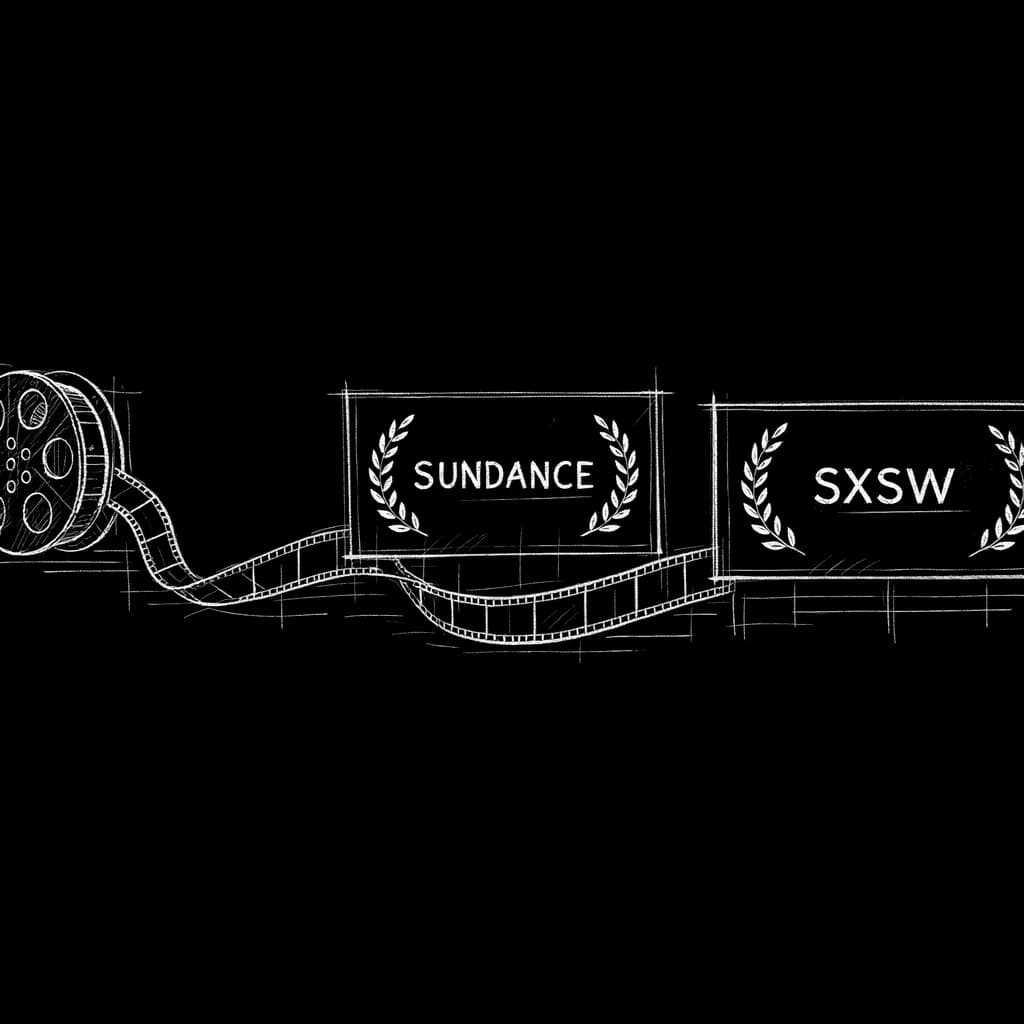
For many new writers, short film festivals, from regional showcases to Sundance and SXSW, are the most concrete route to a professional track. Not because they guarantee fame, but because they compress the entire pipeline into a scale you can actually manage.
Why Shorts Are a Power Move for Writers
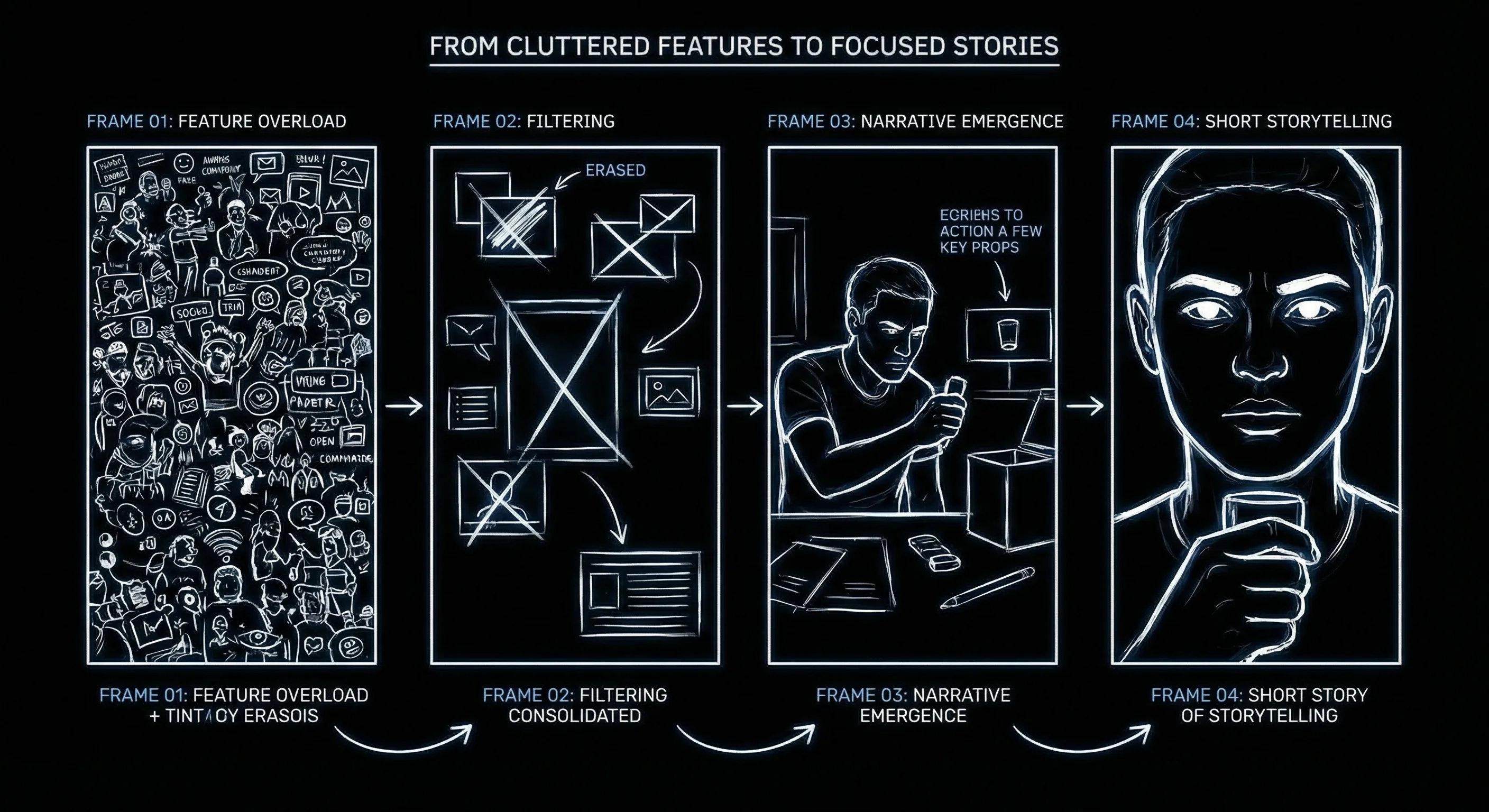
Shorts force you to distill your storytelling. Every beat has to count. They teach you how your writing translates once actors, blocking, and lenses get involved. And festivals provide curated audiences who chose to be there, put your work next to films from around the world, and offer networking that feels more human than blind submissions.
A short is the analog film version of your career: physical, projected, noisy, undeniable.
Sundance vs SXSW vs the Rest
Sundance shorts often sit in a specific tone band: thoughtful, emotionally rich, formally adventurous but grounded. If your script is nuanced and character-driven, Sundance can be a powerful fit.
SXSW shorts lean slightly more kinetic and pop-aware, comfortable with genre (horror, sci-fi, comedy) as long as there's heart. The line between "festival short" and "this could explode online" is thinner here.
Other festivals, regional, genre-specific, student showcases, give you more chances to calibrate by tone and to attend if you get in. Meeting people in hallways and after Q&As often matters as much as the laurel.
Try it free
Try Screenweaver for free on your script
It is free. Import your existing project, get a clearer view of your outline, and regain control of your story structure in minutes.
Start FreeScenario 1: Adapting a Feature Scene into a Short
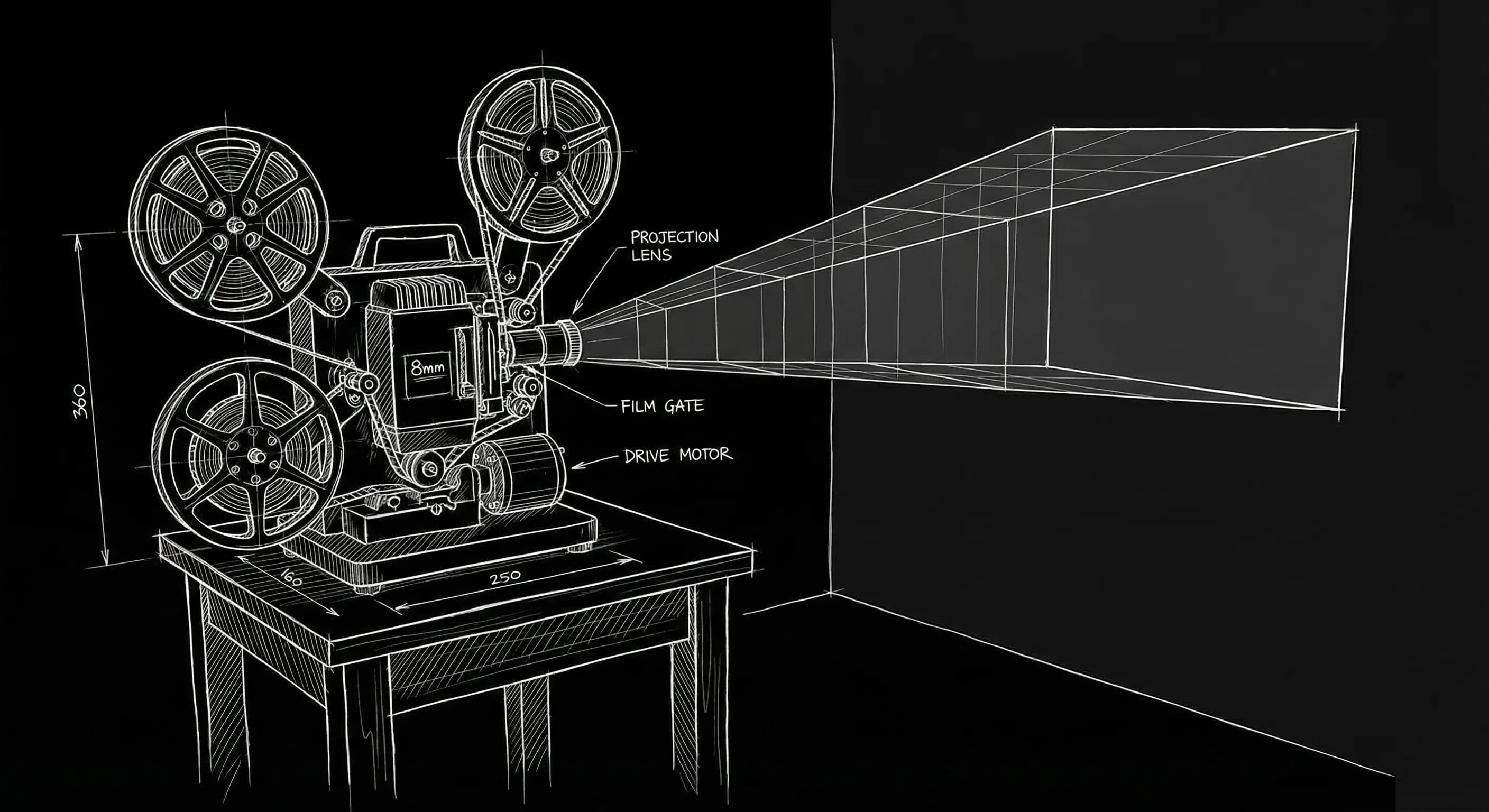
You have a feature about two estranged siblings cleaning out their late father's house. There's one sequence you love: they find an old 8mm projector, thread a forgotten home movie, and watch footage that rewrites their memory of a key family event. Extract that sequence, compress exposition into behavior and subtext, and shoot a short that stands alone. You've created a calling card for your feature and a standalone piece that proves you can write, collaborate, and finish.
Scenario 2: A Standalone Concept Built for Festivals
Design a short specifically for the circuit: e.g. a real-time 10-minute story about a rideshare driver trying to get a nervy first-time director to a festival screening on time, with everything going wrong. Tight obstacles, snappy dialogue, one car and two actors. That short plays beautifully in front of a crowd and marks you as someone who understands scalable stakes.
Trench Warfare: Where Short Film Plans Collapse
Writing a feature crammed into 12 minutes. You introduce five characters and three decades and end up with voiceover overload. Shorts thrive on focus: one protagonist, one central conflict, one decision or change.
Ignoring production reality. Limit locations to what can be secured. Avoid crowd control, complicated effects, or dozens of extras unless you have those resources. A single hallway with interesting light and sound can give you more production value than three hastily shot "epic" locations.
Submitting without a festival plan. Consider premiere status rules, overlapping dates you can't attend, and each festival's programming taste. Build a tiered plan: top-tier (Sundance, SXSW), mid-tier (strong regionals, genre fests), niche (local, student). Have deliverables ready too: dialogue lists, captions, and a music cue sheet for every track in the cut, because acceptances often arrive with short turnaround requests.
How Short Festivals Actually Help Writers
A festival gives you proof of execution, real-time feedback (where a room laughs, gasps, or goes quiet), and introductions, directors looking for their next script, producers hunting writers. Stand by the door after your block. Introduce yourself not with "Did you like it?" but with "Thank you for watching; I'm the writer."
For submission guidelines and programming notes, see Sundance Institute. If your short was made with generative tools, the parallel circuit has its own calendar and its own rules: AI film festivals: where to submit.
Final Step
Build your next script with Screenweaver
Move from ideas to production-ready pages faster with timeline-native writing and AI-assisted story flow.
Try Screenweaver