SSFF & ASIA 2027 · AI films guide

Can you submit an AI film to Short Shorts Film Festival & Asia?Yes. Tokyo even screens them in a dedicated program.

SSFF & ASIA is accredited by the Academy Awards, and in 2026 it received 368 AI-integrated works and gave them their own Cinematic Frontier program. The 2027 call has been open since 1 August. Here is what is known, which category suits an AI short, and a plan that starts with the screenplay in ScreenWeaver.
  • 2027 call open since 1 August
  • Academy Award accredited
  • AI program in 2026
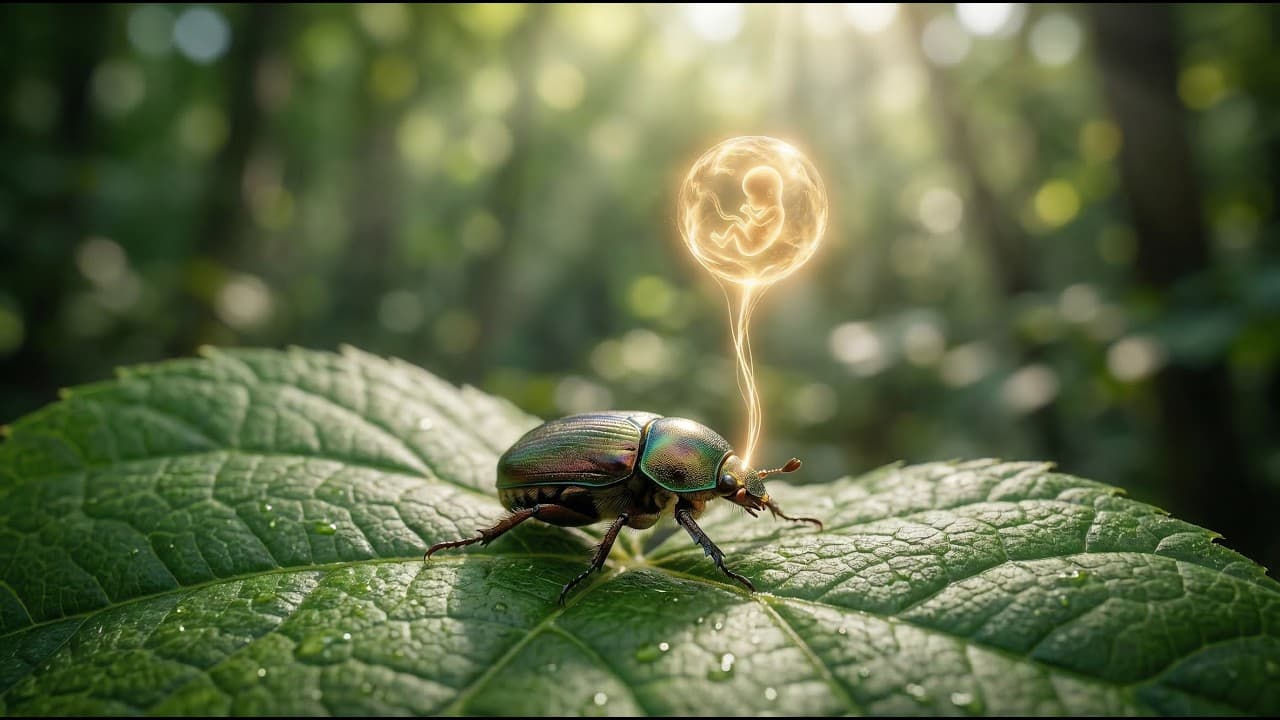
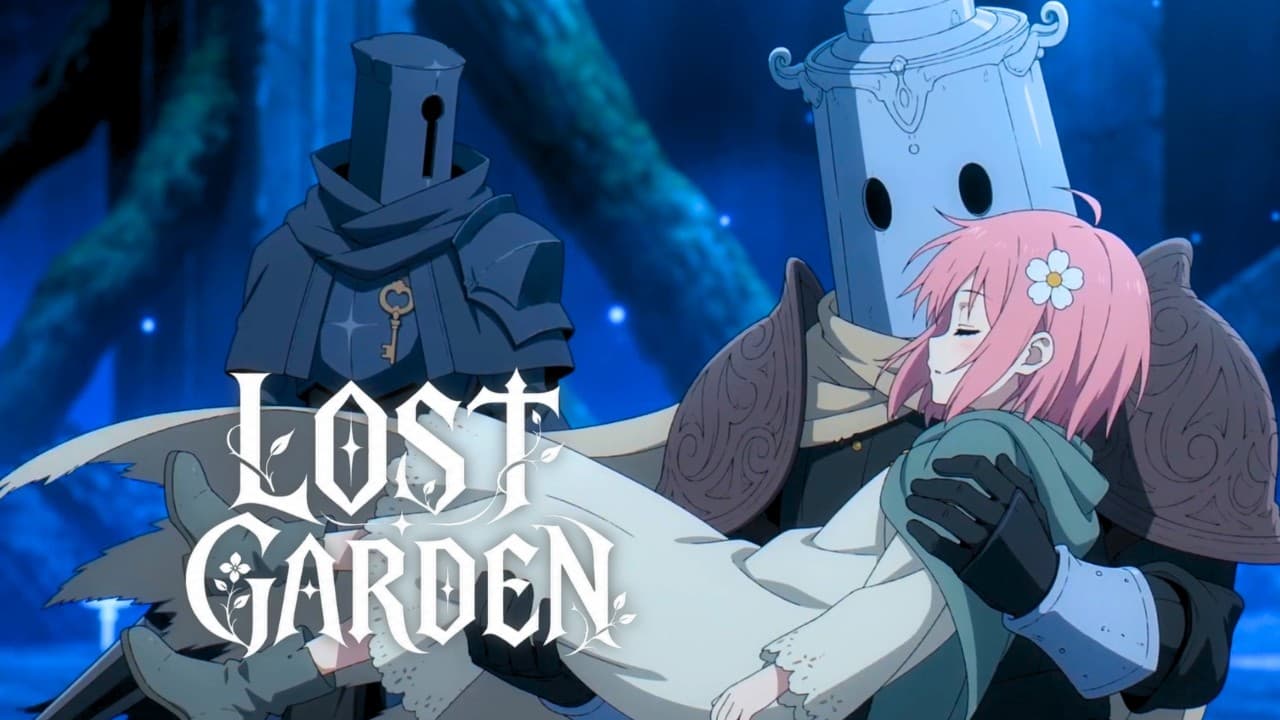
Lost Garden · Episode 1

Independent guide. ScreenWeaver does not organise this festival and is not affiliated with the Committee for Short Shorts Film Festival & Asia. Rules read on 1 October 2026. Official call for entries

Available today in ScreenWeaver: free screenwriting, and a storyboard generated from your screenplay with Storyboard Beta, $9.99 a month.

Rolling out: video generation of each shot, powered by Seedance, with the Filmmaker plan.

The rules on one card

What SSFF & ASIA asks of a short.

Short Shorts is one of Asia's largest short film festivals and one that can lead to an Oscar nomination. Its 2027 call is live, but each category and each month has its own deadline, and the entry page only loads with JavaScript.
2026 edition
25 May to 10 June 2026, Tokyo and online
2027 call
Open since 1 August 2026, 14:00 Tokyo time
Oscar route
Best Short winners in Live-Action, Non-Fiction and Animation
Length cap
Under 25 minutes in the 2026 competition
AI works in 2026
368 AI-integrated entries out of about 5,000
Grand Prix
The George Lucas Award
Prize per competition
¥600,000 for each Best Short in 2026
Final selection
Announced by the end of April 2027

Sources: the 2027 call announcement of 31 July 2026, the 2026 festival pages and the 2026 announcement of 26 March, read on 1 October 2026. The entry form itself (LIFE LOG BOX) did not load without JavaScript, so fees, exact deadlines and the 2027 AI wording were not read.

What the festival says about AI

No ban. A program, a president and a form.

The pages read contain no clause that restricts AI. What exists is a track record: an AI program, public statements and a disclosure field. Each point says where it comes from.
  • A dedicated AI program

    The 2026 festival ran “Cinematic Frontier: AI Program”, with three screenings in Tokyo and an online window. Its page says AI is shown as a tool for artistic expression, not as a replacement for human creativity. Films came from France, Japan, China and Korea, among others.

  • The president's position

    Tetsuya Bessho said in the March 2026 announcement that AI has become part of filmmaking, a “brush of light” like a camera or lighting. The 2026 theme, Cinema Engineering, named AI beside cameras, lighting and sound. The festival frames AI as craft.

  • Say where AI was used

    According to the festival's 2026 listing on FilmFreeway, generative AI is permitted but the application form must say where it was used. That listing could not be opened, and the 2027 call runs on another platform. Treat the disclosure field as likely and the wording as unread.

  • The program is not the Oscar route

    The Oscar-qualifying awards sit in Live-Action, Non-Fiction and Animation. The AI program is a screening showcase. An AI short that wants the Academy route competes as a live-action or animated film, so choose the category that matches how the film looks.

  • AI inside the festival's own projects

    The 2026 edition included a film from the Generative Tokyo Project, in which Tokyo creators use generative AI to make original shorts, and the Governor of Tokyo mentioned it in his message. The festival also made room for AI in its Short Drama Pitch in 2026, with the sections that used AI named on the entry form.

  • The Academy can change the rules

    The call says selection criteria may change with updates to the Academy's regulations. If the Academy moves on AI, the Oscar-linked categories move with it. Our Oscars guide covers the Academy side, and you should read it before you pick a category.

Key dates

A rolling call, not a single deadline.

The festival announces results month by month. That rewards a film that is ready early, because <b>a shortlist follows each submission month</b>.
  1. 1 Aug 2026

    The 2027 call opens

    Submissions began at 14:00 Tokyo time through LIFE LOG BOX, for eight categories and projects. Deadlines vary by category.

  2. Month by month

    Shortlists

    Live-Action, Non-Fiction and Animation shortlists are posted on the festival site about two months after each submission month.

  3. End of April 2027

    Final selection

    The films screened at the festival are chosen from the shortlists and announced by the end of April 2027. Branded Shorts follows its own schedule.

  4. Not announced

    2027 festival dates

    The 2026 edition opened on 25 May and ended with the awards on 10 June, with online screenings to 30 June. Expect a similar spring slot, and wait for confirmation.

Who decides

Small juries, an audience and a committee.

The 2027 juries are not published yet. The 2026 pages show how the festival judges, and they are unusually open about their reasons.
  • Three jurors per competition

    In 2026 the International Live-Action jury was Yuya Ishii, Kristin Ji and Miki Mizuno, and each wrote a comment and a special mention. Read these texts: they tell you what a short has to do in a few minutes.

  • An Animation jury of three

    The Animation Best Short is chosen by three jurors together with Digital Hollywood Co., Ltd. and the Committee for Short Shorts. An AI-made animation is judged on the same page as hand-drawn work.

  • The audience

    Viewers vote an Audience Award in each of five competitions: International, Asia International, Japan, Non-Fiction and Animation. A short that works with strangers in a dark room has a second chance here.

  • The programming committee

    Shortlists and the final lineup come from the festival, and the call says the lineup is chosen from the shortlist. No published grid explains the choices. Treat the first two minutes as the audition.

Where to enter

Five doors for a ScreenWeaver film.

SSFF & ASIA has eight categories and projects. Five of them suit a writer or an AI filmmaker, and under each is the angle we would take.
  • 01

    Animation Competition

    Animated shorts, with an Oscar-qualifying Best Short and a jury of three.

    The natural home for an AI fantasy or anime short. 2026 went to a film that set a heavy subject against a light palette and a cosmic trip. Your look is judged, so hold one.

  • 02

    Live-Action Competition

    Three groups, International, Asia International and Japan, each with an Oscar-qualifying Best Short.

    A photoreal AI short would enter here, against filmed work. Only choose it if the film truly reads as live action, and say how it was made.

  • 03

    Cinematic Tokyo

    Shorts about Tokyo, real or imagined, with a ¥1,000,000 Best Short in 2026 and the Governor of Tokyo Award.

    A city you can build from reference is a fair job for generative tools. An imagined Tokyo is allowed by the festival's own description.

  • 04

    Short Drama Pitch

    A pitch competition presented by Nihonchokuhan. In 2026 it offered ¥10 million of production funding.

    Built for short drama series. The pitch is the product: logline, episode map and one strong scene. ScreenWeaver's short drama tools fit it.

  • 05

    BOOK SHORTS Award

    A literary award for short stories and screenplays, linked to a path to a film.

    The one door with no footage at all. You only need the writing, and screenwriting in ScreenWeaver is free.

The 2026 results

What the winners teach.

The 2026 awards went to a 1980s speed-reading school, a Norwegian comedy without dialogue and an animated trip to space. None of the jury texts for these winners mentions AI. They do show what the jurors reward in a short.

  1. 01

    One world, kept whole. SPEEDY!, the Grand Prix, was praised for its speed-reading school motif, a nostalgic 1980s look, its casting and its use of color.

  2. 02

    No dialogue needed. Trio, the International Live-Action winner, is a non-verbal comedy. Fewer lines means fewer lip-sync and voice problems for an AI film.

  3. 03

    Contrast of tone. The Animation winner joined heavy themes to a light visual touch. A gentle look on a hard subject lands harder than an equally grim look.

  4. 04

    AI films are named in their own program. Synopses in Cinematic Frontier list tools such as Midjourney, Hailuo and ElevenLabs. Naming your tools is normal there.

Page to screen

Lost Garden: six shots of a short.

SSFF & ASIA has an Animation Competition and a 25 minute cap. The scene below comes from Lost Garden, episode 1, an animated fantasy by the ScreenWeaver team. You get the screenplay page, then each shot as a storyboard frame and as the final image.

Logline. A small knight wakes up in a dead world and learns he is the last guardian of a seed that could bring the garden back.

Screenplay · episode 1 · the Source Tree

INT. HEART OF THE ROOTS - NIGHT

Living roots coil around LANTERN and pin him down. A voice stops them.

THE SOURCE TREE

Stop. He is my guest.

A giant woman of roots and white lilies opens her arms over the cavern.

Her eyes open. Blue, and vast.

THE SOURCE TREE

Welcome to you, Lantern Knight.

She lifts him in her palm, like a lamp.

THE SOURCE TREE

Do not be afraid. I will not harm you.

In the dark, a seed of light opens. Inside the flower, a sleeping child.

THE SOURCE TREE

You must find yours. Protect her.

CUT TO:

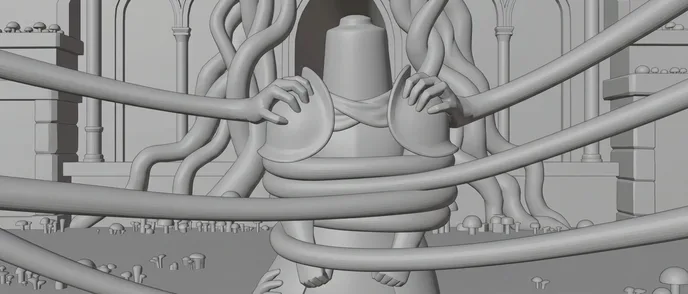
  1. A small lantern-helmed knight bound by thick roots in a ruined hall
    Storyboard frame of the trap shot, in grey
    01

    Medium · the trap

    Medium shot, Lantern bound by thick living roots in a ruined hall, glowing blue mushrooms on the floor, cold light

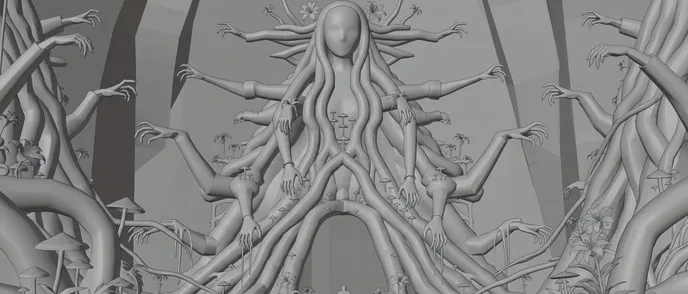
  2. A giant woman made of roots and white lilies spreads her many arms in a dark cavern
    Storyboard frame of the wide shot, in grey
    02

    Wide · the Source Tree

    Symmetrical wide shot, a giant woman made of roots, arms spread with many hands, white lilies, blue glyphs

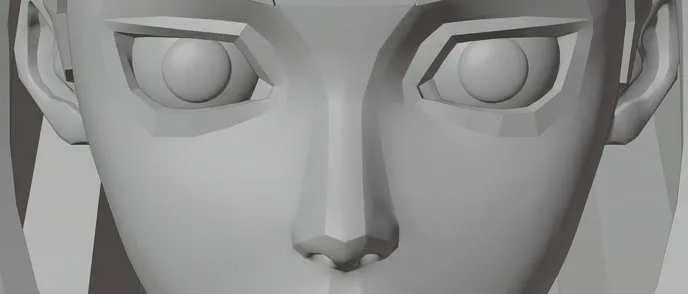
  3. Extreme close-up of a giant pale face with piercing blue eyes
    Storyboard frame of the eyes close-up, in grey
    03

    Extreme close-up · the eyes

    Extreme close-up on the giant's face, piercing blue eyes opening, pale skin, soft light from below

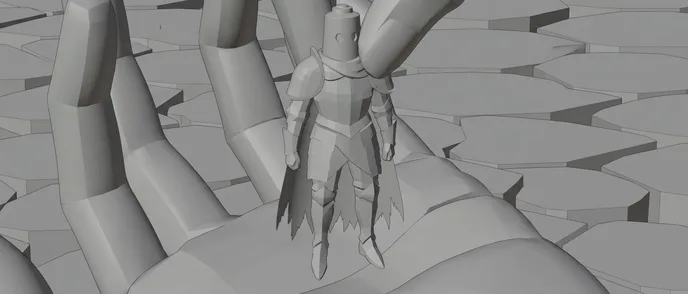
  4. A tiny armored knight stands in the middle of a giant open hand
    Storyboard frame of the palm shot, in grey
    04

    High angle · the palm

    High angle, the tiny knight standing in the center of a giant open palm, stone floor far below

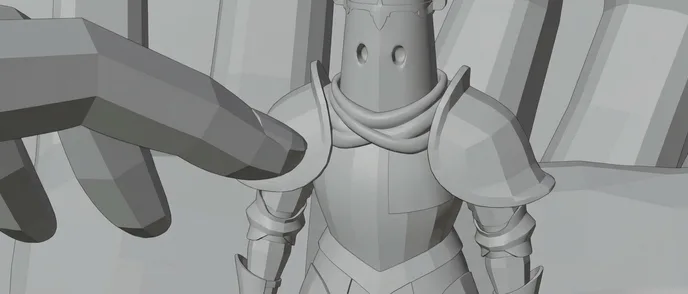
  5. A giant fingertip gently touches the chest of a small armored knight
    Storyboard frame of the touch close-up, in grey
    05

    Close-up · the touch

    Close-up, a giant fingertip gently touches the knight's armored chest, faceless helm, emotion through posture

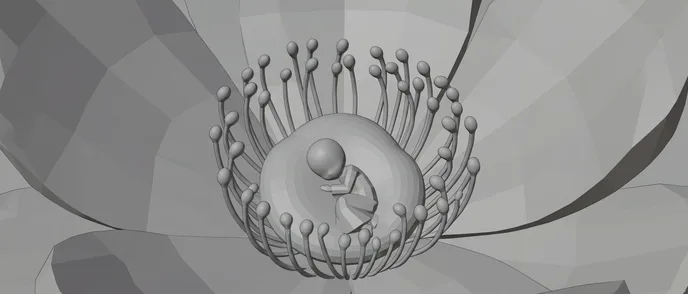
  6. A sleeping pink-haired child curled inside a glowing blue flower
    Storyboard frame of the seed insert, in grey
    06

    Insert · the seed

    Top-down insert, a glowing pale blue flower opening, a sleeping child with pink hair curled inside

Lost Garden, episode 1 runs 17 minutes, inside the 2026 cap of 25 minutes. It reached the final of the AI London Festival. For Tokyo you would cut it into a self-contained 9 to 12 minute short. The same small knight keeps one face and one palette across every shot, and design and color are what the 2026 Animation jurors wrote about. Press play to see the scene inside the full episode.

The script

Nine minutes, five movements.

AI program screenings in 2026 ran 100 to 110 minutes with several shorts each, so a tight film travels well. Aim for 9 minutes: about 9 screenplay pages and 90 to 120 shots of 4 to 5 seconds.
  1. 0:00 to 0:40

    The frame

    A place and a face in one image. Say nothing you can show.

  2. 0:40 to 2:30

    The rule

    What the character lacks and the one visual motif that will come back.

  3. 2:30 to 6:00

    The detour

    The stranger idea, the imagined space. Hold the same palette so the strangeness reads as design.

  4. 6:00 to 8:00

    The weight

    The heavy beat arrives quietly. Let it play with sound and no dialogue.

  5. 8:00 to 9:00

    The echo

    An image that answers the opening one. Then the credits.

The festival streams its selection online for weeks after Tokyo. A film that plays well on a phone screen is a film built from clear close shots and strong sound.

Month by month

From October to the first shortlist.

Deadlines are unknown, so this plan aims to put a finished film in the pool by January 2027, well before the April selection.
  1. 01

    October 2026

    Open the call and choose a category

    Read the call, then pick one door from the five above. Write the disclosure note now: tools, versions and the tasks each one did.

  2. 02

    November 2026

    Write the 9 minute screenplay

    Nine pages, no more than two speaking characters. Write it in ScreenWeaver for free and read it aloud against a timer.

  3. 03

    December 2026

    Look reference and storyboard

    One approved reference per character and place, then the storyboard from the screenplay. Decide the palette before the first frame.

  4. 04

    Early January 2027

    Make the footage

    Generate scene by scene with Seedance inside ScreenWeaver once video generation reaches your plan. Save each prompt, since the form asks where AI was used.

  5. 05

    Mid January 2027

    Edit, mix and subtitle

    Cut to length, mix the sound and add subtitles in the language the call asks for. Export a clean master with no watermark.

  6. 06

    Late January 2027

    Submit and watch the shortlists

    Submit on LIFE LOG BOX. Then check the shortlists, which come out about two months after each submission month.

Ways to waste an entry

Seven ways an entry goes wrong.

Most of these come from the 2026 pages, so check each one against the 2027 call before you pay anything.
  • A film over 25 minutes

    The 2026 competition was restricted to films under 25 minutes. Lost Garden episode 1 would have to be cut.

  • No AI disclosure

    The 2026 listing asked applicants to say where generative AI was used. Omitting it is the easiest way to get a good film refused.

  • Entering the wrong category

    A stylised AI film that looks like animation belongs in Animation, not Live-Action. Judges compare it with the field you enter.

  • Not reading the platform terms

    Entries go through LIFE LOG BOX, a rights-management service. Submitting gives you a digital wallet automatically. Read its Terms of Use before you upload.

  • Treating the AI program as the Oscar route

    The program is a showcase. The Academy-qualifying awards are in the three competitions. Decide which one you want before you choose where to enter.

  • One deadline in your head

    The call is rolling and deadlines vary by category and month. A missed month is not a lost year, but a late film waits longer for a shortlist.

  • Rights that only cover a private viewing

    The festival streams films online for weeks. Clear music, voices and any face for public and online screening, not just for a festival projector.

Why ScreenWeaver

A festival that names its tools. A project that tracks them.

Short Shorts does not ask for a tool or a quota. It asks for a short that is finished and honest. ScreenWeaver keeps the screenplay, the storyboard and the footage together in one project.
  • A disclosure drawn from the project

    Each shot links to its scene, its storyboard frame and its prompt. When the form asks where AI was used, the answer is in the project.

  • A look that holds for nine minutes

    Characters, places and references carry from shot to shot, so the film reads as one world. The 2026 jury texts praise worlds, palettes and casting more than effects.

  • Short enough to finish

    A 9 minute film is a few dozen scenes, not a feature. The shot breakdown shows how many generations you need before you start.

  • Free to start

    The Screenwriter plan costs $0 with no end date, and it covers the BOOK SHORTS door in full. At $9.99 a month, Storyboard Beta adds the storyboard, and the Filmmaker plan brings Seedance video generation.

Real productions

International festival-recognized films have been written and produced with ScreenWeaver.

ScreenWeaver is already being used as a creative workspace for real AI film productions, from cinematic shorts to animated series pilots selected, nominated, and awarded by international festivals.

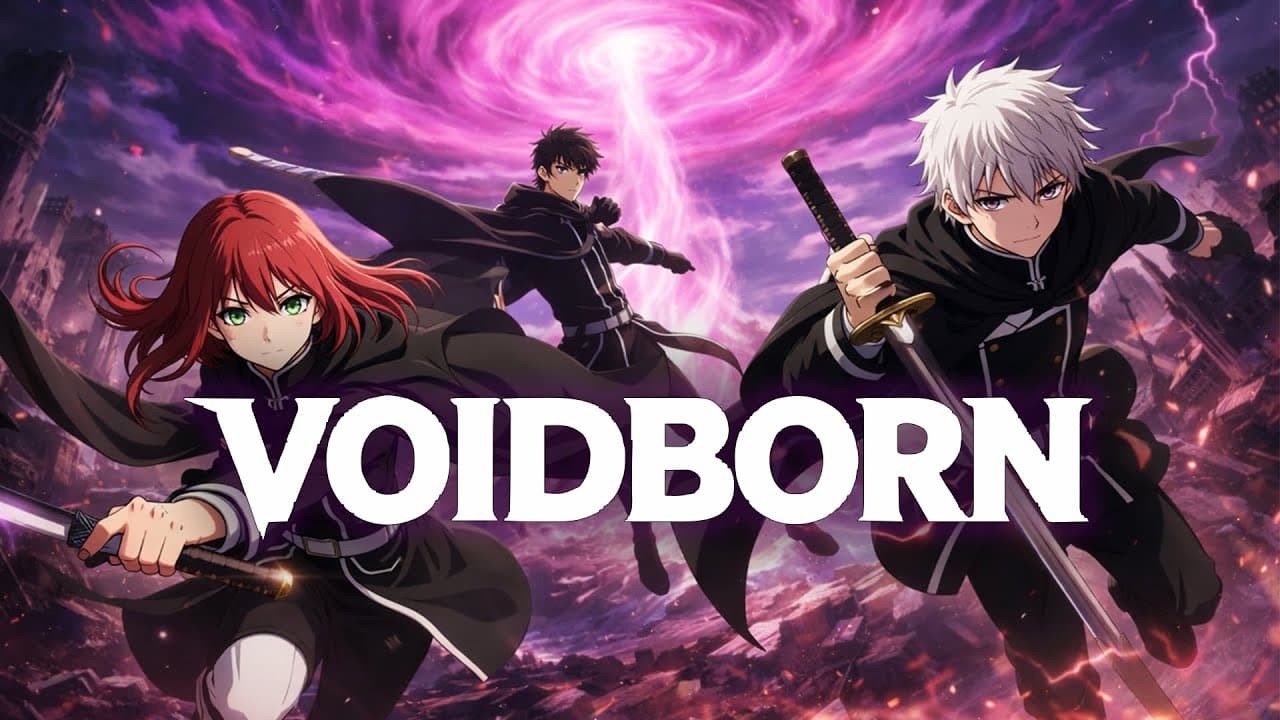
  • Video thumbnail for VOIDBORN

    VOIDBORN

    AI animated / cinematic short

    Festival recognition

    • 1st Place Silver

      Mondial Chroma Awards

    • 2nd Place Dreamina

      Mondial Chroma Awards

    • Award Winner

      Seoul International AI Film Festival

  • Video thumbnail for Les Fils du Vinnana

    Les Fils du Vinnana

    AI short film

    Festival recognition

    • Honorable Mention

      Top Quark Film Festival

    • People's Choice Nominee

      Illuminate Oneness of Humanity

    • Nominee

      ALTFF Supershort

  • Video thumbnail for Lost Garden

    Lost Garden

    AI animated series pilot

    Festival recognition

    • Finalist

      AI London Festival

The pipeline

Write. Board. Produce.

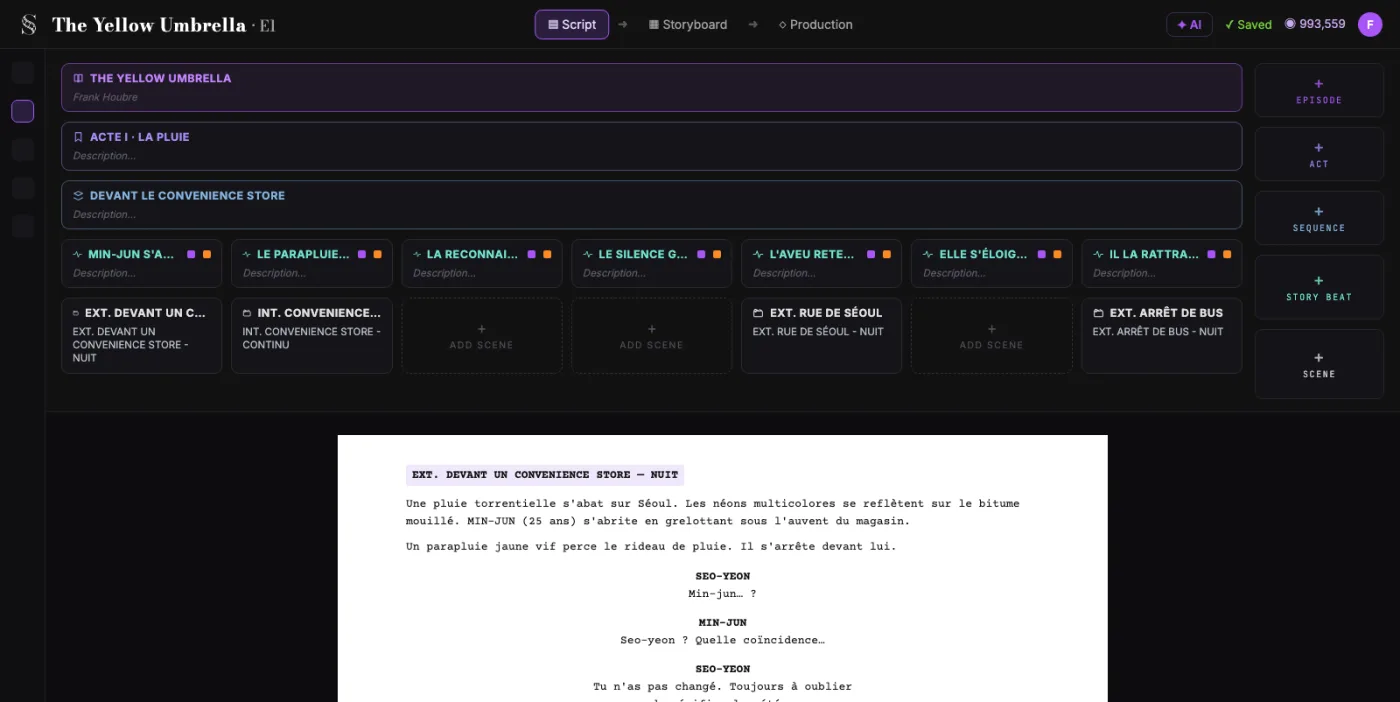
  1. ScreenWeaver screenplay editor: acts, sequences and beats above the formatted script of The Yellow Umbrella

    01The screenplay, enriched

    An industry-standard screenplay editor, and more: a visual outline and beat editor, your writing inspirations (notes, photos, audio) kept next to the page, and an AI researcher to support your writing, not replace it.

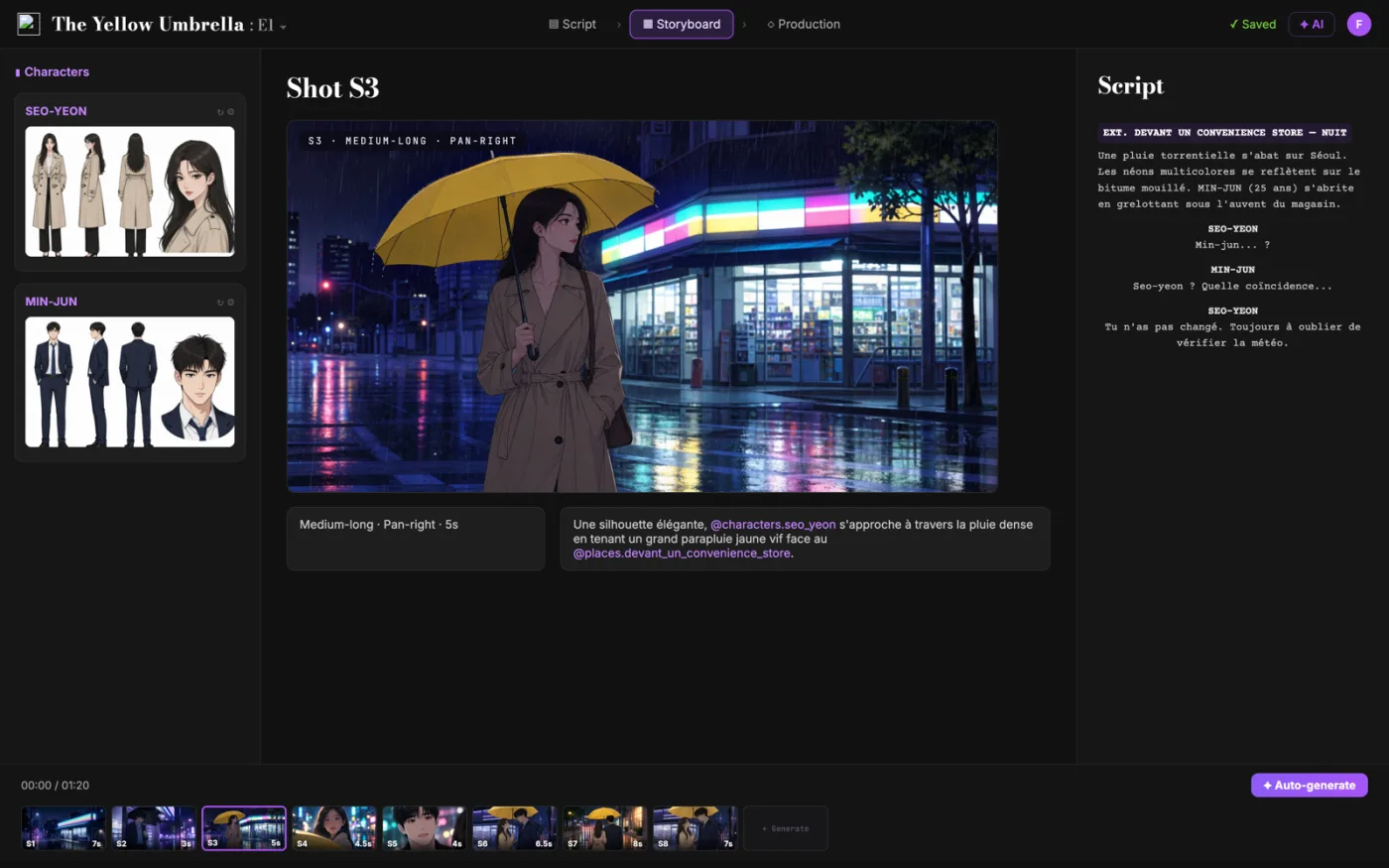
  2. ScreenWeaver storyboard: shot S3 of The Yellow Umbrella with characters, shot settings and the script beside it

    02The storyboard, made easy

    Shot breakdown generated from your screenplay, manual control over every shot (frame, angle, movement, duration), and generative AI previsualization in one click.

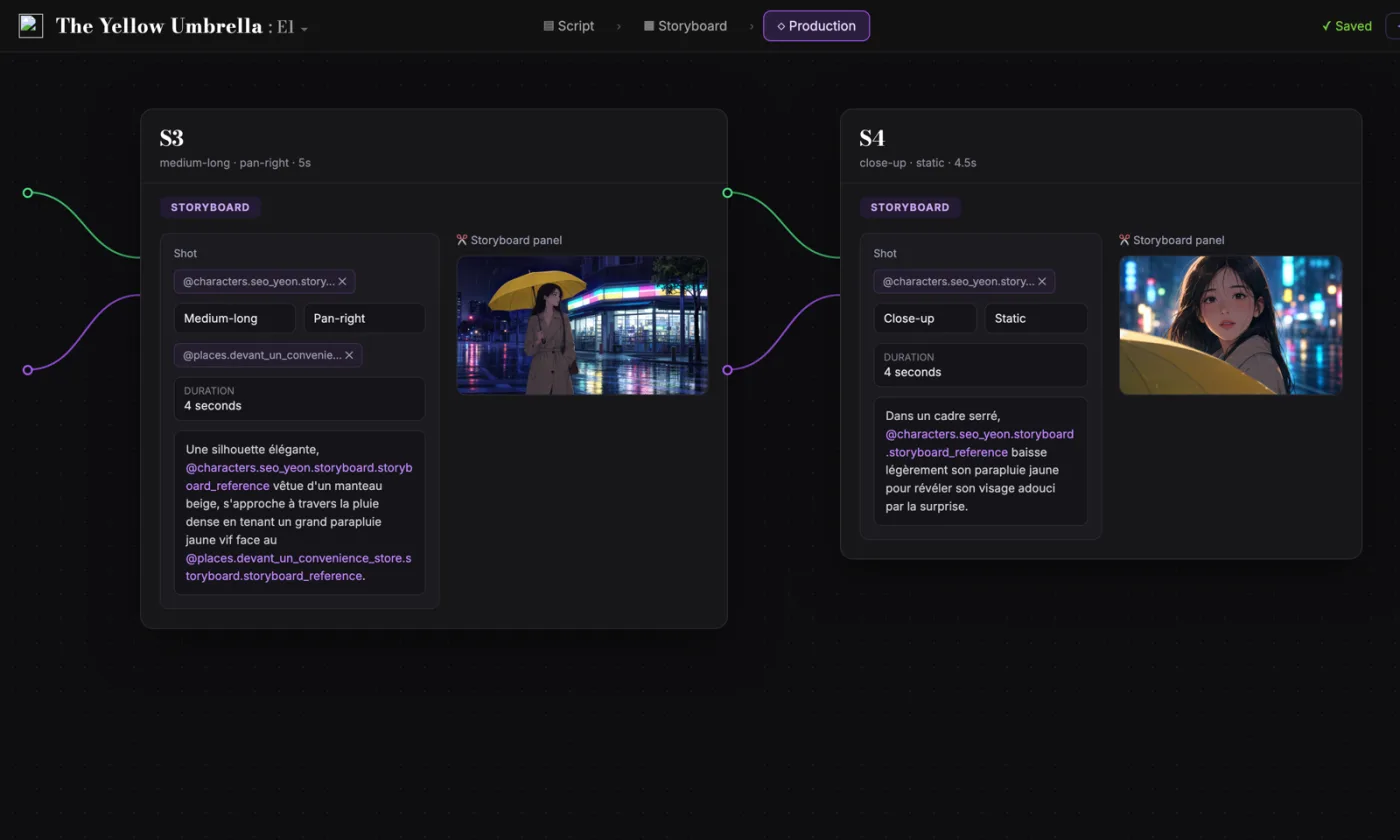
  3. ScreenWeaver production canvas: shots S3 and S4 as connected nodes carrying their storyboard panels and prompts

    03AI production, with finesse

    Footage generation pipelines connected to your screenplay and storyboard. Optimized out of the box, fully editable workflow.

FAQ

Short Shorts Film Festival & Asia, your questions

Can you submit an AI film to Short Shorts Film Festival & Asia?
Yes. The festival received 368 AI-integrated works in 2026, gave them a Cinematic Frontier program and calls AI a tool, not a replacement. The 2026 listing asked applicants to say where AI was used. Check that field in the 2027 form.
Is SSFF & ASIA an Oscar-qualifying festival?
Yes. The festival is Academy Award accredited, and the Best Short winners in Live-Action (International, Asia International, Japan), Non-Fiction and Animation become eligible for nomination the following year. The call adds that criteria may change with the Academy's rules.
When do Short Shorts entries close?
No single date applies. The 2027 call opened on 1 August 2026 and deadlines vary by category. The entry page loads only with JavaScript, so check it directly. Final selection is announced by the end of April 2027.
How long can a short be at Short Shorts?
In 2026 the Official Competition was restricted to films under 25 minutes, and the festival counts a short as anything from one minute to about thirty. The U-25 Project asks for five minutes or less.
Does an AI film win prizes there?
No winner on the 2026 awards page is described as an AI film, and the jury texts do not mention AI. The AI program showed films, but no prize for it appears there. Plan for the competitions, and treat the program as a bonus.
What does it cost to enter Short Shorts?
The fee could not be read, because the call runs on LIFE LOG BOX. The 2026 pitch competition charged ¥5,000. For a film, check the platform before planning a budget.
Which category suits an AI short?
Animation if the film is stylised, Live-Action only if it truly reads as filmed, and Cinematic Tokyo if the subject is the city. Pick by what the screen shows, not by how you made it.
Can I enter with only a screenplay?
Yes, through the BOOK SHORTS Award, which takes short stories and, in 2026, screenplays based on tales and novels. Check the 2027 wording on the call page.

The call is open. The screenplay is yours to start.

Write the short for free today. Storyboard it now, and generate the footage when video reaches your plan.