Reply AI Film Festival · Guide

How to win the Reply AI Film Festival.Venice, ten finalists, and one human story.

The next call is not announced. This guide reads the 2026 rules and the Venice winners: the three judging criteria, the jury, what the podium films did, and a plan to be ready. Then take the film from page to footage in ScreenWeaver, with Seedance for the shots.
  • Free to enter, 1 to 40 minutes
  • Any AI tool, explained in a form
  • Next call not announced
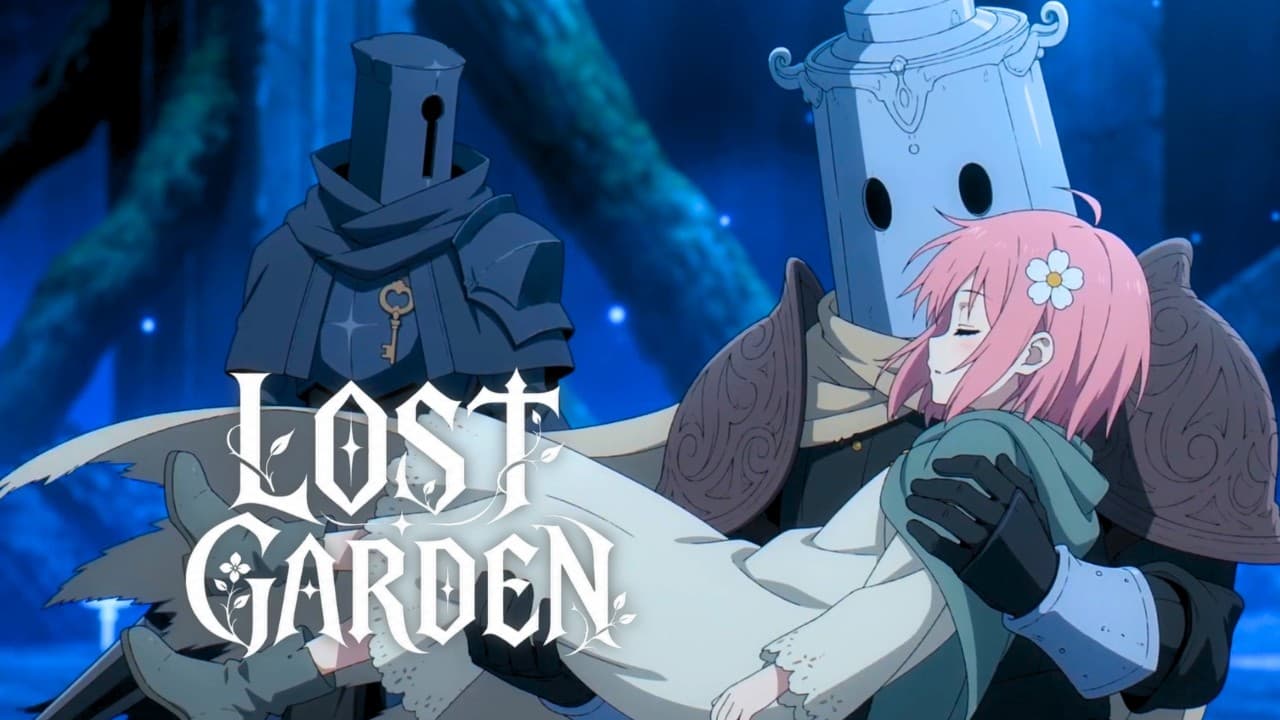
Lost Garden · Episode 2

Independent guide. ScreenWeaver does not organise the Reply AI Film Festival and is not affiliated with Reply. Rules read on 1 October 2026. Official page

Available today in ScreenWeaver: free screenwriting, and a storyboard generated from your screenplay with Storyboard Beta, $9.99 a month.

Rolling out: video generation of each shot, powered by Seedance, with the Filmmaker plan.

The rules on one card

What the 2026 edition asked for.

The Reply AI Film Festival is run by Reply, with Mastercard for the premiere in Venice. The 2026 edition was its third. More than 3,000 films from 76 countries entered, and ten reached the final. No 2027 edition is announced.
Edition
3rd edition, 2026. Next edition unannounced
2026 deadline
2 June 2026, 23:59 CEST
Length
1 to 40 minutes
AI rule
Generated or enhanced with AI, and explained in a form
Prizes
€8,000, €5,000 and €2,000, over €30,000 in all
Who can enter
18 and over, alone or in a team of up to 8. Free
Delivery
mp4, mov or h264, English preferred
Ceremony
6 September 2026, on the Venice Lido

Sources: the festival page and the how-it-works page on challenges.reply.com, and Reply's press release on the 2026 winners, read on 1 October 2026. The home page says there is no limit on length, while the how-it-works page says 1 to 40 minutes. Read the next rules the day they appear.

Key dates

The 2026 calendar, deadline to ceremony.

Nothing is published for the next edition. The 2026 dates show how the festival runs from deadline to ceremony.
  1. 2 Jun 2026

    Entries close

    The call closed on 2 June at 23:59 CEST, extended by a day from 1 June.

  2. Summer 2026

    Ten finalists

    Ten short films reached the final. The public voted for the Community Award until 1 September.

  3. 6 Sep 2026

    The Venice ceremony

    Premiere and winners at the Match Point Arena, Tennis Club Venezia, on the Lido, during the 83rd Venice International Film Festival.

  4. 2027

    Next edition not announced

    If the call again closes around early June, it would open earlier in the spring. That is a guess from the 2026 calendar, not an announcement.

How films are judged

Three criteria, no published weights.

Reply says films are judged on AI impact, creativity and craftsmanship. It publishes no weights, so write for all three. The festival cares about cinema as much as about technology.
  • AI impact

    How much AI changed what could be made, and how well. Reply asks you to explain how AI was used. Be specific: tools, tasks, results. The 2026 winners show AI as the way to reach the film, not a trick on top of it.

  • Creativity

    An idea, a voice, a way of telling. The first two editions had themes, Synthetic Stories, Human Hearts then Generation of Emotions: emotion first, spectacle second.

  • Craftsmanship

    Direction, editing, sound, finish. A film can run up to 40 minutes, and long films drift. Tight pacing and clean sound are what separate ten finalists from three thousand entries.

The three criteria come from Reply's how-it-works page. The special awards use their own lens: technical mastery for the AI Studios Grand Prix, global challenges for the AI for Good Award, public votes for the Community Award.

Who decides

A president, filmmakers and AI people.

The 2026 jury was chaired by Gabriele Salvatores, an Oscar-winning director, and mixed filmmakers, AI specialists, studio executives and journalists. The next panel is not named yet.
  • The president

    Salvatores chaired the 2026 jury. A panel led by a director reads a film as cinema first: a story, a rhythm and an ending that lands.

  • The filmmakers

    The press release lists renowned filmmakers, among them Rob Minkoff and Catherine Hardwicke, beside the president. They watch how a scene is directed, not which model drew it.

  • AI and industry people

    Giacomo Mineo, Jed Weintrob, Jacopo Reale, Christina Lee Storm, Nils Hartmann, Brian Welk, Denise Negri, Filippo Rizzante and Guillem Martinez Roura complete the panel. Some know the tools, some do not: describe your AI process in plain words.

  • Reply and the public

    Reply itself gives the AI Studios Grand Prix, and the public votes for the Community Award among the ten finalists. A film can win without the top place: in 2026, Website took both of those awards.

Themes and special awards

Two past themes, three special awards.

Reply gave a theme to its first two editions and keeps three special awards beside the podium. Each one asks for a slightly different film, so here is how we would approach each.
  • 01

    2024: Synthetic Stories, Human Hearts

    The theme of the first edition.

    A machine-made image carrying a human feeling. It still reads as a method: use the synthetic image for something a person feels.

  • 02

    2025: Generation of Emotions

    The theme of the second edition.

    Pick one emotion and design the film around it, shot by shot. A film with a single feeling is easier to keep consistent.

  • 03

    AI for Good Award

    For films that address global challenges, tied to the UN Sustainable Development Goals.

    In 2026 it went to Centenarian Kindergarten, by 2xLabs, which also took third place. A film can hold a podium place and a special award together.

  • 04

    Reply AI Studios Grand Prix

    For exceptional technical mastery and innovative use of AI, according to the festival.

    It rewards a technique that shows on screen. If your method is part of the story, say so in the entry form.

  • 05

    Community Award, powered by WeShort

    A public vote among the ten finalists, open until 1 September in 2026.

    Only finalists can win it. Prepare a strong poster frame and a 30 second cut, since the public sees a thumbnail before a film.

The 2026 winners

What the Venice podium teaches.

More than 3,000 films from 76 countries entered the 2026 edition and ten reached the final. Robert Gaudette won first place with A Face Only A Mother Could Love, the story of Marcel, a solitary Parisian dancer with a facial disfigurement, whose life changes when a woman approaches him.

  1. 01

    First place went to a quiet human story. A lonely man and an encounter. No battle, no world to explain. The press release says Grok, Nano Banana and Seedance were the only viable way to bring the screenplay to the screen.

  2. 02

    Seedance is on the podium. The winning film used it, according to the press release. Reply imposes no tool, and ScreenWeaver's footage pipelines run on Seedance 2.0 and 2.5.

  3. 03

    The same film won at Runway. It also took the Grand Prix of the Runway AI Film Festival 2026. Reply lets you enter other competitions, so a strong film can travel.

  4. 04

    Podium and special awards overlap. Le Drip, by Alex Naghavi and Ezra Li, took second place. Centenarian Kindergarten, by 2xLabs, took third place and the AI for Good Award. Website, by Jiaze Li, took the AI Studios Grand Prix and the Community Award. The Child of the Sea, by Ibai Abad, got a special mention.

  5. 05

    The real opponent is scale. Ten finalists from more than 3,000 films is about one in 300. Finish the film, follow every rule to the letter, and write for the three criteria.

From script to screen

Six shots from a Lost Garden cave.

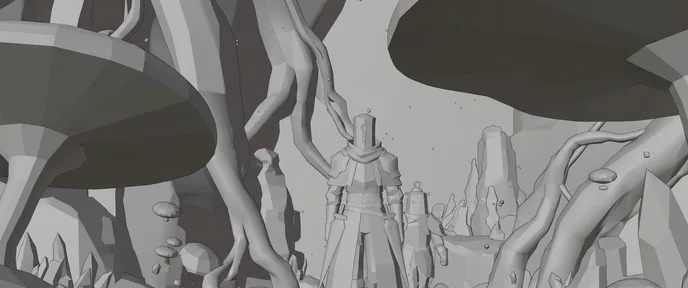
Lost Garden, episode 2 is an animated series by the ScreenWeaver team, made with Seedance. Reply asks you to explain how AI was used. Here is what that looks like for one scene: the screenplay page, each shot as a storyboard frame, then as the final image.

Logline. A newborn knight whose inner light is leaking away crosses a world that has stopped hoping, to find the one blacksmith who can seal his armor.

Screenplay · episode 2 · page 1

INT. UNDERGROUND CAVERN - LOWER PATH - CONTINUOUS

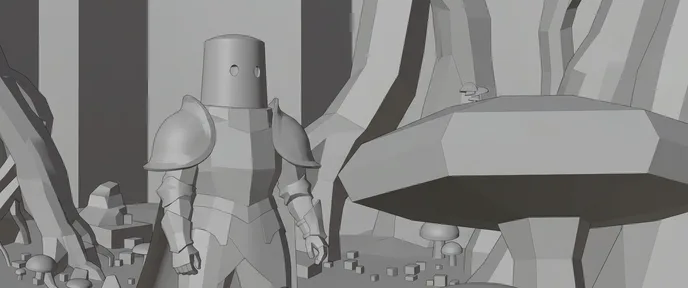
Blue mushrooms the size of houses. LANTERN, a small knight with a lantern for a helm, walks alone.

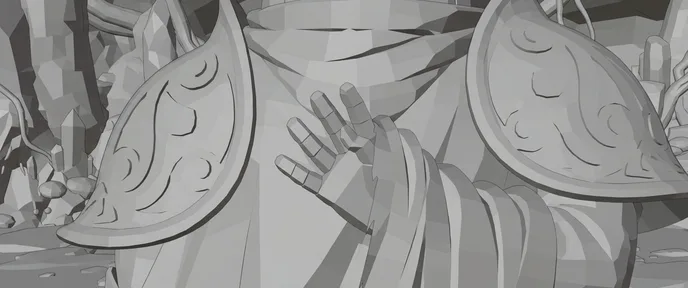
He presses a hand to his chest. Sparks of light slip between his fingers.

SERRURE

Hold on. You're losing something.

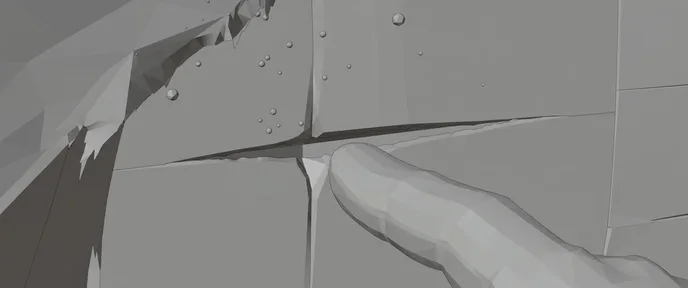
Serrure lifts the edge of the cloak. A gash in the armor. Blue light leaks out like smoke.

SERRURE

That's your energy. What keeps you standing.

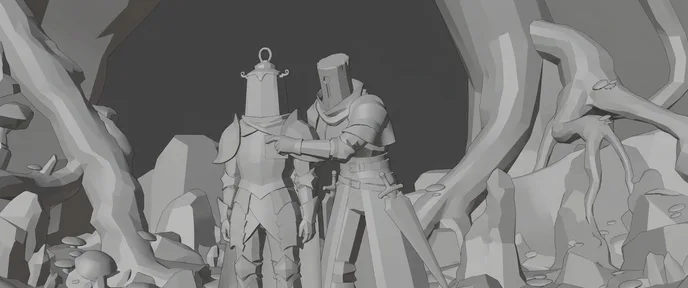
He grips Lantern's shoulder. Two knights alone among the crystals.

SERRURE

A suit that leaks goes out. Eventually.

Under the giant mushrooms, the road climbs into the dark.

SERRURE

So. We follow the road.

Serrure points the way. Lantern follows.

CUT TO:

  1. A small knight with a lantern helm stands by a giant glowing blue mushroom in a crystal cavern
    Storyboard frame of the same wide shot, in grey
    01

    Wide · the world

    Wide shot, Lantern alone by a giant glowing blue mushroom, crystal cavern, roots, drifting spores, cold blue light

  2. Close-up of an armored chest under a cream cloak, a gloved hand, a spark of light
    Storyboard frame of the chest close-up, in grey
    02

    Close-up · the chest

    Close-up on Lantern's chest, his gloved hand pressed to the cloak, a spark of light escaping between the fingers

  3. A torn gash in an armor plate leaking bright blue light, a finger pointing at it
    Storyboard frame of the wound insert, in grey
    03

    Insert · the wound

    Extreme close-up, Serrure's finger near a torn gash in the back plate, blue light leaking out like luminous smoke

  4. Two armored knights side by side, one with a hand on the other's shoulder, in a crystal cavern
    Storyboard frame of the two-shot, in grey
    04

    Two-shot · the bond

    Medium two-shot among crystals and roots, Serrure's hand on Lantern's shoulder, faceless armors, emotion through posture only

  5. Two small knights walk beneath two giant glowing blue mushrooms
    Storyboard frame of the wide shot, in grey
    05

    Wide · the scale

    Wide low angle, the two knights tiny beneath two giant glowing mushrooms, blue crystals in the foreground, mist

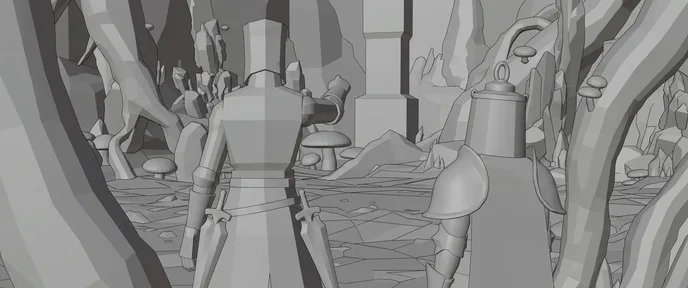
  6. Seen from behind, a tall dark knight points ahead while the small lantern knight looks on
    Storyboard frame of the over-the-shoulder shot, in grey
    06

    Over the shoulder · the road

    Over-the-shoulder from behind, Serrure points ahead into the cavern, Lantern beside him, roots framing the path

Lost Garden, episode 2 runs 21 minutes, well inside Reply's 1 to 40 minutes. It was made by the ScreenWeaver team with Seedance. Its hero, a newborn knight whose light is leaking away, is the kind of story the Venice podium rewards: one small figure, one feeling, a world built to support it. Play it: the video starts on this scene.

The script

An 8 minute film in five movements.

Reply accepts 1 to 40 minutes, but the 2026 winner ran 7:50 when it was shown at Runway. Aim for 8 minutes: about 8 screenplay pages and 100 to 130 shots. Staying well under the limit is a choice, and a good one.
  1. 0:00 to 0:40

    The opening image

    One face or one gesture, held a beat longer than is comfortable. The first minute earns the rest.

  2. 0:40 to 2:00

    The missing thing

    Show what the character lacks without saying it, as a solitary dancer does in the 2026 winner.

  3. 2:00 to 5:20

    The approach

    Someone enters and shifts the balance. Keep to two or three characters so faces stay consistent.

  4. 5:20 to 7:00

    The risk

    The character must open up or pull back. This is the scene a jury remembers.

  5. 7:00 to 8:00

    The aftertaste

    End on a feeling, not on plot. Then the credits.

Reply asks for a text form describing how AI was used. Keep a log while you generate: tool, shot, what it did. Writing the form afterwards from memory is how details get lost.

Back from the deadline

Ten weeks from idea to upload.

The 2026 call closed on 2 June, and its opening date was not on the pages we read. So this plan counts back from the deadline, once you know it. Ten weeks is enough for an 8 minute film.
  1. 01

    10 weeks before

    One feeling, one logline

    Pick the emotion the film is about, then write ten loglines. Keep the one that names a person and a feeling, not a premise.

  2. 02

    9 and 8 weeks before

    The screenplay

    Eight pages, little dialogue, in industry format, free in ScreenWeaver. Cut every line the image can carry.

  3. 03

    7 weeks before

    Faces and places

    Approve one reference per character and per set. For a film that lives on faces, this is the most important week.

  4. 04

    6 weeks before

    The storyboard

    Generate the breakdown, then set framing, angle, movement and duration shot by shot. Close-ups are where consistency shows, so plan them.

  5. 05

    5 to 3 weeks before

    Generate the footage

    Scene by scene from the storyboard. Log the tool, the shot and the result as you go, since the form asks you to explain how AI was used.

  6. 06

    2 weeks before

    Edit, sound, master

    Cut to length, mix the sound, export mp4, mov or h264, and subtitle the film in English if it is spoken in another language.

  7. 07

    1 week before

    Upload with the explanation

    Fill in the AI usage form and upload days before the deadline. The 2026 date moved by one day, and you cannot count on that.

Traps to avoid

Seven ways to lose before the jury.

They come from the 2026 pages. Read the next edition's rules the day they appear, since details can change.
  • A cut outside 1 to 40 minutes

    The how-it-works page sets 1 to 40 minutes. Longer films may go to a Long-Form Spotlight, which carries no prize in money or goods. The home page says no limit: when two pages disagree, ask the organiser.

  • No account of how AI was used

    The film must be generated or enhanced with AI, and you explain how in a text form. A film with AI only in the credits is a risk.

  • A finalist film that is fully online

    You may enter other competitions, but a finalist's film must not be entirely available online. Keep the full film private until you know where you stand.

  • A team of more than eight

    Teams run from 1 to 8 people. Everyone must be 18 or over by the deadline. Reply employees may join mixed teams with outside members.

  • A form that is not in English

    English is preferred for the film, and the answers in the form must be in English. Write your AI explanation in English and subtitle the film.

  • The wrong file

    Reply accepts mp4, mov and h264. Export a clean master, not a screen capture.

  • Counting on an extension

    The 2026 call closed on 2 June at 23:59 CEST, after a one day extension. Treat the first date as the real one.

Why ScreenWeaver

Reply asks you to explain your AI. ScreenWeaver keeps the record.

Reply puts no tool on you and asks you to explain how AI was used. ScreenWeaver is the pipeline for the whole film: screenplay, storyboard and footage in one connected project.
  • Powered by Seedance 2.0 and 2.5

    The footage pipelines run on Seedance, which the 2026 winner credits too. Name ScreenWeaver and the Seedance version in your form like any other tool.

  • A log of every phase, built in

    Each shot traces back to its scene, its storyboard frame and its prompt. Your explanation of how AI was used becomes a reading of the project.

  • Faces that stay the same

    A story of one face and one encounter lives or dies on consistency. Characters, locations and references stay attached to the project from shot to shot.

  • Free before you spend

    Write the screenplay for free, with no time limit, and test the idea with Storyboard Beta at $9.99 a month. Video generation per shot is rolling out with the Filmmaker plan.

Real productions

International festival-recognized films have been written and produced with ScreenWeaver.

ScreenWeaver is already being used as a creative workspace for real AI film productions, from cinematic shorts to animated series pilots selected, nominated, and awarded by international festivals.

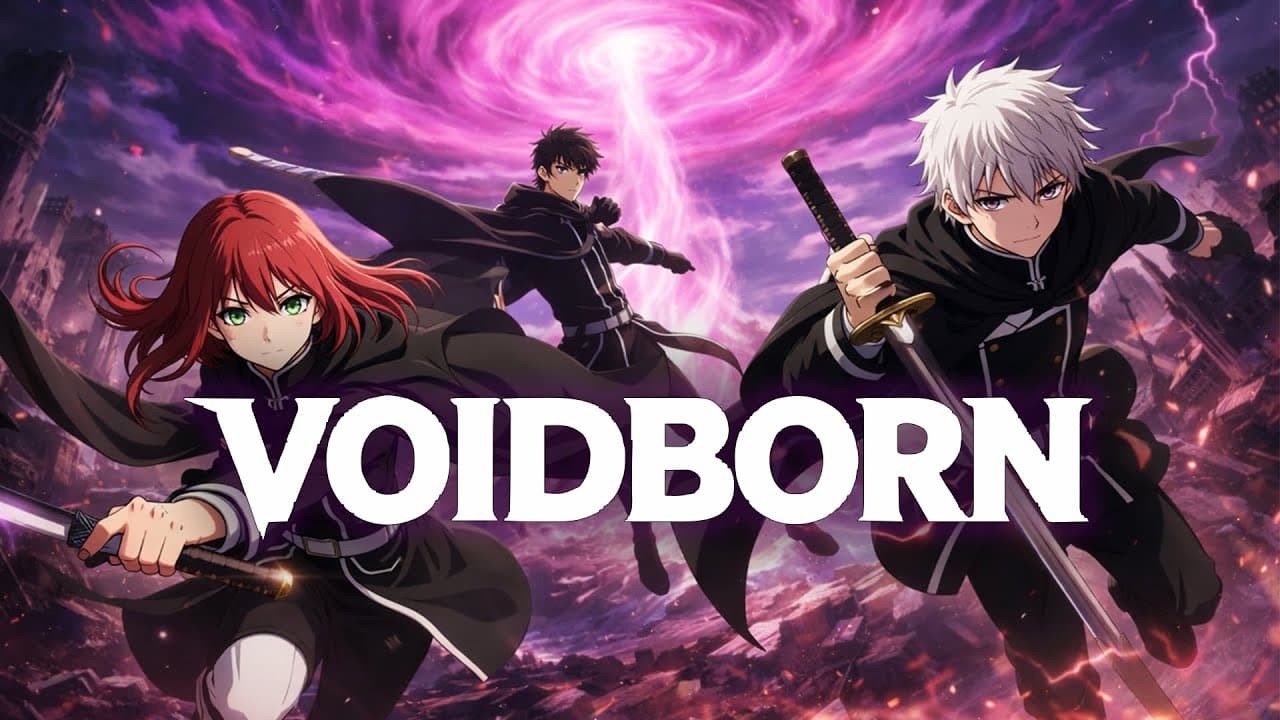
  • Video thumbnail for VOIDBORN

    VOIDBORN

    AI animated / cinematic short

    Festival recognition

    • 1st Place Silver

      Mondial Chroma Awards

    • 2nd Place Dreamina

      Mondial Chroma Awards

    • Award Winner

      Seoul International AI Film Festival

  • Video thumbnail for Les Fils du Vinnana

    Les Fils du Vinnana

    AI short film

    Festival recognition

    • Honorable Mention

      Top Quark Film Festival

    • People's Choice Nominee

      Illuminate Oneness of Humanity

    • Nominee

      ALTFF Supershort

  • Video thumbnail for Lost Garden

    Lost Garden

    AI animated series pilot

    Festival recognition

    • Finalist

      AI London Festival

The pipeline

Write. Board. Produce.

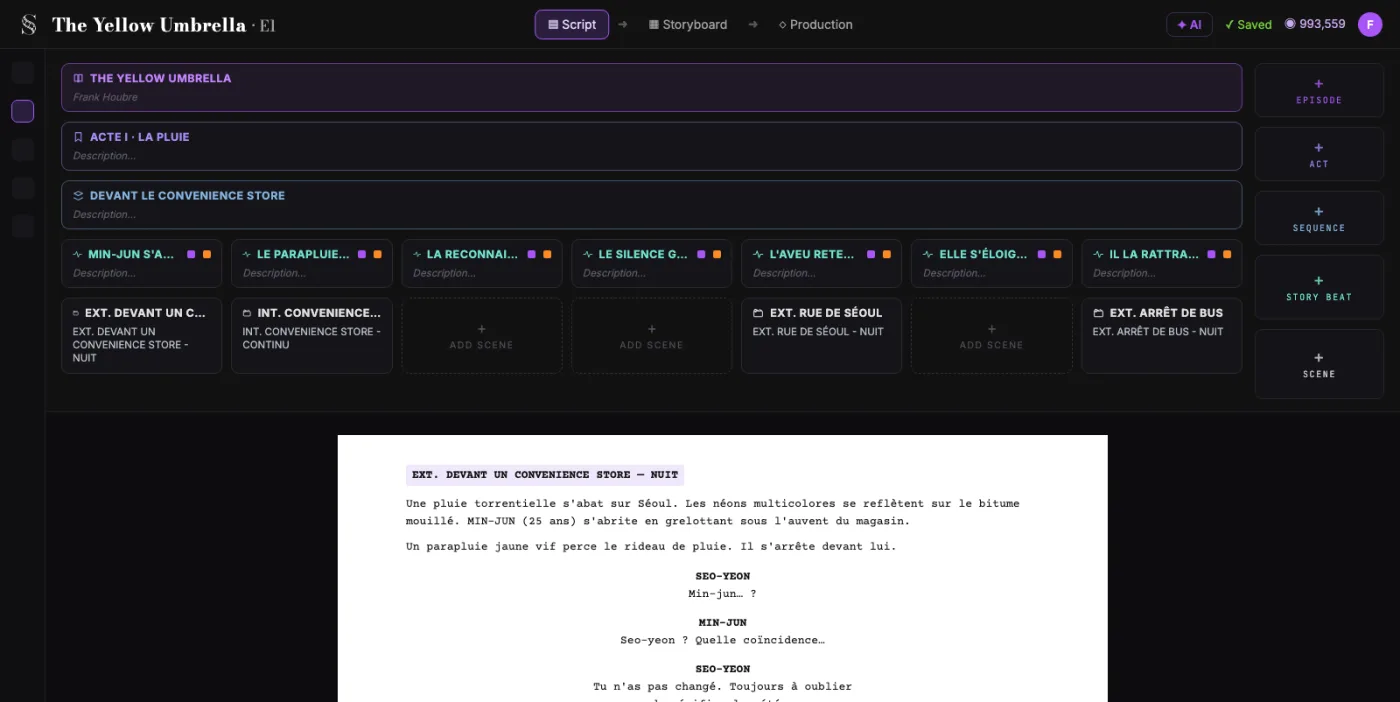
  1. ScreenWeaver screenplay editor: acts, sequences and beats above the formatted script of The Yellow Umbrella

    01The screenplay, enriched

    An industry-standard screenplay editor, and more: a visual outline and beat editor, your writing inspirations (notes, photos, audio) kept next to the page, and an AI researcher to support your writing, not replace it.

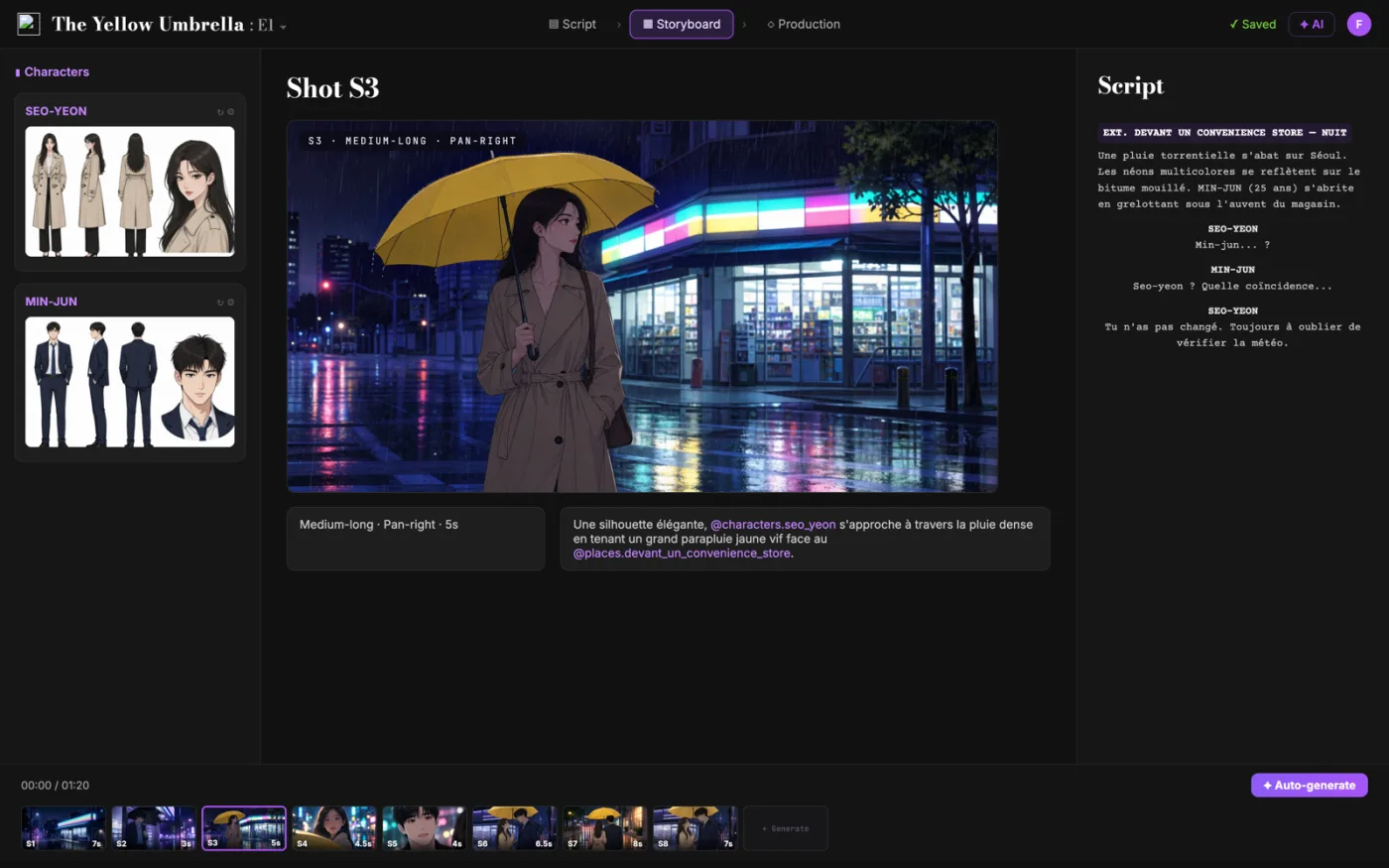
  2. ScreenWeaver storyboard: shot S3 of The Yellow Umbrella with characters, shot settings and the script beside it

    02The storyboard, made easy

    Shot breakdown generated from your screenplay, manual control over every shot (frame, angle, movement, duration), and generative AI previsualization in one click.

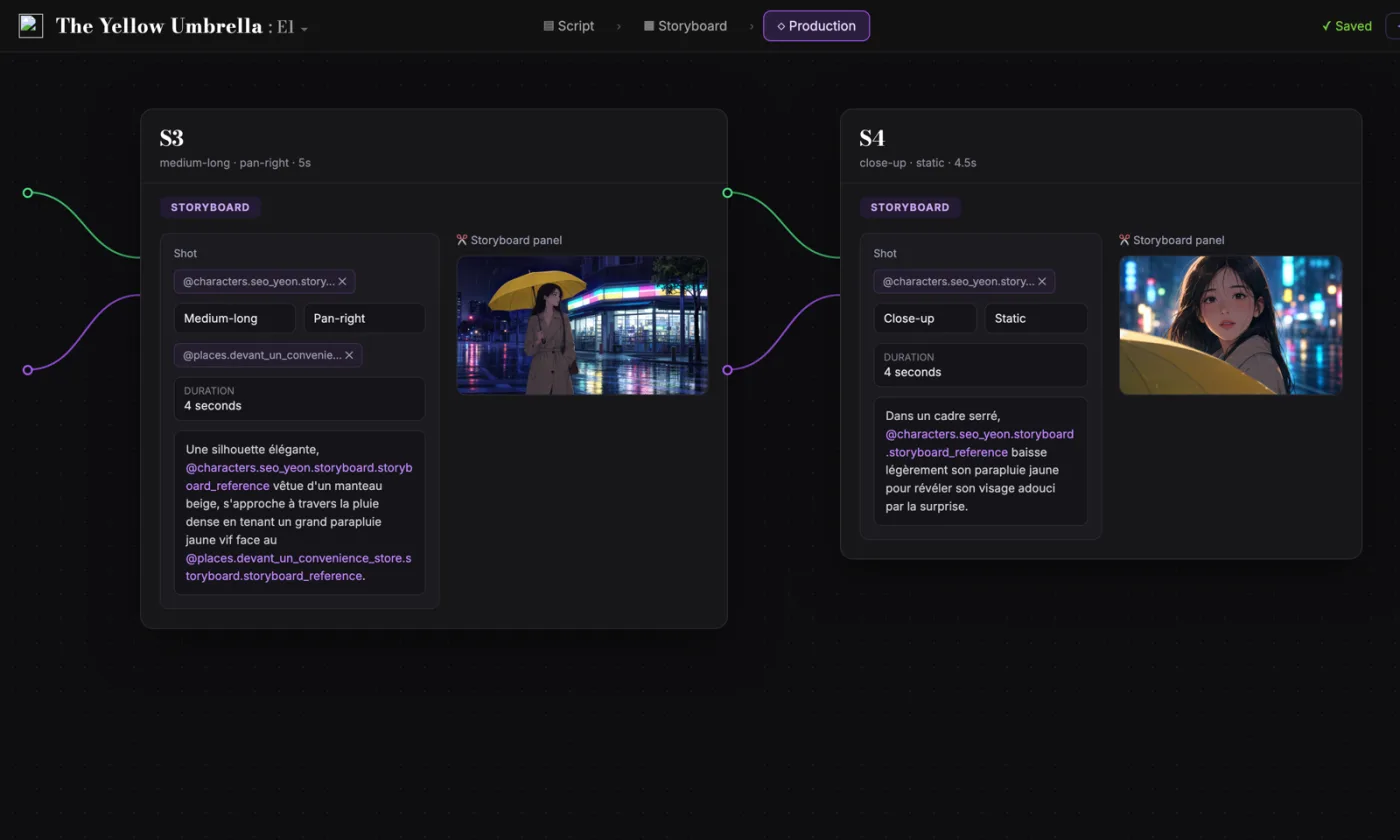
  3. ScreenWeaver production canvas: shots S3 and S4 as connected nodes carrying their storyboard panels and prompts

    03AI production, with finesse

    Footage generation pipelines connected to your screenplay and storyboard. Optimized out of the box, fully editable workflow.

FAQ

The Reply AI Film Festival, your questions

How do you win the Reply AI Film Festival?
Films are judged on AI impact, creativity and craftsmanship, with no published weights. In 2026 first place went to a quiet story of a lonely dancer, so build the film on one person and one feeling, and explain your AI process clearly in the entry form.
When is the next Reply AI Film Festival?
No new edition is announced on Reply's pages as of 1 October 2026. The 2026 call closed on 2 June and the ceremony took place on 6 September in Venice. Dates for the next one are unknown.
Is it free to enter?
Yes. The how-it-works page says the initiative is completely free.
What length is allowed?
Between 1 and 40 minutes on the how-it-works page. Longer films may only go to a Long-Form Spotlight with no money prize. The home page says there is no limit, so ask the organiser if your film is near an edge.
What is the prize money?
€8,000, €5,000 and €2,000 for the first three places, over €30,000 in total according to the home page. Finalists are invited to Venice with travel and accommodation. Special awards: the Reply AI Studios Grand Prix, the AI for Good Award and the Community Award.
Which AI tools are allowed?
Any. Reply says you are free to use any AI tool in the different phases of production, and you explain it in the form. The 2026 winner used Grok, Nano Banana and Seedance, per the press release.
Who was on the 2026 jury?
Gabriele Salvatores presided, with Rob Minkoff, Catherine Hardwicke, Giacomo Mineo, Jed Weintrob, Jacopo Reale, Christina Lee Storm, Nils Hartmann, Brian Welk, Denise Negri, Filippo Rizzante and Guillem Martinez Roura. The next panel is not named yet.
Can I post my film online before the festival?
You may enter other competitions, but a finalist's film must not be entirely available online. Keep the full film private until you know whether you are a finalist.

Ten finalists from three thousand. Start with the page.

Write the screenplay for free today. Storyboard it, then film it with Seedance.