World AI Cinema Festival · Guide

How to win the World AI Cinema Festival.A monthly cycle, 29 categories and a human at the center.

Submissions for 2027 are open and the calendar is rolling: finalists, nominees and winners are named every month. September 2026 alone named 29 winners. Here are the rules, the four criteria, the ethics charter and a plan to prepare a film, starting with the screenplay in ScreenWeaver.
  • Rolling monthly cycles
  • 29 award categories
  • Ethics charter, disclose AI
Lost Garden · Episode 1

Independent guide. ScreenWeaver does not organise this festival and is not affiliated with Remember The Future Productions or the World Film Festival in Cannes. Rules read on 1 October 2026. Official festival site

Available today in ScreenWeaver: free screenwriting, and a storyboard generated from your screenplay with Storyboard Beta, $9.99 a month.

Rolling out: video generation of each shot, powered by Seedance, with the Filmmaker plan.

The rules on one card

What the World AI Cinema Festival expects.

The World AI Cinema Festival is directly affiliated with the World Film Festival in Cannes, which Karolina Bomba founded. It is a festival of laurels and monthly results, and it puts the filmmaker first.
Organiser
Remember The Future Productions, Cannes
Calendar
Rolling: monthly results, one annual ceremony
How to enter
Through FilmFreeway
Fee
Set on FilmFreeway, 10% off for Gold members
AI rule
State it in the project specifications at submission
Judged on
Vision, narrative, technique, transparency
Jury
International: directors, producers, AI ethics experts
Prize
Laurels and the Luciole d'Or, no cash stated

Sources: worldaicinema.com, its September 2026 results pages, and the rules and June 2026 press release of the parent World Film Festival in Cannes, read on 1 October 2026. FilmFreeway refused to load, so fee amounts, deadlines and durations were not read.

The ethics charter

An ethics charter, in four points.

The festival does not limit AI. It asks you to show the person behind it. The charter and the rules say four things.
  • The filmmaker comes first

    The charter says the machine cannot replace the filmmaker: behind every generated shot there is a human gaze. It judges narrative power, art direction and emotion, and calls AI a tool. A film that looks like a demo of a model is off-brief.

  • Say it in the project specifications

    The parent festival's rules require that works created with AI are indicated in the project specifications on FilmFreeway at the time of submission. The AI branch shares that platform. Treat it as mandatory, and describe the role of AI in the film.

  • Consent and rights

    AI works must respect copyright and image rights. The rules give one example: you cannot have a real, known actor perform a role through their likeness without explicit consent and a signed contract. You are solely responsible, and you indemnify the festival on request.

  • Project, intention, role of AI

    The charter expects the work to reflect its creative process: the presentation of the project, the artistic intention and the role of AI. A creator who masters the tool also knows how to tell the vision. Write this note before you submit.

Key dates

A calendar with no fixed deadline.

FilmFreeway holds the cycle dates, and the page would not load. What the festival publishes is the rhythm: <b>a new result every month</b>.
  1. Rolling

    Monthly competition

    Each month has finalists, nominees and winners, published on the official results pages. Submissions for 2027 are open.

  2. 30 Sep 2026

    September results

    The September winners were published, with 29 winning categories grouped in four families.

  3. 27 Jun 2026

    The parent's ceremony

    The 6th annual ceremony of the World Film Festival in Cannes took place at the Pullman Cannes Mandelieu, with guests from 47 countries.

  4. Not found

    The next ceremony

    No date for the next annual ceremony was found. Winners of the monthly cycles are honored there, according to the site.

How films are judged

Four criteria, no weights.

The charter lists four criteria of excellence and gives no points. The fourth is the one that makes this festival different from most.
  • Artistic vision

    A point of view you could identify without the title. One look, one tone and one idea, held to the end. Pick the shots that belong to you, not the ones the model does best.

  • Narrative coherence

    The story holds from the first image to the last, and every scene earns its place. This is where a screenplay written before the first prompt pays off.

  • Technical mastery

    Stable faces, readable action, clean sound, a master with no watermark. The parent rules reject films with watermarks and with poor audio or resolution under 720p.

  • Transparency of the creative process

    Show how the film was made: the intention, the tools and what you decided yourself. A short director's note in the project specifications is part of the work, not an afterthought.

The rules say all content, formats and techniques are considered and analyzed objectively and without censorship. Nominations are made at the jury's sole discretion and are final.

Who decides

A jury with an AI ethics voice.

The festival describes a mixed panel and the parent's rules fix a floor. The individual names sit on the parent site, which was not read.
  • The AI cinema jury

    The branch describes an international jury of directors, producers, cinematographers, screenwriters and AI ethics experts. Expect your film to be read for its ethics as well as its images.

  • The parent's panel

    The World Film Festival in Cannes says its jury has at least seven members from film, music and other arts, chosen to avoid conflicts of interest with the films in competition.

  • Final decisions

    Nominations in every category are at the jury's sole discretion, and decisions are final and cannot be appealed. A film cannot be withdrawn once the Official Selection is announced.

The categories

Four families of awards.

A film is entered in at least one main category and may be entered in more, without limit. September 2026 named winners in four families, and under each is the angle we would take.
  • 01

    Excellence awards

    Best AI Feature, Short, Documentary Short, Animation, Experimental, Super Short, Student, Web or TV Pilot, Commercial and Trailer.

    The format decides where you start. A trailer or a Super Short asks for the least footage, and a pilot suits a series maker.

  • 02

    Genre awards

    Best AI Drama, Comedy, Thriller, Sci-Fi, Horror, Fantasy and Romance.

    Pick one genre and honor its codes. A fantasy world with one clear rule is easier for a model to hold than a mixed film.

  • 03

    Creative awards

    Best AI Director, Cinematography, Editing, Sound Design, Visual Effects, Character and Creature Design, Filmmaker of the Future and Director of the Future.

    These credit a person, not a film. Enter yourself where you did the work. Character design is a natural fit for a project with approved references.

  • 04

    Vision awards

    Best AI Cause-Driven Film, Visionary Film, Philosophical Film and Human and AI Collaboration.

    The families that match the charter. The Human and AI Collaboration award invites you to show the process, so document it from the start.

September 2026

What the latest winners show.

The online edition of September 2026 named 29 winners from 18 countries, from Hungary and China to Mexico and New Zealand. Here is what the list teaches.

  1. 01

    The same team can win twice. Yifei Li and Zheng Bao took Best AI Short with Above the Waterline and Best AI Cause-Driven Film with Plastic Erosion. Enter one film where it fits.

  2. 02

    Every size has a trophy. My Family from Türkiye won Best Super Short, and The House on Fifth from the United States won Best Student Film.

  3. 03

    Genre is a real door. Kitsune.exe from Japan won Best AI Fantasy, and La Casa de las Voces from Mexico won Best AI Horror.

  4. 04

    Collaboration is named. Cartography of Dust by Jonah Mercer won Best Human and AI Collaboration, which shows the festival wants the process visible.

From script to screen

Lost Garden: a fantasy in six shots.

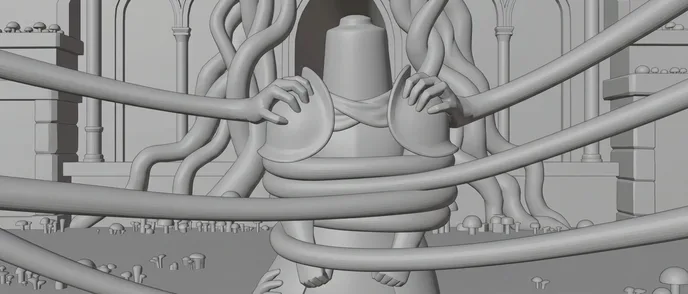
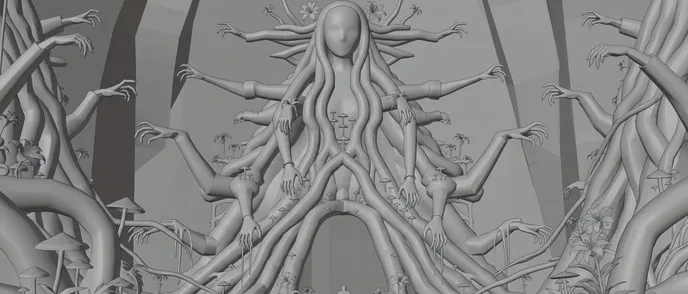
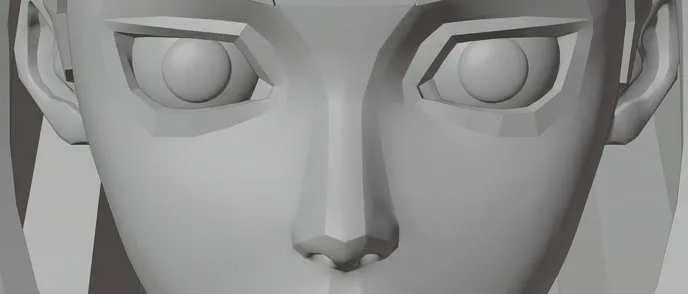
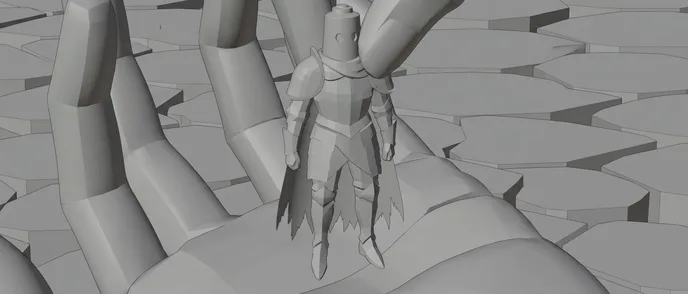
The festival awards Best AI Animation Film, Best AI Fantasy and Character and Creature Design. The scene below comes from Lost Garden, episode 1, an animated fantasy by the ScreenWeaver team: its screenplay page, then every shot as a storyboard frame and as the final image.

Logline. A small knight wakes up in a dead world and learns he is the last guardian of a seed that could bring the garden back.

Screenplay · episode 1 · the Source Tree

INT. HEART OF THE ROOTS - NIGHT

Living roots coil around LANTERN and pin him down. A voice stops them.

THE SOURCE TREE

Stop. He is my guest.

A giant woman of roots and white lilies opens her arms over the cavern.

Her eyes open. Blue, and vast.

THE SOURCE TREE

Welcome to you, Lantern Knight.

She lifts him in her palm, like a lamp.

THE SOURCE TREE

Do not be afraid. I will not harm you.

In the dark, a seed of light opens. Inside the flower, a sleeping child.

THE SOURCE TREE

You must find yours. Protect her.

CUT TO:

  1. A small lantern-helmed knight bound by thick roots in a ruined hall
    Storyboard frame of the trap shot, in grey
    01

    Medium · the trap

    Medium shot, Lantern bound by thick living roots in a ruined hall, glowing blue mushrooms on the floor, cold light

  2. A giant woman made of roots and white lilies spreads her many arms in a dark cavern
    Storyboard frame of the wide shot, in grey
    02

    Wide · the Source Tree

    Symmetrical wide shot, a giant woman made of roots, arms spread with many hands, white lilies, blue glyphs

  3. Extreme close-up of a giant pale face with piercing blue eyes
    Storyboard frame of the eyes close-up, in grey
    03

    Extreme close-up · the eyes

    Extreme close-up on the giant's face, piercing blue eyes opening, pale skin, soft light from below

  4. A tiny armored knight stands in the middle of a giant open hand
    Storyboard frame of the palm shot, in grey
    04

    High angle · the palm

    High angle, the tiny knight standing in the center of a giant open palm, stone floor far below

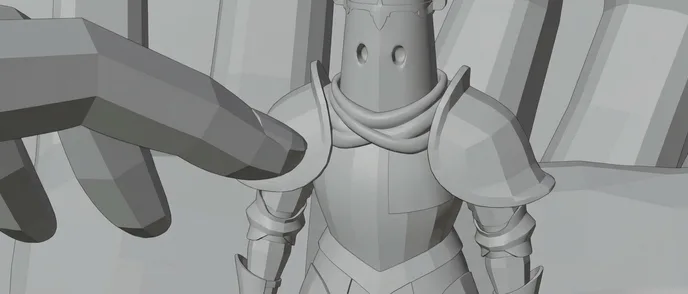
  5. A giant fingertip gently touches the chest of a small armored knight
    Storyboard frame of the touch close-up, in grey
    05

    Close-up · the touch

    Close-up, a giant fingertip gently touches the knight's armored chest, faceless helm, emotion through posture

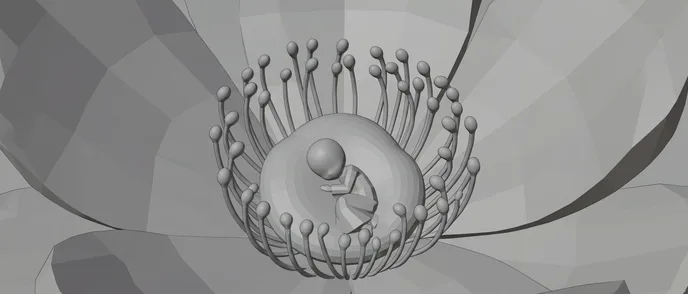
  6. A sleeping pink-haired child curled inside a glowing blue flower
    Storyboard frame of the seed insert, in grey
    06

    Insert · the seed

    Top-down insert, a glowing pale blue flower opening, a sleeping child with pink hair curled inside

Running 17 minutes, Lost Garden, episode 1 reached the final of the AI London Festival. It carries one idea of this festival's charter: the storyboard fixes every decision, so the process can be shown. A giant of roots and a small knight stay the same across six shots. Nothing here claims an entry to this festival. Watch the full scene in the player.

The script

A 6 minute film that shows its author.

The festival has Super Short, Short and Feature awards, and its length limits were not read. Six minutes fits most formats and leaves room for a director's note. That is about 6 screenplay pages and 60 to 80 shots.
  1. 0:00 to 0:30

    The signature

    One image that sets your look. A juror who has seen many AI films should recognize it was chosen.

  2. 0:30 to 1:45

    The human question

    Whom we follow and what they want. Keep it a person, not a world tour.

  3. 1:45 to 4:15

    The hardest scene

    Spend the best generations here and keep the performance simple. This is where coherence is tested.

  4. 4:15 to 5:30

    The consequence

    What the choice changed, shown quietly.

  5. 5:30 to 6:00

    The closing image

    An image that answers the signature one, then the credits.

Subtitles are needed for any language other than French or English, per the parent rules. Add them to a clean master, and keep the file free of any watermark.

Step by step

From the charter to the submit button.

With no fixed deadline, you set your own: six weeks from today is realistic for a short. Everything before the footage costs nothing.
  1. 01

    Week 1

    Write the director's note

    Three paragraphs: the project, your intention and the role of AI. If you cannot write it, the film is not ready to be made.

  2. 02

    Week 2

    The screenplay

    Six pages, one hard scene. Write it for free in ScreenWeaver and mark the scene that will get your best shots.

  3. 03

    Week 3

    Boards and character references

    Generate the storyboard from the screenplay, then approve one reference per character and place. Choose the category now, since it shapes the cut.

  4. 04

    Weeks 4 and 5

    Generate and keep records

    Generate scene by scene with Seedance once video generation reaches your plan in ScreenWeaver. Keep every prompt and version: they feed your note.

  5. 05

    Week 6

    Edit, check, submit

    Export a clean file, 1080p or higher, with no watermark and with subtitles if needed. Submit on FilmFreeway, state the AI use, and pick your categories.

Ways to lose a laurel

Seven ways to be rejected or wasted.

Most come from the parent festival's rules, which are strict about files and fees. Read the rules in full before paying.
  • Not stating the AI use

    The rules require AI work to be indicated in the FilmFreeway project specifications at submission. Leaving it out breaks the charter.

  • A real actor's likeness

    You cannot have an existing actor perform a role with their likeness without explicit consent and a signed contract. The same goes for intellectual property used without the author's permission.

  • A watermark on the film

    The rules say your film must not contain watermarks. Many generators add them, so check every export before you upload.

  • Poor files

    Poor audio, missing subtitles and resolution under 720p count as poor production standards. For screening at the ceremony, the festival asks for .mov (H264) or .mp4, in Full HD or 4K.

  • Changing your mind after you submit

    You cannot modify a film once it is submitted. A revised cut needs a new fee, fees are non-refundable and non-transferable, and waivers are rare.

  • No main category

    A film must be submitted in at least one main category. Without one, it is disqualified with no refund.

  • Mistaking the name for the Festival de Cannes

    The World Film Festival in Cannes and its AI branch are separate from the Festival de Cannes and its Official Selection. Never present a laurel here as a Cannes selection.

Why ScreenWeaver

A festival that judges the process. Keep yours in one place.

No tool is imposed and no AI share is set. The festival asks for a film with an author and a visible process. ScreenWeaver offers one connected project for the screenplay, the storyboard and the footage.
  • Transparency by default

    Every shot links back to its scene, its frame and its prompt. When the fourth criterion asks how the film was made, the project itself is the answer.

  • One project, many categories

    A short, a trailer or a pilot come from the same screenplay and storyboard. You can enter several categories without starting over.

  • Characters that stay the same

    References for characters and places carry from shot to shot. That helps technical mastery and the Character and Creature Design award.

  • Begin at no cost

    Screenwriting costs nothing and never lapses on the Screenwriter plan. Storyboard Beta adds the storyboard for $9.99 a month, and Seedance video generation comes with the Filmmaker plan.

Real productions

International festival-recognized films have been written and produced with ScreenWeaver.

ScreenWeaver is already being used as a creative workspace for real AI film productions, from cinematic shorts to animated series pilots selected, nominated, and awarded by international festivals.

  • Video thumbnail for VOIDBORN

    VOIDBORN

    AI animated / cinematic short

    Festival recognition

    • 1st Place Silver

      Mondial Chroma Awards

    • 2nd Place Dreamina

      Mondial Chroma Awards

    • Award Winner

      Seoul International AI Film Festival

  • Video thumbnail for Les Fils du Vinnana

    Les Fils du Vinnana

    AI short film

    Festival recognition

    • Honorable Mention

      Top Quark Film Festival

    • People's Choice Nominee

      Illuminate Oneness of Humanity

    • Nominee

      ALTFF Supershort

  • Video thumbnail for Lost Garden

    Lost Garden

    AI animated series pilot

    Festival recognition

    • Finalist

      AI London Festival

The pipeline

Write. Board. Produce.

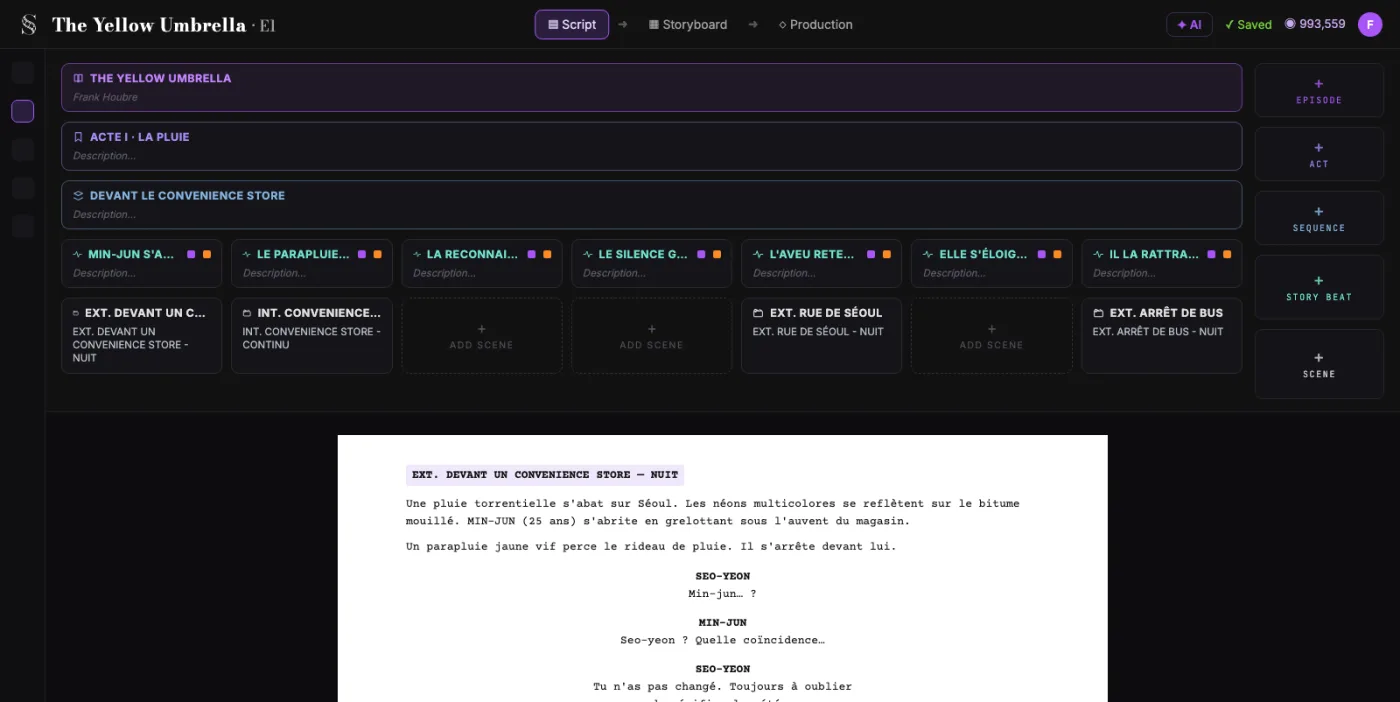
  1. ScreenWeaver screenplay editor: acts, sequences and beats above the formatted script of The Yellow Umbrella

    01The screenplay, enriched

    An industry-standard screenplay editor, and more: a visual outline and beat editor, your writing inspirations (notes, photos, audio) kept next to the page, and an AI researcher to support your writing, not replace it.

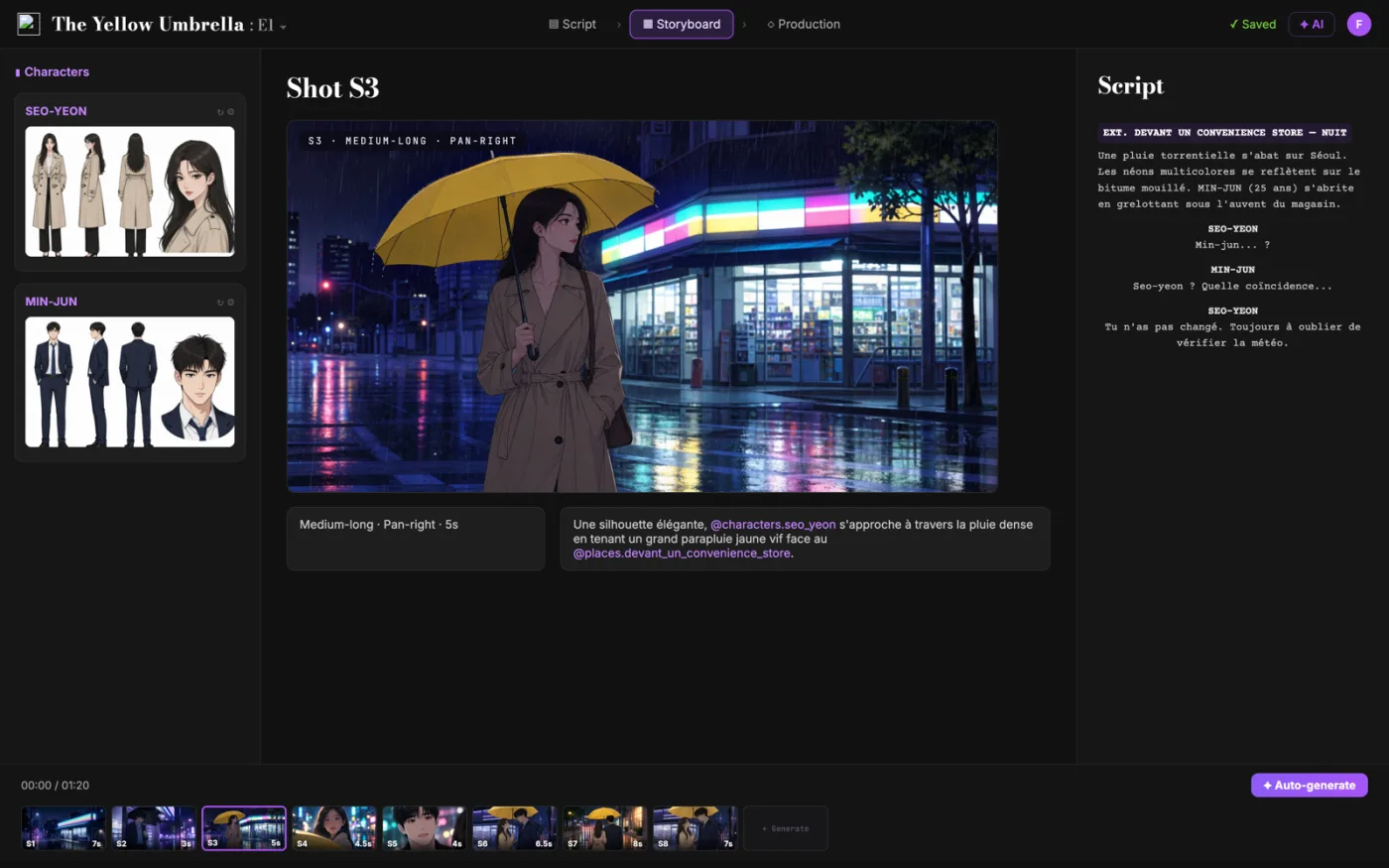
  2. ScreenWeaver storyboard: shot S3 of The Yellow Umbrella with characters, shot settings and the script beside it

    02The storyboard, made easy

    Shot breakdown generated from your screenplay, manual control over every shot (frame, angle, movement, duration), and generative AI previsualization in one click.

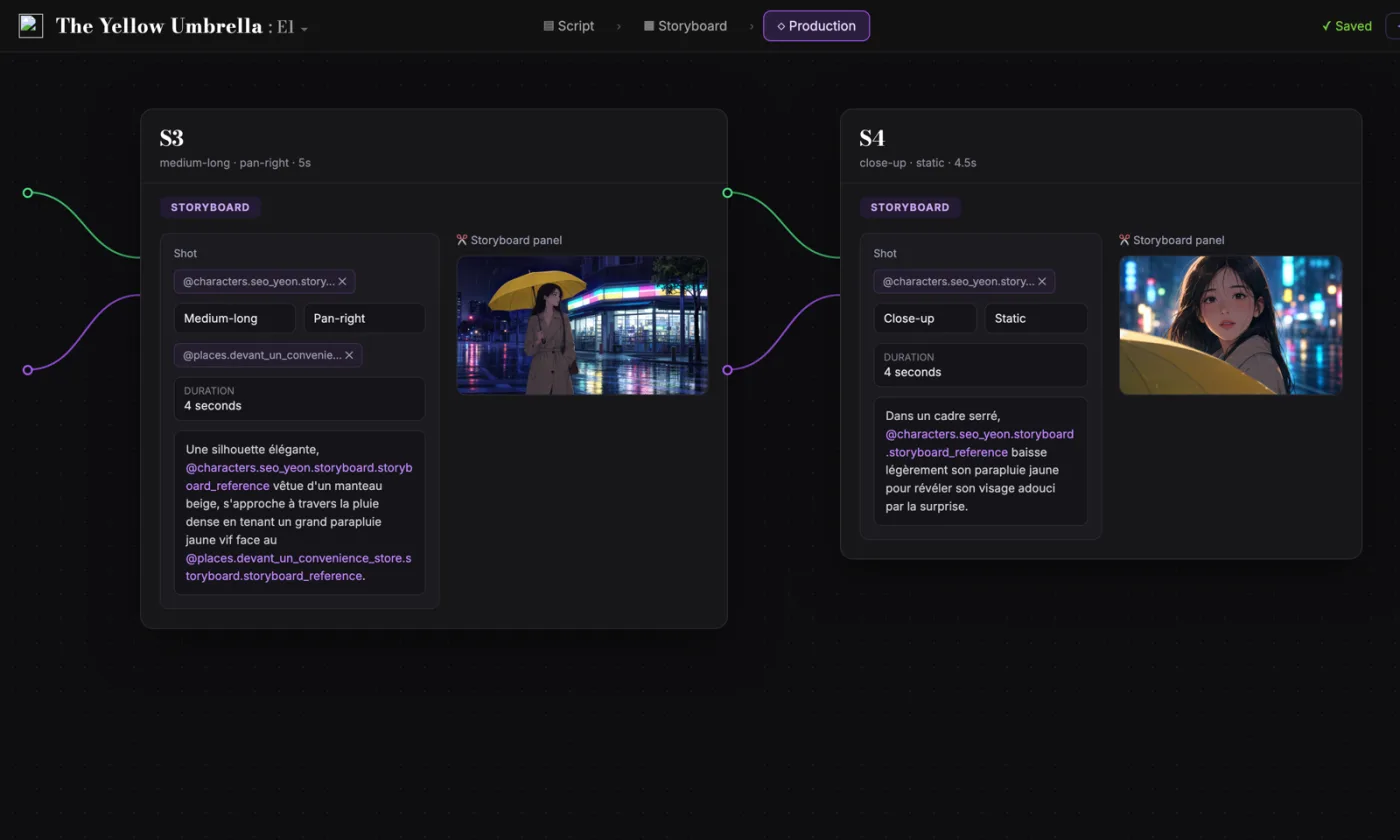
  3. ScreenWeaver production canvas: shots S3 and S4 as connected nodes carrying their storyboard panels and prompts

    03AI production, with finesse

    Footage generation pipelines connected to your screenplay and storyboard. Optimized out of the box, fully editable workflow.

FAQ

The World AI Cinema Festival, your questions

How do you win the World AI Cinema Festival?
Films are judged on artistic vision, narrative coherence, technical mastery and transparency of the creative process. There are no published weights. Enter a film with a clear author, a clean master and a short note on the role of AI, in the category that fits it.
Can I use ScreenWeaver for this festival?
Yes. The festival imposes no tool and no share of AI. ScreenWeaver covers the screenplay and the storyboard, and the footage pipelines run on Seedance 2.0 and 2.5 as video generation rolls out. State the tools in the project specifications.
Is it the same as the Festival de Cannes?
No. It is the AI branch of the World Film Festival in Cannes, run by Remember The Future Productions. It is a separate event from the Festival de Cannes and its Official Selection. The two should never be confused in your credits.
Is there a deadline?
No single deadline applies. The cycles are monthly and annual, and submissions for 2027 are open. The dates sit on FilmFreeway, which did not load for this guide, so check the page before you plan.
How much does a submission cost?
Fees are tiered on FilmFreeway and the amounts were not readable. FilmFreeway Gold members get 10% off. Fees are non-refundable and non-transferable, and a modified film must be resubmitted with a new fee.
Does the festival pay prize money?
The official site states no cash prize. The recognition is laurels and the Luciole d'Or, the Golden Firefly. Treat it as visibility and credit for a film, not as funding.
Do I have to say that my film uses AI?
Yes. The rules require that AI-made works are indicated in the project specifications on FilmFreeway at submission, and the charter expects you to present the role of AI.
Who owns my film after I submit?
Yes. The rules say you retain 100% of your intellectual property, and you certify you hold all rights to images, sound and music. The festival may use extracts and stills to promote the edition and will never put your film online.

No fixed date. Write the first page.

Start the screenplay at no cost today. Storyboard it, then generate the film once video reaches your plan.