Tokyo International Film Festival 2026 · AI films guide

Can you submit an AI film to the Tokyo International Film Festival?No rule bans it, yet the film must be a feature.

The Competition regulations say nothing about AI, and they shut out every short film: 60 minutes is the floor, animation included. The 2026 call closed on 7 July. Here is what a Tokyo entry demands and how to prepare one, starting with the screenplay in ScreenWeaver.
  • No AI clause in the rules
  • Features only, 60 minutes minimum
  • 2026 call closed on 7 July
Voidborn · Episode 0

Independent guide. ScreenWeaver does not organise the Tokyo International Film Festival and is not affiliated with it. Rules read on 1 October 2026. Official regulations

Available today in ScreenWeaver: free screenwriting, and a storyboard generated from your screenplay with Storyboard Beta, $9.99 a month.

Rolling out: video generation of each shot, powered by Seedance, with the Filmmaker plan.

The rules on one card

What Tokyo asks of a film.

TIFF is a general festival, not an AI one. Its Competition rules fit on one page and judge a film by its length, its premiere and its subtitles, never by how it was made.
Festival
26 October to 4 November 2026, the 39th edition
2026 call
Closed: 7 April to 7 July, noon JST
Entry fee
JPY 3,300 early bird, JPY 5,500 regular
Running time
Feature-length only, 60 minutes minimum
Premiere
At least a Japan premiere, world premieres first
AI rule
None in the regulations or the FAQ
Subtitles
English on the screener, unless the film is in Japanese or English
Results
By email in mid-September 2026

Source: the Regulations for Competition 2026 and the FAQ for Festival Submissions on tiff-jp.net, read on 1 October 2026. The regulations say their conditions may be subject to change. The next call has not been published.

What the rules say about AI

No AI clause, six things that matter anyway.

We read the regulations and the FAQ line by line on 1 October 2026. Neither mentions AI, generative tools or disclosure. What they do contain decides an AI film’s chances just as firmly.
  • What the text says about AI

    Nothing. There is no ban, no quota, no disclosure form and no label to put on screen. That is an absence of rule, not a permission: the regulations add that the conditions may be subject to change, and a clause on AI can appear in any later edition.

  • Features only

    Article 1 asks for feature-length films with a minimum running time of 60 minutes and states that short films are not eligible. This is the rule that rejects most AI projects, because most are shorts.

  • Animation counts, as a feature

    The FAQ answers that documentaries and animations are eligible, and repeats that every submission must be a feature, animation included. A twelve minute animated short is out. An animated film of 62 minutes is in.

  • Premiere and online release

    A film needs at least its Japan premiere at TIFF, and a Japanese film needs its world premiere there. Any film publicly released online or on streaming is ineligible. Many AI filmmakers post first to gather reactions: here, posting spends your premiere.

  • Where an AI feature can land

    You cannot pick a section. The entry form feeds the Competition, and the festival says films may also be considered for other sections. Its 2026 programme lists, among others, Competition, Asian Future for first to third features, and Animation.

  • How the festival frames its own rules

    The foreword says TIFF follows the FIAPF regulations for international film festivals, and unspecified matters are settled under them. A festival with that backbone writes rules slowly and applies them strictly. Keep an AI disclosure file anyway.

Key dates

The 2026 calendar, as the template.

The 2026 call is closed and no 2027 call is announced. The dates below are those of the 39th edition: read them as the likely rhythm, not as a promise.
  1. 7 Apr 2026

    The call opens

    Early bird window at JPY 3,300 until 26 May. Entries go through the official site, never by email.

  2. 7 Jul 2026

    Deadline, noon JST

    Regular fee JPY 5,500 from 27 May. The window changes the fee and nothing else: every submission is processed and viewed the same way.

  3. Mid Sep 2026

    Results by email

    Every submitter is told by email. With a large volume of entries, the festival gives no individual feedback.

  4. 26 Oct to 4 Nov 2026

    The 39th festival

    Competition films play in their original language with English and Japanese subtitles, or Japanese only for English-language films.

Who decides

A jury after a selection nobody explains.

The regulations name no jury member. They do describe how a film travels from the form to a prize, and what you will not get back.
  • The International Competition Jury

    Prizes are awarded on its decision: the Tokyo Grand Prix, the Special Jury Prize, Best Director, Best Actress, Best Actor and Best Artistic Contribution. Two of the six reward actors, and the regulations do not say how a film made of generated performances would be treated.

  • The pre-selection

    Submitters send an online screener and wait for the pre-selection results. Whatever the window, all entries are viewed the same way. Early bird saves 2,200 yen and gives no edge.

  • No feedback

    The FAQ says individual feedback is not possible given the number of entries. A rejection tells you nothing about your film or its AI, so do not read a verdict into it.

Sections

Three doors, and you do not choose.

TIFF has no theme. It has sections, and the Competition form is the entrance. Three matter to an AI filmmaker, and under each is the angle we would take.
  • 01

    The International Competition

    The core of the festival: features completed after 1 January 2026, led by the Tokyo Grand Prix.

    The target of the call. For an AI project it means one film of 60 minutes or more, so write a feature or a season built to be cut as a single file.

  • 02

    Asian Future

    Features by emerging Asian directors, first to third features, from Japan to the Middle East according to the 2026 announcement.

    A natural home for a first AI feature by a director from the region. The Competition regulations we read do not cover it, so check which form carries it when the next call opens.

  • 03

    Animation

    A programme section of the 2026 festival, next to the Competition and the Gala Selection.

    The call does not describe how it is fed, so we cannot say what it takes. Since Competition entries may be invited to other sections, an animated AI feature is not shut out.

Reading the fine print

What the documents teach a filmmaker.

The regulations and the FAQ read like a checklist, and nearly all of it is about what a film is rather than how it was made: its length, its premiere, its release status, its subtitles.

  1. 01

    The premiere is the real competition. World and international premieres get priority. Release nothing publicly before you hear back.

  2. 02

    Lock the edit before you submit. Works in progress are accepted, but updated versions cannot be considered, and the FAQ recommends sending an edit-locked cut.

  3. 03

    Subtitles belong to the film. The screener needs English subtitles unless the film is in Japanese or English, and selected films deliver dialogue lists and a subtitled final file.

Page to screen

Voidborn: six shots from episode 0.

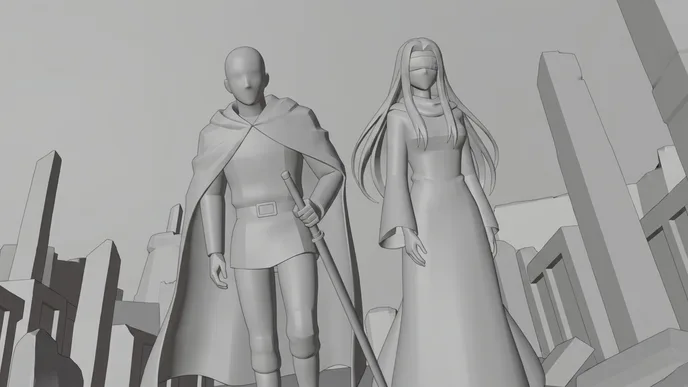
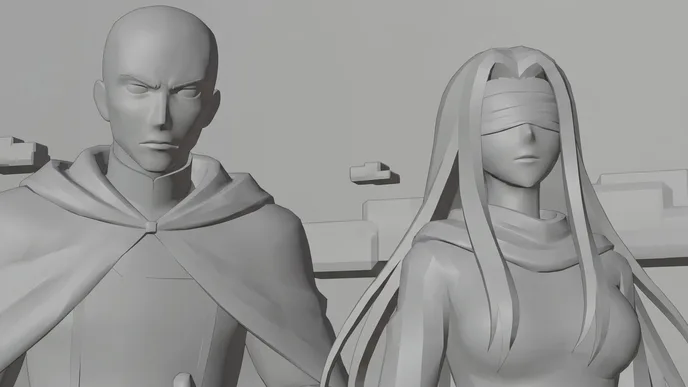
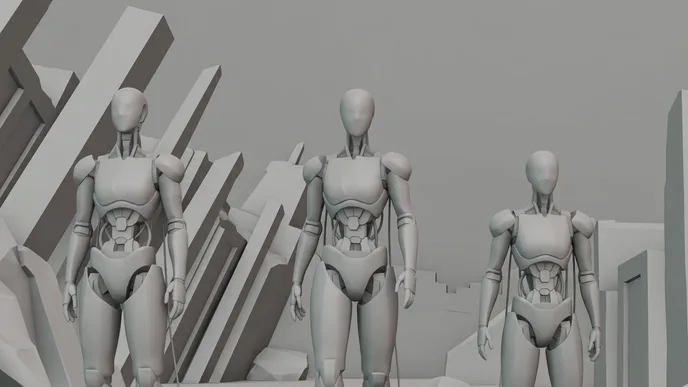
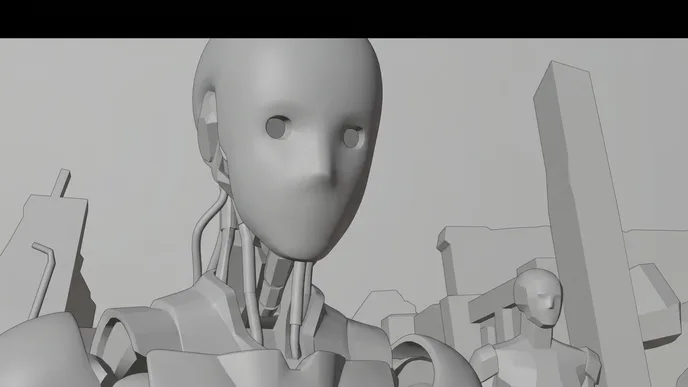
Tokyo takes animation, but only at feature length. This is a scene from Voidborn, episode 0, an anime pilot made by the ScreenWeaver team: the screenplay page, then each shot as a storyboard frame and as the final image.

Logline. Every seven years, the Rift opens and swallows the world’s dreams. A swordsman sworn to a blind seer escorts her through its levels, toward a promise they made to a girl left behind.

Screenplay · episode 0 · English subtitles

EXT. RUINS OF THE FIRST LEVEL - NIGHT

Broken towers under a violet sky. SIM, a swordsman in a black cloak, walks beside LADY MARIA, blindfolded, all in white.

SIM

Tell me, Maria... do you think Leia believes we are still alive?

MARIA

We made a promise... the two of us.

A line of white automatons rises from the ruins.

AUTOMATON

The Rift will wait for no one.

SIM

What are machines doing at this level?

One automaton steps forward. Its face is blank.

AUTOMATON

We must return to the surface.

Its eyes ignite red.

SIM

I am Sim, guardian of Lady Maria... and I will proceed with your execution.

Steel meets steel. Lightning runs down the blade.

CUT TO:

  1. A swordsman in a black cloak and a blindfolded woman in white walk through ruins at night
    Storyboard frame of the wide shot, in grey
    01

    Wide · the pair

    Wide shot, a bald swordsman in a black cloak and a blindfolded red-haired woman in white walk through night ruins

  2. Medium two-shot of a bald swordsman and a blindfolded red-haired woman
    Storyboard frame of the two-shot, in grey
    02

    Two-shot · the promise

    Medium two-shot, the swordsman and the blindfolded seer side by side, violet night sky, broken towers

  3. Three white humanoid automatons stand in night ruins
    Storyboard frame of the automatons shot, in grey
    03

    Wide · the machines

    Wide low angle, three white humanoid automatons standing in the ruins, cold blue moonlight

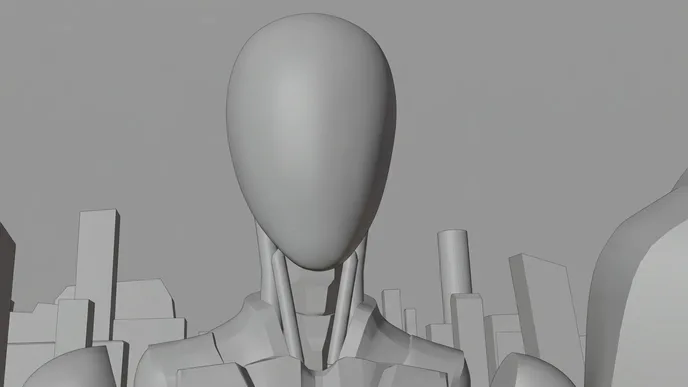
  4. Close-up of a white automaton with a smooth blank face
    Storyboard frame of the blank face close-up, in grey
    04

    Close-up · the blank face

    Close-up on an automaton's smooth faceless head, black eye slots, cables at the neck, ruins behind

  5. A white automaton's eyes glow red
    Storyboard frame of the red eyes close-up, in grey
    05

    Close-up · the red eyes

    Same framing, the automaton's eyes ignite red, the swordsman's shoulder out of focus in the foreground

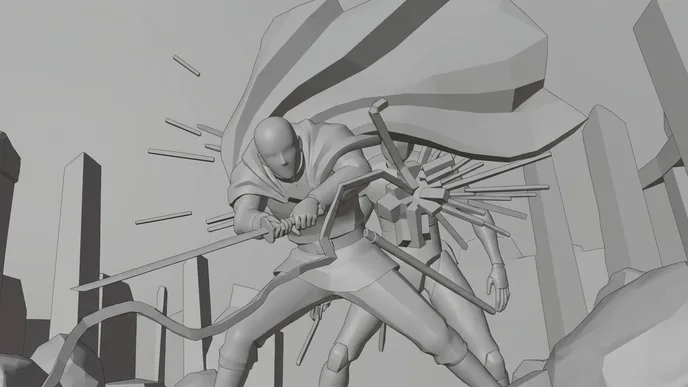
  6. A swordsman strikes with a katana wreathed in lightning and sparks
    Storyboard frame of the clash shot, in grey
    06

    Action · the clash

    Dynamic low angle, the swordsman strikes with his katana, lightning running along the blade, sparks, cape flying

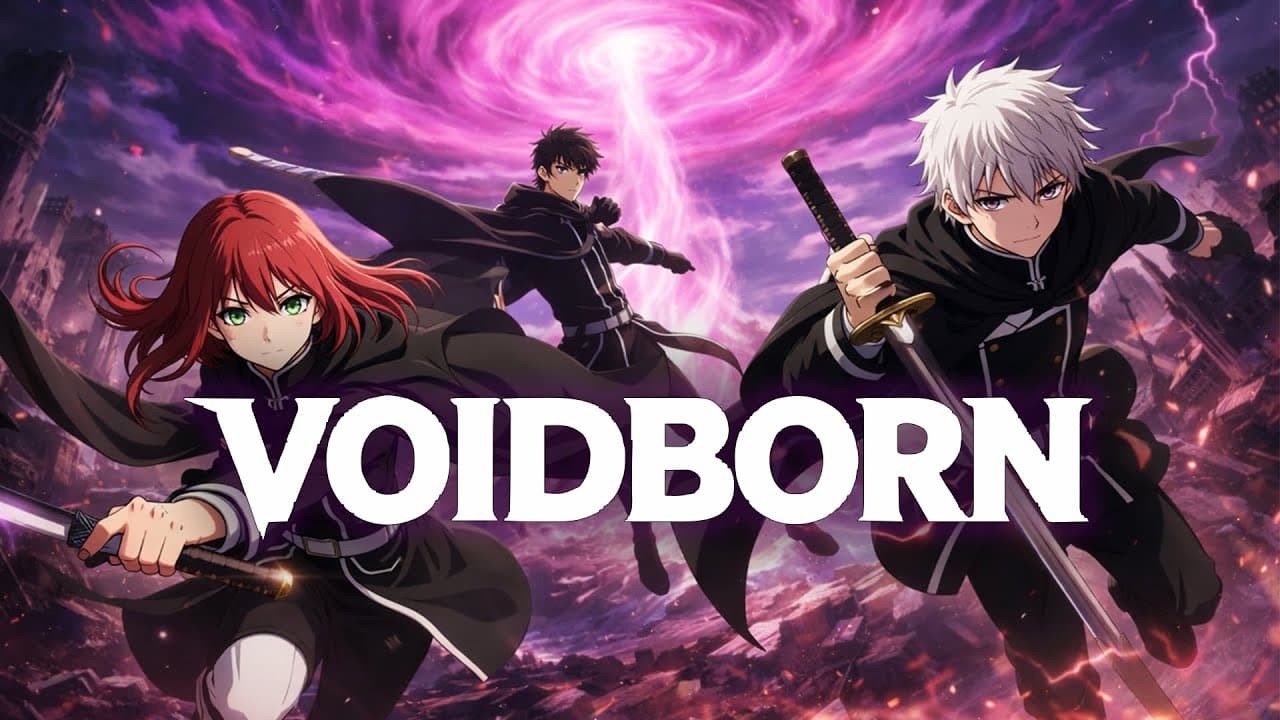
Voidborn, episode 0 runs 13 minutes, about a fifth of the 60 minute floor, so it shows a pilot’s craft and not a Tokyo-eligible length. The ScreenWeaver team’s film took 1st Place Silver and 2nd Place Dreamina at the Mondial Chroma Awards and an award at the Seoul International AI Film Festival. The player opens on the ruins scene, the same sequence as the shots above.

The script

Sixty-five minutes, five movements.

Aim for about 65 minutes, so a late trim never drops you under the floor. That is roughly 65 screenplay pages and 800 to 1,300 shots of 3 to 5 seconds.
  1. 0:00 to 4:00

    The opening

    A place, a face and a promise of what the next hour will cost.

  2. 4:00 to 16:00

    The world and its law

    Who we follow, what they want, and the one visual rule the film keeps from start to finish.

  3. 16:00 to 42:00

    The long middle

    Five or six sequences, each with its own goal and its own look of light. This is where features lose their audience.

  4. 42:00 to 58:00

    The break

    What the character feared arrives. Everything gained is put at risk.

  5. 58:00 to 65:00

    The new order

    A closing image that echoes the opening, then the credits roll.

TIFF asks for a feature-length film and says nothing about series. Cutting a season into one file is a question for the festival, not an assumption. Plan the film in sequences of 5 to 8 minutes: a sequence is also a sensible unit of generation.

Month by month

Until the next call opens.

The next call has not been published. The 2026 call opened on 7 April and closed on 7 July, so treat the spring of 2027 as the date to be finished by and work back from it.
  1. 01

    October and November 2026

    Decide: a feature, or another festival

    Read the 2026 regulations and FAQ in full. If your idea lives at 12 minutes, aim it at a short film festival instead and keep Tokyo for a longer project. Open a disclosure file even though none is required.

  2. 02

    December 2026

    A 65 page screenplay

    Draft it in ScreenWeaver’s free screenplay editor. Count the sequences, then count the sets: every extra location is a cost in consistency.

  3. 03

    January 2027

    Characters, sets and references

    Approve one reference for each character and each set. A feature repeats faces for an hour, so settle them before any footage exists.

  4. 04

    February to March 2027

    Storyboard sequence by sequence

    Let ScreenWeaver break the screenplay into shots, then correct each frame by hand. Mark the ten shots that carry the film and give them the most care.

  5. 05

    April to June 2027

    Footage, edit and subtitles

    Generate scene by scene as video generation reaches your plan, keeping every prompt. Then cut, mix and burn in English subtitles if the film is not in English or Japanese.

  6. 06

    When the call opens

    Submit an edit-locked cut

    Use a password-protected streaming link that needs no account. Do not post the film publicly: an online release makes it ineligible.

Ways to lose the entry

Eight ways to be refused unseen.

TIFF’s rules are short and literal. Each trap below is a sentence in the regulations or the FAQ.
  • A short film

    Under 60 minutes, the film is not eligible. A proof of concept or a polished 15 minute short cannot enter the Competition, however good.

  • A film already online

    Public release on the Internet or on streaming makes a film ineligible. An AI film posted on a social platform to gather reactions has already used its premiere.

  • A Japan premiere already used

    The film must not have had a public screening in Japan, theatrical or festival. For a Japanese film, only a world premiere at TIFF counts.

  • A cut that keeps changing

    Updated screeners cannot be considered in principle. Send the version closest to final, because only the first one will be watched.

  • A screener nobody can open

    Links that need an account, a special download or an unusual access step are refused. In 2026 they also had to stay valid until the end of September.

  • Subtitles missing

    Screeners need English subtitles unless the film is in Japanese or English. Dialogue produced by a voice model is dialogue like any other.

  • A fee you cannot get back

    It is payable by credit card only and non-refundable under any circumstances. Check length, premiere and release status before you pay.

  • A distributor who does not know

    A film with a Japanese distributor can still enter, but the distributor’s approval must come first so the selection committee may review it.

Why ScreenWeaver

Tokyo wants an hour of film. ScreenWeaver plans the hour.

TIFF imposes no tool and no AI quota. It imposes length, and length is a planning problem: screenplay, storyboard and footage in one connected project.
  • A feature is a structure first

    Sixty-five pages and a thousand shots only hold together when the plan is visible. The screenplay, the sequences and the storyboard live in one place, so you can see where the middle sags before generating anything.

  • The same faces for an hour

    References for faces and sets follow the film from shot to shot. A short can hide a drifting face, but a feature’s audience will notice by minute twenty.

  • A record you can show

    Every shot links back to a scene, a storyboard frame and a prompt. If a later edition asks how a film was made, the answer is already in the project.

  • Start for free today

    Writing 65 pages costs nothing on the Screenwriter plan, which has no time limit. Storyboard Beta, at $9.99 a month, plans the whole film shot by shot. Seedance generation of each shot comes with the Filmmaker plan, now rolling out.

Real productions

International festival-recognized films have been written and produced with ScreenWeaver.

ScreenWeaver is already being used as a creative workspace for real AI film productions, from cinematic shorts to animated series pilots selected, nominated, and awarded by international festivals.

  • Video thumbnail for VOIDBORN

    VOIDBORN

    AI animated / cinematic short

    Festival recognition

    • 1st Place Silver

      Mondial Chroma Awards

    • 2nd Place Dreamina

      Mondial Chroma Awards

    • Award Winner

      Seoul International AI Film Festival

  • Video thumbnail for Les Fils du Vinnana

    Les Fils du Vinnana

    AI short film

    Festival recognition

    • Honorable Mention

      Top Quark Film Festival

    • People's Choice Nominee

      Illuminate Oneness of Humanity

    • Nominee

      ALTFF Supershort

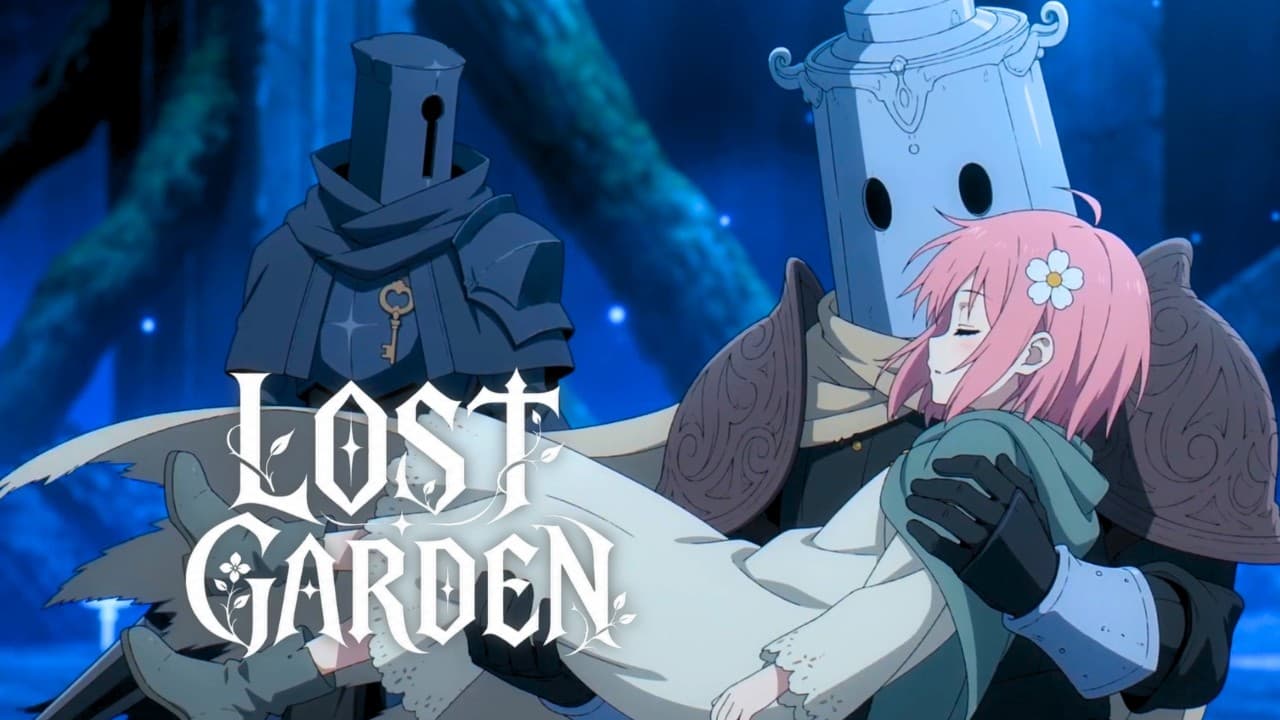
  • Video thumbnail for Lost Garden

    Lost Garden

    AI animated series pilot

    Festival recognition

    • Finalist

      AI London Festival

The pipeline

Write. Board. Produce.

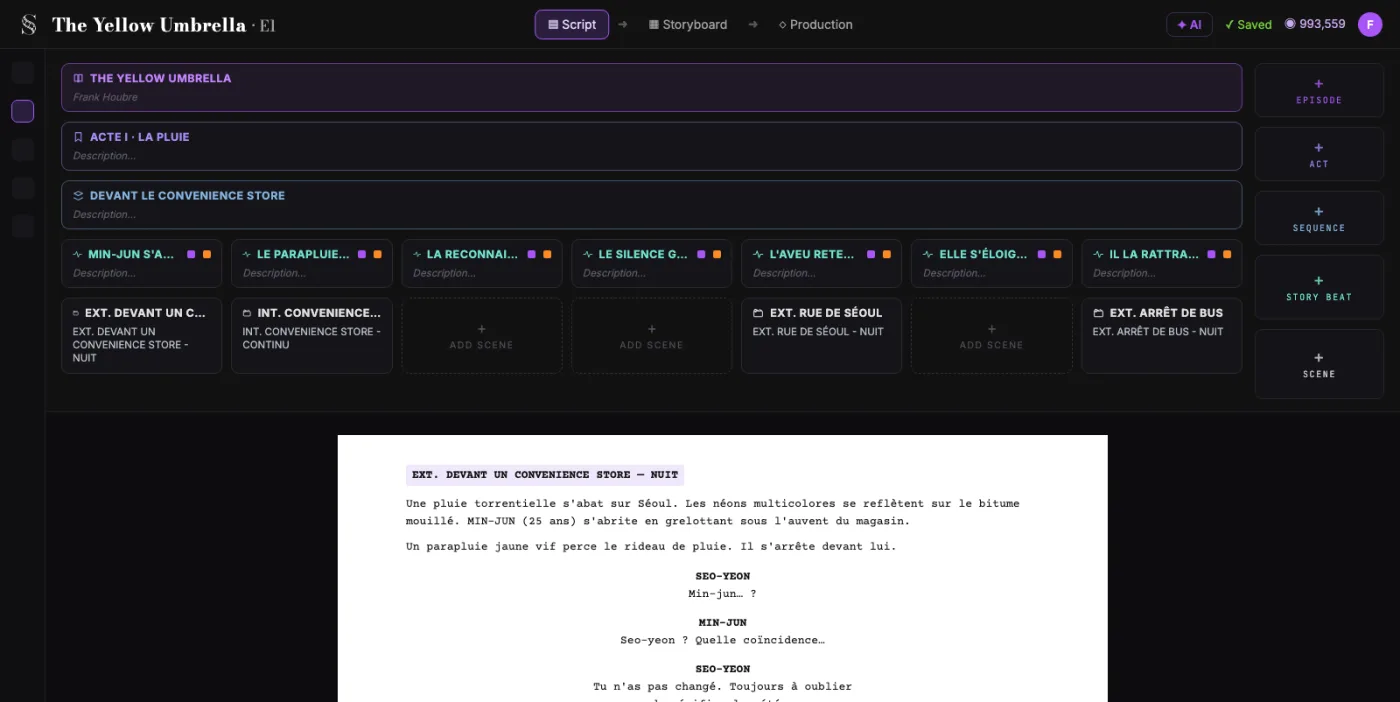
  1. ScreenWeaver screenplay editor: acts, sequences and beats above the formatted script of The Yellow Umbrella

    01The screenplay, enriched

    An industry-standard screenplay editor, and more: a visual outline and beat editor, your writing inspirations (notes, photos, audio) kept next to the page, and an AI researcher to support your writing, not replace it.

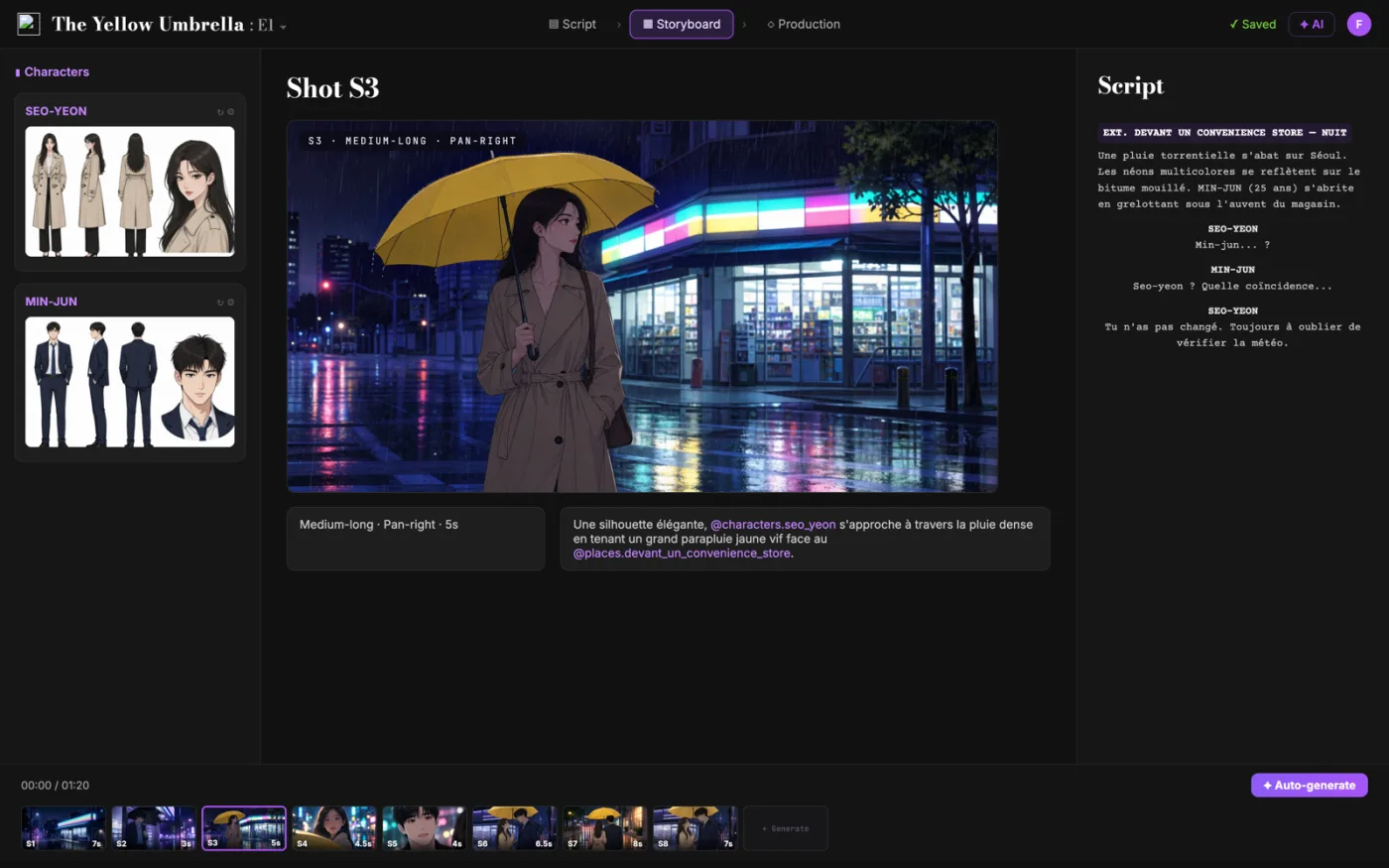
  2. ScreenWeaver storyboard: shot S3 of The Yellow Umbrella with characters, shot settings and the script beside it

    02The storyboard, made easy

    Shot breakdown generated from your screenplay, manual control over every shot (frame, angle, movement, duration), and generative AI previsualization in one click.

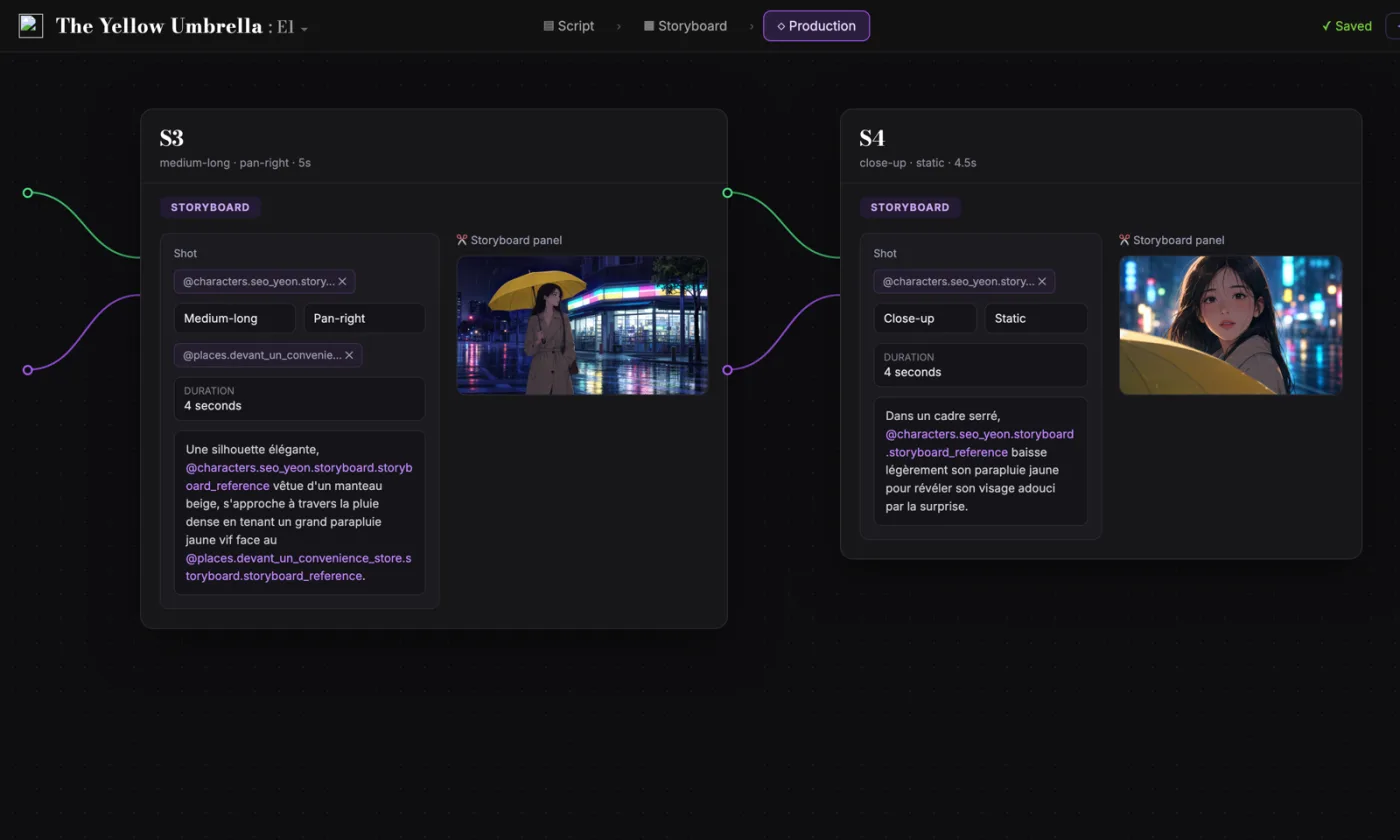
  3. ScreenWeaver production canvas: shots S3 and S4 as connected nodes carrying their storyboard panels and prompts

    03AI production, with finesse

    Footage generation pipelines connected to your screenplay and storyboard. Optimized out of the box, fully editable workflow.

FAQ

The Tokyo International Film Festival and AI films, your questions

Can you submit an AI film to the Tokyo International Film Festival?
Nothing in the 2026 regulations or FAQ forbids it, and neither mentions AI. But the Competition takes feature-length films of 60 minutes or more only, so a short AI film is not eligible. The 2026 call closed on 7 July 2026.
Does TIFF ask me to disclose AI use?
Not in the documents we read on 1 October 2026: no clause, no form field and no on-screen label is mentioned. Keep a record of your tools and tasks anyway, since the regulations say conditions may change.
Is there a category for short AI films?
Not in the Competition: short films are not eligible. The 2026 programme lists other sections, but the call we read does not describe a submission route for shorts. A short film festival is the better target.
Is there a 2027 call yet?
The next call has not been published. The 2026 call ran from 7 April to 7 July, noon JST, and results came by email in mid-September. Watch tiff-jp.net from the spring.
What does a Tokyo submission cost?
In 2026, JPY 3,300 for the early bird window until 26 May and JPY 5,500 from 27 May to 7 July, by credit card only. The fee is not refunded in any circumstance.
Does the film have to premiere at TIFF?
Yes, at least a Japan premiere: no public screening in Japan before. World and international premieres get priority, and a Japanese film must premiere at TIFF. A public online release makes the film ineligible.
Can I enter an animated AI film?
Yes, if it is a feature. The FAQ says animations and documentaries are eligible and that all submissions must run more than 60 minutes, animation included.
Is this the same festival as the AI film festivals held in Tokyo?
No. Other Tokyo events carry AI in their name and run their own rules. This page covers only the Tokyo International Film Festival, whose Competition regulations are on tiff-jp.net.

Sixty minutes start with one page.

Write the screenplay free today, then storyboard the whole film before you generate a shot.