KCAIF 2027 · Seoul · Guide

How to win the K-Culture AI Film Festival.Seoul, 1 May 2027. Four deadlines to choose from.

KCAIF is a Seoul festival run by the Korea AI Film Festival Association and rooted in K-Culture. The 2027 call opens on 1 October 2026, with deadlines from 31 January to 10 April 2027. Here are the rules we could confirm, and a plan.
  • Final deadline 10 April 2027
  • Six categories, film to commercial
  • Rooted in K-Culture, open worldwide
Voidborn · Episode 0

Independent guide. ScreenWeaver does not organise KCAIF and is not affiliated with the Korea AI Film Festival Association. Rules read on 1 October 2026. Official site

Available today in ScreenWeaver: free screenwriting, and a storyboard generated from your screenplay with Storyboard Beta, $9.99 a month.

Rolling out: video generation of each shot, powered by Seedance, with the Filmmaker plan.

The rules on one card

What KCAIF publishes.

KCAIF was founded to share the art and emotion of the AI era from Korea, with K-Culture as its root. The first edition took place in September 2026. The festival site gives the dates, the categories and the venue, and sends everything else to FilmFreeway.
Organiser
Korea AI Film Festival Association (KAIFA), non-profit
Festival day
1 May 2027, Seoul
Venue
enTravel, Gangnam-gu, Seoul
Submissions open
1 October 2026
Final deadline
10 April 2027
Where to submit
FilmFreeway
Categories
Six, from AI Narrative Film to AI Commercial Film
2026 Grand Prize
1,000,000 KRW in cash

Source: the festival site kcaif.net, read on 1 October 2026. Fees, running time, eligibility and judging details are on its FilmFreeway listing, which blocks automated reading. Statements marked as coming from that listing or from aifilmcontests.com are second-hand: check them on FilmFreeway before you pay. The 2026 Grand Prize is from the festival’s news page.

What the listing says about AI

Four eligibility points, as indexed.

The site itself is short on rules. According to the FilmFreeway listing as it appears in search results, these points apply. Confirm each of them on FilmFreeway.
  • A recent film

    The work must have been completed on or after 1 January 2025. A premiere is not required, and a film that has screened, been published or won elsewhere can still enter.

  • AI as a significant creative element

    AI can enter at any stage: concept, planning, writing, image or video generation, animation, editing, visual effects, sound design, voice or music. It must be a significant part of the creative process.

  • FilmFreeway only

    Entries are made by online screener. Physical copies, DVDs, USB drives, printed screenplays and posters are not accepted unless the festival asks.

  • Several films, several fees

    You may submit more than one work. A separate submission and fee may apply to each film or category. According to aifilmcontests.com, the 2026 AI film fee ran from $10 to $20.

Key dates

Four deadlines, one festival day.

The 2027 schedule is printed on the home page, below the dates of the 2026 edition. <b>Use the 2027 block.</b>
  1. 1 Oct 2026

    Submissions open

    The 2027 call goes live on FilmFreeway.

  2. 31 Jan and 28 Feb 2027

    Early bird and regular deadlines

    Two cut-offs before spring. An early bird deadline normally carries a lower fee: check the price on FilmFreeway.

  3. 21 Mar 2027

    Late deadline

    The third cut-off, for films finished in the first quarter.

  4. 10 Apr 2027

    Final deadline

    The last day to enter. Notification follows on 15 April 2027.

  5. 1 May 2027

    Festival day

    The opening and awards ceremonies take place at enTravel in Gangnam, Seoul.

How films are judged

Three words, no weights.

According to aifilmcontests.com, the criteria are creativity, artistic excellence and technological innovation, with no published weights. The festival’s own mission explains what it hopes to find: imagination and creativity empowered by AI, shining as art.
  • Creativity

    An idea that belongs to its maker. The festival speaks of imagination, so a premise nobody else would pitch matters more than a glossy generic one.

  • Artistic excellence

    Composition, light, rhythm and sound as one voice. For a festival that frames AI as art, a controlled visual language is the proof that an artist, not a prompt, made the film.

  • Technological innovation

    A new way to use the tools, shown and not claimed. A method that is rare, such as a consistent character across a long film, is more convincing than a longer list of tools.

The festival lists these official statuses: Official Selection, Semi-Finalist, Finalist, Award Winner and Grand Prize. A laurel at any level is a credit you can use, so aim for a clean selection before you aim for the top.

Who decides

The 2027 jury is not yet announced.

The site lists the jury of the 2026 edition and says nothing yet about 2027. What it shows is how the festival sees its jurors.
  • AI researchers, directors and critics

    The 2026 jury pages mix visiting professors of AI at KAIST, university researchers, film directors and a film critic, with a finance specialist. Write for both an engineer’s eye and a cinephile’s.

  • An organiser who also runs another Seoul festival

    The chair of the preparation committee is also listed as organizing committee chair of the Seoul International AI Film Festival. The two festivals share at least one organiser, which is worth knowing if you have entered either.

The six categories

Choose the category, and keep the roots in mind.

The site calls its categories visual guides: the official list is on FilmFreeway. Nothing we read makes Korean content mandatory, but the festival says it is rooted in K-Culture. Each card ends with how we would approach it.
  • 01

    AI Narrative Film

    Narrative works that use AI to elevate storytelling, cinematic quality and emotional impact.

    The widest category. A film with a clear emotional arc, in a story only you could tell, stands out from the many showcase reels.

  • 02

    AI Documentary

    Documentary work that uses AI to reveal fresh insights into reality, society, culture and human experience.

    Use AI to show what no camera could: memory, reconstruction, imagination. Mark clearly what is recreated, so the viewer knows what is testimony and what is image.

  • 03

    AI Animation

    Animated works shaped by AI-driven imagination, artistic vision and visual design.

    Where a held style pays the most. One art direction, such as ink wash, hanbok colour or webtoon line, can carry a whole film, if you research it properly.

  • 04

    AI Experimental Film

    Works that challenge traditional cinematic conventions and explore a new audiovisual language.

    Break one rule on purpose, and keep everything else disciplined. A film that is deliberately strange but completely controlled reads as art, not as error.

  • 05

    AI Music Video

    Music-driven visual work that blends sound, rhythm and AI-generated imagery.

    The track gives structure. Cut to it, and hold the rights to the music in writing: a K-pop style needs an original or cleared song.

  • 06

    AI Commercial Film

    Brand and promotional films with originality, a strong visual identity and AI-powered creativity.

    An invented brand, one idea, 30 to 60 seconds. A commercial is the cheapest category to finish, and the one where a clear visual identity counts most.

A scene seen in Seoul

Voidborn: ruins, a promise and six shots.

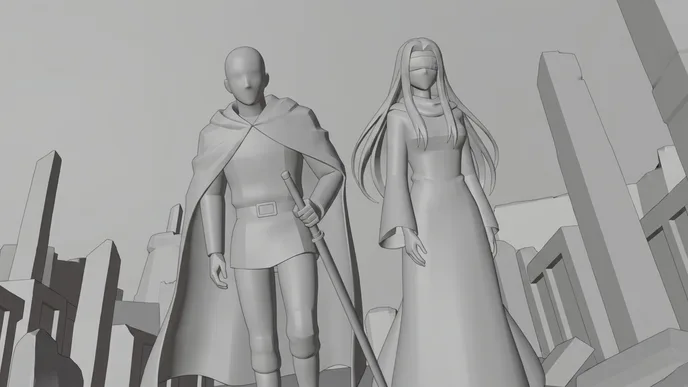
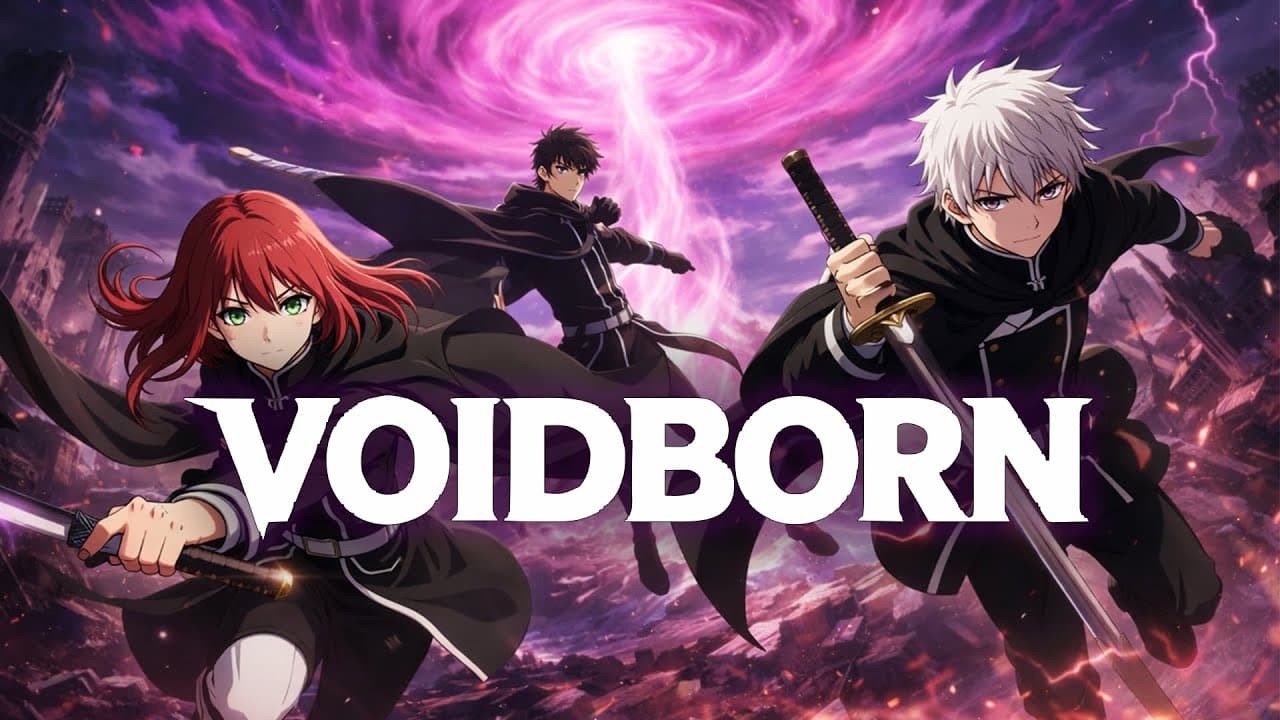
Voidborn, episode 0 is an anime by the ScreenWeaver team, made with Seedance, and an award winner at the Seoul International AI Film Festival. This is its night ruins scene: the screenplay page, the six storyboard frames and the six final images. It shows how a strong visual identity holds across wide shots, close-ups and an action beat.

Logline. Every seven years, the Rift opens and swallows the world’s dreams. A swordsman sworn to a blind seer escorts her through its levels, toward a promise they made to a girl left behind.

Screenplay · episode 0 · English subtitles

EXT. RUINS OF THE FIRST LEVEL - NIGHT

Broken towers under a violet sky. SIM, a swordsman in a black cloak, walks beside LADY MARIA, blindfolded, all in white.

SIM

Tell me, Maria... do you think Leia believes we are still alive?

MARIA

We made a promise... the two of us.

A line of white automatons rises from the ruins.

AUTOMATON

The Rift will wait for no one.

SIM

What are machines doing at this level?

One automaton steps forward. Its face is blank.

AUTOMATON

We must return to the surface.

Its eyes ignite red.

SIM

I am Sim, guardian of Lady Maria... and I will proceed with your execution.

Steel meets steel. Lightning runs down the blade.

CUT TO:

  1. A swordsman in a black cloak and a blindfolded woman in white walk through ruins at night
    Storyboard frame of the wide shot, in grey
    01

    Wide · the pair

    Wide shot, a bald swordsman in a black cloak and a blindfolded red-haired woman in white walk through night ruins

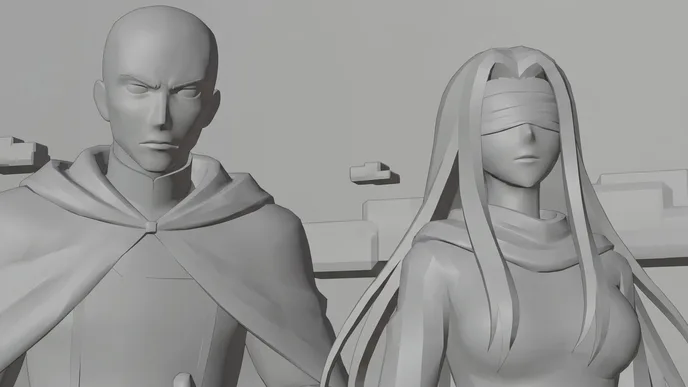
  2. Medium two-shot of a bald swordsman and a blindfolded red-haired woman
    Storyboard frame of the two-shot, in grey
    02

    Two-shot · the promise

    Medium two-shot, the swordsman and the blindfolded seer side by side, violet night sky, broken towers

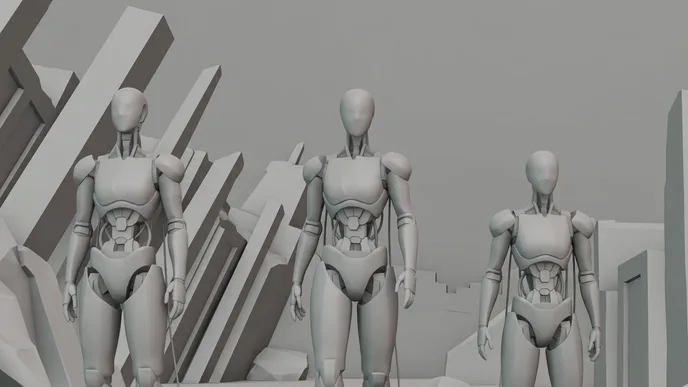
  3. Three white humanoid automatons stand in night ruins
    Storyboard frame of the automatons shot, in grey
    03

    Wide · the machines

    Wide low angle, three white humanoid automatons standing in the ruins, cold blue moonlight

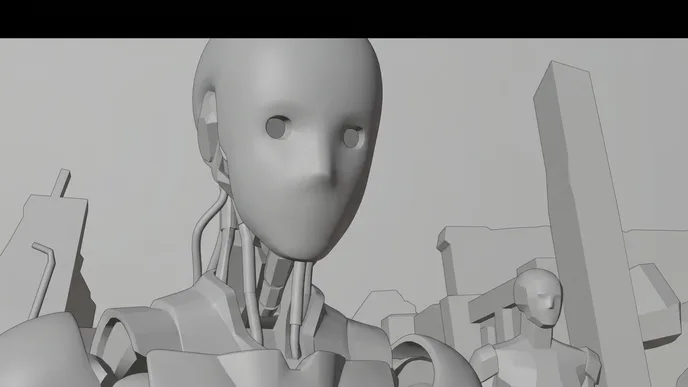
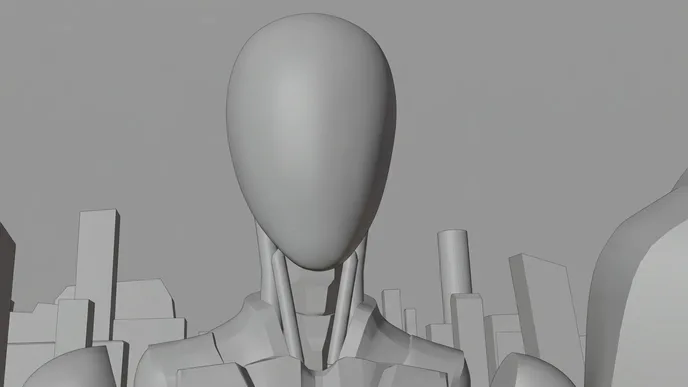
  4. Close-up of a white automaton with a smooth blank face
    Storyboard frame of the blank face close-up, in grey
    04

    Close-up · the blank face

    Close-up on an automaton's smooth faceless head, black eye slots, cables at the neck, ruins behind

  5. A white automaton's eyes glow red
    Storyboard frame of the red eyes close-up, in grey
    05

    Close-up · the red eyes

    Same framing, the automaton's eyes ignite red, the swordsman's shoulder out of focus in the foreground

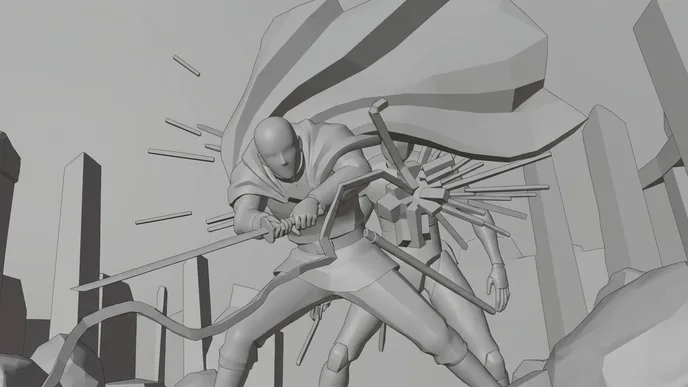
  6. A swordsman strikes with a katana wreathed in lightning and sparks
    Storyboard frame of the clash shot, in grey
    06

    Action · the clash

    Dynamic low angle, the swordsman strikes with his katana, lightning running along the blade, sparks, cape flying

At 13 minutes, Voidborn, episode 0 is a full episode. The anime took 1st Place Silver and 2nd Place Dreamina at the Mondial Chroma Awards, then an award at the Seoul International AI Film Festival, in the same city as KCAIF. For this festival, the scene would sit in AI Animation or AI Narrative Film. The player starts on the ruins, about 7 minutes into the episode.

The script

A 6 minute film in four parts, the Korean way.

East Asian storytelling often uses a four-part form: gi, seung, jeon, gyeol, roughly setup, development, turn and resolution. We found no maximum running time on the site, so we plan 6 minutes: about 6 pages and 70 to 100 shots.
  1. 0:00 to 1:00 · gi

    The opening

    Introduce the world and the person. A calm that the audience senses will not last.

  2. 1:00 to 2:50 · seung

    The development

    The story moves forward without a big shock. Deepen the relationship and the stakes.

  3. 2:50 to 4:50 · jeon

    The turn

    The unexpected change that recasts what came before. In this form it is a twist of meaning more than of action.

  4. 4:50 to 6:00 · gyeol

    The resolution

    The resolution is quiet and open. Let the last image echo the first and leave a feeling, not an explanation.

This is a storytelling tool, not a rule of the festival. Use it only if it fits your story, and if you draw on Korean culture, check names, places and customs with someone who knows them.

Month by month

Four months to the early bird.

The call opens today, and the first cut-off is 31 January 2027. Aim for the early bird: the later deadlines are your safety net, not your plan.
  1. 01

    October 2026

    Pick the category, read the listing

    Choose the category first, then read the FilmFreeway rules for it, including the fee, the running time and the subtitle requirements. The site does not state them.

  2. 02

    November

    Write the screenplay

    Six pages or so, in a free ScreenWeaver project. Read it aloud once, then cut the first page.

  3. 03

    December

    References and storyboard

    Approve one reference per character and place, then storyboard each shot from the screenplay. Fix the visual identity here, before you spend any generation time.

  4. 04

    January 2027

    Generate, cut and mix

    Take the storyboard one scene at a time. ScreenWeaver’s video generation is rolling out with the Filmmaker plan. Save each prompt and every version.

  5. 05

    By 31 January

    Submit at the early bird

    Enter on FilmFreeway, ideally at the early bird price. A film finished late can still enter on 28 February, 21 March or 10 April.

  6. 06

    March to April

    Use the spare cut-offs

    If you need another month, submit at the late deadline. Notification is on 15 April and the festival is on 1 May 2027.

What loses an entry

Six traps.

Most come from a site that is brief and a listing that is detailed. Read the second one.
  • Mixing the 2026 and 2027 dates

    The home page still shows the 2026 schedule, with an event on 6 September 2026, beside the 2027 one. Only the 2027 block is current.

  • Paying before reading the rules

    The site tells you the categories are visual guides and the official ones are on FilmFreeway. Read them there first, and pay only when you know your category and length.

  • Ignoring the price of each deadline

    An early bird deadline normally carries a lower fee. Check the price of each deadline on FilmFreeway before you choose your date.

  • K-Culture as costume

    Nothing makes Korean content mandatory, but a thin, stereotyped use of Korean imagery will be seen by a Korean jury. Use it with research, or leave it out.

  • An old film

    According to the listing, works must be completed on or after 1 January 2025. A film from before that date is out, even if it is excellent.

  • Untested rights

    Music, voices and any generated likeness must be yours to use. The listing does not say more, so keep proof of the licence of every audio file.

Why ScreenWeaver

A festival that frames AI as art needs a film with one voice.

KCAIF hopes to find AI as art. ScreenWeaver ties the screenplay, the storyboard and the footage into one connected project, so the look you choose in week one reaches the last shot.
  • A look you can lock

    Characters, places and references are fixed once, then reused shot after shot. That is how a held visual identity survives from the first frame to the last.

  • Anime, animation and live-feel films

    The pipeline handles films, series, short dramas, music videos, commercials, 3D animation and anime, which covers four of the six KCAIF categories in one tool.

  • Seedance behind the footage

    Behind the footage is Seedance 2.0 and 2.5, connected to your script and storyboard. It is rolling out with the Filmmaker plan, ahead of the January generation weeks.

  • Free while you plan

    Planning costs nothing: the Screenwriter plan is free and has no expiry. Storyboard Beta is $9.99 a month, and neither needs a commitment before you pick a category.

Real productions

International festival-recognized films have been written and produced with ScreenWeaver.

ScreenWeaver is already being used as a creative workspace for real AI film productions, from cinematic shorts to animated series pilots selected, nominated, and awarded by international festivals.

  • Video thumbnail for VOIDBORN

    VOIDBORN

    AI animated / cinematic short

    Festival recognition

    • 1st Place Silver

      Mondial Chroma Awards

    • 2nd Place Dreamina

      Mondial Chroma Awards

    • Award Winner

      Seoul International AI Film Festival

  • Video thumbnail for Les Fils du Vinnana

    Les Fils du Vinnana

    AI short film

    Festival recognition

    • Honorable Mention

      Top Quark Film Festival

    • People's Choice Nominee

      Illuminate Oneness of Humanity

    • Nominee

      ALTFF Supershort

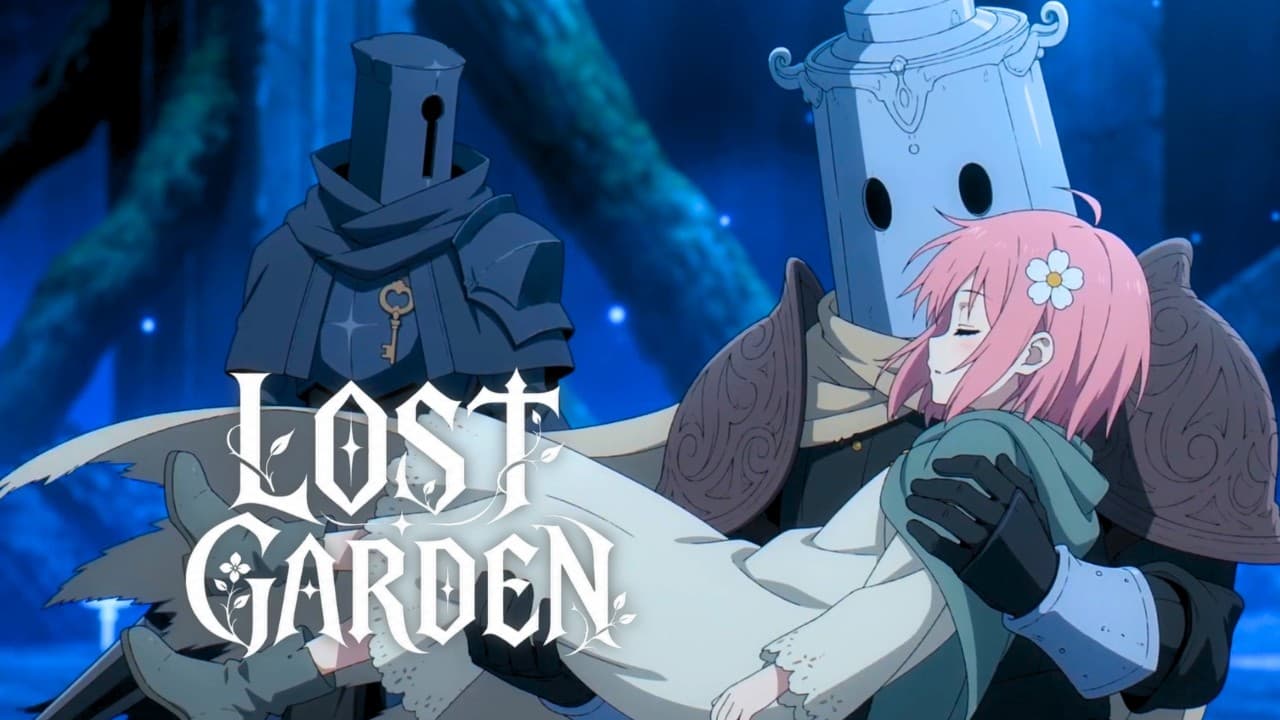
  • Video thumbnail for Lost Garden

    Lost Garden

    AI animated series pilot

    Festival recognition

    • Finalist

      AI London Festival

The pipeline

Write. Board. Produce.

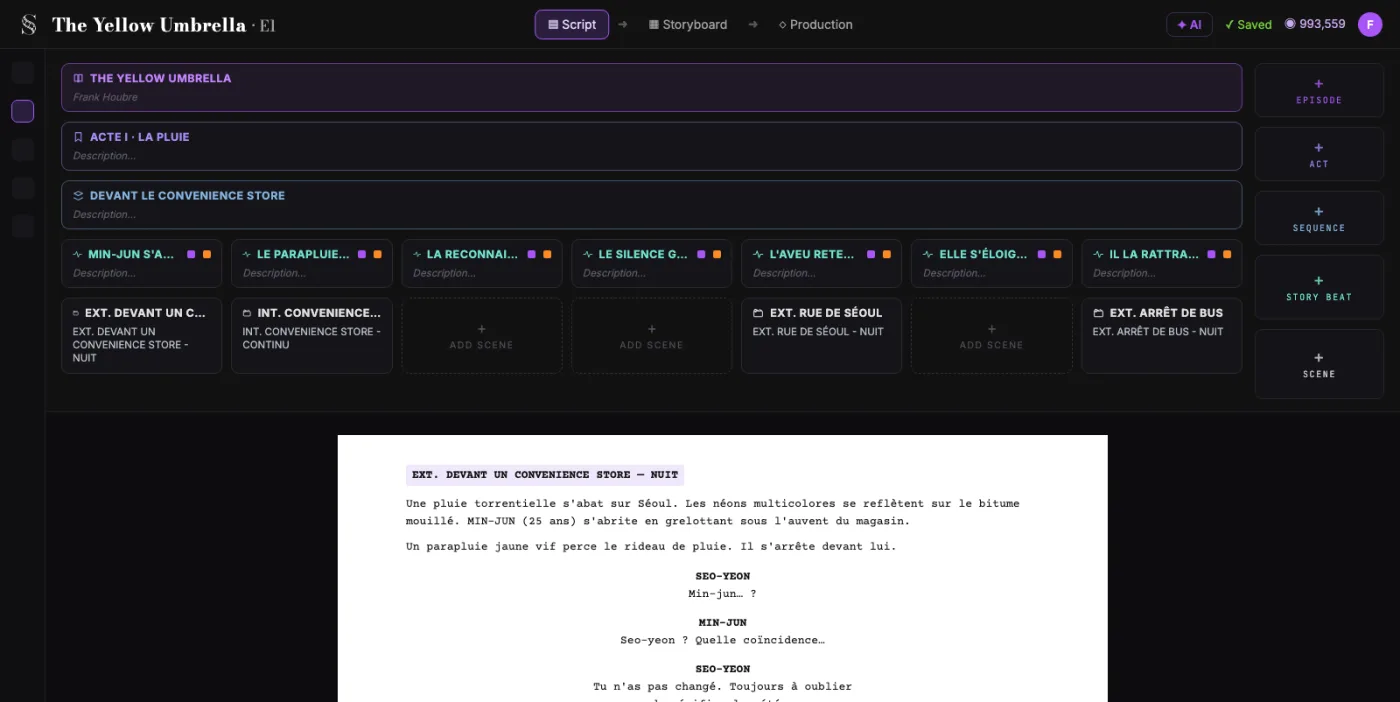
  1. ScreenWeaver screenplay editor: acts, sequences and beats above the formatted script of The Yellow Umbrella

    01The screenplay, enriched

    An industry-standard screenplay editor, and more: a visual outline and beat editor, your writing inspirations (notes, photos, audio) kept next to the page, and an AI researcher to support your writing, not replace it.

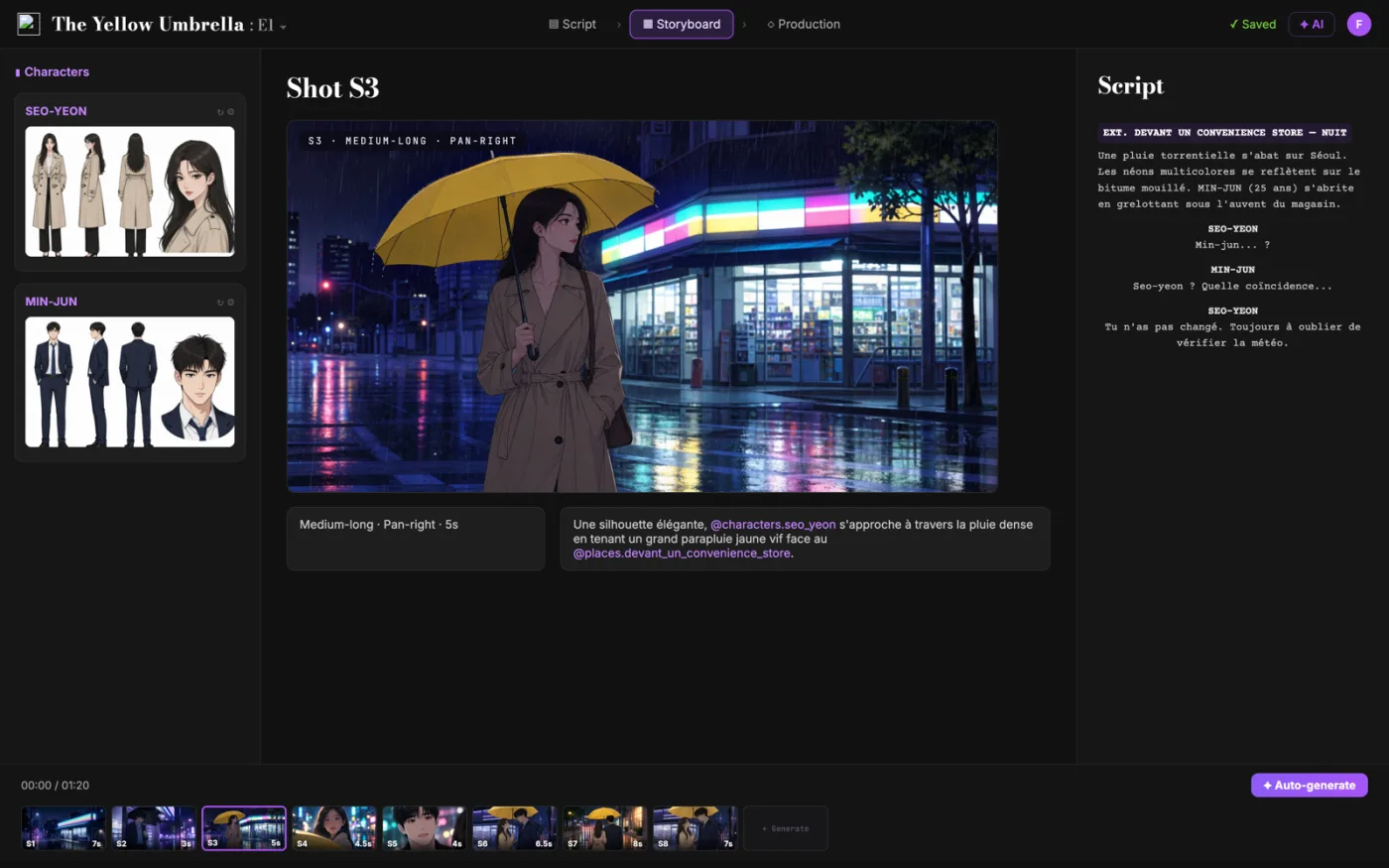
  2. ScreenWeaver storyboard: shot S3 of The Yellow Umbrella with characters, shot settings and the script beside it

    02The storyboard, made easy

    Shot breakdown generated from your screenplay, manual control over every shot (frame, angle, movement, duration), and generative AI previsualization in one click.

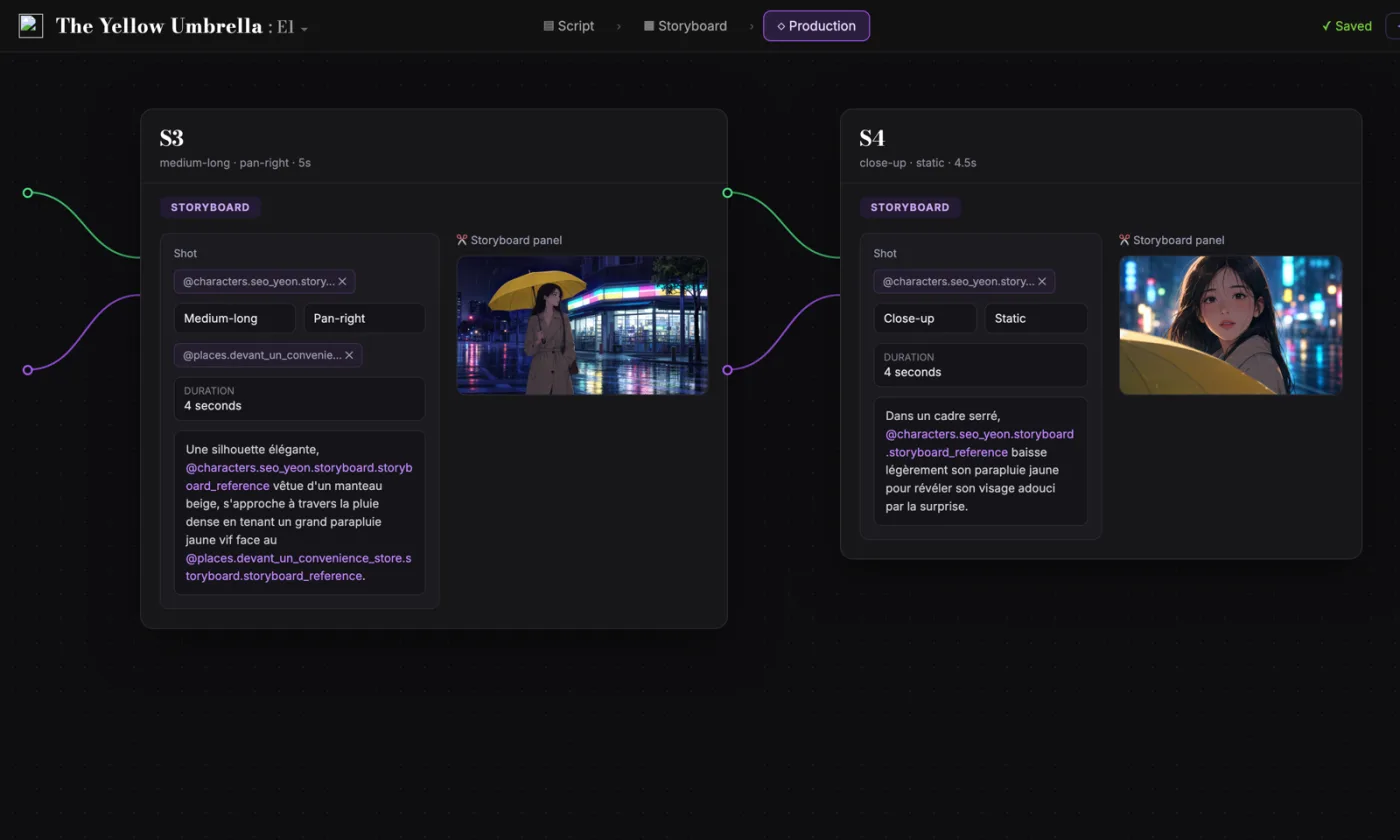
  3. ScreenWeaver production canvas: shots S3 and S4 as connected nodes carrying their storyboard panels and prompts

    03AI production, with finesse

    Footage generation pipelines connected to your screenplay and storyboard. Optimized out of the box, fully editable workflow.

FAQ

K-Culture AI Film Festival, your questions

How do you win the K-Culture AI International Film Festival?
According to aifilmcontests.com, films are judged on creativity, artistic excellence and technological innovation. The festival gives Official Selection, Semi-Finalist, Finalist, Award Winner and Grand Prize laurels. Choose a category, hold one look, and finish a film that feels like art.
What are the KCAIF 2027 deadlines?
Submissions open on 1 October 2026. Early bird closes on 31 January 2027, regular on 28 February, late on 21 March and the final deadline is 10 April 2027. Notification is on 15 April and the festival day is 1 May 2027 in Seoul.
Where is KCAIF held, and who runs it?
It is held in Seoul, at enTravel in Gangnam. The Korea AI Film Festival Association (KAIFA), a non-profit, organises it, and its founder and organizing committee chair is the AI film director Hyo Jeong Shin.
What are the categories?
AI Narrative Film, AI Documentary, AI Animation, AI Experimental Film, AI Music Video and AI Commercial Film. The site calls them visual guides, so confirm the official list on FilmFreeway.
How much does it cost, and how long can the film be?
The site does not state a running time or a fee. According to aifilmcontests.com, the 2026 AI film fee was $10 to $20, depending on tier. Confirm the current figures on the FilmFreeway listing.
Does my film have to be about Korea?
Nothing we could read says so. The festival is based in Korea and rooted in K-Culture, and it welcomes people from around the world. If your film does draw on Korean culture, research it with care.
Is ScreenWeaver usable for a KCAIF entry?
For the screenplay and storyboard today, and for footage on Seedance 2.0 and 2.5 as the Filmmaker plan rolls out. The pages we read impose no tool on entrants.
Who is on the KCAIF jury?
The 2027 jury has not been announced. The 2026 jury pages list AI researchers from KAIST, university researchers, film directors and a critic, plus a finance specialist.

Four months. Start with the page.

The early bird closes on 31 January. Begin the screenplay free today, and storyboard it next.