Higgsfield Global Film Festival 2026 · Guide

How to win the Higgsfield Global Film Festival.A $1,000,000 pool. The call closed on 15 September.

No new entries are possible and winners are due at the end of October 2026. This guide covers the rules as published, what the festival imposes, and how to prepare for the next call. Higgsfield requires every shot to be generated on its own platform, so ScreenWeaver footage does not qualify. ScreenWeaver covers the screenplay, the storyboard and the plan.
  • Call closed 15 September 2026
  • All generation inside Higgsfield
  • Winners due end of October
Voidborn · Episode 0

Independent guide. ScreenWeaver does not organise the Higgsfield Global Film Festival and is not affiliated with Higgsfield AI. Rules read on 1 October 2026. Official rules

Available today in ScreenWeaver: free screenwriting, and a storyboard generated from your screenplay with Storyboard Beta, $9.99 a month. Both prepare a film for this kind of contest.

Rolling out: video generation of each shot, powered by Seedance, with the Filmmaker plan. It would not qualify here, since this festival requires generation on Higgsfield.

The rules on one card

What the festival asked for.

Higgsfield's festival is open to anyone with an account, but the film must be built inside Higgsfield. That one rule shapes everything else, and it decides which tools you can use.
Prize pool
$1,000,000: $500,000, $200,000 and $100,000 for the top three
Other prizes
$100,000 Audience Choice and ten $10,000 mentions
Deadline
15 September 2026, 11:59 PM UTC, closed
Winners
End of October 2026, date to be confirmed
Length
3 minutes minimum, 5 minutes recommended maximum
Format
16:9 or 21:9, MP4 or MOV up to 4K
Tool
Every image and video generated on higgsfield.ai
Who could enter
18 and over, solo or teams of up to four, free

Source: the festival's official blog post, read on 1 October 2026. Other pages disagree: the contests page still shows July dates, a separate microsite shows 31 August, and some third-party pages say 14 September. I follow the official blog, which calls 15 September a Thursday although it was a Tuesday: check the site.

Key dates

The call is over. The review is on.

The festival ran for five weeks and the next steps are the organiser's, not yours. <b>No 2027 edition has been announced.</b>
  1. 10 Aug 2026

    Competition opened

    At 02:00 PM PT. A registered Higgsfield account was enough to enter, with no paid plan required.

  2. 15 Sep 2026

    Submission deadline

    11:59 PM UTC. Entries needed the watermarked video and a public post of the same film.

  3. 16 Sep to 5 Oct

    Screening and shortlist

    Each entry is checked against the basics: runtime, format, generation history and completeness.

  4. 6 to 11 Oct

    Jury review

    A creative team and an independent jury review the same shortlist on two parallel tracks, without seeing vote counts.

  5. End of Oct 2026

    Winners announced

    The exact date is to be confirmed. Fourteen filmmakers share the pool.

How films are judged

Four criteria, no weights.

The festival lists four criteria and publishes no weights. The creative team applies them to the shortlist, and the independent jury reviews the same films alongside.
  • Directing and storytelling

    A clear point of view across three to five minutes. One character, one want, one change. The festival's own example projects show a finished short, not a reel of effects.

  • Visual craft

    A held look from the first shot to the last: framing, light, motion, finish. In a contest where everyone uses the same platform, consistency separates directors from prompters.

  • Sound and editing

    Music, voice and sound design must be AI-generated and uploaded with the project. Cut to the music, mix the dialogue, and leave breath between scenes.

  • Originality and concept

    An idea only this film could carry. The brief is open, with any genre, style or theme, so the concept is the only constraint you set yourself.

Screening comes first and is technical. A film that fails runtime, format, generation history or completeness never reaches the criteria. The audience award has its own vote, which the blog does not explain.

Who decides

Three named judges and two parallel tracks.

The blog names three judges. The review has two tracks, a creative team and an independent jury, both on the same shortlist and both blind to vote counts.
  • Edwin Catmull

    A five-time Oscar winner and former President of Walt Disney Animation Studios. A judge of animation craft and of storytelling economy. Expect close attention to character and to how a story is built.

  • Phedon Papamichael

    An Oscar and BAFTA nominee and ASC member who shot Ford v Ferrari, The Pursuit of Happyness and The Trial of the Chicago 7. A cinematographer's eye for light, lens and composition.

  • Paul W.S. Anderson

    A director whose work, per the blog, has grossed over a billion dollars. The separate festival microsite lists only Catmull and Papamichael, so treat this third seat as unconfirmed.

  • A creative team, and the public

    The shortlist is built by Higgsfield's creative team on the four criteria. Audience Choice carries $100,000 of its own. Neither track sees vote counts while it judges.

What Higgsfield has published

What the open projects teach.

No winner is public yet. What the festival has published is a set of open example projects and a record of earlier Higgsfield contests.

  1. 01

    Study the open projects first. The blog names Hell Grind, Zephyr and Cully Hill Boys as worth opening before writing a single prompt. They show what a finished, competition-quality project looks like inside the platform.

  2. 02

    Your project will not stay private. The blog says every eligible project, win or not, becomes something the next person entering can open up and learn from. Do not enter a method you want to keep secret.

  3. 03

    Higgsfield runs contests often. Make Your Action Scene ($500,000, 9 February to 1 March 2026) and The Adathon ($85,000 in credits, 27 July to 24 August) have ended. Another call is likely, but none is announced.

From page to screen

Voidborn: how to prepare before you generate.

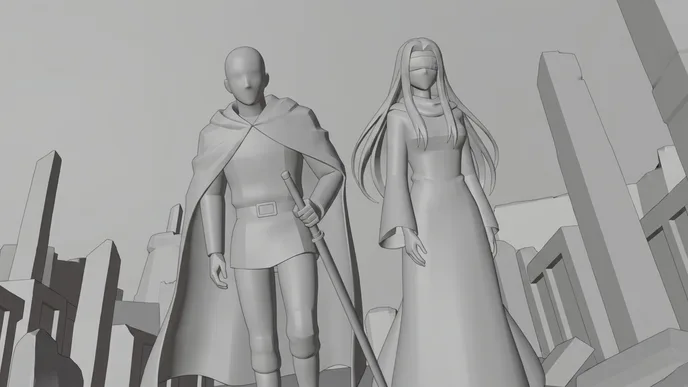
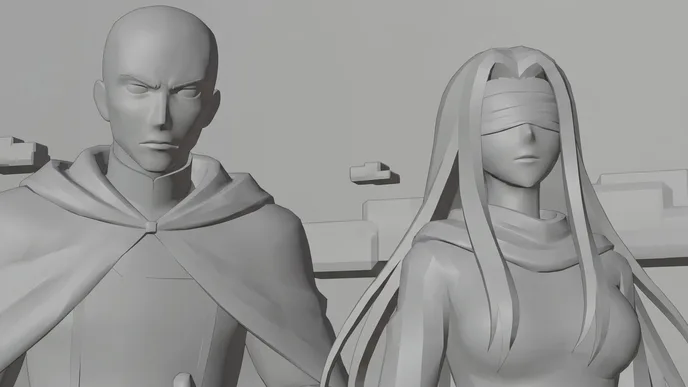
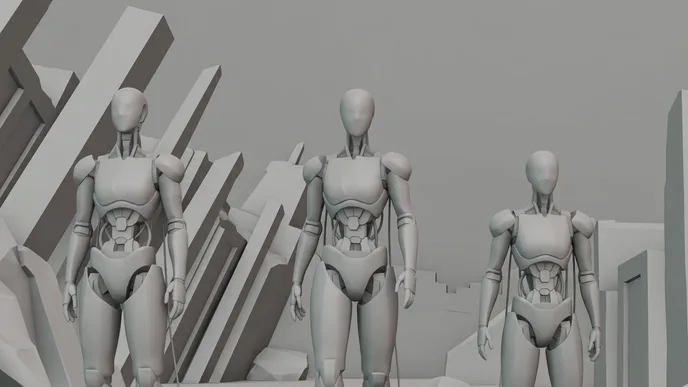
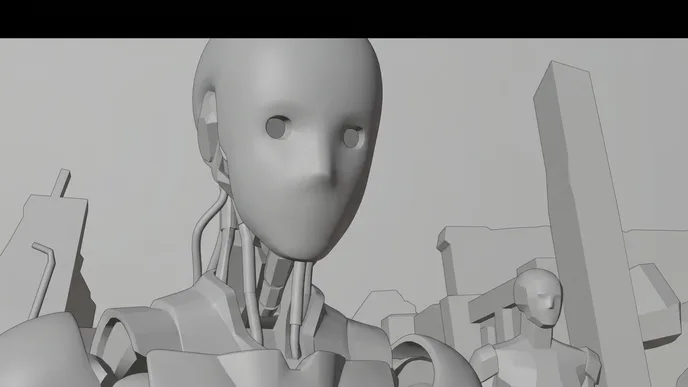
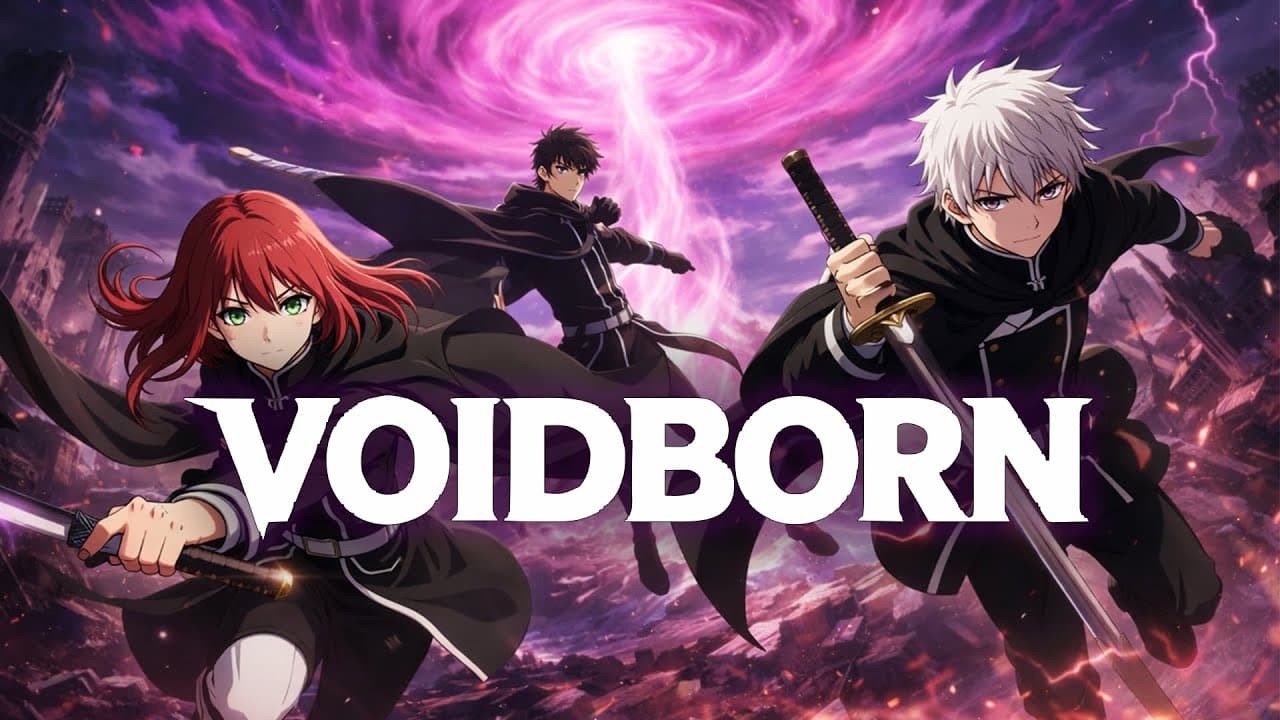
This is the opening of Voidborn, episode 0, an anime short made by the ScreenWeaver team. It was not made inside Higgsfield, so it would not qualify here. It shows the preparation that does carry over: the screenplay page, a storyboard frame per shot, then the final image.

Logline. Every seven years, the Rift opens and swallows the world’s dreams. A swordsman sworn to a blind seer escorts her through its levels, toward a promise they made to a girl left behind.

Screenplay · episode 0 · English subtitles

EXT. RUINS OF THE FIRST LEVEL - NIGHT

Broken towers under a violet sky. SIM, a swordsman in a black cloak, walks beside LADY MARIA, blindfolded, all in white.

SIM

Tell me, Maria... do you think Leia believes we are still alive?

MARIA

We made a promise... the two of us.

A line of white automatons rises from the ruins.

AUTOMATON

The Rift will wait for no one.

SIM

What are machines doing at this level?

One automaton steps forward. Its face is blank.

AUTOMATON

We must return to the surface.

Its eyes ignite red.

SIM

I am Sim, guardian of Lady Maria... and I will proceed with your execution.

Steel meets steel. Lightning runs down the blade.

CUT TO:

  1. A swordsman in a black cloak and a blindfolded woman in white walk through ruins at night
    Storyboard frame of the wide shot, in grey
    01

    Wide · the pair

    Wide shot, a bald swordsman in a black cloak and a blindfolded red-haired woman in white walk through night ruins

  2. Medium two-shot of a bald swordsman and a blindfolded red-haired woman
    Storyboard frame of the two-shot, in grey
    02

    Two-shot · the promise

    Medium two-shot, the swordsman and the blindfolded seer side by side, violet night sky, broken towers

  3. Three white humanoid automatons stand in night ruins
    Storyboard frame of the automatons shot, in grey
    03

    Wide · the machines

    Wide low angle, three white humanoid automatons standing in the ruins, cold blue moonlight

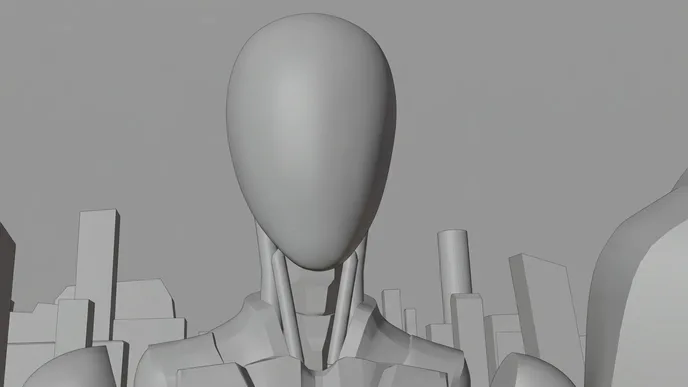
  4. Close-up of a white automaton with a smooth blank face
    Storyboard frame of the blank face close-up, in grey
    04

    Close-up · the blank face

    Close-up on an automaton's smooth faceless head, black eye slots, cables at the neck, ruins behind

  5. A white automaton's eyes glow red
    Storyboard frame of the red eyes close-up, in grey
    05

    Close-up · the red eyes

    Same framing, the automaton's eyes ignite red, the swordsman's shoulder out of focus in the foreground

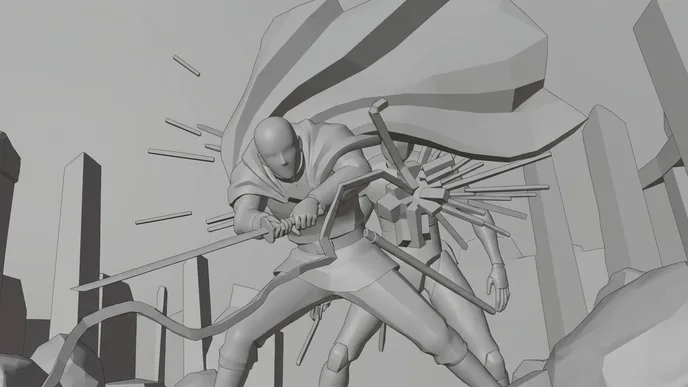
  6. A swordsman strikes with a katana wreathed in lightning and sparks
    Storyboard frame of the clash shot, in grey
    06

    Action · the clash

    Dynamic low angle, the swordsman strikes with his katana, lightning running along the blade, sparks, cape flying

Voidborn, episode 0, 13 minutes, well beyond the five minutes the festival recommends. It has won at the Mondial Chroma Awards and at the Seoul International AI Film Festival. It was not submitted to the Higgsfield festival. The player opens on this scene.

The script

A 4 minute 30 film in five movements.

The festival asks for at least 3 minutes and recommends no more than 5. Aim for 4 minutes 30: about 4 screenplay pages and 55 to 70 shots of 4 to 5 seconds.
  1. 0:00 to 0:30

    The image

    One shot that tells the screeners what they are about to see.

  2. 0:30 to 1:30

    The want

    Who we follow and what they cannot have yet. Few locations, few characters.

  3. 1:30 to 3:00

    The pursuit

    Pressure rises shot by shot. This is where the visual style must hold.

  4. 3:00 to 4:00

    The decision

    One choice, one close face, one clean sound. This is what the jury remembers.

  5. 4:00 to 4:30

    The echo

    A last frame that answers the first. Then stop.

A film in another language needs English subtitles or a voice-over. Plan the packshot and the watermark into the end of your cut, since the submission carries both.

Be ready for the next call

From now to the next Higgsfield contest.

No call is open, so this is preparation, not a countdown. If Higgsfield opens another contest, you want the screenplay, the storyboard and the account practice finished before the clock starts.
  1. 01

    This week

    Watch the results

    Winners are due at the end of October. When they land, study the top three films and the open projects named on the blog.

  2. 02

    October 2026

    Write the screenplay

    Four pages for a 4 minute 30 film. Write it free in ScreenWeaver, in industry format, with few characters and few sets.

  3. 03

    November 2026

    Storyboard every shot

    Generate the shot breakdown, then set framing, angle and duration for each shot. A film of 55 to 70 shots needs this plan before the first generation.

  4. 04

    Before the next call

    Learn the platform

    Create a free Higgsfield account and run cheap tests. All video and image generation must happen on higgsfield.ai, so know its workspace before the deadline.

  5. 05

    When a call opens

    Read the generation rules twice

    In this edition everything was built from scratch inside the generation window, with previously generated inputs reusable as references. Ask the organiser whether outside storyboard frames count.

  6. 06

    At submission

    Package the entry

    The final video with Higgsfield's watermark and packshot, and a public post of the same video on Instagram, YouTube, X or Reddit. A private account disqualifies an otherwise strong entry.

Disqualification traps

Eight ways to lose the entry.

Most are stated on the blog. They are written for this edition, and a next call may differ.
  • Generating outside Higgsfield

    All video and image generation happens on higgsfield.ai, and any model on the platform counts. Footage from another tool, including ScreenWeaver, does not qualify.

  • A real face or voice as input

    Inputs cannot include a real person's face or voice, not even the participant's own.

  • Human music or voice

    Music, voice and sound design must be generated with AI tools, uploaded into the project, with the rights held by the creator.

  • A private social account

    The submission needs a public post of the same video on Instagram, YouTube, X or Reddit, viewable without logging in. A private or locked account disqualifies the entry.

  • No watermark, no packshot

    The final video must carry Higgsfield's watermark and packshot. A clean export without them is incomplete.

  • A gap in the generation history

    Screening checks generation history and completeness. Since all generation must happen inside the platform, the history is the proof that it did.

  • The wrong length or format

    Under 3 minutes is below the minimum. Use 16:9 or 21:9, MP4 or MOV up to 4K, and add English subtitles or a voice-over if the film is in another language.

  • Expecting privacy

    Eligible projects, winners or not, become material the next entrant can open. Your prompts and choices may be learned from, so do not enter a method you cannot share.

Why ScreenWeaver

What ScreenWeaver can and cannot do for this festival.

ScreenWeaver is the AI production pipeline for films and series: screenplay, storyboard and footage in one connected project. This festival imposes its own generation platform, so ScreenWeaver covers the preparation, not the footage.
  • The screenplay, free

    Directing and storytelling is the first criterion. Screenwriting is free with no expiry on the Screenwriter plan, with industry formatting and PDF export. A written film is a faster film.

  • A storyboard before you spend

    Generation costs credits and tries. A storyboard of 55 to 70 shots tells you what to generate. Whether imported frames count as references is a question for the organiser, so ask before you rely on them.

  • A plan sized to three to five minutes

    The structure on this page fits the festival's length. It works on any platform, including Higgsfield, because it is about the film and not the tool.

  • Footage somewhere else

    Contests that do not lock the tool, or that are built on Seedance, accept ScreenWeaver footage once the Filmmaker plan rolls out. See the related guides below.

Real productions

International festival-recognized films have been written and produced with ScreenWeaver.

ScreenWeaver is already being used as a creative workspace for real AI film productions, from cinematic shorts to animated series pilots selected, nominated, and awarded by international festivals.

  • Video thumbnail for VOIDBORN

    VOIDBORN

    AI animated / cinematic short

    Festival recognition

    • 1st Place Silver

      Mondial Chroma Awards

    • 2nd Place Dreamina

      Mondial Chroma Awards

    • Award Winner

      Seoul International AI Film Festival

  • Video thumbnail for Les Fils du Vinnana

    Les Fils du Vinnana

    AI short film

    Festival recognition

    • Honorable Mention

      Top Quark Film Festival

    • People's Choice Nominee

      Illuminate Oneness of Humanity

    • Nominee

      ALTFF Supershort

  • Video thumbnail for Lost Garden

    Lost Garden

    AI animated series pilot

    Festival recognition

    • Finalist

      AI London Festival

The pipeline

Write. Board. Produce.

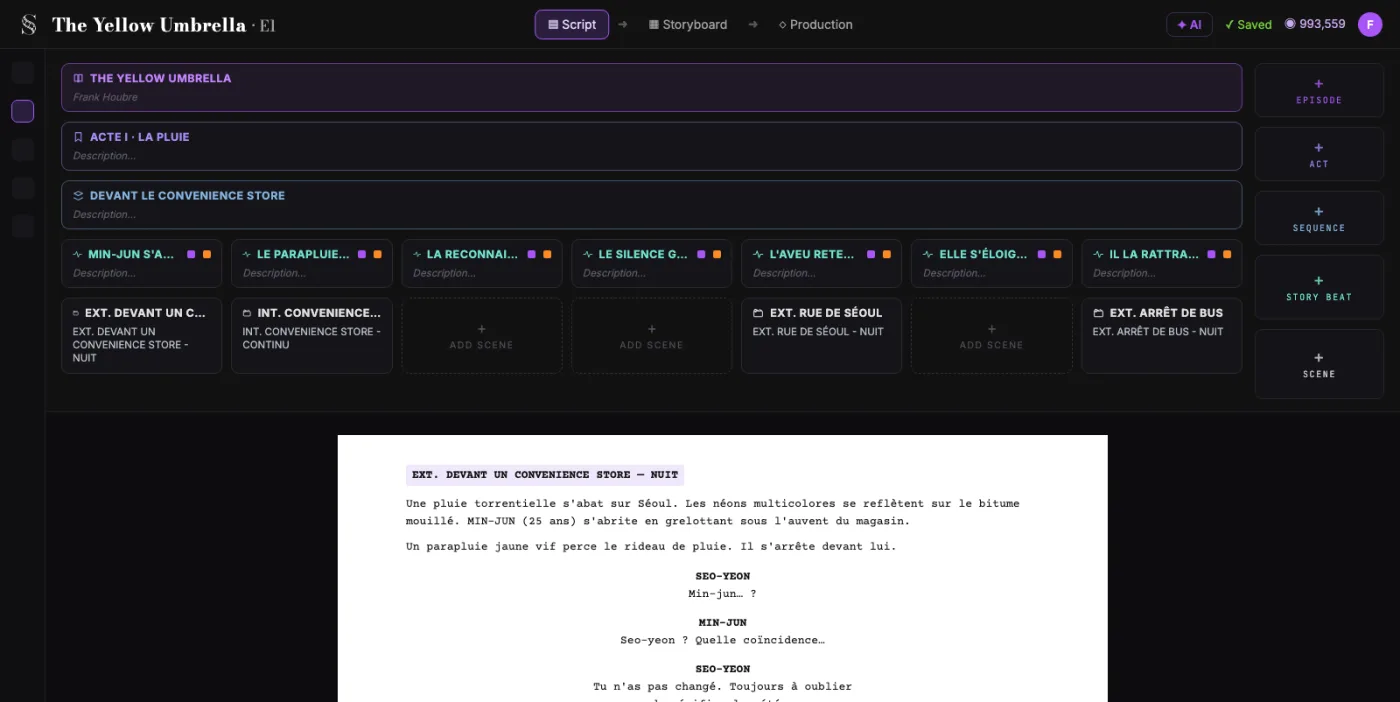
  1. ScreenWeaver screenplay editor: acts, sequences and beats above the formatted script of The Yellow Umbrella

    01The screenplay, enriched

    An industry-standard screenplay editor, and more: a visual outline and beat editor, your writing inspirations (notes, photos, audio) kept next to the page, and an AI researcher to support your writing, not replace it.

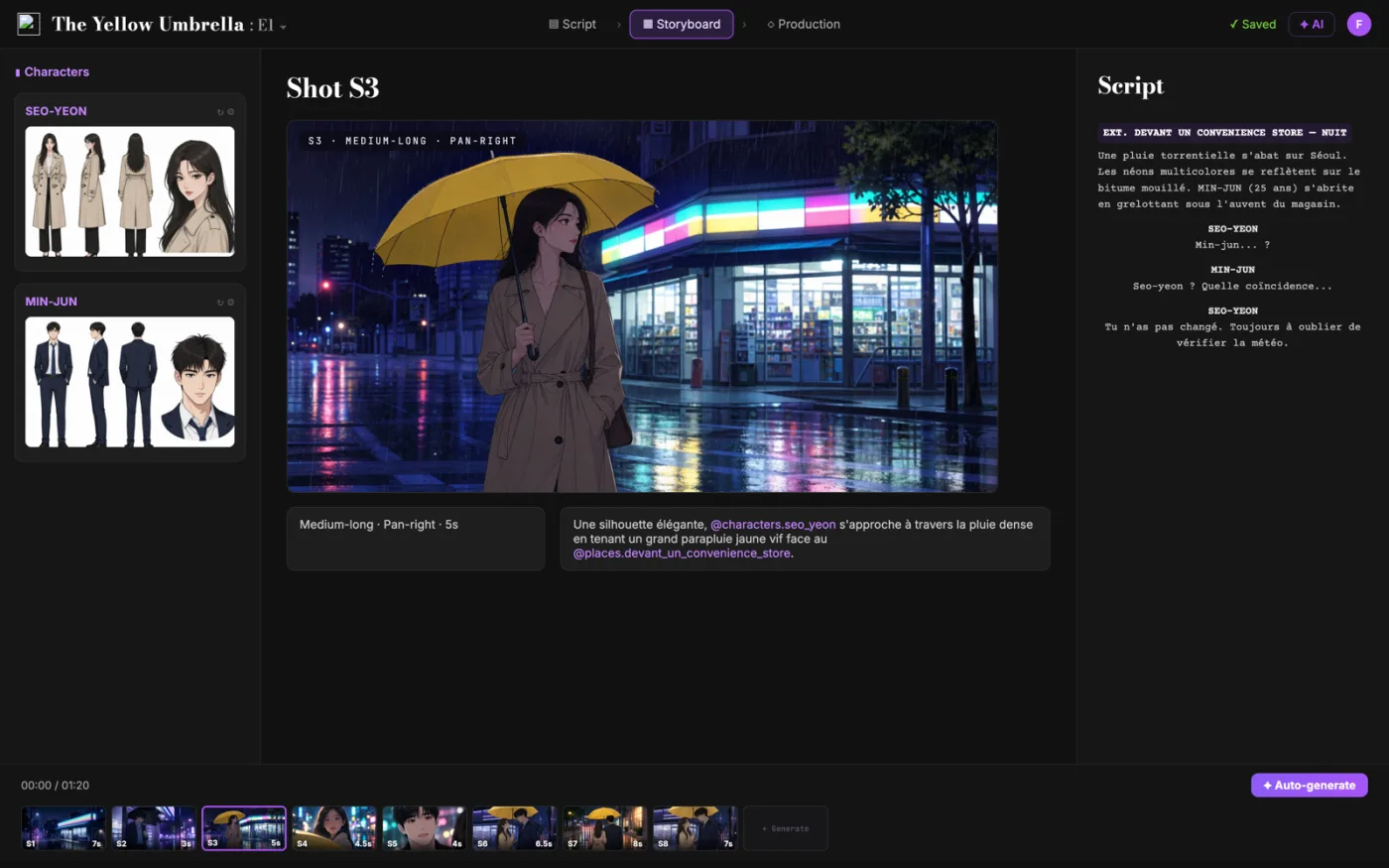
  2. ScreenWeaver storyboard: shot S3 of The Yellow Umbrella with characters, shot settings and the script beside it

    02The storyboard, made easy

    Shot breakdown generated from your screenplay, manual control over every shot (frame, angle, movement, duration), and generative AI previsualization in one click.

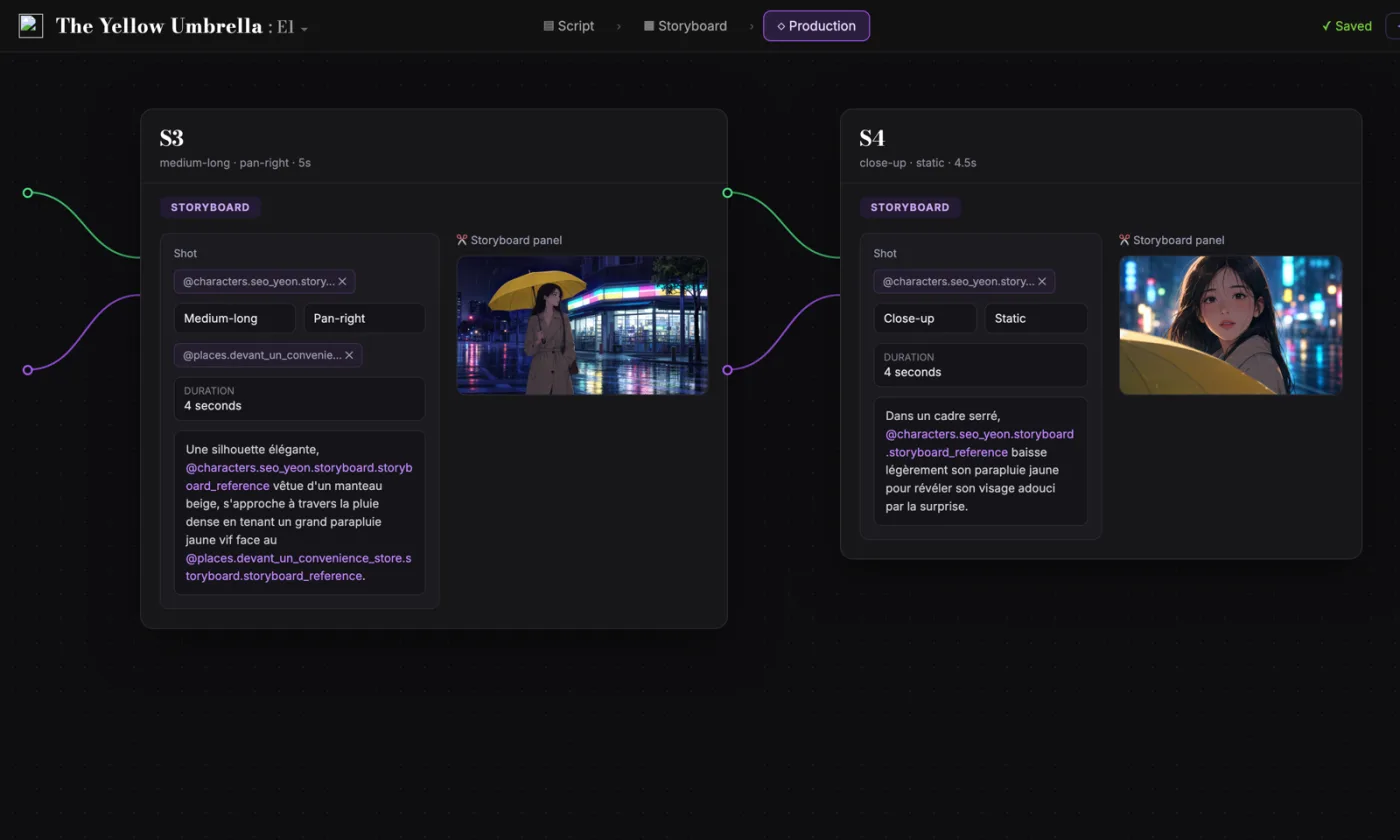
  3. ScreenWeaver production canvas: shots S3 and S4 as connected nodes carrying their storyboard panels and prompts

    03AI production, with finesse

    Footage generation pipelines connected to your screenplay and storyboard. Optimized out of the box, fully editable workflow.

FAQ

The Higgsfield Global Film Festival, your questions

How do you win the Higgsfield Global Film Festival?
Films were judged on directing and storytelling, visual craft, sound and editing, and originality and concept, with no weights published. A creative team and an independent jury reviewed the same shortlist. The call closed on 15 September 2026, so this is now a guide for the next one.
Can I use ScreenWeaver footage in the festival?
No. The festival requires all video and image generation to happen on higgsfield.ai. ScreenWeaver footage does not qualify. ScreenWeaver can still cover the screenplay, the storyboard and the plan, which you then carry into the festival's tool.
Is the call still open?
No. The official blog gives a deadline of 15 September 2026 at 11:59 PM UTC. Screening and shortlist run to 5 October, jury review to 11 October, and winners are due at the end of October.
How much is the prize?
The pool is $1,000,000 for 14 winners: $500,000, $200,000 and $100,000 for the top three, $100,000 for Audience Choice and ten Honorable Mentions at $10,000 each. One prize per participant or team.
Who is on the jury?
The blog names Edwin Catmull, Phedon Papamichael and Paul W.S. Anderson. A separate festival microsite lists only the first two. A creative team also reviews the shortlist on a parallel track.
Did I need a paid plan to enter?
No. A registered Higgsfield account was enough, the entry was free, and the festival allowed unlimited entries per participant or team, with one prize each. Teams could have up to four members and had to be 18 or over.
Why do sources give different deadlines?
The contests page still shows July dates, a microsite says 31 August, and some third-party pages say 14 September. The official blog says 15 September 2026, 11:59 PM UTC, and I follow it. The call is closed either way.
Will there be a 2027 edition?
None is announced, and I found no information on one. Higgsfield has run several contests in 2026, so another is plausible. Prepare the screenplay and storyboard now and read the next rules in full.

Be ready before the next call.

Write the screenplay for free today. Storyboard it, so the footage costs less.