Morgan Freeman has one of the most imitated voices in Hollywood, and AI copies of it turn up online every day. Yet he isn't against the technology. In an interview with Fortune published on 23 November 2026, he and his producing partner Lori McCreary explained how their company, Revelations Entertainment, is using generative AI on a current film, and where they stop.
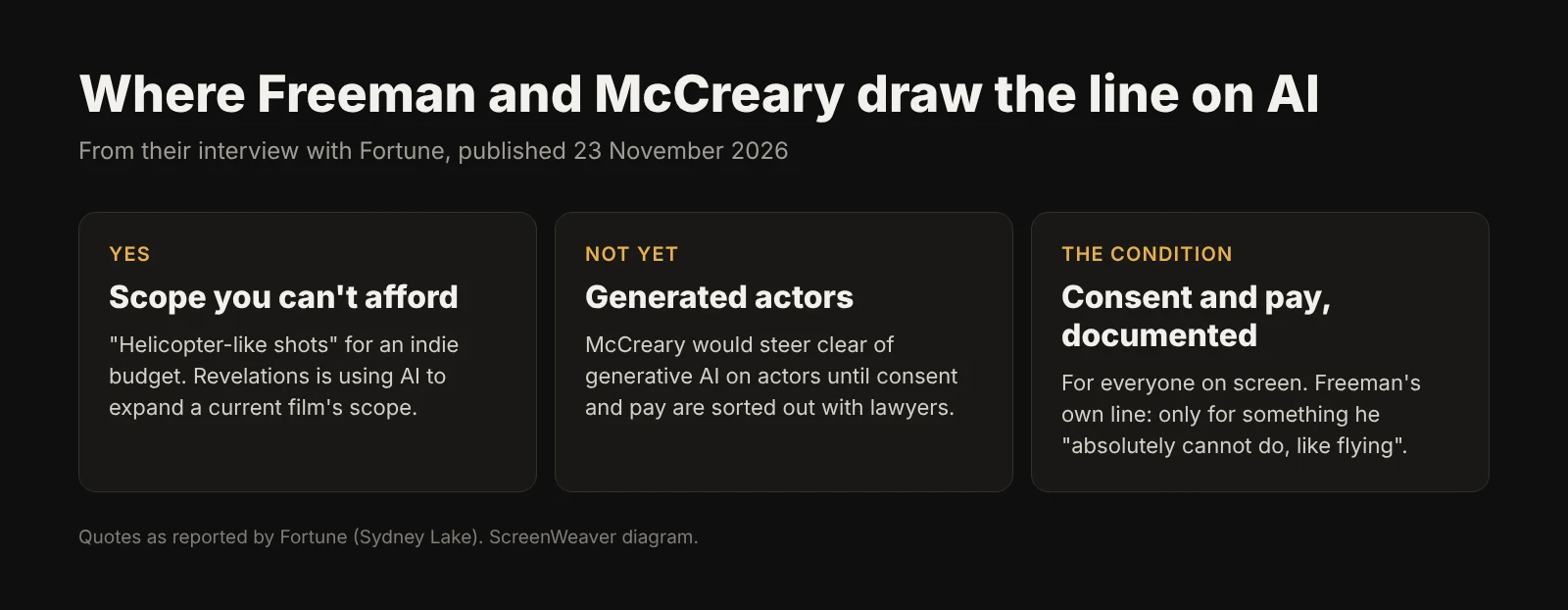
Their line is useful for anyone writing or producing on a small budget: use AI to get shots you can't afford, but don't generate a performer until consent and pay are written down.
This is based on Sydney Lake's interview for Fortune, published on 23 November and read on 24 November 2026. All quotes are as Fortune reported them.
Disclosure: ScreenWeaver sells AI tools for screenwriting, storyboards and production, so we have a stake in how filmmakers use AI. Read our take with that in mind.
What they told Fortune
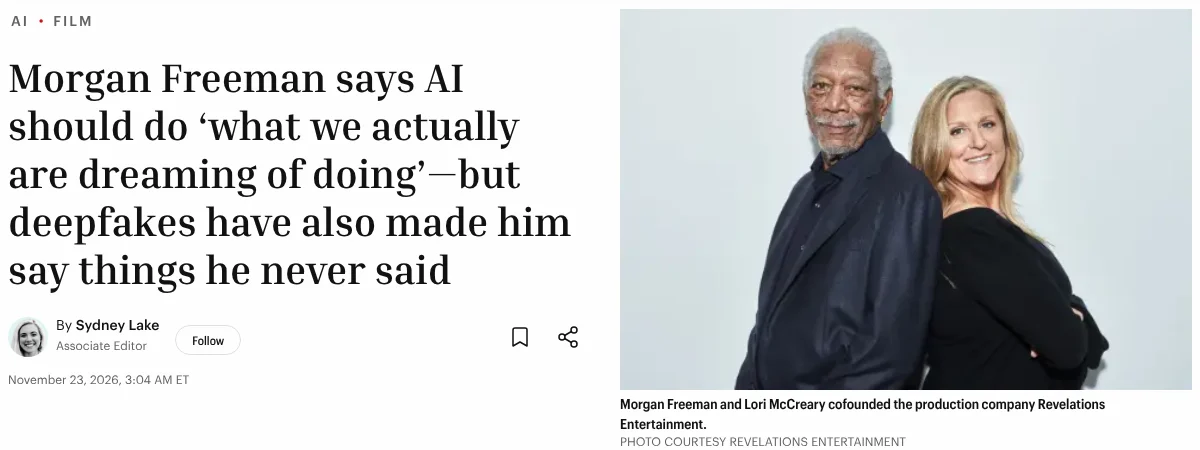
Freeman's problem with AI is personal. "You can create artists and make them say things they never said, which has happened to me," he told Fortune. McCreary says they get calls every day about his voice being used to sell products he has nothing to do with. AI can reproduce his voice and his performance, she says, but "it's not the same as having the right to do it."
That hasn't made them refuse the tools. "What we should be doing with technology is what we actually are dreaming of doing," Freeman said. "But we have to somehow protect privacy, and that's the first thing that loses its grip."
McCreary, who studied computer science at UCLA, makes a distinction most of the debate misses. Hollywood has used AI in post-production for years, she says, for things like wire removal. What people fear is generative AI that "can create someone who looks or sounds like Freeman from just a text prompt, without any input from him."
How they use it on a real film
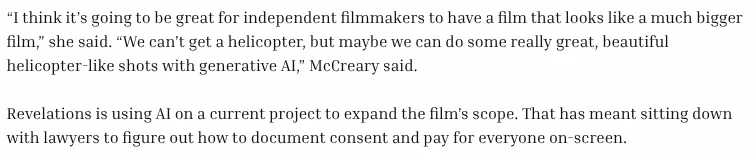
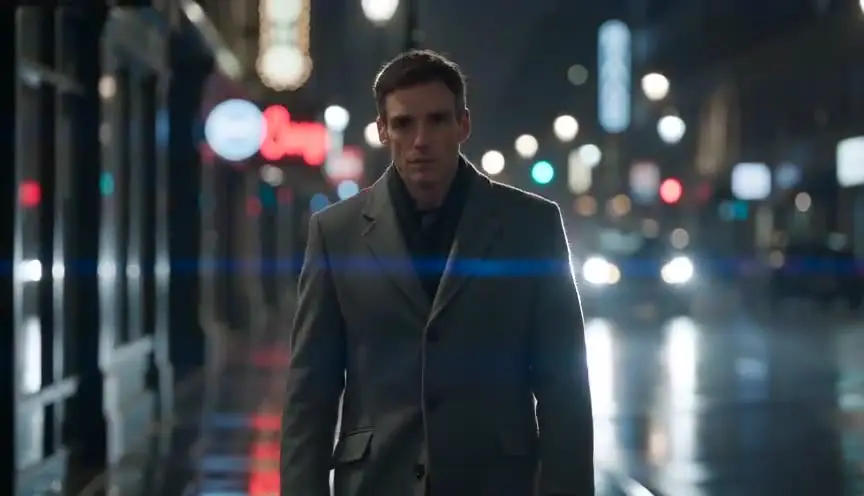
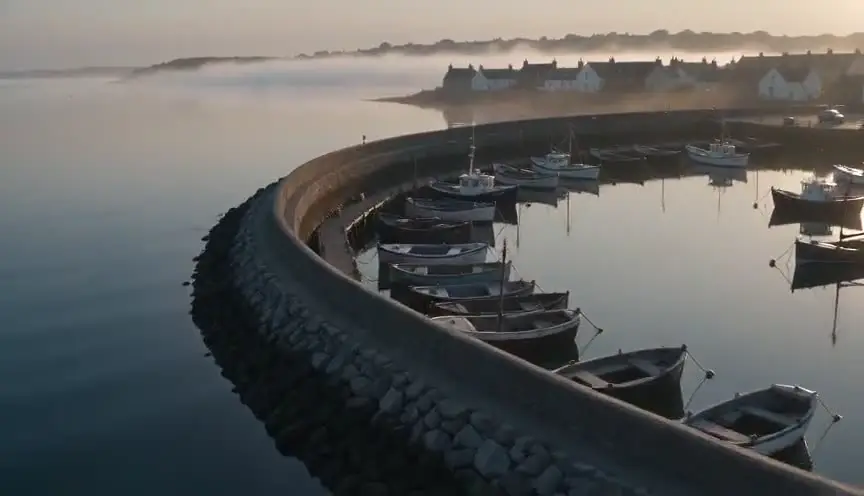
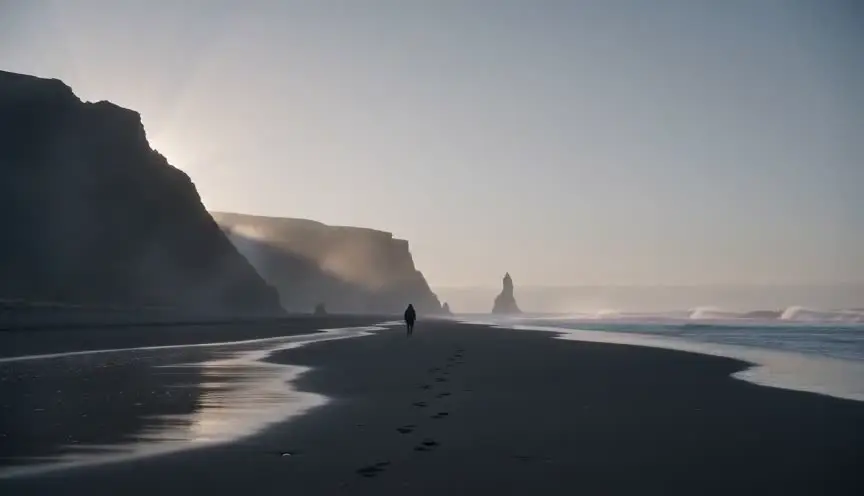
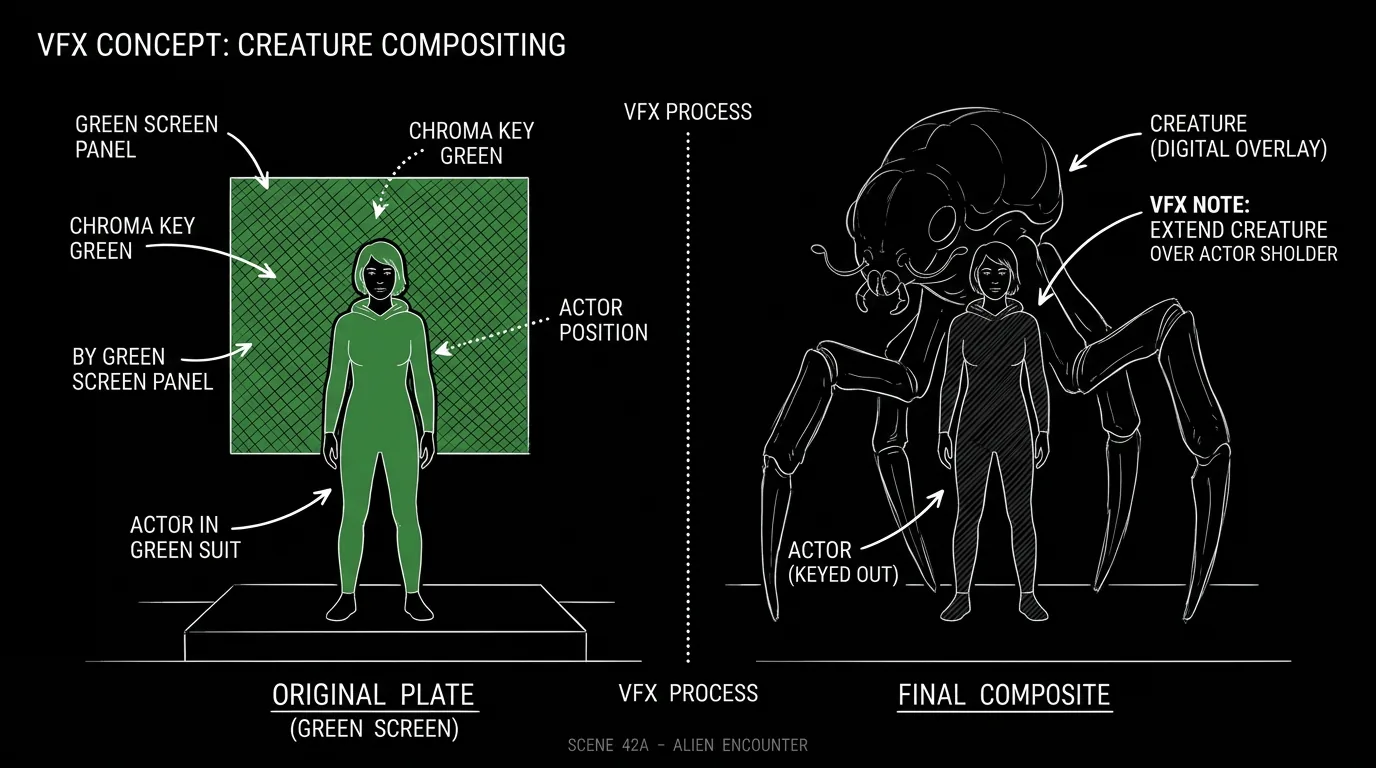
This is the part worth reading twice. McCreary sees a real upside for small productions: "I think it's going to be great for independent filmmakers to have a film that looks like a much bigger film. We can't get a helicopter, but maybe we can do some really great, beautiful helicopter-like shots with generative AI."
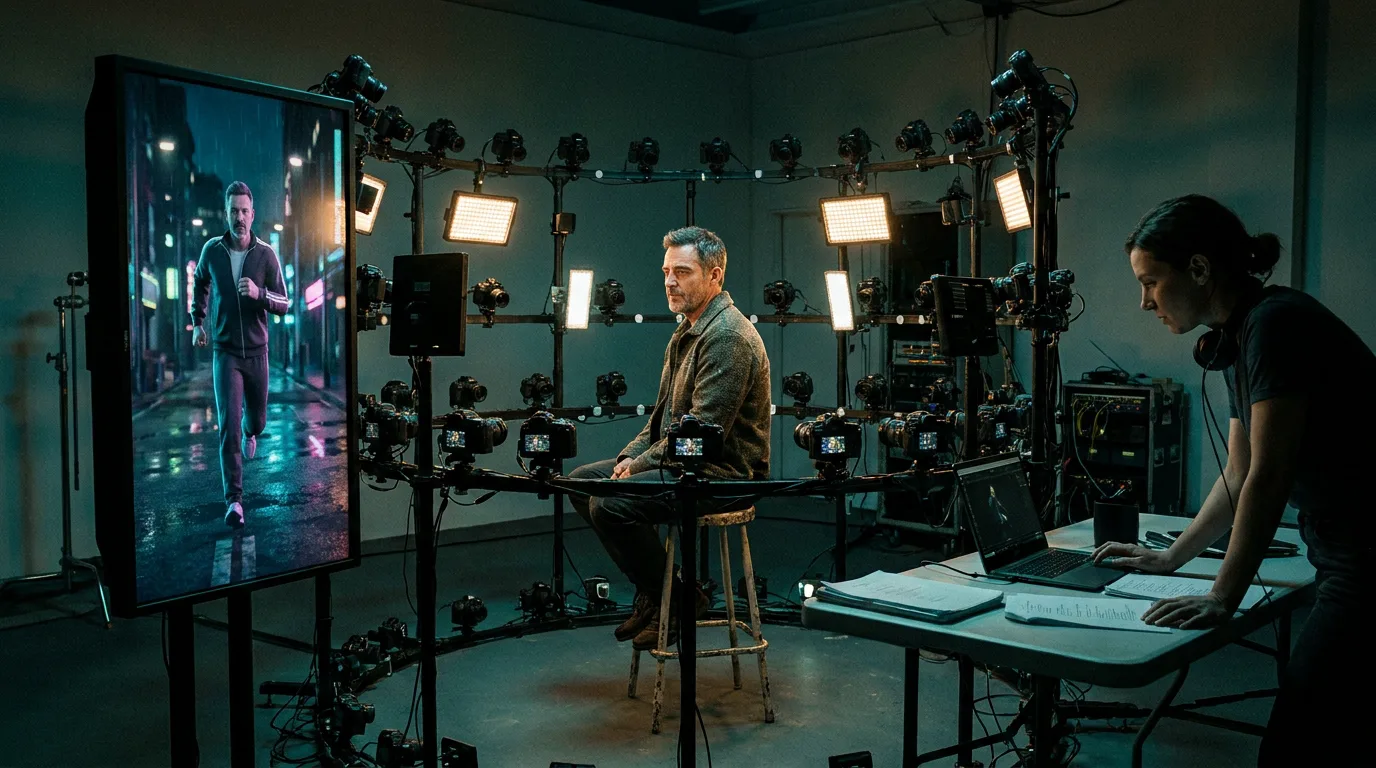
Revelations is doing exactly that on a current project, using AI to expand the film's scope. Fortune says that meant sitting down with lawyers to work out how to document consent and pay for everyone on screen. "All of that is just being invented right now," McCreary said. Until the business side catches up, she would steer clear of using generative AI on actors.
Freeman drew his own line: "I don't really want to be created by artificial intelligence, unless I'm doing something I absolutely, absolutely cannot do, like flying."
Why it matters for writers and producers
Most public statements on AI in film are either for or against. This one is a working method, from people who have been early to new tools before: McCreary wrote her own program to fix the cutting lists of one of the first digital editing systems, back on Freeman's 1993 directing debut Bopha!.
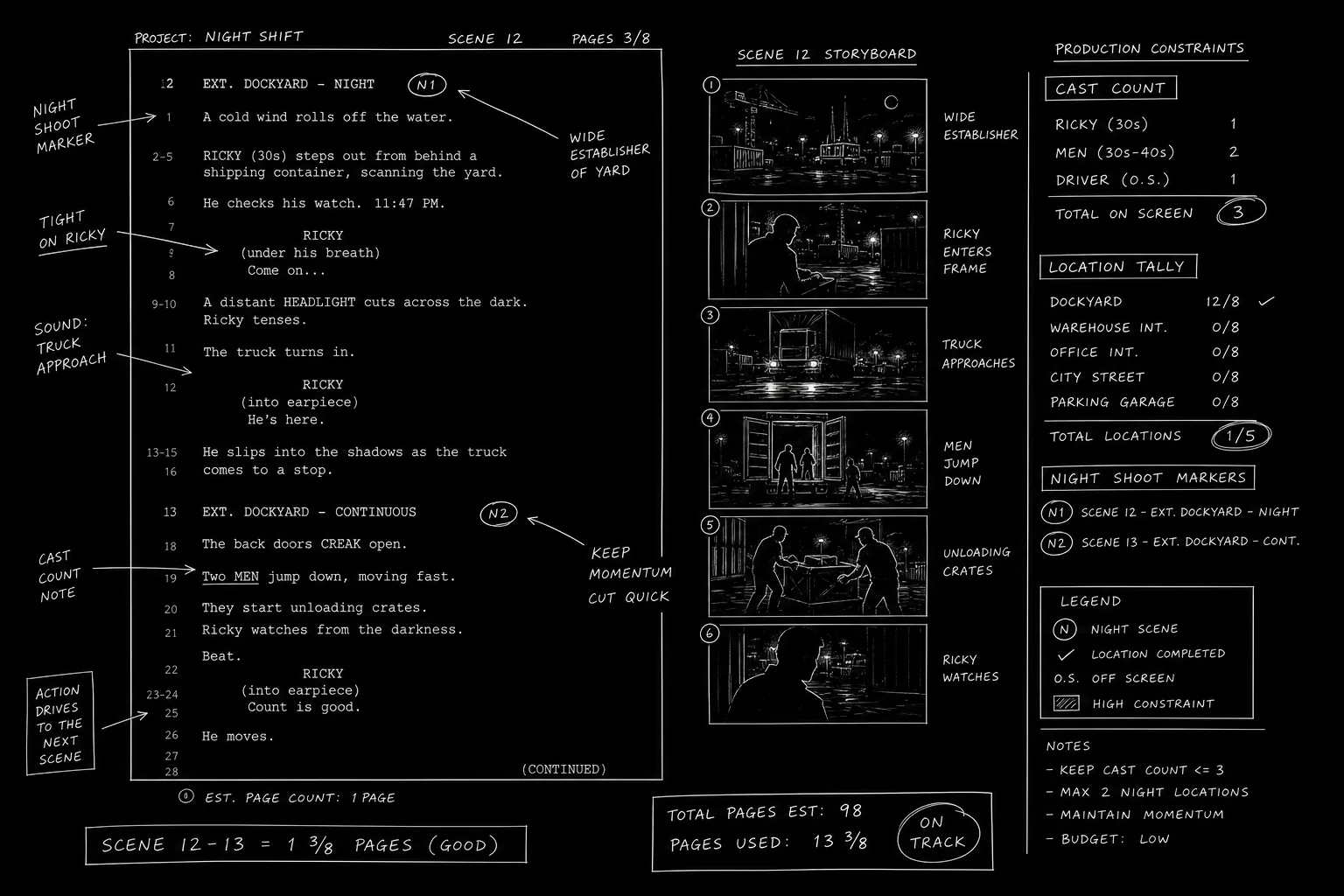
For a writer, the "helicopter shot" idea changes what you can put on the page of a low-budget script. A sweeping establishing shot, a crowd, a weather change used to be things you cut in the budget rewrite. Now some of them can stay, if the production plans for them. Our guide to rewriting a low-budget screenplay around production constraints is still the place to start: know which scenes are expensive before you decide which ones AI should carry.
The consent part matters just as much. We covered one way of doing it in Inevitable, an AI microdrama made with the actor's own approved double. McCreary's version is simpler and stricter: no generated actors until the paperwork exists.
Try it free
Try ScreenWeaver for free on your script
It is free. Import your existing project, get a clearer view of your outline, and regain control of your story structure in minutes.
Start FreeWhat it means for you
- Mark AI shots in the script or shot list. Know before the shoot which shots are generated, so they can be budgeted, approved and disclosed.
- Use AI for scope, not for people. Landscapes, aerials, weather, set extensions are the low-risk starting point. Generated performers are where the legal questions are.
- Get consent and pay in writing. If anyone's face, body or voice ends up in a generated shot, document it before you generate, not after.
- Keep the story first. Freeman's advice to new filmmakers: find a good story and stay true to it, and on technology, "stay up with it, if not ahead of it."
What we don't know
- Which current project Revelations is using AI on. Fortune doesn't name it.
- What the consent and pay documents look like. McCreary says they are "being invented right now."
- Whether AI will be used on Rendezvous With Rama, the Arthur C. Clarke adaptation the pair are producing with Denis Villeneuve attached to direct. McCreary only says it will "push the boundaries" in how the film is made. Fortune reports it is in script development.
FAQ
What did Morgan Freeman say about AI?
He told Fortune that technology should do "what we actually are dreaming of doing", but that privacy is the first thing to go. AI has been used to make him say things he never said, and his voice is regularly copied to sell products.
Does Morgan Freeman use AI in his films?
His company, Revelations Entertainment, is using generative AI on a current project to expand the film's scope, according to Fortune. Freeman says he doesn't want to be created by AI unless it's for something he absolutely cannot do, like flying.
Who is Lori McCreary?
She cofounded Revelations Entertainment with Morgan Freeman in 1996. She studied computer science at UCLA and, in Fortune's words, brought a tech perspective to the business.
How can independent filmmakers use generative AI?
McCreary's example is getting "helicopter-like shots" without a helicopter: shots that make a small film look bigger. She would avoid generating actors until consent and pay are documented.
What do producers need before using AI on screen?
Revelations sat down with lawyers to work out how to document consent and pay for everyone on screen. Doing that before generating anything is the safest approach.
What is Rendezvous With Rama?
An adaptation of the Arthur C. Clarke novel that Freeman and McCreary have been developing for decades, with Denis Villeneuve signed on to direct in 2021. Fortune reports it is in script development.
From script to shots
Turn your script into a film, shot by shot
Write the scene, get its storyboard, then generate each shot with consistent characters. You direct every step.
Start your film free