PixVerse PixLight 2026 · Guide

How to win PixVerse PixLight 2026.$300,000, two tracks, one deadline: 31 October.

The rules for both tracks, the scoring grids, the three genre directions and a five-week plan to 31 October 2026. PixLight asks for PixVerse Canvas on its Pilot Track, so here is what ScreenWeaver covers and what it does not.
  • Deadline 31 October 2026, extended
  • Pilot Track or Script Track
  • Free to enter
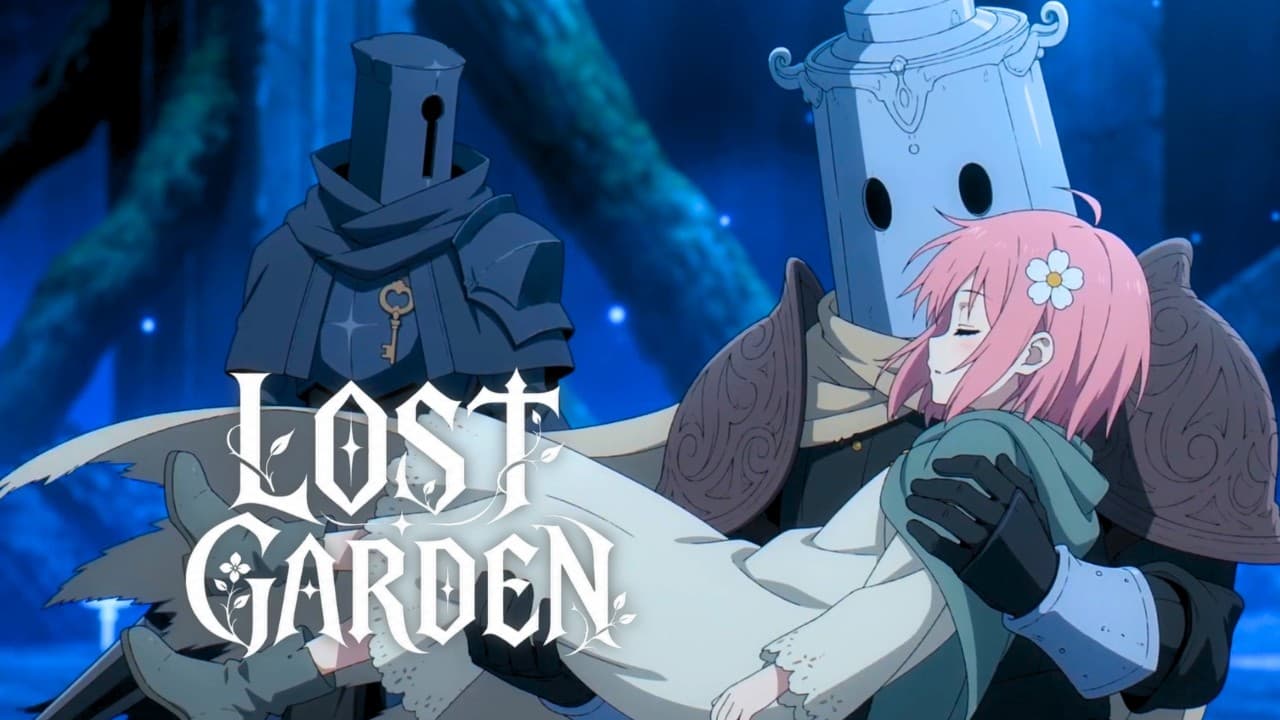
Lost Garden · Episode 2

Independent guide. ScreenWeaver does not organise PixLight and is not affiliated with PixVerse. Rules read on 1 October 2026. Official rules

Available today in ScreenWeaver: free screenwriting, which is all the Script Track needs, and a storyboard from your screenplay with Storyboard Beta, $9.99 a month.

Rolling out: video generation of each shot, powered by Seedance, with the Filmmaker plan. It is not a Canvas workflow, so it would not satisfy the Pilot Track.

PixLight at a glance

What PixLight asks for.

PixVerse launched PixLight in August 2026 with $300,000 in prizes for 33 awards and two ways in: a finished pilot, or a feature screenplay. The pilot must be built in PixVerse’s own Canvas.
Prize pool
$300,000 across 33 awards
Top awards
$100,000, $50,000 and $20,000
Deadline
31 October 2026, 23:59 UTC
Pilot Track
3 to 20 minutes, title card included
Script Track
45 to 90 minute feature, plus a 1 to 5 minute video pitch
Imposed tool
PixVerse Canvas, primary platform for Pilot
Who can enter
18 and over, solo or team, free, 3 entries per track
Language
Burned-in English subtitles, Script Track in English

Source: the PixLight page and its guidelines on app.pixverse.ai, read on 1 October 2026. The launch post on pixverse.ai still shows the original 9 October deadline: the 31 October extension is the date on the page.

Key dates

Thirty days, and a deadline that moved.

The first call ended on 9 October. PixVerse extended it, so the dates below are the ones on the page today.
  1. 7 Aug 2026

    Submissions open

    The first batch of Starter Packs, 6,000 PixVerse credits each, opened with the call. The fourth and last batch of 250 was on 18 September.

  2. 31 Oct 2026

    Deadline, extended

    23:59 UTC, which is 00:59 on 1 November in Paris and 19:59 on 31 October in New York. Entries cannot be edited after you submit.

  3. Early Nov

    Judging

    Eligibility screening first, then independent jury scoring and deliberation.

  4. 10 Nov 2026

    Behind-the-scenes bonus ends

    Successful entrants who publish behind-the-scenes content receive 20,000 credits, and this is the last day to do it.

  5. Late Nov

    Winners announced

    Prizes are paid within 60 days of the results. Each creator or team can win one award.

How films are scored

The Pilot Track grid: 100 points.

A pilot is scored on five lines, with story and character at 35. Eligibility is screened first, then the jury scores independently. Community data is looked at, but the page says it does not decide the ranking.
  • Story and Character

    35%

    A pilot, not a showreel: a beginning, a middle and an end, a lead we can name, a want. In 3 to 20 minutes you can afford one lead and one problem. Write the whole pilot before you open Canvas.

  • Visual and Craft

    30%

    Look, camera, sound, edit. The same face in every shot, action we can read, a mix that holds. At 30 points it is the second heaviest line, so a rough cut of a good story still loses to a finished one.

  • Distinction

    15%

    A voice nobody else has: a world, a tone, a way of cutting. Ask what a stranger would remember in one sentence an hour after watching.

  • IP Potential

    10%

    Could this pilot grow into a series? Leave the world bigger than the episode: a short bible, a season arc, characters with a future. The page names PixLab and PixVerse Originals as the next steps for standouts.

  • Community and Canvas

    10%

    Your Canvas project is shared through a read-only link, and the call asks for a workflow worth cloning. Name your nodes, group them by sequence and remove dead branches.

The Script Track has its own grid: Narrative and Screenplay Craft 20, World, Character and Genre Execution 15, Originality and AI-Native Distinction 25, IP and Development Potential 20, and Video Pitch and Visual Communication 20.

Who decides

A process, not a list of names.

PixLight names no jury members. It describes an international jury of directors, VFX leaders and industry professionals. What the pages do show is the order in which your entry is read.
  • Screening first

    Before anyone scores, PixVerse checks eligibility: age, the date the work was made (on or after 1 January 2026), the Canvas Share Link, subtitles, the track rules. A film can fall here for a missing link, not for a weak scene.

  • The jury

    The jury scores independently, then deliberates. The launch post says it looks for emotional resonance and a distinctly human perspective next to technical craft. Make a film that feels written, not prompted.

  • The community

    Community data is referenced, but it does not decide rankings. Share your film, and do not count on likes to rescue a weak pilot.

The three directions

Pick a direction, then keep it small.

Both tracks use the same three genre directions. The call is for stories with a clear world, a memorable lead and cinematic pacing. Under each direction, the angle we would take.
  • 01

    Under the Skin

    Drama, comedy, coming-of-age, social realism.

    The cheapest direction to stage and the hardest to fake. Faces carry everything, so keeping a face identical for ten minutes is the whole job. It also scores well on Story and Character.

  • 02

    Worlds Beyond

    Sci-fi, fantasy, supernatural, mythology.

    AI’s home ground, and so the most crowded. The Distinction line is where you separate: a world with one rule nobody has used, shown in the first minute.

  • 03

    Edge of Seat

    Horror, thriller, mystery, crime, action, adventure, survival.

    Action eats shots and generations. A thriller built from a few rooms, a phone and silence costs less and reads better. Suspense is a sound problem as much as an image problem.

The pilot scene, step by step

Lost Garden: a pilot scene, six shots.

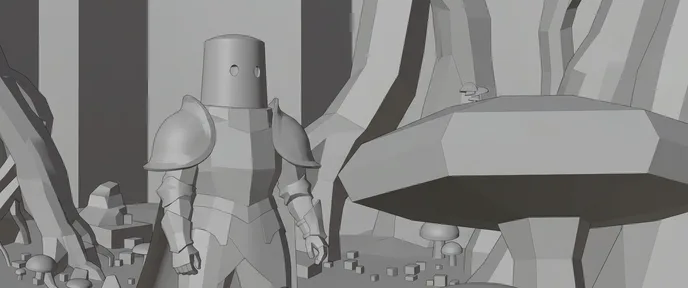
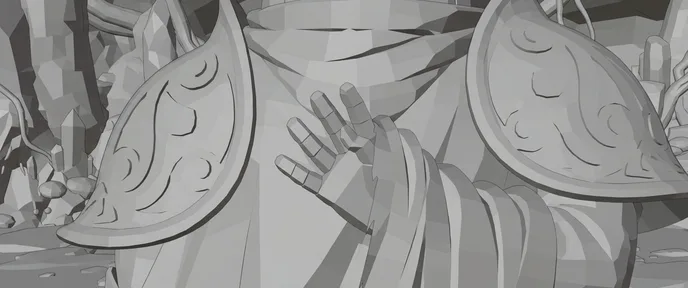
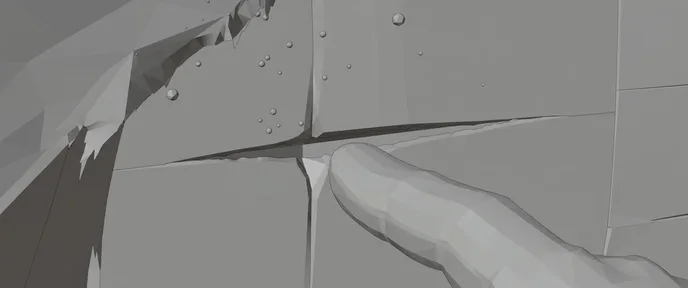
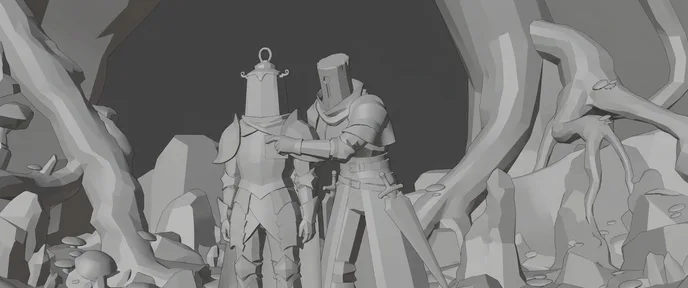
The opening of Lost Garden, episode 2, an animated series by the ScreenWeaver team made with Seedance. It is the kind of scene the Story and Character line wants: a small hero with a wound, a companion who knows more, a road. Below, the screenplay page and six shots, each shown as a storyboard frame and as a final image.

Logline. A newborn knight whose inner light is leaking away crosses a world that has stopped hoping, to find the one blacksmith who can seal his armor.

Screenplay · episode 2 · page 1

INT. UNDERGROUND CAVERN - LOWER PATH - CONTINUOUS

Blue mushrooms the size of houses. LANTERN, a small knight with a lantern for a helm, walks alone.

He presses a hand to his chest. Sparks of light slip between his fingers.

SERRURE

Hold on. You're losing something.

Serrure lifts the edge of the cloak. A gash in the armor. Blue light leaks out like smoke.

SERRURE

That's your energy. What keeps you standing.

He grips Lantern's shoulder. Two knights alone among the crystals.

SERRURE

A suit that leaks goes out. Eventually.

Under the giant mushrooms, the road climbs into the dark.

SERRURE

So. We follow the road.

Serrure points the way. Lantern follows.

CUT TO:

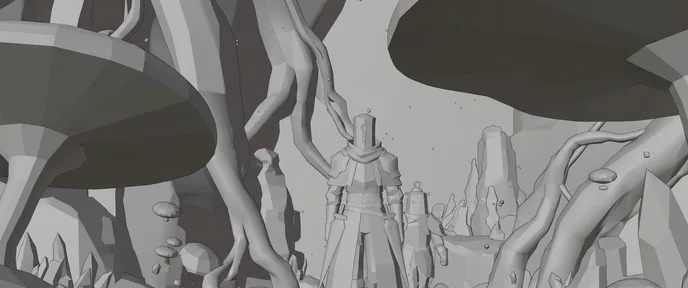
  1. A small knight with a lantern helm stands by a giant glowing blue mushroom in a crystal cavern
    Storyboard frame of the same wide shot, in grey
    01

    Wide · the world

    Wide shot, Lantern alone by a giant glowing blue mushroom, crystal cavern, roots, drifting spores, cold blue light

  2. Close-up of an armored chest under a cream cloak, a gloved hand, a spark of light
    Storyboard frame of the chest close-up, in grey
    02

    Close-up · the chest

    Close-up on Lantern's chest, his gloved hand pressed to the cloak, a spark of light escaping between the fingers

  3. A torn gash in an armor plate leaking bright blue light, a finger pointing at it
    Storyboard frame of the wound insert, in grey
    03

    Insert · the wound

    Extreme close-up, Serrure's finger near a torn gash in the back plate, blue light leaking out like luminous smoke

  4. Two armored knights side by side, one with a hand on the other's shoulder, in a crystal cavern
    Storyboard frame of the two-shot, in grey
    04

    Two-shot · the bond

    Medium two-shot among crystals and roots, Serrure's hand on Lantern's shoulder, faceless armors, emotion through posture only

  5. Two small knights walk beneath two giant glowing blue mushrooms
    Storyboard frame of the wide shot, in grey
    05

    Wide · the scale

    Wide low angle, the two knights tiny beneath two giant glowing mushrooms, blue crystals in the foreground, mist

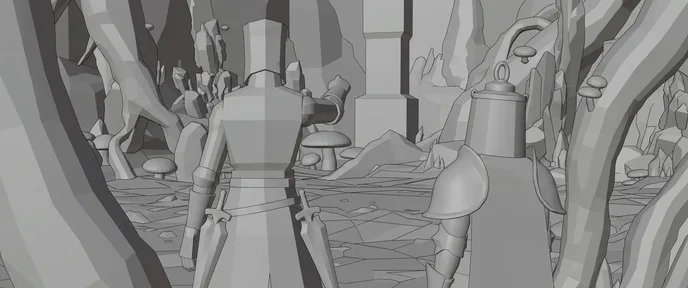
  6. Seen from behind, a tall dark knight points ahead while the small lantern knight looks on
    Storyboard frame of the over-the-shoulder shot, in grey
    06

    Over the shoulder · the road

    Over-the-shoulder from behind, Serrure points ahead into the cavern, Lantern beside him, roots framing the path

Lost Garden, episode 2, 21 minutes, from the series whose first episode was a finalist at the AI London Festival. A 10 minute pilot would keep this one scene as its core. It was not built in PixVerse Canvas, so it would not count as a Pilot entry: it shows planning, not eligibility. The film starts at this scene.

The script

A 10 minute pilot in five movements.

The Pilot Track allows 3 to 20 minutes with the official title card. Ten minutes is a good target: enough for a world and a lead, short enough to keep faces consistent. That is about 10 screenplay pages and 100 shots of 3 to 8 seconds.
  1. 0:00 to 1:00

    Title card and cold open

    The official PixLight title card counts in your time. Open on the strongest image of the world.

  2. 1:00 to 3:00

    The lead and the world

    Who we follow, what they want, what the world takes from them.

  3. 3:00 to 7:00

    The complication

    A companion, an enemy, a cost. Each scene makes the want harder to reach.

  4. 7:00 to 9:00

    The turn

    A choice that shows who the lead really is, and changes the situation for good.

  5. 9:00 to 10:00

    The door to the series

    A last image that makes us want episode two. This is where IP Potential is earned.

Canvas is a workflow of references, prompts, motion and output. Build one clean Canvas per sequence: the project must open through a read-only share link, and others can clone it.

Week by week

From the first page to the share link.

Thirty days from 1 October to 31 October at 23:59 UTC. Choose the track first, because the Script Track needs no video at all.
  1. 01

    1 to 7 Oct

    Choose the track and the direction

    A pilot needs a finished film built in Canvas. A script needs a 45 to 90 minute screenplay in English and a 1 to 5 minute video pitch. You can enter both tracks, up to 3 times each.

  2. 02

    8 to 14 Oct

    Write

    About 10 pages for a pilot, or the feature. Write it free in ScreenWeaver, in industry format. Work made before 1 January 2026 is not eligible, so start fresh.

  3. 03

    15 to 19 Oct

    Bible and storyboard

    A short bible with characters, world and season arc, because IP and development value are scored. Produce the shot breakdown and the storyboard from the screenplay.

  4. 04

    20 to 26 Oct

    Build in Canvas, or record the pitch

    Pilot: build the film in PixVerse Canvas from your storyboard, with a share link that reads clearly. Script: record the video pitch, and show the world, not only the plot.

  5. 05

    27 to 29 Oct

    Edit, title card, subtitles

    Cut to length with the official title card. Burn in English subtitles for any dialogue or narration, and mix the sound.

  6. 06

    30 to 31 Oct

    Submit with a day in hand

    Open your share link in a private window, then submit. Nothing can be edited afterwards. Do not wait for 23:59 UTC.

Rejection traps

Eight ways to fall at screening.

PixVerse can reject or disqualify an entry, and revoke an award later. Most of these are checks, not judgments of taste.
  • Skipping Canvas

    On the Pilot Track, PixVerse Canvas must be the primary creative platform, and every entry needs a valid Canvas Share Link. A film made elsewhere and only uploaded risks failing this.

  • A broken share link

    The link is read-only and your project appears in the PixLight Gallery. Test it in a private window. PixVerse may ask for a workflow summary or other proof.

  • Dialogue without subtitles

    Spoken dialogue or narration needs burned-in English subtitles, and a Script Track entry must be written in English.

  • Edits after you submit

    No edits are allowed once you submit. You can enter up to 3 times per track, so submit the final version, not a draft.

  • Old or commercial work

    The work must have been made on or after 1 January 2026, and previously commercialised work is not allowed.

  • Real faces and unlicensed IP

    No AI likeness of a real person without consent, no unauthorised IP, and nothing pornographic, extremely violent or hateful.

  • The wrong length

    A pilot runs 3 to 20 minutes with the title card included. A script runs 45 to 90 minutes with a 1 to 5 minute pitch. Outside those limits, expect rejection at screening.

  • Fraud, votes and sanctions

    Plagiarism, false information and vote manipulation lead to disqualification. Winners in sanctioned countries may not be paid, prizes are pre-tax, and one creator or team wins one award.

Why ScreenWeaver

Plan here, build in Canvas, or skip the video.

ScreenWeaver builds films and series as one connected project, from screenplay to storyboard to footage. PixLight’s Pilot Track wants the footage made in PixVerse Canvas, so the value is upstream.
  • The Script Track needs no tool

    Writing is free in ScreenWeaver, in industry format, and the rules accept AI-assisted screenplays. You stay responsible for originality and third-party rights. No Canvas project and no finished video are required.

  • A blueprint for Canvas

    Canvas is where the pilot is built, and ScreenWeaver is where it is decided: screenplay, shot breakdown, and a storyboard with framing, angle and duration for each shot. You open Canvas with the film already planned.

  • An honest limit

    ScreenWeaver footage, powered by Seedance, would not make a Pilot Track entry, since the rules want Canvas as the primary platform. If PixLight is your goal, use ScreenWeaver upstream and PixVerse for the generation.

  • Series thinking

    IP potential is 10 points on the Pilot grid and 20 on the Script grid. ScreenWeaver is built for series, with characters and locations that carry across episodes. Screenwriter stays at $0 with no expiry.

Real productions

International festival-recognized films have been written and produced with ScreenWeaver.

ScreenWeaver is already being used as a creative workspace for real AI film productions, from cinematic shorts to animated series pilots selected, nominated, and awarded by international festivals.

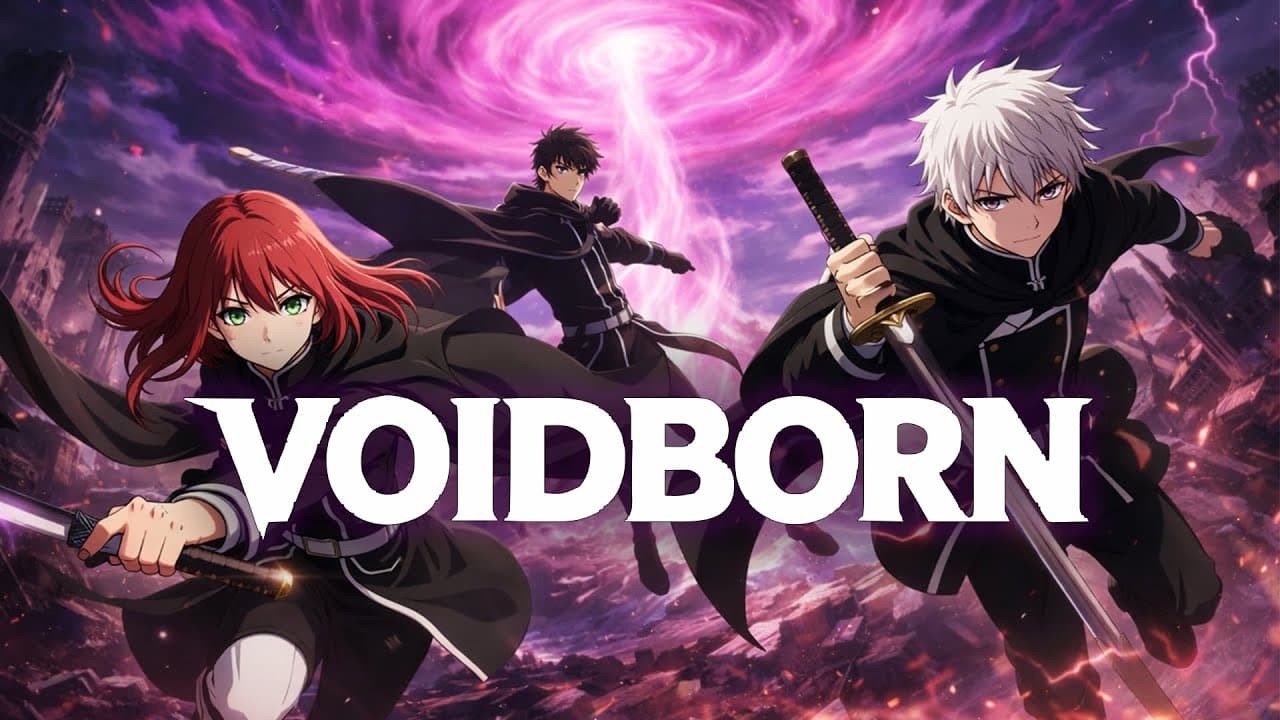
  • Video thumbnail for VOIDBORN

    VOIDBORN

    AI animated / cinematic short

    Festival recognition

    • 1st Place Silver

      Mondial Chroma Awards

    • 2nd Place Dreamina

      Mondial Chroma Awards

    • Award Winner

      Seoul International AI Film Festival

  • Video thumbnail for Les Fils du Vinnana

    Les Fils du Vinnana

    AI short film

    Festival recognition

    • Honorable Mention

      Top Quark Film Festival

    • People's Choice Nominee

      Illuminate Oneness of Humanity

    • Nominee

      ALTFF Supershort

  • Video thumbnail for Lost Garden

    Lost Garden

    AI animated series pilot

    Festival recognition

    • Finalist

      AI London Festival

The pipeline

Write. Board. Produce.

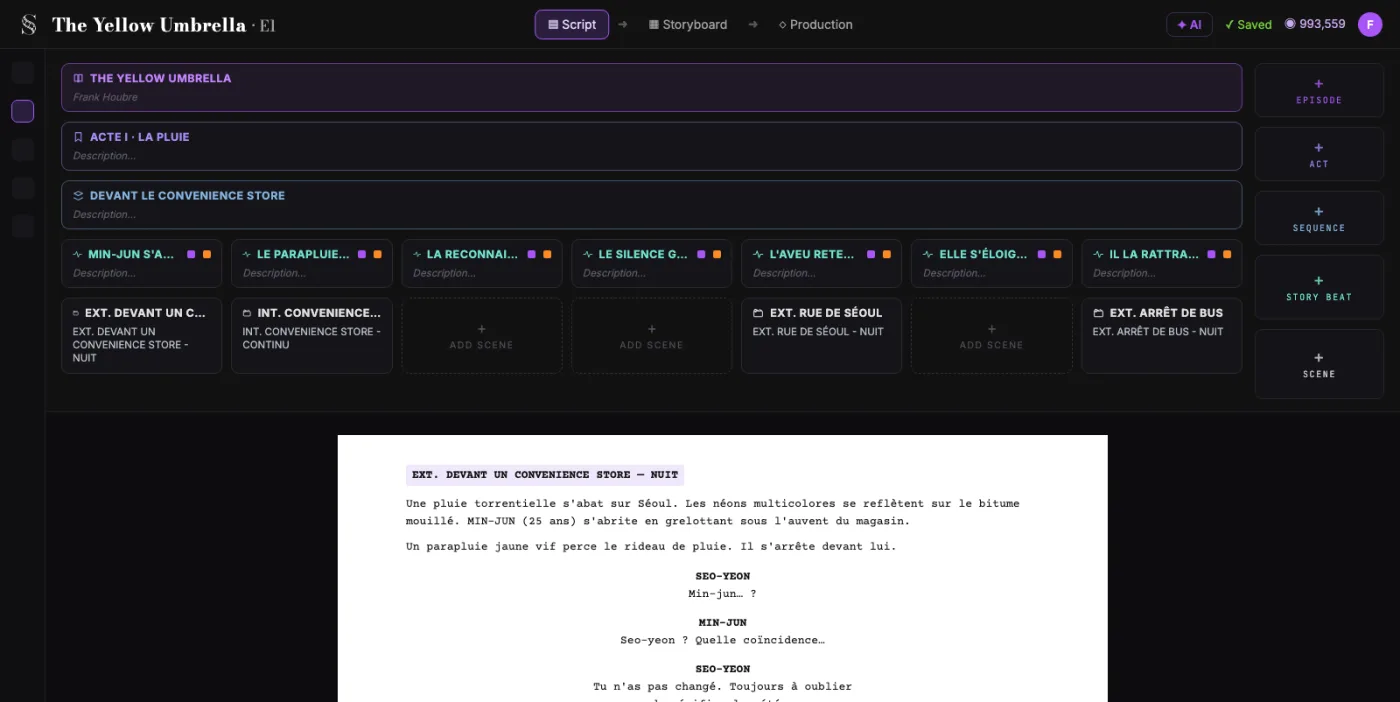
  1. ScreenWeaver screenplay editor: acts, sequences and beats above the formatted script of The Yellow Umbrella

    01The screenplay, enriched

    An industry-standard screenplay editor, and more: a visual outline and beat editor, your writing inspirations (notes, photos, audio) kept next to the page, and an AI researcher to support your writing, not replace it.

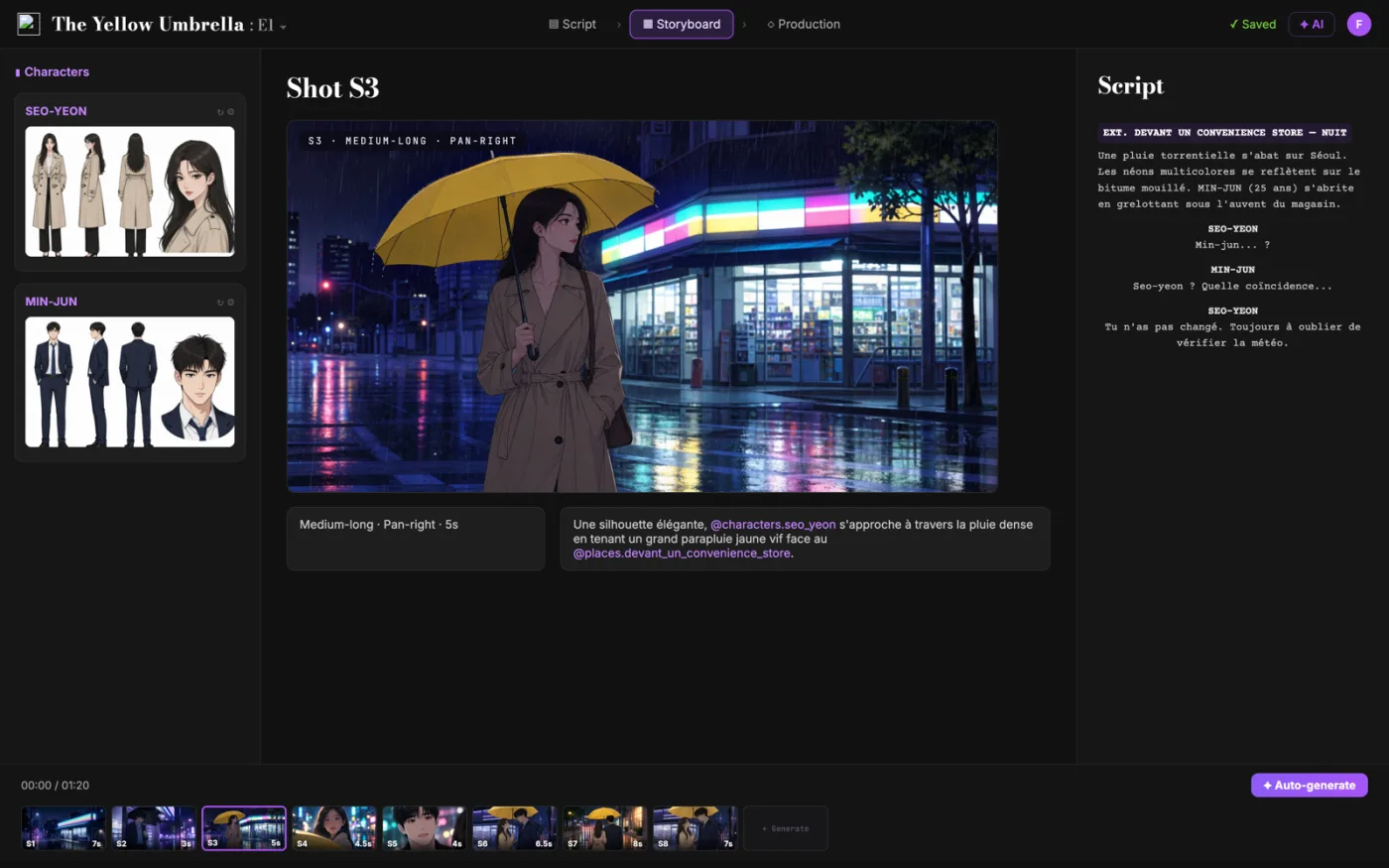
  2. ScreenWeaver storyboard: shot S3 of The Yellow Umbrella with characters, shot settings and the script beside it

    02The storyboard, made easy

    Shot breakdown generated from your screenplay, manual control over every shot (frame, angle, movement, duration), and generative AI previsualization in one click.

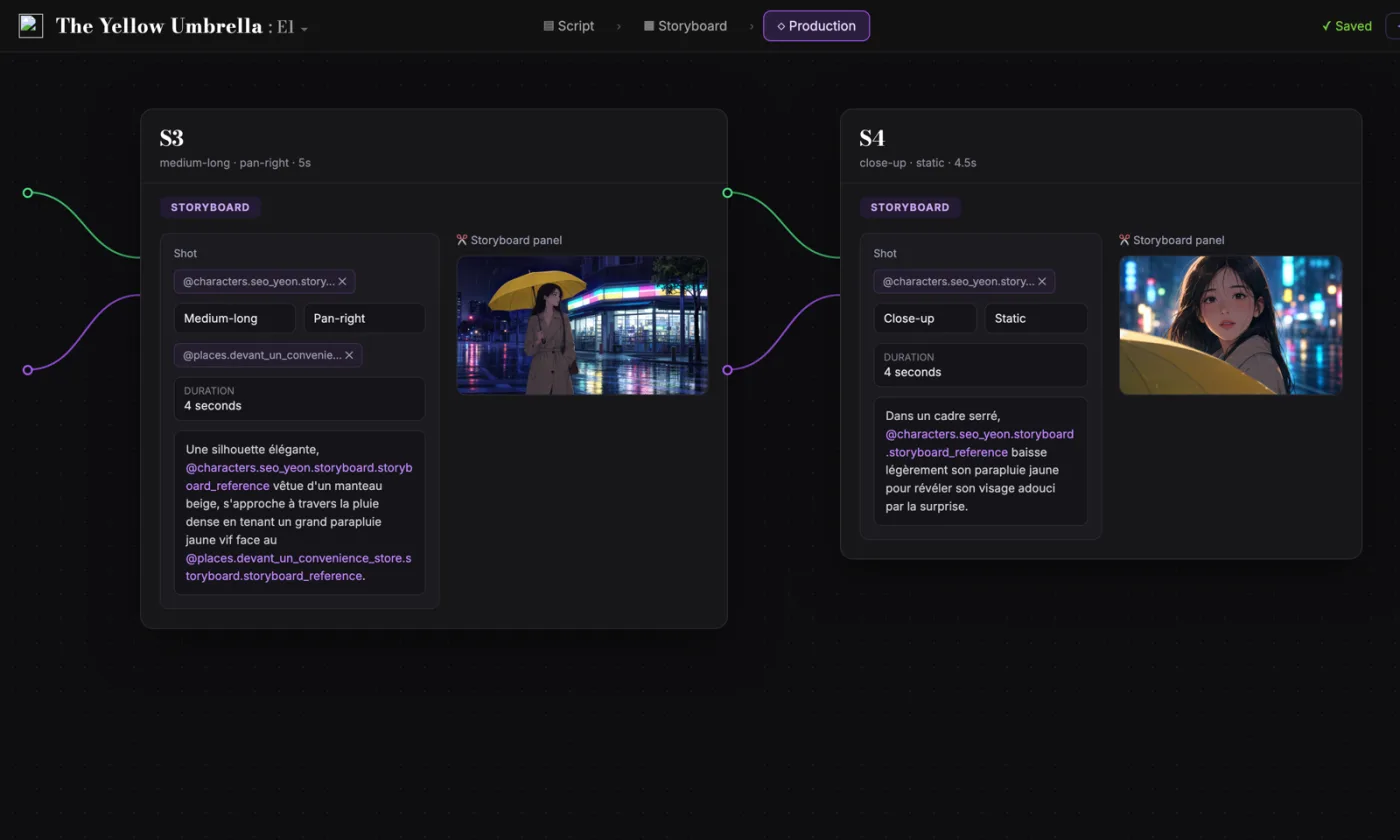
  3. ScreenWeaver production canvas: shots S3 and S4 as connected nodes carrying their storyboard panels and prompts

    03AI production, with finesse

    Footage generation pipelines connected to your screenplay and storyboard. Optimized out of the box, fully editable workflow.

FAQ

PixVerse PixLight, your questions

How do you win PixVerse PixLight?
A Pilot Track film is scored on Story and Character 35, Visual and Craft 30, Distinction 15, IP Potential 10, and Community and Canvas 10. The Script Track has its own grid. The top prizes are $100,000, $50,000 and $20,000. Write a complete pilot with a lead and a want, then build it cleanly in Canvas.
Do I have to use PixVerse?
For the Pilot Track, partly: PixVerse Canvas must be the primary creative platform. The guidelines add that video models are not restricted and that live action and VFX can be combined. If you plan to generate footage elsewhere, ask PixVerse how much counts as primary. The Script Track needs no PixVerse project.
Can I enter with a screenplay only?
Yes, with the Script Track: a 45 to 90 minute feature screenplay in English, plus a 1 to 5 minute video pitch. AI-assisted screenplays are accepted, and no Canvas project or finished video is needed.
Is there an entry fee?
No, it is free, with a PixVerse account. Paid members who use eligible credits on a valid Pilot entry can get 100% of those credits back, up to 100,000.
Who is on the jury?
The pages name nobody. They describe an international jury of directors, VFX leaders and industry professionals, after an eligibility screening.
Who owns my film or script?
The launch post says participants keep ownership of their stories, characters, worlds and screenplays. Read the full terms for the licence you grant PixVerse.
When are the winners announced and paid?
Judging is in early November and winners are announced in late November. Prizes are paid within 60 days of the results, before tax.
Was the deadline really extended?
Yes. The launch post still says 9 October. The PixLight page and its guidelines now give 31 October 2026 at 23:59 UTC, marked as extended. Use the date on the page.

Thirty days. Choose your track.

Draft your pages today at no cost. Storyboard them, then build the pilot in Canvas, or send the script.