AI Artist Festival 2026 · Guide

How to win the AI Artist Festival.Sixth season, Beijing, 5 December deadline.

The AI Artist Festival holds a season every few months, and the sixth one closes its call on 5 December 2026. The four sections, the fee, the premiere rule, what the fifth season’s winners looked like, then a nine-week plan from the screenplay to a finished film in ScreenWeaver.
  • Deadline 5 December 2026
  • €12 per section
  • Premiere rule applies
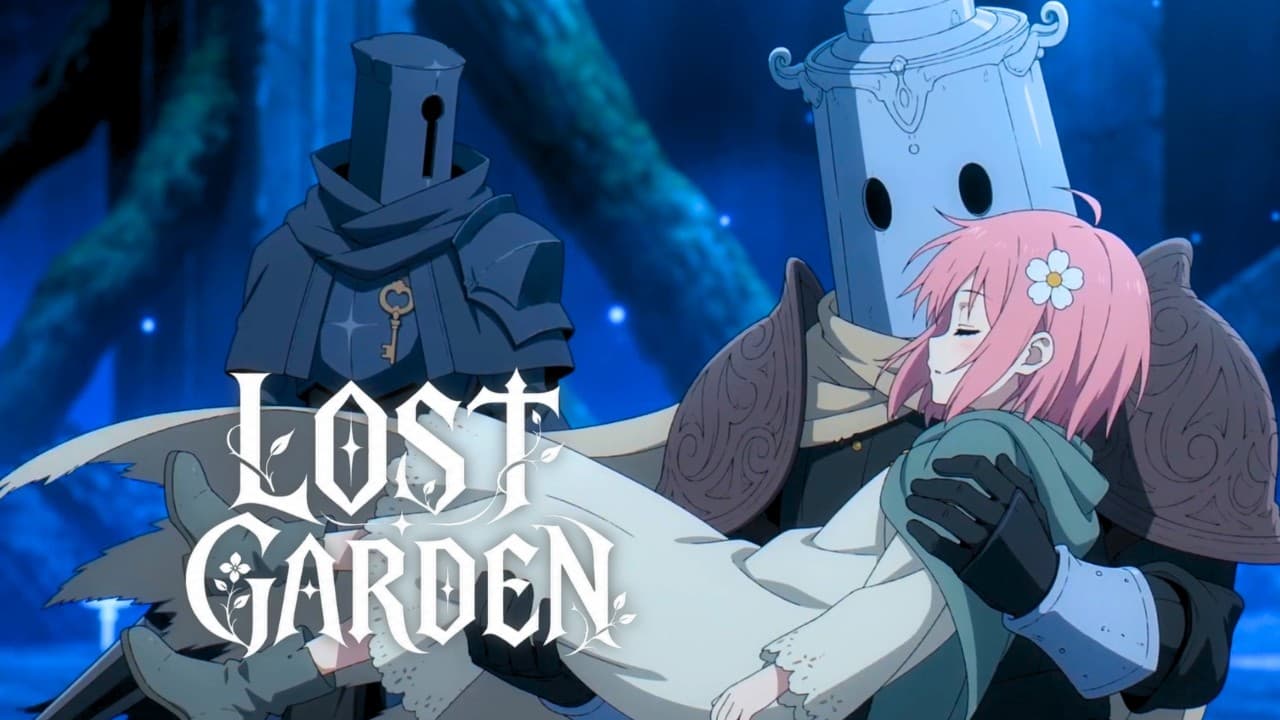
Lost Garden · Episode 2

Independent guide. ScreenWeaver does not organise AI Artist Festival and is not affiliated with AI ARTIST or 36Kr. Rules read on 1 October 2026. Official rules

Available today in ScreenWeaver: free screenwriting, and a storyboard generated from your screenplay with Storyboard Beta, $9.99 a month.

Rolling out: video generation of each shot, powered by Seedance, with the Filmmaker plan.

The rules on one card

What the sixth season asks for.

AI ARTIST is a festival of AI film and video, supported by the Association France Chine des Nouveaux Cinémas, ONED Pioneer Imaging Laboratory and PixVerse, and co-organised by the Chinese technology outlet 36Kr. Entries go through Festhome. The call for season six opened on 30 June 2026.
Deadline
5 December 2026
Festival dates
26 and 27 December 2026, Beijing
Entry fee
€12 per section, €8.04 with a Festhome PRO pass
Sections
Four, each open to short and feature films
Length
No limit stated
AI rule
AI in the story, the scenes or the post-production
Premiere rule
Original, unreleased, not in other festivals
Awards
Six awards, no cash amount published

Source: the festival’s Festhome page and its site aiartistfestival.com, read on 1 October 2026. Festhome gives UCCA in Beijing as the address. The festival site says the fifth season in June used a teaching building, so confirm the venue of the sixth before you book travel.

Key dates

Nine weeks to the deadline.

The festival says it holds screenings and creator exchanges every three months, and the fifth season ran on 27 and 28 June 2026. Season six is <b>the next window, and a short one</b>.
  1. 30 Jun 2026

    Call for entries

    The sixth season opened on Festhome. The listing shows one standard fee and no early or late tier.

  2. 5 Dec 2026

    Final deadline

    The last day to submit. The same date appears on every section.

  3. 26 and 27 Dec

    The festival

    Screenings and creator exchange activities in Beijing. Festhome gives the address as UCCA, in the 798 district of Chaoyang.

  4. 27 Dec 2026

    Notification

    Festhome lists 27 December as the notification date, the last day of the festival. Do not plan around a decision before then.

What the awards reward

Six awards, six ways to be noticed.

No scoring grid is published and no jury is named. The six awards describe what the festival values: AI film as an art form and as an industry tool.
  • Best Film

    In the festival’s words, the most outstanding and creatively compelling film using AI. Build the film on one strong idea. The fifth season’s international Best Film ran 10 minutes.

  • Best Director

    Direction shows in decisions: where the camera sits, how long a shot stays, where the cut falls. Show your hand in the framing, not only in the prompts.

  • Best Screenplay

    The one award a script can win alone. Write it before the first prompt: the Screenwriter plan is free, and the pages stay with the project.

  • Best Visual Effects

    Excellence in visual presentation and effects design. A single visual world beats a showcase of unrelated effects, and one memorable effect beats ten.

  • Best Business Market Application

    The best practical cases of AI video in the commercial market. The advertisement section is the natural home: a brand film or a spot with a real use case and a clear result.

  • Best Music and VJ

    For audiovisual pieces driven by sound. Cut to the music and treat the picture as a live set. The fifth season gave two music video awards, both to 4 minute films.

The festival can add or drop awards between seasons. The fifth season’s list also had Best Sci-Fi, Best Animation and Best Experimental, which Festhome does not list for the sixth.

The four sections

Choose the section before you choose the shots.

Each section takes short and feature films and has its own €12 fee. Pick the section that matches how the film was made, since the section decides who you are compared with.
  • 01

    AI-generated, 100%

    Films made entirely with AI generation, short or feature.

    The section for a film generated from start to end with Seedance. The fifth season’s international prizes included sci-fi, animation and experimental films: every genre is open.

  • 02

    AI-generation and real shot or animation

    Films that combine generated material with filmed footage or hand-made animation.

    Hybrids are welcome here. If anything in the film was filmed or drawn, this is your section, and a 100% claim in the first one would be wrong.

  • 03

    AI-generation VJ and music

    Pieces led by sound: music videos, live visuals, audiovisual experiments.

    Rhythm replaces plot. Plan the picture bar by bar on the storyboard, and let a single visual motif return with each chorus.

  • 04

    AI-generation advertisement

    Commercials and brand films made with AI generation.

    One product, one message, one memorable image. This section sits next to the Best Business Market Application award, so show what the spot sold if you can.

The fifth season

What last June’s winners show.

The fifth season ran on 27 and 28 June 2026 and published two lists, one for Chinese filmmakers and one for the rest of the world. The domestic Best Film was LUVINA by Shan Shang Li, 7 minutes. The international Best Film was It Used to Be Different by Eike Swoboda of Germany, 10 minutes.

  1. 01

    Winners are short. The prize films on the awards page run from 3 to 10 minutes. The 22 minute Mars: Beyond 2100 by Aiden Guo of Canada got an honourable mention, not a prize.

  2. 02

    Two lists, one festival. Chinese and foreign films are awarded separately, each with its own Best Film. A film from abroad is judged in the international list.

  3. 03

    The prizes were genre prizes too. Best Sci-Fi went to BEAUTY by JoongBeom Nam of South Korea, Best Animation to Omelette by Joshua Taylor Earley of the United States, Best Experimental to Opt Out by Krzysztof Piła of Poland.

  4. 04

    The top international prizes travelled. Winners came from Germany, Poland, South Korea, Türkiye and the United States. A film from anywhere can win.

  5. 05

    It is a creator festival. The June programme paired screenings with talks and masterclasses, for example on end-to-end AIGC filmmaking. Bring a film you can talk about for ten minutes.

From script to screen

Lost Garden: light as a visual effect.

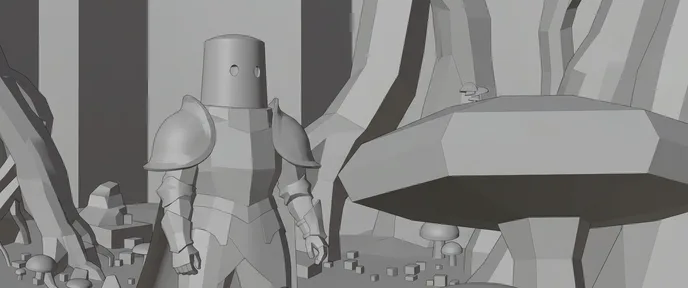
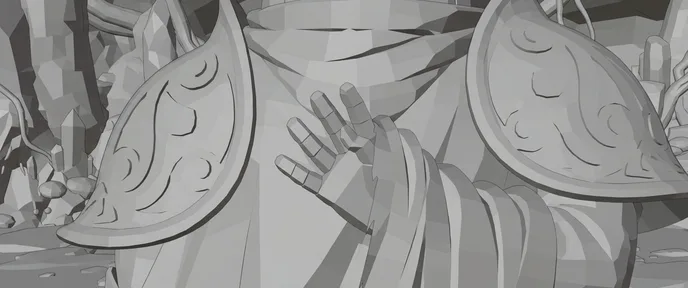
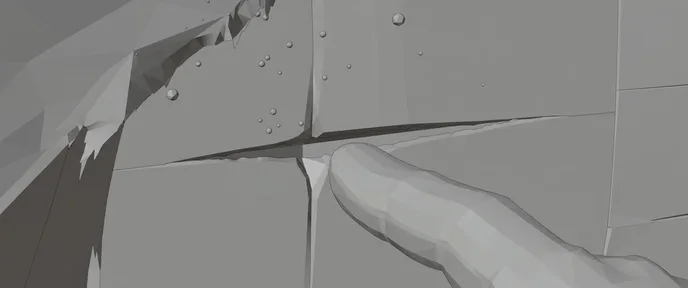
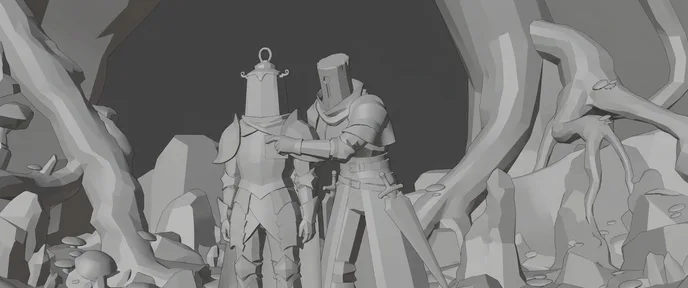
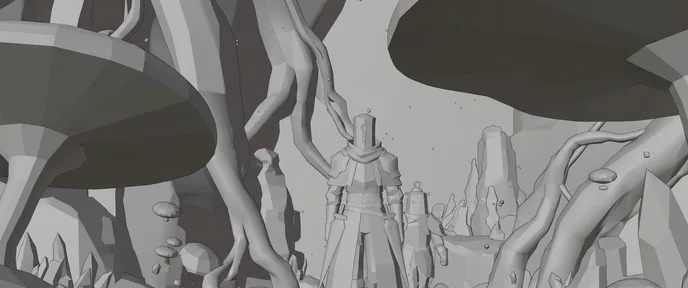
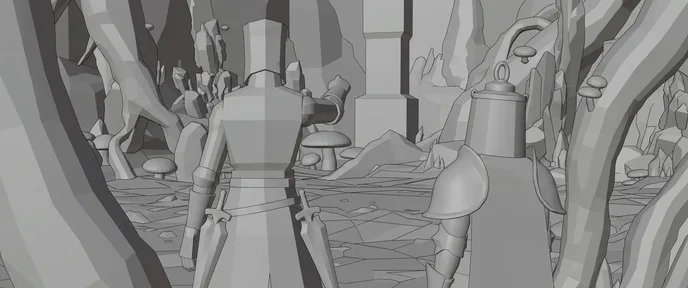
This is how Lost Garden, episode 2 begins, an animated series by the ScreenWeaver team made with Seedance. It speaks to Best Film and Best Visual Effects: a wide shot that gives the scale, then a gash in an armor plate that leaks blue light, one effect that tells the whole story. First the screenplay page, then the six shots, each as a storyboard frame and as a final image.

Logline. A newborn knight whose inner light is leaking away crosses a world that has stopped hoping, to find the one blacksmith who can seal his armor.

Screenplay · episode 2 · page 1

INT. UNDERGROUND CAVERN - LOWER PATH - CONTINUOUS

Blue mushrooms the size of houses. LANTERN, a small knight with a lantern for a helm, walks alone.

He presses a hand to his chest. Sparks of light slip between his fingers.

SERRURE

Hold on. You're losing something.

Serrure lifts the edge of the cloak. A gash in the armor. Blue light leaks out like smoke.

SERRURE

That's your energy. What keeps you standing.

He grips Lantern's shoulder. Two knights alone among the crystals.

SERRURE

A suit that leaks goes out. Eventually.

Under the giant mushrooms, the road climbs into the dark.

SERRURE

So. We follow the road.

Serrure points the way. Lantern follows.

CUT TO:

  1. A small knight with a lantern helm stands by a giant glowing blue mushroom in a crystal cavern
    Storyboard frame of the same wide shot, in grey
    01

    Wide · the world

    Wide shot, Lantern alone by a giant glowing blue mushroom, crystal cavern, roots, drifting spores, cold blue light

  2. Close-up of an armored chest under a cream cloak, a gloved hand, a spark of light
    Storyboard frame of the chest close-up, in grey
    02

    Close-up · the chest

    Close-up on Lantern's chest, his gloved hand pressed to the cloak, a spark of light escaping between the fingers

  3. A torn gash in an armor plate leaking bright blue light, a finger pointing at it
    Storyboard frame of the wound insert, in grey
    03

    Insert · the wound

    Extreme close-up, Serrure's finger near a torn gash in the back plate, blue light leaking out like luminous smoke

  4. Two armored knights side by side, one with a hand on the other's shoulder, in a crystal cavern
    Storyboard frame of the two-shot, in grey
    04

    Two-shot · the bond

    Medium two-shot among crystals and roots, Serrure's hand on Lantern's shoulder, faceless armors, emotion through posture only

  5. Two small knights walk beneath two giant glowing blue mushrooms
    Storyboard frame of the wide shot, in grey
    05

    Wide · the scale

    Wide low angle, the two knights tiny beneath two giant glowing mushrooms, blue crystals in the foreground, mist

  6. Seen from behind, a tall dark knight points ahead while the small lantern knight looks on
    Storyboard frame of the over-the-shoulder shot, in grey
    06

    Over the shoulder · the road

    Over-the-shoulder from behind, Serrure points ahead into the cavern, Lantern beside him, roots framing the path

Lost Garden, episode 2, 21 minutes, which fits the festival’s short film track, since it states no maximum length. The series opened with an episode that reached the AI London Festival finals. The scene shown is the opening of the episode.

The script

Six minutes, the length winners favour.

Most winners of the fifth season ran between 3 and 10 minutes. Six minutes leaves room for a story and stays inside that range: about six screenplay pages and 80 to 100 shots.
  1. 0:00 to 0:30

    The strange image

    One image that does not make sense yet, held long enough to be felt.

  2. 0:30 to 1:45

    The rule of the world

    Show what is normal here, and the one person who does not fit.

  3. 1:45 to 4:15

    The break

    The rule breaks. Each scene costs the character more than the one before.

  4. 4:15 to 5:20

    The price

    What was lost. This is the scene that earns Best Film or loses it.

  5. 5:20 to 6:00

    The silence after

    A last frame that changes the meaning of the first one.

Pick the section first: a hybrid film in the second section needs a different shot list, because the filmed shots and the generated shots must share a light and a grain.

Week by week

From a blank page to Festhome.

Nine weeks from 1 October. The generated footage fits in two of them. The weeks before decide whether those two go well.
  1. 01

    Week 1 · by 8 October

    Pick the section and the length

    Decide between the four sections, then fix a running time of 5 to 8 minutes. Write five loglines and keep the one you can say in a breath.

  2. 02

    Week 2 · by 15 October

    The screenplay

    Six to eight pages, in industry format, in ScreenWeaver. Because Best Screenplay is an award, polish the pages as if they will be read alone.

  3. 03

    Week 3 · by 22 October

    Look and references

    One reference per character and location, approved once. Choose the colour and light now, since the effects award rewards a single visual world.

  4. 04

    Weeks 4 and 5 · by 5 November

    Storyboard

    Turn the screenplay into a shot breakdown and a storyboard. Set framing, angle, movement and duration per shot, and mark the one shot built to be the effect.

  5. 05

    Weeks 6 and 7 · by 19 November

    Generate the footage

    Seedance, scene by scene, following the board. Do not post a single clip while you work: the premiere rule counts.

  6. 06

    Week 8 · by 26 November

    Edit, mix and subtitles

    Cut to length, add music and sound, and subtitle any speech. Festhome accepts any language, so add English subtitles anyway.

  7. 07

    Week 9 · by 5 December

    Submit on Festhome

    Choose the right section, pay €12 for it, and give the festival permission to screen the film in a hall and in online workshops.

Ways to be refused

Six rules that catch good films.

They come from the festival’s own rules on Festhome. None is hidden, but all of them are easy to forget.
  • A film that is already public

    Works must be original and not publicly released, and not shown at other festivals. A teaser or a full upload on social media may count as a release, so keep the film private until you hear back.

  • Withholding screening permission

    On submission you confirm that the festival may screen the film in person and show participants of its online workshops. A film under an exclusive deal cannot say yes.

  • Partner festival screenings

    Through the Courant3D partnership, selected films may be shown at Clermont-Ferrand, New Cinema Saigon, Berlin Interfilm and other Courant3D events. That is a bonus, and also a rights question to settle early.

  • The wrong section

    Each section charges its own €12. A film with filmed footage entered as 100% AI-generated is the kind of mismatch to avoid.

  • No AI in the work

    The film must use AI technology in its production: generated stories, characters or scenes, or AI-assisted post-production and effects. A film with AI only in the poster does not qualify.

  • Booking travel too early

    Notification is listed for 27 December, the last festival day, and the venue differs between the Festhome page and the fifth season’s. Confirm both before you book.

Why ScreenWeaver

A festival open to every AI tool. A project that holds them together.

The festival asks for AI in film and video and requires no single tool. What a festival of this kind rewards is a film that holds together: screenplay, storyboard and footage in one connected project.
  • Powered by Seedance 2.0 and 2.5

    Nothing here is imposed, not even PixVerse, one of the festival’s supporters. ScreenWeaver’s footage pipelines run on Seedance, and the sections accept any tool.

  • A screenplay that can win alone

    Best Screenplay is one of the six awards. In ScreenWeaver the script is the root of the project, so the pages you polish are the pages the shots come from.

  • Hybrid or fully generated

    Whichever section you choose, a character or a place approved once is reused in every shot. In the hybrid section, that keeps generated shots close to the filmed ones.

  • Begin without paying

    Writing is $0 on the Screenwriter plan, which never expires. Storyboard Beta adds the shot-by-shot board for $9.99 a month, and generation belongs to the Filmmaker plan.

Real productions

International festival-recognized films have been written and produced with ScreenWeaver.

ScreenWeaver is already being used as a creative workspace for real AI film productions, from cinematic shorts to animated series pilots selected, nominated, and awarded by international festivals.

  • Video thumbnail for VOIDBORN

    VOIDBORN

    AI animated / cinematic short

    Festival recognition

    • 1st Place Silver

      Mondial Chroma Awards

    • 2nd Place Dreamina

      Mondial Chroma Awards

    • Award Winner

      Seoul International AI Film Festival

  • Video thumbnail for Les Fils du Vinnana

    Les Fils du Vinnana

    AI short film

    Festival recognition

    • Honorable Mention

      Top Quark Film Festival

    • People's Choice Nominee

      Illuminate Oneness of Humanity

    • Nominee

      ALTFF Supershort

  • Video thumbnail for Lost Garden

    Lost Garden

    AI animated series pilot

    Festival recognition

    • Finalist

      AI London Festival

The pipeline

Write. Board. Produce.

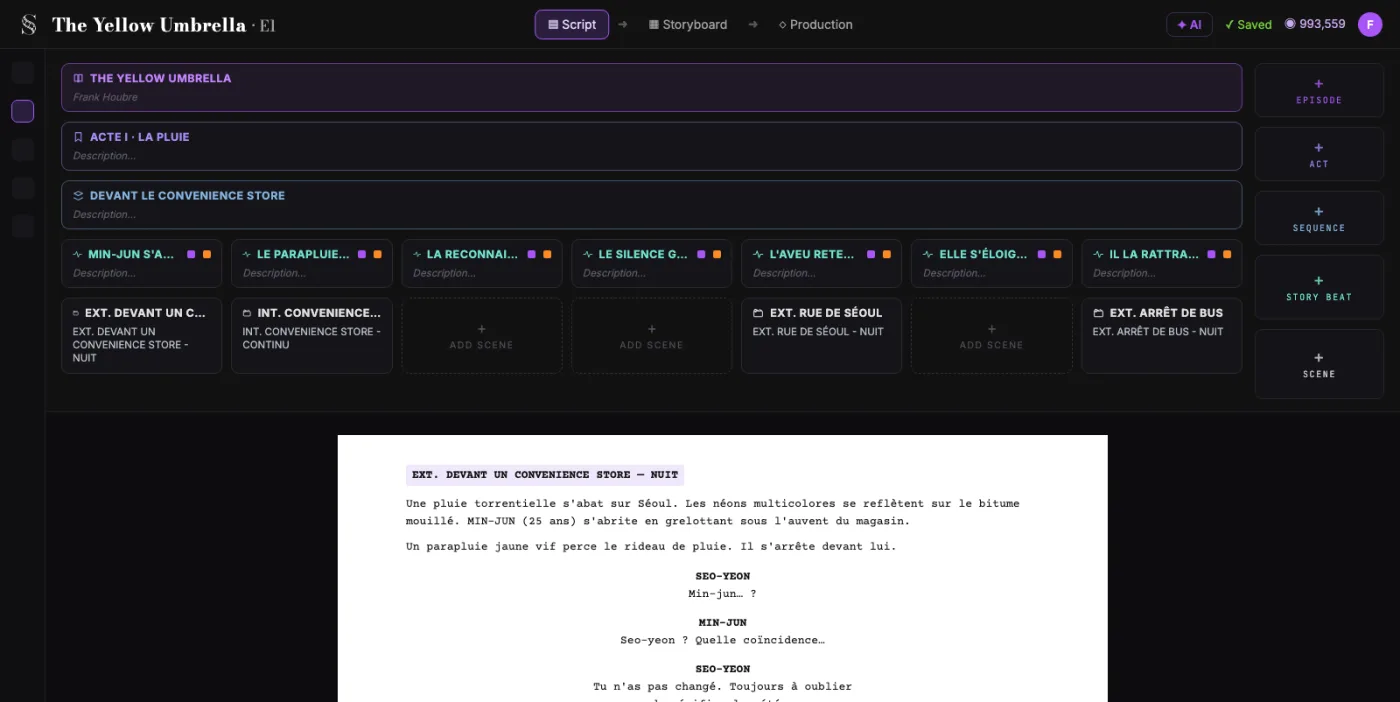
  1. ScreenWeaver screenplay editor: acts, sequences and beats above the formatted script of The Yellow Umbrella

    01The screenplay, enriched

    An industry-standard screenplay editor, and more: a visual outline and beat editor, your writing inspirations (notes, photos, audio) kept next to the page, and an AI researcher to support your writing, not replace it.

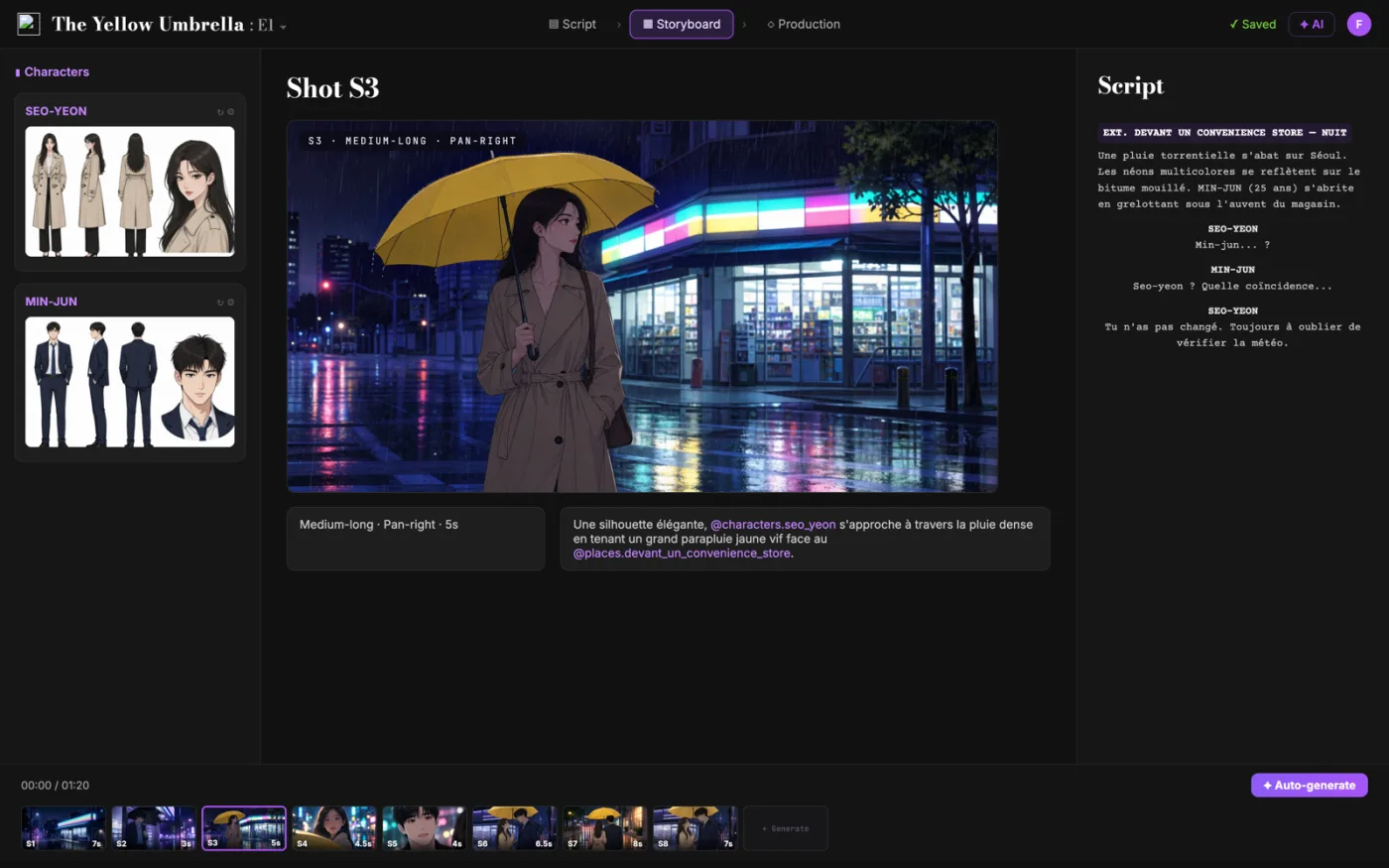
  2. ScreenWeaver storyboard: shot S3 of The Yellow Umbrella with characters, shot settings and the script beside it

    02The storyboard, made easy

    Shot breakdown generated from your screenplay, manual control over every shot (frame, angle, movement, duration), and generative AI previsualization in one click.

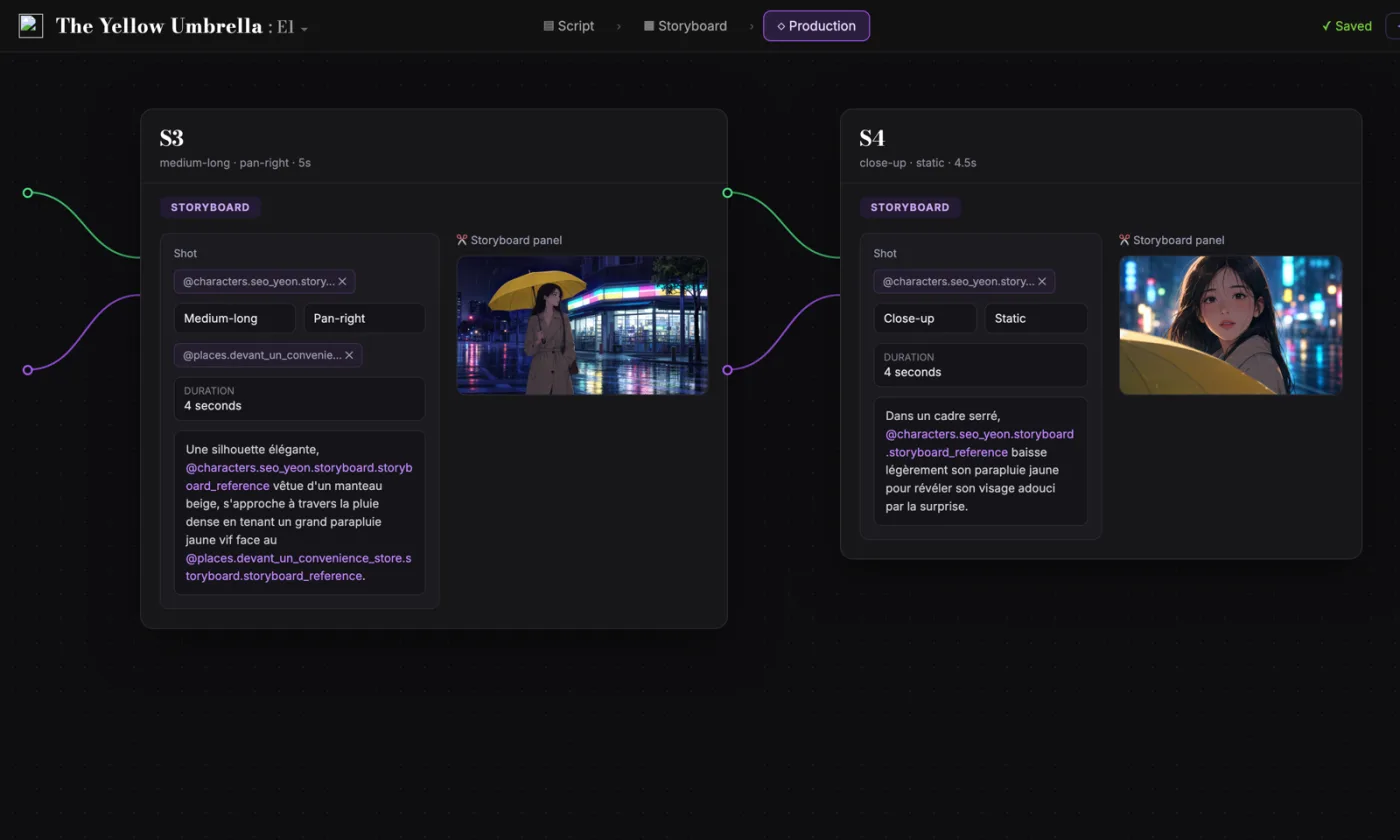
  3. ScreenWeaver production canvas: shots S3 and S4 as connected nodes carrying their storyboard panels and prompts

    03AI production, with finesse

    Footage generation pipelines connected to your screenplay and storyboard. Optimized out of the box, fully editable workflow.

FAQ

The AI Artist Festival, your questions

How do you win the AI Artist Festival?
Enter the section that matches how your film was made and aim at one of six awards: Best Film, Director, Screenplay, Visual Effects, Business Market Application or Music and VJ. No grid is published. The fifth season’s winners were short, between 3 and 10 minutes, and each rested on one strong idea.
What is the deadline?
5 December 2026 on Festhome. The festival takes place on 26 and 27 December 2026 in Beijing, and notification is listed for 27 December.
How much does it cost?
€12 per section. With a Festhome PRO pass it falls to €8.04. The listing shows no early or late fee.
Can I enter a film I already posted online?
No. The rules require an original work that has not been publicly released and has not taken part in other film festivals. Keep it private until the results.
Which section fits a ScreenWeaver film?
The first, AI-generated 100%, if the picture is entirely generated, and the second, with real shot or animation, if you filmed or drew any of it. The footage pipelines of ScreenWeaver use Seedance 2.0 and 2.5.
Can a feature film enter?
Yes. Every section lists short and feature films and states no maximum length. The fifth season’s prize films, though, ran 3 to 10 minutes.
Is there cash prize money?
None is published. The listed awards are six honours. Selected films may also be shown at partner festivals through the Courant3D network.
Who is on the jury?
Neither Festhome nor the festival site names the jurors, so we cannot list them. The festival is supported by the Association France Chine des Nouveaux Cinémas, ONED Pioneer Imaging Laboratory and PixVerse, and co-organised by 36Kr.

Nine weeks. The first page is free.

Write it on the free plan, board it, then film it.