Milan AI Festival 2027 · Guide

How to enter the Milan AI Festival.Eight categories. Any AI tool. A screening in Milan.

The first Milan AI Festival takes AI films in eight categories, from fashion film and design to narrative shorts. The regular deadline is 15 December 2026 and the winners screen live in Milan on 15 April 2027. Here are the rules and a plan to make the film in ScreenWeaver.
  • Regular deadline 15 December 2026
  • Fees from $5 per category
  • Winners screened in Milan
Lost Garden · Episode 2

Independent guide by the ScreenWeaver team. ScreenWeaver does not organise the Milan AI Festival and is not affiliated with VIA - Visual Innovation Awards. Rules read on 28 October 2026. Official entry page

Available today in ScreenWeaver: free screenwriting, and a storyboard generated from your screenplay with the Auteur plan, $39.99 a month.

Also available now: video generation of each shot, powered by Seedance, on the same Auteur plan, with 6,000 credits a month.

The rules on one card

What the Milan AI Festival asks.

A new festival from VIA, the team behind the Rome and Florence AI festivals. It is open to any generative AI tool and judges each category on its own.
The festival
Winners screened live in Milan, 15 April 2027
Regular deadline
15 December 2026
Later deadlines
Late 15 January 2027, extended 15 February 2027
Entry fees
$5 (earlybird) to $15 (extended) per category, student rate
Categories
Eight, from fashion film, design and architecture to narrative shorts
Prizes
Trophy, laurel and Milan screening per category, Best of Festival
Who can enter
Worldwide, 18 and over, films finished after 1 January 2025
AI tools
Any generative AI tool, English subtitles if not in English

Source: the aifilmcontests.com listing, read on 28 October 2026, and FilmFreeway text relayed by search: the FilmFreeway page itself could not be opened for this guide. <b>The running time limit is not stated</b> in what we read. Check it, and the exact category names, on FilmFreeway before paying.

Key dates

Four deadlines, one screening.

Fees rise at each deadline. The regular deadline on 15 December is the one to aim for: the later ones cost more and leave nothing to fix.
  1. 16 Oct 2026

    Submissions open

    The earlybird fee applies first. Check on FilmFreeway whether it is still open.

  2. 15 Dec 2026

    Regular deadline

    The date this guide plans for. Submit a day early: the listing gives no time zone.

  3. 15 Jan and 15 Feb 2027

    Late and extended deadlines

    Still open, at a higher fee per category. Useful only if the film slips.

  4. 15 Apr 2027

    Screening in Milan

    Category winners and the Best of Festival screen live in Milan.

Choose the field

Eight categories, four fields to know.

The listing names the fields the eight categories cover. Below each one, the angle we would take. Check the exact category names on FilmFreeway.
  • 01

    Fashion film

    The field Milan is known for: clothes, bodies, movement.

    A fashion film sells a feeling, not a plot. One garment, one place, one gesture, held across every shot so the clothes never change between takes.

  • 02

    Design

    Objects, products, the way things are made.

    Treat the object as the character. Storyboard the reveal: what we see first, what we see last, and the one detail the camera lingers on.

  • 03

    Architecture

    Buildings and spaces, real or imagined.

    Architecture on screen is a walk. Plan the path through the space shot by shot, with light that changes as we move, and keep the building identical from angle to angle.

  • 04

    Narrative short

    Story-led films, with a character who wants something.

    The widest field, where the story decides. Two characters and one clear change beat a sequence of beautiful shots.

From script to screen

Lost Garden: one scene, six shots.

The opening of Lost Garden, episode 2, an animated series by the ScreenWeaver team, made with Seedance: the screenplay page as you hear it in the film, then each shot as a storyboard frame and as the final image.

Logline. A newborn knight whose inner light is leaking away crosses a world that has stopped hoping, to find the one blacksmith who can seal his armor.

Screenplay · episode 2 · page 1

INT. UNDERGROUND CAVERN - LOWER PATH - CONTINUOUS

Blue mushrooms the size of houses. LANTERN, a small knight with a lantern for a helm, walks alone.

He presses a hand to his chest. Sparks of light slip between his fingers.

SERRURE

Hold on. You're losing something.

Serrure lifts the edge of the cloak. A gash in the armor. Blue light leaks out like smoke.

SERRURE

That's your energy. What keeps you standing.

He grips Lantern's shoulder. Two knights alone among the crystals.

SERRURE

A suit that leaks goes out. Eventually.

Under the giant mushrooms, the road climbs into the dark.

SERRURE

So. We follow the road.

Serrure points the way. Lantern follows.

CUT TO:

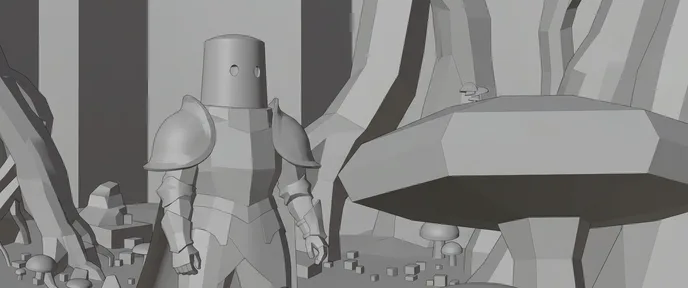
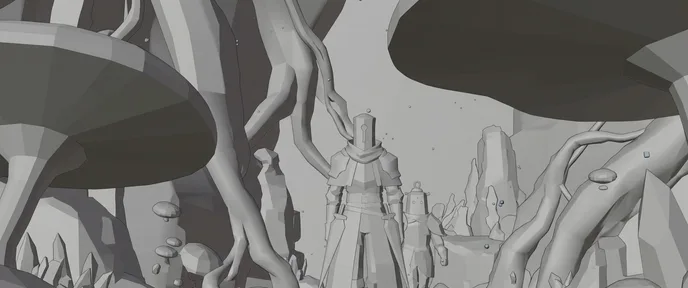
  1. A small knight with a lantern helm stands by a giant glowing blue mushroom in a crystal cavern
    Storyboard frame of the same wide shot, in grey
    01

    Wide · the world

    Wide shot, Lantern alone by a giant glowing blue mushroom, crystal cavern, roots, drifting spores, cold blue light

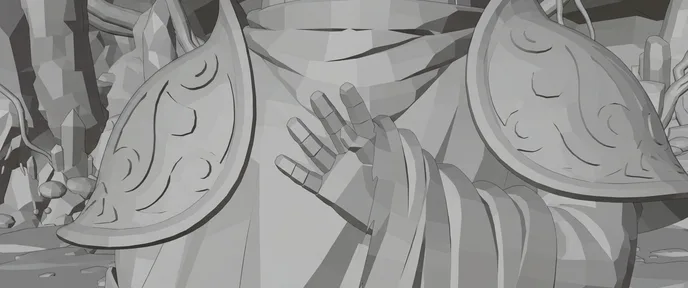
  2. Close-up of an armored chest under a cream cloak, a gloved hand, a spark of light
    Storyboard frame of the chest close-up, in grey
    02

    Close-up · the chest

    Close-up on Lantern's chest, his gloved hand pressed to the cloak, a spark of light escaping between the fingers

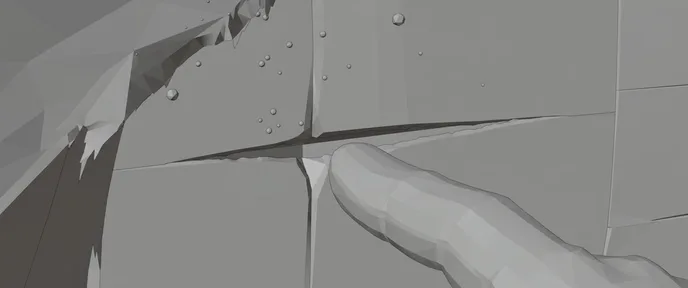
  3. A torn gash in an armor plate leaking bright blue light, a finger pointing at it
    Storyboard frame of the wound insert, in grey
    03

    Insert · the wound

    Extreme close-up, Serrure's finger near a torn gash in the back plate, blue light leaking out like luminous smoke

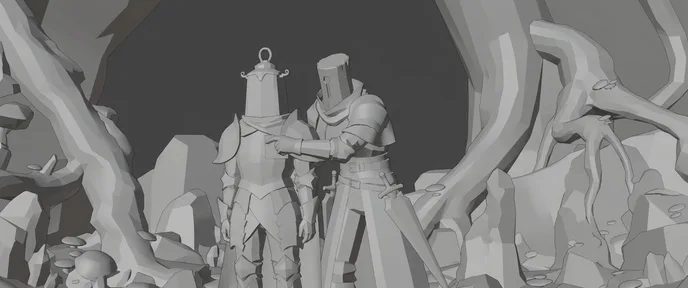
  4. Two armored knights side by side, one with a hand on the other's shoulder, in a crystal cavern
    Storyboard frame of the two-shot, in grey
    04

    Two-shot · the bond

    Medium two-shot among crystals and roots, Serrure's hand on Lantern's shoulder, faceless armors, emotion through posture only

  5. Two small knights walk beneath two giant glowing blue mushrooms
    Storyboard frame of the wide shot, in grey
    05

    Wide · the scale

    Wide low angle, the two knights tiny beneath two giant glowing mushrooms, blue crystals in the foreground, mist

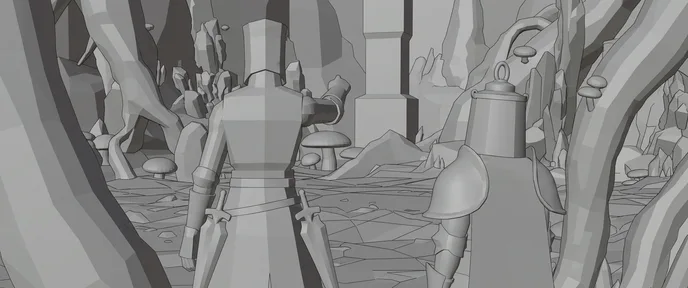
  6. Seen from behind, a tall dark knight points ahead while the small lantern knight looks on
    Storyboard frame of the over-the-shoulder shot, in grey
    06

    Over the shoulder · the road

    Over-the-shoulder from behind, Serrure points ahead into the cavern, Lantern beside him, roots framing the path

Lost Garden, episode 2, 21 minutes. It shows a world built by scale and light, giant mushrooms, a crystal cavern, two small knights, which is the kind of production design Milan gives a special mention to. An animated series by the ScreenWeaver team, made with Seedance. The player opens on this scene.

The script

A three minute film in four movements.

The listing gives no running time, and a fashion or design film is usually short. Aim for three minutes: three screenplay pages and 35 to 45 shots of 4 to 5 seconds.
  1. 0:00 to 0:18

    The hook

    One image that raises a question: a fabric, a façade, a face.

  2. 0:18 to 1:12

    The world

    Where we are, who or what we follow, and the visual rule of the film.

  3. 1:12 to 2:24

    The movement

    The garment moves, the building opens, the character pushes. Give one moment to sound alone.

  4. 2:24 to 3:00

    The turn

    A last image that answers the first, then short credits.

Writing a narrative short? The same four movements stretch to eight or ten minutes. Check the running time limit on FilmFreeway first.

The plan to the deadline

Seven weeks to 15 December.

From 29 October. Seven weeks is comfortable for a three minute film if the look is fixed before the footage starts.
  1. 01

    29 Oct to 4 Nov

    Category and screenplay

    Choose the category, write five loglines, keep one and write three pages in industry format on the free Screenwriter plan.

  2. 02

    5 to 14 Nov

    References and storyboard

    A reference for every character, garment and set, then the storyboard generated from the screenplay. Lock the look now.

  3. 03

    15 to 28 Nov

    The footage

    Generate each shot from the storyboard with Seedance in ScreenWeaver, scene by scene. Save each prompt and take.

  4. 04

    29 Nov to 8 Dec

    Edit, sound and subtitles

    Cut, mix and add English subtitles if the film is not in English. Export a clean master.

  5. 05

    9 to 14 Dec

    Check and submit

    Open FilmFreeway, confirm the running time, the category and the fee, and submit a day before the regular deadline.

Traps to avoid

Five ways to lose the entry.

Most come from the listing. Read the full rules on FilmFreeway before paying.
  • Waiting for February

    The extended deadline is 15 February 2027, but each later deadline costs more per category. Plan for 15 December.

  • A film finished too early

    Projects must be completed after 1 January 2025. An older film is not eligible.

  • No English subtitles

    Films not in English need English subtitles.

  • A student entry with no proof

    Entrants must be 18 or over, and the Student Film category asks for proof of enrolment.

  • Brands you do not own

    Fashion and design films invite logos. Video models invent them on their own: check each shot, and clear every real brand and music track.

Why ScreenWeaver

Any AI tool is allowed. Make the film hold together.

Milan imposes no tool, so the jury judges the film, not the software. ScreenWeaver keeps the screenplay, storyboard and footage in one project, so every shot has a reason to be there.
  • A screenplay first

    Write the three pages free in industry format. Screenwriting has no time limit and no credit cost.

  • A look that holds

    Characters, garments and sets carry from shot to shot through references, which a fashion or architecture film depends on.

  • Footage with Seedance

    Generate each shot in the same project, starting from the storyboard. Name your tools honestly if asked.

  • One price

    The storyboard and video generation of each shot are included in the Auteur plan at $39.99 a month.

Real productions

International festival-recognized films have been written and produced with ScreenWeaver.

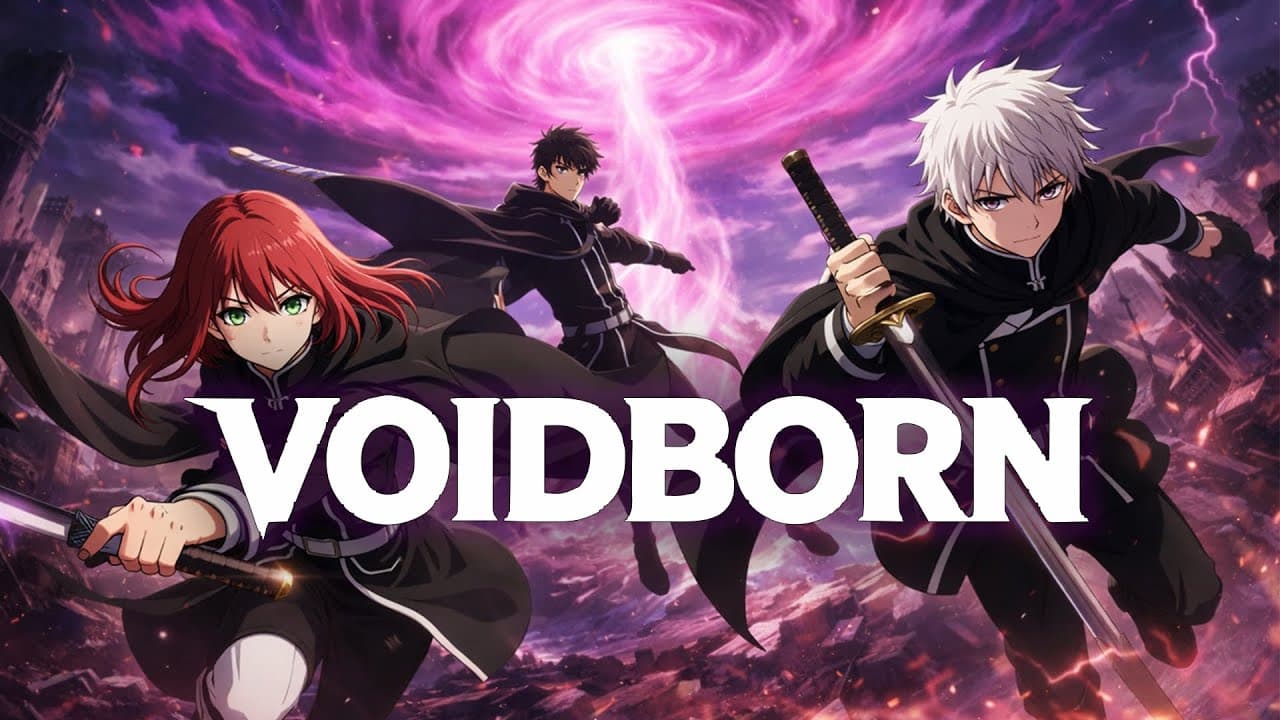
ScreenWeaver is already being used as a creative workspace for real AI film productions, from animated shorts to short films nominated and awarded by international festivals.

  • Video thumbnail for VOIDBORN

    VOIDBORN

    AI animated / cinematic short

    Festival recognition

    • 1st Place Silver

      Mondial Chroma Awards

    • 2nd Place Dreamina

      Mondial Chroma Awards

    • Award Winner

      Seoul International AI Film Festival

  • Video thumbnail for Les Fils du Vinnana

    Les Fils du Vinnana

    AI short film

    Festival recognition

    • Honorable Mention

      Top Quark Film Festival

    • People's Choice Nominee

      Illuminate Oneness of Humanity

    • Nominee

      ALTFF Supershort

The pipeline

Write. Board. Produce.

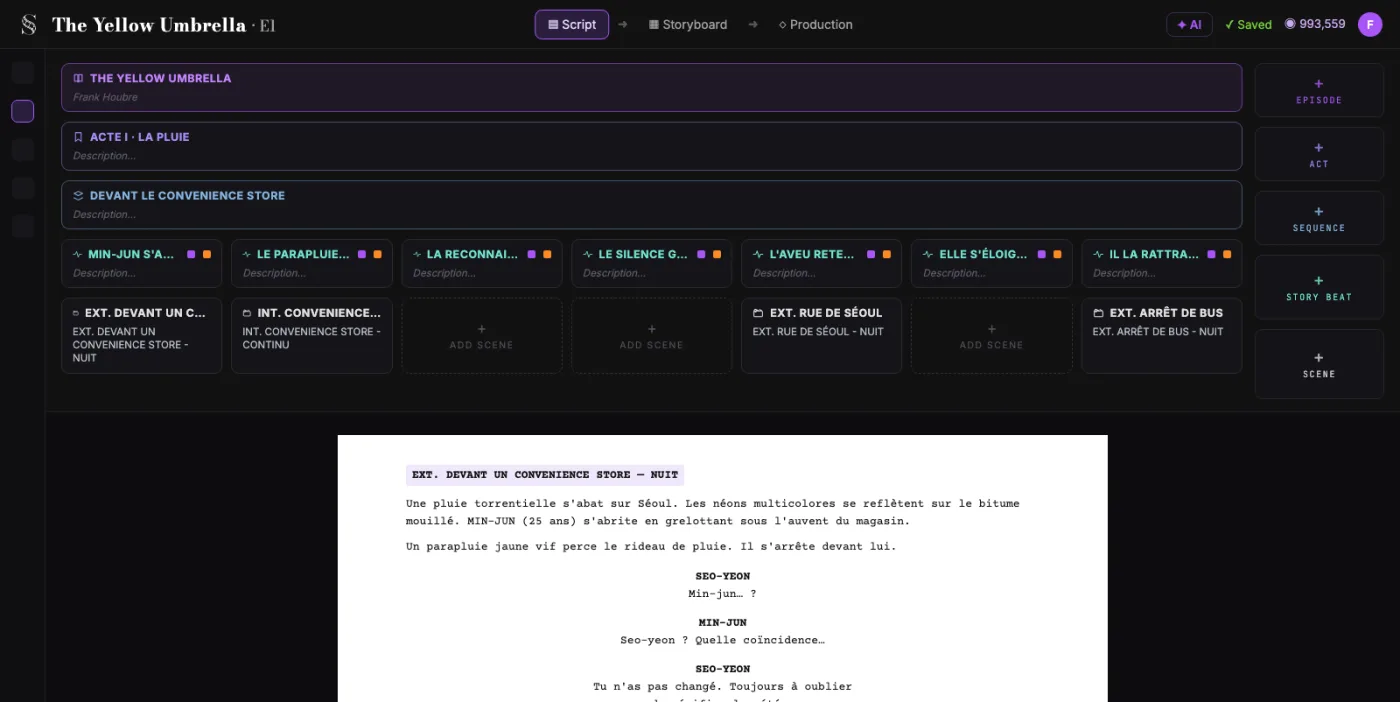
  1. ScreenWeaver screenplay editor: acts, sequences and beats above the formatted script of The Yellow Umbrella

    01The screenplay, enriched

    An industry-standard screenplay editor, and more: a visual outline and beat editor, your writing inspirations (notes, photos, audio) kept next to the page, and an AI researcher to support your writing, not replace it.

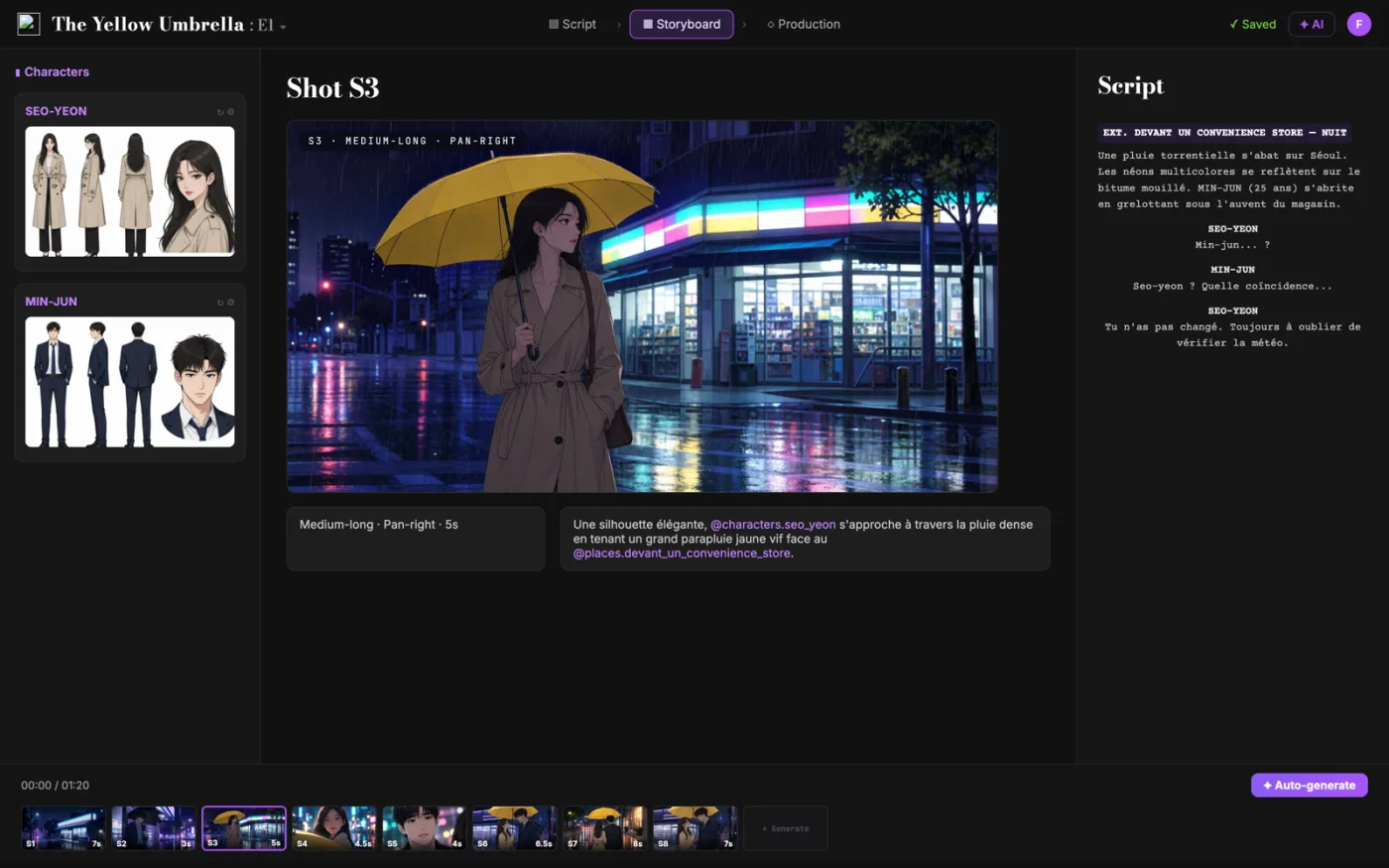
  2. ScreenWeaver storyboard: shot S3 of The Yellow Umbrella with characters, shot settings and the script beside it

    02The storyboard, made easy

    Shot breakdown generated from your screenplay, manual control over every shot (frame, angle, movement, duration), and generative AI previsualization in one click.

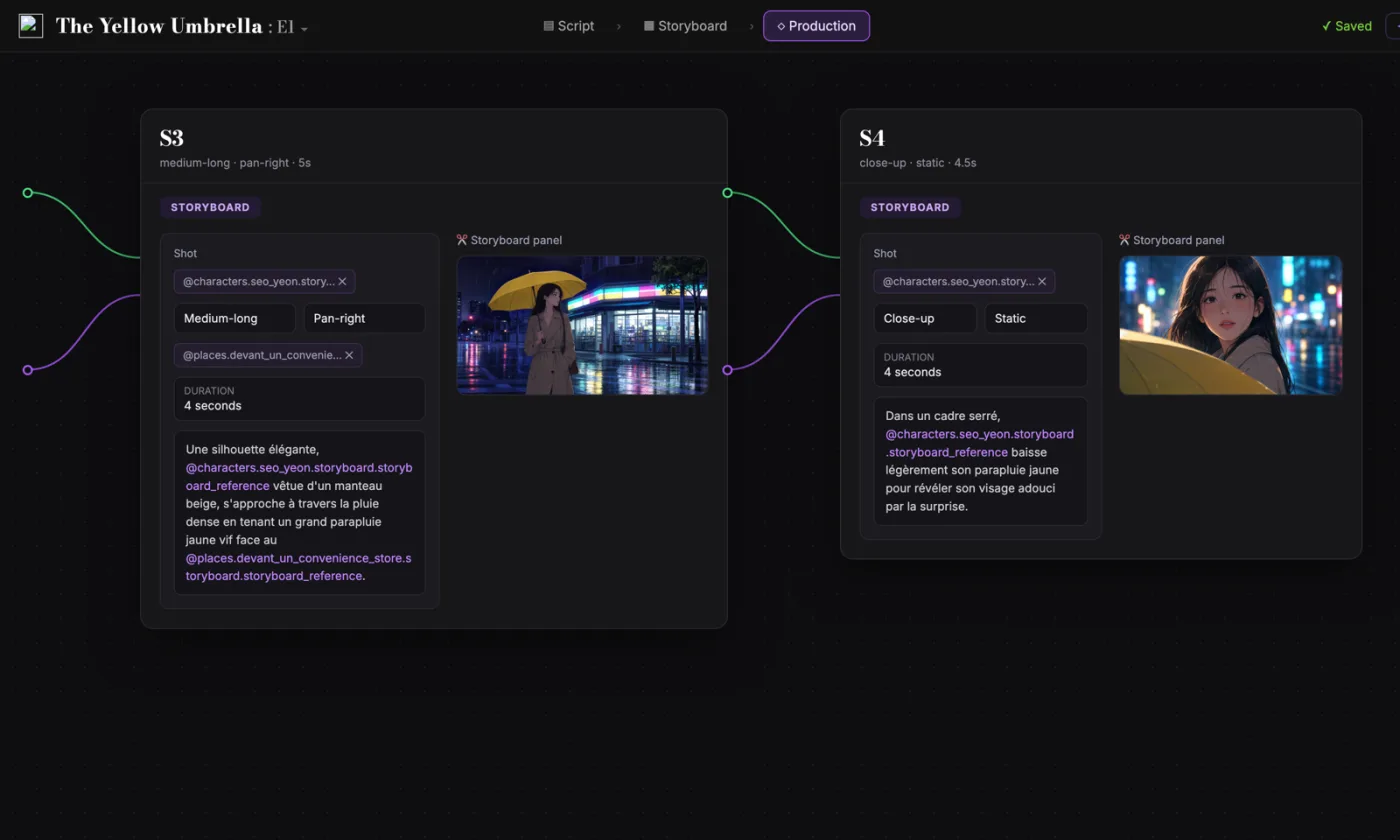
  3. ScreenWeaver production canvas: shots S3 and S4 as connected nodes carrying their storyboard panels and prompts

    03AI production, with finesse

    Footage generation pipelines connected to your screenplay and storyboard. Optimized out of the box, fully editable workflow.

FAQ

The Milan AI Festival, your questions

What is the Milan AI Festival?
A new AI film festival in Milan, run by VIA, the team behind the Rome and Florence AI festivals. Its first edition screens the winners live in Milan on 15 April 2027.
What is the deadline?
The regular deadline is 15 December 2026. A late deadline follows on 15 January 2027 and an extended one on 15 February 2027, each at a higher fee.
How much does it cost to enter?
From $5 at the earlybird deadline to $15 at the extended deadline, per category, with a reduced student rate, according to the listing.
Which categories are there?
Eight, covering fashion film, design, architecture and narrative shorts, with tags for short film, experimental and commercial work. Check the exact names on FilmFreeway.
What are the prizes?
A trophy, a laurel and a screening in Milan for each category winner, a Best of Festival trophy, and special mentions for direction, visual craft, sound and music, and production design. No cash prize is listed.
Who can enter?
Anyone 18 or over, worldwide, with a film completed after 1 January 2025. Any generative AI tool is allowed, and films not in English need English subtitles.
Can I make the film with ScreenWeaver and Seedance?
Yes. The festival allows any generative AI tool. Write and storyboard in ScreenWeaver, generate the shots with Seedance and check the running time limit on FilmFreeway before the final cut.

Seven weeks to 15 December. Start with the page.

Write a three page screenplay for free today, storyboard it, then film it with Seedance in the same project.