The ScreenWeaver Blog

Deep dives into modern screenwriting, visual storytelling, and how AI is reshaping the creative process.

Categories

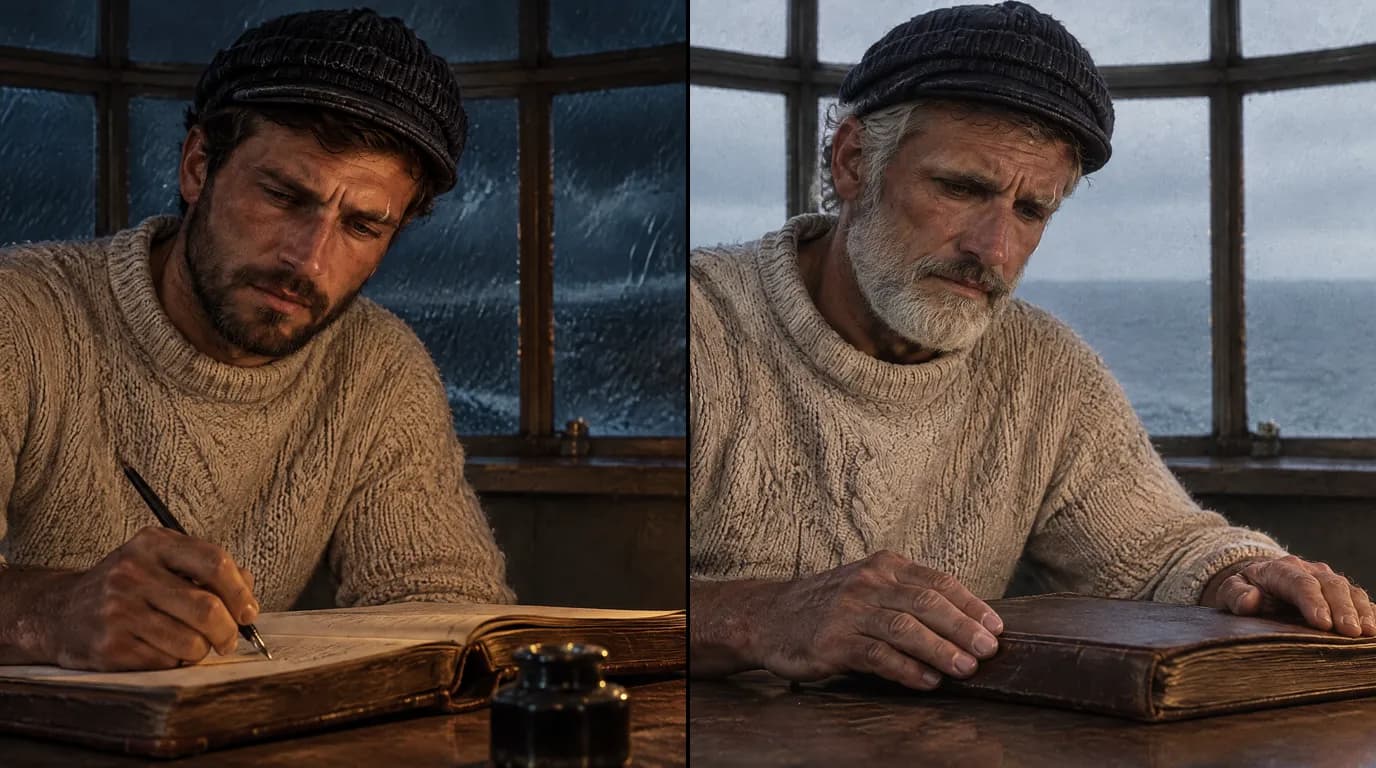
An old lighthouse keeper with a white beard on the lantern gallery at dusk, a shot from an AI documentary reconstruction waiting for its narration
AI Filmmaking
October 8, 2026•14 min read•ScreenWeaver Editorial Team

AI Documentary Narration: How to Get a Voice-Over That Sounds Like a Real Narrator

Write narration for the ear, know when to stay silent, time every line to picture before you board it, pick one narrator voice for a whole series, then record a human or generate the voice without cloning anyone. Worked through on The Last Keeper, a lighthouse reconstruction made in ScreenWeaver.

AI Documentary Narration: How to Get a Voice-Over That Sounds Like a Real Narrator
A storm-lashed granite lighthouse in the open sea at night, the opening shot of an AI history documentary reconstruction
AI Filmmaking
October 8, 2026•15 min read•ScreenWeaver Editorial Team

How to Make AI History Documentaries for YouTube That Stay Monetized

What YouTube's inauthentic content policy really says, why topic-to-video tools put a history channel at risk, and a production method that counts as original work: sourced research, narration you wrote, a recurring character with the same face in every episode, a storyboard, an anachronism checklist and honest labels.

How to Make AI History Documentaries for YouTube That Stay Monetized
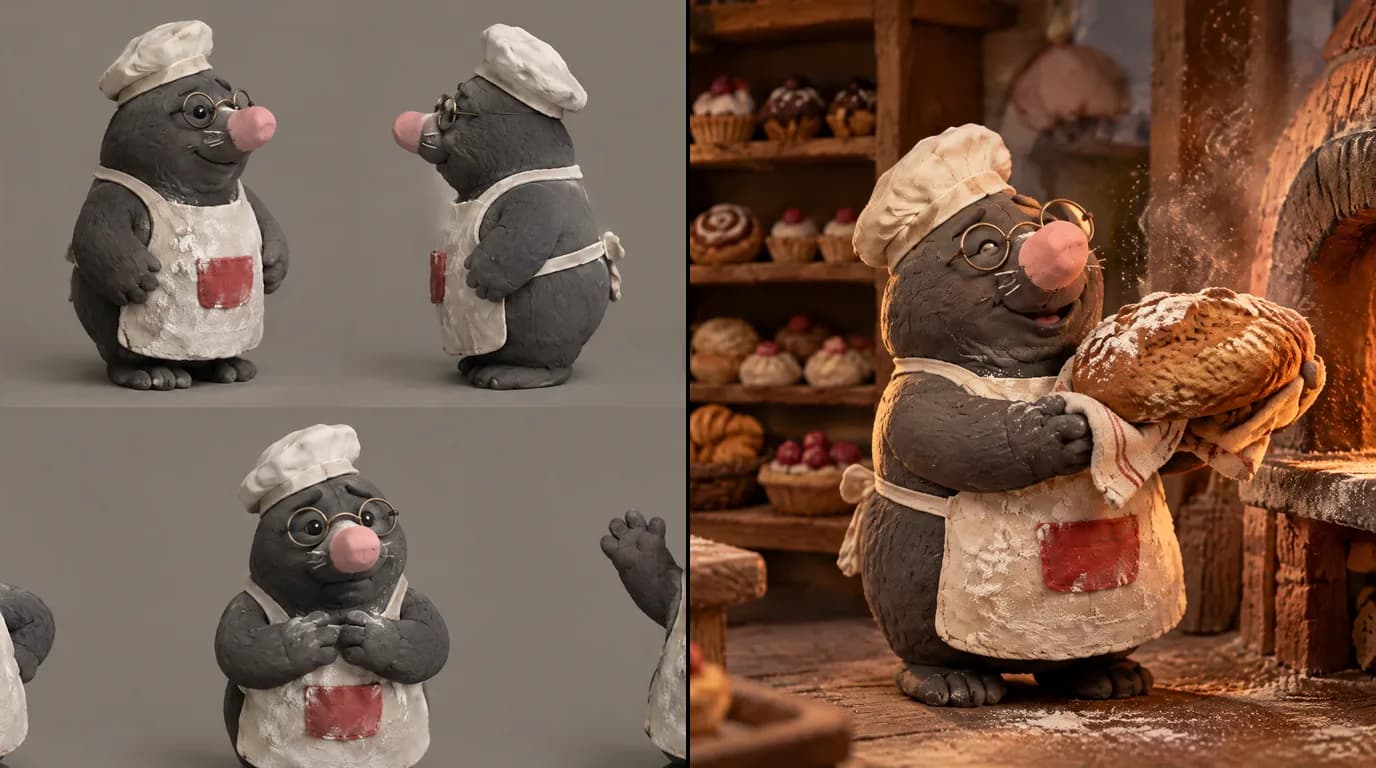
A claymation character sheet of a plasticine mole baker next to a film still of the same mole lifting a loaf from a tiny oven
AI Filmmaking
October 8, 2026•15 min read•ScreenWeaver Editorial Team

How to Make AI Claymation: The Method (+ Real Example)

Reference sheet, a plate for plasticine and fingerprints, a miniature set, boards, one small action per shot, then the step most guides skip: retiming the motion to 12 poses per second, like real stop motion. The full method for AI claymation, shown on Bertie, an original clay mole baker, and on one real shot in three takes, including the one we got wrong.

How to Make AI Claymation: The Method (+ Real Example)
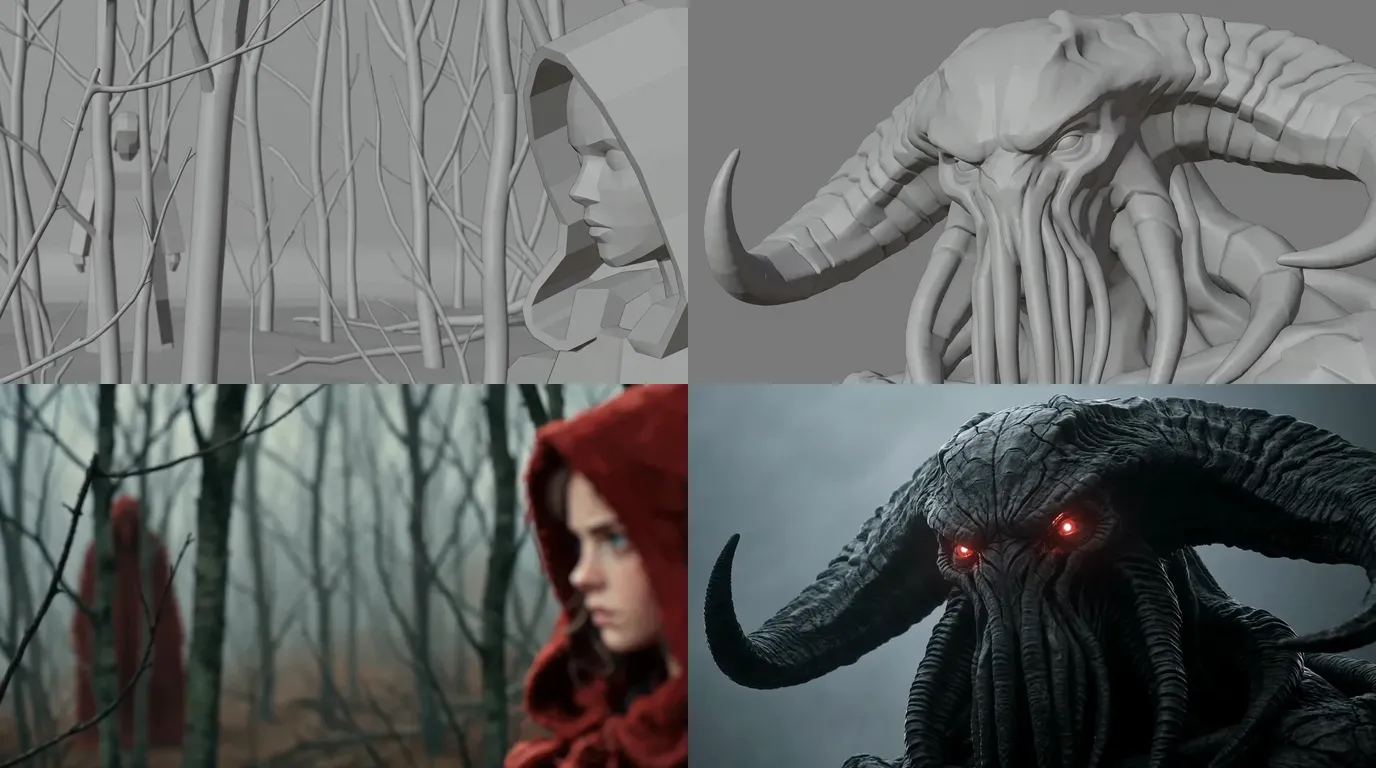
Two horror shots by the ScreenWeaver team: grey previz storyboard frames on top of a girl in a hood in a dead forest and of a horned creature with a tentacled face, the matching final frames below, with the blurred red figure behind her and the creature's red eyes
AI Filmmaking
October 8, 2026•15 min read•ScreenWeaver Editorial Team

How to Make AI Horror Videos: The Method (+ Real Example)

Script with its sounds, reference sheets for the victim and the creature, grey previz storyboard, then many empty shots and a few short threat shots that never show the whole monster: the full method for AI horror that actually scares, shown on a real six-shot scene from grey board to final frame, with a long section on keeping faces, creatures and blood consistent from shot to shot.

How to Make AI Horror Videos: The Method (+ Real Example)
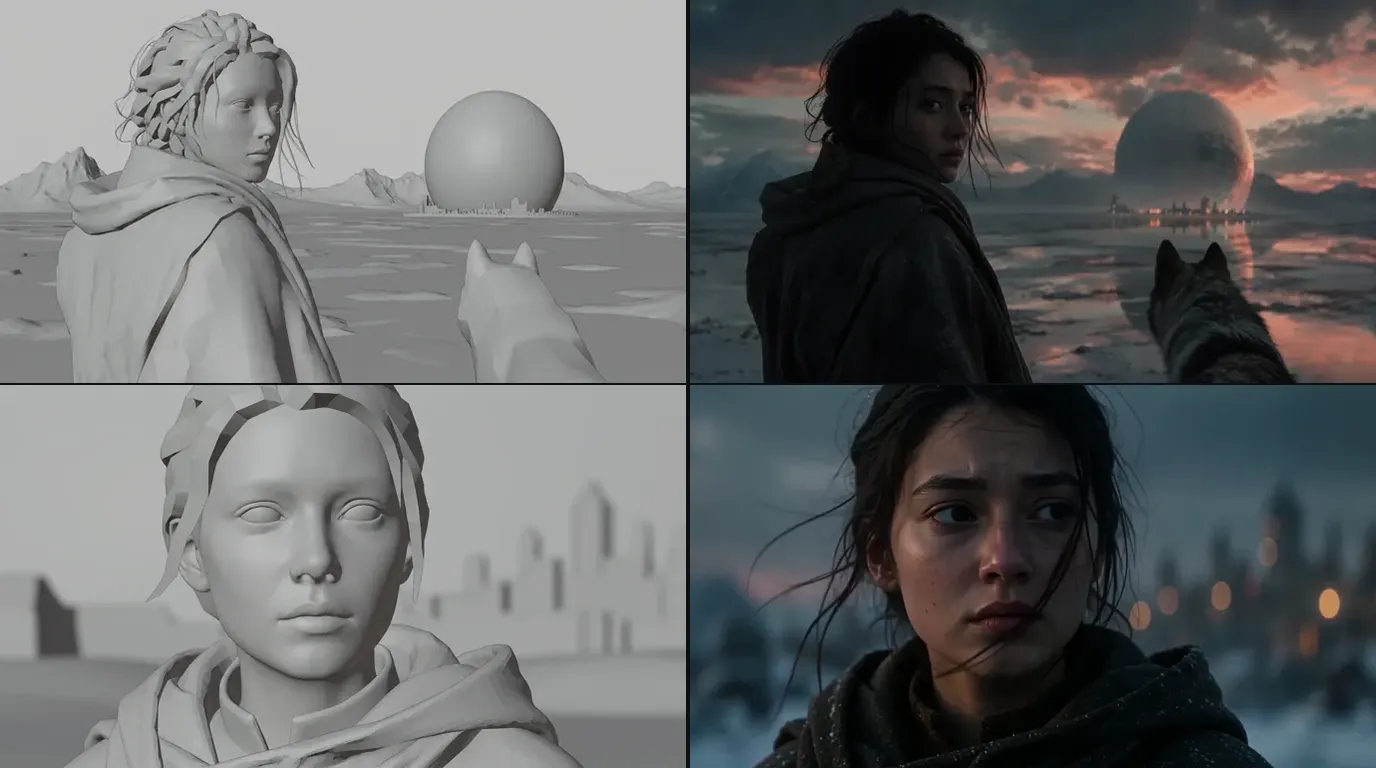
Two cuts from the Wolf Shore teaser, each grey 3D previz storyboard frame beside its final shot: a young woman in a dark hooded coat looking back on a frozen shore with her wolf and a giant planet on the horizon, and a tight close-up of her face with blurred city lights behind
AI Filmmaking
October 8, 2026•15 min read•ScreenWeaver Editorial Team

How to Make an AI Movie Trailer: The Method (+ Real Example)

Logline, treatment, a trailer script in three acts, a reference sheet for the lead, a storyboard for every cut, voice-over and music laid down before the picture, then shot-by-shot generation: the full method for an AI movie trailer of your own film, shown on a real six-cut teaser from grey board to final shot, with a long section on keeping one lead recognisable across 30 to 40 very short cuts.

How to Make an AI Movie Trailer: The Method (+ Real Example)