The ScreenWeaver Blog
Deep dives into modern screenwriting, visual storytelling, and how AI is reshaping the creative process.
Categories

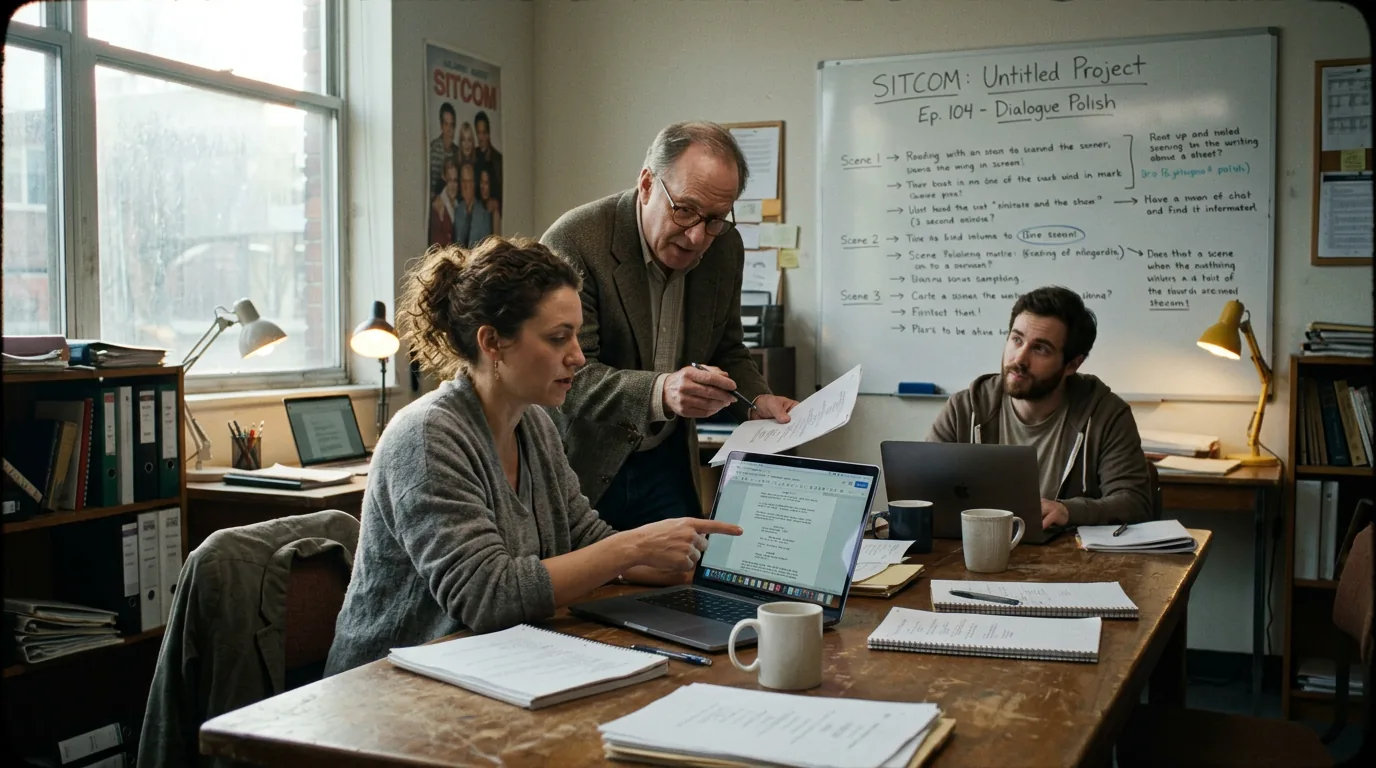
The Role of AI in Harmonizing Dialogue for a Co-Written Sitcom
Eight writers. Five acts. Forty-eight hours until the table read. Someone needs to make the pages sound like one show. How language analysis tools surface inconsistencies before humans even start the harmonization pass.

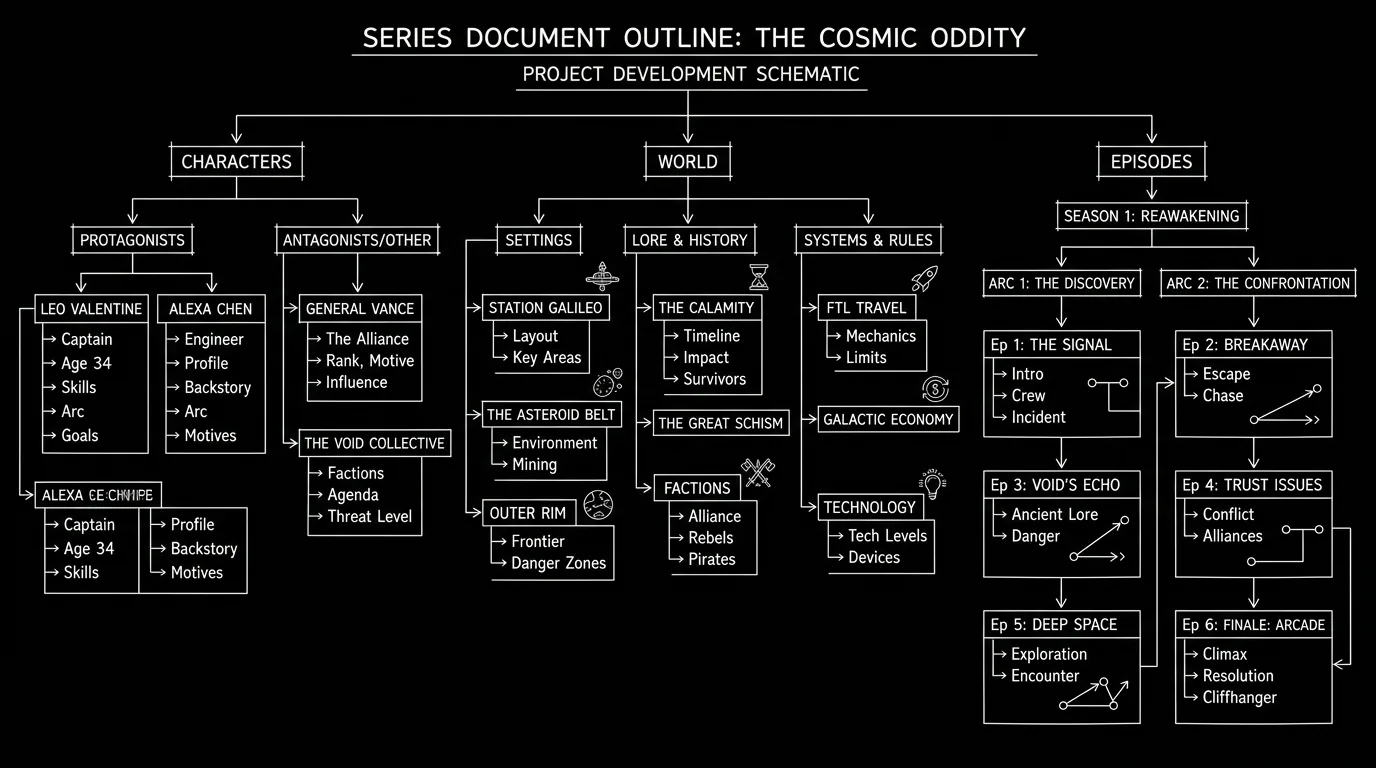
Generating a Series Bible 10x Faster With Algorithmic Organization
The 10x isn't the machine writing the bible. It's the machine filing: extracting from your script and notes, filling sections, building indices. You review and own every word.

Screenwriter Productivity and Workflow: When UI/UX Becomes Your Quiet Co‑Writer
You blame "discipline". The real villains are janky navigation, scattered research, and interfaces that fight your focus. How modern UI/UX design quietly turns more of your limited writing time into pages.

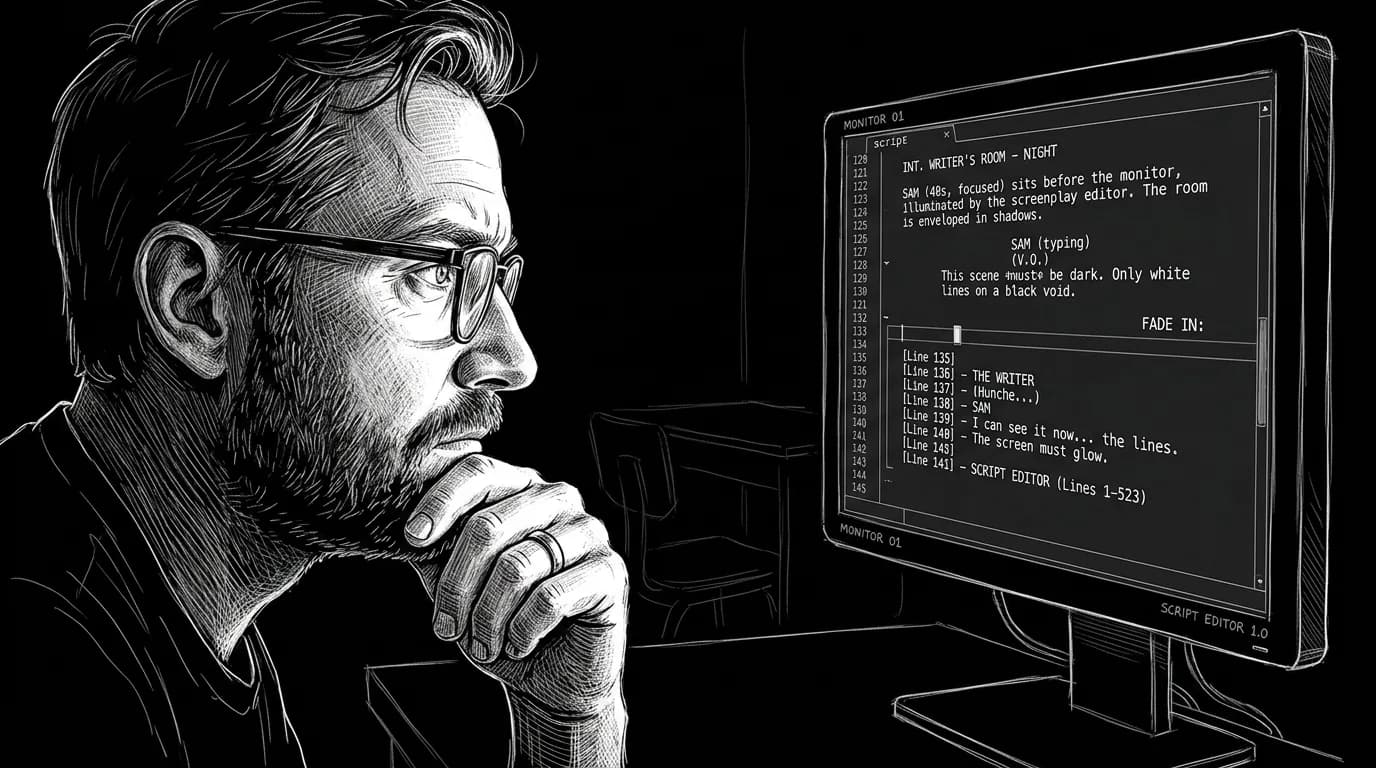
Dark Mode in Screenwriting: Protecting Your Eyes During Late‑Night Writing Sessions
The scene is there. Your eyes aren't. How properly tuned dark mode, ambient light, and screen ergonomics can buy you another hour of usable focus on the nights that matter.

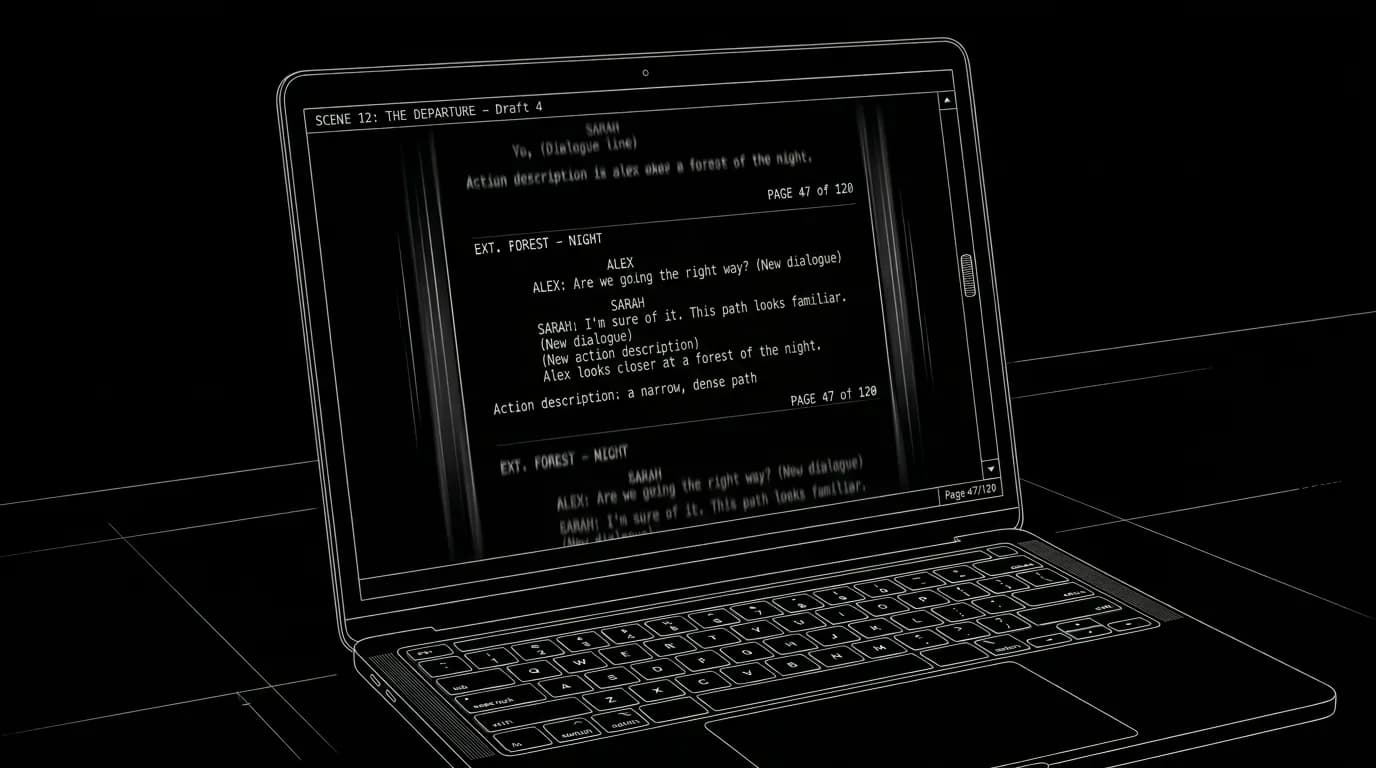
Managing a 120-Page File Without Lag: Why Lightweight Software Code Matters More Than Your Laptop
The script is fine. The cursor isn’t. How the way your screenwriting tool is coded decides whether a 120-page draft feels like glass or concrete—and what to look for before you commit a feature to one file.

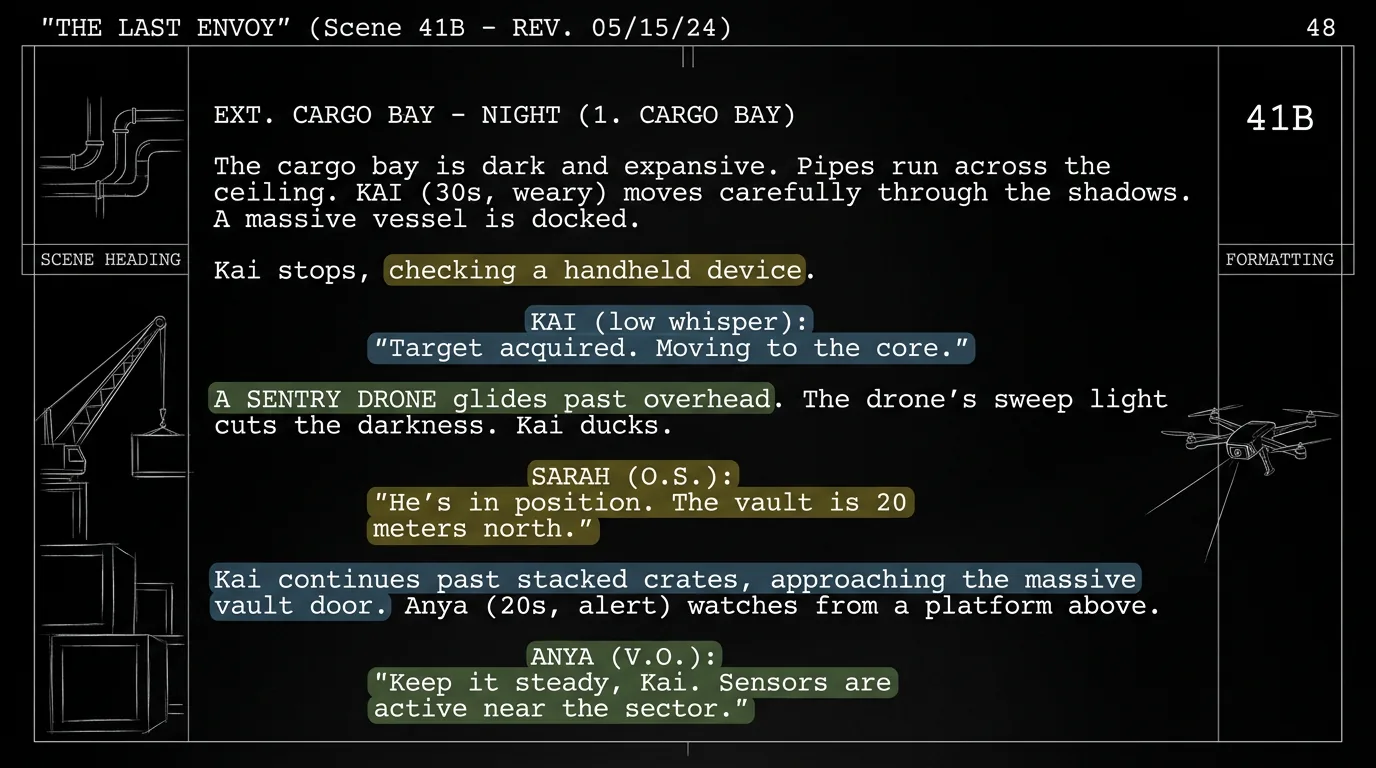
Color-Coding for Rewrites: How to Not Drive Your Director Crazy
Production needs to see what changed. Blue, pink, yellow—revision colors aren’t busywork. They’re how you keep the room in sync and avoid costly confusion.

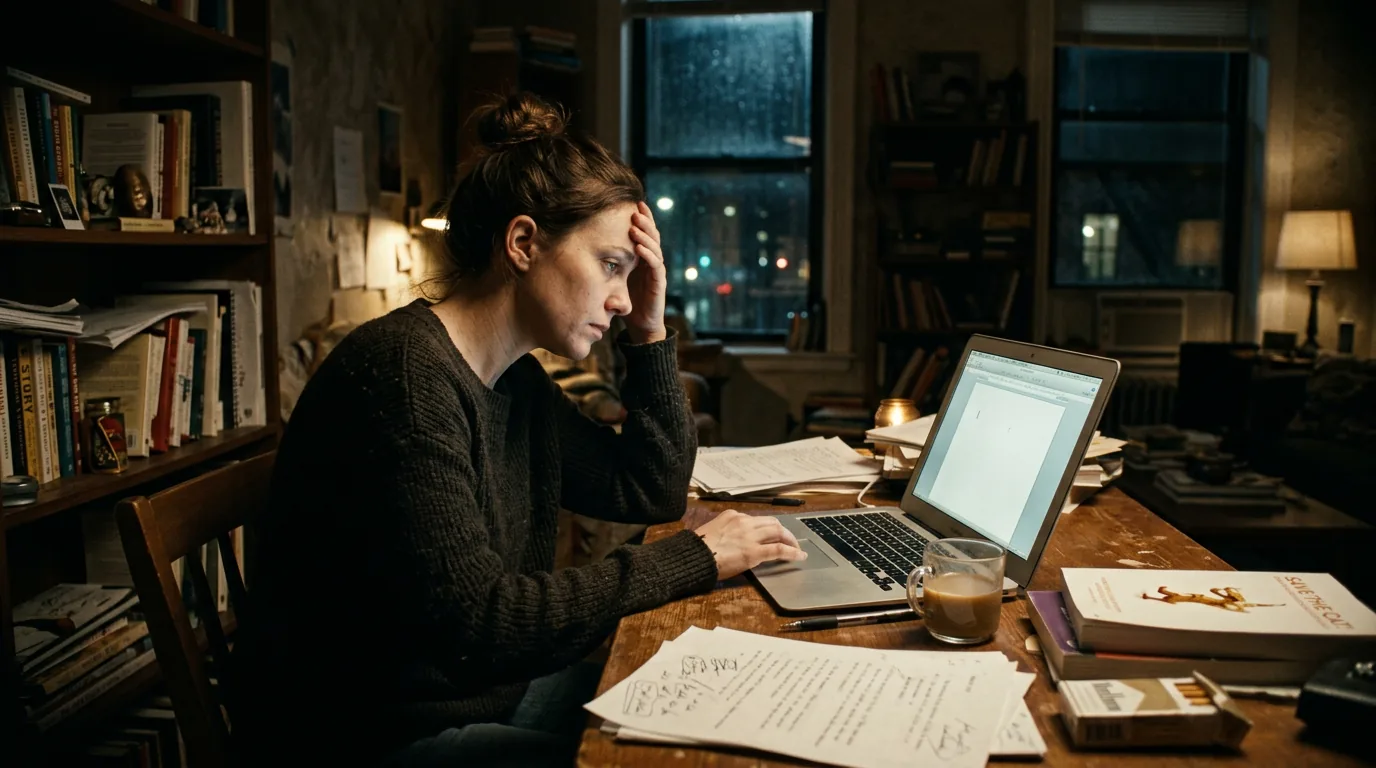
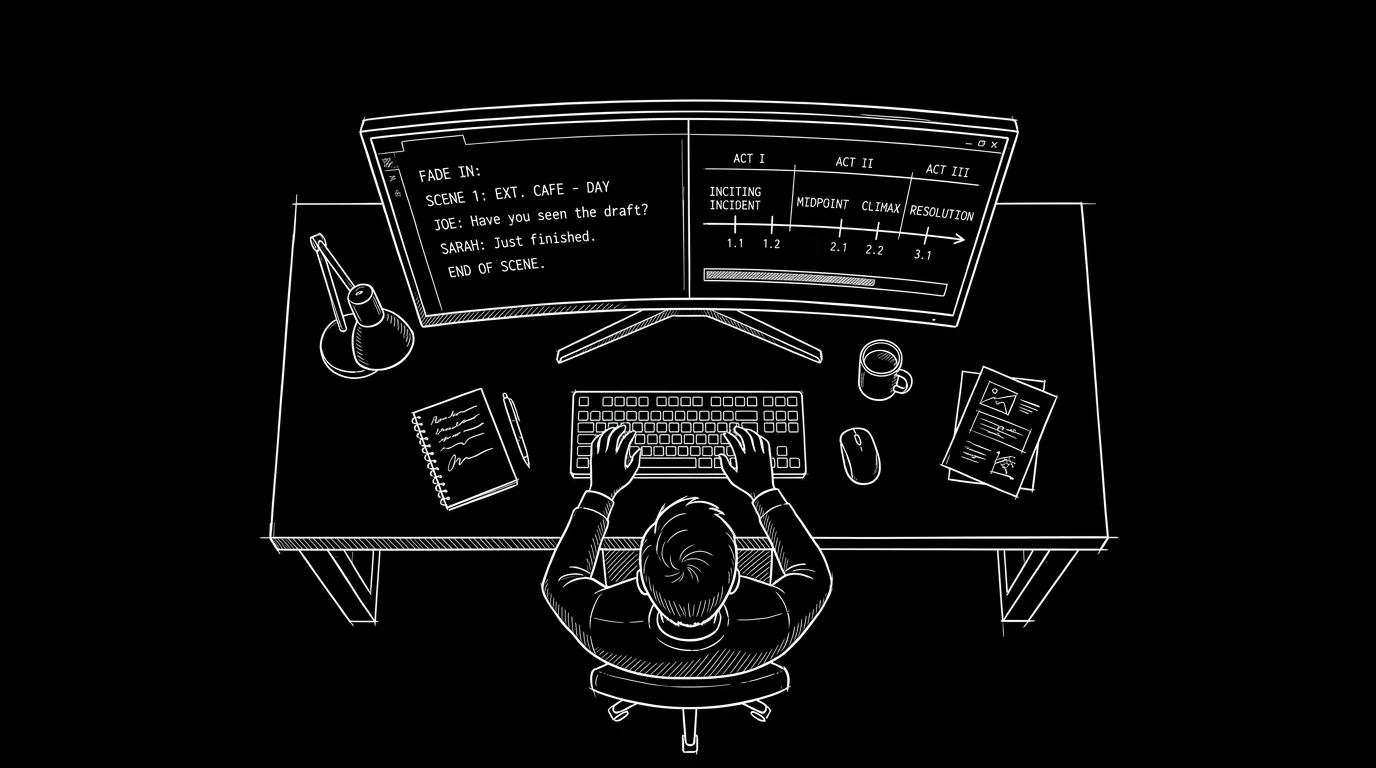
The Psychology of the Blank Page: How Your Writing Interface's Design Impacts Creativity
The blank page isn’t neutral. It’s designed. How structure, chrome, and visible progress in your writing app can make you more likely to start—or freeze.

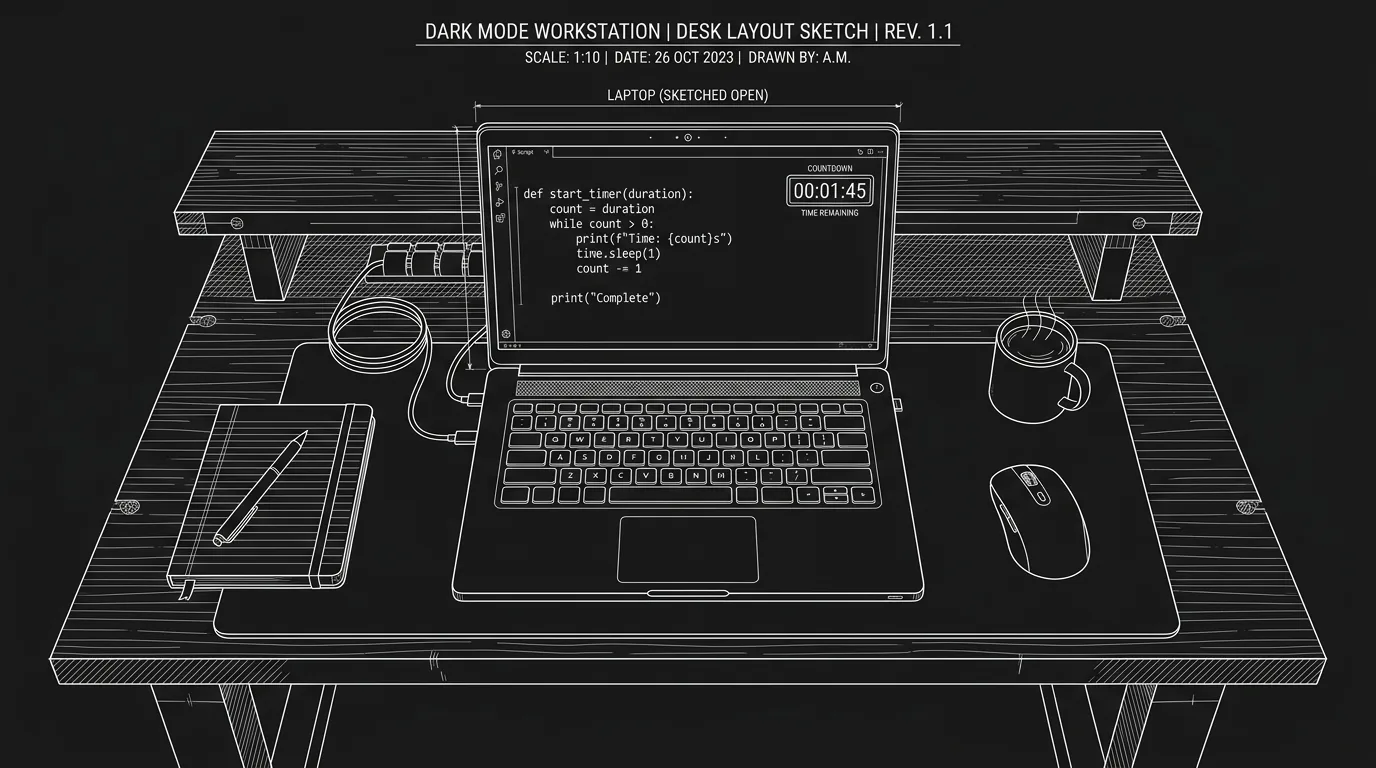
Using Built-In "Writing Sprints" (Pomodoro Method) to Finish Your Vomit Draft
Block by block, not all at once. How timed sprints and a strict "only add" rule get you through the draft that has to exist before it can be good.