On 13 November 2026, Pine AI released Pine Drama Studio, an open-source AI filmmaking studio built for whole series rather than single clips. You give it a screenplay and one instruction. Agents design the characters, places and props, then produce the episodes, and you approve each step.
The interesting part for anyone in pre-production is not the agents. It is the order of work Pine chose: design everything once, approve at fixed gates, and regenerate only what a change touches. That is the discipline a series needs, AI or not.
What follows comes from Pine AI's announcement on PR Newswire and the Pine Computer site, both read on 14 November 2026. We have not run a production on Pine Drama Studio. Disclosure: ScreenWeaver also takes a screenplay to a storyboard, so Pine is working on the same problem we are.
What Pine released
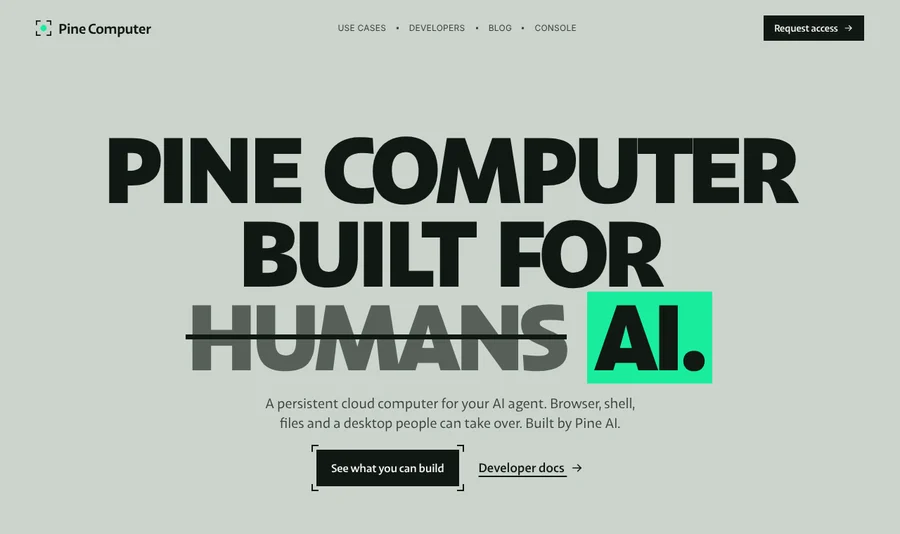
Pine AI makes Pine Computer, a cloud computer that AI agents can use like a person would, with a browser, a shell and files. Pine Drama Studio runs on it. According to the announcement:
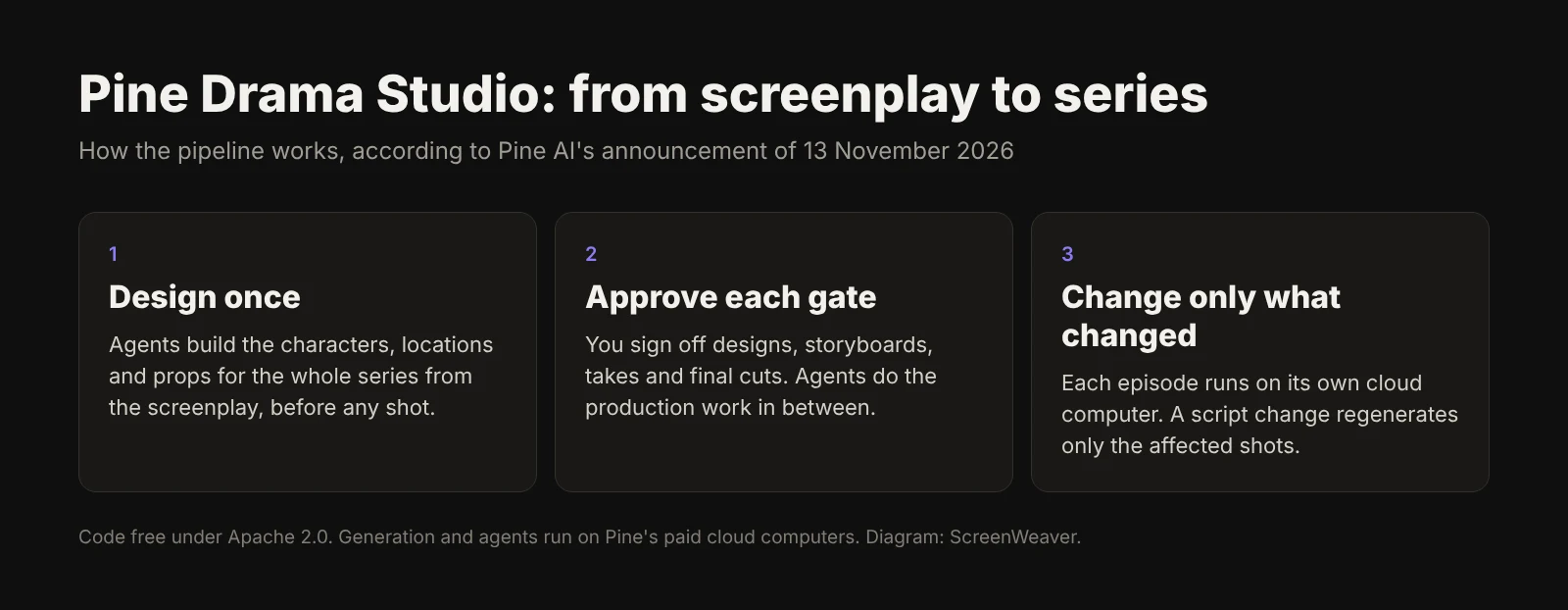
- It starts from a screenplay. A producer gives the script and a single instruction, and agents do the production work.
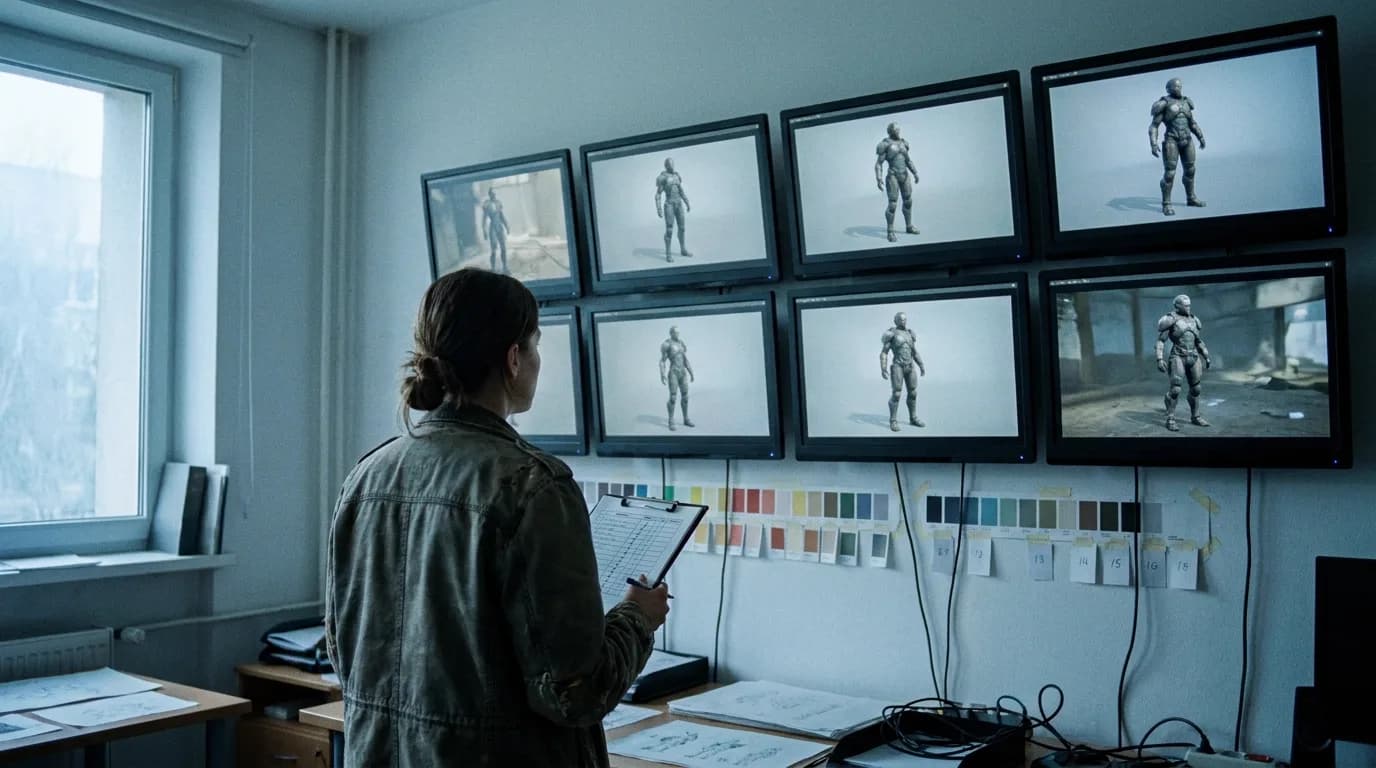
- Characters, locations and props are designed once for the whole series, not per shot.
- You approve at four gates: the designs, the storyboards, the takes and the final cuts.
- Each episode runs on its own Pine Computer, so several episodes can be in production at the same time.
- When something changes, agents regenerate only the affected shots.
- The code is free under Apache 2.0, on GitHub. Teams can edit the workflow, which lives in plain skill files, pick their own models and add steps such as dubbing. The paid part is the cloud compute that runs generation and agents.
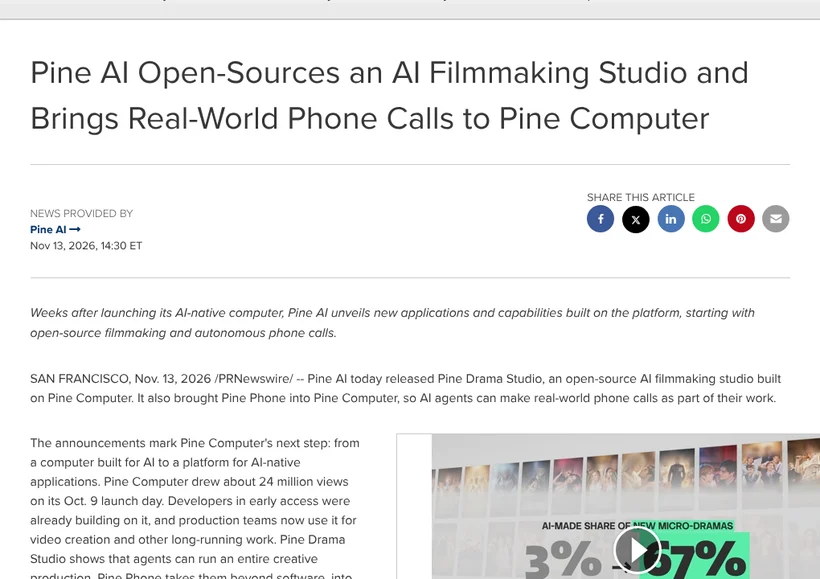
Pine also quotes a customer: an AI short-drama studio in Australia that moved its production to Pine Drama Studio in October. Each team member used to make 2 to 3 minutes of video a day and now makes 30 to 50, according to that studio's CTO. That is one customer's figure in a press release, not a measurement.
Why the order of work matters more than the agents
Pine's announcement names the real problem plainly: video models make good clips, but a series means hundreds of shots that must stay consistent across episodes. A character who changes face between episode 2 and episode 5 breaks the show.
The answer Pine gives is a pre-production answer:
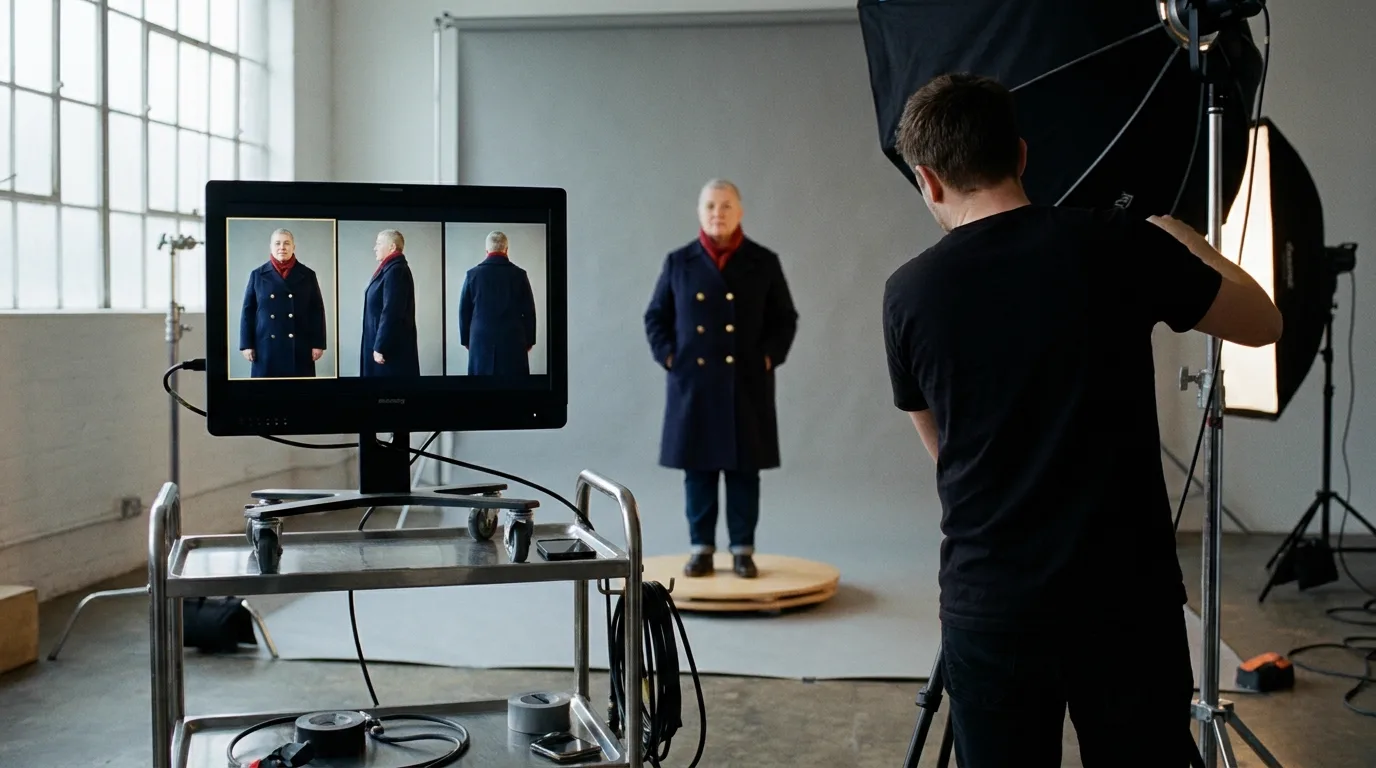
- Design before you shoot. One reference for each character, place and prop, made before the first shot and reused everywhere. We make the same case in our guide to consistency in AI series production.
- Approve at gates, not at the end. Reviewing storyboards before takes is far cheaper than reviewing a finished episode. A rejected panel costs one image, while a rejected cut costs a day.
- Know what a change touches. If the script changes in scene 12, only the shots of scene 12 should move. That requires every shot to know which script lines, characters and places it depends on.
The third point is the hardest to get right, and the announcement does not explain how Pine tracks those dependencies.
Try it free
Try ScreenWeaver for free on your script
It is free. Import your existing project, get a clearer view of your outline, and regain control of your story structure in minutes.
Start FreeWhat it means if you make short drama
If you produce vertical drama or a web series with AI, our pages on AI short drama and character consistency in AI storyboards cover the method. Whatever tool you use, three habits carry over:
- Write the series bible before the first prompt. Characters, places, props, each with a reference image.
- Split the work by episode. It makes changes cheaper and lets you see where a problem started.
- Keep the approvals human. Pine keeps them too: designs, storyboards, takes and cuts are signed off by a person.
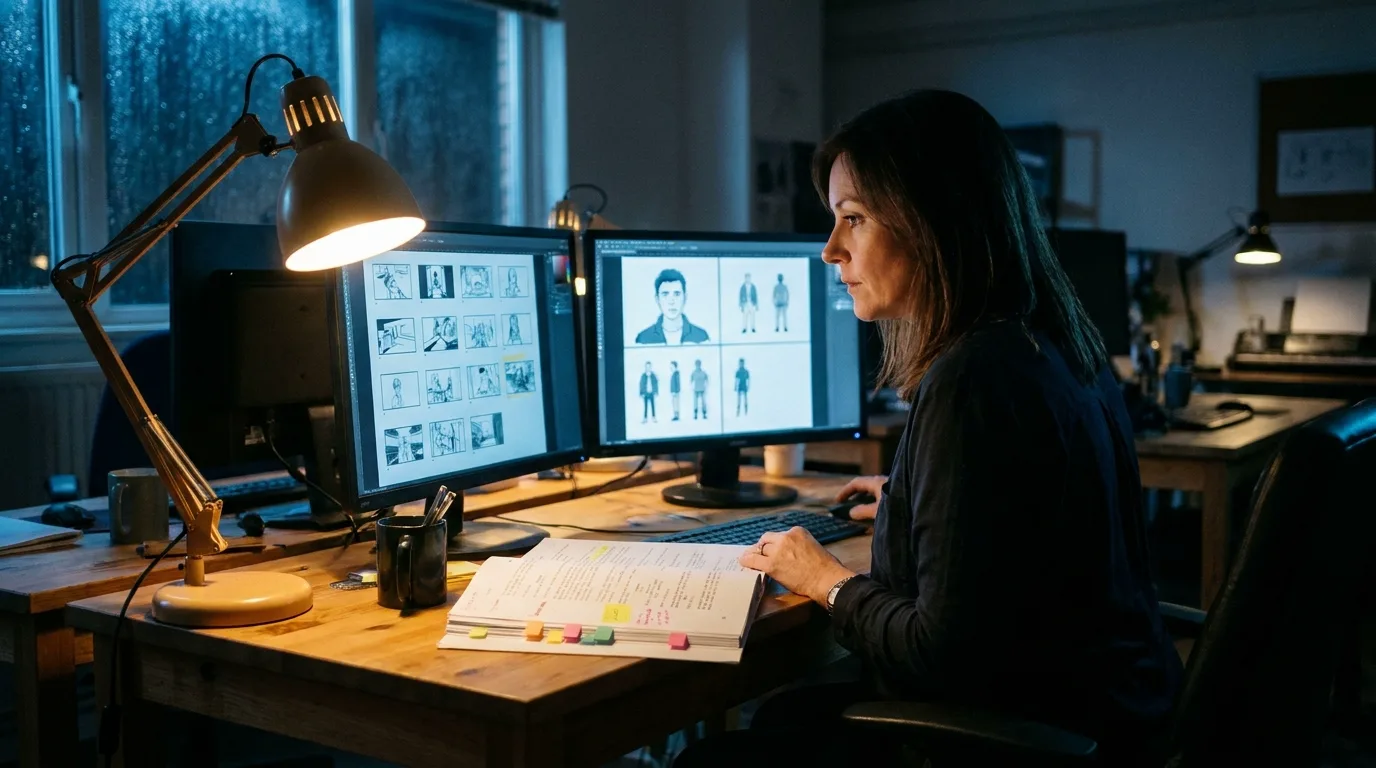
In ScreenWeaver, story elements (characters, places, objects) carry their own reference sheets, and every shot cites the elements it shows. It is the same idea as Pine's "design once": the reference lives in one place and every panel points to it.
What we don't know
- The real cost. The code is free, but the cloud compute is paid, and the announcement gives no price.
- Which models it uses by default. Teams can pick their own, but the announcement does not say what ships out of the box.
- The quality on long episodes. The 30 to 50 minutes a day figure comes from one customer, with no examples of the finished episodes in the release.
- How changes are tracked. Regenerating only the affected shots is the promise. How Pine decides which shots are affected is not explained.
FAQ
What is Pine Drama Studio? An open-source AI filmmaking studio released by Pine AI on 13 November 2026. It takes a screenplay and uses agents to design characters, places and props, then produce the episodes of a series, with a person approving designs, storyboards, takes and final cuts.
Is Pine Drama Studio free? The code is free under the Apache 2.0 licence and published on GitHub. The generation and agent work runs on Pine Computers in the cloud, which is the paid part, according to Pine AI.
Do I keep control over the result? Pine says creators approve the designs, the storyboards, the takes and the final cuts. Agents do the work between those gates.
Can I use my own AI models? Yes, according to Pine AI. Teams can choose their own models, edit the workflow in its skill files and add steps such as dubbing and localisation.
How does it keep characters consistent across episodes? Characters, locations and props are designed once for the whole series, and agents reuse those designs in every episode. Pine has not published a detailed test of how well that holds.
How is it different from ScreenWeaver? Pine Drama Studio is an agent pipeline that runs on Pine's cloud computers and goes as far as final cuts. ScreenWeaver is a screenwriting and storyboarding app where the script, the story elements and the shots live in one project you edit yourself. Both start from the screenplay.
From script to shots
Turn your script into a film, shot by shot
Write the scene, get its storyboard, then generate each shot with consistent characters. You direct every step.
Start your film free