
mStudio and ScreenWeaver both sit in the AI filmmaking keyword cluster, but they optimize for different milestones. mStudio pushes script-to-video. ScreenWeaver pushes script-to-structure-to-still visuals with continuity and pitch export. This comparison is for filmmakers choosing where to invest time before cameras roll.
mStudio: AI Filmmaking, Motion-First
mStudio targets creators who want to see motion early: generated clips, character consistency across shots, and a pipeline oriented toward AI film production. The value is speed from text to moving image for pitches, social proof, and previs experiments.
ScreenWeaver: Development Layer Before Motion
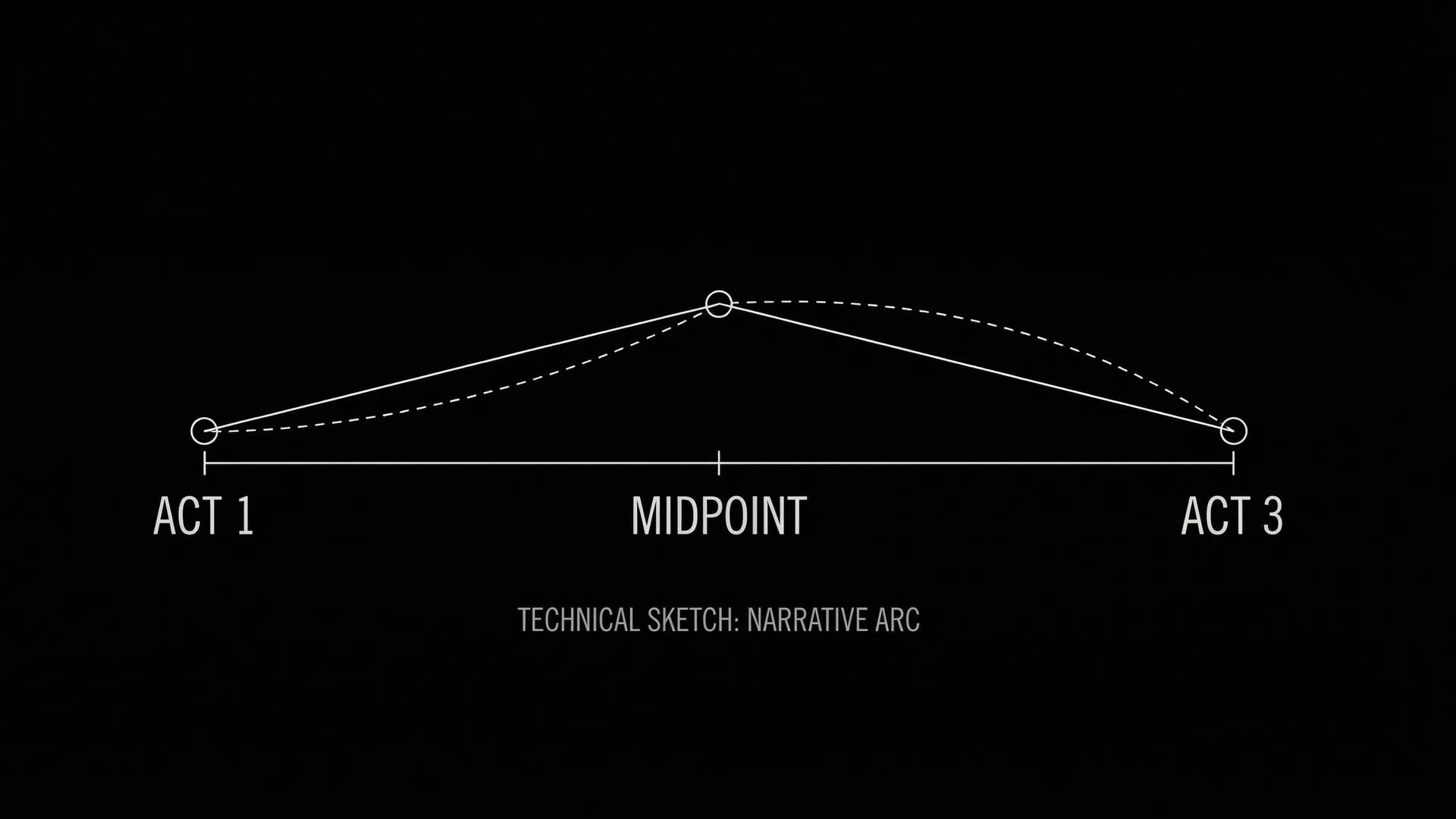
ScreenWeaver is the development workspace: screenplay formatting, living timeline, generative storyboards, and continuity tracking. You clarify structure and still visuals before you spend credits on video generation elsewhere. Integrations like Seedance 2 and Nano Banana extend toward motion without abandoning the script-first graph.
Pros, Cons, and Winners
| Dimension | mStudio | ScreenWeaver |
|---|---|---|
| Primary output | AI video / motion clips | Script + timeline + still storyboards + deck |
| Structure tooling | Secondary to generation | Timeline is the script; drag to reorder |
| Free writing tier | Varies by plan | Unlimited scripts and PDF/FDX export free |
| Best for | Fast AI video experiments | Writers and indie teams developing before motion spend |
Read the full AI filmmaking workflow guide, compare LTX Studio vs ScreenWeaver, and explore film pre-production on ScreenWeaver. mStudio: mstudio.ai.
Frequently Asked Questions
Is mStudio the same category as ScreenWeaver?
Can I use ScreenWeaver before generating AI video?
Which tool wins for independent filmmakers on a budget?
Final Step
Build your next script with Screenweaver
Move from ideas to production-ready pages faster with timeline-native writing and AI-assisted story flow.
Try Screenweaver