
About 60 people who built Grok Imagine, the image and video generator from Elon Musk's AI group, lost their jobs in the past week, according to The Information. That is more than half of the team. The tool is still online, but a handful of people now keep it running, and no roadmap has been announced.
You don't need to care about Grok to care about this. Every AI filmmaker builds on models they don't control. When the team behind one shrinks, what happens to the film you started with it?
The figures come from The Information's report of 13 November 2026, which is behind a paywall. We read it through the outlets that summarised it, MLQ.ai and Startup Fortune, on 15 November 2026. SpaceX has not commented.
What was reported
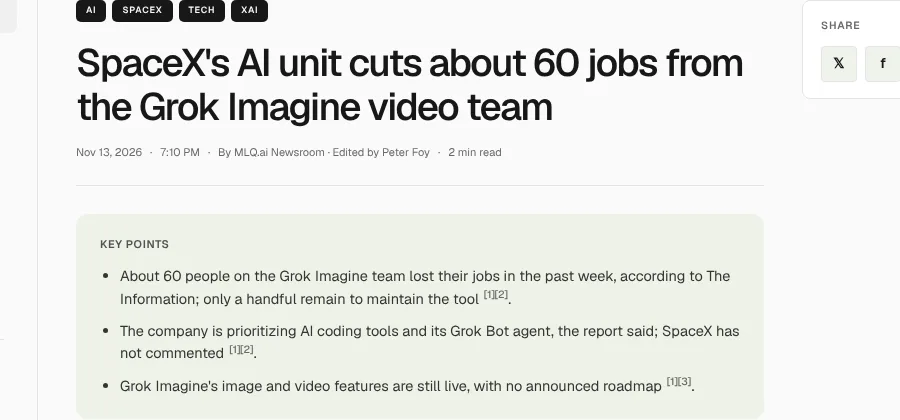
According to The Information, as summarised by MLQ.ai and Startup Fortune:
- About 60 people on the Grok Imagine team were let go over one week, leaving a small crew to maintain the product.
- Leadership now favours AI coding tools and Grok Bot, the group's agent product. Video generation costs far more computing power per request than text.
- Grok Imagine still works. Its image and video features are live, with no announced plan to shut them down or rebuild them.
- The team was already thinner. xAI became part of SpaceX in February 2026, and TechCrunch reported in May that more than 50 researchers and engineers had left since the merger.
The Information also points to the competition. In blind-vote video rankings in July, Chinese companies held the top six places, led by ByteDance's Seedance 2.0, according to MLQ.ai.

The risk is quiet decay, not a shutdown
Nobody announced that Grok Imagine is closing. That is exactly the problem. Startup Fortune puts it in one line: the practical risk is "quiet decay": slower fixes, models that stop improving, features that never ship.
For a filmmaker, that shows up late. You lock a look in March, you come back in June for pickups, and the model behaves differently, or a feature you relied on is gone. If the only copy of your characters and your look lives in that tool's history, you start over.
This is not only about Grok. Any model you use today can be repriced, retired or left to drift, and you will usually hear about it after the fact.
Keep your film portable
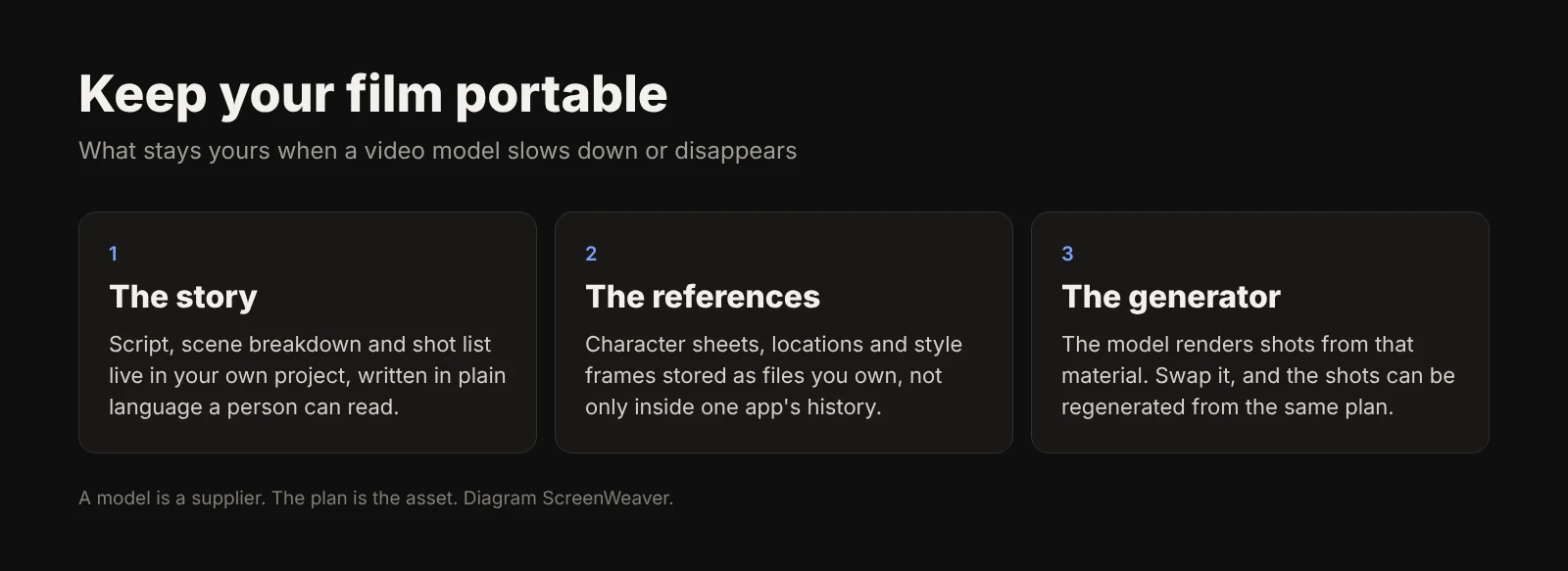
A film made with AI has three layers, and only one of them belongs to the model vendor:
- The story. Script, scene breakdown and shot list. Write them in plain language a person can read, in your own project, not as a pile of prompts.
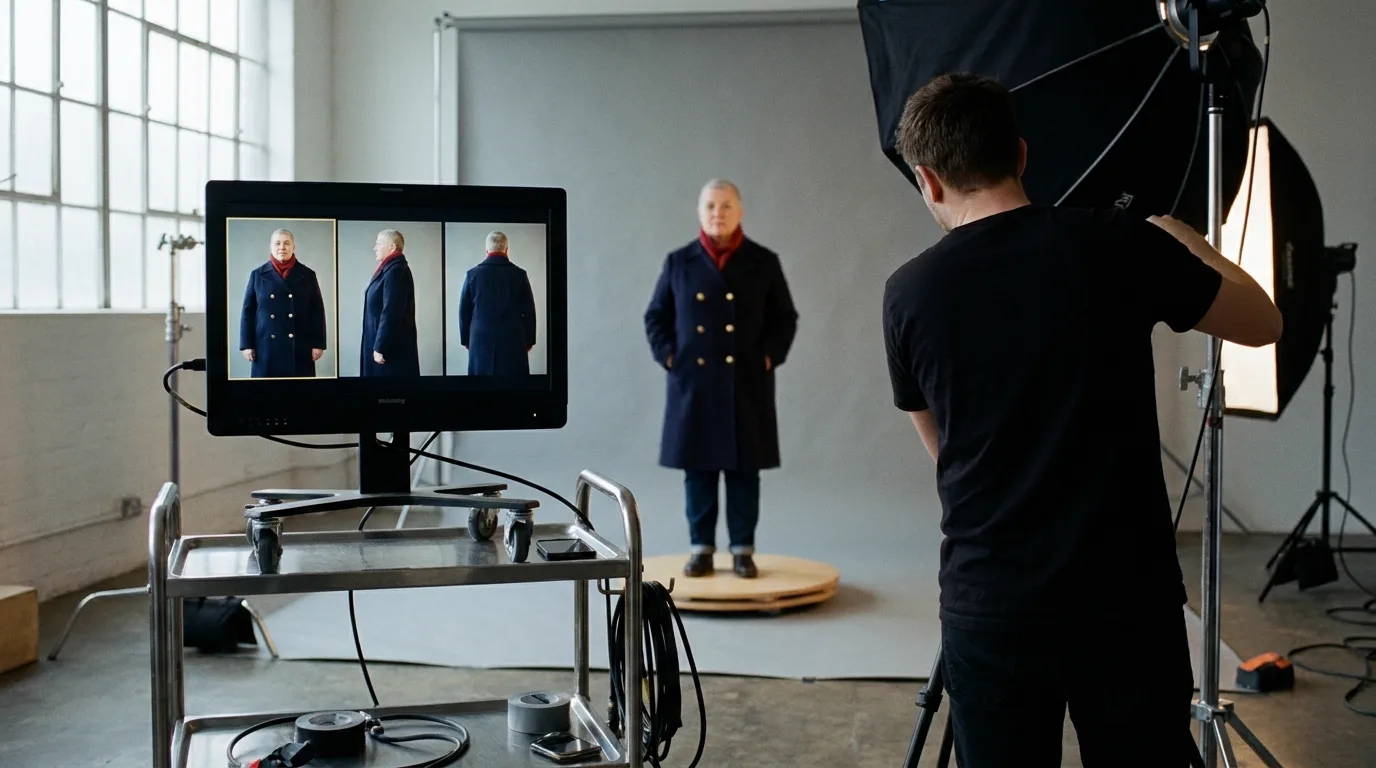
- The references. One sheet per character, place and prop, plus a few style frames. Keep the files. A reference sheet you own will work with the next model. We explain how in our guide to keeping characters consistent in an AI storyboard.
- The generator. It turns the first two layers into shots. If it disappears, you swap it and regenerate from the same plan.
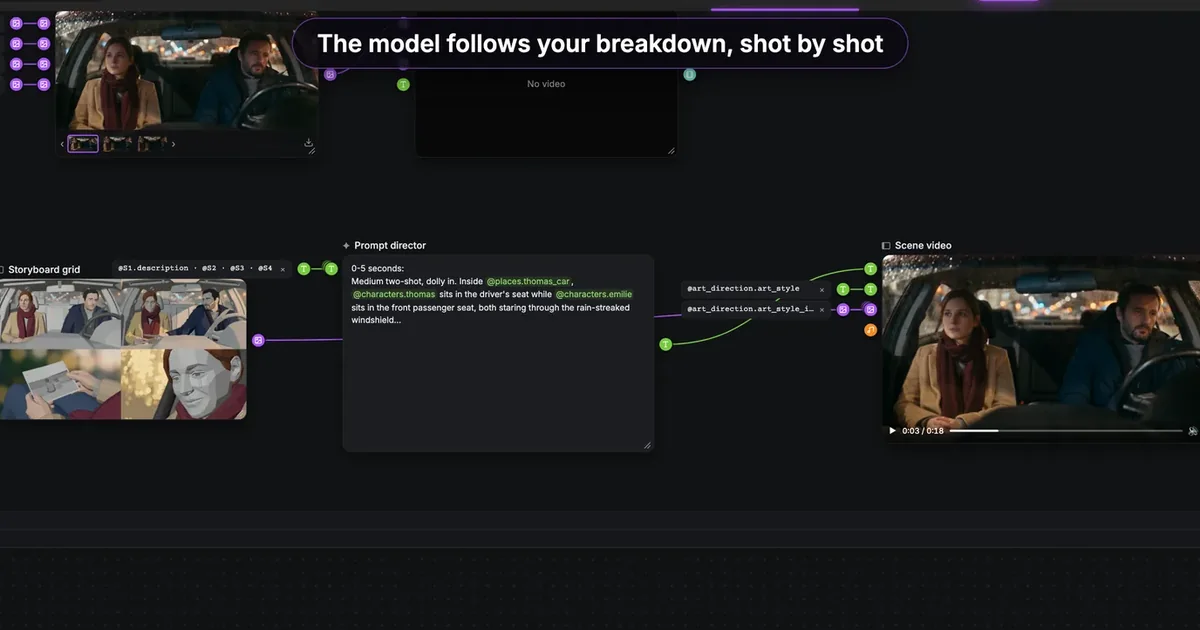
When the plan lives outside the generator, losing a model costs you renders, not the film. That is also the logic of a scene pipeline built shot by shot: every shot knows which script lines, characters and places it depends on.
Disclosure: ScreenWeaver is a pre-production tool that keeps the script, the story elements and the storyboard in one project and sends shots to several video models. We have an interest in this argument, so test it against your own workflow.
Try it free
Try ScreenWeaver for free on your script
It is free. Import your existing project, get a clearer view of your outline, and regain control of your story structure in minutes.
Start FreeWhat I would do this week
- List the models your current project depends on, and for each one, what lives only inside it: characters, styles, saved prompts.
- Export what you can. Download your reference images and your best frames, with the prompt that made each one, into your project folder.
- Run one test shot on a second model with the same references. If the character holds, you have a fallback. If not, your references need work before the next model change, not during it.
- Keep your budget in mind. Switching models also changes the price per second. Our AI video model pricing comparison gives you the numbers to compare.
What we don't know
- Whether Grok Imagine will be shut down, sold or rebuilt. No announcement says either way.
- The exact headcount. The figure of about 60 comes from one outlet, The Information, and SpaceX has not confirmed it.
- What changes for paying users. No change to plans or prices has been announced.
FAQ
Is Grok Imagine shutting down?
Not according to anything announced. Its image and video features were still live on 15 November 2026. The Information reports that only a small crew now maintains it, and there is no public roadmap.
How many people were cut from the Grok Imagine team?
About 60, more than half of the team, over one week, according to The Information. SpaceX has not commented, and other outlets cite that report rather than their own sources.
Why would an AI company cut its video team?
The reports point to cost and competition. Video generation needs far more computing power per request than text, and the company now favours coding tools and agents. Chinese models such as ByteDance's Seedance lead the public video rankings.
What should I do if my project uses Grok Imagine?
Export your references and best frames with their prompts, and test one shot on another model with the same references. Keep the script and shot list in a project you control.
How do I avoid depending on one AI video model?
Keep the story, the references and the generator separate. The first two are yours and outlive any model. The generator is a supplier you can replace.
Does this affect other AI video tools?
Not directly. But any model can be repriced, retired or left to drift, so the same habits protect you whichever tool you use.
From script to shots
Turn your script into a film, shot by shot
Write the scene, get its storyboard, then generate each shot with consistent characters. You direct every step.
Start your film free