
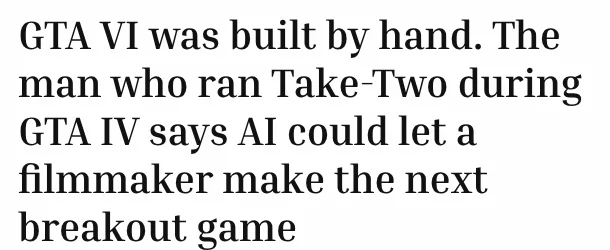
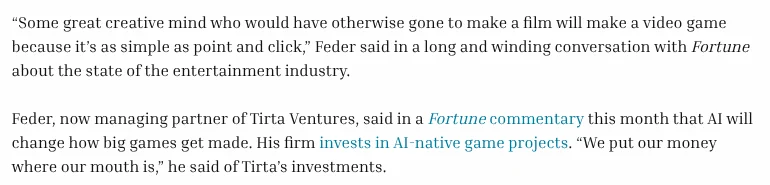
The man who ran Take-Two Interactive when Grand Theft Auto IV came out thinks the next hit game may come from someone who would have made a movie. "Some great creative mind who would have otherwise gone to make a film will make a video game because it's as simple as point and click," Mr. Ben Feder told Fortune on 25 November 2026.
He said it the week Grand Theft Auto VI, a game built entirely by hand, came out. For screenwriters, it is a prediction worth taking seriously, and worth reading with care.
This is based on Fortune's interview with Mr. Feder, published on 25 November, and Mr. Feder's own Fortune commentary of 10 November. We read both on 29 November. These are one investor's predictions, not data, and his firm invests in AI-native games.
What Ben Feder said
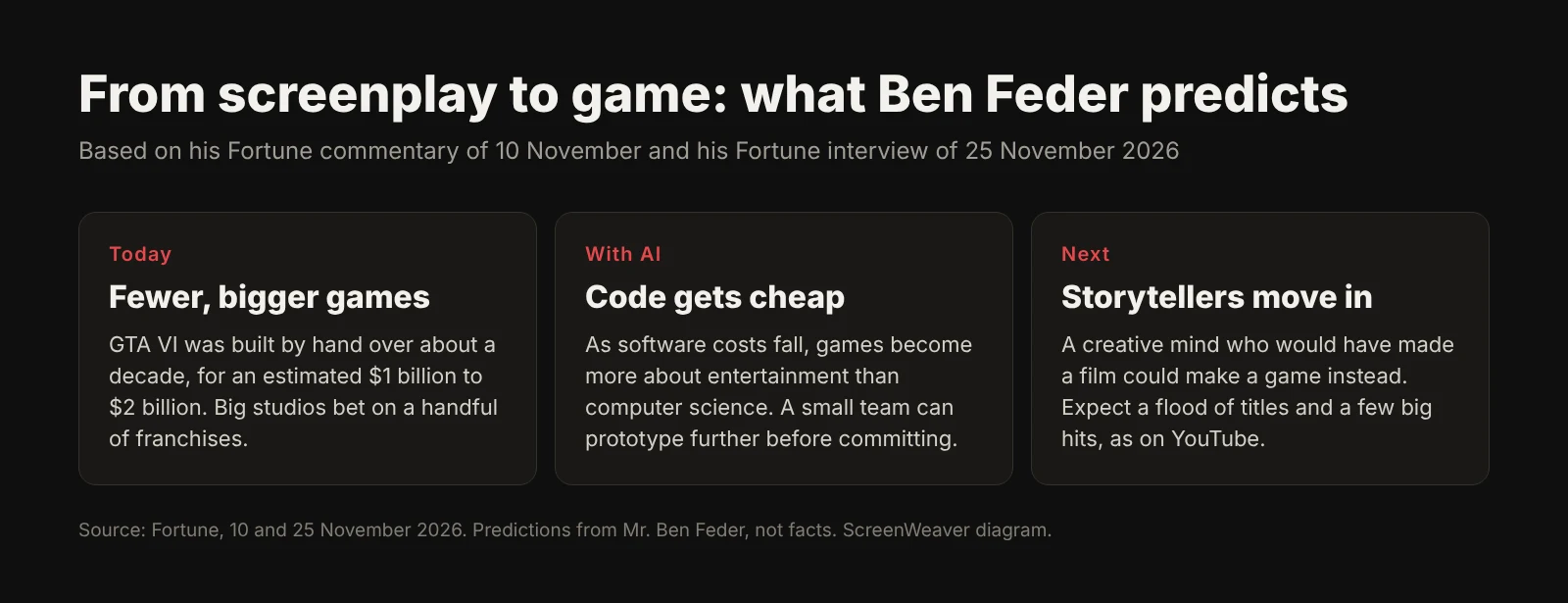
Mr. Feder ran Take-Two in 2008 and is now managing partner of Tirta Ventures, which backs AI-native game projects. His argument is simple. Writing code is getting cheaper, so games become "much more about entertainment than it does about both entertainment and computer science."
That opens the door to people with stories and no engineering background. He calls it "somewhere between democratizing creativity" and, for cynics, "commoditizing creativity", and adds that he doesn't believe true creativity gets commoditized.
He doesn't expect a wave of masterpieces. He expects a flood of new titles, with only a few breaking through, and compares it to YouTube: billions of minutes, few that matter, and the ones that do reach billions of people.
The GTA VI backdrop
Take-Two CEO Mr. Strauss Zelnick said in February that generative AI had "zero part" in GTA VI, according to Fortune. Estimates put its budget between $1 billion and $2 billion. Mr. Feder's view is that such budgets will get "harder to justify" when the next best alternative costs two orders of magnitude less, while admitting that a game which earns it all back in days is a strong counterargument.
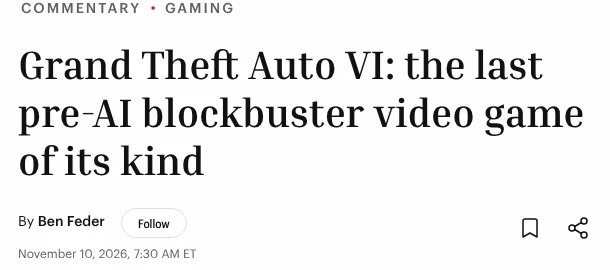
In his commentary, he goes further: AI's real gift is not cheaper art but cheaper changes of direction. A small team can take an idea much further before a studio commits, so "the creative process begins to invert: less about what can be made, more about what is worth keeping."
Try it free
Try ScreenWeaver for free on your script
It is free. Import your existing project, get a clearer view of your outline, and regain control of your story structure in minutes.
Start FreeWhat this means for screenwriters
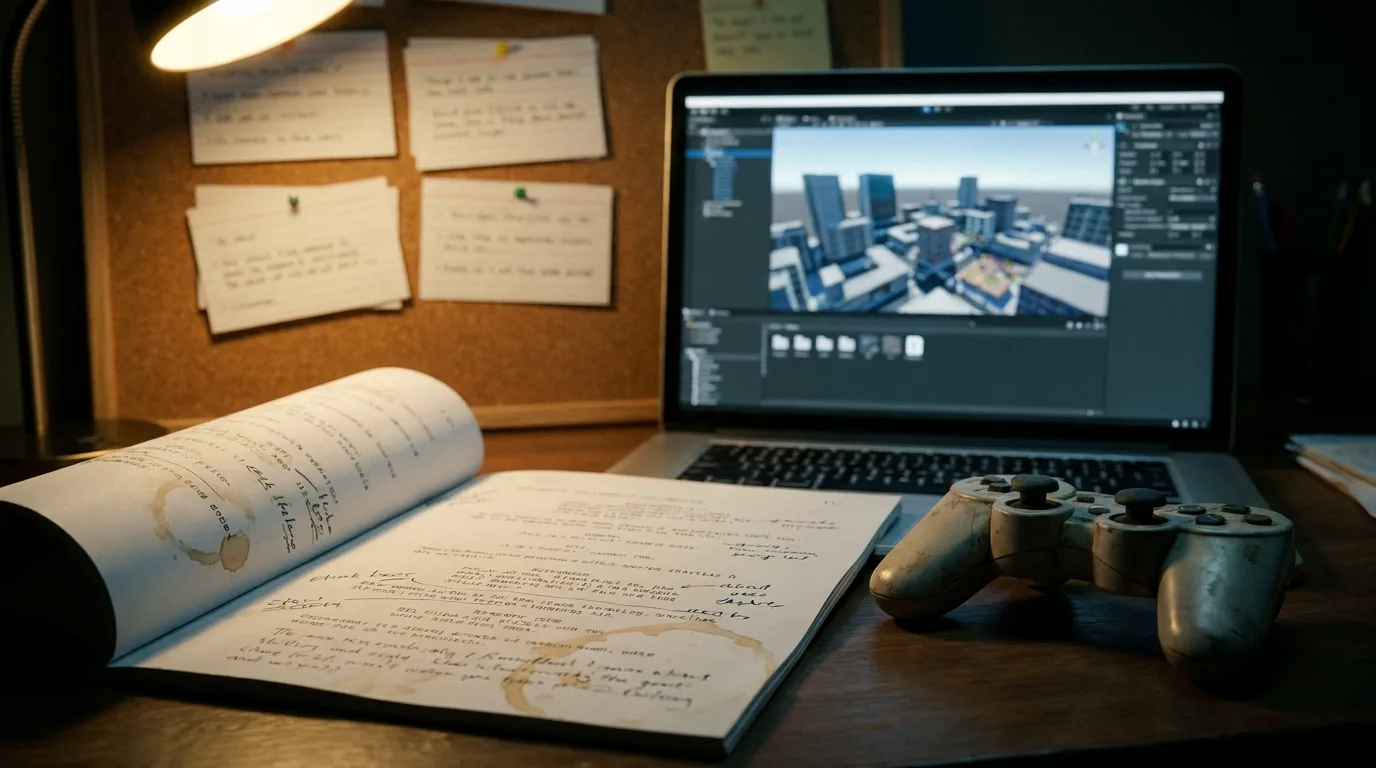
Games have always needed writers, but writers rarely led them. If building a playable world gets close to "point and click", the scarce skill becomes the one you already have: knowing what a story is about, who the player cares about, and what to cut.
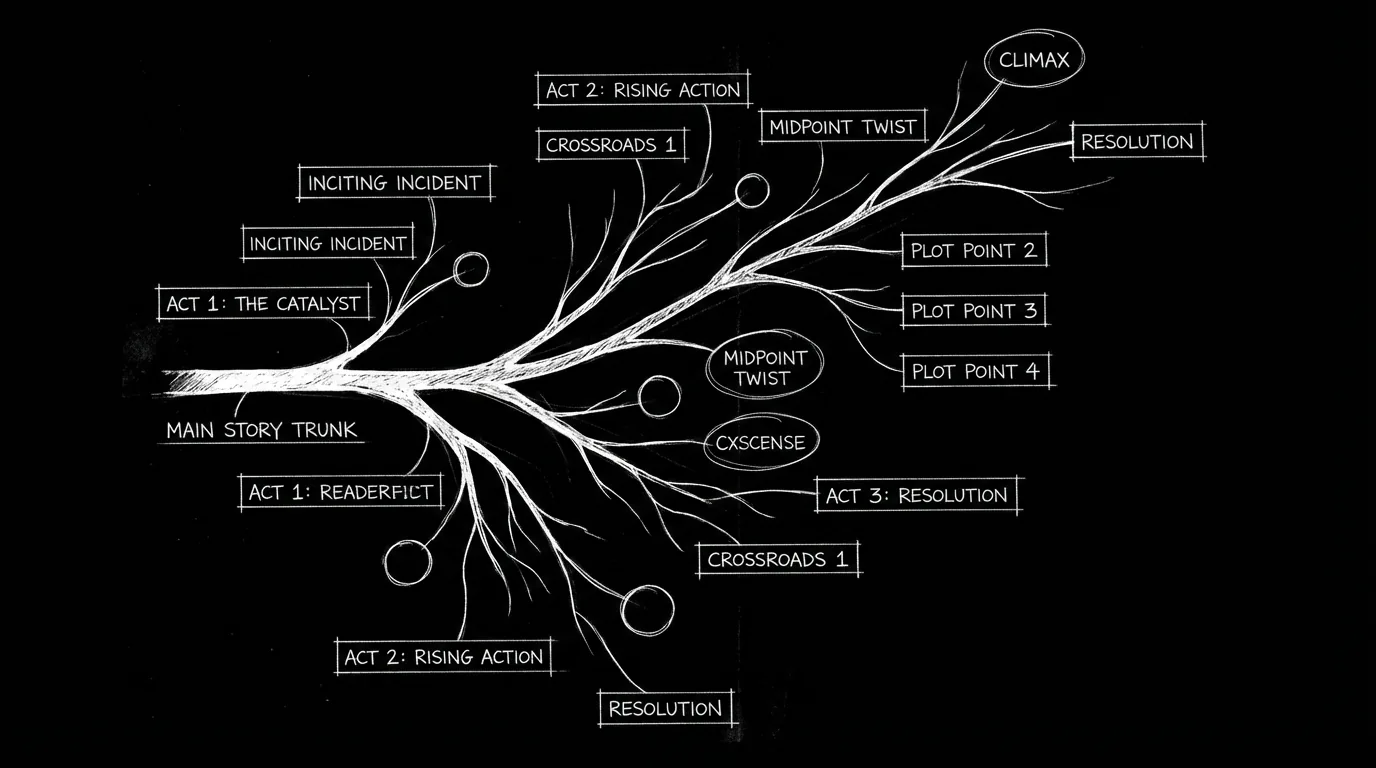
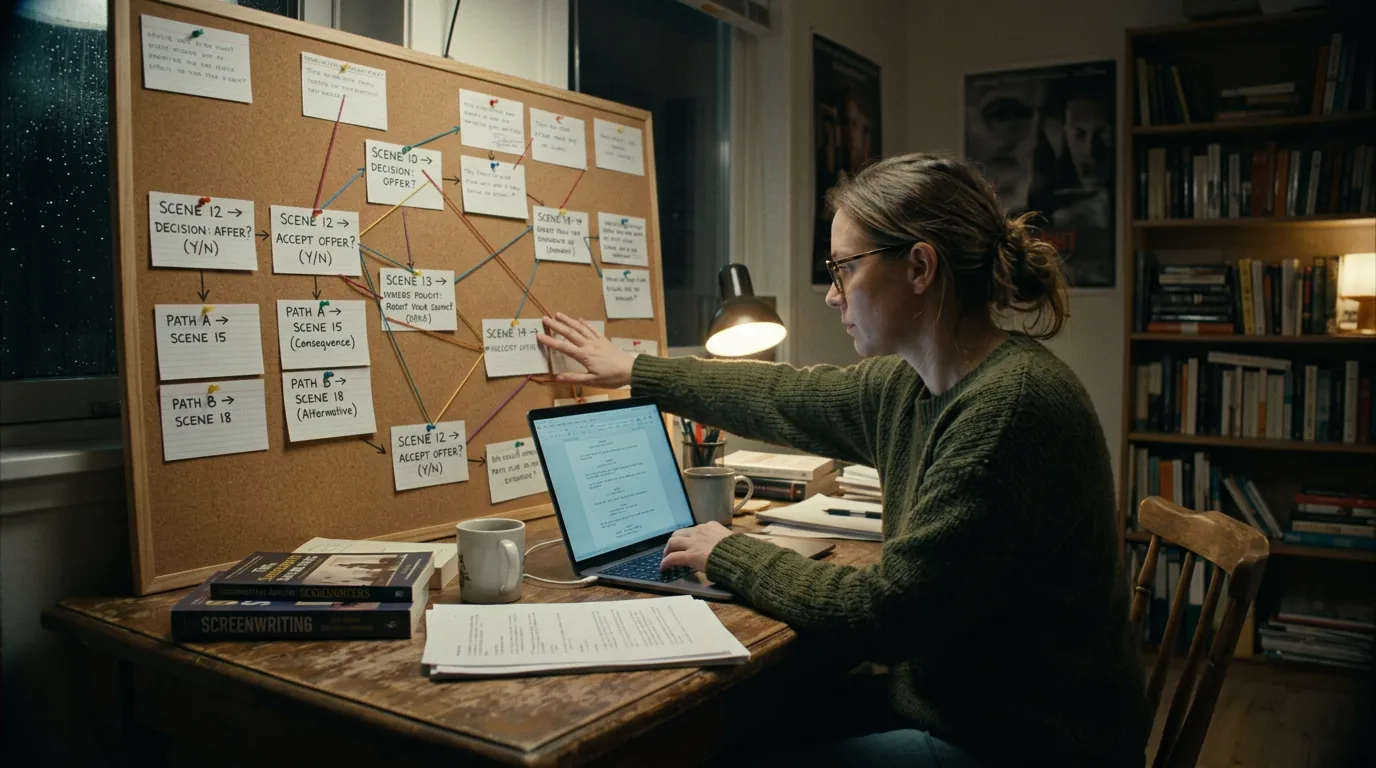
The catch is form. A game isn't a film with buttons. It asks for choices, consequences and scenes that work in any order. Our guide on writing video games and branching narratives covers the craft, and our look at the Bandersnatch format shows how a branching script is laid out on the page.
What I would do now
- Write one branching scene. Take a scene from your current script and give the protagonist two real choices. See if the story still holds.
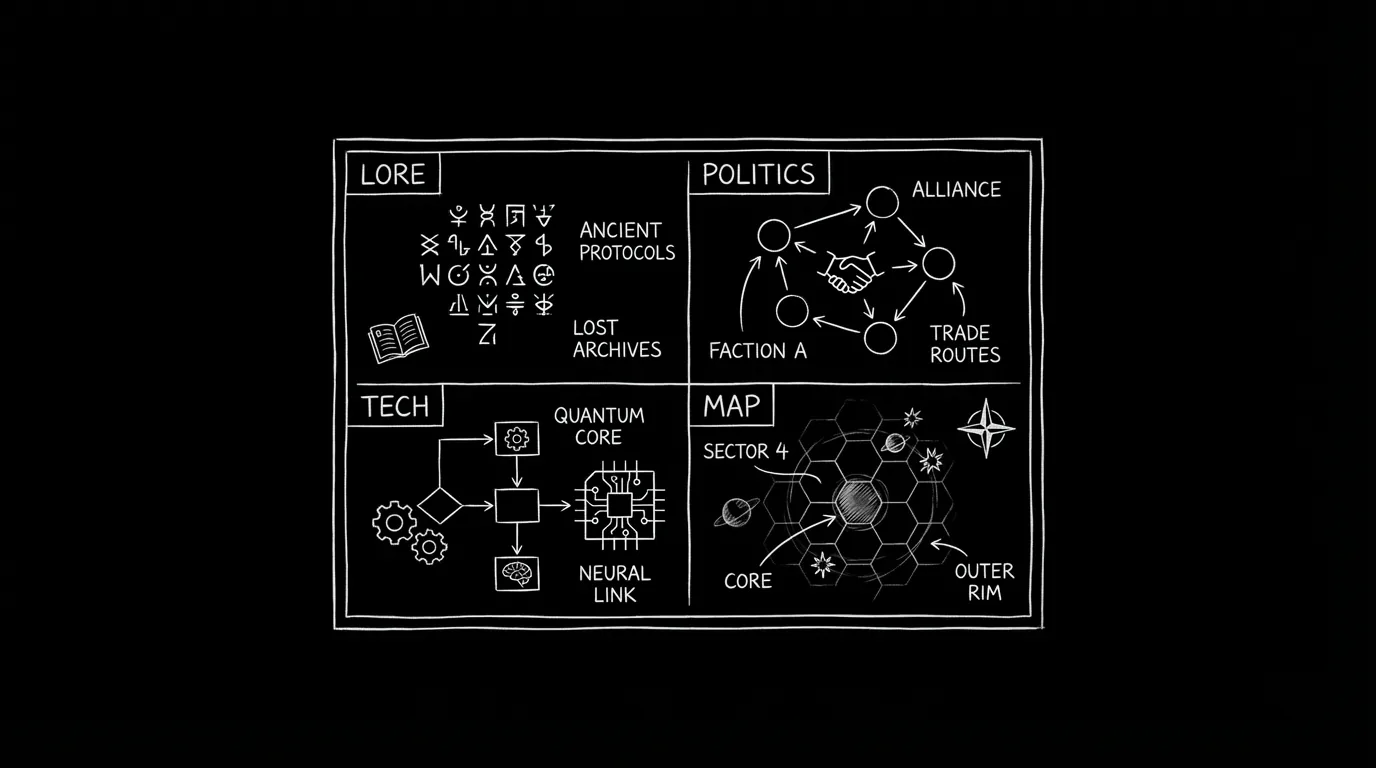
- Think in worlds, not just plots. A game lives in its places and rules. A series bible is closer to a game document than a screenplay is.
- Keep the deletion habit. Mr. Feder's point is that AI makes changing course cheap. The writer who cuts well will matter more, not less.
- Read the source with its bias in mind. He invests in the very games he predicts. Watch what actually ships in 2027 before betting your next year on it.
What we don't know
- Which tools would make game creation "point and click" for non-engineers. Mr. Feder doesn't name them.
- What Tirta Ventures has funded, and whether any AI-native game has reached a large audience yet.
- How writers would be credited and paid on AI-built games, which no guild agreement covers in detail.
Sources
- Fortune, "GTA VI was built by hand. The man who ran Take-Two during GTA IV says AI could let a filmmaker make the next breakout game", 25 November 2026.
- Fortune, Mr. Ben Feder, "Grand Theft Auto VI: the last pre-AI blockbuster video game of its kind", commentary, 10 November 2026.
From script to shots
Turn your script into a film, shot by shot
Write the scene, get its storyboard, then generate each shot with consistent characters. You direct every step.
Start your film free