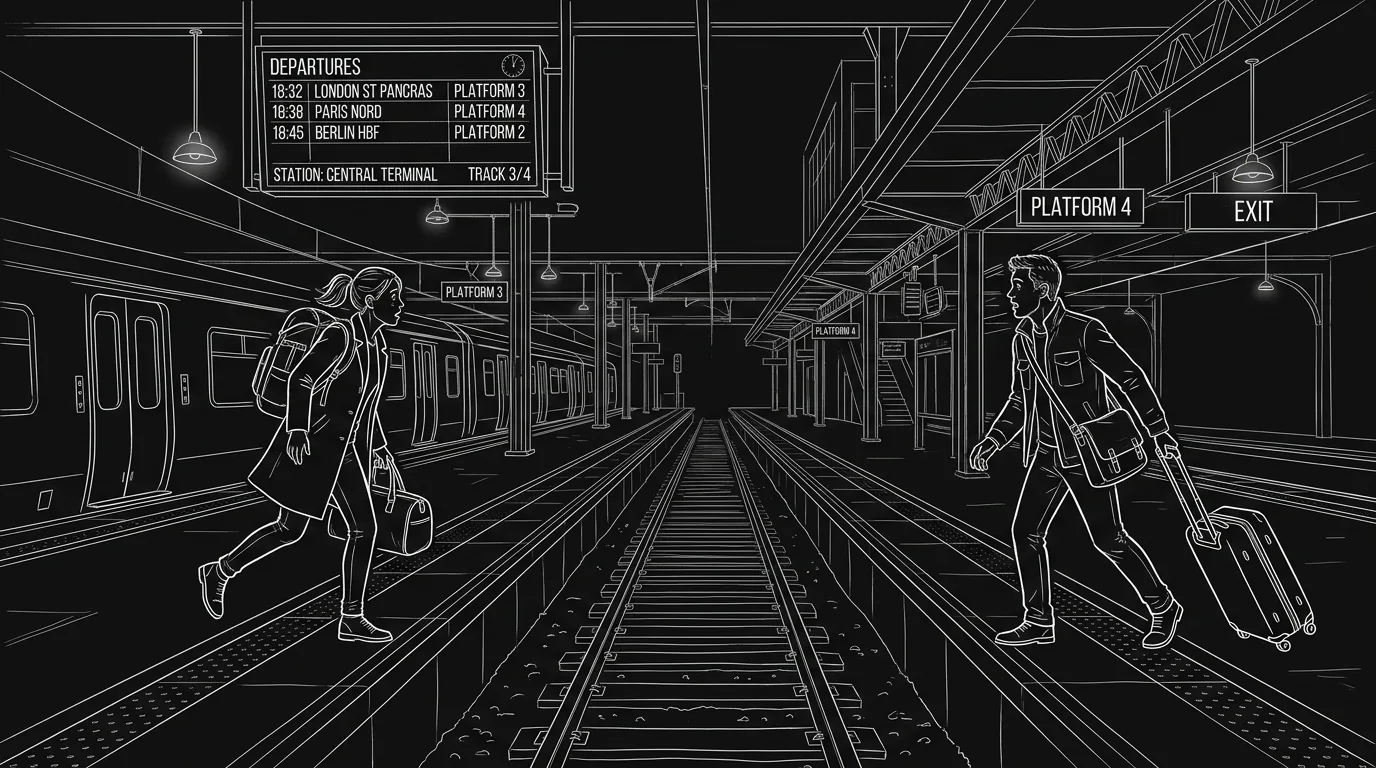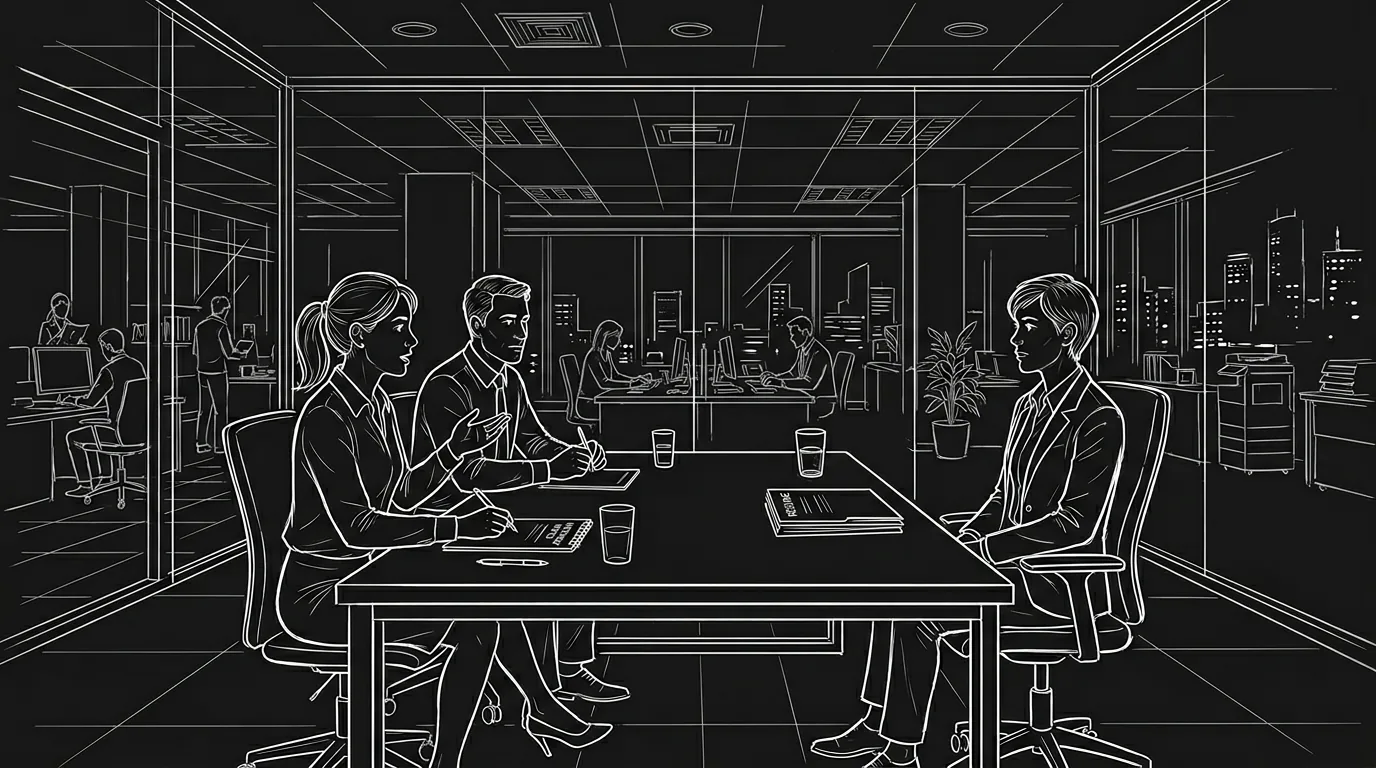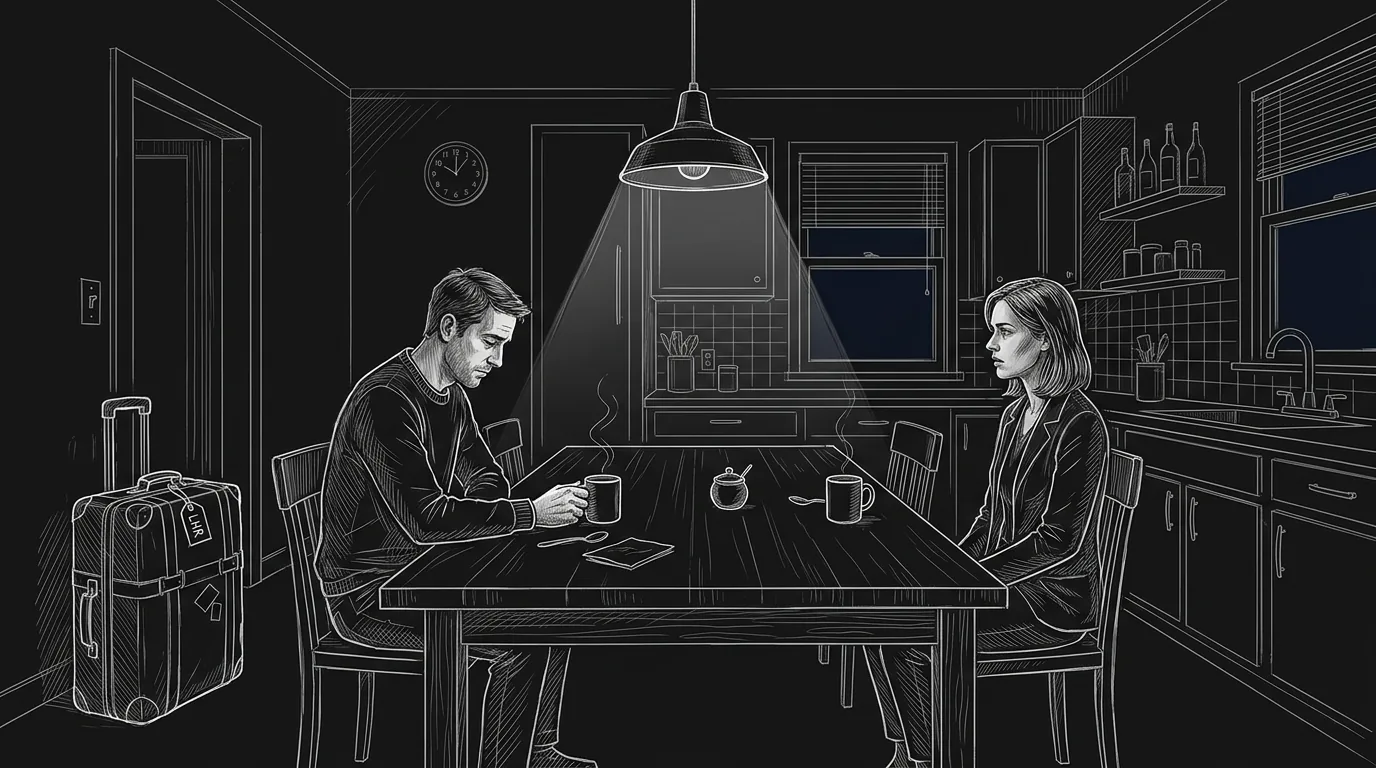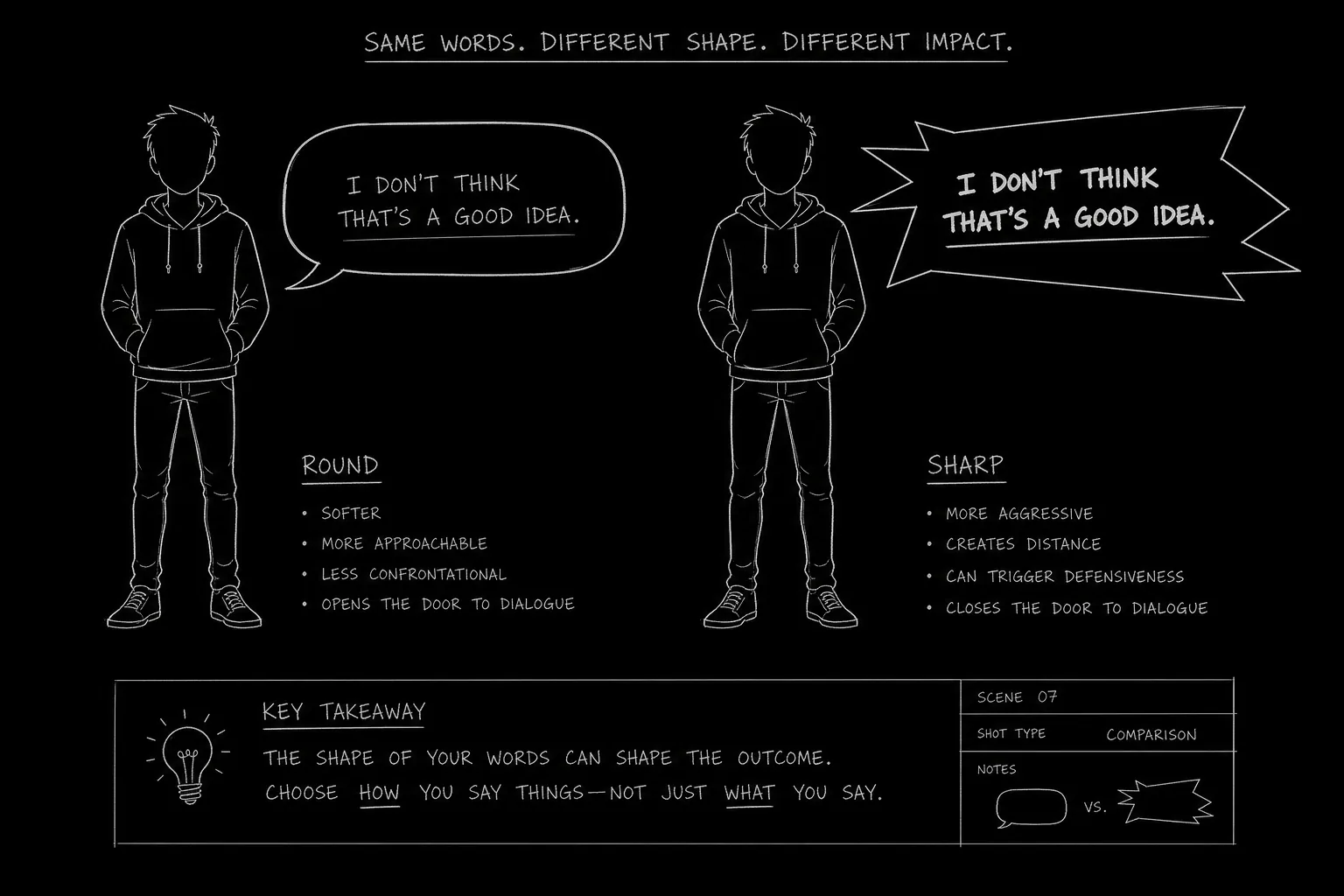

Twins on screen are a cheat code for drama and a trap for lazy writing. The audience sees one face, one bloodline, one shared history. Your job is to make them feel like two people anyway. Distinct voices are not optional when the casting brief says "identical." If both twins speak in the same rhythm, use the same vocabulary, and react with the same syntax, the script collapses into a gimmick. The reader cannot track who is who, the actor cannot differentiate, and the director cannot block a scene with clarity.
This guide walks you through building twin characters whose voices survive a blind read, a table read, and a production rewrite without relying on name tags in every line.
How It Works: Voice as Identity When Looks Match
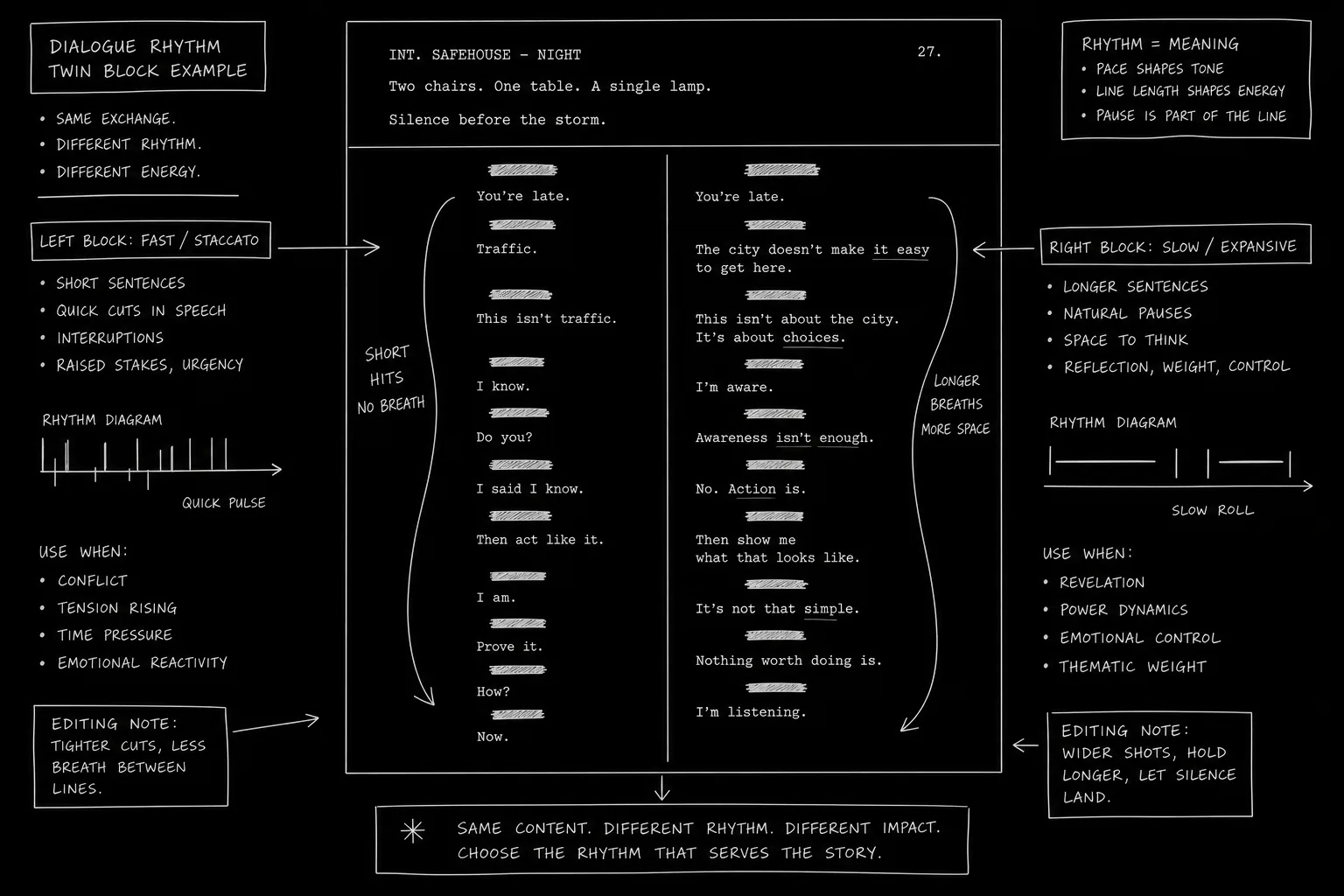
When characters look different, costume, posture, and casting do half the differentiation work. Twins strip that away. Syntax becomes the face. One twin might speak in clipped statements. The other qualifies every thought. One asks questions; the other commands. One uses formal diction; the other swears like a dockworker. The pattern must be consistent enough that a reader covering character names still knows who is speaking.
Start by defining what each twin wants in the story, not what makes them "quirky." The ambitious twin and the protective twin will argue differently even when they agree on the goal. Voice follows objective. For ensemble voice craft beyond twins, see our guide on distinct voices and the blind read test.
Platform and Use-Case Sections
Feature Films
Twins in features often carry the A-plot (think mistaken identity, inheritance fraud, or psychological fracture). Give each twin a default mode under stress: one freezes, one fights. That mode shapes dialogue under pressure and keeps scenes readable in long dialogue blocks.
Television
Serialized twins need voices that hold across seasons. Document one syntactic rule per twin in your series bible. When a guest writer drifts, the rule is your correction tool. Pair this with character voice consistency tips for long-arc maintenance.
Limited Series and Anthology
Twins in limited runs can mirror theme: one voice represents the path taken, the other the path refused. Let syntax echo structure. Short, declarative lines for the twin who chose violence. Long, circling sentences for the twin who chose compromise.
Casting and Actor Briefs
Your intro lines matter. Twins need contrasting behavioral tells in action lines, not just dialogue. One twin touches objects; the other keeps hands still. Reference introducing character descriptions that attract actors when you write the casting paragraph.
Step-by-Step: Building and Testing Twin Voices
Step 1 - Assign opposing syntactic habits
Before you draft scenes, write one sentence per twin: "A speaks in fragments under stress; B speaks in qualified paragraphs." Pick habits that clash in argument scenes.
Step 2 - Draft a two-hander without names
Write a three-page scene between the twins. Strip character names. Read aloud. If you misassign lines, mark the failures.
Step 3 - Add behavioral differentiators in action lines
Give each twin one physical habit visible on screen: pacing vs stillness, eye contact vs looking away, humor vs silence. Action and voice should reinforce each other.
Step 4 - Run the blind read on mixed scenes
Include a scene with a third character. Twins should remain identifiable even when they are not the focus of every line.
Step 5 - Stress-test the swap
Ask: could these lines work in the other twin's mouth without changing meaning? If yes, rewrite for sharper contrast.
Step 6 - Lock voice rules in revision
During dialogue pass, check every twin line against the syntactic rule. Voice drift is common when plot rewrites land late.
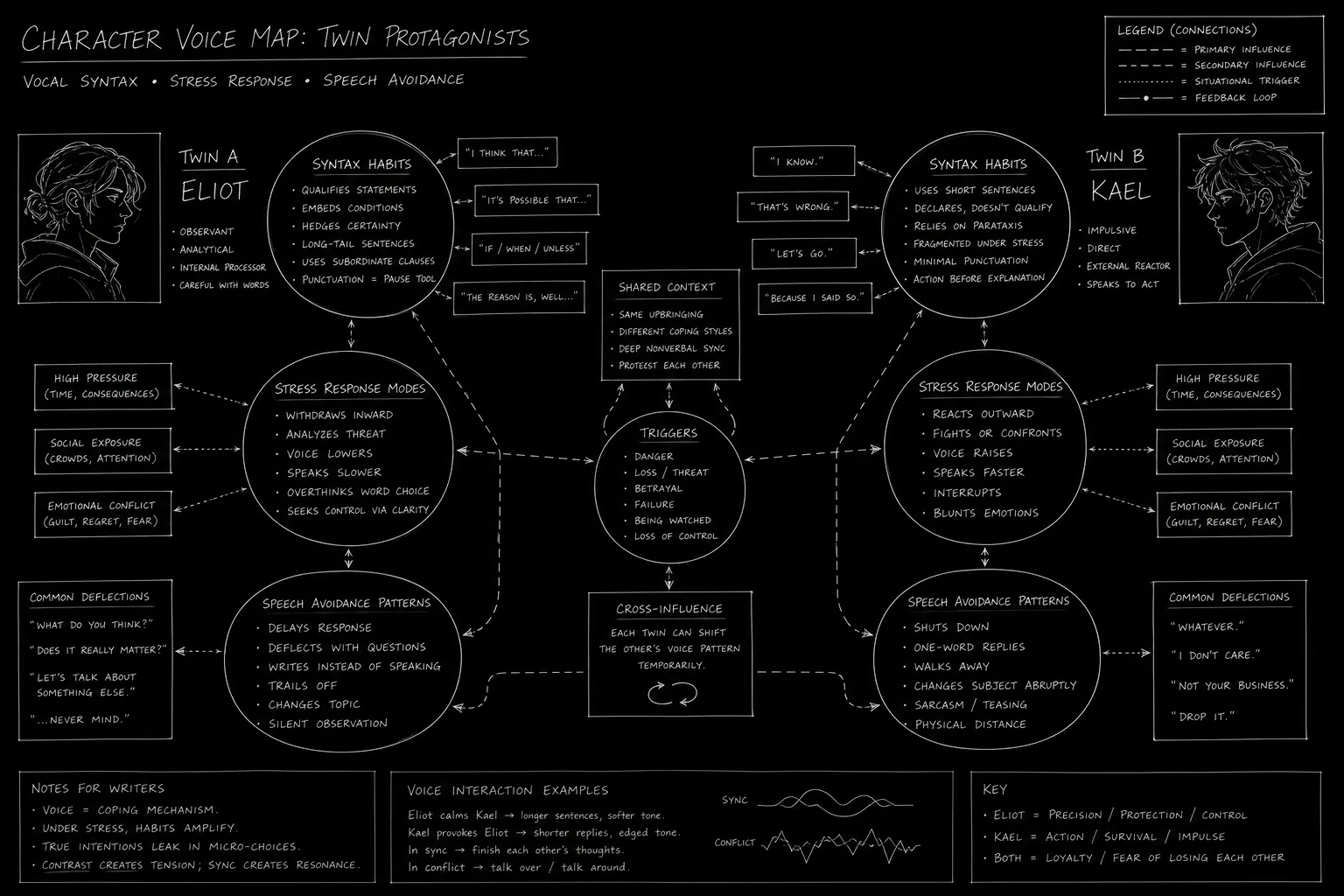
Twin differentiation also lives in what each twin avoids saying. One twin never names the past directly. The other cannot stop referencing childhood. Avoidance patterns are as recognizable as vocabulary.
Try it free
Try Screenweaver for free on your script
It is free. Import your existing project, get a clearer view of your outline, and regain control of your story structure in minutes.
Start FreeRelatable Scenario: The Switch Scene That Fools Nobody
You have written a classic twin swap: one takes the other's place at a meeting. On the page, both twins speak in polished complete sentences because you were focused on plot mechanics. The reader spots the impostor immediately because the voice changed without the story acknowledging it. Fix: establish the swapped twin's mask voice in prior scenes. Maybe the outgoing twin performs confidence with formal diction while the real twin is blunt. When the impostor performs confidence, the syntax is wrong even if the vocabulary is right. The scene becomes playable and the audience enjoys catching the slip.
Relatable Scenario: The Therapist Scene
Both twins attend therapy, together or separately. Writers often merge them into one emotional position because therapy scenes tempt summary dialogue. Instead, let therapy expose syntactic fracture. One twin answers in clinical language learned from podcasts. The other refuses labels and tells stories that circle the question. The therapist's prompts stay the same; the mouths answer in incompatible shapes. You get character proof without a single "we are different" line.
[YOUTUBE VIDEO: Side-by-side table read of a twin scene with names hidden, then reveal showing which lines failed the blind read and a quick rewrite pass fixing syntax contrast.]
Operational Requirements: What Production Needs From Your Twin Script
Casting clarity: Character intros must state voice contrast in plain language. "Identical twins; Mara speaks in short bursts, Lena in winding qualifications" saves weeks in callbacks.
Continuity on set: Provide a one-page voice sheet for script supervisors. Same face does not mean interchangeable coverage. Mark which twin leads each scene in slug lines when identity swaps are plot-critical.
Revision discipline: Twin voice is fragile under punch-up. Color-code twin dialogue in revision passes if your team uses WGA revision colors or equivalent workflow.
Legal and credit notes: If twins are co-protagonists, balance speaking time. A tool that counts each character's dialogue lines shows whether the split is real or wishful. Uneven twin dialogue reads like one lead and one stunt double on the page.
| Element | Twin A | Twin B |
|---|---|---|
| Sentence length | Short, staccato | Long, qualified |
| Under stress | Commands | Questions |
| Humor | Dry, minimal | Self-deprecating |
| Avoidance | Never says "we" | Never says "I" |
| Action tell | Still hands | Restless pacing |
Outcome: What a Finished Twin Voice Pass Delivers
When twin voices are distinct, three things happen on the page. Readers track identity without constant name repetition. Actors receive playable contrast instead of "play mysterious." Directors can block swaps and reveals with dialogue cues the audience already learned.
A finished pass also survives dubbing and ADR. International versions lose subtle visual tells; syntax carries. That is a professional durability test most twin scripts never get until it is too late.
Why It Matters: The Old Way vs the New Way
The old way: Twins differentiated by one catchphrase, a hair part, or a vague "good twin / bad twin" note. Dialogue interchangeable. Reveals depended on costume changes the script never earned.
The new way: Twins built from opposing syntax, stress behavior, and avoidance patterns tested with blind reads before outline lock. Visual sameness becomes dramatic pressure instead of reader confusion.
The old approach treats twins as a casting problem. The new approach treats them as a writing problem first. Casting cannot fix lines that blur.
Conclusion
Twins are not one character photocopied. They are two voices sharing a face, and the audience will forgive impossible genetics before they forgive interchangeable dialogue. Define syntactic opposition, test with blind reads, reinforce with action-line tells, and lock rules through revision. When you need a full dialogue overhaul framework, pair this piece with screenplay revision passes for structure-first rewriting.
Open your twin scenes. Strip the names. Read aloud. Fix what blurs. That is the whole job, and it is the job that makes twins worth writing.
When twins share a secret, subtext rules tighten. They finish each other's sentences in real life, but on screen that habit makes dialogue unreadable. Give them complementary completion instead: one starts a lie, the other supplies a detail only their voice would notice. The audience feels intimacy without losing track of who speaks. That technique also helps in writers' rooms when two staff writers share a credit but need distinct scene signatures on the page.
Finally, document twin voice in your revision letter to yourself. One bullet per twin, syntax only. Future you will thank present you when a producer asks for "more contrast" at the eleventh hour and you have a rule ready instead of a panic rewrite.
Final Step
Build your next script with Screenweaver
Move from ideas to production-ready pages faster with timeline-native writing and AI-assisted story flow.
Try Screenweaver