Character Arc Worksheet
Map internal change beats for stronger character development.
Character:
Want:
Need:
Flaw:
Lie:
Wound:
Midpoint shift:
Final choice:
Your beats needa script attached.
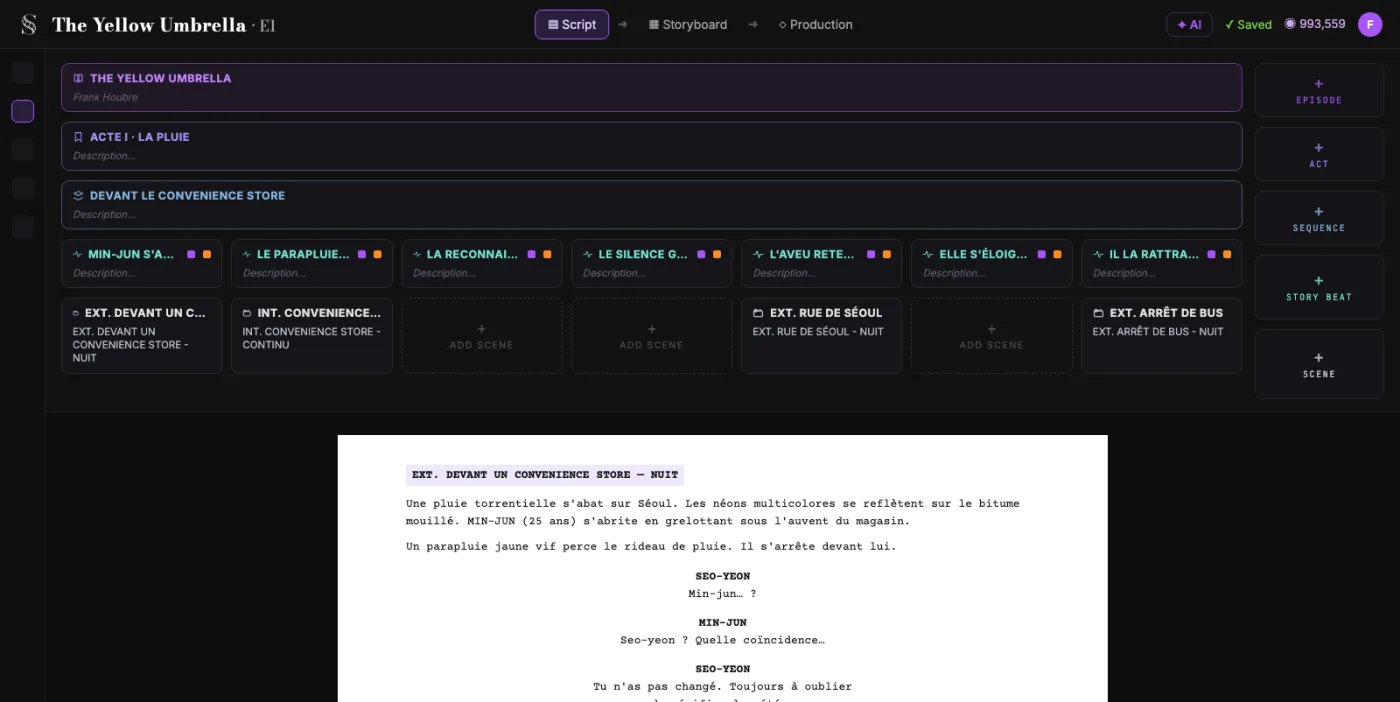
In ScreenWeaver, the outline and beats live in the same project as your screenplay. Structure and pages stay linked. Free.
- $0, does not expire
- PDF and Final Draft export
- Mac, Windows, Linux, iPad
Character Arc Worksheet: the complete guide
It maps want, need, flaw, wound, and final choice so internal change is visible and testable across the script.
For this workflow, the central problem is clear: character journeys often feel vague because want, need, wound, and final choice are not explicitly mapped. Left unresolved, this creates downstream friction and slower decisions. The practical target is a sharper emotional throughline that strengthens scene choices and ending impact.
Limitation to keep in mind: It cannot create authenticity by itself; arc credibility still depends on scene pressure and behavioral evidence.
Advanced workflow: Map arc beats against major structural turns to ensure each act forces a belief-level update, not just plot movement.
Step-by-Step Workflow
- Define external want and internal need as separate forces in conflict.
- Map wound, flaw, and coping strategy to recurring behavior patterns.
- Anchor turning moments where beliefs are challenged or reframed.
- Validate that the final choice proves real change, not a label.
Use Cases By Profile
- Writer: clarify transformation before polishing dialogue.
- Editor: diagnose flat arcs in otherwise strong plots.
- Development: compare protagonist arc strength across projects.
Common Mistakes To Avoid
- Confusing backstory detail with arc progression.
- Writing change without pressure events that force it.
- Ending with stated growth but no behavioral evidence.
Professional Best Practices
- Tie arc beats to concrete scene decisions.
- Use contrast scenes to show pre/post transformation clearly.
- Audit dialogue for belief shifts across acts.
Treat this tool output as a decision support layer, not a replacement for authorship. Great scripts are remembered for specific choices, emotional precision, and clarity of dramatic movement. Tools help by removing noise so your energy can go where it matters: character, conflict, escalation, and payoff. If you review outcomes after each pass and keep an explicit log of accepted changes, your workflow becomes faster and more predictable from draft to draft. That consistency is exactly what professional collaborators value: fewer surprises, clearer rationale, and a script that evolves with intent.
Extended FAQ
What is the difference between want and need?
Want is external pursuit; need is internal transformation required for meaningful resolution.
How do I test if an arc is credible?
Check whether turning scenes force belief updates and behavior changes, not just stated lessons.
Can secondary characters use this worksheet too?
Yes. Supporting arcs become clearer when mapped against protagonist pressure points.
What causes flat character arcs?
Insufficient pressure events and unclear link between flaw, wound, and final choice.
When should arc worksheet be updated?
After major plot changes and before final polish to ensure emotional coherence.
How does this help endings?
It clarifies what final choice must prove for change to feel earned.
FAQ
Yes.
No.
Copy worksheet text.
Yes.