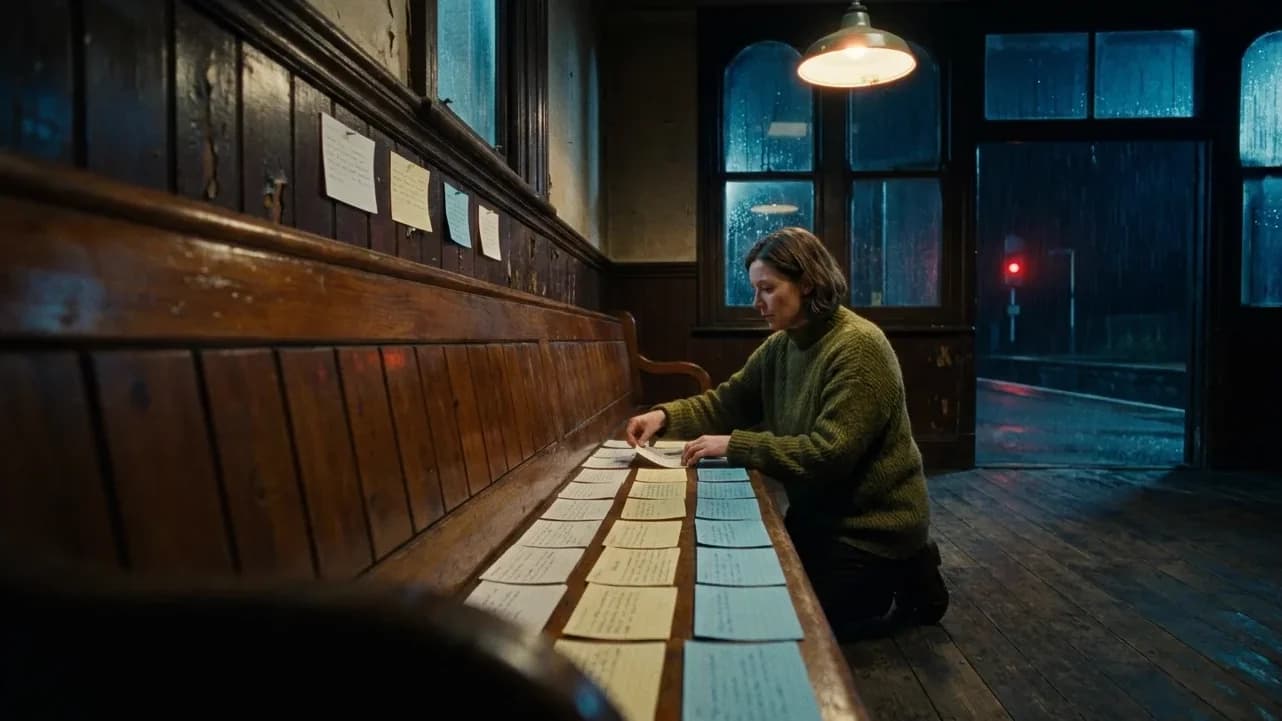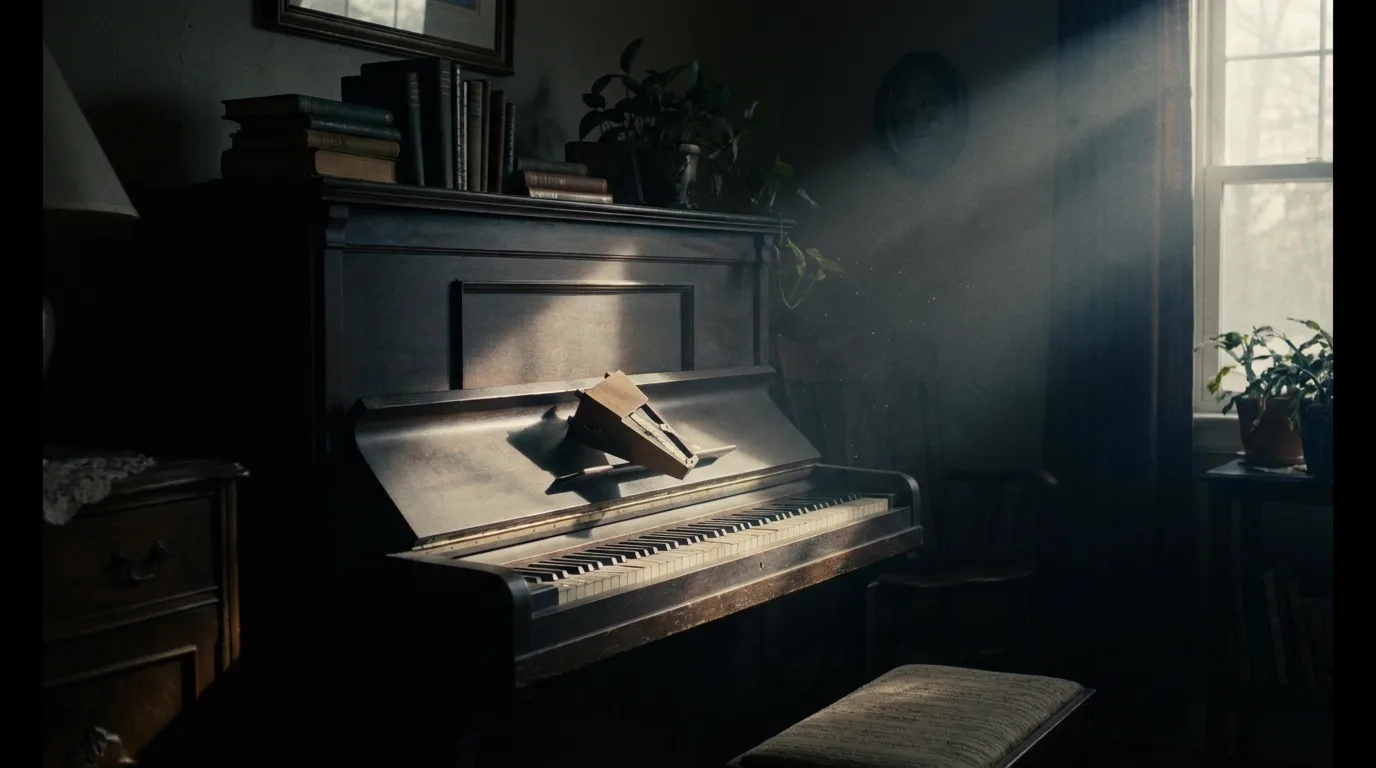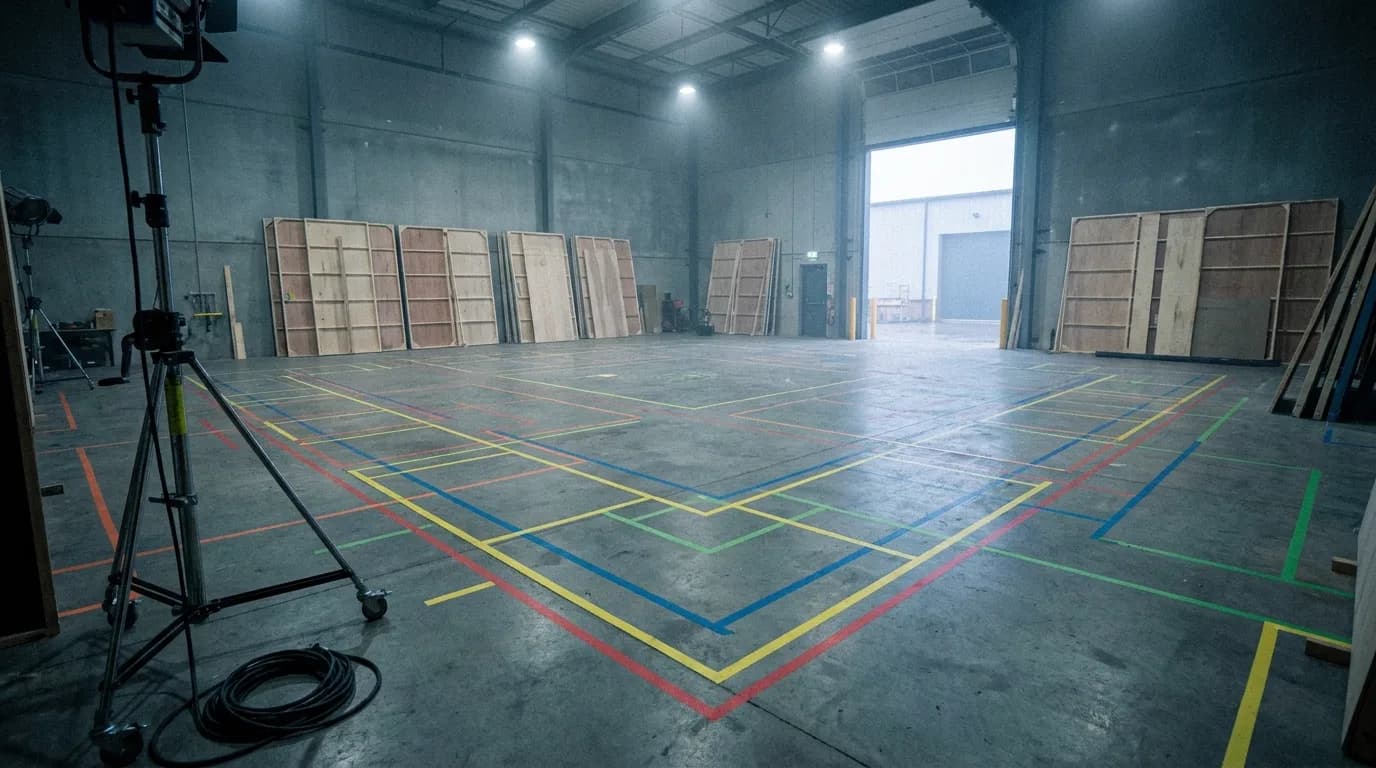
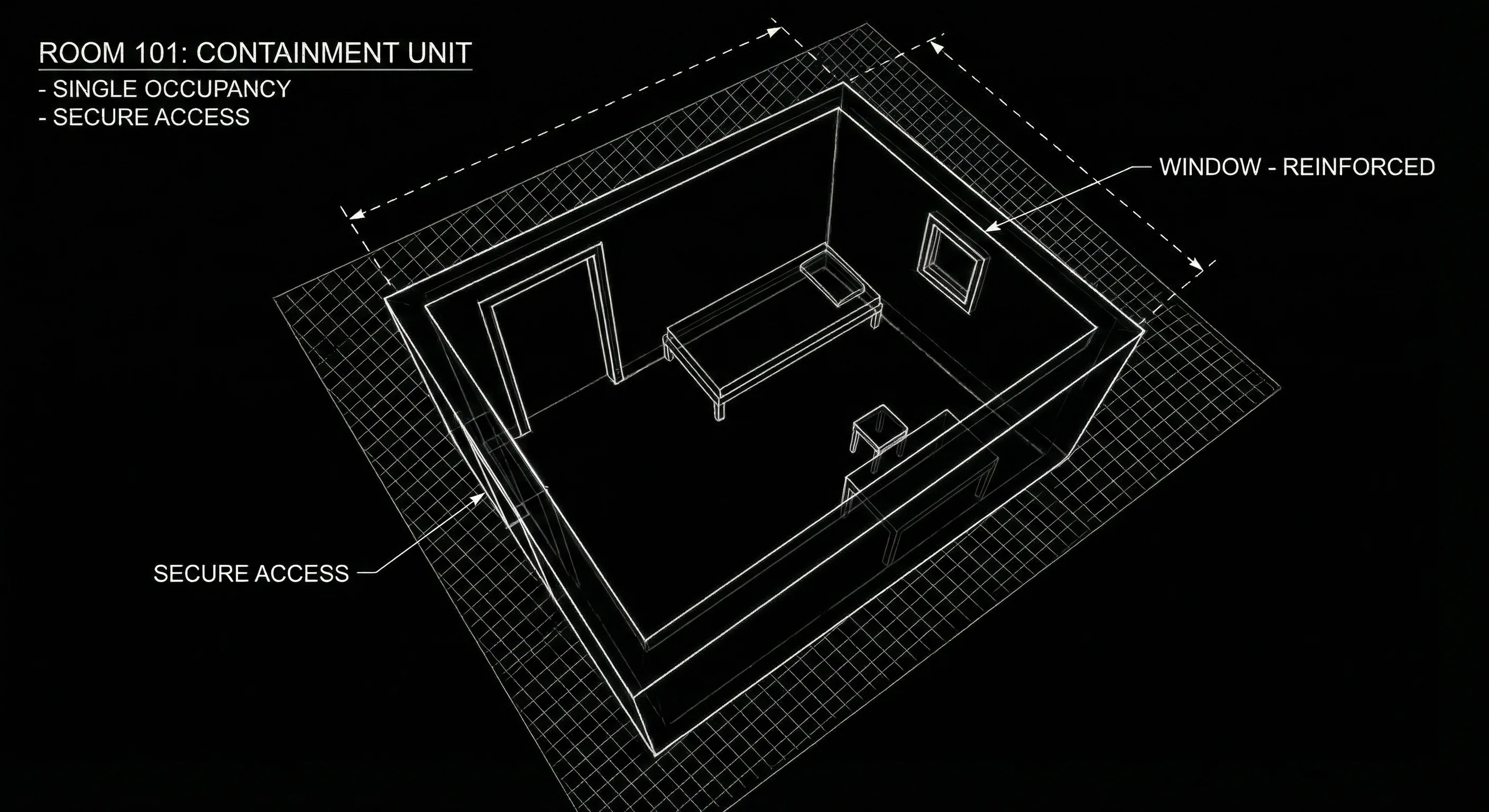
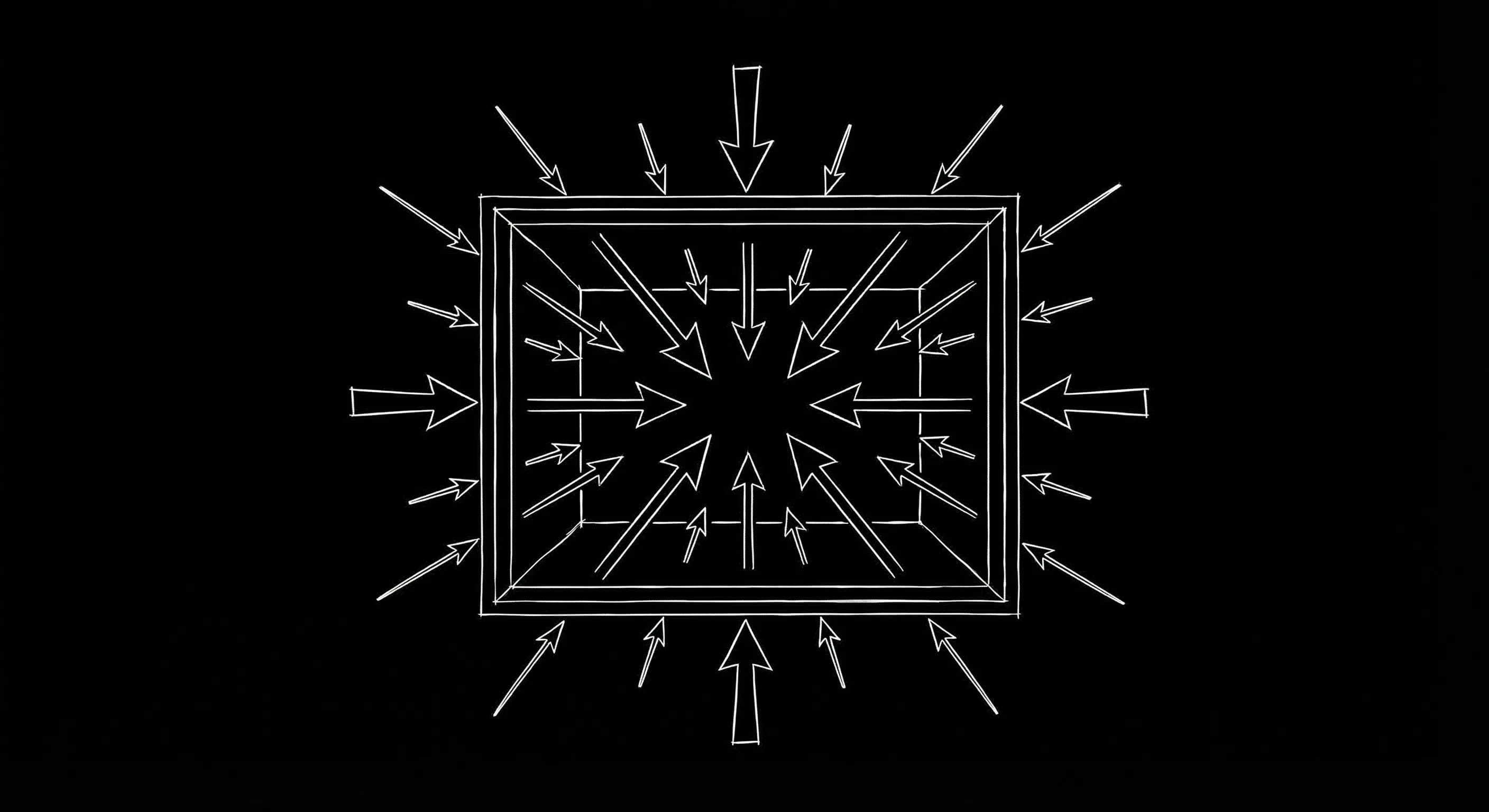
A bottle episode is exactly what it sounds like: a story confined to one or very few locations, with a minimal cast, designed to save money while maintaining,or even heightening,dramatic impact. The name comes from the idea of being "in a bottle",sealed off, contained, nowhere to go. That constraint becomes the engine. Some of the most memorable episodes in television history are bottle episodes. Breaking Bad did it in "Fly." Community did it with "Cooperative Calligraphy."
The Core Principles
One (or very few) locations. A single room is ideal. The claustrophobia is the engine. Limited cast. The regulars. Maybe one guest. Conflict that can't be resolved by leaving. The characters want to leave. They can't. A storm. A lockdown. A mystery that must be solved before anyone goes.
Structure: The Bottle Arc
A bottle episode still needs a three-act shape. Act 1: establish the situation. Why are they stuck? Act 2: tensions rise. Confrontations. Revelations. Act 3: resolution,not necessarily escape, but a shift. The Community bottle episode "Cooperative Calligraphy" has a simple premise: a pen is missing. No one can leave until it's found. The plot is absurd. The subtext is profound.
Dialogue as Action
With no car chases, no location changes, no spectacle, the dialogue is the action. Arguments. Confessions. Games. Interrogations. Every exchange has to move the story or deepen character. There's no filler.
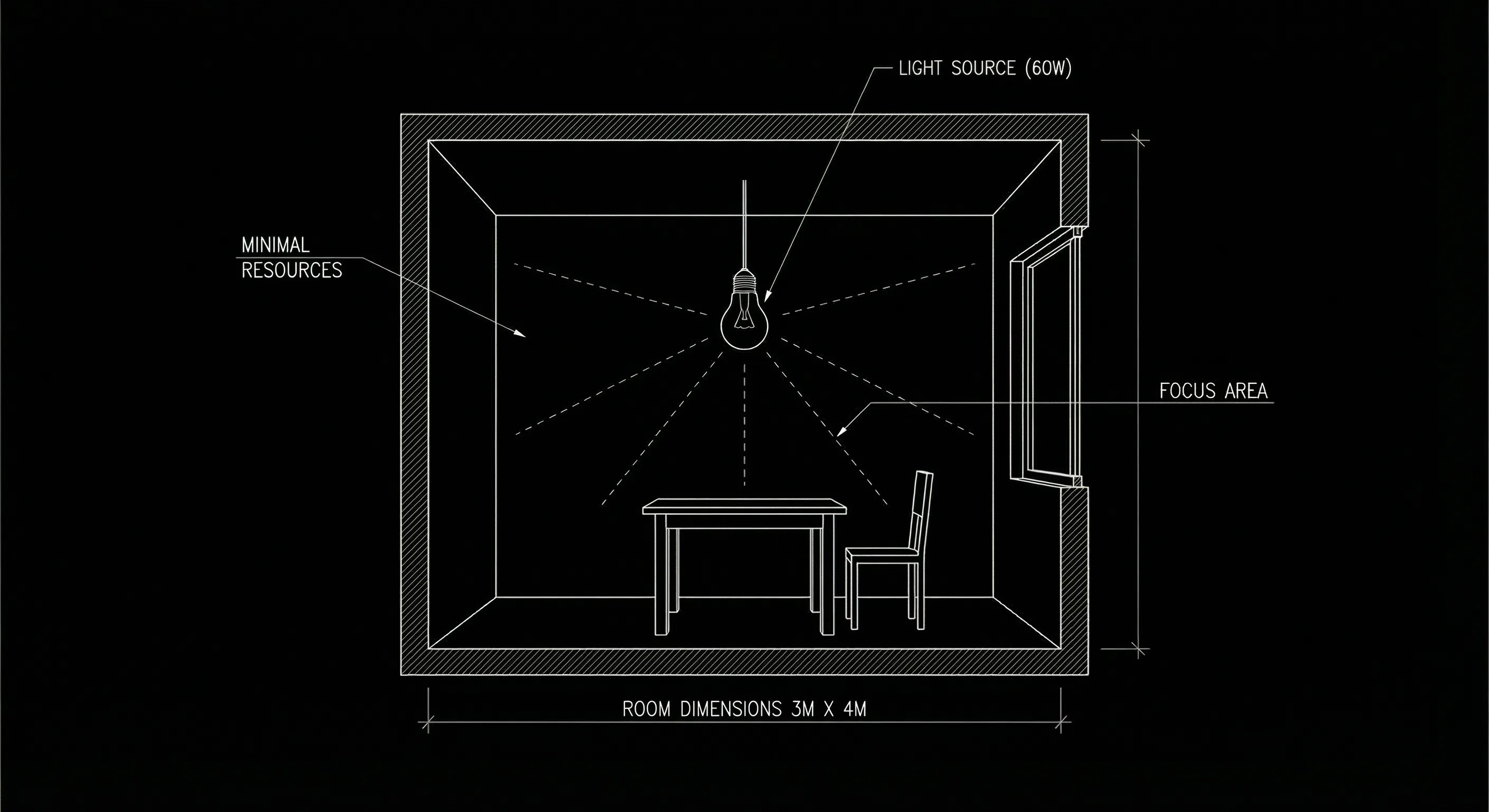
For writers working with limited resources, our piece on writing montages offers another approach to creating impact within constraints. The bottle isn't a compromise. It's a form. Master it, and you can make a room feel like the whole world.
Final Step
Build your next script with Screenweaver
Move from ideas to production-ready pages faster with timeline-native writing and AI-assisted story flow.
Try Screenweaver