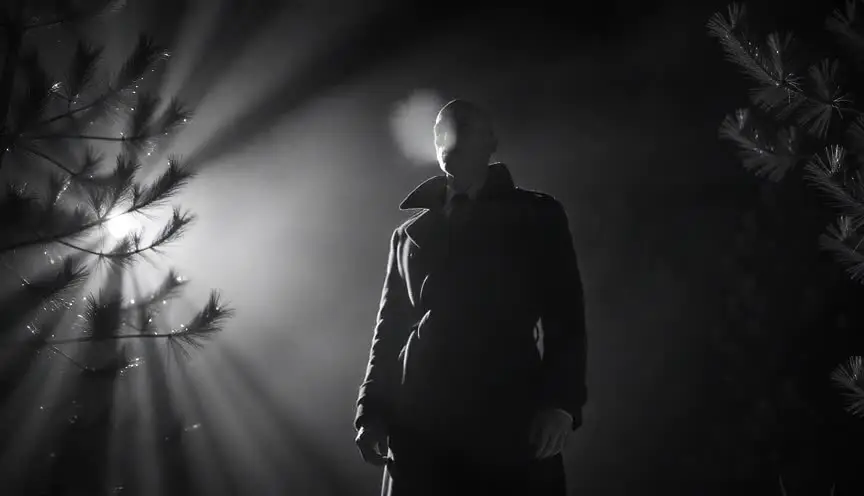
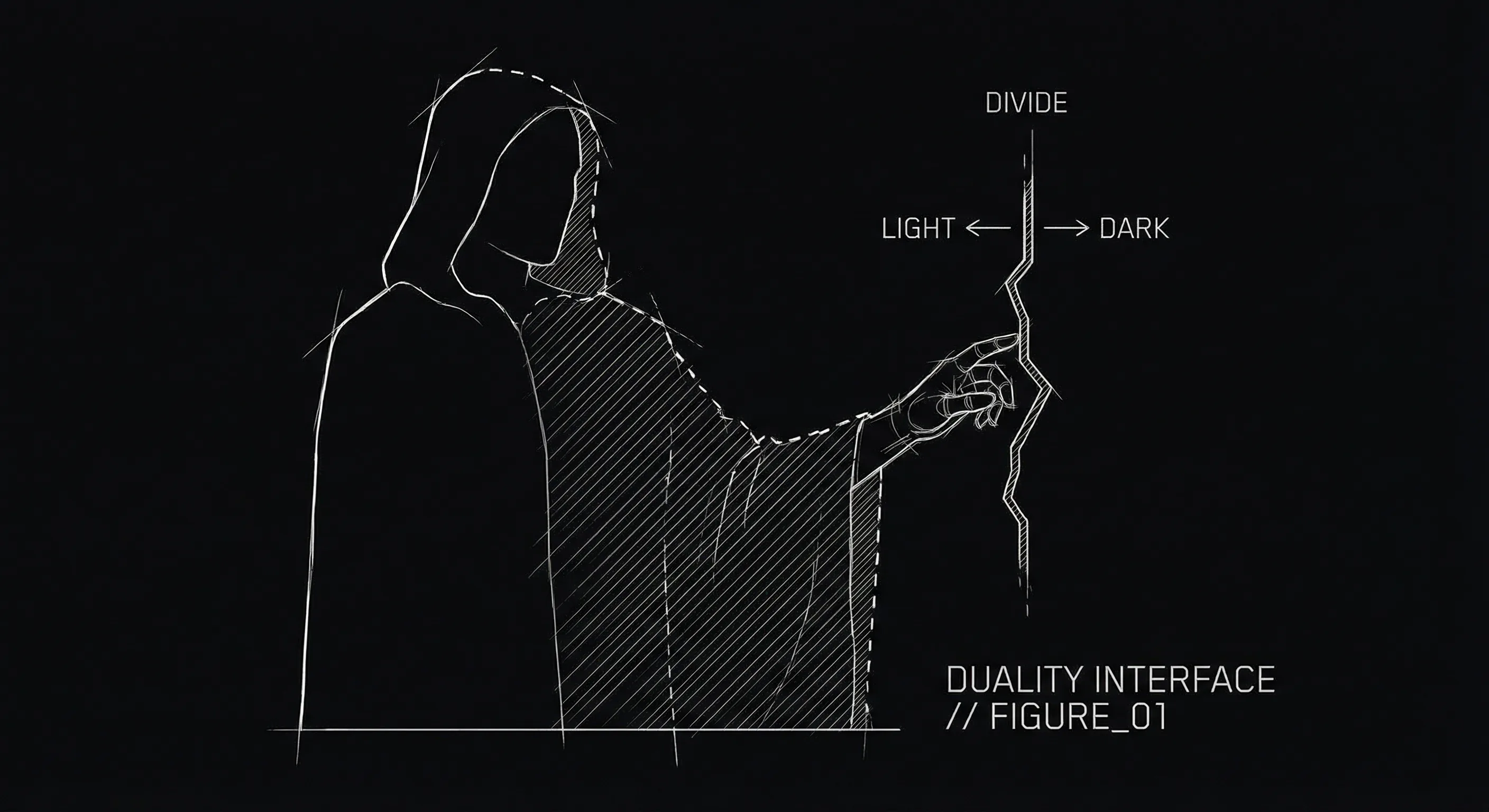
She says, "I didn't know you cared." He says nothing. He lights a cigarette. The camera holds on his face. We know everything. Nothing was said. That's subtext. And nowhere is it more central than in film noir. Noir lives in the gap between what's spoken and what's felt. Desire. Betrayal. Fear. The things that can't be said.
What Subtext Actually Is
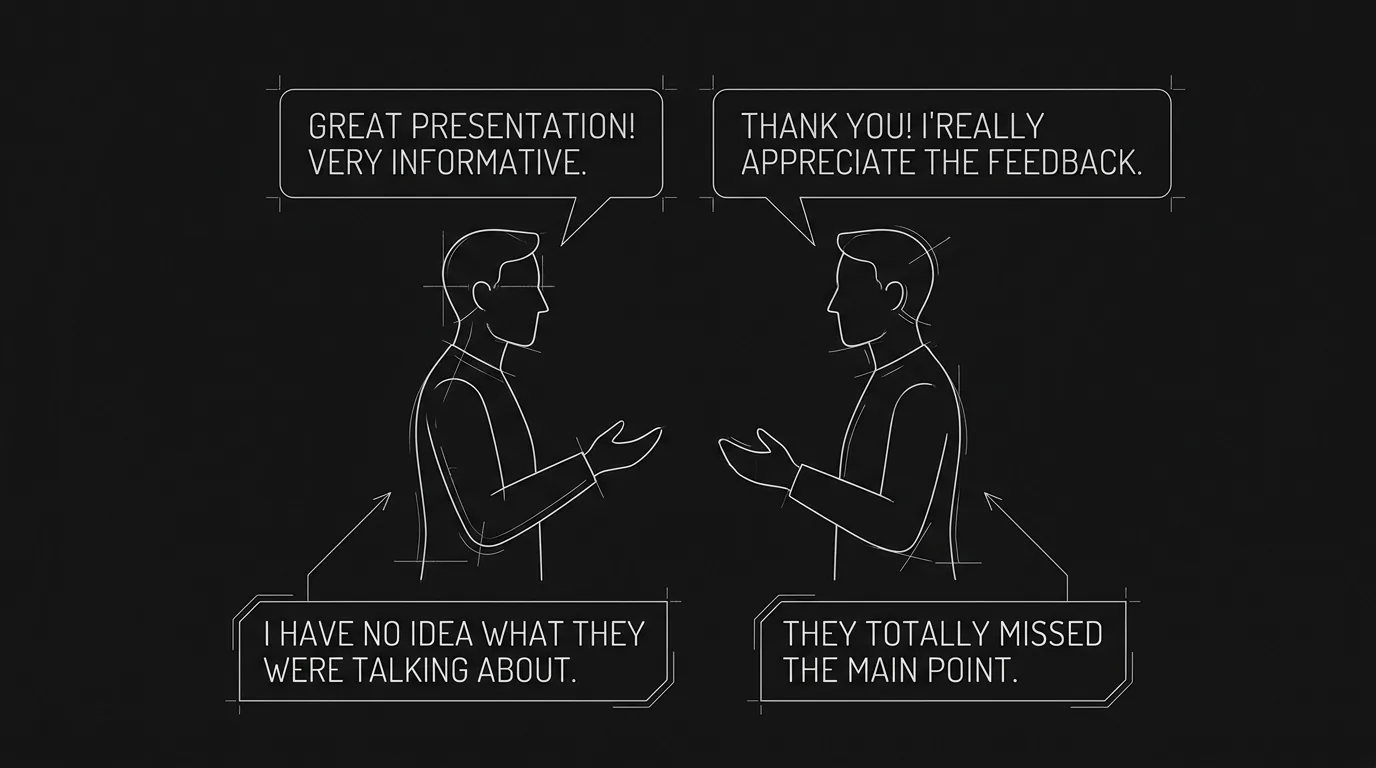
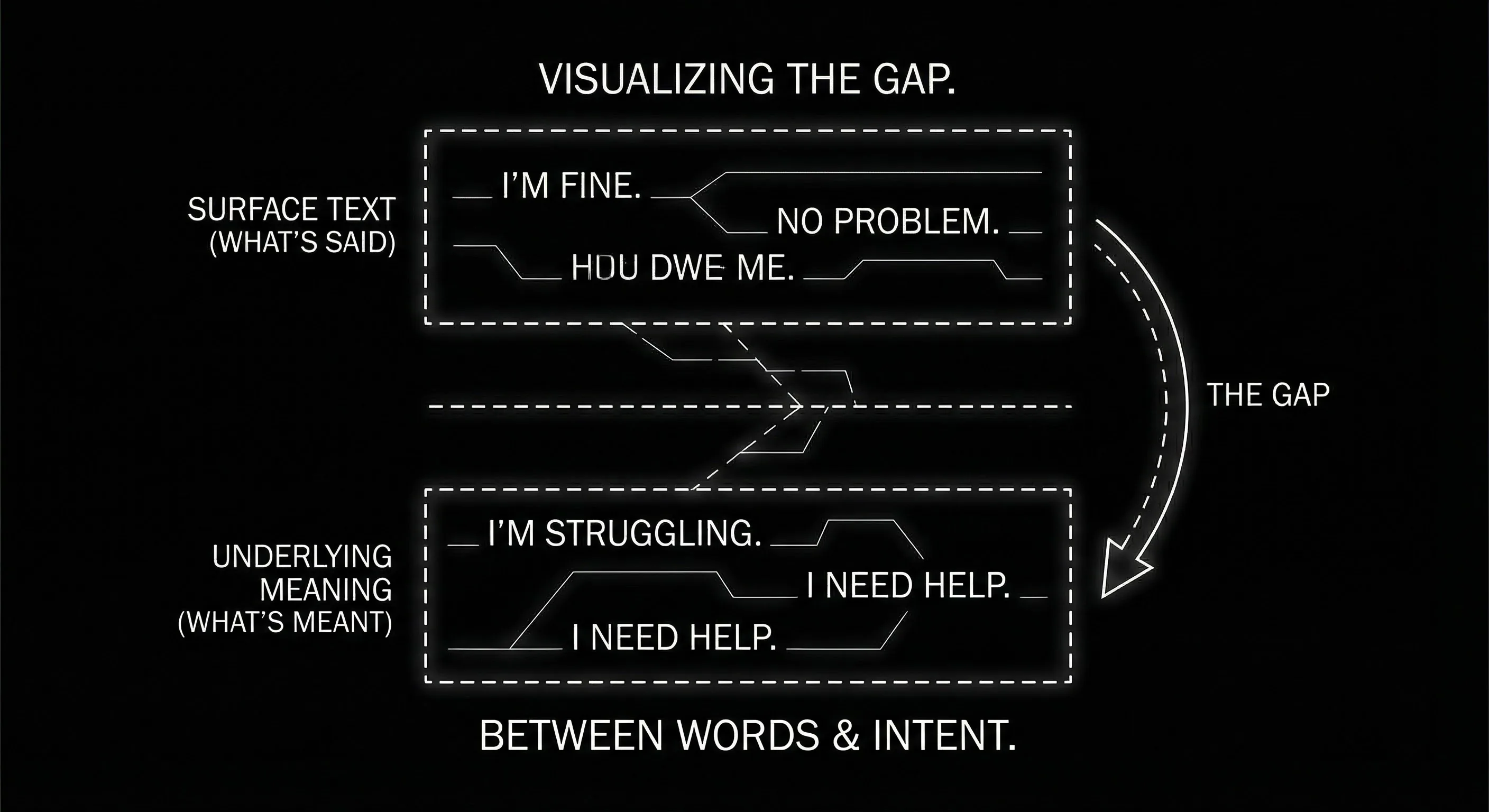
Subtext is the meaning beneath the text. The words say one thing. The situation, the relationship, the tone,they say another. "I'm fine" when someone is not fine. In noir, subtext isn't optional. It's the mode. Characters speak in veils. The femme fatale says "I need your help." What she means: "I need a pawn."
In noir, the most important things are never said. They're felt in the silence, the glance, the cigarette smoke.
Techniques: How Noir Achieves Subtext
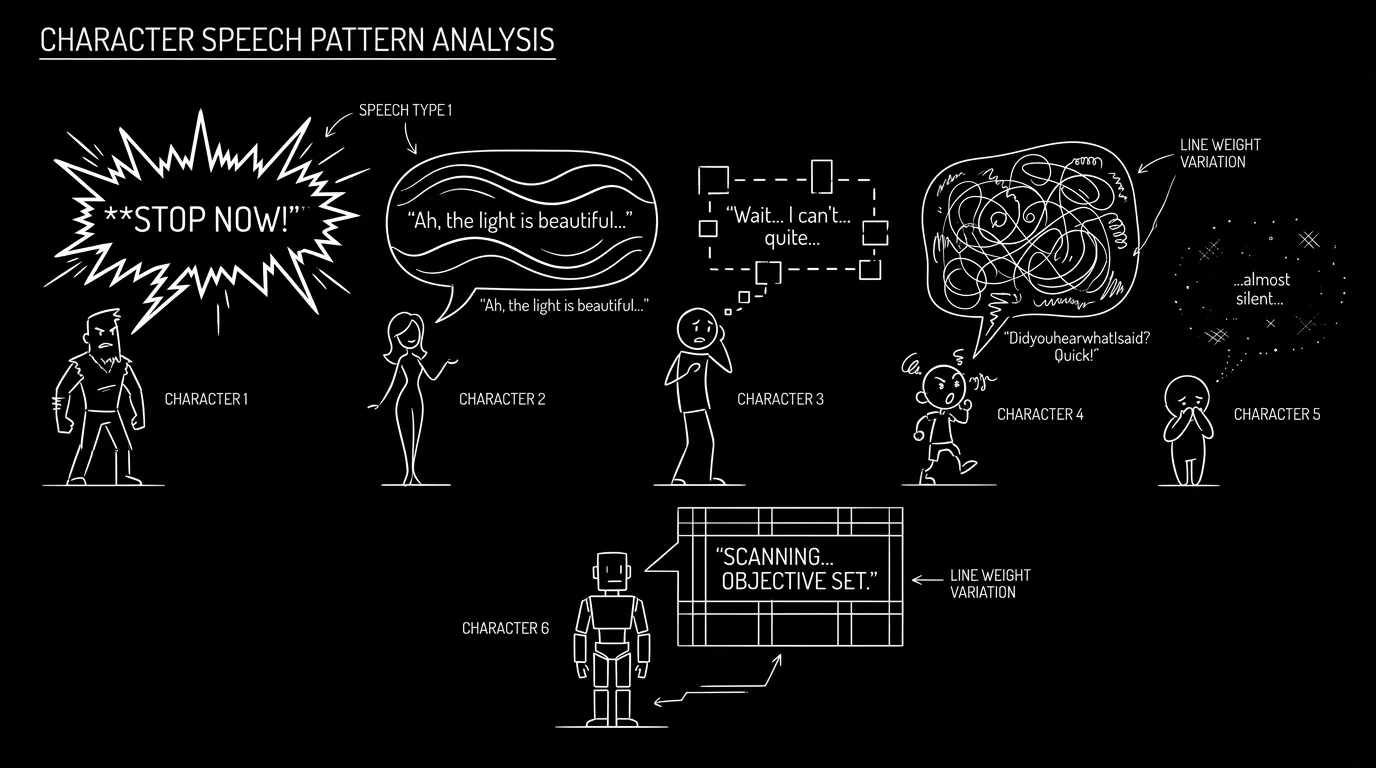
Deflection. A character is asked a direct question. They answer something else. Irony. The words contradict the situation. Loaded vocabulary. Certain words carry weight. "Business." "Friendship." In noir, these words often mean their opposites. Silence and beat. Subtext lives in the pause. The moment after a line. The look.
The Silence That Speaks
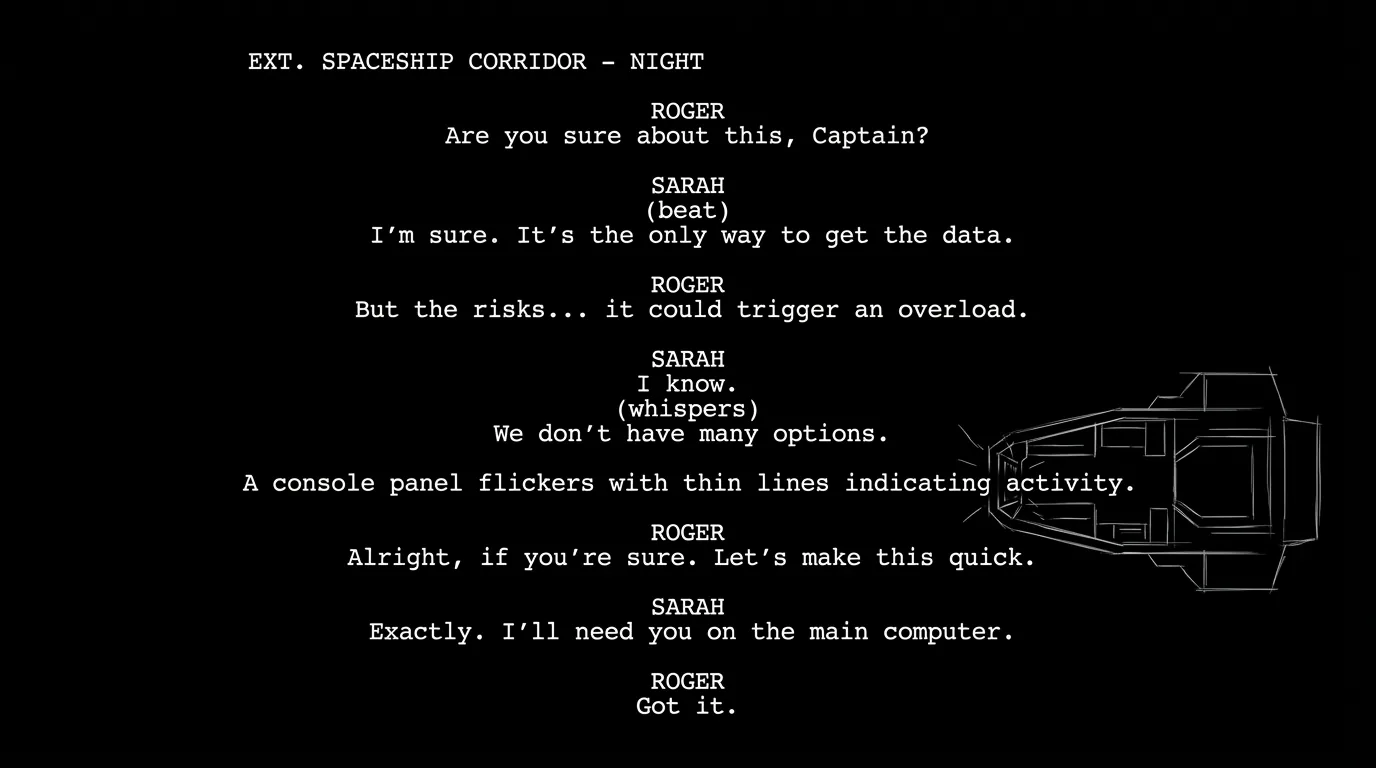
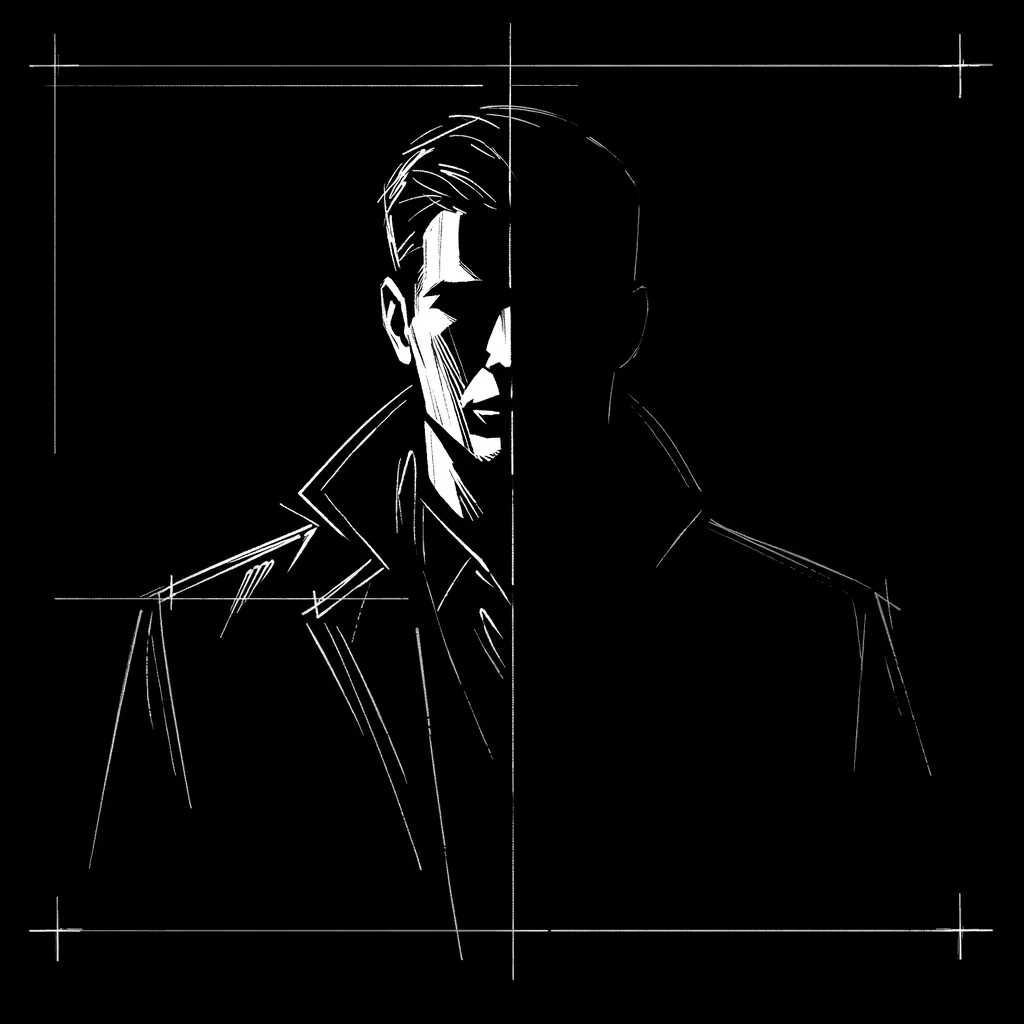
Some of the most powerful subtext in noir lives in what isn't said at all. A character asks a question. The other character doesn't answer. They light a cigarette. They look away. The silence carries the weight. The writer has to stage that silence. "(She doesn't answer.)" "(Long pause.)"
For more on how dialogue functions across formats, our guide on V.O. vs. O.S. explores how the presentation of speech affects meaning. Noir didn't invent subtext. It perfected it. Study it. Steal from it. And remember: the best lines are the ones that say everything without saying it at all.
Final Step
Build your next script with Screenweaver
Move from ideas to production-ready pages faster with timeline-native writing and AI-assisted story flow.
Try Screenweaver