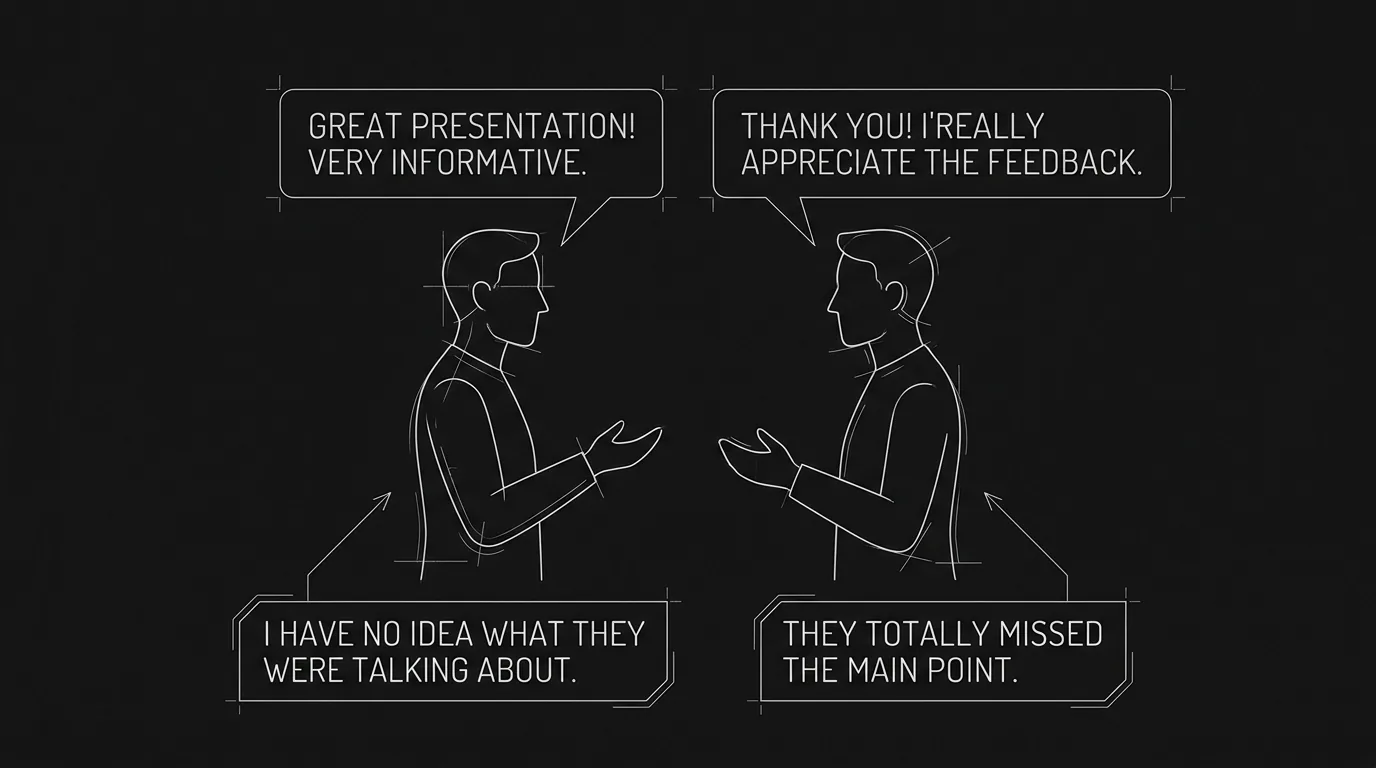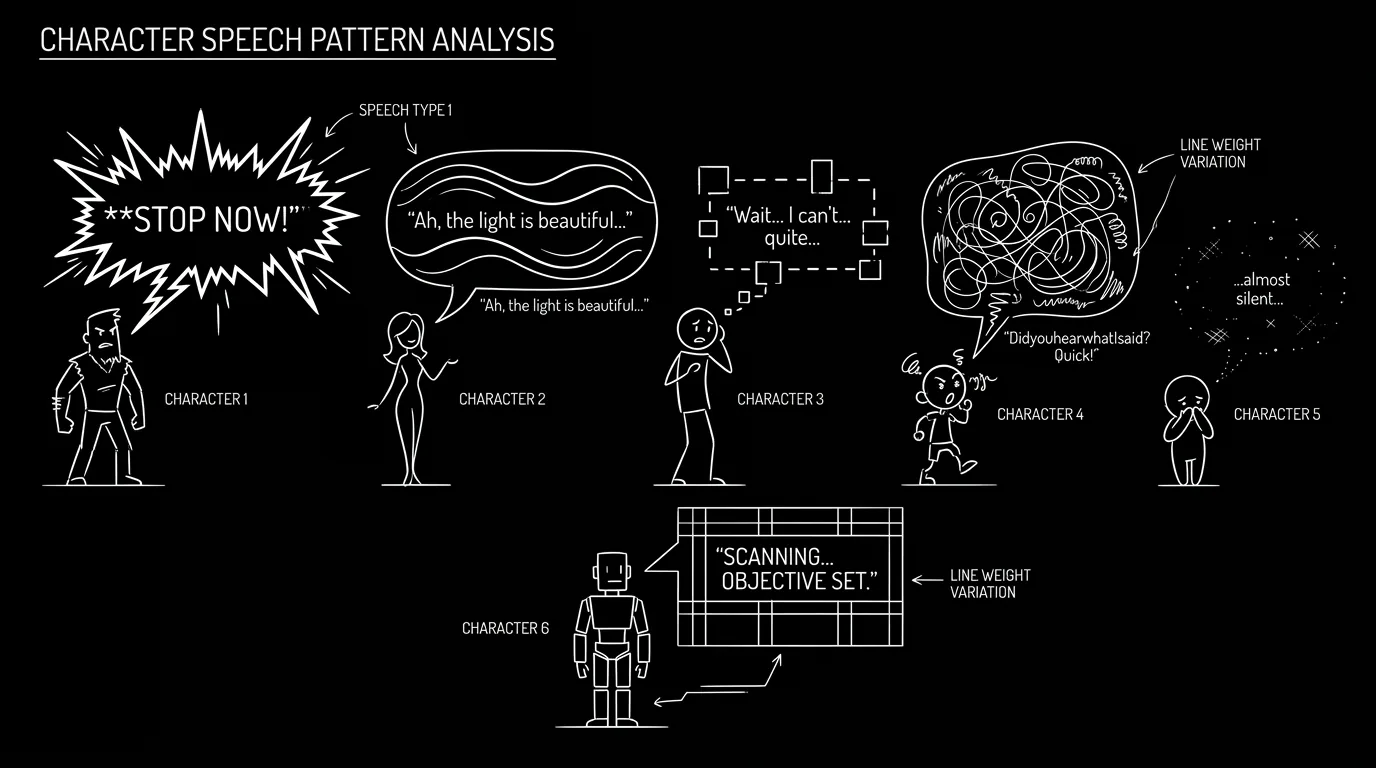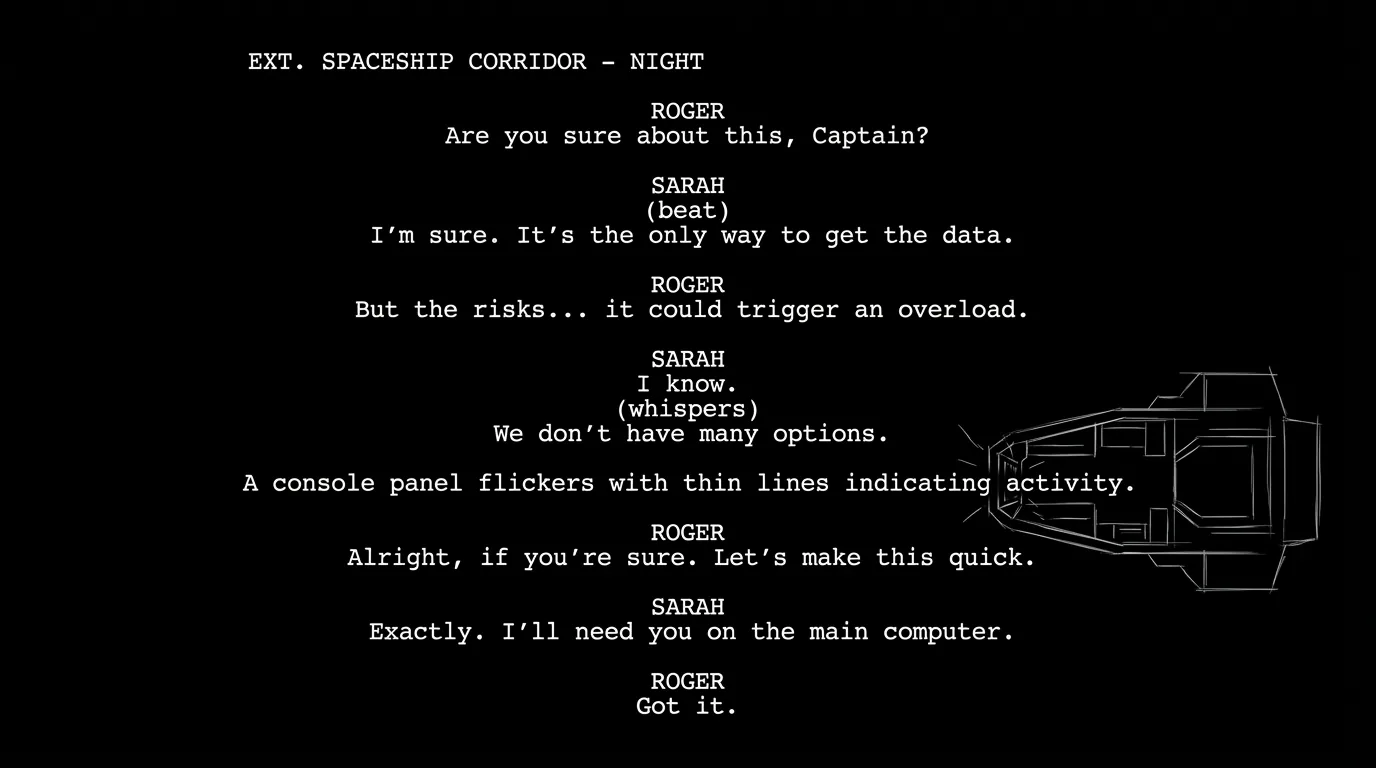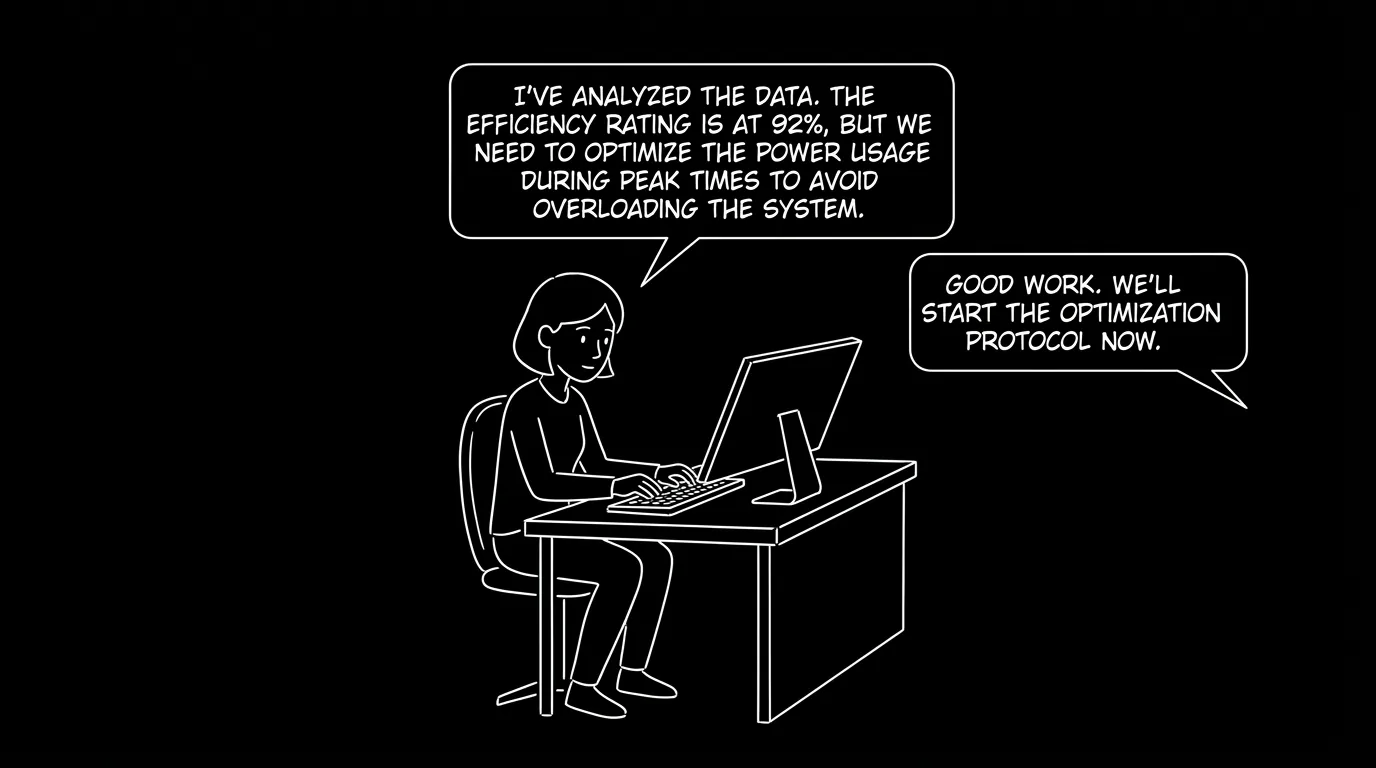

The audience needs to know something. Backstory. Rules. Who did what. So you write a scene where someone explains it. The scene stops. The characters become mouthpieces. The reader checks out. The exposition dump is the moment the script turns into a briefing. The fix isn't to cut the information. It's to hide it, in conflict, in activity, or in a situation so engaging that we absorb the info without feeling taught. The "Pope in the Pool" is the classic trick: put the explainer in a situation that pulls focus (the Pope is swimming; we're watching that while we listen). Here's how to use it and what else works.
We don't mind learning. We mind being taught. Give us a reason to listen and something to look at while we do.
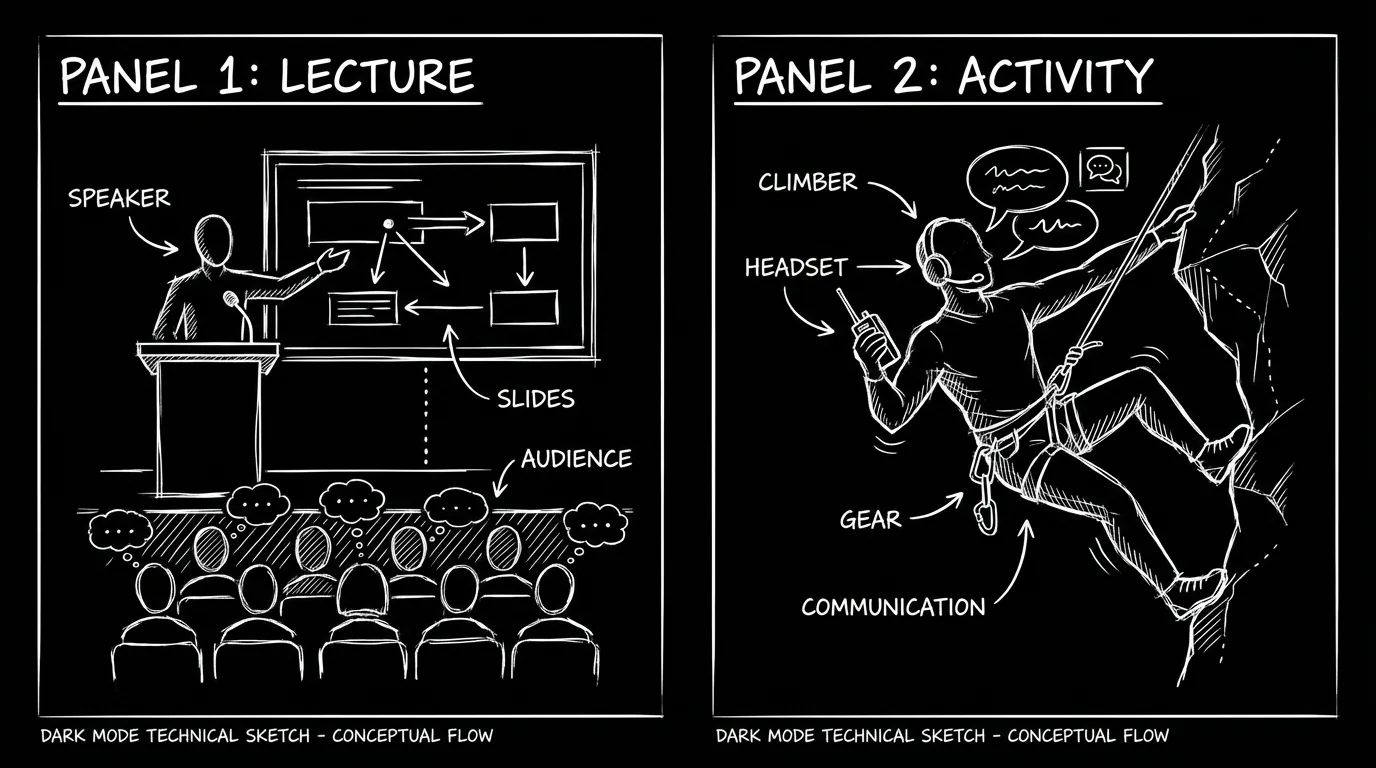
Think about it this way. When two people are arguing, we listen. When one person is lecturing, we drift. When something happens during the explanation, a physical activity, a threat, a goal, we stay. So the exposition dump becomes a scene. Someone wants something. Someone resists. Or the environment is doing something (storm, chase, deadline). The information comes out in the service of the scene, not instead of it. Our guide on dialogue that doesn't sound like exposition is about subtext and indirection; this piece is about the structural trick, giving the audience a reason to listen and something else to watch. For subtext when the info is sensitive, see subtext.
Why the Dump Fails (And Why "Pope in the Pool" Works)
The dump fails because nothing is at stake in the moment. The character is telling us things so we'll know. We're passive. The "Pope in the Pool" works because something else is going on. The Pope is in the pool. We're watching that odd image while the aide briefs him. The activity (or the image) holds our attention. The information slips in. We don't feel like we're in a lecture. We feel like we're in a scene. The principle: distract the audience with activity or conflict so the exposition doesn't feel like exposition. The character delivering the info should have a reason to be talking, they're arguing, they're defending, they're briefing someone who's doing something. The listener should have a reason to be there, they're in the pool, they're driving, they're under pressure. When the scene has its own engine, the info rides along. For hiding info in conflict, see subtext, sometimes the info is the thing they're fighting about.
Relatable Scenario: The "Let Me Bring You Up to Speed" Scene
Two characters. One has been away. The other fills them in. Classic dump. Fix: Give the scene conflict. The one who was away doesn't want to hear it. Or they're angry and interrupt. Or they're doing something (packing, driving) and the explainer has to fight for attention. The information comes out in pieces, in argument, or under pressure. We're not watching a briefing. We're watching a scene. For dialogue that hides exposition, see writing dialogue.
Relatable Scenario: The Rules of the World
Your story has rules, magic, tech, the heist. Someone has to explain them. If the explainer just lectures, we're in a manual. Fix: Embed the rules in a scene where someone needs them. The character who doesn't know asks because they're about to do something. The character who knows is reluctant, or is showing off, or is under threat. The rules come out because the situation demands it. Or: we see the rule in action first; the explanation comes later, in one line or in conflict. For building a magic system, see magic systems, the rules can be demonstrated in action before they're named.
Relatable Scenario: The Backstory We "Need" to Know
Something happened in the past. You've written a scene where one character tells another. The scene exists to deliver the info. Fix: Do we need the full story? Maybe we need one detail. Maybe we need the effect (the character's behavior) and not the cause. If we do need the cause, deliver it in conflict, the listener doesn't want to hear it, or the teller doesn't want to say it, or they're fighting about something else and the past comes out. For trauma as backstory without dumps, see trauma backstory.
The Trench Warfare Section: What Beginners Get Wrong
Making the scene only about the info. The scene has no other reason to exist. Fix: Give the scene a want. Someone wants something. Someone resists. The info is part of the negotiation, the argument, or the pressure. When the scene would be interesting even without the info, the info can land.
Having the wrong character explain. The character who knows everything tells the character who knows nothing, and the listener is a stand-in for the audience. Fix: Give the listener a character. They have opinions. They interrupt. They don't want to hear it. Or the explainer has a reason to be reluctant. The exchange becomes a scene, not a lecture.
Dumping it all at once. One scene, everything we need to know. Fix: Spread the exposition. One piece here, one piece there. Let the audience piece it together. Or deliver it in conflict so it comes out in fragments. We don't need the full manual. We need enough to follow the story. For pacing, see micro-pacing.
No "pool." You're delivering info but there's nothing for the audience to watch or feel. Fix: Add activity. They're driving. They're under fire. They're in a place that's visually or emotionally engaging. The "Pope in the Pool" is literal or metaphorical: give us something else to hold our attention while we absorb the info.
Explaining what we could see. The character tells us what happened. We could have seen it. Fix: Show when you can. Explain when you must, and when you do, hide it in conflict or activity. For visual storytelling, see silent scene and epiphany.
Try it free
Try Screenweaver for free on your script
It is free. Import your existing project, get a clearer view of your outline, and regain control of your story structure in minutes.
Start FreeHiding Exposition: Options
| Technique | How it works |
|---|---|
| Pope in the Pool | Explainer or listener is in an engaging activity; we watch that while we listen |
| Conflict | Info comes out in an argument, a negotiation, or under pressure |
| Need to know | Character needs the info to act; the explainer is reluctant or under threat |
| Fragment | Spread the info across scenes; we piece it together |
| Show first | Demonstrate the rule or event; explain later in one line or in conflict |
Use one or combine. The goal is a scene with its own engine, not a briefing.
Step-by-Step: Turning a Dump Into a Scene
First: List what the audience needs to know. Second: Ask who would say it and why they'd say it now. Third: Give the scene a conflict or an activity. What does the listener want? What does the explainer want? Or what are they doing (driving, swimming, packing)? Fourth: Weave the info into the conflict or the activity. The info is what they're fighting about, or what one of them is trying to get while the other is busy. Fifth: Cut everything the audience doesn't strictly need. Less is more. Sixth: Read the scene. If you took out the info, would the scene still work? If not, add a reason for the scene to exist. For more on dialogue and exposition, see writing dialogue. For subtext, see subtext.
When You Have to Explain
Sometimes there's no way around it. A rule. A backstory beat. A technical point. When you have to explain, shorten and anchor. Shorten: one or two sentences. Anchor: put them in a scene that has another reason to exist. The line lands and we move on. We don't need the full lecture. We need enough. For monologues that might be exposition, see monologue, if the long speech is mostly info, break it up or hide it.
The Perspective
The exposition dump fails when the scene exists only to deliver info. Fix it by giving the scene conflict or activity, a reason to listen and something to watch. Use the Pope in the Pool: put the explainer or the listener in a situation that pulls focus. Or spread the info. Or show first, explain later. When we're learning without feeling taught, the exposition has done its job. When we're being briefed, it hasn't. So hide it. Then we'll get it.
Final Step
Build your next script with Screenweaver
Move from ideas to production-ready pages faster with timeline-native writing and AI-assisted story flow.
Try Screenweaver