
The reader hits the line and stops. Something feels off. The character just said exactly what they want, what they’re afraid of, and what the theme is,in one speech. It’s clear. It’s efficient. And it lands like a brick. That’s exposition wearing dialogue’s clothes. The fix isn’t to say less. It’s to let the audience do the work. Subtext is what’s left when you strip the instruction manual out of the scene and leave the friction.
Writers hear “show, don’t tell” until it goes in one ear and out the other. In dialogue, the problem isn’t usually action lines,it’s characters who tell each other (and the audience) things they would never say out loud. People in life rarely announce their deepest need in a tidy sentence. They deflect. They talk around it. They say the opposite. So when a character does the announcing, the scene flattens. This piece is about how to write dialogue that carries meaning without turning into a briefing, and how to spot when you’ve slipped into on-the-nose territory so you can fix it before a reader does.
People also land here from broad queries like screenplay dialogue after they have already written pages. If you are in rewrite mode, pair this article with structure → clarity → dialogue passes so you are not tuning lines on scenes that should be cut, and with idea to first draft if the scene order is still wobbling.
What Exposition in Dialogue Actually Sounds Like
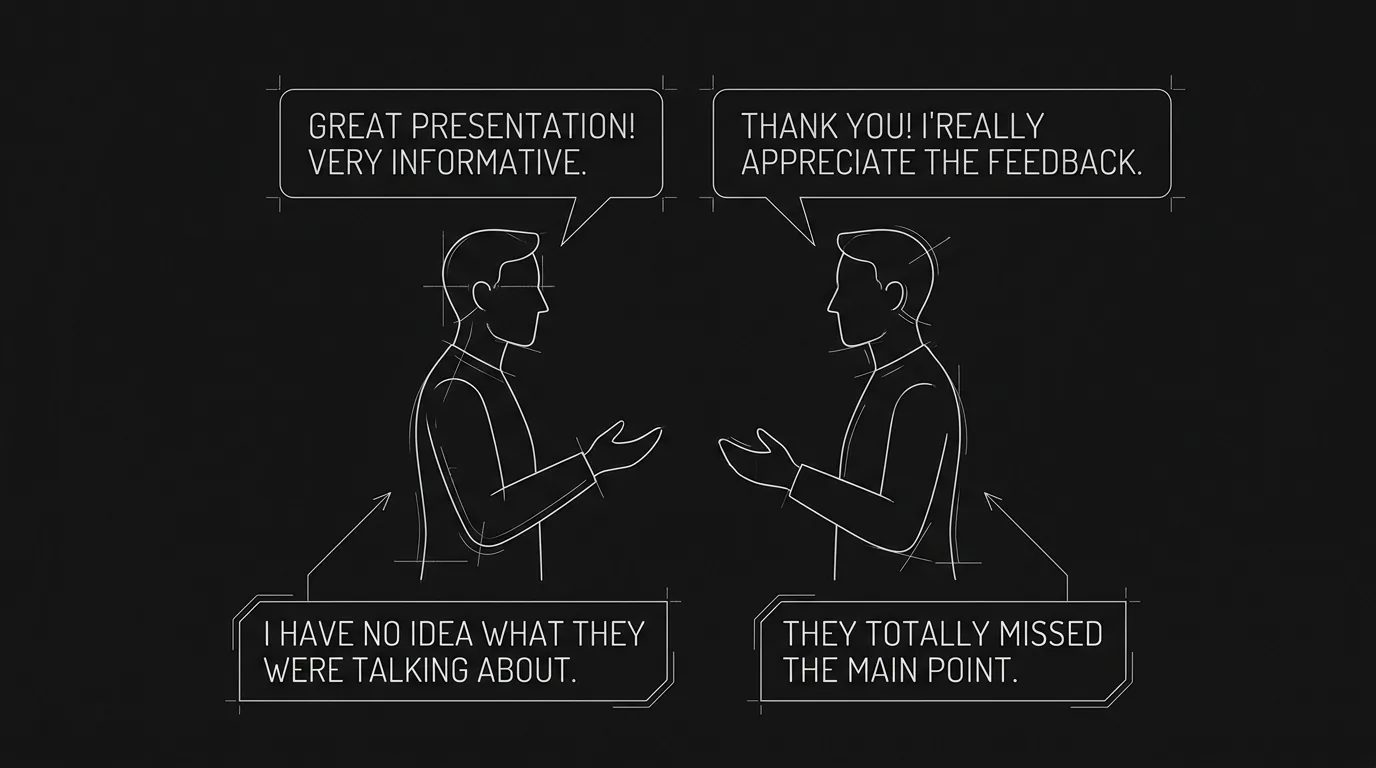
On-the-nose dialogue is dialogue that does the job of a narrator. It explains motive, theme, or backstory in the words coming out of the character’s mouth. The audience gets the information. They also get the feeling that the character is performing for them. Real people don’t say “I’m pushing you away because I’m afraid of losing you.” They slam the door. They change the subject. They say “I’m fine” when they’re not. The moment a character becomes a tour guide to their own psyche, the scene loses tension. There’s nothing to interpret. No gap between what’s said and what’s meant.
The tell is often a single line that could sit in a treatment. “Ever since Mom died, I’ve been unable to trust anyone.” “You don’t understand,I need this promotion because it’s the only way I can prove myself to my father.” “We’re not so different, you and I.” Each of these delivers a payload of meaning. None of them sounds like something a human would say in the heat of a scene unless they were in therapy or reading a script. The audience is smart. They can infer the wound from the behavior. They can infer the need from the obsession. When you hand them the inference in dialogue, you’re not helping. You’re short-circuiting the reason they’re watching.
Subtext isn’t vagueness. It’s the gap between what the character says and what they want, fear, or believe. The audience fills that gap. That’s where the scene lives.
Why We Fall Into It
Writers slide into exposition for a simple reason: they know the story. They know why the character is angry, what they’re hiding, and what the scene is “about.” So they write dialogue that makes that knowledge explicit. It feels efficient. One speech and the reader “gets it.” The problem is that the reader doesn’t need to get it that way. They need to feel the tension of not quite knowing,or of knowing more than the other character. They need to lean in. When everything is stated, there’s nothing to lean toward. The scene becomes a memo.
Another trap is the fear of being unclear. Notes from readers or collaborators sometimes say “we need to understand why she’s doing this.” The quick fix is to have her say why. The better fix is to give her an action or a choice that implies why, and to let the audience (and the other character) interpret it. Clarity of meaning doesn’t require clarity of statement. Some of the most memorable dialogue in film is memorable precisely because the character doesn’t say the thing. They say something else, and we feel the thing in the space around the words.
Techniques That Keep Meaning Without Spelling It Out
One of the oldest tricks is the **indirection**. The character talks about something else,the weather, the job, the neighbor’s dog,while the real subject is the relationship, the guilt, or the fear. The audience hears both layers. They hear the small talk and they hear the subtext: we’re not okay, I’m sorry, I’m terrified. The dialogue has a surface and an undertow. The surface is what’s said. The undertow is what the scene is actually about.
Another is **deflection**. When asked a direct question about their feelings or motives, the character doesn’t answer. They answer a different question. They turn it back on the other person. They make a joke. They leave. The refusal to answer is information. It tells the audience that the question hit something real,and that the character isn’t ready (or able) to name it. That’s more interesting than a confession.
**Contradiction** works too. The character says one thing and does another. “I don’t care what you do.” Then they show up. “We’re just friends.” Then they can’t look away. The audience sees the gap. They don’t need the character to explain the gap. The gap is the point. For more on how character desire and behavior align (or don’t) across a story, our guide on character arcs breaks down how change,or the refusal to change,shows up in action and dialogue alike.
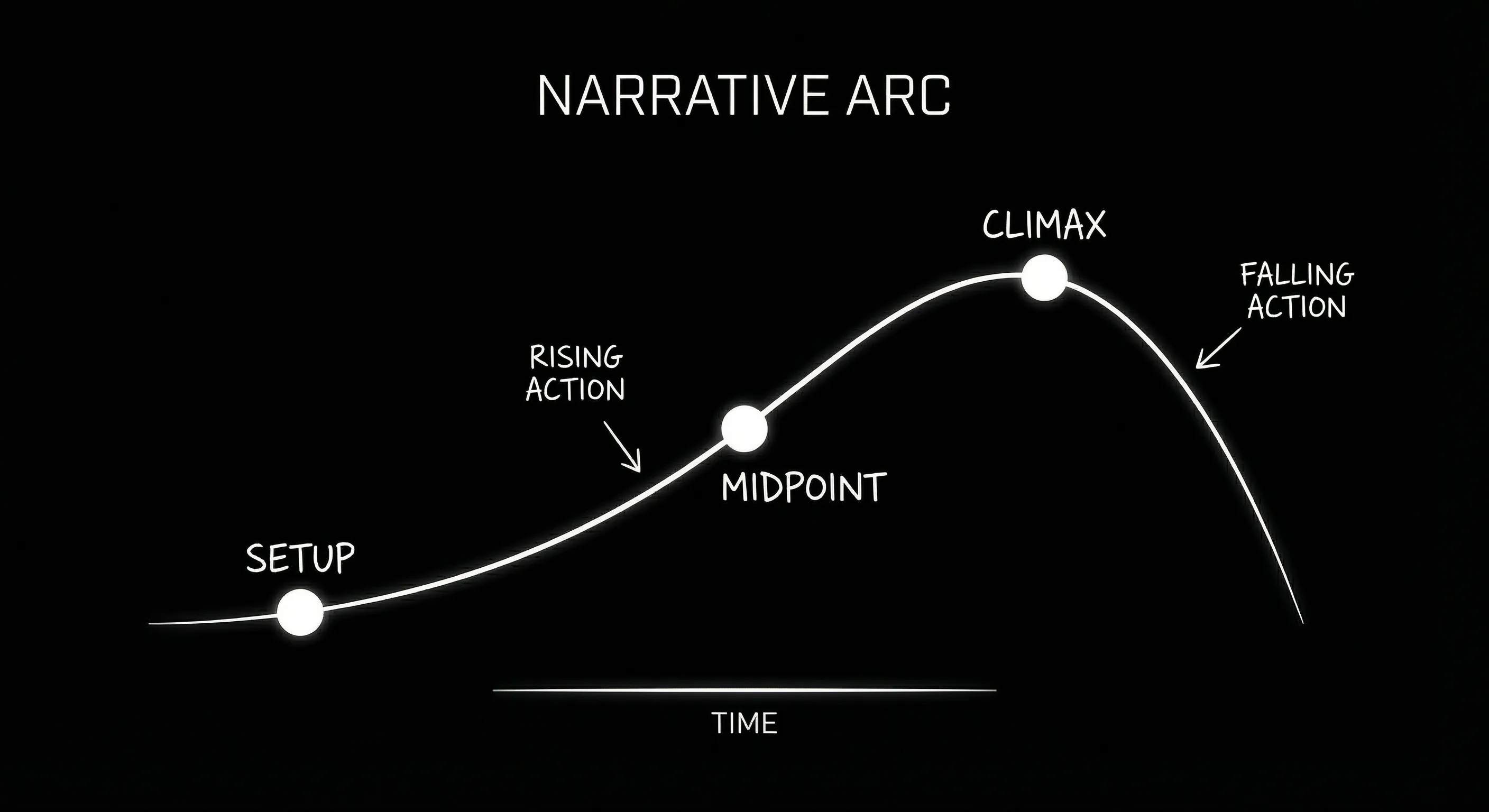
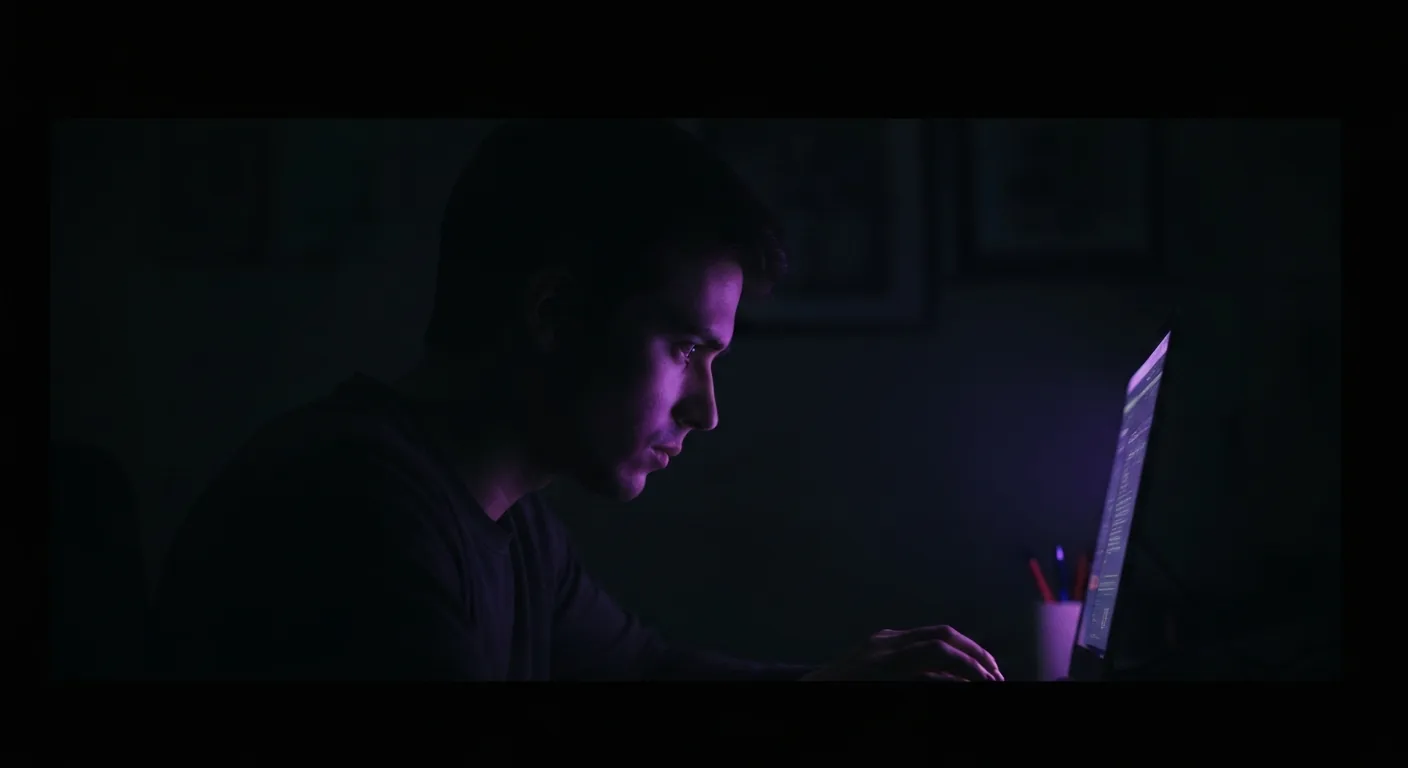
The line on the page and the meaning underneath: subtext in one image.
Detecting When Dialogue Is On the Nose
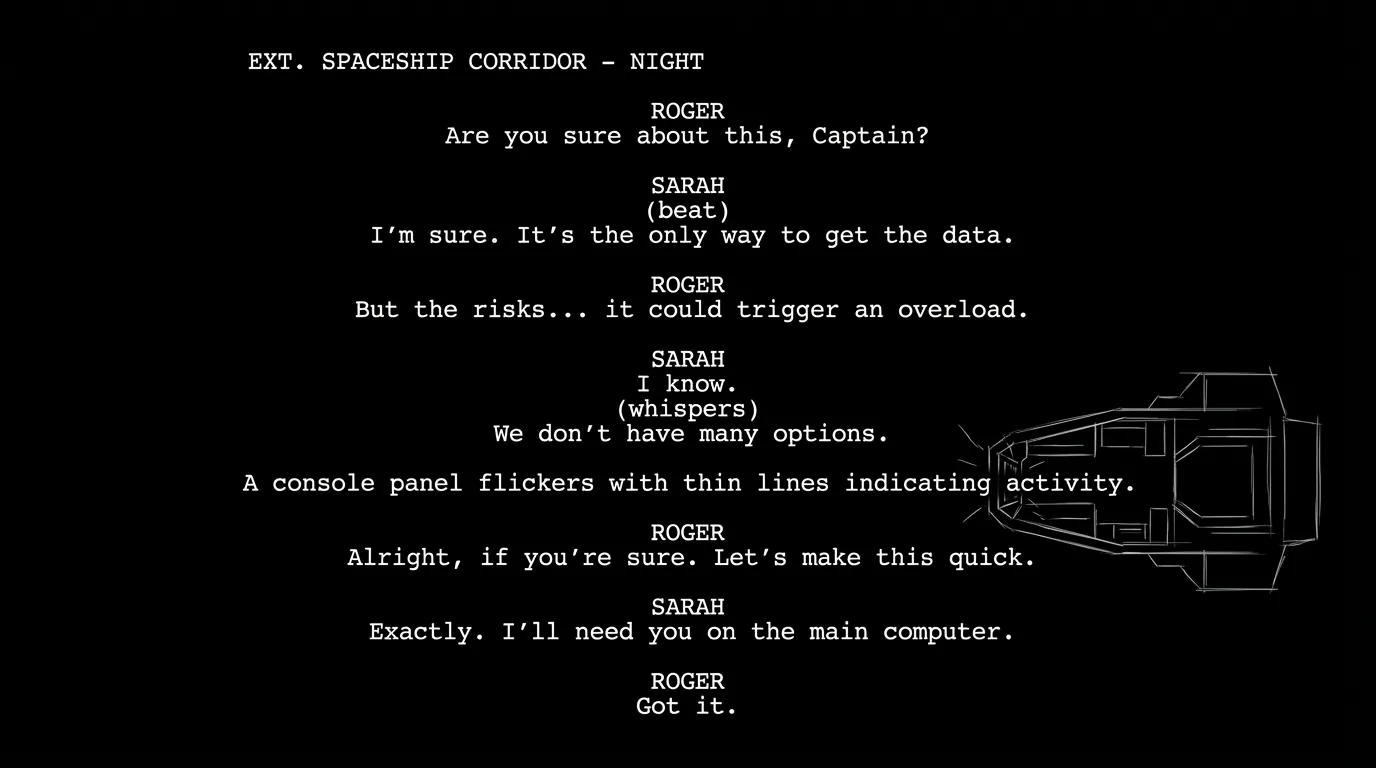
In rewrites, the hardest thing is seeing your own exposition. You wrote it. It made sense when you put it there. So how do you catch it? One method is to read the scene aloud and ask: would this person say this, in this situation, to this other person? If the only reason they’re saying it is so the audience (or the reader) gets the information, the line is suspect. Another test: remove the line. If the scene still works,if the audience can infer the same thing from context, action, or other dialogue,the line was doing exposition’s job and can go.
Tools that analyze dialogue for “on-the-nose” or expository phrasing can speed this up. They don’t replace a human ear, but they flag lines that state motive, theme, or backstory directly. In ScreenWeaver, the **Voice Coach** is built to detect when dialogue reads as explanatory or instructional,when a character is effectively delivering a note to the audience instead of talking to another character. Running a pass on a scene can surface lines you’d otherwise skim past. You keep the meaning; you find a more oblique way to carry it. It’s not about dumbing down or making things vague. It’s about making sure the emotional and thematic weight lands in the subtext, where it has room to breathe.
| On the Nose | Subtext / Alternative |
|---|---|
| “I’m pushing you away because I’m afraid you’ll leave me.” | Character leaves the room. Or: “You should go.” (No explanation.) |
| “Ever since Dad died, I’ve been unable to commit.” | Character changes subject when commitment comes up; or we see them alone, looking at an old photo. |
| “We’re not so different,we both want power.” | Villain and hero mirror each other in action; one moment of silent recognition. No speech. |
Genre and Tone
Some genres are more tolerant of direct statement. Comedies sometimes use characters who blurt the truth for a laugh. Melodrama and certain kinds of thriller lean into big speeches. But even there, the best moments often come when the character says something small that carries a lot, or when they finally say the thing after a long stretch of not saying it,so that the release has weight. The rule of thumb isn’t “never state the theme.” It’s “don’t state it until you’ve earned it, and prefer implication over declaration when you can.”
Tone also dictates how much subtext you can sustain. A quiet indie drama can live in subtext for whole scenes. A high-concept action movie might need a few clearer beats so the audience can keep up. The goal is to push as far toward implication as the project allows. When in doubt, cut the line that explains and see if the scene still lands. If it does, you didn’t need it.
A Revision Habit That Sticks
After you have a draft, do a pass that’s only about dialogue. Read each exchange and ask: what is this scene really about? Now look at the lines. Is any character saying that thing outright? If yes, try a version where they don’t. Let them deflect, or talk about something else, or say the opposite. See if the scene gains tension. Often it does. The audience will still get it. They’ll get it and feel like they figured something out,which is more satisfying than being told.
Another pass: look for lines that could appear in a synopsis. “She realizes she’s been running from her past.” “He admits he needs to forgive his brother.” If the line could double as a beat description, it’s probably exposition. Replace it with behavior or with dialogue that implies the beat instead of announcing it. For more on how beats and structure interact with character revelation, see our piece on the midpoint and how the turn in the middle of the script often hinges on a moment of recognition that doesn’t need to be spelled out.
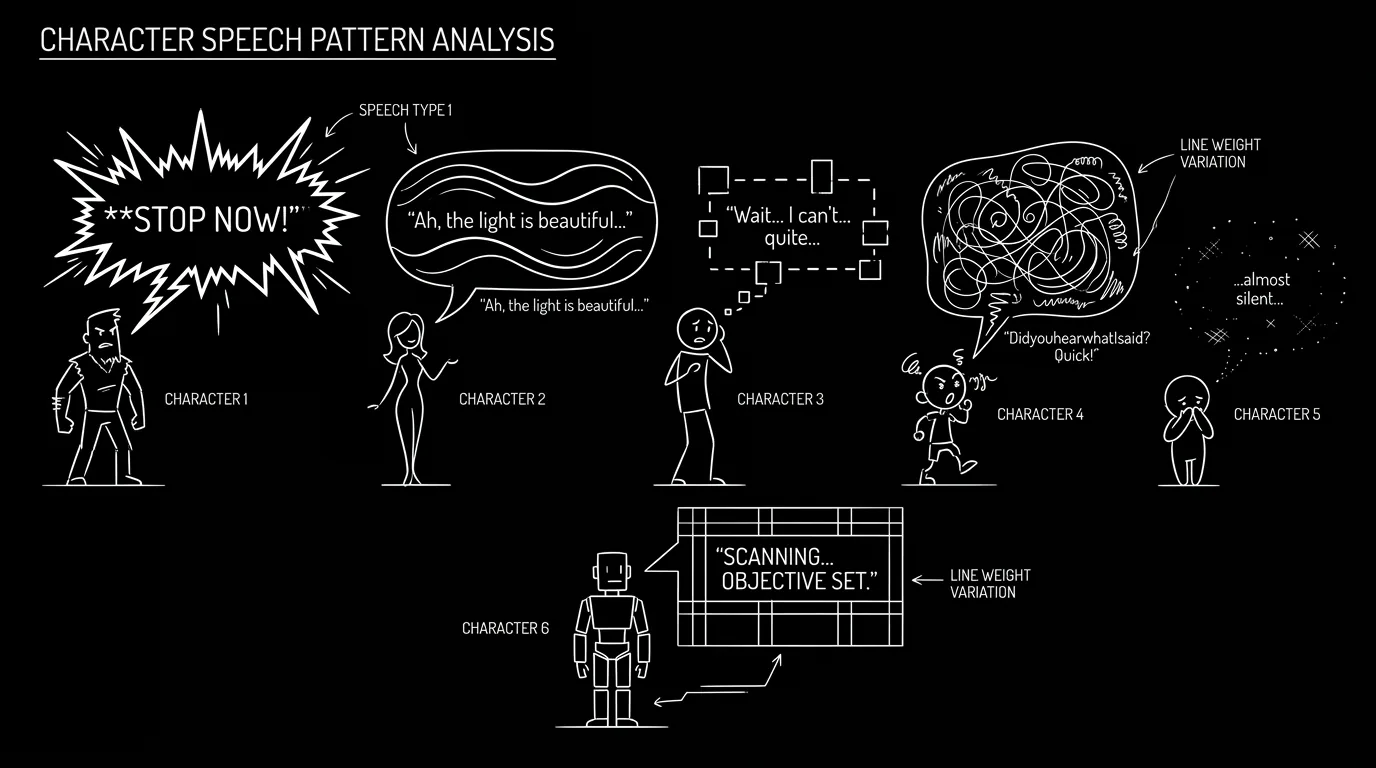
Said vs meant: the two layers of strong dialogue.
The Takeaway
Dialogue that doesn’t sound like exposition isn’t dialogue that says less. It’s dialogue that leaves a gap. The character says one thing; the situation or their behavior says another. The audience fills the gap. That’s subtext. Use indirection, deflection, and contradiction. Cut lines that could sit in a treatment. Run a pass,with your own ear or with a tool that flags on-the-nose phrasing,and replace explanation with implication. The scene will feel more like life and less like a briefing. And the reader will stop on the line for the right reason: because there’s something under it worth digging for.
Final Step
Build your next script with Screenweaver
Move from ideas to production-ready pages faster with timeline-native writing and AI-assisted story flow.
Try Screenweaver