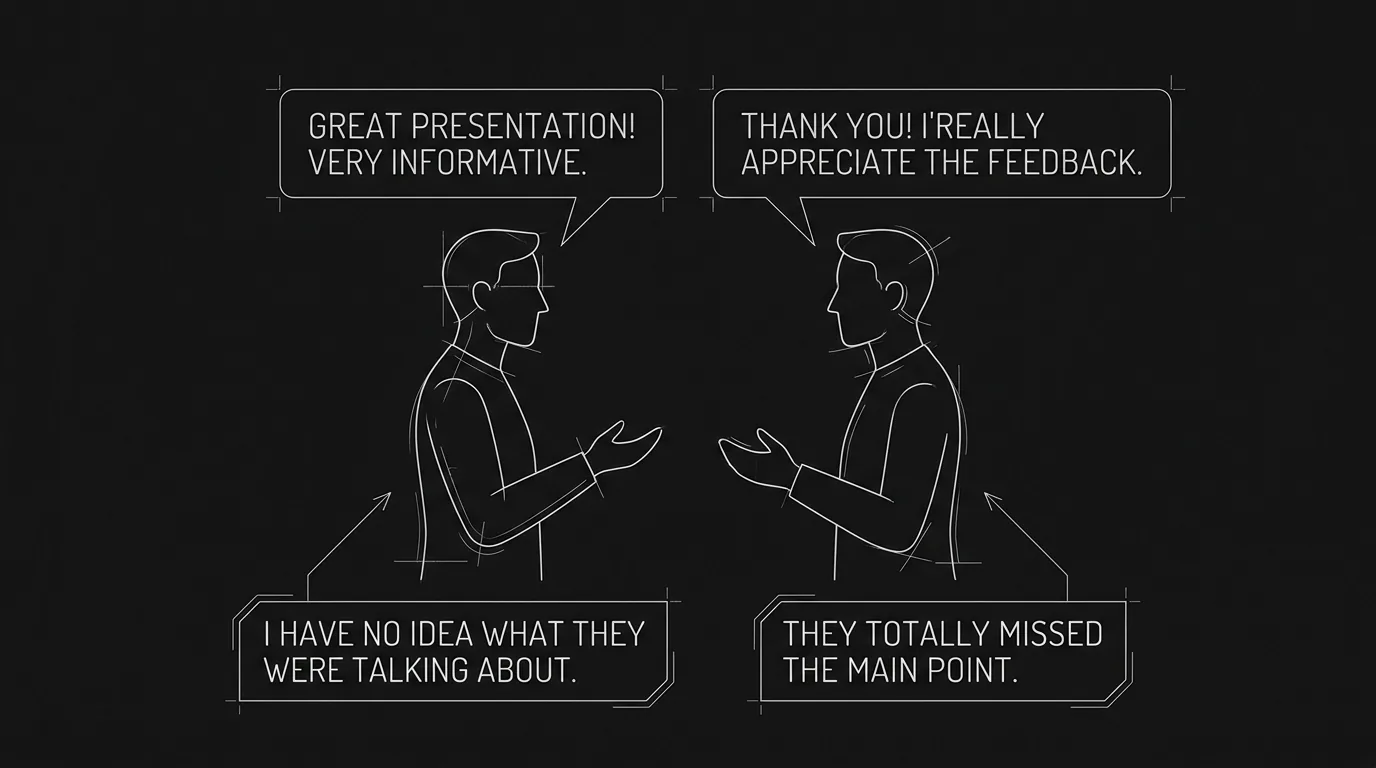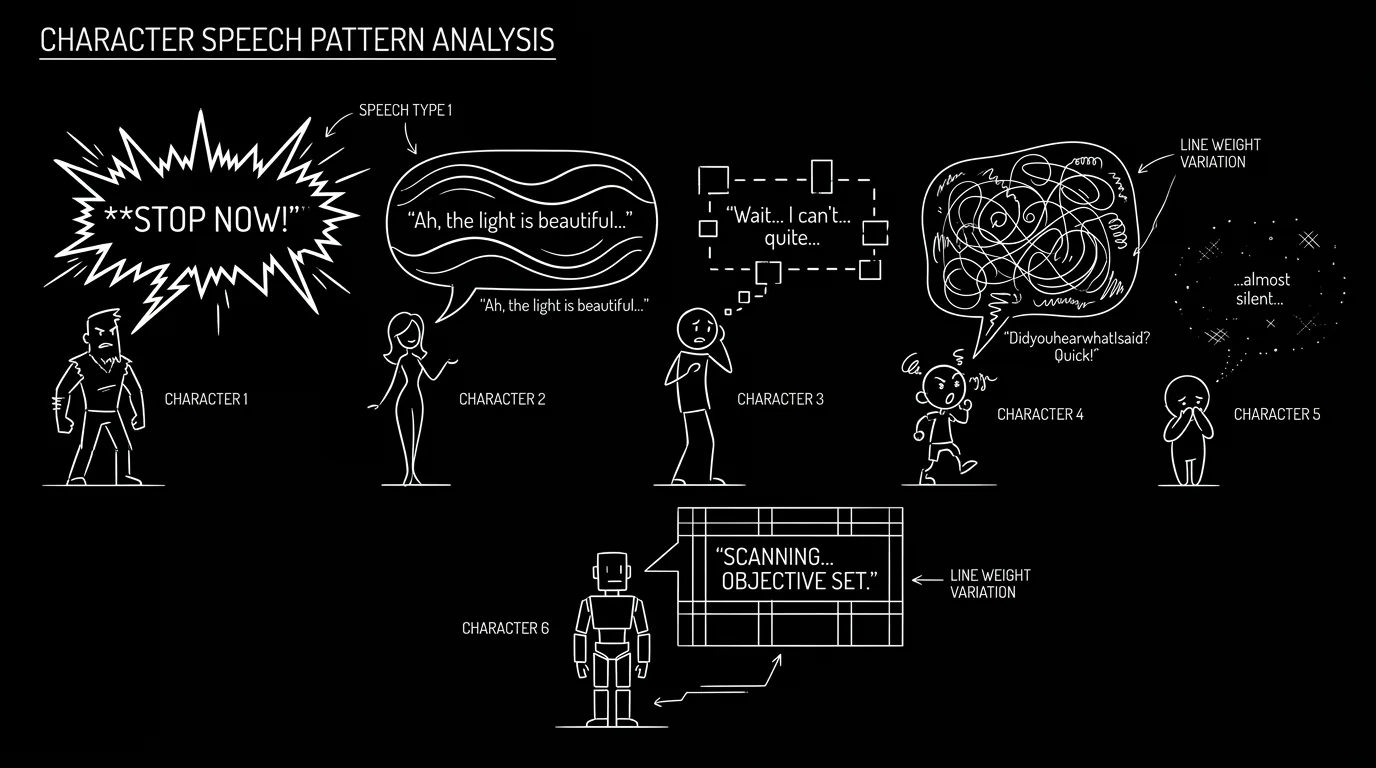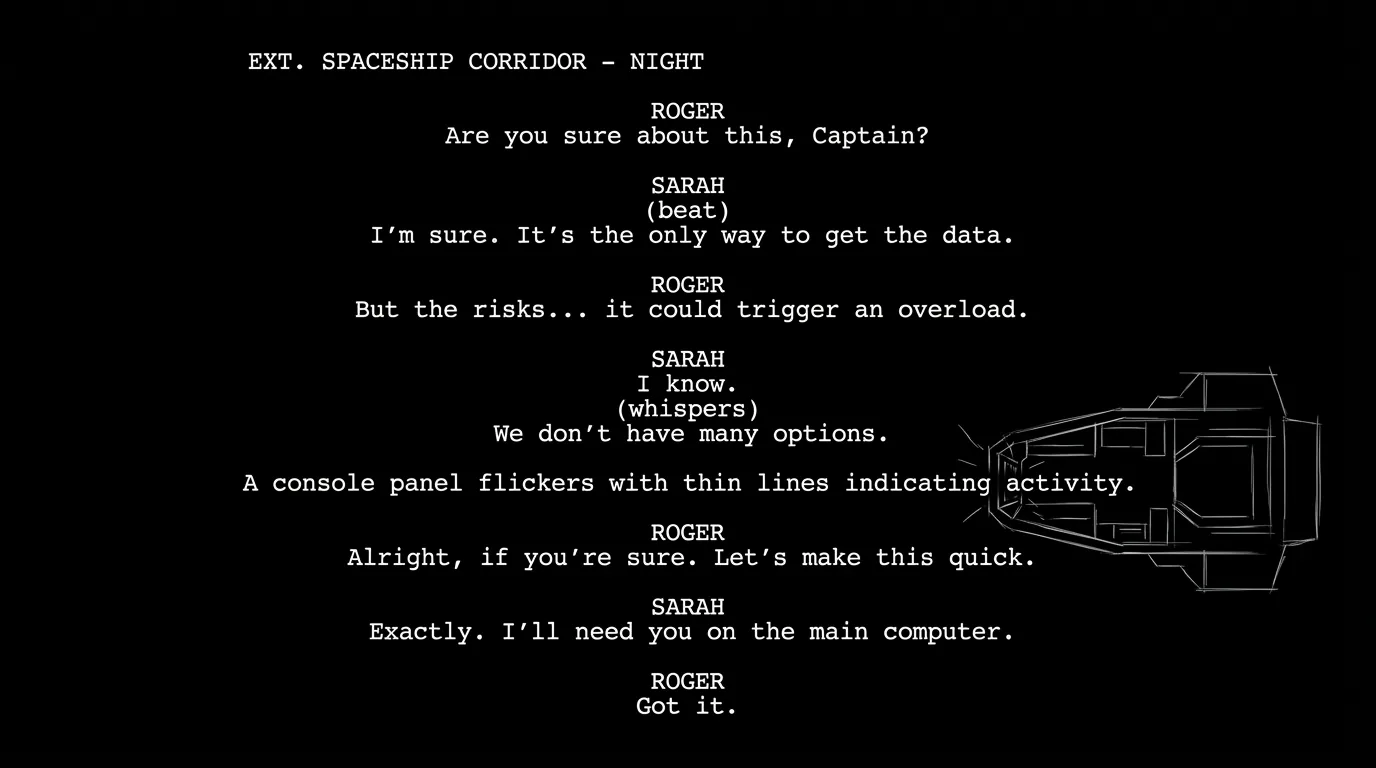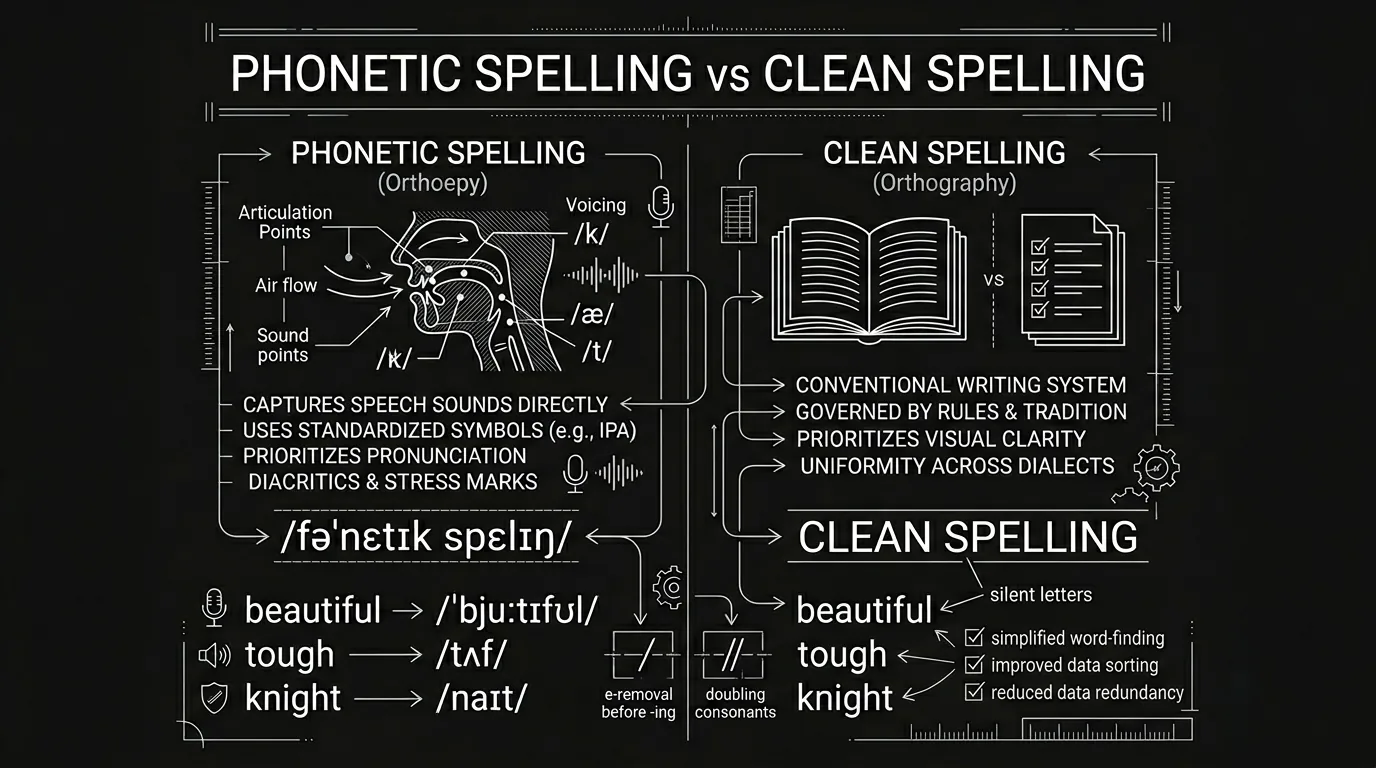

You want the character to sound real. So you write the accent, every "gonna" and "ain't" and "y'all," every dropped consonant, every phonetic spelling. By page ten the reader is decoding. By page thirty they're exhausted. Dialect and slang pull in opposite directions: authenticity (they sound like that) and readability (we can read it without stumbling). The goal isn't to pick one. It's to use the minimum dose that gives flavor without turning the script into a puzzle. Here's how to balance them.
A little dialect goes a long way. The reader should hear the accent without having to sound it out.
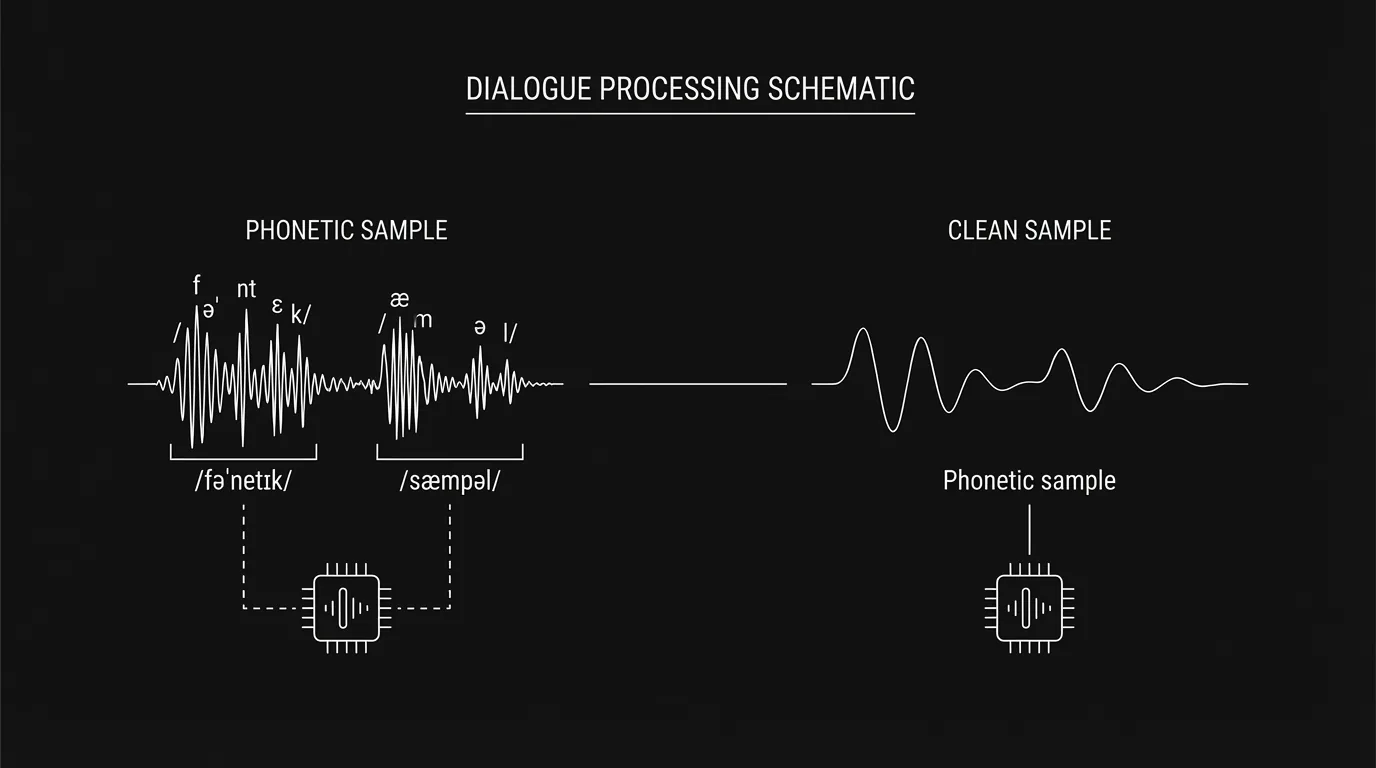
Think about it this way. In life we hear the accent and the slang. On the page we only have spelling and word choice. If you spell every word phonetically, the reader works too hard. If you use no dialect at all, the character can sound generic. The middle path: suggest the voice. A few consistent choices. Word order. One or two phonetic cues. The rest in standard spelling. The audience (and the actor) fill in the rest. Our guide on distinct voices is about syntax and rhythm; dialect is one layer of voice. This piece is about how much dialect to put on the page and how to keep the script readable. For jargon in professional dialogue, see realistic jargon.
Why Full Phonetic Dialect Backfires
You're writing a character with a strong regional or social accent. You spell it all: "Ah'm fixin' to go down yonder." "Innit?" "We was gonna." The first few lines feel vivid. Then the reader has to decode every line. Reading slows. The story fights the prose. And the actor might not use your exact phonetics, they'll bring their own take on the accent. So you've made the script hard to read for something that might not even end up on screen. The alternative: suggest the accent. A few key words or constructions. "I'm fixin' to go." "We was gonna." "Innit." The rest in standard spelling. The reader hears the voice without decoding every word. The actor has the cue and the freedom. For keeping each character's voice clear, see distinct voices.
Relatable Scenario: The Southern Character
You want them to sound Southern. You could write every "I" as "Ah," every "you" as "y'all," every "going to" as "gonna" or "fixin' to." It piles up. Fix: Pick two or three markers. Maybe "y'all" and "fixin' to" and one grammatical habit ("we was" or "ain't"). Use them consistently but not in every line. The rest in standard spelling. The reader gets the flavor. The script stays readable. For period or region, see distinct voices: syntax (sentence shape) can do a lot without heavy dialect.
Relatable Scenario: The Teen or Young Character
You want them to sound current. So you load the dialogue with slang. In six months the slang dates. In another region it might not land. Fix: Use general youth markers, sentence fragments, questions as statements, one or two current words, and avoid building whole lines around slang that will age. Let the rhythm and the topics suggest age. For writing kids and teens without making them precocious, see our guide on writing children and teens, dialect and slang are part of voice, but readability still matters.
Relatable Scenario: The Non-Native Speaker
You want to suggest that English isn't their first language. The risk is writing "broken" English that feels like a joke or a stereotype. Fix: Grammar and word choice can suggest non-native speech without making every line hard to read. Missing articles. Different word order. One or two phrases that sound translated. Avoid phonetic spelling of an accent unless it's essential, and then use it sparingly. The goal is character, not caricature. For distinct voices, see distinct voices.
The Trench Warfare Section: What Beginners Get Wrong
Spelling everything phonetically. The reader has to sound out every line. Fix: Use a few phonetic cues. The rest in standard spelling. We'll hear the rest.
Inconsistent markers. One page the character says "gonna"; the next they say "going to" with no reason. Fix: Pick your dialect markers and use them consistently for that character. Same for slang. One voice, one set of rules.
Slang that dates the script. You're writing for 2026. You load up on today's slang. In two years it feels old. Fix: Use slang sparingly. Prefer rhythm and attitude over the latest word. Or use slang that's been around (e.g. "cool," "whatever") and add one or two current terms if needed.
Making dialect the only thing about the character. They're "the one with the accent." Fix: Dialect is one layer. Give them a want, a flaw, a syntax. The accent is flavor, not the whole character. For full character design, see character foils and fatal flaw.
Overdoing it in the first scene. We meet the character and they're full dialect, full slang. It's a lot. Fix: Ease in. A few markers in the first scene. Let the reader get used to the voice. Then you can sustain or slightly increase. For first impressions, see scene entry and exit: we don't need every trait in the first beat.
Try it free
Try Screenweaver for free on your script
It is free. Import your existing project, get a clearer view of your outline, and regain control of your story structure in minutes.
Start FreeDialect and Slang: How Much to Use
| Approach | Use | Risk |
|---|---|---|
| Heavy phonetic | Almost never | Exhausting to read; may not match performance |
| Light suggestion | 2–3 consistent markers per character | Reader hears the voice; script stays clear |
| Slang | A few words; prefer rhythm and syntax | Too much dates the script |
| Grammar only | Word order, missing words, "we was" | Suggests voice without spelling tricks |
When in doubt, use less. The actor and the reader will fill in.
Step-by-Step: Adding Dialect Without Killing Readability
First: Decide what you want to suggest. Region? Age? Social world? Non-native speaker? Second: Choose two or three markers. One phonetic (e.g. "gonna," "y'all"). One grammatical (e.g. "we was," double negative). One slang or idiom if needed. Third: Use them consistently for that character. Not every line, often every few lines. Fourth: Write the rest in standard spelling and grammar. Fifth: Read a page out loud. If you trip, the reader will. Cut or simplify. Sixth: If you're unsure, give the character a voice note at first appearance: "She has a light Southern drawl" or "He speaks in quick, clipped phrases." Then use minimal dialect on the page. The actor has the note; the script stays clean. For voice consistency across the script, see voice consistency.
Readability as a Contract
The script is a working document. Producers, directors, actors, and readers need to move through it. If dialect or slang makes the script slow or confusing, you've broken the contract. Authenticity matters, but so does clarity. The minimum dose that gives flavor is usually enough. For format and clarity, see our screenplay format guide.
The Perspective
Use dialect and slang to suggest voice, not to transcribe it. Pick two or three markers. Use them consistently. Keep the rest readable. When the reader can hear the accent without decoding every word, you've balanced authenticity and readability. When they're stumbling, cut back. So suggest. Don't spell out every sound. The actor and the audience will do the rest.
Final Step
Build your next script with Screenweaver
Move from ideas to production-ready pages faster with timeline-native writing and AI-assisted story flow.
Try Screenweaver