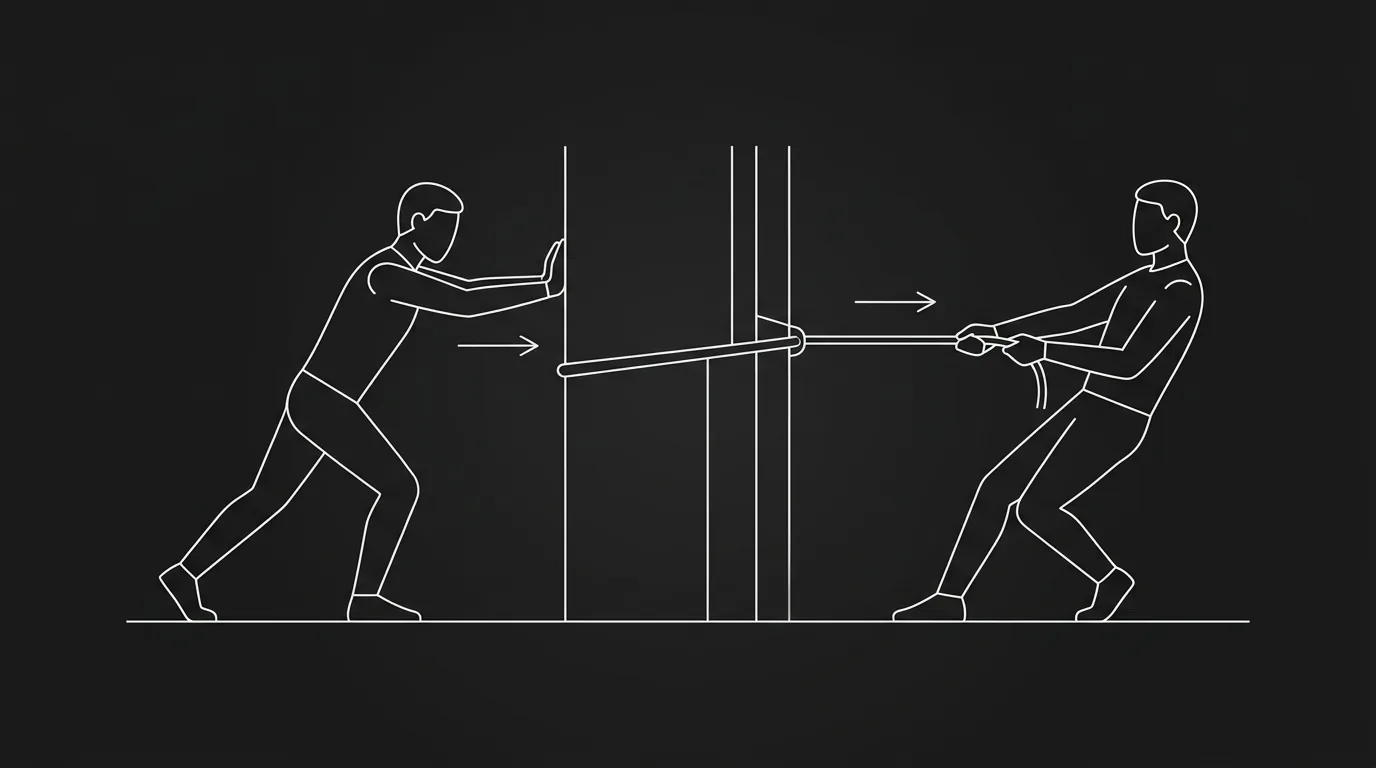

One of them is cruel. Or both are. The relationship hurts, and we still understand why they stay. Toxic relationships on screen work when they're not simple: one villain, one victim. They work when both people have reasons, when the good moments feel real, and when the audience can see the trap without losing the characters. Here's how to write toxic dynamics with nuance so the story feels true instead of preachy.
A toxic relationship isn't a villain and a victim. It's two people in a system that hurts, and neither is only one thing.
Think about it this way. In life, bad relationships often have good days. There's love, or there was. There's history. There's hope that the other will change. On the page, if you only show the bad, the audience wonders why anyone would stay. If you show the good, the charm, the apology, the moment of connection, we get it. We also need to see why it's toxic: the pattern, the cost, the thing that doesn't change. Our guide on complex villains touches on giving antagonists humanity; in a toxic relationship, both people need dimension. This piece is about the dynamic, the push and pull, without turning one into a monster and the other into a saint. For when we root for bad people, see the anti-hero.
Why Nuance Matters
If one character is purely evil and the other purely good, we're in a PSA. The audience checks out. When both have flaws and needs, when the toxic one has moments of tenderness or the "victim" has moments of complicity or provocation, we're in a story. We can see why they're stuck. We can root for one to leave, or for both to change, without the script telling us who to hate. Nuance doesn't mean excusing abuse. It means showing the system: how they trigger each other, what they get from the relationship, and why leaving (or staying) is hard. For trauma as backstory that might drive the dynamic, see trauma backstory.
Relatable Scenario: The Couple That Loves and Destroys
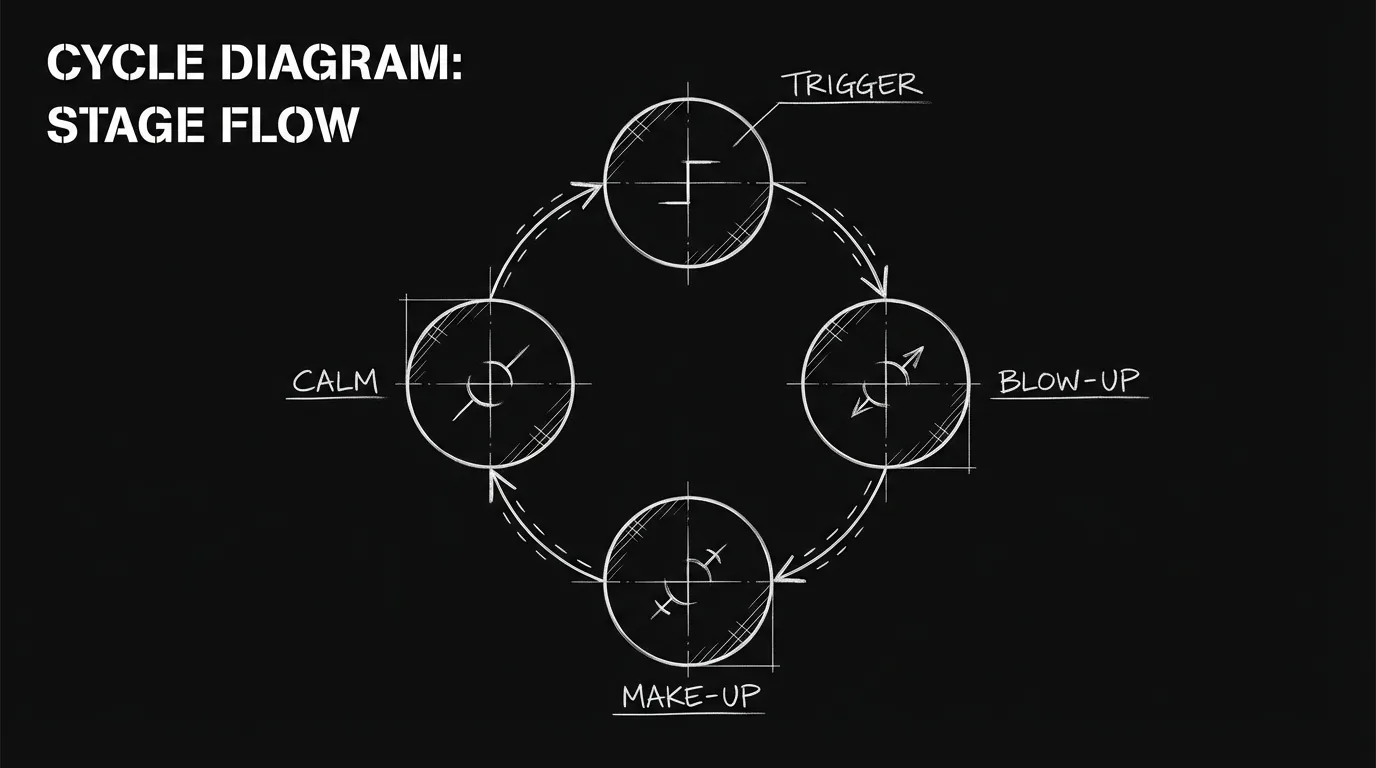
They fight. They make up. They promise to change. They don't. The cycle is the story. To write it with nuance: show the make-up as real. The apology isn't always fake. The good night is good. Then show the trigger, the thing that starts the cycle again. And show what each of them gets from the relationship (validation, fear of being alone, habit). When we see the full cycle, we understand the trap. For want vs need, see want vs need, often one or both need to leave but want to stay.
Relatable Scenario: The Parent and Adult Child
The parent is controlling. Or critical. The adult child keeps coming back. We need to see why the parent is the way they are (without excusing it) and why the child still seeks approval or still hopes. Maybe the parent has good moments. Maybe the child provokes. The nuance is in the history and the pattern, not in making one a monster. For family secrets that feed the dynamic, see family secrets.
The Trench Warfare Section: What Beginners Get Wrong
Making one person the villain. The other is blameless. The audience has no work to do. Fix: Give both flawed behavior. The "victim" might enable, avoid, or provoke. The "toxic" one might have genuine love or pain. We don't have to like both equally. We have to believe both.
Only showing the bad. We never see why they stay. Fix: Show good moments. The apology. The laugh. The history. Then show the pattern returning. The contrast is what makes the toxicity clear.
Resolving it with a speech. One character explains that the relationship is toxic and leaves. It feels tidy. Fix: Let the leaving (or the stay) be messy. They might go back. They might leave in a moment of clarity that we're not sure will hold. Real change is hard. Show that.
Using it for plot only. The toxic relationship exists to create drama, not to be understood. Fix: Give the dynamic consequences for character and theme. What does each person believe about love, worth, or family because of this? For fatal flaw, see fatal flaw, the relationship can be where the flaw plays out.
Making the audience choose sides too early. We're told who to root for. Fix: Let the audience see the dynamic first. Let them form their own view. Nuance means we're not told; we're shown.
Try it free
Try Screenweaver for free on your script
It is free. Import your existing project, get a clearer view of your outline, and regain control of your story structure in minutes.
Start FreeToxic vs. Nuanced: A Contrast
| Simplistic | Nuanced |
|---|---|
| One villain, one victim | Both flawed; both have reasons |
| Only bad moments | Good moments that make the bad land harder |
| Clear "leave him/her" message | Leaving (or staying) is messy and costly |
| Relationship is plot device | Relationship has consequences for character and theme |
Step-by-Step: Writing a Toxic Dynamic With Nuance
First: Define what each person gets from the relationship (validation, safety, habit, love). Second: Show the cycle, the trigger, the blow-up, the make-up, the calm before the next trigger. Third: Give both characters good and bad moments. The toxic one isn't evil every second. The other isn't perfect. Fourth: Show why leaving is hard (finances, kids, hope, fear of being alone). Fifth: If someone leaves, let it be hard and maybe incomplete. They might go back. We might end not knowing. For more on character, see character arcs and fatal flaw.
The Perspective
Write toxic relationships with nuance: both people have reasons, good moments exist, and the pattern (cycle, cost) is clear. Don't make one a villain and one a saint. Show why leaving is hard. When the audience understands the trap without being told who to hate, the story feels true. So give both dimension. Show the cycle. And let the resolution be messy if that's the truth.
Final Step
Build your next script with Screenweaver
Move from ideas to production-ready pages faster with timeline-native writing and AI-assisted story flow.
Try Screenweaver