
They lie. They hurt people. They break the rules. And we're on their side. The anti-hero works when the audience is pulled into their perspective, when we understand their logic, share their want, or feel the world has given them no good options. Here's why we root for bad people and how to write an anti-hero who earns that loyalty without letting the story off the hook.
We don't root for the anti-hero despite the bad. We root for them because we're in their head, and from there, the bad makes a kind of sense.
Think about it this way. Empathy isn't approval. We can follow a character who does terrible things and still understand why they did it, fear, pride, love, survival. The anti-hero invites us into that logic. We see the world as they see it. We feel their want. So when they cross a line, we might not like it, but we're still with them. The story doesn't have to endorse their choices. It has to make us feel why they made them. Our guide on complex villains is about giving antagonists dimension; the anti-hero is the protagonist who has that dimension, and a lot of shadow. For character arcs when they don't change, see negative arc.
Why We Root for Them
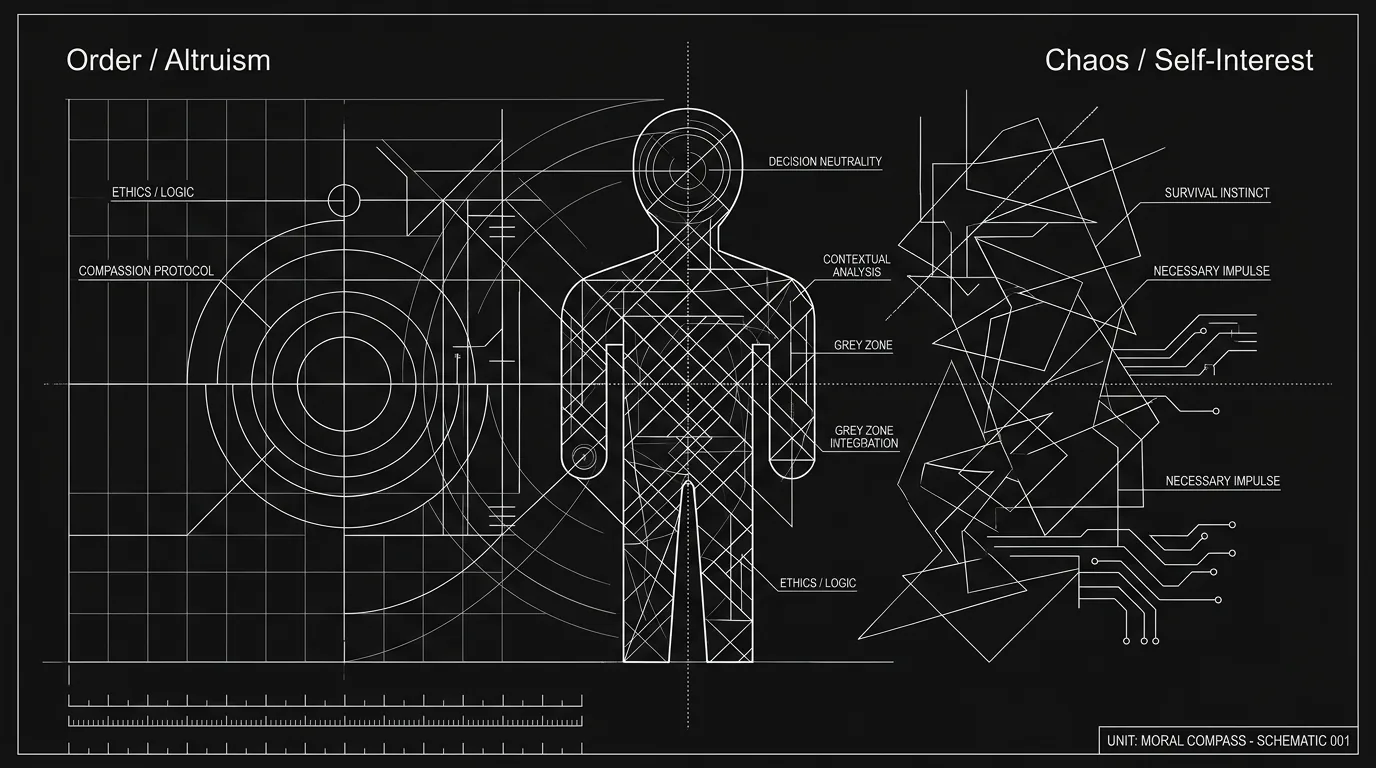
Proximity. We're in their POV. We see their reasoning. We feel their pressure. So we're aligned even when we disagree. Shared want. We want them to get the thing they want (power, revenge, family). The want is relatable; the methods aren't. Moral gray. The world they're in is corrupt or unfair. So their bad behavior feels like a response, we might not do it, but we get it. Flaw as engine. Their flaw (pride, rage, greed) drives the story. We're fascinated by the train wreck. We don't have to like them. We have to follow them. For want vs need, see want vs need, the anti-hero often gets the want and loses the need.
Relatable Scenario: The One Who Does Bad for a "Good" Reason
They're protecting their family. They're righting a wrong. The goal is sympathetic. The means are not. We root for the goal and we're stuck with the means. To write it: make the goal clear and relatable. Make the means escalate, each bad choice makes the next one easier. And don't let the story excuse the means. Show the cost. For fatal flaw, see fatal flaw.
Relatable Scenario: The One Who Is Just More Interesting
They're not good. They're compelling. They're funny. They're smart. They're the one we'd rather watch. The story might not ask us to approve, it just puts us in their orbit. To write it: give them charisma (voice, competence, wit) and consequences. The world (or their conscience) pushes back. We don't have to like them. We have to be unable to look away. For distinct voices, see distinct voices.
Relatable Scenario: The One Who Starts Good and Slips
They weren't always like this. We see the slide. Each compromise makes the next one easier. We're with them from the start, so we're with them when they cross the line. To write it: start them sympathetic. Give them a pressure (money, threat, love). Show the first bad choice as a choice, they could have said no. Then show the next. The negative arc is the slip. For negative arc, see character growth types.
The Trench Warfare Section: What Beginners Get Wrong
Making them too good. They're called an anti-hero but they're basically noble. Fix: Let them do something wrong that we can't easily excuse. The anti-hero has to cross a line. The audience can still follow, but the line has to be there. For moral stakes, see whiff of death, even comedy can have a line.
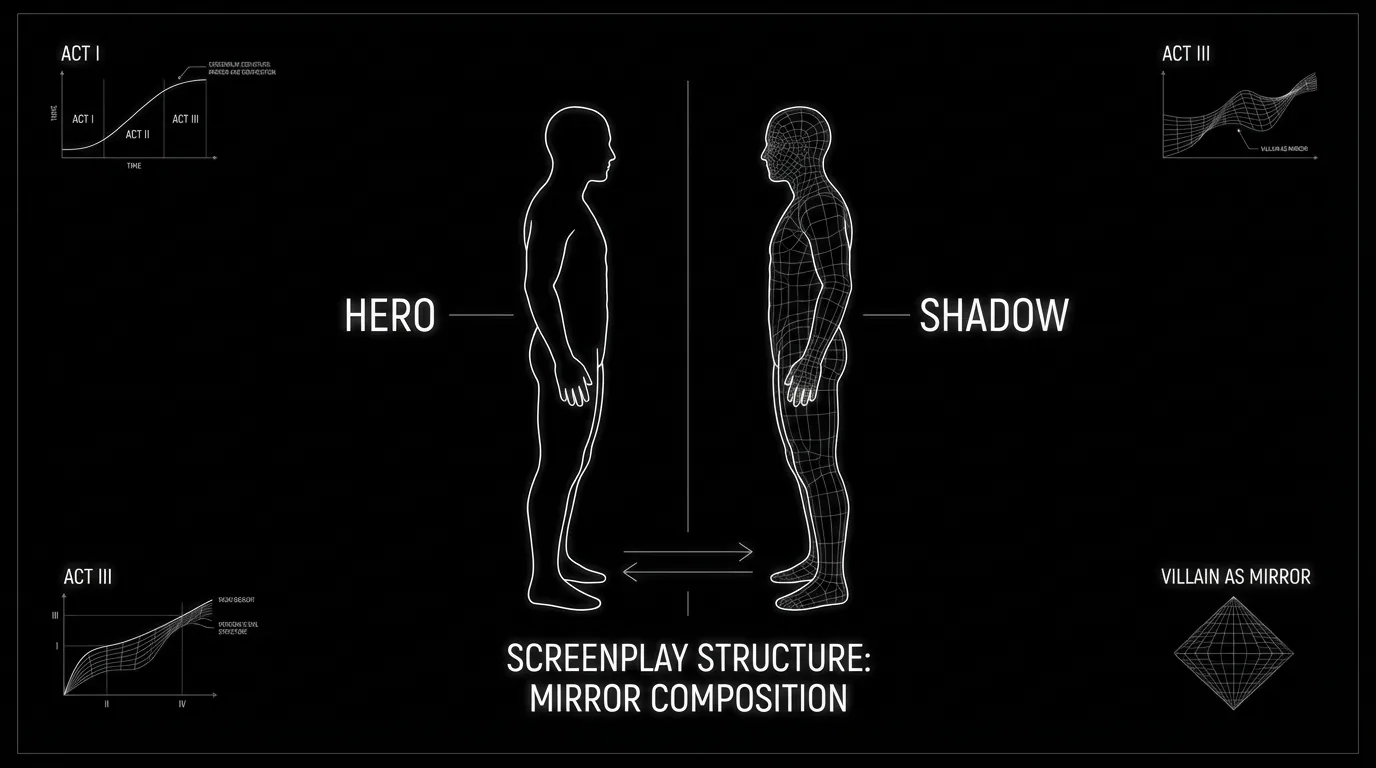
Making them too bad. They're cruel for no reason. We check out. Fix: Give them a reason we can understand (even if we don't approve). Proximity + logic = we stay. For villains who are mirrors, see Jungian shadows.
No consequences. They do bad and the story rewards them. It feels like an endorsement. Fix: Show cost. Someone is hurt. Something is lost. The anti-hero might win, but they (or the world) pay. For negative arc, see character growth types.
Asking the audience to like them. The script wants us to approve. Fix: You don't have to ask for approval. You have to ask for attention. We can be fascinated and repelled. For character arcs, see character arcs.
No one to contrast with. Everyone is gray. Fix: Give someone clearer morals, a foil, a victim, a voice of conscience. When we see the contrast, the anti-hero's choices land. For foils, see character foils.
Try it free
Try Screenweaver for free on your script
It is free. Import your existing project, get a clearer view of your outline, and regain control of your story structure in minutes.
Start FreeWhy We Root: What to Build
| Element | Why it works |
|---|---|
| POV / proximity | We're in their head; we see their logic |
| Relatable want | We want them to get the thing (even if we hate the method) |
| Moral gray world | Their bad feels like a response to a bad world |
| Charisma | We're drawn to them even when we shouldn't be |
| Consequences | We don't feel the story is excusing them |
Step-by-Step: Writing an Anti-Hero We Follow
First: Define their want (something we can root for). Second: Define their flaw or method (the bad they do). Third: Put us in their POV so we see why they do it. Fourth: Show consequences, someone hurt, something lost. Fifth: Give them a foil or a voice of conscience so the story doesn't float in gray. For more on character, see fatal flaw, want vs need, and negative arc.

The Perspective
We root for the anti-hero because we're in their head, we see their logic, share their want, or feel their pressure. Don't make them too good (then they're not anti) or too bad (then we leave). Show consequences so the story isn't endorsing. When we follow without having to approve, the anti-hero works. So give them a want. Give them a flaw. Put us in their POV. And make the cost real.
Final Step
Build your next script with Screenweaver
Move from ideas to production-ready pages faster with timeline-native writing and AI-assisted story flow.
Try Screenweaver