
The father wasn't who they thought. The sibling is half. The death wasn't an accident. Family secrets drive drama, but only if the reveal is earned. Dump it all at once and the audience gets info. Dole it out in pieces, with consequence each time, and the audience gets a story. Here's how to pace the revelation of traumatic or game-changing family information so it lands.
The best family secret isn't revealed in one scene. It's discovered in layers, and each layer changes what we thought we knew.
Think about it this way. In life, family secrets often surface slowly. A hint. A denial. A document. A confession under pressure. On the page, you're designing that drip. You decide what the audience knows when, and what each character knows. The slow reveal works when each piece reframes what came before and when the characters (and we) have to react to each new piece. Our guide on trauma backstory is about planting wounds; family secrets are often the content of those wounds. This piece is about rhythm, when to reveal what. For unreliable narrator when the secret-keeper is the POV, see unreliable narrator.
Why Slow Beats Fast
If you reveal the whole secret in one scene, you get a twist. The audience is surprised, then the story has to find a new engine. When you reveal in stages, you get ongoing tension. We know something is wrong. We don't know everything. Each reveal raises the stakes and forces the characters to deal with the new information. The slow reveal also lets you plant clues. The audience can look back and see the hints. That makes the payoff feel earned. For flashbacks that carry the secret, see flashbacks.
Relatable Scenario: The Parent Who Isn't the Parent
We learn the protagonist's "father" isn't biological. Then we learn who the biological father is. Then we learn why the secret was kept. Each stage reframes the last. The character (and we) have to absorb one piece before the next. To write it: map the order of reveals. What do we learn first? What do we learn when? Then give each reveal a scene, and a reaction. The character doesn't just get the info; they respond. For want vs need, see want vs need, the secret might block the need until it's out.
Relatable Scenario: The Death That Wasn't What We Thought
Someone died. We're told it was an accident. Later we learn it wasn't. Later we learn who was responsible. The slow reveal is layers of truth. Each layer changes the character's understanding of the past and the present. To write it: decide the full truth (for you). Then decide what piece we get at each stage. And give each piece a source, who reveals it, and why now? For trauma backstory, see trauma backstory.
Relatable Scenario: The Sibling or Relative We Didn't Know About
They have a half-sibling. Or a parent had another family. The first beat might be a hint (a photo, a name). The second might be confirmation. The third might be meeting the person or learning the full story. Each beat has emotional weight. For family dynamics that aren't secret-driven, see toxic relationships.
The Trench Warfare Section: What Beginners Get Wrong
Revealing everything at once. One scene, one speech, full truth. Fix: Break the secret into pieces. What's the first thing we learn? What's the next? Space them. Give each a scene and a reaction.
No reaction to the reveal. The character learns the secret and the story moves on. Fix: Let each reveal change the character, their behavior, their goal, their view of someone. The secret has consequences. For character arcs, see character arcs.
Making the secret obvious too early. We guess it by page 20. Fix: Misdirect or withhold. Give a false lead. Or give a piece that could mean two things. The audience should be unsure until you want them to know. For unreliable narrator, see unreliable narrator.
Revealing through exposition. Someone sits down and explains the whole thing. Fix: Show when you can, a document, a confrontation, a slip. Let the characters (and we) piece it together. For exposition, see exposition dump.
No cost to keeping the secret. The secret-keeper had no reason to hide it for so long. Fix: Give them a reason (shame, protection, fear). When we understand why it was hidden, the reveal has weight. For trauma, see trauma backstory.
Try it free
Try Screenweaver for free on your script
It is free. Import your existing project, get a clearer view of your outline, and regain control of your story structure in minutes.
Start FreeSlow Reveal: Order and Effect
| Stage | What we learn | Effect |
|---|---|---|
| 1 | Hint or partial truth | We know something is wrong |
| 2 | Bigger piece | We reframe what we knew |
| 3 | Full truth (or near) | We understand; characters must act |
| 4 | Aftermath | How the secret changes the present |
Space the stages. Give each a reaction. Don't dump.
Step-by-Step: Planning a Slow Reveal
First: Write the full secret (for you). Second: Break it into three to five pieces. What's the first thing the audience (and/or the character) learns? Third: Assign each piece to a scene or beat. Fourth: For each piece, decide who reveals it and why now. Fifth: After each reveal, write the reaction, what does the character do? How does the story shift? Sixth: Plant clues earlier so the audience can look back and see the setup. For more on revelation, see unreliable narrator and flashbacks.
The Perspective
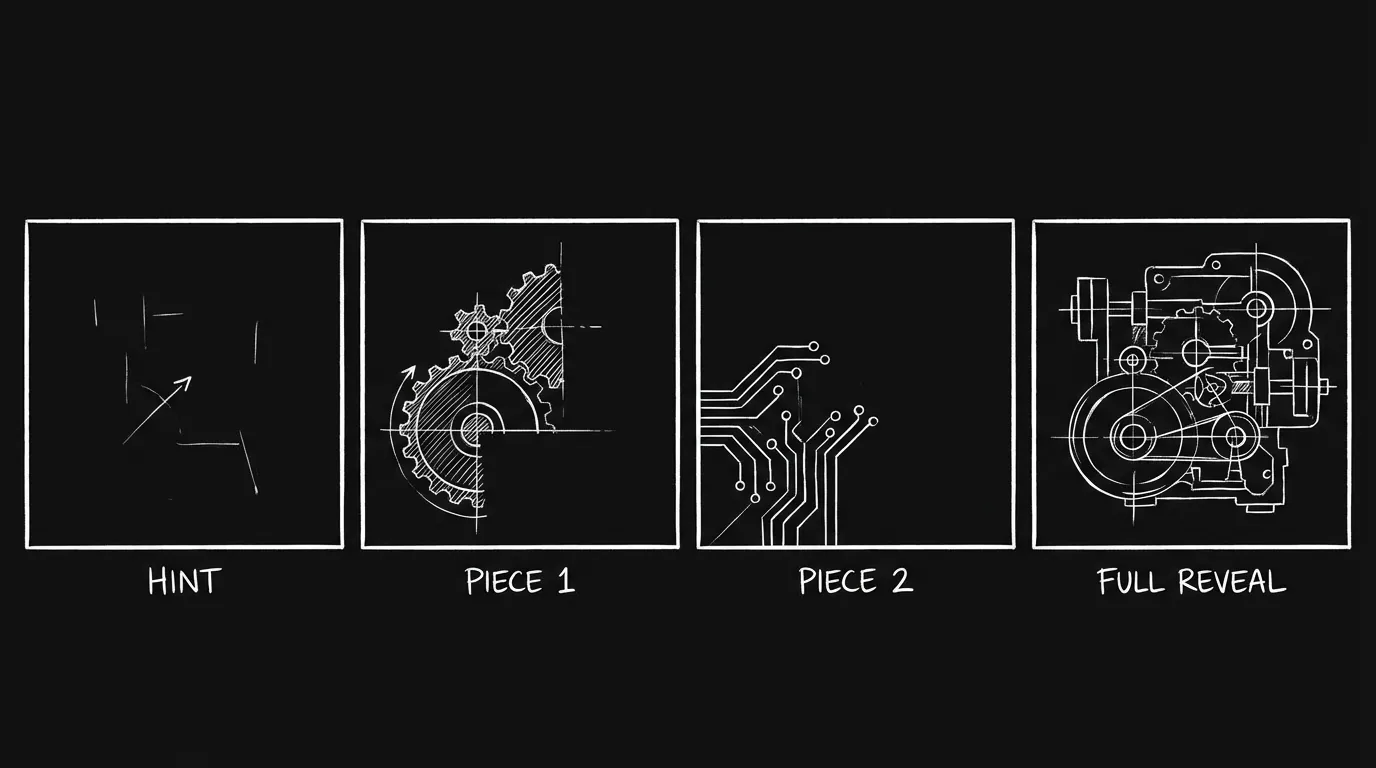
Family secrets land when they're revealed slowly: in stages, with reaction each time, and with clues planted earlier. Don't dump the full truth in one scene. Don't skip the character's response. When each piece reframes what we knew and the full truth comes when the story is ready, the secret earns its weight. So break it into pieces. Space them. And let each one cost.
Final Step
Build your next script with Screenweaver
Move from ideas to production-ready pages faster with timeline-native writing and AI-assisted story flow.
Try Screenweaver