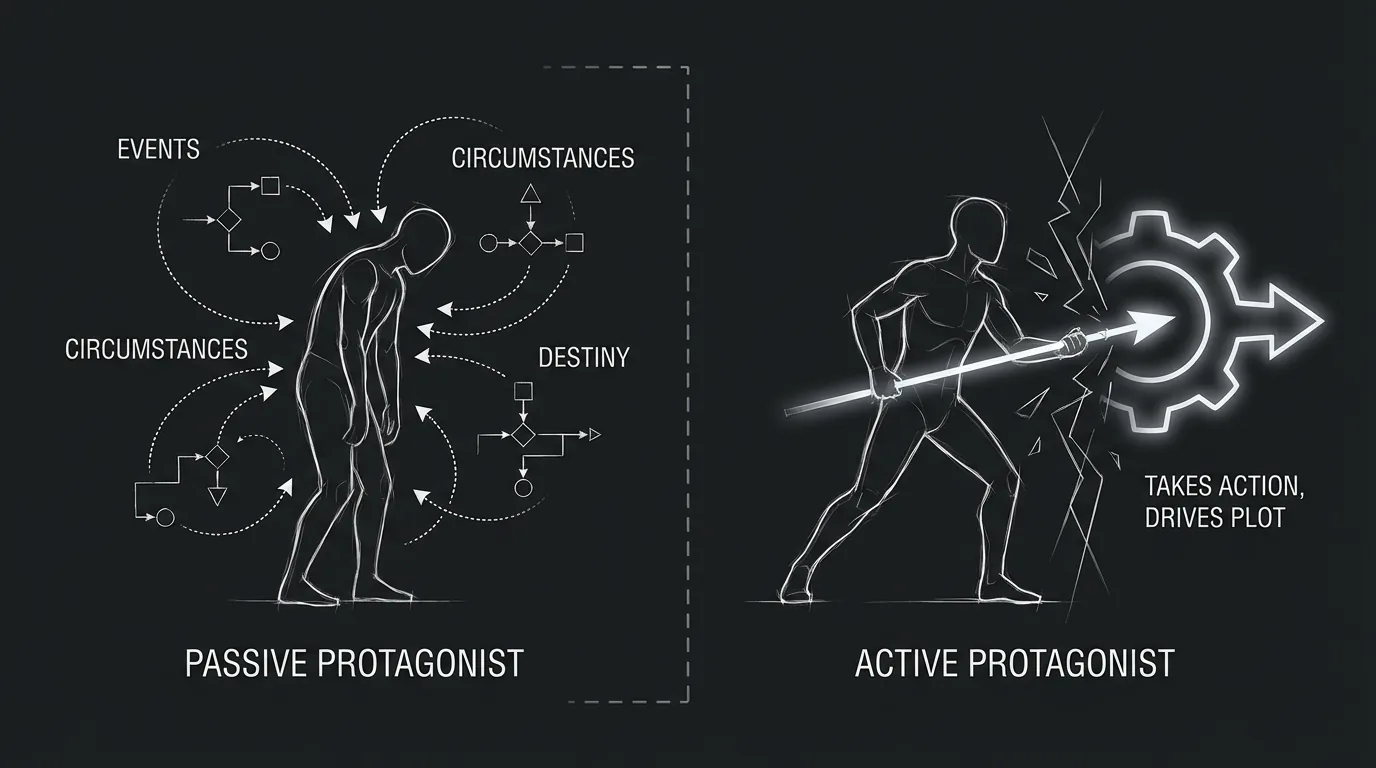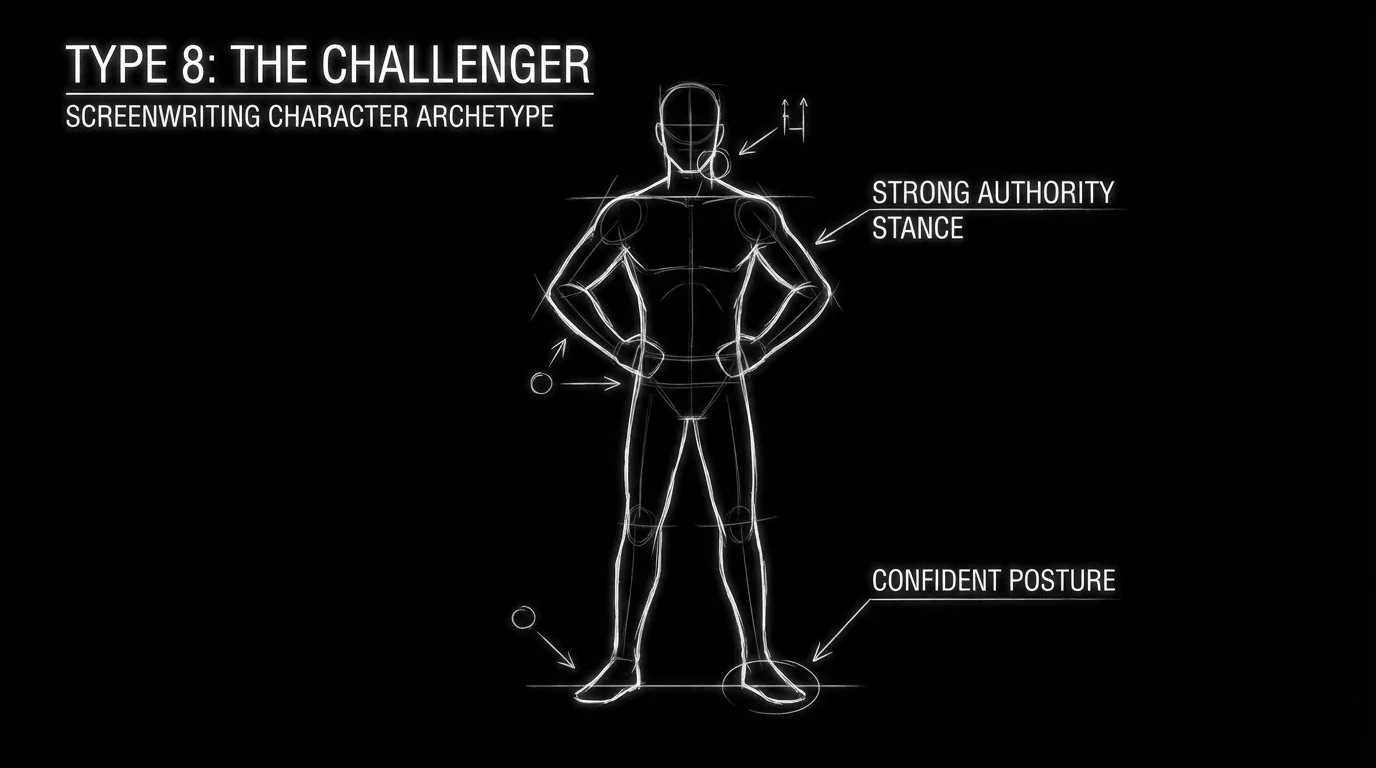

The character who walks into the room and the room changes. The one who takes charge not because they were asked but because they can’t stand the vacuum. The Challenger, Enneagram Type 8, is built on a single engine: the refusal to be controlled, harmed, or made weak. That engine drives some of the most magnetic and destructive figures in drama and thriller. Get it right and you have a leader who feels inevitable. Get it wrong and you have a cartoon bully. The difference is in how you use the type: not as a label but as a source of consistent, escalating choices under pressure.
Type 8s don’t want power for its own sake. They want to be sure no one can take their choices away. Every confrontation is a test of that.
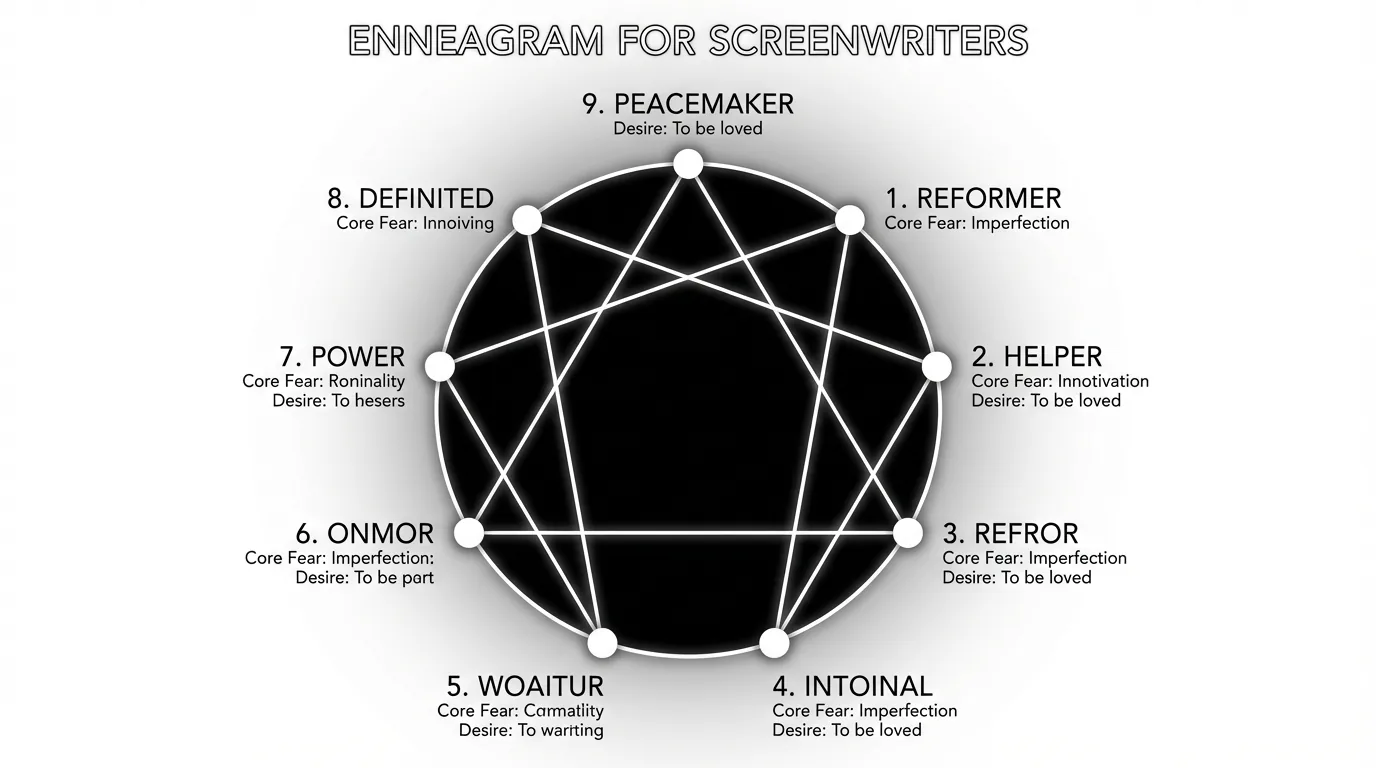
Here’s why that matters for your script. In a drama or thriller, the audience needs to believe that the character in charge would do what they do. The 8’s core fear (being controlled or harmed) and core desire (self-determination, strength) make them take action when others hesitate. They’ll break the rule, say the thing, take the hit. That’s gold for conflict. But if you write the 8 as “the tough one” without the underlying vulnerability, the part that’s protecting something, they flatten into a archetype. The best 8s on screen are those who reveal, in one or two moments, what they’re defending. Then the audience gets it. They’re not just strong. They’re scared of being weak. Our guide on the Enneagram for screenwriters lays out the nine types and how to use fear and desire; the 8 is one of the most potent for high-stakes genre.
What Makes the Type 8 Tick
Under the surface, the 8 believes the world is hostile. If they don’t take control, someone else will, and that someone might hurt them or strip them of agency. So they move first. They test others. They push boundaries to see who will push back. In a script, that shows up as the character who initiates the confrontation, who refuses to back down in negotiations, who would rather burn the bridge than be forced across it. They’re not necessarily loud. They can be quiet and still. What defines them is the refusal: they will not be told what to do. They will not be made small. When you’re writing an 8, every major beat should ask: Does this situation threaten their control or their sense of strength? If yes, how do they respond? They don’t retreat. They don’t comply. They escalate or they find a way to own the situation. That’s the engine.
Healthy 8s channel this into protection. They use their strength for others. The leader who takes the hit so the team doesn’t have to. The parent who goes to war for the kid. Unhealthy 8s dominate. They need to win every argument, control every outcome. The villain who can’t tolerate a rival. The boss who crushes anyone who disagrees. Both are the same type. The difference is where the line is: protection vs. domination. For a protagonist 8, you often show the cost of their need for control, they push away the people they love, they make enemies they didn’t need. For an antagonist 8, you show the same engine with no brake. They’re not evil for the sake of it. They’re ensuring no one can ever hurt or control them. Ever.
Relatable Scenario: The Showrunner Who’s Also the Villain
You’re writing a thriller. The hero is a journalist digging into a corporate cover-up. The CEO is the antagonist. If the CEO is “just greedy,” every scene with him feels the same: he denies, he threatens, he’s a block. Give him Type 8. Now his motivation sharpens. He’s not only protecting the company; he’s protecting his position. He fears being exposed, controlled, brought down. So he doesn’t just fire the journalist’s source. He destroys them. He doesn’t negotiate; he escalates. When the journalist gets close, the CEO doesn’t run. He goes on the attack. That’s the 8. The same beat, pressure from the hero, produces a specific response: more force, more control. The audience might not name the type. They’ll feel that he would do that. That’s character-driven conflict. For more on building antagonists who feel coherent, see our guide on complex villains.
Relatable Scenario: The Protagonist Who Can’t Delegate
Your drama has a lead who runs a family business. She’s competent, fierce, and everyone around her is frustrated. She won’t hand off the critical deal. She won’t let her sister make the call. On the page it reads as “controlling.” With Type 8 as the engine, it reads as necessary, to her. If she lets go, someone might mess it up. If someone else is in charge, she might be sidelined or overruled. So she holds the reins until they’re ripped away, by crisis, by betrayal, by collapse. The second act isn’t “she learns to delegate.” It’s “she’s forced into a situation where she has to trust, and she doesn’t know how.” The climax isn’t her winning the deal. It’s her choosing to share control and facing the terror of that. The 8’s arc in a drama is often about learning that strength can include vulnerability, that letting someone in isn’t the same as being controlled. That’s a character arc worth writing. Our guide on character arcs helps you structure that shift so it’s earned, not announced.
The Trench Warfare Section: What Beginners Get Wrong
Making the 8 all aggression, no strategy. The Challenger isn’t a mindless brawler. They’re strategic. They want to win, and they’ll use force when it works, but they’re also capable of patience, alliances, and reading the room. The 8 who only shouts and hits is a cartoon. Fix: Give your 8 at least one scene where they choose not to escalate. Where they hold back, gather information, or use someone else’s leverage. That contrast makes the moments when they do explode land harder. The 8 who never blinks is boring. The 8 who usually calculates but loses it here is compelling.
Ignoring the 8’s vulnerability. Type 8s armor up because underneath they don’t want to be hurt or controlled. If we never see a crack in the armor, the character feels one-note. Fix: One scene. One moment where they’re alone or with one person they trust, and we see the cost. The exhaustion. The fear of being betrayed. The longing for someone who doesn’t need to be dominated. Don’t overdo it. One beat is enough. The rest of the script can be strength. That one beat makes the strength mean something.
Using the 8 only as antagonist. The 8 is perfect for villains and difficult bosses. But they’re also powerful as protagonists. The cop who won’t let the case go. The survivor who rebuilds by taking control. The leader who carries the weight and pays the price. Fix: Consider the 8 for your lead when the story is about power, justice, or survival. When the theme is “you can’t control everything,” the 8 is the ideal vehicle, they have to learn it the hard way.
Letting the 8 win every confrontation. If your 8 never loses, the story has no tension. They need to be tested. They need to be outmaneuvered, outmatched, or forced into a choice they didn’t want. Fix: Build at least one major beat where the 8 is not in control. Where they have to rely on someone else, or admit a mistake, or face a consequence they can’t bulldoze. The 8’s growth (or their downfall) happens in those moments. Without them, the character is a steamroller. With them, the character is human.
Confusing 8 with “masculine” or “alpha.” Type 8 is not gender-specific. Women 8s exist in life and on screen: the general, the CEO, the mother who will do anything to protect her family. The 8’s energy is about control and strength, not a particular performance of gender. Fix: Write 8s of any gender. Let the type drive the choices; don’t layer a stereotype on top. The same fear (being controlled) and the same desire (self-determination) can look different in different bodies and contexts. Honor that.
Try it free
Try Screenweaver for free on your script
It is free. Import your existing project, get a clearer view of your outline, and regain control of your story structure in minutes.
Start FreeType 8 in Action: Before and After
| Beat | Generic “tough” character | Type 8–driven character |
|---|---|---|
| Inciting incident | Gets the call, agrees to help | Takes over the situation before being asked; reframes the mission as theirs |
| Midpoint | Discovers the truth | Truth threatens their control or their people; they don’t retreat, they go on the attack or seize the narrative |
| All is lost | Feels bad, gets support | Hates needing support; either refuses it and fails, or accepts it and pays the emotional cost |
| Climax | Fights the villain | Fights to restore control or protect; victory is not just winning but proving they can’t be broken |
Use this as a litmus test. If your 8 could be replaced by a “reasonable” character in any of these beats, the type isn’t in the script yet. Put it in. Make the 8’s need for control and refusal of weakness drive the choice.
Step-by-Step: Building a Type 8 for Drama or Thriller
Decide their role: protagonist or antagonist. If protagonist, what do they control at the start (job, family, territory)? What would it mean for them to lose it? If antagonist, what do they control that the hero needs to challenge? Write one sentence: “They will not allow X.” X is the thing that would make them feel controlled or harmed. Now list the story’s major confrontations. For each, ask: Does this situation threaten the 8’s control or safety? If yes, the 8 should respond with escalation, not retreat. They might lose the battle. They don’t avoid it. Next: Add one scene where the 8 is not in control. Where they’re vulnerable, wrong, or forced to rely on someone else. That scene is where the audience connects. Finally: Read the dialogue. Would a 8 say this? They tend to be direct. They don’t soften the blow. They test. They challenge. If the lines sound polite or passive, rewrite them with the 8’s engine: I will not be moved. I will not be small. When that’s in every key scene, the Challenger is on the page.
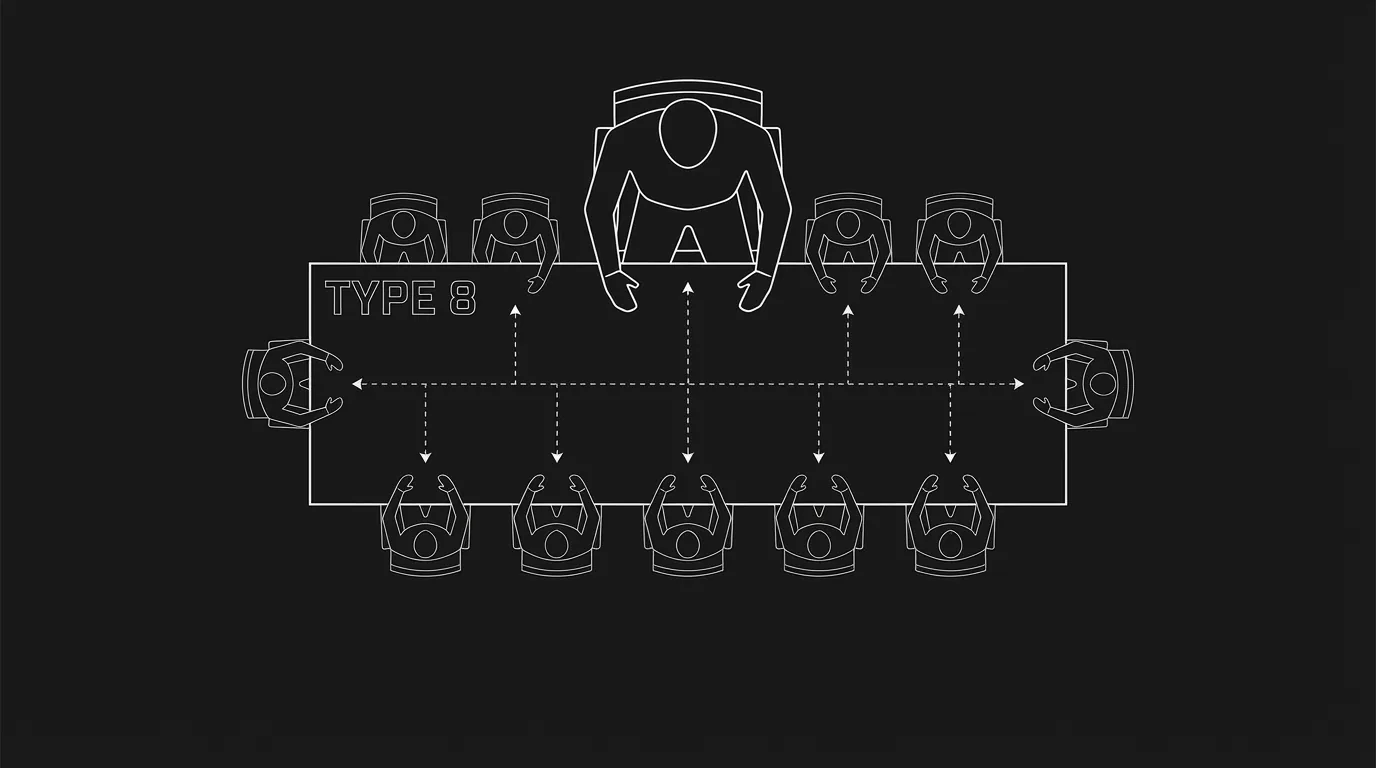
When the 8 Is Protagonist vs. Antagonist
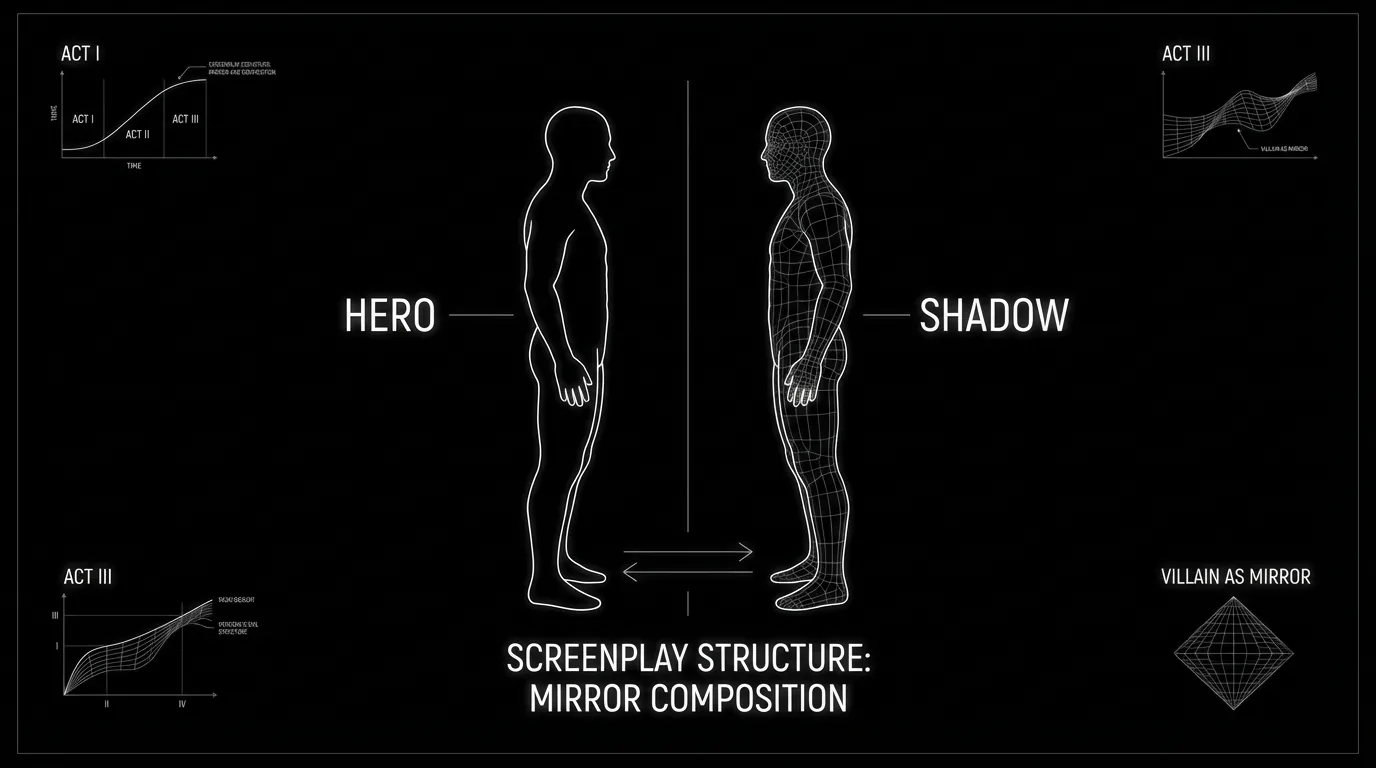
As protagonist, the 8’s arc often involves the cost of their need for control. They win the battle and lose the relationship. They protect the family and push the family away. The story asks: What would they have to do to keep what they have? Often the answer is: let go. Trust. Be vulnerable. That’s the 8’s growth. It’s not that they become soft. It’s that they learn that strength can include letting someone else in. The climax might still be a fight, but the emotional climax is the moment they choose connection over control. As antagonist, the 8 doesn’t get that arc. They double down. They can’t tolerate the hero’s challenge, so they escalate until they’re defeated or self-destruct. The audience understands them (they’re protecting themselves), but they don’t change. That’s the tragedy of the 8 villain: the same engine that makes them powerful makes them unable to yield. For a deeper take on how the antagonist mirrors and opposes the hero, see our guide on Jungian shadows and designing villains.
The Perspective
The Enneagram Type 8 is a gift for drama and thriller because the type is conflict itself: the refusal to be controlled, the need to be strong. Use it to make every confrontation feel inevitable. Use it to give your antagonist a psychology that goes beyond “evil.” Use it to give your protagonist a flaw that’s also their strength, and a cost that the audience can feel. But never use it as an excuse for a one-note tough guy. The best 8s on the page have one moment where we see what they’re defending. After that, every punch, every takeover, every refusal to back down lands harder. That’s the Challenger in action.
Final Step
Build your next script with Screenweaver
Move from ideas to production-ready pages faster with timeline-native writing and AI-assisted story flow.
Try Screenweaver