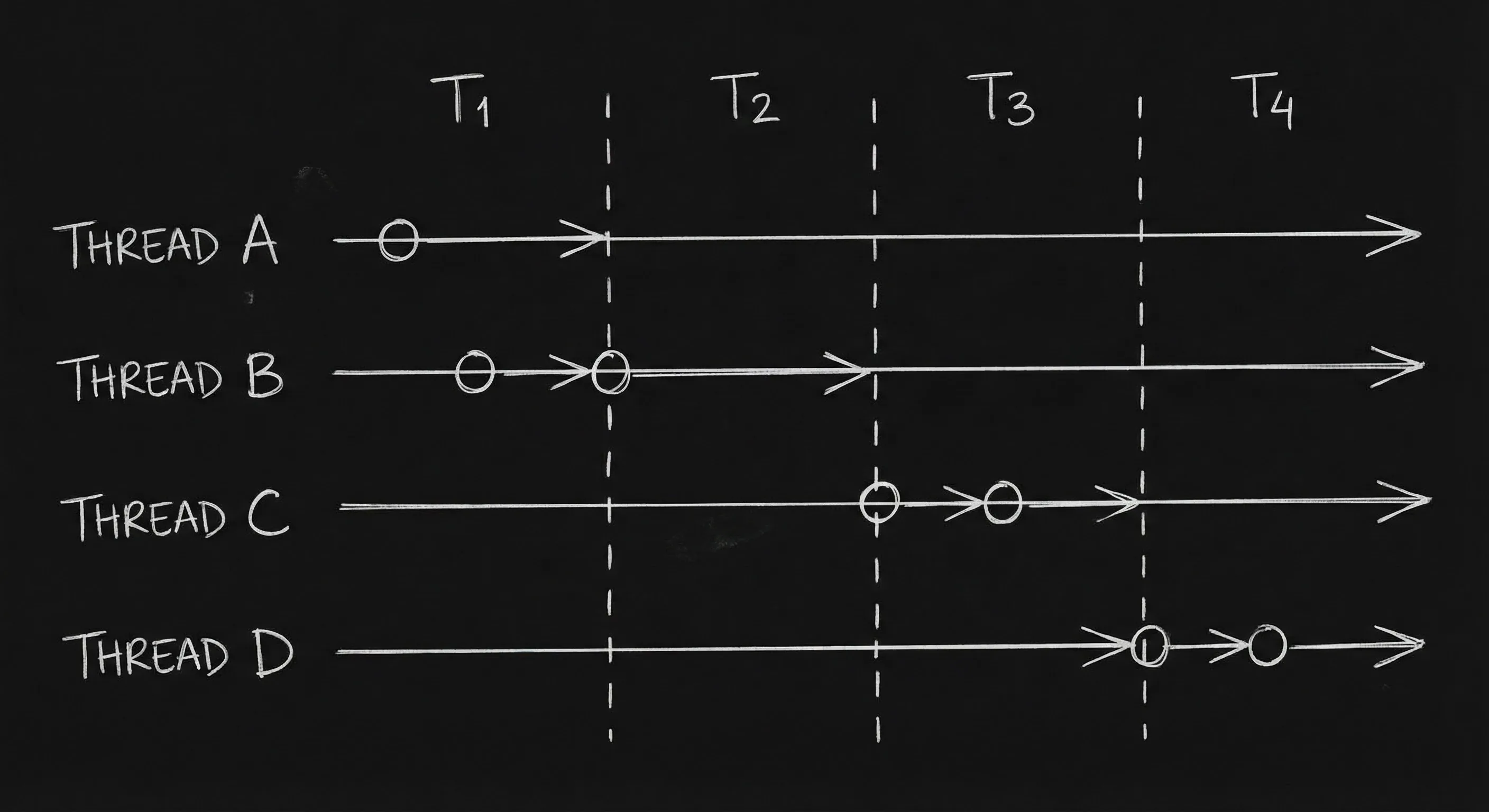
Handling Multiple Timelines: Visual Cues for the Reader
Every time we change time or thread, the page has to say so. Supers, headings, or labels, one clear convention.
Handling Multiple Timelines: Visual Cues for the ReaderDeep dives into modern screenwriting, visual storytelling, and how AI is reshaping the creative process.
Categories

Every time we change time or thread, the page has to say so. Supers, headings, or labels, one clear convention.
Handling Multiple Timelines: Visual Cues for the Reader
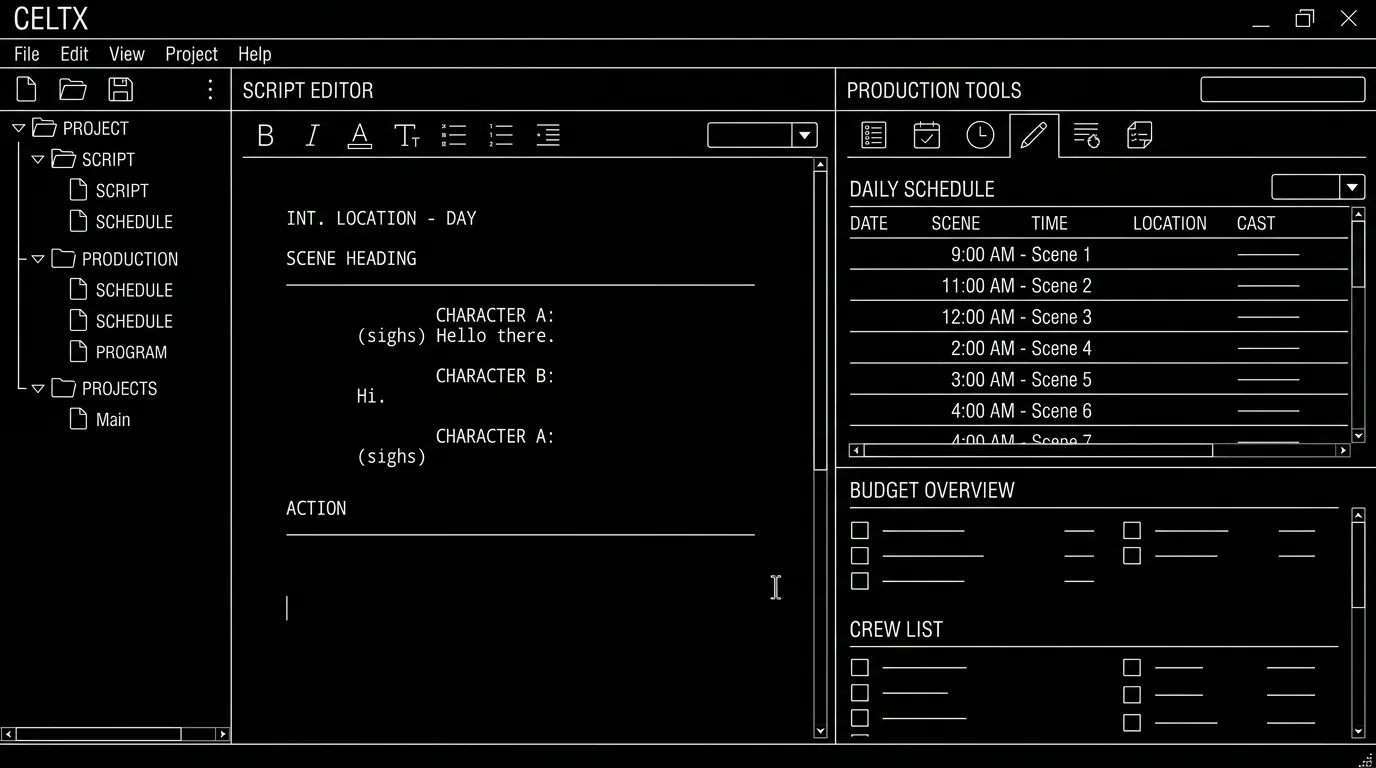
Industry standard vs. real-time collaboration. When to choose which and how both deliver for production.
Final Draft 13 vs. WriterDuet: The 2026 Showdown
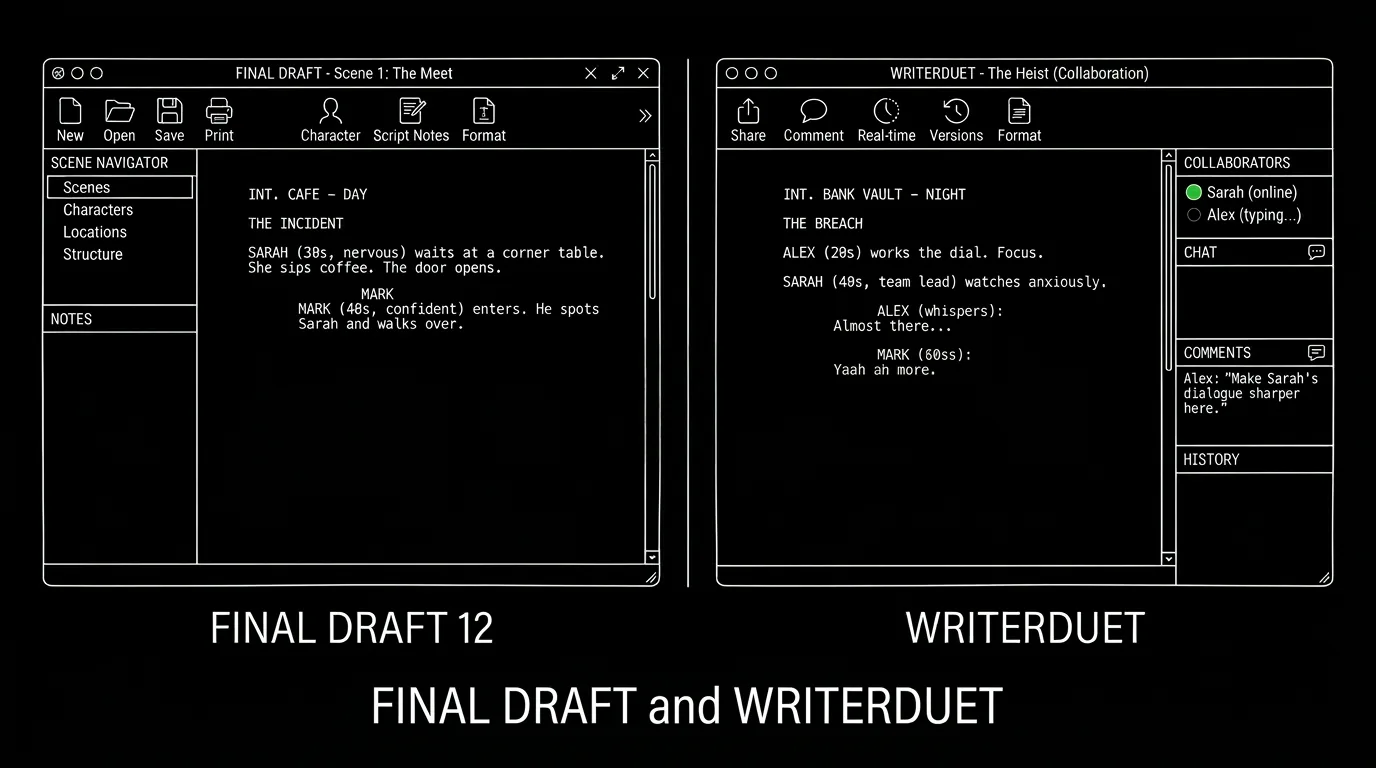
Affordable script and pre-production in one place. What students get and when they might look elsewhere.
Celtx in 2026: Still the Best Option for Students?
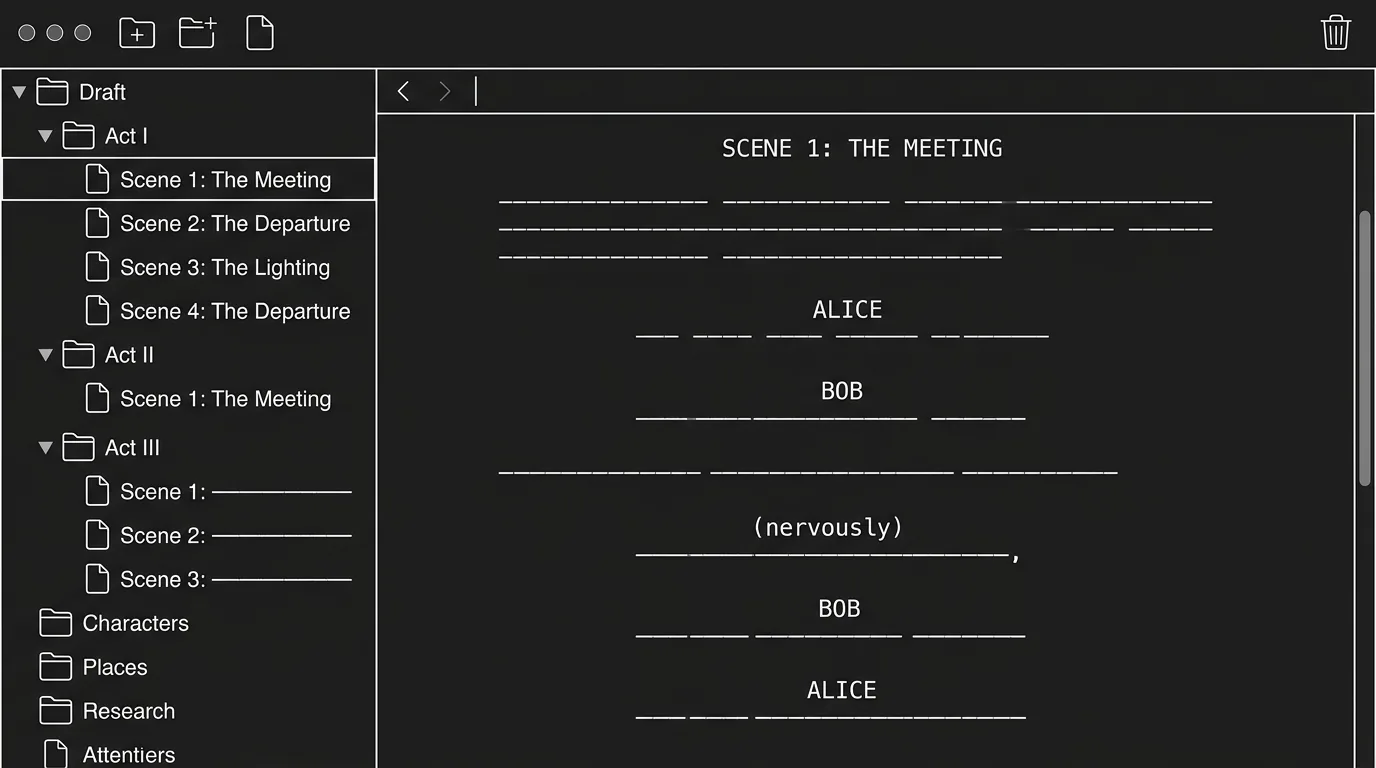
One project for script, outline, and research. When to use it for development and when to hand off to Final Draft.
Scrivener for Screenwriters: Organizing Complex Research
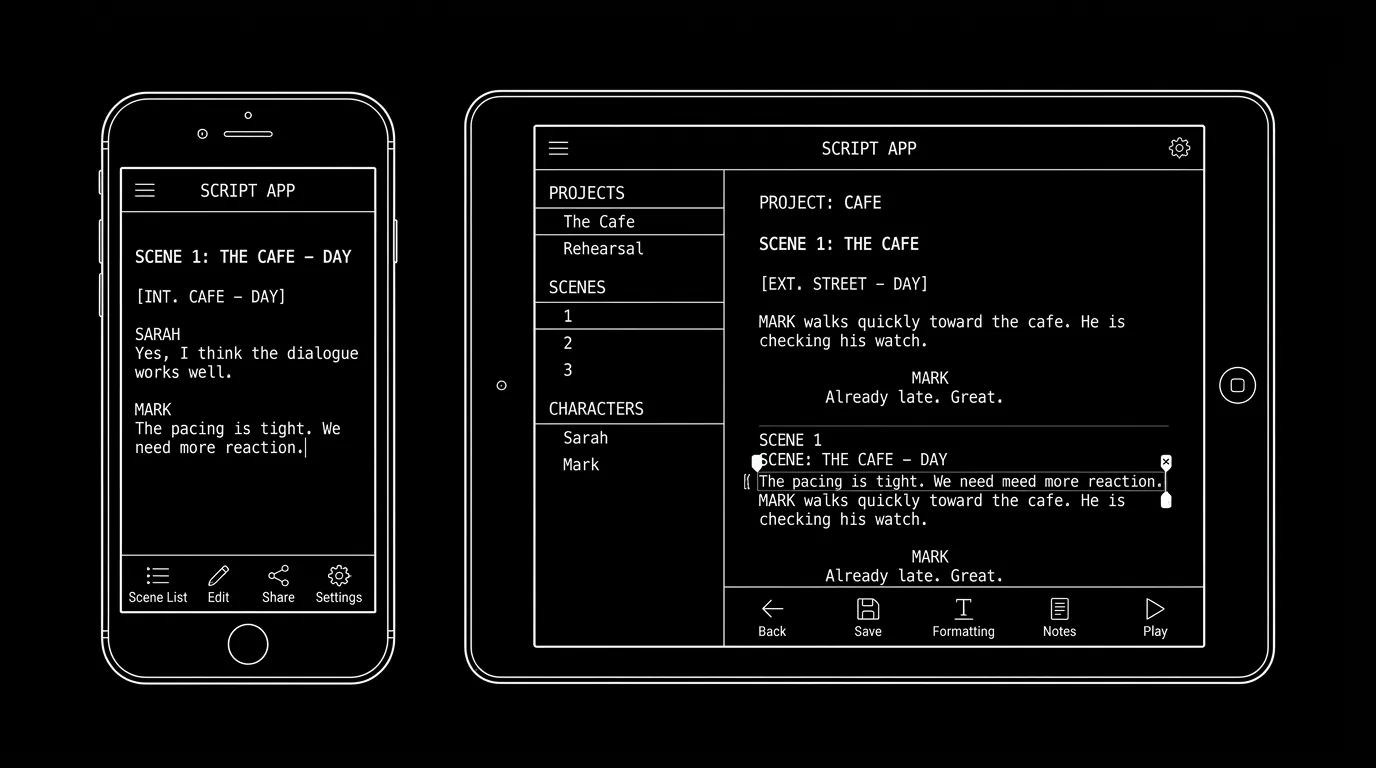
Capture and light editing on phone or tablet. What to look for and how formatting holds up, sync and workflow.
Formatting on the Go: Best Mobile Apps for Screenwriting
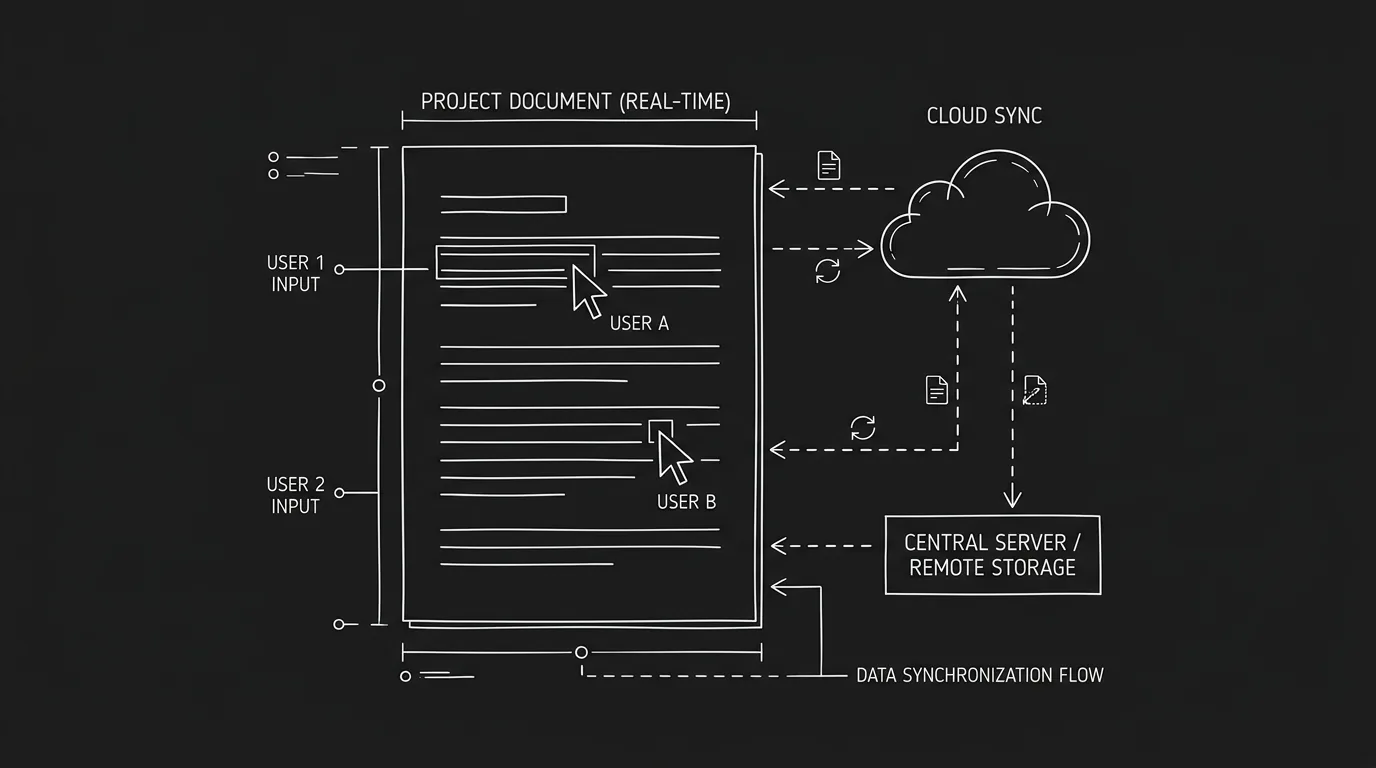
Latency, sync, and fit for a writers' room. How WriterDuet, Arc, and others compare for real-time co-writing.
Cloud Collaboration: Real-Time Co-Writing Tools Compared
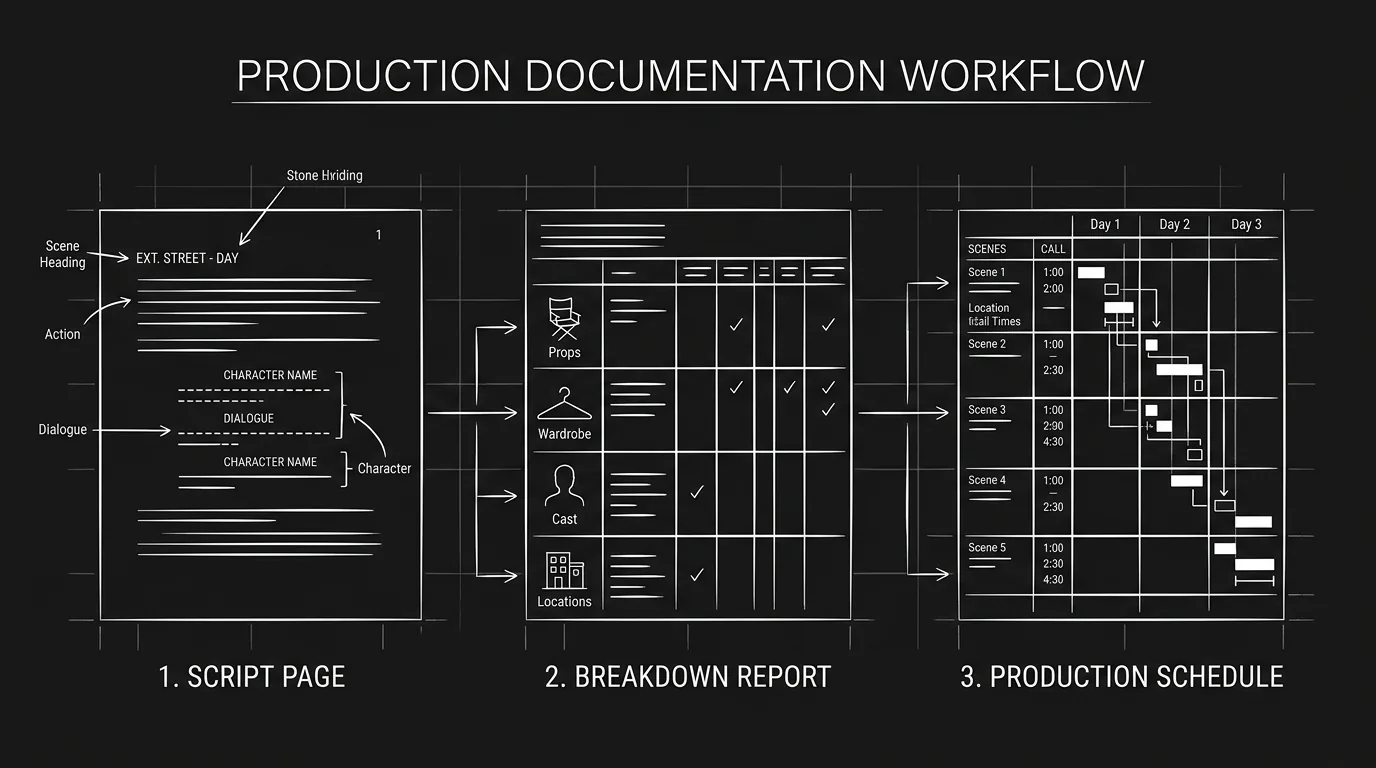
Lock the script; export FDX. How to prepare the script so the breakdown team and scheduling can run clean.
Breaking Down the Script: From Final Draft to Movie Magic
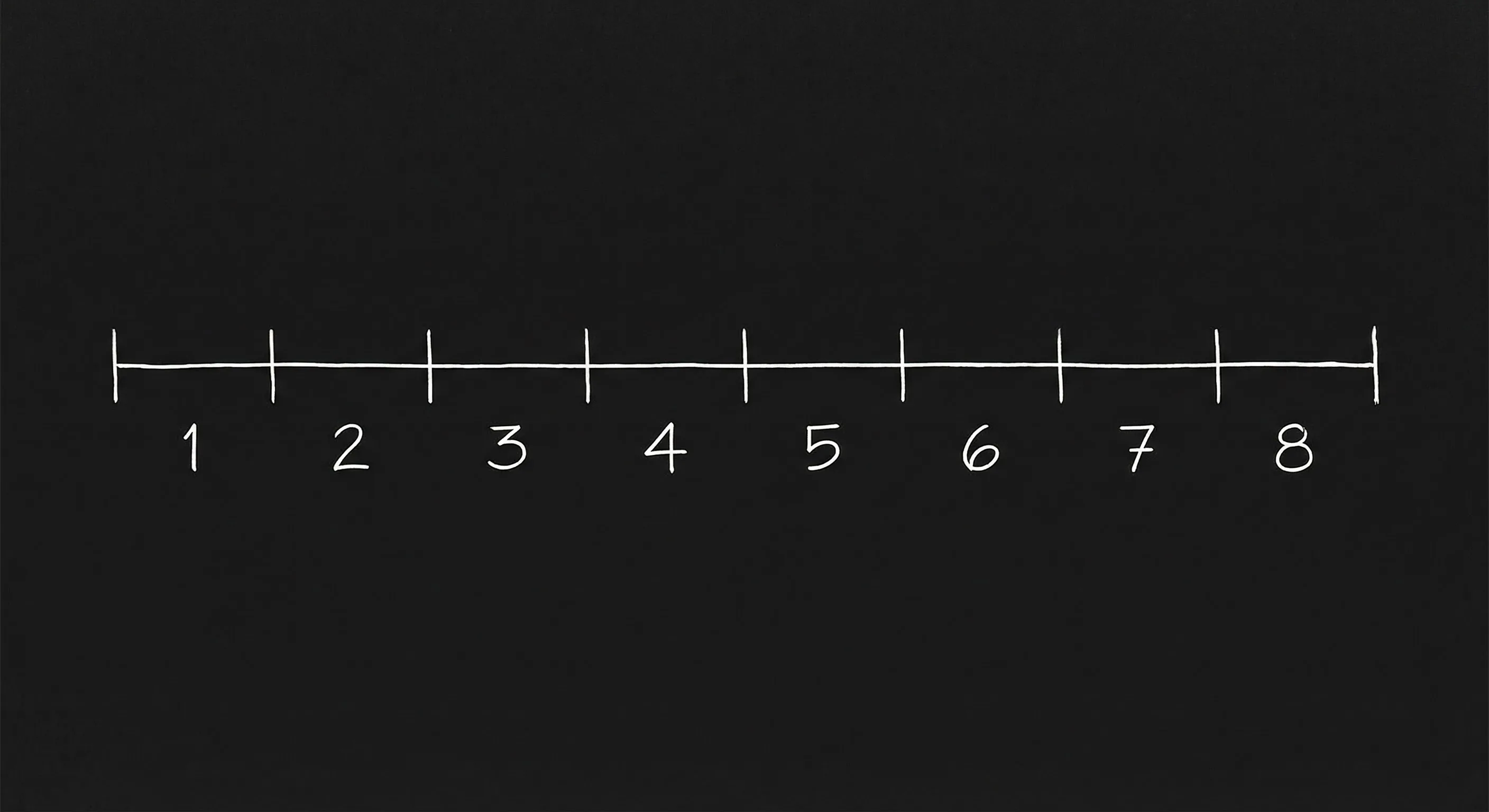
A feature isn't one long story. It's eight mini-movies,each about 15 minutes, each with a job. How to use the 8-sequence model to fix the sagging middle and keep tension high.
The 8-Sequence Approach: Breaking Down Your Feature into 15-Minute Movies