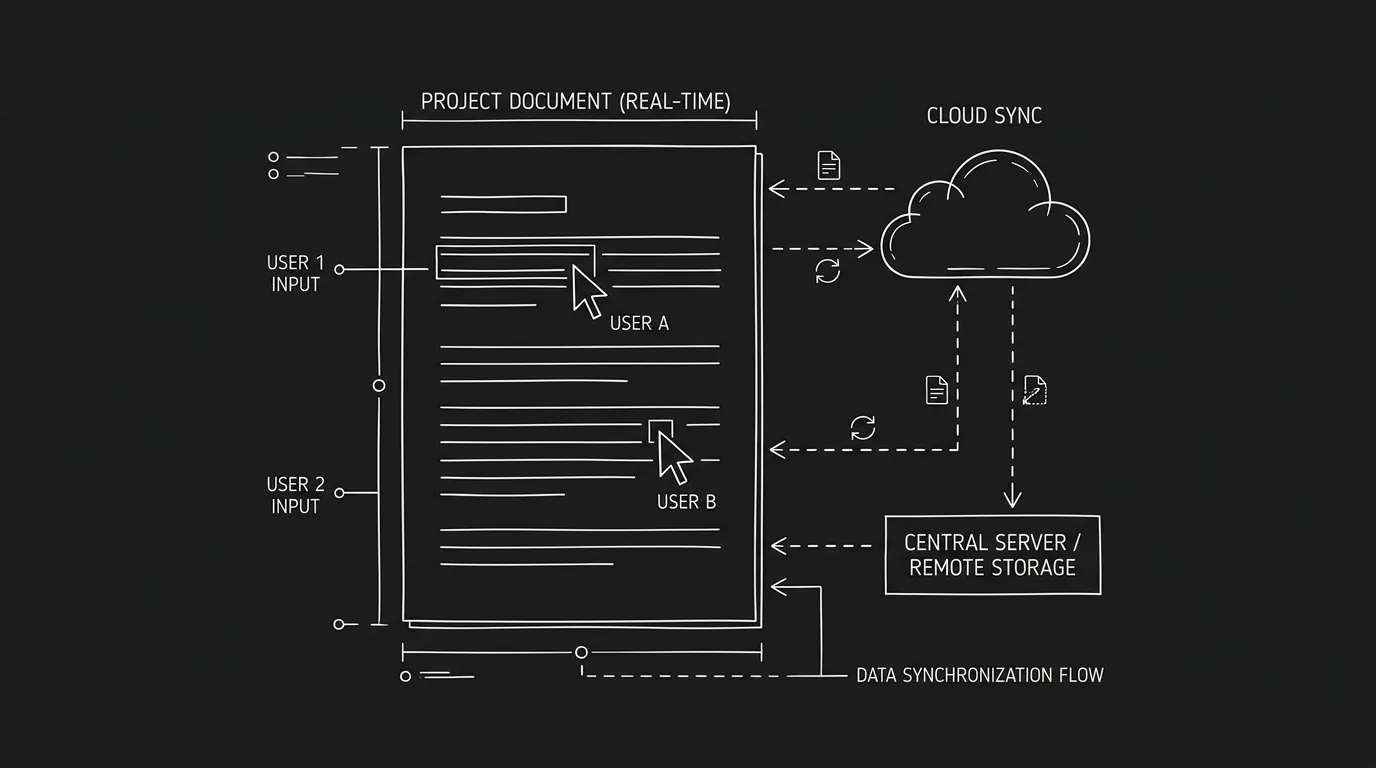

You're co-writing. You need to be in the same script at the same time, see each other's cursor, avoid overwrites, and talk in the margin or in a sidebar. Real-time co-writing tools (WriterDuet, Arc Studio, Fade In with collaboration, etc.) do that. Here's how they compare on latency, sync, and fit for a writers' room.
The best real-time tool is the one that stays in sync and doesn't get in the way of the write.
Think about it this way. Latency = how fast your typing shows up for the other person. Sync = whether you're always on the same version. Features = comments, chat, version history. In 2026, WriterDuet is often the one built for real-time; others (Fade In, Arc) have collaboration to varying degrees. Our Final Draft vs WriterDuet and dual dialogue pieces touch on this; here we compare cloud collaboration tools. For dual dialogue when two people write at once, see dual dialogue.
What to Compare
Latency: Type a line, how long until the other writer sees it? Conflict handling: If you both edit the same line, what happens? Comments/chat: Can you leave notes and talk without leaving the doc? Export: Can you still get to PDF/FDX for production? For export, see exporting for production.
WriterDuet vs. Others
WriterDuet: Built for real-time. Multiple cursors, live updates. Often the benchmark. Fade In: Has collaboration; check current feature set and latency. Arc Studio: Collaboration exists; compare with WriterDuet for your use case. Final Draft: Collaboration features have improved; often still "pass the file" in many rooms. For Final Draft vs WriterDuet, see Final Draft vs WriterDuet.
Relatable Scenario: The Writers' Room
Several people in the same script. Need: Low latency, clear cursors, comments. Test: Have two people type in the same scene and see how it feels. For ensemble workflow, see ensemble casts.
The Trench Warfare: What Beginners Get Wrong
Assuming all "collaboration" is real-time. Some tools only do "share a link" or "export and send." Fix: Confirm that you see each other live. Not testing with the real team. Fix: Run a short session with your co-writer(s) before committing. For version control when collaborating, see version control.
Try it free
Try Screenweaver for free on your script
It is free. Import your existing project, get a clearer view of your outline, and regain control of your story structure in minutes.
Start FreeCloud Collaboration at a Glance
| Tool | Real-time | Notes |
|---|---|---|
| WriterDuet | Yes; built for it | Often lowest latency |
| Arc Studio | Yes; check current | Good for structure + collab |
| Fade In | Varies | Check current collaboration |
| Final Draft | Improved | Still "standard" in many studios |
Step-by-Step: Choosing a Co-Writing Tool
First: List who will be in the doc (2 people vs. room). Second: Test latency with your co-writer(s). Third: Check export to PDF/FDX. Fourth: Use version history and comments. For more, see Final Draft vs WriterDuet and version control.
The Perspective
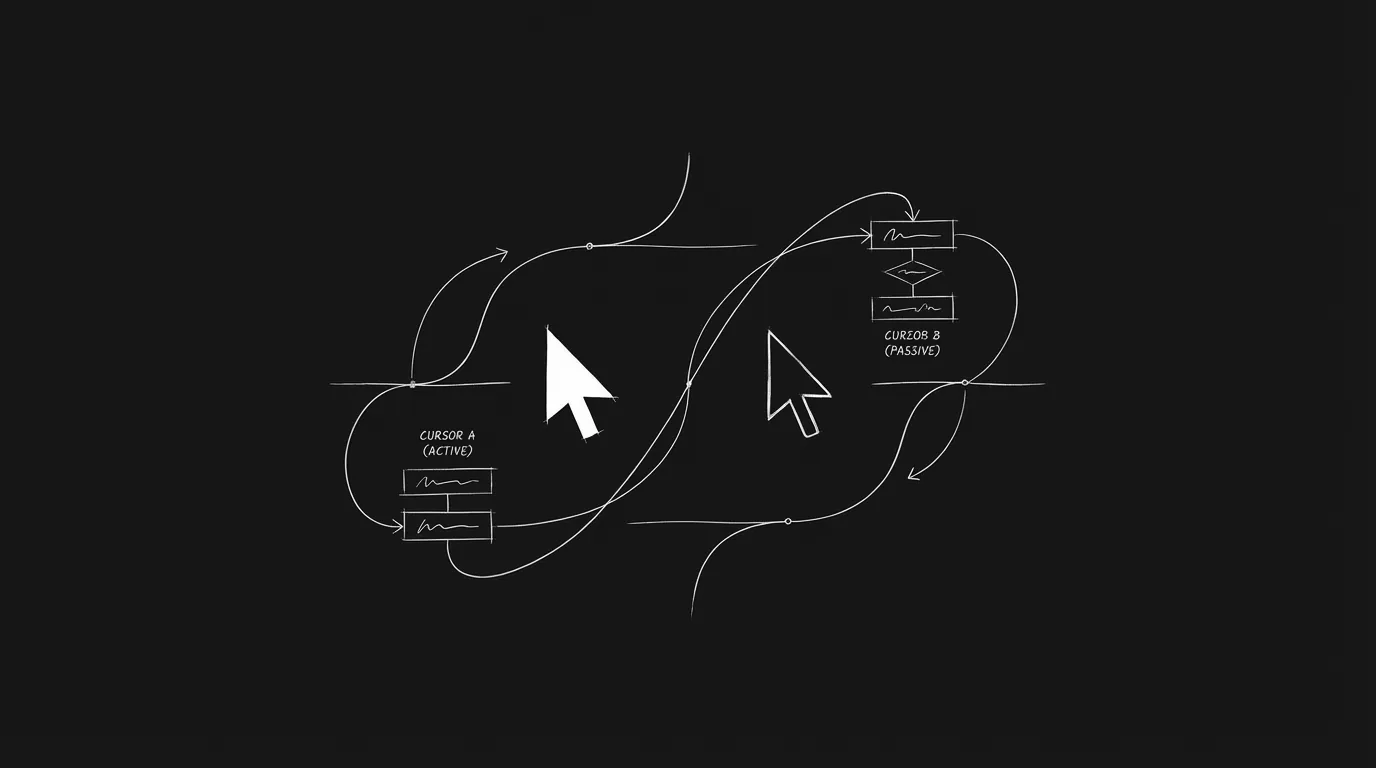
Real-time co-writing lives on latency and sync. WriterDuet is often the benchmark; Arc and Fade In have collaboration too. Test with your actual co-writer(s) and confirm export to production formats. When the tool stays in sync and doesn't block the write, it works. So test latency. Check sync. And pick the one that fits the room.
Final Step
Build your next script with Screenweaver
Move from ideas to production-ready pages faster with timeline-native writing and AI-assisted story flow.
Try Screenweaver