The ScreenWeaver Blog
Deep dives into modern screenwriting, visual storytelling, and how AI is reshaping the creative process.
Categories

The Fatal Flaw: Moving Beyond "Clumsy" to Psychological Depth
Create flaws that actually block the character from what they need—with belief, pattern, and cost—so the story has weight.

Character Growth Types: Flat, Positive, and Negative Arcs
When to use a flat arc (iconic hero), a positive arc (change for the better), or a negative arc (refusal or fall)—and how to build each.

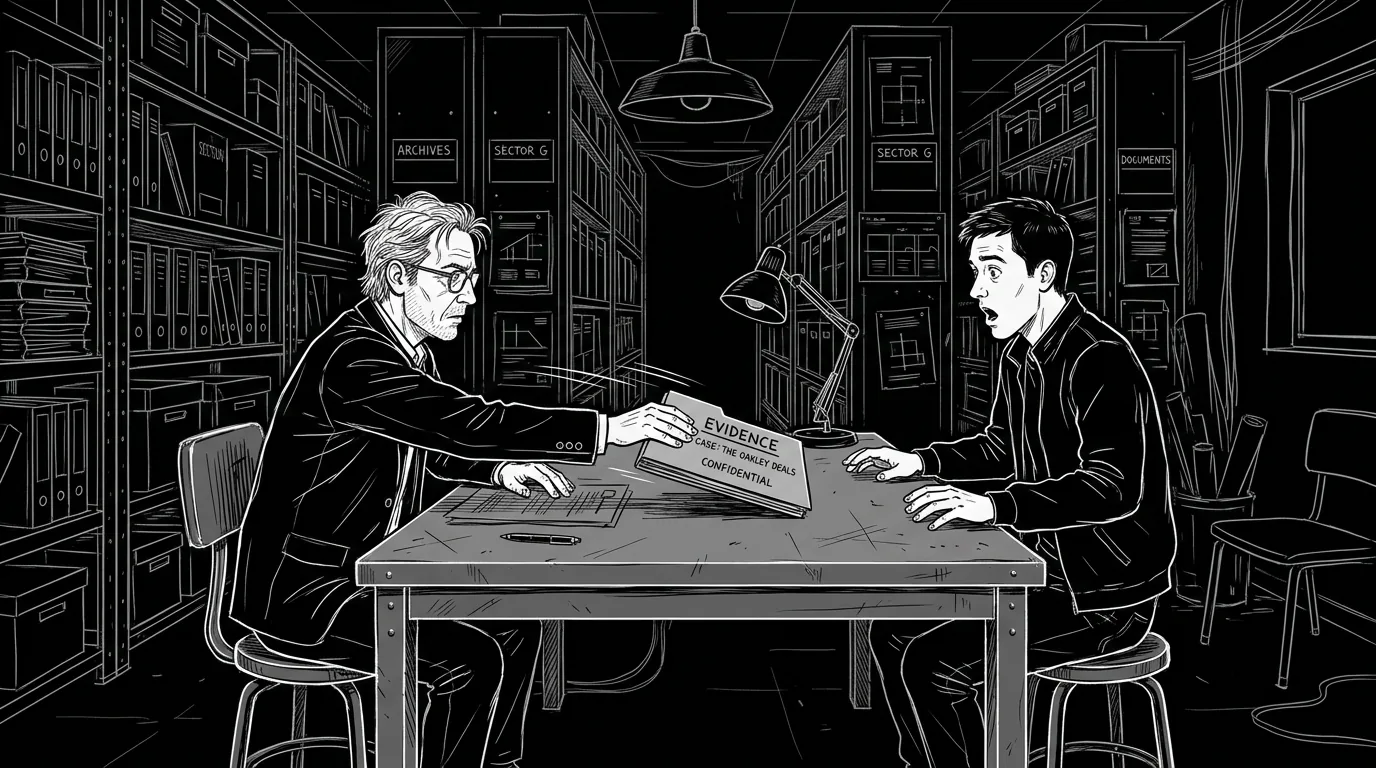
The Art of Subtext: Writing Dialogue That Hides the Truth
The gap between what's said and what's meant. How to create and sustain subtext so the audience decodes without you explaining.

Distinct Voices: The "Blind Read" Test for Your Ensemble
Strip the character names and read the dialogue. Can you tell who's speaking? How to build syntax so every voice passes the test.

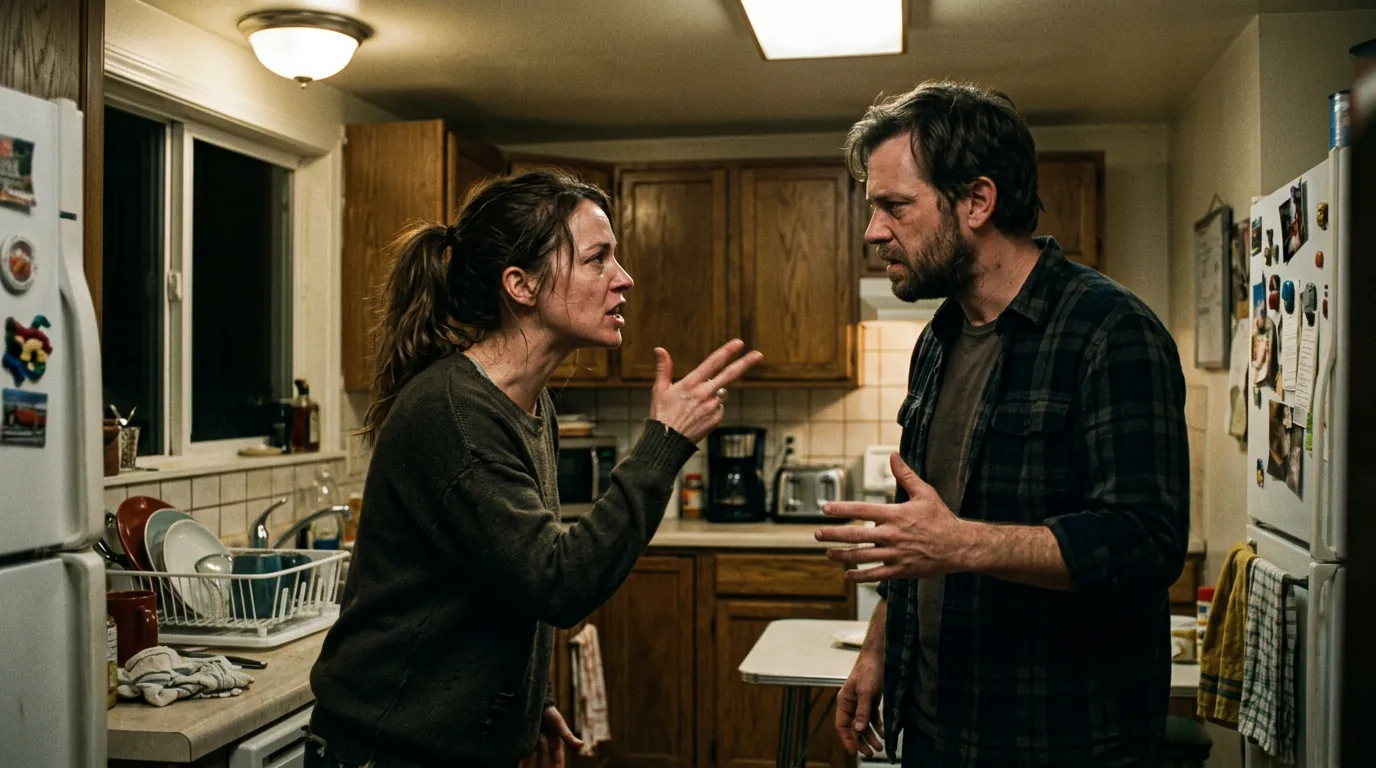
Writing Dual Dialogue: Formatting Overlapping Arguments
When two people talk at once in the same room. How to format dual dialogue in your software and when to use it so the page stays clear.

The Rule of Three in Comedy: Setup, Reinforce, Subvert
Setup, reinforce, subvert—the rhythm that makes jokes land. How to use the third beat so the audience laughs instead of sighs.

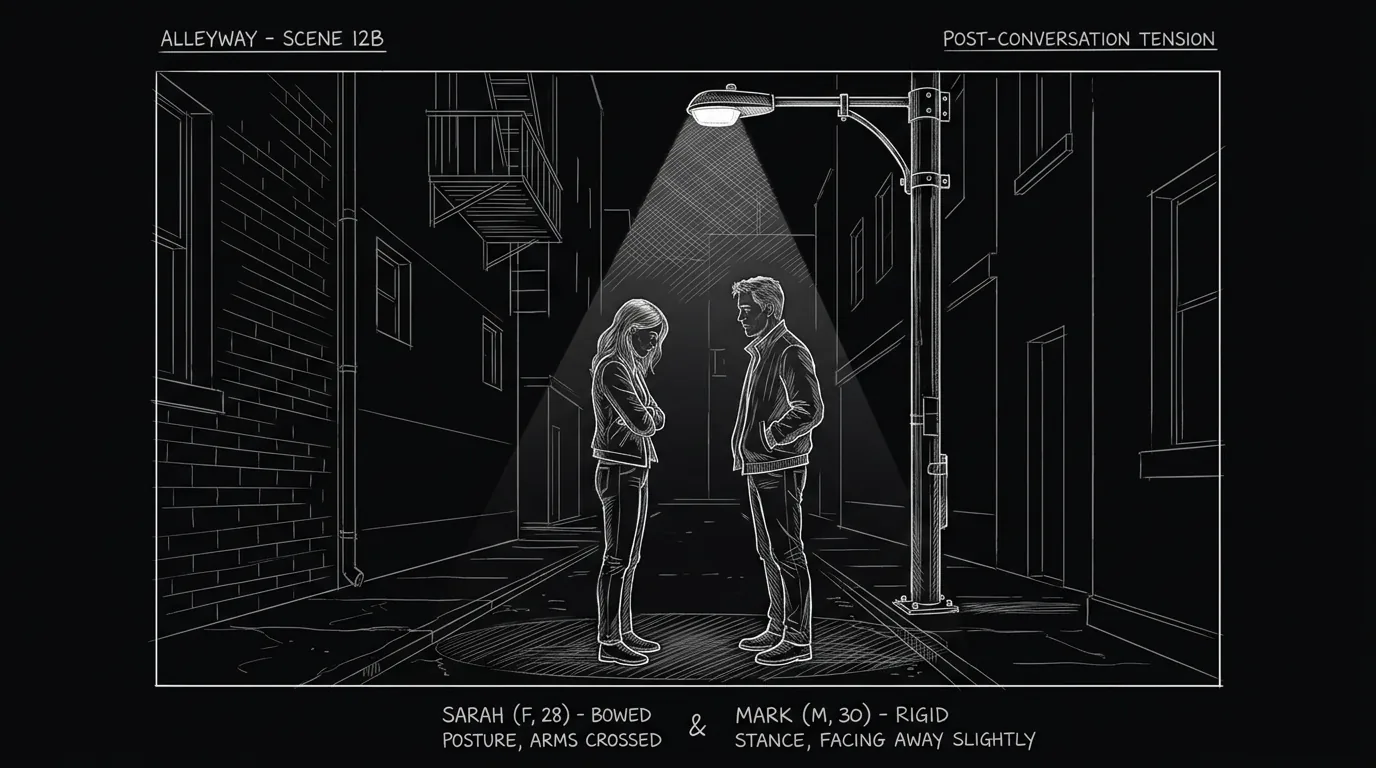
Writing for Actors: Avoid "Directing from the Page"
Use parentheticals sparingly. Give the line and the situation; let the actor find the tone. How to leave room for performance.

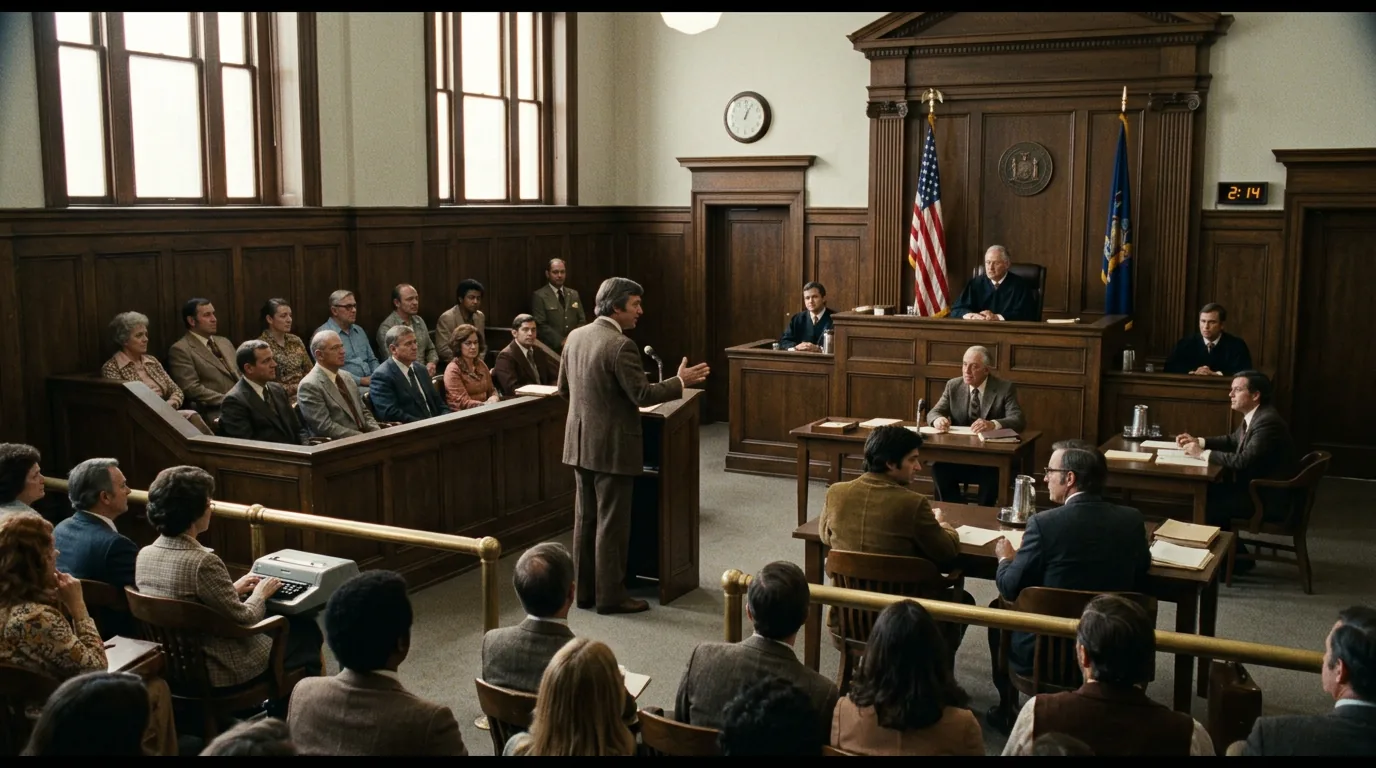
Is the Monologue Dead in 2026? When to Use Long Speeches
Pacing is faster. Cuts are quicker. When does a long speech still earn its time—and when should you break it up or cut it?