
Adaptation is not translation. It is decision-making under constraint: time, budget, point of view, and the brutal fact that literature can hide inside a character’s skull while film must externalize or dramatize.
Novel-to-screen workflow therefore produces two parallel needs: fidelity to what made the book work emotionally, and ruthlessness about what cannot survive as drama. Your software will not make those artistic decisions. It can keep evidence organized so decisions stay intentional instead of accidental.
Here is why that matters: adaptation projects drown in reference material - chapters, outlines, research, rights correspondence, and multiple script attempts. Without a system, you become a librarian with a deadline. Librarians rarely finish strong drafts on time.
A good adaptation stack is a courtroom exhibit system: what you keep, what you cut, and why.
Free tool: use the Beat Sheet Calculator to map these beats to exact page numbers for your script length.
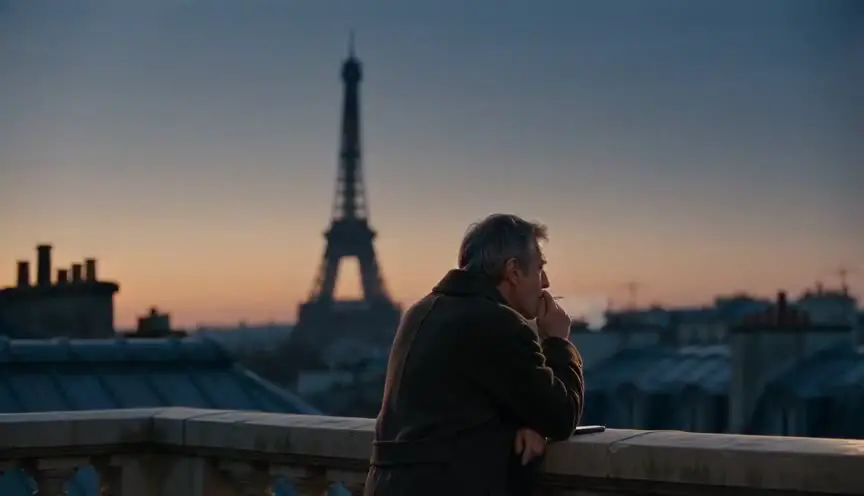
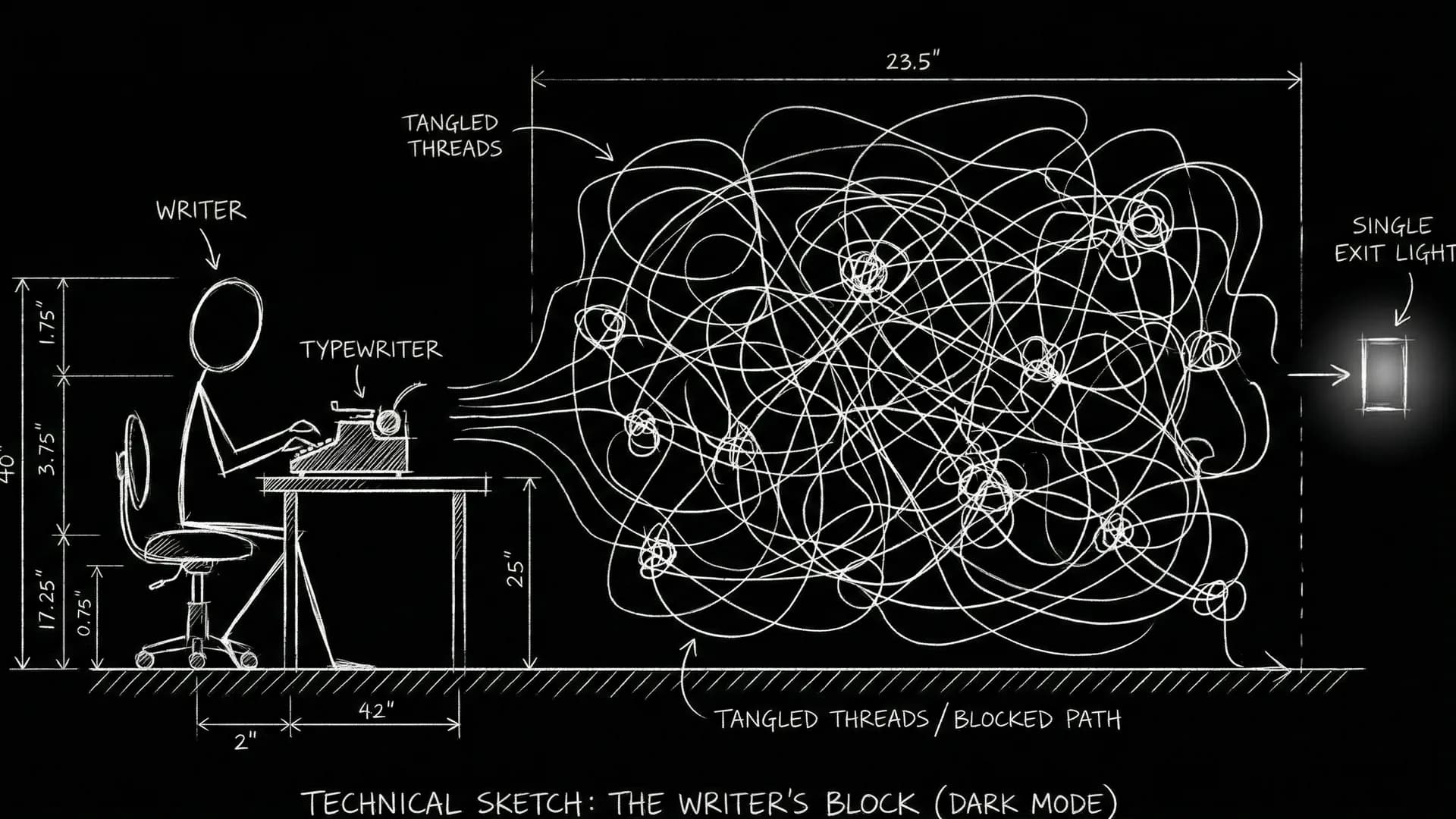
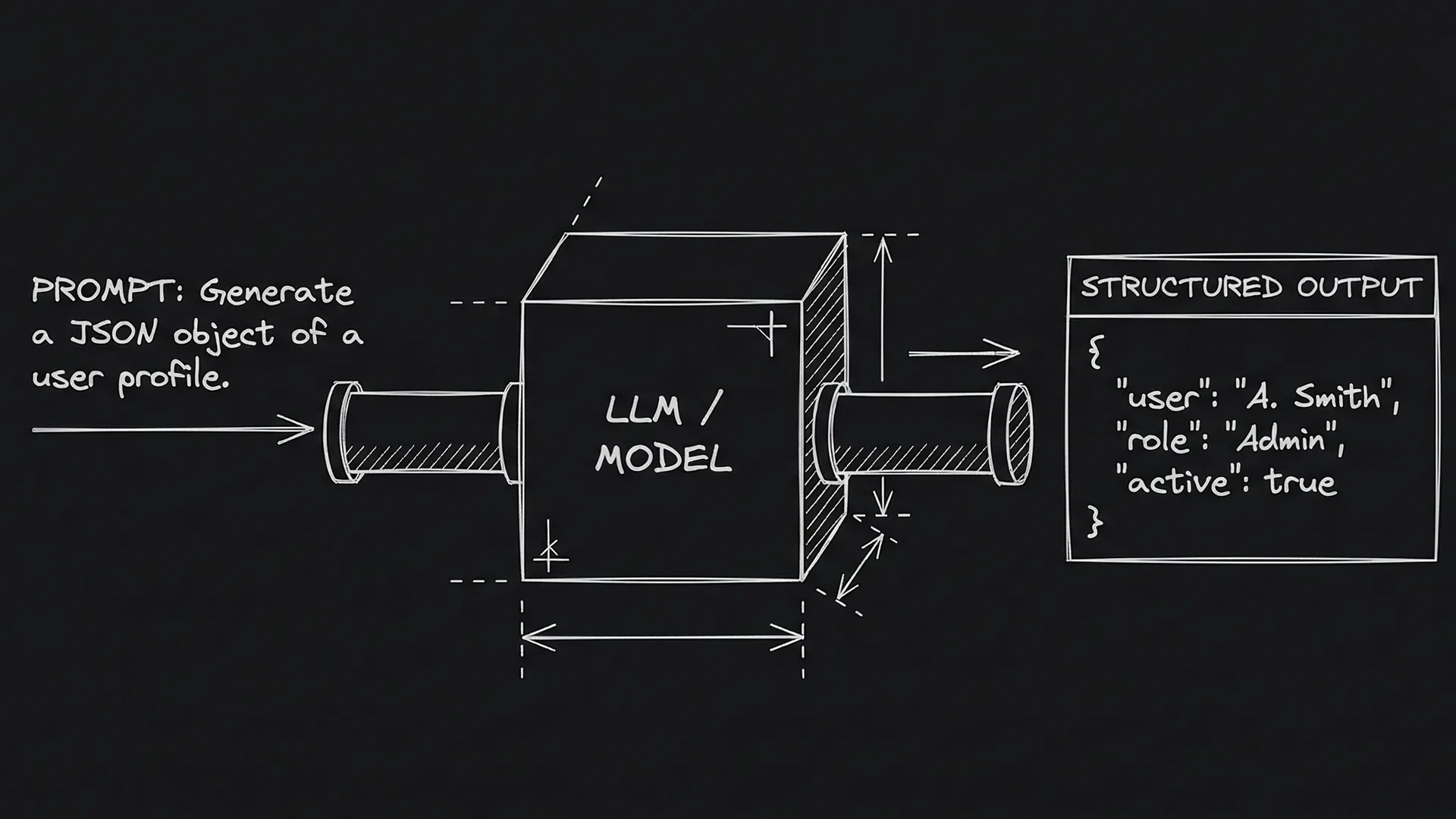
Cinematic workflow frames
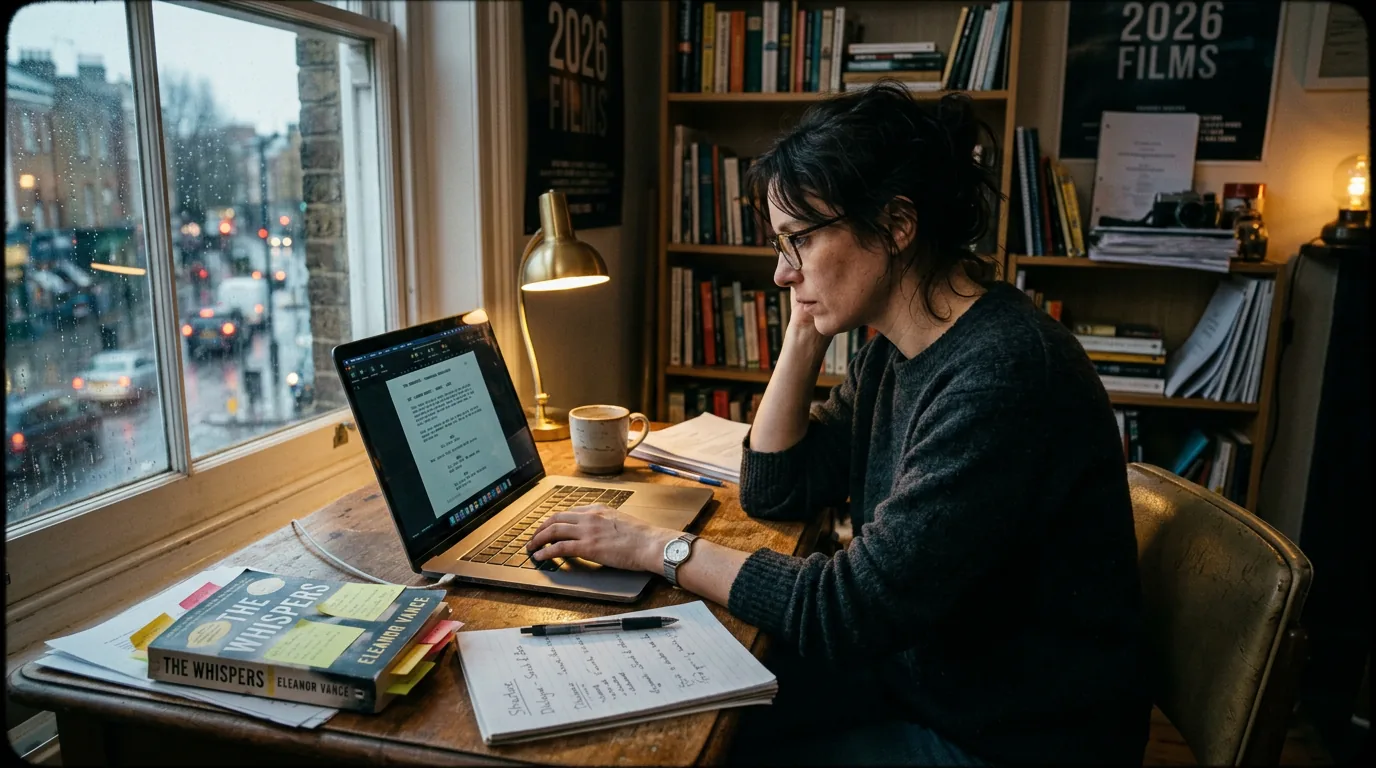
These two visuals work as a pair: the first shows Cinematic workflow still, first angle, 35mm film grain, and the second shifts to Cinematic workflow still, second angle, 35mm film grain - compare them briefly, then move on.
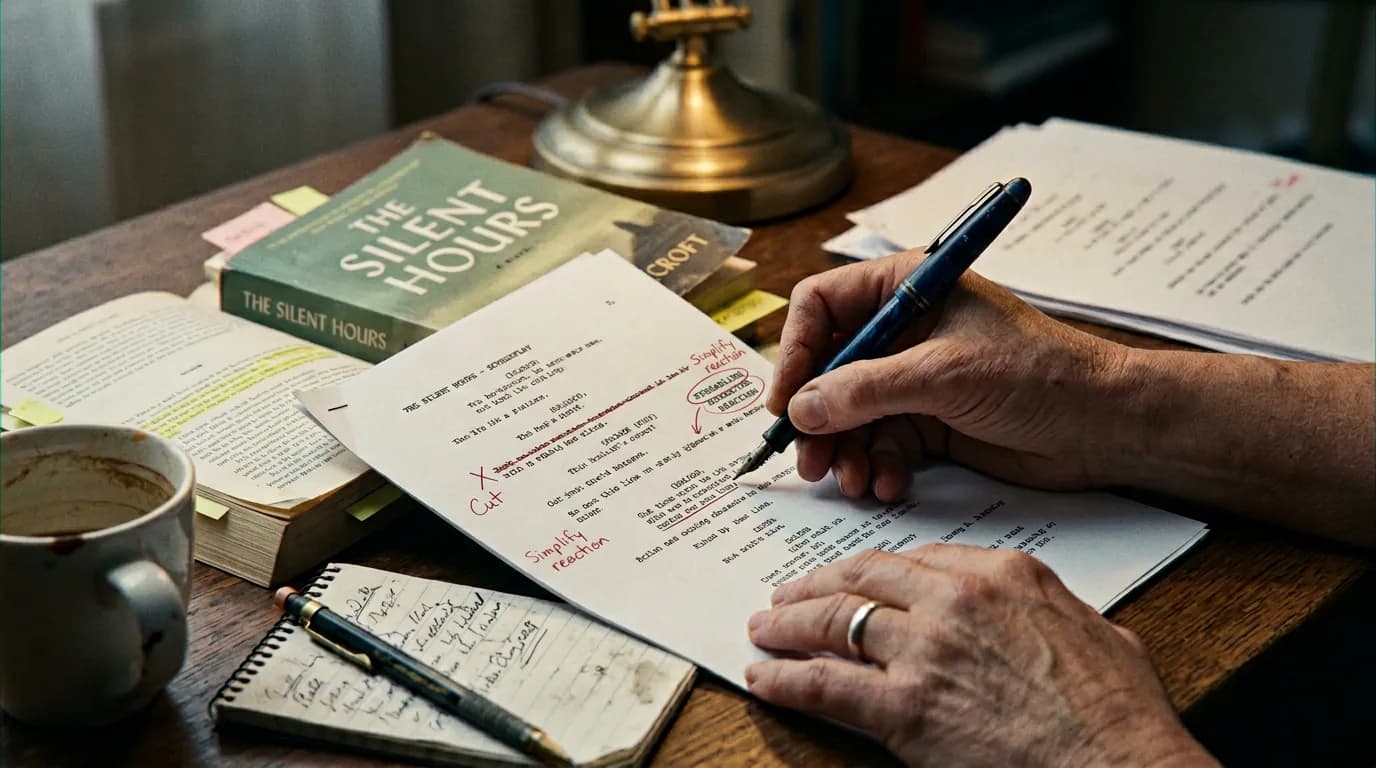
What Adaptation Demands Beyond Standard Screenwriting
You need chapter-to-scene traceability, character roster stability across rewrites, and a place to park “lost darlings” so you stop re-fighting solved fights.
| Adaptation Task | Failure Without Structure | Tooling Behavior That Helps |
|---|---|---|
| Chapter mapping | Arbitrary cuts feel random | Side-by-side notes by chapter |
| POV shift | Voiceover bloat | Scene-level intent notes |
| Subplot triage | Bloated midsection | Sequence boards or tagged outlines |
| Cast consolidation | Reader confusion | Character relationship map notes |
| Rights reality | Legal anxiety | Separate rights folder discipline |
How to Start: Build an Adaptation Spine in Three Days
Step 1 - Write a one-page “film thesis”: the single cinematic experience this adaptation protects.
Step 2 - List ten non-negotiables from the novel (moments, relationships, twists) and ten negotiables.
Step 3 - Map Part One of the novel to a film act skeleton without writing dialogue. Find the spine.
Step 4 - Draft one sequence only, as proof you can translate voice into behavior.
Step 5 - Export and read aloud. Novelistic sentences die here. Good.
Step 6 - Create a “cuts ledger”: what you removed, what it paid for.
Step 7 - Repeat weekly: ledger review prevents nostalgia rewrites.
As discussed in our guide on AI for adaptation and beat sheets from long sources, condensation is a craft problem first.
Platform Reality: Streamers, Features, Limited Series
Some books want limited series; some want features; some want both depending on buyer. Maintain alternate outlines as labeled branches, not as vague hopes in your head. Software that supports multiple outline layers - or disciplined external outlines - prevents you from writing a feature draft while secretly thinking episodic.
Try it free
Try Screenweaver for free on your script
It is free. Import your existing project, get a clearer view of your outline, and regain control of your story structure in minutes.
Start FreeOperational Section: Notes From Authors and Estates
Adaptations sometimes involve living authors. Keep correspondence and approvals organized separately from drafts. Confusing folders creates accidental over-promising.
Outcomes: What Success Looks Like at Week Eight
You can explain any major cut. Your character count is sane. Your script reads like a film, not a decorated synopsis. Your PDF exports do not embarrass you in front of producers who loved the book and will fact-check you emotionally.
Why the Old Way Fails
The old way is highlight PDFs and hope. The improved way is structured extraction: scenes as decisions, not as transcription.
Trench Warfare: Adaptation Failure Modes
Voiceover addiction.
Montage as cope.
Fetishizing fidelity to scenes that are not cinematic.
Ignoring pacing because the novel “earned” slow pages.
Letting fan service dictate structure.
Forgetting antagonist clarity when internal monologue vanishes.
Confusing lore dumps with drama.
Losing the protagonist’s want because the novel had ensemble luxury.
Adaptation is not cosplay. It is re-architecture.
For external reference on screenplay fundamentals, see <a href="https://www.oscars.org/nicholl/about/screenwriting-resources" rel="nofollow">Nicholl Fellowship screenwriting resources</a>.
[YOUTUBE VIDEO: Adaptation case study - one chapter compressed into one sequence with explicit cut reasoning]
Final CTA: Organize Evidence, Then Write Scenes
Pick software that helps you map, search, and revise without drowning in the novel’s full text. Keep the novel nearby, not inside every scene heading.
Then write images and actions that earn the book’s reputation without copying its sentences.
As discussed in our article on organizing historical research alongside scripts, source discipline is transferable to fiction adaptation.
Final Step
Build your next script with Screenweaver
Move from ideas to production-ready pages faster with timeline-native writing and AI-assisted story flow.
Try Screenweaver