
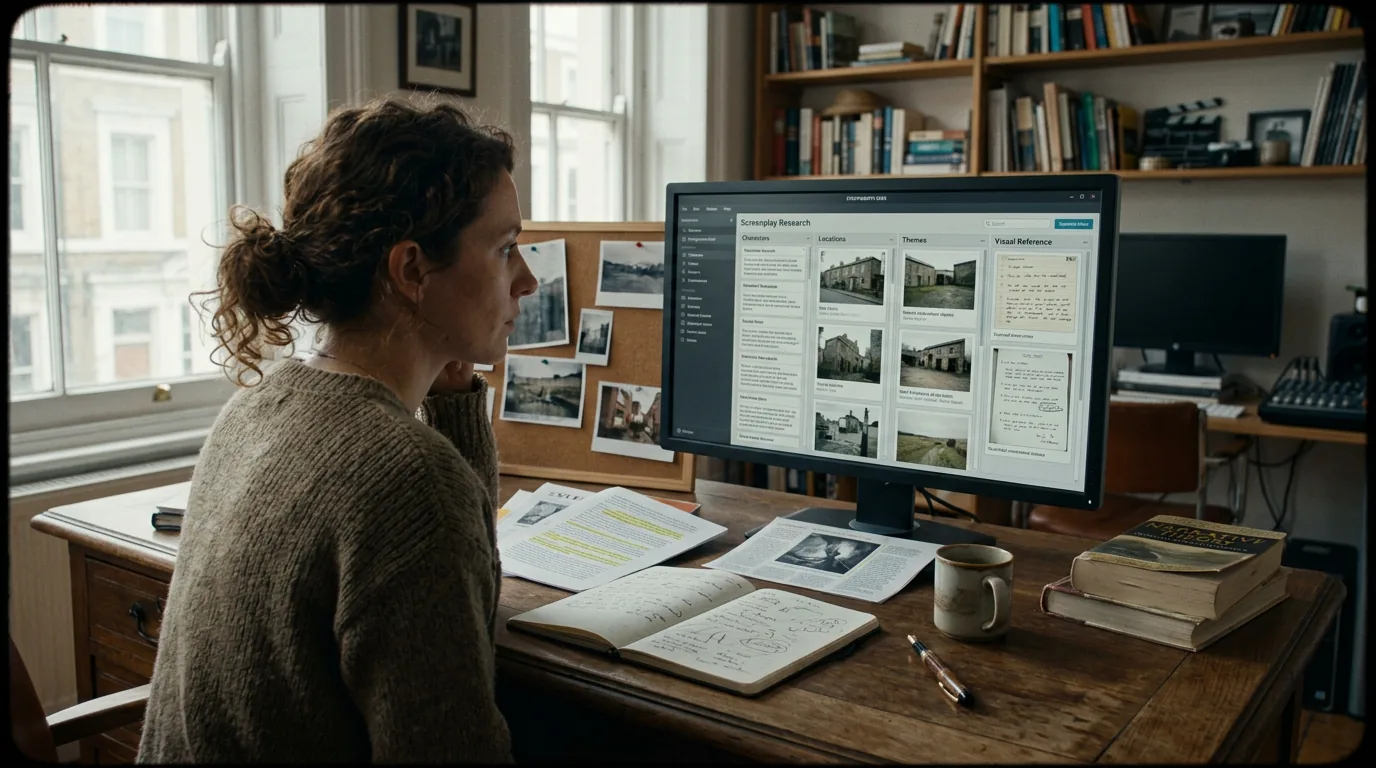
You saved the PDF. You saved the PDF again with “FINAL” in the name. You screenshot a map. You bookmarked an article. You dumped images into a folder called “misc.” Your script thanks you by feeling vaguely smarter than your notes and vaguely dumber than your research.
Research sprawl is how good ideas die of exposure.
Visual sprawl is how pitches become incoherent mood boards glued to the wrong draft.
The best software to organize screenplay research and visuals in 2026 is whatever you will actually maintain under pressure - plus a system boring enough to survive collaborators, laptops, and the merciless forgetfulness of Future You.
Here is why that matters: research is not decoration for intellectual pride. Research is decision support. Visuals are strategic communication. If your stack cannot retrieve the right reference in sixty seconds during a rewrite night, you will stop trusting your own preparation.
Organizing research is not housekeeping. It is protecting your future decisions from your past laziness.
Cinematic workflow frames
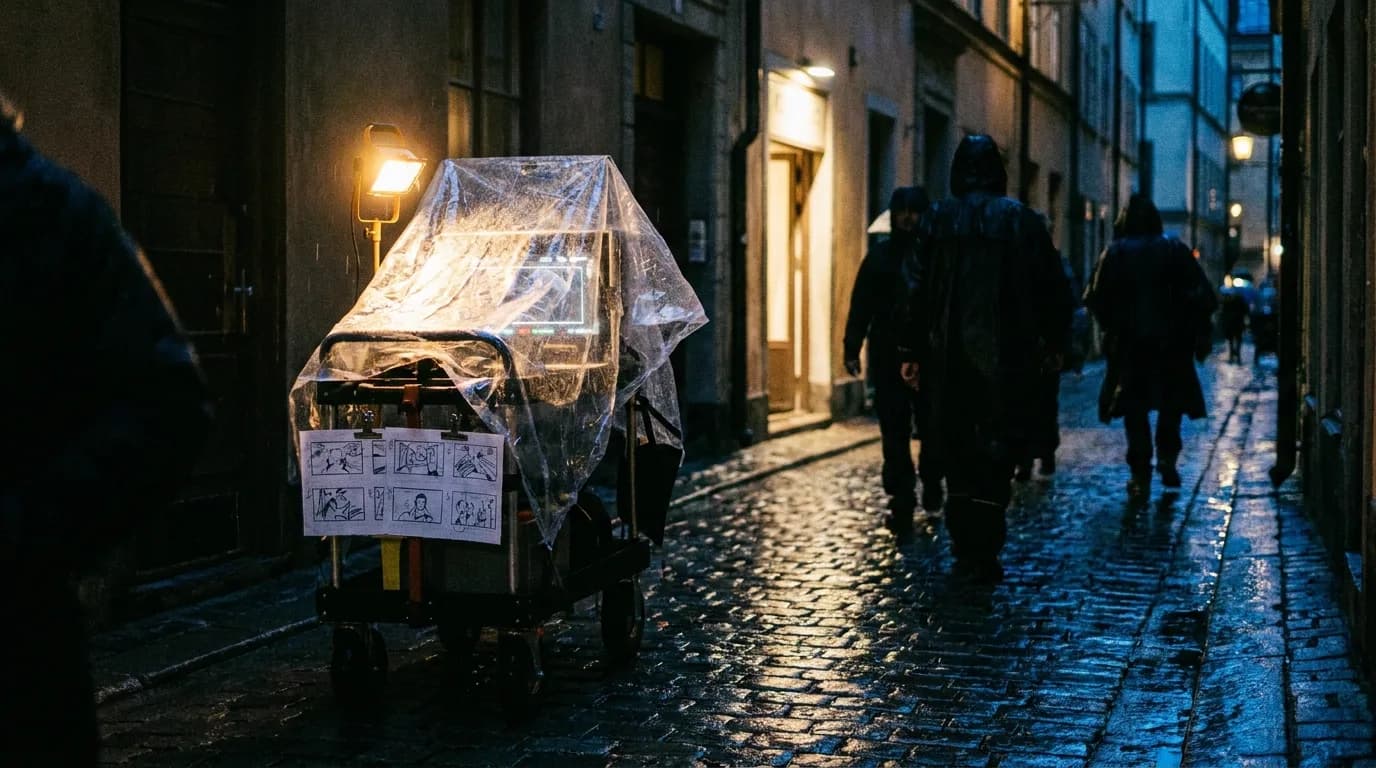
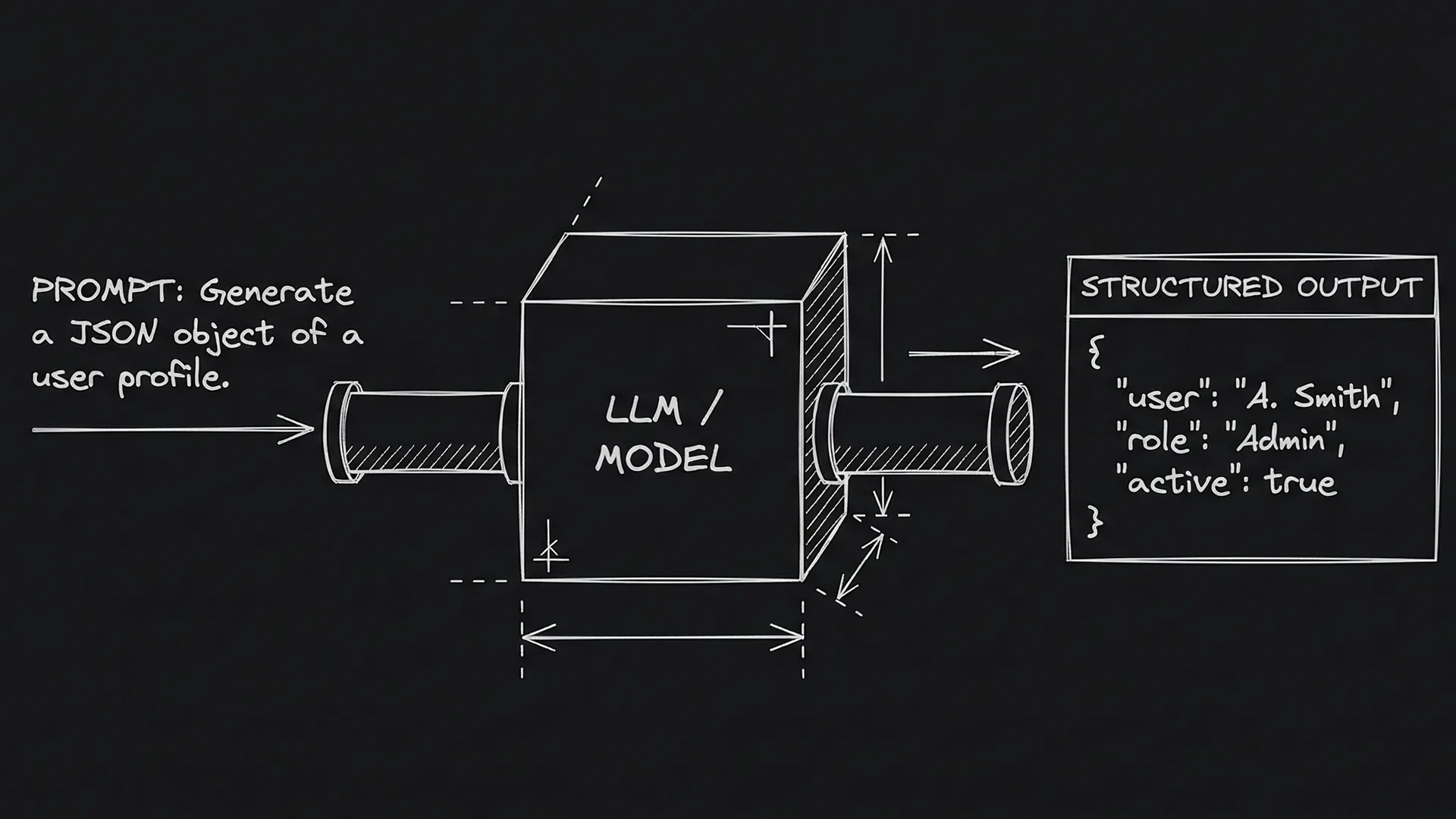
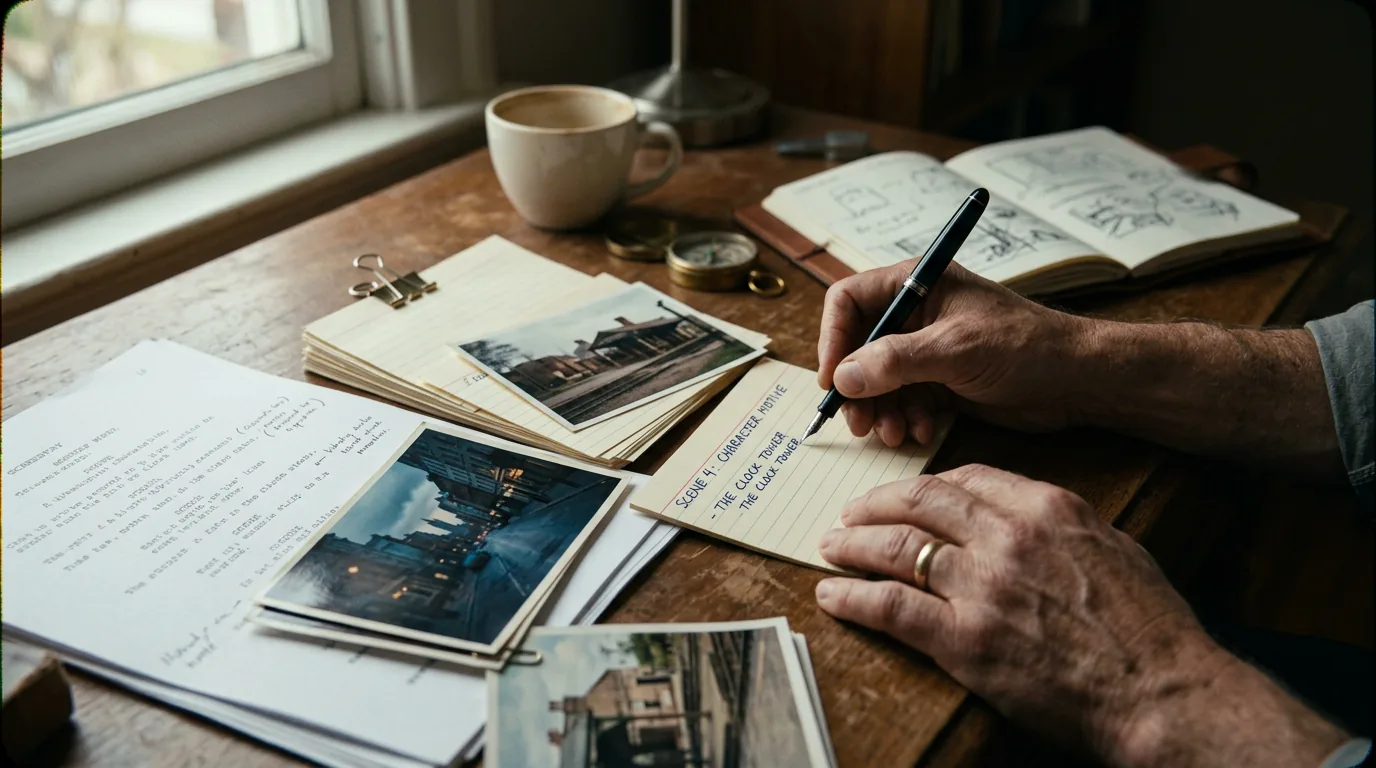
These two visuals work as a pair: the first shows Cinematic workflow still, first angle, 35mm film grain, and the second shifts to Cinematic workflow still, second angle, 35mm film grain - compare them briefly, then move on.
Decide What You Are Optimizing For
Some writers optimize recall speed. Others optimize team sharing. Others optimize legal cleanliness - clear sourcing, clear rights posture for reference imagery. Pick primary optimization honestly.
| Goal | Good System Behavior | Failure Mode |
|---|---|---|
| Fast retrieval | Search across notes, tags, links | “I know I saw it somewhere” |
| Script linkage | Notes attach to scenes/characters | Orphan research |
| Visual clarity | Boards with provenance | Pretty but sourceless |
| Collab | Shared permissions | Mystery folders |
| Legal hygiene | Source fields | vibes-based citation |
Scenario One: Period Piece With Real Geography
Zara writes a city she has not visited. Maps, weather patterns, transit realities, and architectural photos matter. She organizes by location clusters tied to scene slugs. When Zara changes a location from day to night, her reference cluster flags wardrobe and lighting implications.
Scenario Two: True-Adjacent Story With Source Anxiety
Research includes articles, interview transcripts, court PDFs. Zara stores source links and capture dates. She separates “verified” from “interesting rumor.” That distinction protects integrity when someone asks, “how do you know this?”
Scenario Three: Sci-Fi Bible With Visual Development
Ship interiors, UI language, costume logic. Visual references can overwhelm text. Zara tracks motif tags so images do not become wallpaper.
As discussed in our guide on organizing historical research next to your script, linkage beats brilliance.
Step-by-Step: Build a Research Spine in a Weekend
Step 1 - Inventory what you already hoard: PDFs, photos, bookmarks, voice memos.
Step 2 - Choose canonical categories: world, character, place, timeline, legal, misc - but keep “misc” small.
Step 3 - Tag with scene slugs or beat IDs, not vague adjectives.
Step 4 - Store sources with URL, title, access date for web captures.
Step 5 - Schedule weekly pruning. Research gardens grow weeds fast.
Step 6 - Mirror critical materials offline or export snapshots if cloud risk bothers you.
Step 7 - Separate pitch visuals from truth visuals. Pitch images can be aspirational; research images should be truthful.
Tool ecosystems people use successfully vary: dedicated writing research apps with binder metaphors, note databases with relational tagging, spatial canvas tools for visual boarders, plain folders with strict naming if discipline is high. The tool matters less than enforceable rules.
As discussed in our article on Scrivener and research workflows for screenwriters, binders work when writers maintain them.
Try it free
Try Screenweaver for free on your script
It is free. Import your existing project, get a clearer view of your outline, and regain control of your story structure in minutes.
Start FreeTrench Warfare: Research Failure Modes
Collecting without deciding leads to hoarding.
Hoarding without tagging leads to panic.
Panic leads to invented facts.
Invented facts lead to credibility collapse.
Visual boards without rights awareness lead to legal headaches.
Team folders without naming rules lead to silent overwriting.
“Helpful” auto-organization sometimes hides items where nobody finds them.
If you cannot find it, you do not own it.
For external craft grounding, see <a href="https://www.oscars.org/nicholl/about/screenwriting-resources" rel="nofollow">Nicholl Fellowship screenwriting resources</a>.
[YOUTUBE VIDEO: Build a research vault from scratch: tag schema, scene linking, and a pitch board separated from verified sources]
Software Types Worth Considering Without Prescribing Your Religion
Binder-first writing tools reward long-form organization beside the script.
Notion-style databases reward flexible schemas and team visibility.
Obsidian-style local graphs reward personal knowledge networks with export caution for collaborators.
Pure folder + PDF stacks reward simplicity if you enforce naming.
Choose based on team literacy: a brilliant system unused is a dead system.
Migration Anxiety: Start Ugly, Then Tidy
Migrating years of chaos in one heroic weekend often fails. Migrate in slices: one storyline, one location cluster, one character arc. Small wins build sustainable habits.
Closing Perspective
Research organization is not about being tidy for its own sake. It is about making courageous writing decisions with receipts.
Keep receipts.
Write bolder scenes because you trust your file system.
Final Step
Build your next script with Screenweaver
Move from ideas to production-ready pages faster with timeline-native writing and AI-assisted story flow.
Try Screenweaver