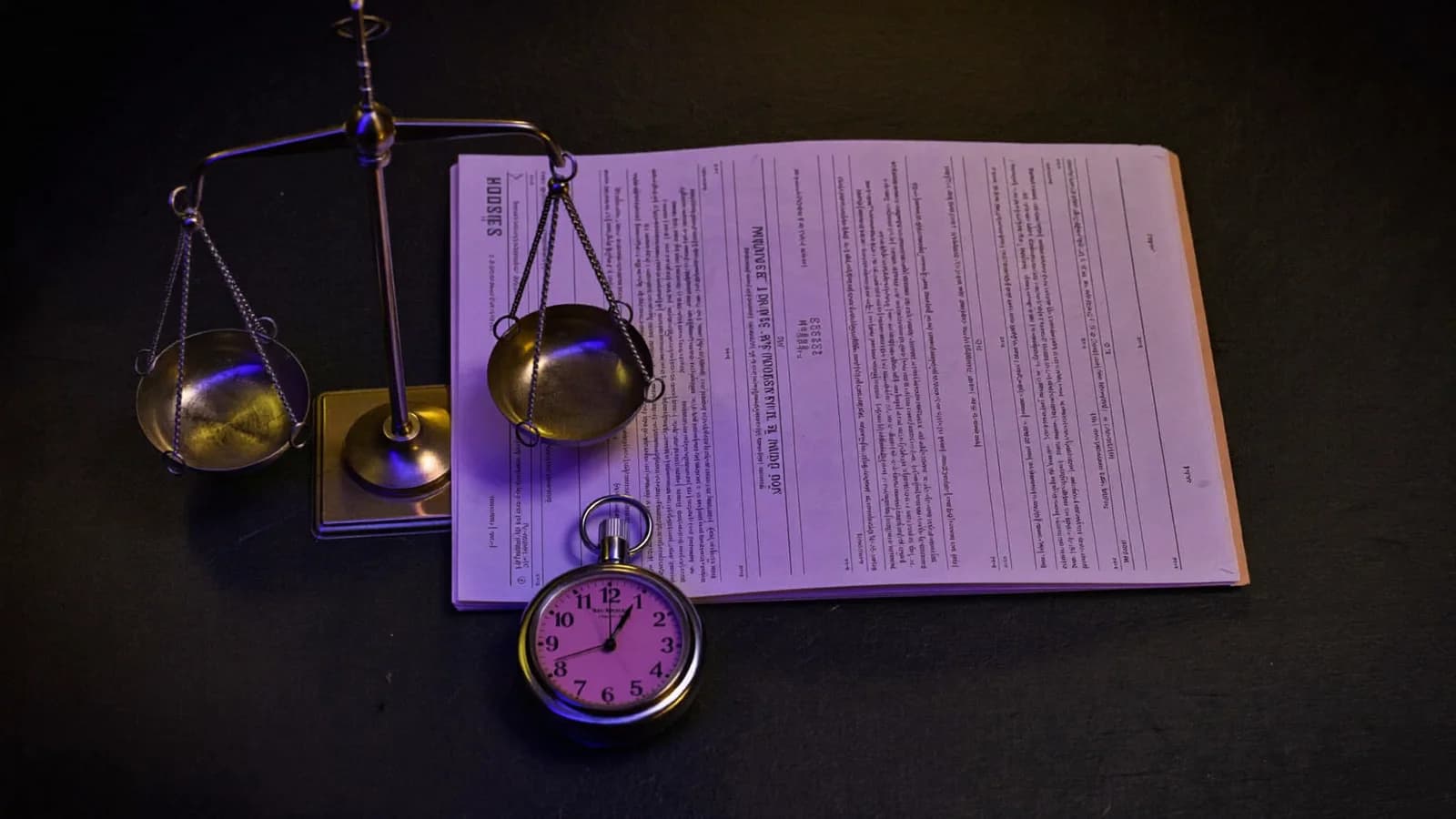

You finish a draft. Someone asks how long the movie is. You say ninety minutes because the script is ninety pages. They nod. You both feel clever. Then you sit in a table read and the room is still on page forty when your bladder gives up. The rule did not lie on purpose. It lied because a screenplay page is not a stopwatch. It is a container for rhythm, white space, performance, and genre habits that eat time the way weather eats a shoot day.
The one page per minute heuristic is useful the way a compass is useful on a foggy trail. It points north. It does not tell you where the cliff is. Treat it as a planning estimate, not a law carved into the WGA handbook. Use it to sanity-check length before you hand pages to a producer, a director, or your own panic. Then test the estimate the way filmmakers actually test things: read aloud, mark the dense pages, and adjust before you bet your second act on math that never met your dialogue.
A page count is a proxy for duration. Proxies break when the thing they stand in for is performance, not typography.
Where the Rule Came From (And What It Was Never Meant to Do)
Hollywood did not discover a physical constant. Line producers needed a fast way to translate stacks of paper into schedule blocks when phones still had cords. Stage managers had a similar instinct in theatre: more text usually means more stage time. Screenwriting adopted the shortcut because it worked often enough on studio-era features with familiar formatting, average dialogue density, and exhibition norms that punished long sit-downs.
Think about it this way: if every page looked like a Coen brothers argument scene, the rule would be useless in ten pages. If every page looked like a Michael Bay alley chase on paper, the rule would be useless in the other direction. The industry kept the rule because most commercial features cluster around similar layout habits: Courier 12, standard margins, dialogue blocks that breathe, action lines that do not read like novellas. The cluster held. That does not mean your script sits in the cluster.
The rule was never a promise to audiences. It was a budget language for humans who schedule crew meals. When you hear "a minute a page," translate it to "start here, then verify with a read."
What Actually Changes Runtime (The Variables No One Puts on the Title Page)
Dialogue density is the silent thief. Two characters talking in a kitchen can turn a page into three minutes of performance if the lines are fast, overlapping, and played for subtext. The same page, played with pauses and a director who loves silence, can stretch further. Screenplays are not read at uniform speed. They are performed at uneven speed.
Action volume pushes the opposite direction on paper. A half page of chase description can become thirty seconds on screen if the edit is montage. A quarter page of held silence can become a minute if the actor stills the room. Writers who pack ten beat lines into one paragraph are not "writing short." They are writing compressed intention that production expands or collapses.
Genre bends expectation. Comedy often runs long on the page because timing needs air between lines. Horror can run short on paper and long in the theatre because dread lives in held frames. Documentary voiceover rhythms do not obey fiction habits. If you are writing horror, our notes on building tension without cheap shocks pair well with pacing discipline, but the minute-per-page math still needs a genre discount.
Multilingual delivery, ADR plans, and narration change read speed. So do songs, chants, and crowd scenes that look like three lines but behave like thirty seconds of controlled chaos.
Format and layout matter more than beginners admit. Tight margins, aggressive spacing, and custom templates can squeeze more words onto a "page" without changing the software page count. You can hit ninety pages and still carry ninety-five minutes of spoken text. For how pages should look when you export, the screenplay formatting guide is the baseline; runtime math sits on top of that baseline, not instead of it.

A Practical Range Table (Use It, Do Not Worship It)
| Script profile | Typical page band (feature) | Rough runtime band if performed straight | Where the rule breaks |
|---|---|---|---|
| Dialogue-heavy drama | 95-110 pages | 100-120 min | Fast talkers shrink time; pauses expand it |
| Mid-density thriller | 90-105 pages | 90-105 min | Action montage collapses "long" pages |
| Sparse action epic | 85-100 pages | 75-95 min | Brevity on page can still bloat in VFX beats |
| Comedy with set pieces | 90-110 pages | 95-115 min | Jokes need air; reads feel "long" |
| Pilot (hour drama) | 52-60 pages | 42-52 min network feel | Teaser/tag and act breaks change read |
The table is not a scorecard. It is a conversation starter with your producer brain before you promise a ninety-minute festival slot for a script that reads like one hundred ten in a quiet room.
Relatable Scenario: The Ninety-Eight-Page Thriller That "Should" Feel Tight
Mara finishes a contained thriller at ninety-eight pages. She tells friends the film is "under ninety" in spirit because the rule says one minute per page and she wants the pitch to sound commercial. She gets a table read in a living room. By page seventy the room is fatigued. The last twenty pages are mostly two-handers in a safe house with subtext and repetition that felt lean on the laptop.
The problem was not dishonesty. Mara confused page economy with clock economy. Her dialogue carried micro-beats she could not see until actors breathed between lines. The fix was not hacking pages for the sake of a number. She marked any scene that survived on three lines of talk without a physical turn, tightened those scenes, and moved one revelation earlier. She re-estimated with a timed read rather than a ruler.
Here is the lesson you can steal: if your script "should" be short because the page count says so, but reads long in a room, trust the room. The audience will sit in that room eventually.
Relatable Scenario: The Pilot That Clocks Wrong in Pitch Meetings
Devin has a hour-long drama pilot at fifty-eight pages. He tells executives it is a "standard hour" because fifty-five to sixty pages is what blogs repeat. In the pitch he promises a tight fifty-two-minute episode because streaming rooms hate bloat. The showrunner later tells him the pilot reads sixty-three minutes with the cold open and tag they need.
Devin lost trust over a mismatch he could have caught with a module map: cold open, acts, tag, credits buffer. Pilots are not features with a different header. They are timed architecture. Page count still matters, but the minute-per-minute rule needs act-break physics layered on top. When you are ready to compare page norms for features versus pilots, our piece on how long a feature script should be covers length targets without replacing pilot logic.
Devin's repair path was simple and unglamorous. He timed a table read with phones on airplane mode and a stopwatch per act. He marked overrun scenes. He cut a redundant bridge scene that existed only because he was afraid the audience would forget a clue they already understood.
Try it free
Try Screenweaver for free on your script
It is free. Import your existing project, get a clearer view of your outline, and regain control of your story structure in minutes.
Start FreeRelatable Scenario: The Action Script That Looks Long on Paper and Plays Short
Leo writes a sparse action script at one hundred five pages. He panics because producers whisper that one-oh-five is heavy for an indie budget. He slashes action lines until the script feels naked. The read becomes confusing. In production, the director planned montage and sound design to carry geography. Leo's pages were not long. They were underwritten on clarity, which made everyone think they needed more paper.
Leo should have estimated runtime with two passes: a straight read for dialogue and a beat pass for action where each slugline cluster gets an assigned screen second range in the margin. That second pass is how line producers think before the rule ever touches their lips. If you are exporting drafts for notes, keep PDF pagination stable while you iterate; exporting for production explains why handoff format matters while you are still guessing duration.

[YOUTUBE VIDEO: Side-by-side table read timing: marking start/stop per scene on a printed script, then comparing total minutes to page count]
Granular Workflow: Estimate Runtime Without Guessing
Step one: freeze format before you measure. Pick your template and margin discipline. Change nothing mid-draft except story. Runtime estimates compared across different spacing setups are fiction.
Step two: run a straight read aloud. Print or tablet with focus mode. Read every word you intend to be spoken. Do not perform like an actor unless you can; perform like a reader who respects punctuation. Note start and end time per act. If you do not have acts yet, note every twenty pages.
Step three: mark density outliers. Any page with more than a handful of dialogue blocks gets a dot. Any page with a single giant action paragraph gets a triangle. Outliers drive drift.
Step four: assign realistic performance factors. For dotted dialogue pages, add ten to twenty percent time unless the scene is pure rapid-fire exposition. For triangle action pages, ask whether the beat is montage (shrink) or real-time chase (expand). This is judgment. Judgment is the job.
Step five: cross-check with a calculator as a second opinion, not a boss. Paste dialogue-heavy sequences into a word-based estimator if your tool supports it, or use a free script time calculator that translates pages or text into a range. If the calculator says eighty-nine minutes and your read says one-oh-two, believe the read and investigate the gap.
Step six: document a runtime band for handoffs. Pitch "ninety-four to one-oh-one minutes" instead of "ninety pages equals ninety minutes." Bands sound professional because they are honest.
When the Rule Lies on Purpose (And You Should Lie Too)
Sometimes you want a long read on paper and a short feel on screen. Visual scripts with little dialogue can read fast and play fast. Sometimes you want the opposite: a script that reads slow because you need financiers to feel weight. Know which game you are playing.
Streaming has loosened exhibition caps for features in some markets, but schedules have not loosened human bladders. Festivals still slot slots. Line producers still build days. Your estimate is a courtesy to the people who turn letters into days.
If you are cutting for budget, cut scenes, not margins. Cheating format to hit a page count while keeping the same spoken text is how you ship a "ninety page" script that becomes one-ten in a room. That is not optimization. That is a paperwork trick that fails the first table read.
Runtime honesty is a craft ethic. Page-count cosplay is a pitch ethic. Pick craft before cameras roll.
The Trench Warfare Section: What Beginners Get Wrong (And the Fixes That Actually Hold)
Mistake: treating page count as runtime in the logline. You tell people the movie is ninety minutes because the script is ninety pages. Fix: pitch a band you verified with a read. If you have not read aloud yet, say you are still timing the draft. Credibility beats bravado.
Mistake: comparing feature math to pilot math. Fifty-eight pages is not "about an hour" in every context. Fix: map teasers, tags, act breaks, and credits. Time each module.
Mistake: shaving action lines to cheat the clock while keeping the same beats. Readers need clarity. Fix: cut beats, combine locations, or re-sequence. Do not starve geography because a blog post promised you a minute per page.
Mistake: ignoring dialogue overlap. Parentheticals, dual dialogue, and group scenes break the ruler. Fix: mark any page with more than three speakers or overlapping lines and add time in your margin notes.
Mistake: assuming table reads are optional for timing. They are optional for ego. Fix: host a small read before you lock structure. One honest room beats ten spreadsheets.
Mistake: trusting software page counts while fighting formatting. Glitches in import/export can shift pagination. Fix: stabilize format, export a PDF, and verify page one through end. For workflow discipline while you revise, our guide on revision passes keeps structure and dialogue passes separate so you do not time a mess.
Mistake: using the rule to defend bloat. "It's only one-ten pages" is not an excuse if the middle repeats the same argument three times. Fix: story diagnostics first, runtime second. The rule does not save a soft second act.
Mistake: forgetting post. Credits, song rights, silent montage, and post-card sequences rarely live in the page count you pitch. Fix: add a buffer when you speak to producers. Five minutes is not cowardice. It is experience.
Closing Perspective: Keep the Ruler, Throw Away the Religion
The one-page-per-minute rule will survive because it is easy to say in elevators. Good. Use it there. In your actual writing room, behave like an editor who respects time: measure, mark, read aloud, adjust. Let page count answer "how big is the stack?" Let timed reads answer "how long is the sit?"
When you need a second opinion before a handoff, run your pages through a simple estimator and compare it to your read notes. If you are building a feature from outline to draft with honest length targets, keep page norms and runtime norms in separate columns. The stack is not the show. The show is what happens when skilled humans say your words out loud under lights.
For external craft grounding on screenplay fundamentals while you calibrate timing, see the <a href="https://www.oscars.org/nicholl/about/screenwriting-resources" rel="nofollow">Nicholl Fellowship screenwriting resources</a> collection. Then close the browser and read your script out loud with a stopwatch that does not care about your intentions.
Final Step
Build your next script with Screenweaver
Move from ideas to production-ready pages faster with timeline-native writing and AI-assisted story flow.
Try Screenweaver