
Six leads. Eight. Twelve. Each needs a story. Each needs time. The ensemble cast is a balancing act: if one character dominates, the others feel like furniture; if you spread the time too thin, no one gets an arc. The goal is to give every major character a throughline and to weave them so the audience never loses the thread. Here's how to balance screen time and arcs in a large cast.
In an ensemble, every character should have something they want and something that changes, even if we only see it in a few scenes.
Think about it this way. The audience has to care about more than one person. They have to track who's who. So each character needs a hook, a want, a flaw, a voice, and at least one arc (or one clear moment of change). You don't need equal screen time. You need meaningful time: when we see them, we're advancing their story or the collective story. Our existing guide on writing ensemble cast storylines covers juggling multiple storylines; this piece focuses on balance, who gets how much, and how to make it feel fair. For distinct voices so we don't confuse characters, see distinct voices.
Why Balance Matters
If the ensemble is really one lead and a bunch of sidekicks, call it that. If it's an ensemble, the audience expects multiple stories. That doesn't mean every character gets the same number of scenes. It means every character the show asks us to care about gets a purpose: they want something, they're part of a theme, or they change (or refuse to change) in a way we notice. Imbalance happens when one character gets all the arcs and the rest are reactive, or when you rotate focus so much that no one gets a full arc. The fix is planning: map each character's want and arc across the season, then assign scenes so that by the end we've seen each thread pay off. For structure across episodes, see B-plot.
Relatable Scenario: The Workplace Ensemble
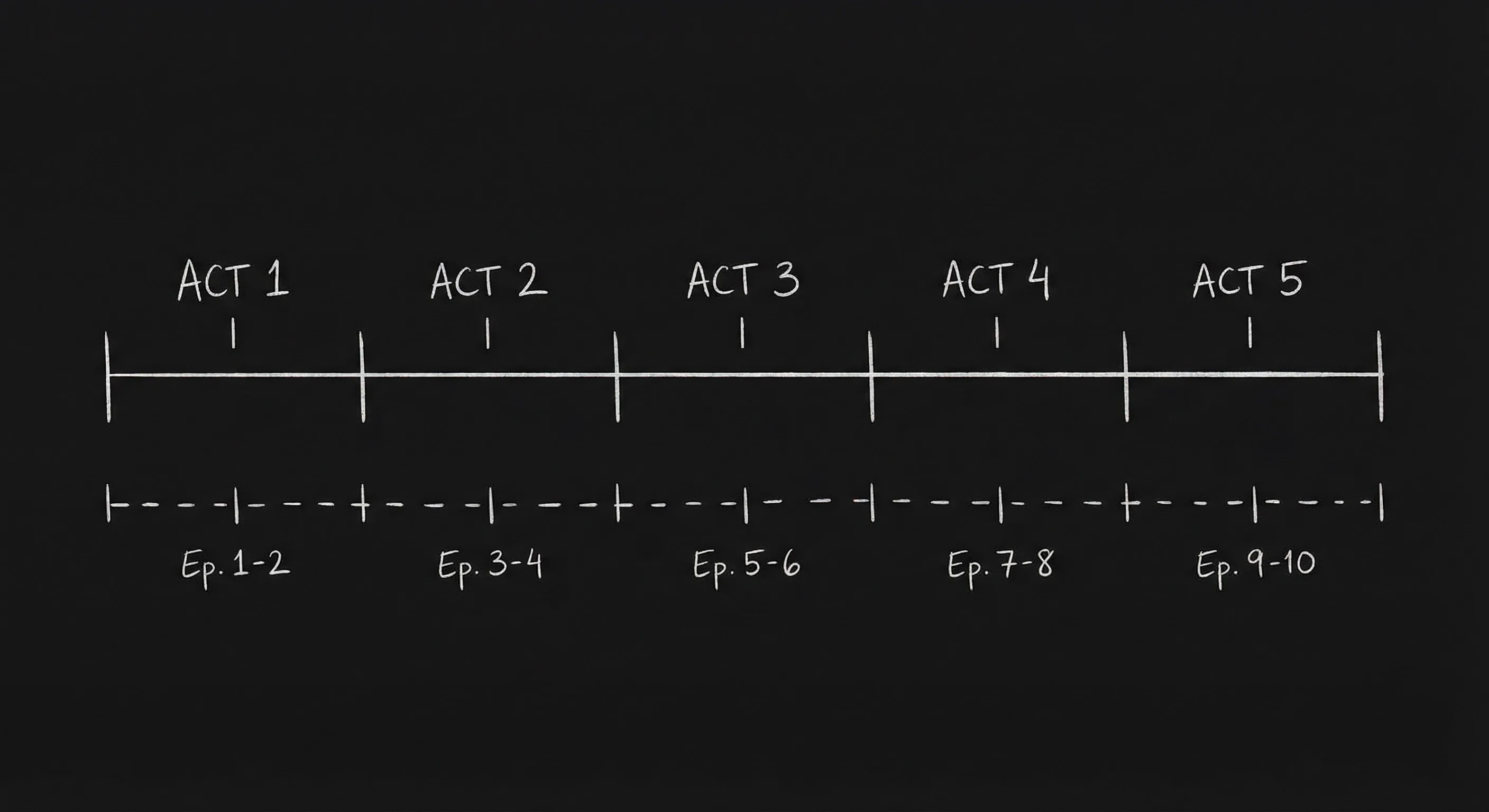
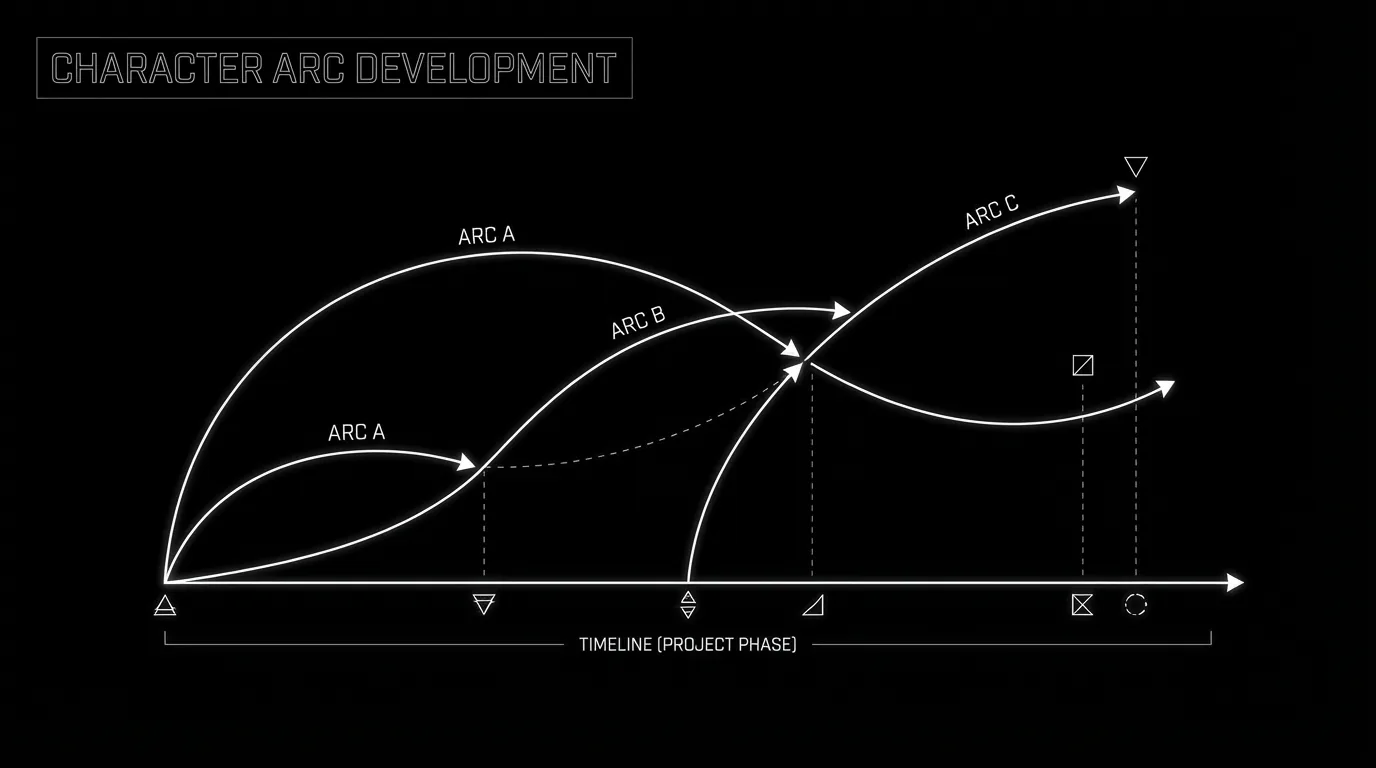
Six people in an office. Each has a life. You have 10 episodes. You can't give everyone six episodes of focus. Fix: Give each character one clear arc for the season, one want, one change (or one refusal). Then weave: Character A's arc peaks in episodes 2 and 8. Character B's in 3 and 7. Character C gets a slow burn across the season. Rotate who drives the A-plot each episode, but make sure the others appear in meaningful beats, their subplot advances, or they have a key reaction, or they foil the lead for that episode. For foils in ensemble, see character foils.
Relatable Scenario: The Family Drama
Four siblings. Parents. Partners. The cast is big. Fix: Anchor each episode on one or two characters' POV. The others are present, but the episode is "about" one sibling's choice or one secret. Over the season, each major character gets at least one episode where they're the engine. And give each a season arc, even if it's small (one relationship, one decision). For family secrets that drive plot, see family secrets.
Relatable Scenario: The Mystery With Many Suspects
Everyone has a motive. Everyone has screen time. The risk is that we lose track or that the real culprit gets too little time (or too much). Fix: Spread the suspicion. Give each suspect at least one scene where they could be guilty and one where they're human. Balance doesn't mean equal, it means everyone who matters gets a function in the story. For complex villains, see complex villains.
The Trench Warfare Section: What Beginners Get Wrong
Giving one character all the arcs. The lead changes, grows, wins. The rest react. Fix: Give each major character one arc or one clear beat of change (or refusal). It can be small. It has to be there.
Rotating focus with no throughline. This episode is about A, next about B, but A and B don't have season-long arcs. Fix: Map season arcs for each. Then use episodes to advance those arcs. The episode might focus on one person; the others still move their thread.
Introducing too many people too fast. We meet eight characters in the pilot. We remember two. Fix: Introduce in waves. Core group first. Add others as the story needs them. Give each a clear hook (voice, want, one detail) so we can tell them apart. For voice, see distinct voices.
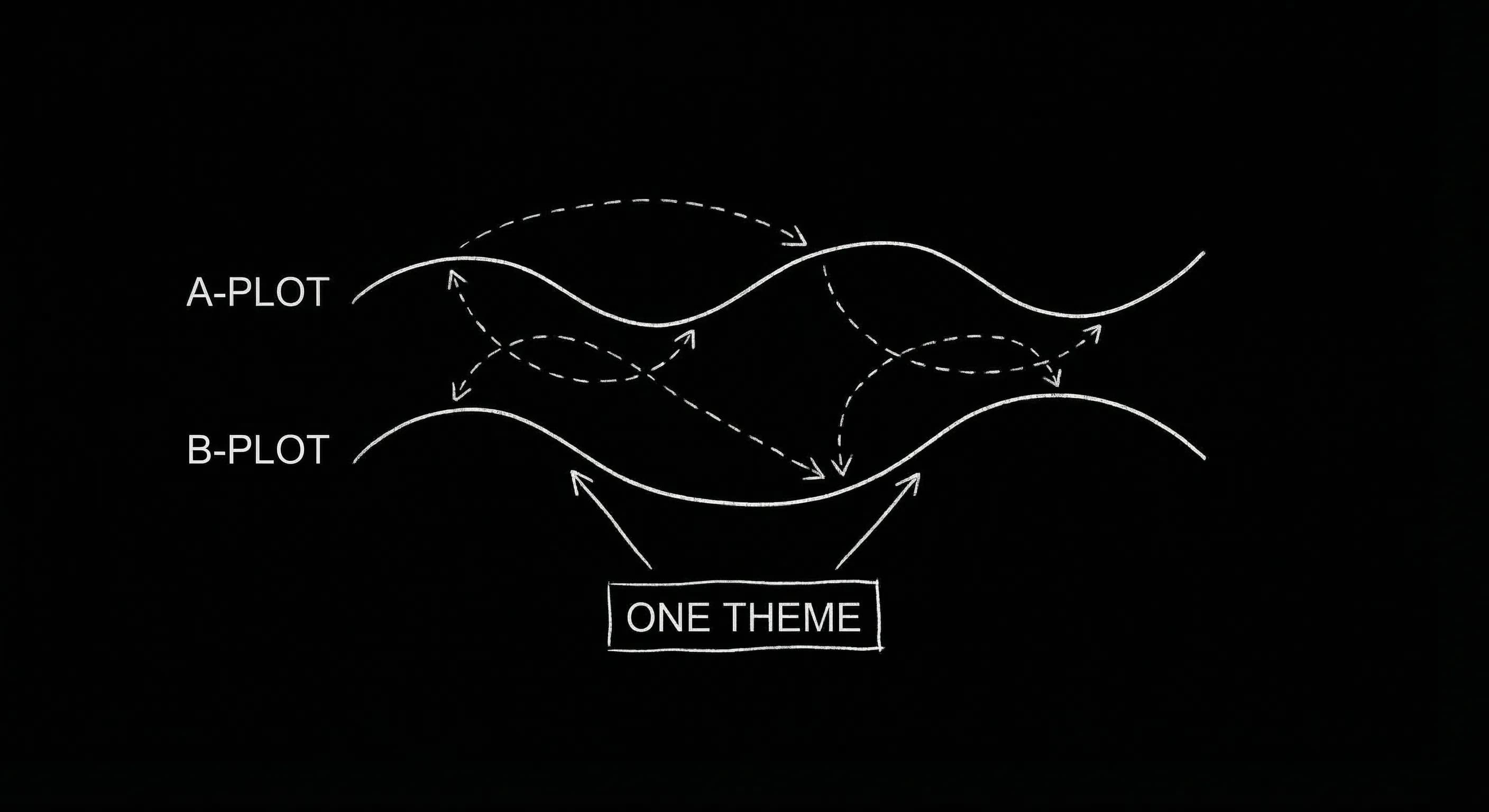
Making the ensemble feel like a roster. We're checking boxes: now B's scene, now C's. Fix: Weave stories. B's scene should affect or echo A's. Themes should connect the threads. When the ensemble feels like one world with many people, balance works. For thematic B-plots, see B-plot.
Forgetting who the audience cares about. You love character D. They get a lot of time. The audience cares more about A and B. Fix: Test with readers. Who do they ask about? Who do they forget? Adjust. Balance is for the audience, not for your favorites.
Try it free
Try Screenweaver for free on your script
It is free. Import your existing project, get a clearer view of your outline, and regain control of your story structure in minutes.
Start FreeBalancing: What to Do
| Do | Why |
|---|---|
| One arc (or one change) per major character per season | Everyone has a story |
| Rotate who drives the A-plot per episode | No one is furniture |
| Weave threads (themes, cause-effect) | Ensemble feels like one world |
| Introduce in waves; give each a hook | Audience can track and care |
| Meaningful time over equal time | We remember impact, not minutes |
Step-by-Step: Balancing an Ensemble Season
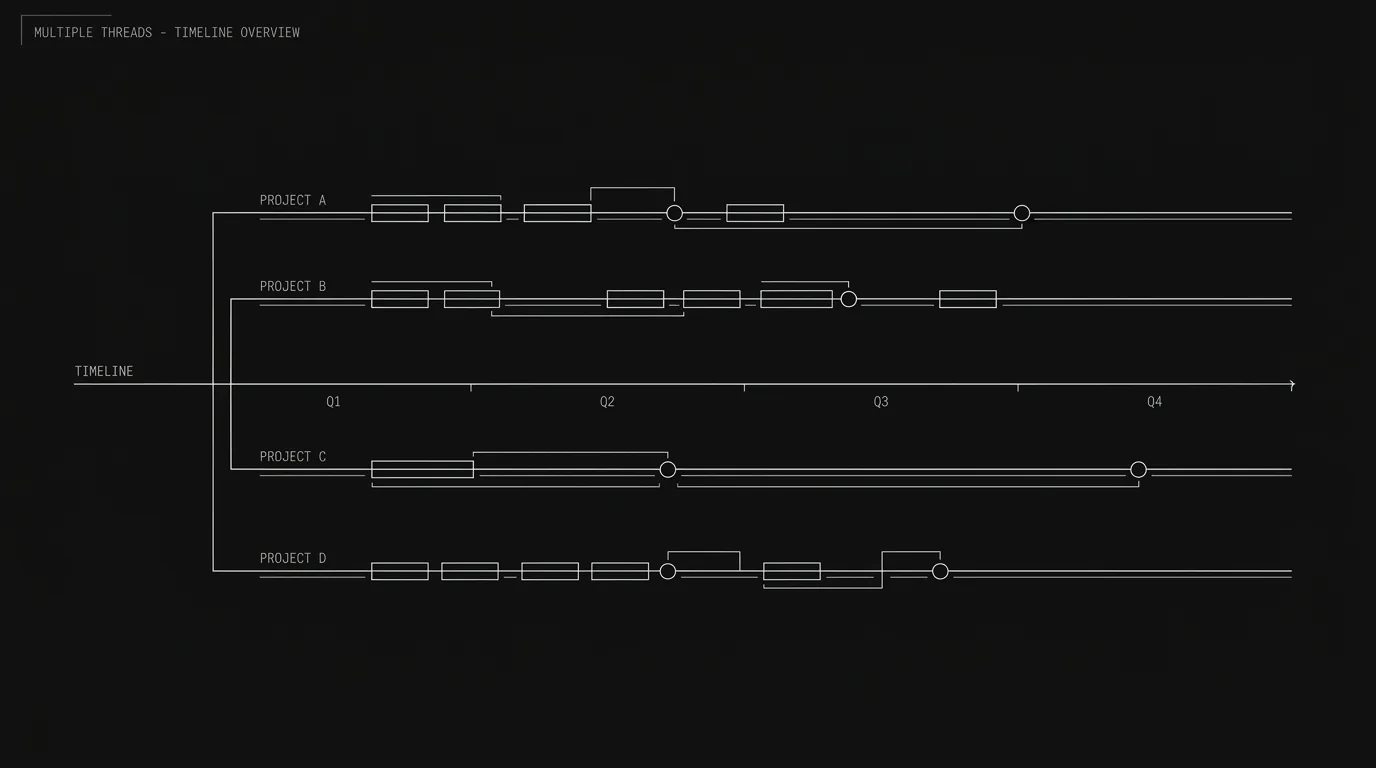
First: List the major characters (the ones we're supposed to care about). Second: For each, state one want and one arc for the season (change or refusal). Third: Map episode focus, who drives the A-plot in each episode? Spread it. Fourth: For each episode, note how the other characters' threads advance (subplot, reaction, thematic echo). Fifth: Read the season as a whole. Does every major character get a payoff? If someone is shortchanged, add a beat or two. For more on multiple storylines, see ensemble cast storylines. For voice, see distinct voices.
The Perspective
Balance an ensemble by giving each major character a want and an arc, by rotating who drives the A-plot, and by weaving threads so the group feels like one world. Don't give one character all the arcs. Don't spread focus so thin that no one lands. When every character we're asked to care about has a purpose and a payoff, the ensemble works. So map the arcs. Rotate the focus. And weave.
Final Step
Build your next script with Screenweaver
Move from ideas to production-ready pages faster with timeline-native writing and AI-assisted story flow.
Try Screenweaver