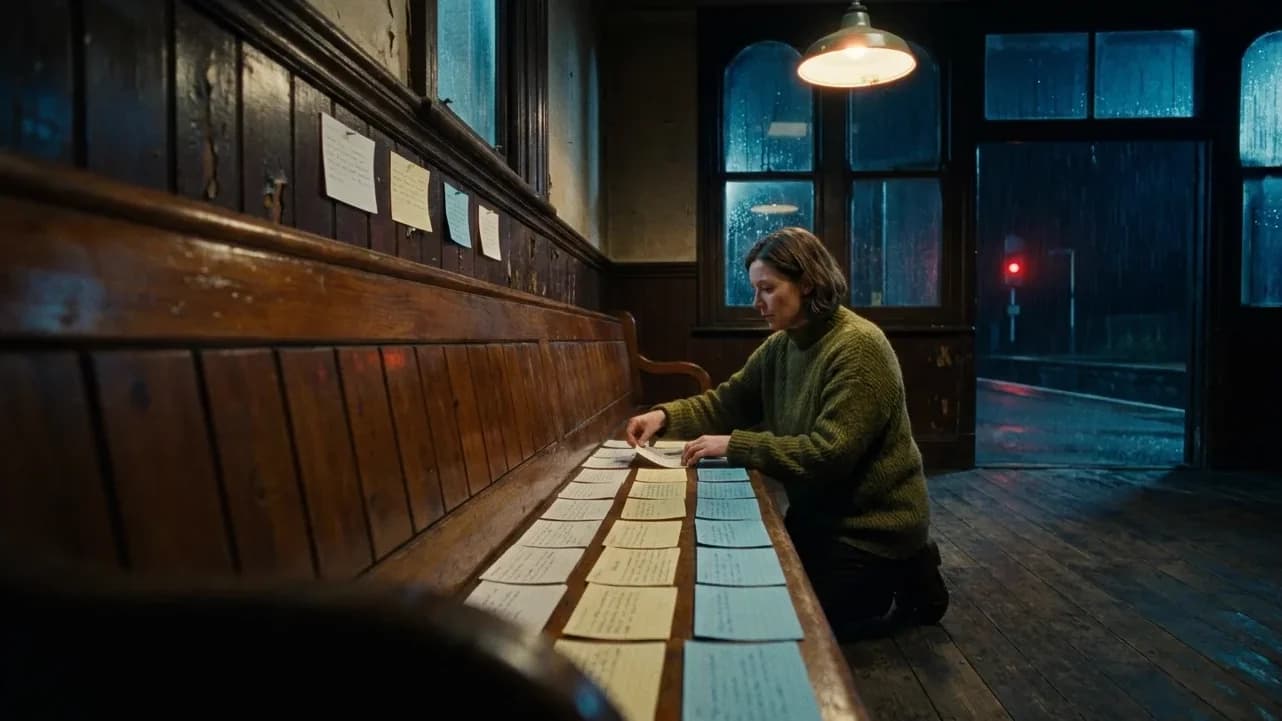

Six characters. Four plotlines. One script. The reader flips to page 40 and can’t remember when they last saw the protagonist. The B-story has taken over for fifteen pages. The comic relief has turned into the emotional center. Someone’s arc got dropped. Someone else is getting more screen time than the logline promised. It’s not that any single scene is bad. It’s that the balance is off,and by the time you feel it, you’re deep in the draft. Ensemble work is hard because you’re not just writing one story. You’re conducting.
From Friends to the Avengers, from Succession to The Bear, audiences expect multiple threads that braid and pay off. They also expect clarity. Confusion isn’t complexity. If the reader has to flip back to remember who’s doing what, you’ve lost them. This piece is about how to juggle multiple storylines without dropping the ball: how to assign weight, how to track who appears where, and how to see at a glance whether one thread is eating the others. We’ll also look at a concrete way to balance screen time using a visual map,so you’re not guessing who’s been absent too long.
What an Ensemble Actually Asks of You
A single-protagonist script has one spine. The character moves through the world; the world reacts. In an ensemble, you have several spines. They might share a goal (heist movie, team mission) or they might be orbiting the same theme (family, power, survival). Either way, each character needs enough presence that the audience cares,and the story needs a clear hierarchy. Who’s the lead? Who’s the B? Who’s support? If you don’t decide, the script will decide for you in the messiest way: the character you enjoy writing most will get the most pages, and the one you keep postponing will show up in a rush at the end. **Balance** doesn’t mean every character gets the same number of scenes. It means the distribution matches the story you’re telling. The protagonist gets the most weight. The others get enough to land their arcs or their function. No one disappears for so long that the audience forgets why they mattered.
The other demand is **clarity of throughline**. When you cut from thread A to thread B, the reader should know whose story they’re in. That sounds obvious. In practice, it’s easy to blur. You write a scene that’s really about the mentor, but the protagonist is in the room,so you tell yourself it’s a protagonist scene. It isn’t. The mentor is driving the beat. If you don’t count that scene as “mentor screen time,” your mental map is wrong. You need a way to see, in one place, which character is carrying which blocks of the script. Otherwise you’re flying blind.
Ensemble isn’t “lots of characters.” It’s “multiple storylines that share space and have to be weighted and tracked so the reader never loses the thread.”
Assigning Weight Before You Write
Before you get deep into pages, decide the pecking order. Who’s the A-story? Who’s the B? Who’s C, and are they a full arc or a recurring presence? Write it down. “Protagonist: 60% of script. Mentor: 20%. Antagonist: 15%. Comic relief: 5%.” The numbers are rough. The point is to have a target. When you’re in the middle of Act Two and the mentor has been in every scene for ten pages, you can check: did we mean for that? If the target was 20%, you’re over. Maybe that’s intentional,maybe the mentor is taking over for a stretch. Maybe it’s drift. You can’t fix what you don’t measure.
The same goes for storylines. In a heist movie, you might have the heist (A), the romance (B), and the cop on their tail (C). Each has beats. Each needs room. If the romance gets two scenes and the heist gets twenty, the romance will feel tacked on. If the cop disappears for forty pages, the threat goes cold. A beat sheet or outline that’s tied to the script can show you, at a glance, how many blocks or pages each thread has. You’re not counting by hand. You’re looking at the map. Our guide on the three-act structure lays out where the main turns usually fall; for an ensemble, you’re doing that once per major thread and then making sure they don’t all peak at the same time,or all go quiet at the same time.
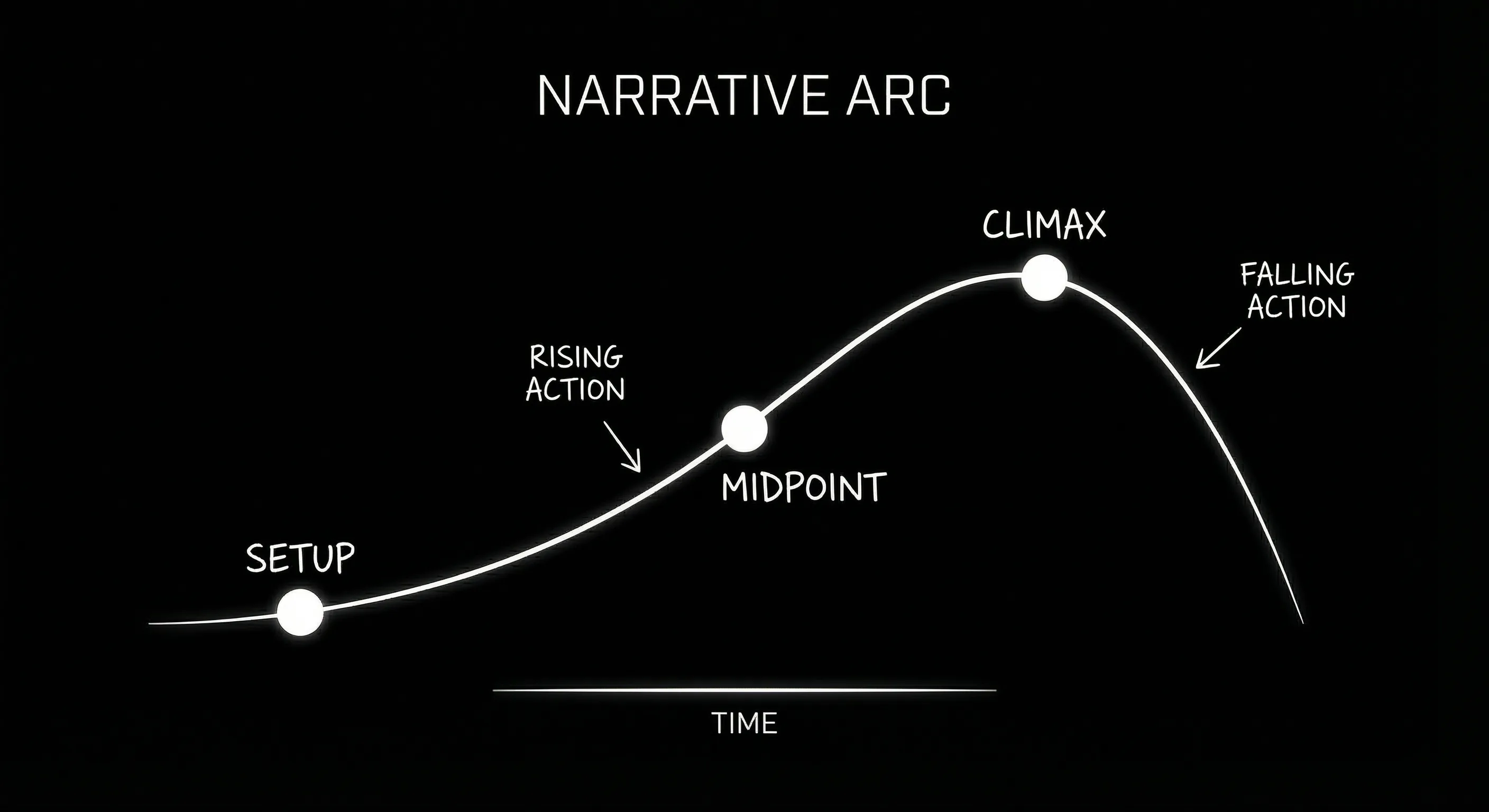
Seeing who carries which stretch of the script prevents one thread from swallowing the rest.
Using a Color-Coded Beat Sheet to Balance Screen Time
Once you know the target weight for each character or thread, you need to see where you’ve actually put them. A beat sheet that lists every sequence or scene is a start. But if every beat looks the same on the page, you’re still counting in your head. **Color-coding** changes that. You assign a color (or a label) to each major character or storyline. Every beat block gets tagged: this scene is protagonist, this one is mentor, this one is antagonist. When you look at the full timeline, you don’t see a list. You see a distribution. Long stretches of one color mean that character is dominating. Gaps mean someone’s been missing. You can spot the imbalance before a reader does.
In ScreenWeaver, the beat sheet is tied to the script and the timeline. You can assign colors to characters or to storylines. The map shows you, at a glance, how the script is balanced. Is the B-story clustered in Act One and then gone? Is the protagonist absent for the whole middle of Act Two? The color-coded beat sheet makes that visible. You don’t have to scroll through 110 pages to guess. You look at the blocks. You see who’s where. Then you adjust,move a beat, cut a scene, or add one,so the distribution matches the story you set out to tell. For writers who’ve tried to balance an ensemble in a single long document, the shift from “I think it’s okay” to “I can see it’s okay” is the difference between hope and control.
Balance isn’t guesswork. It’s visibility. When you can see every thread on one map, you stop over-serving the thread you love and under-serving the one you’ve been avoiding.
| Problem | What the Reader Feels | What to Do |
|---|---|---|
| One thread dominates | “Where’s the protagonist?” or “The B-story took over” | Check distribution; trim or relocate dominant thread so A-story holds weight |
| Someone disappears too long | “I forgot about that character” or “Their return felt random” | Add a beat or a mention so the character doesn’t vanish for 30 pages |
| All threads peak together | Climax feels crowded or one arc overshadows the others | Stagger peaks; let B or C resolve slightly before or after A |
| No clear A-story | “I didn’t know who to root for” or “It felt scattered” | Pick the spine; make other threads support or contrast that spine |
Braiding Threads So They Pay Off
Multiple storylines only work if they connect. The connection can be thematic (everyone’s dealing with trust), plot-based (every thread feeds the climax), or character-based (B-story is the protagonist’s relationship with the mentor). If the threads are fully separate,like two movies pasted together,the reader will wonder why they’re in the same script. So when you design the ensemble, ask: how does the B-story affect the A? How does the antagonist’s thread intersect the protagonist’s? The best ensembles feel like one story told from several angles, not several stories sharing a binder.
Payoff matters. If you set up a character’s arc in Act One, the audience expects it to land. In an ensemble, it’s easy to set up four arcs and only pay off two. The other two drift. The reader might not list “unresolved B-story” in their notes; they’ll just feel that something was missing. So when you’re reviewing the map, check each thread: did this character get a beginning, a middle, and an end? It doesn’t have to be a huge arc. It has to be complete. For more on how to land character change, our piece on character arcs applies to every thread you’re running,each major character needs a clear trajectory.
Keeping Voices Distinct When Everyone’s on the Page
The more characters you have, the more important it is that they sound different. If the mentor and the protagonist and the comic relief all talk in the same rhythm and vocabulary, the reader will confuse them,or stop caring who’s speaking. **Voice** becomes a way to orient. The character who never finishes a sentence. The one who speaks in paragraphs. The one who deflects with jokes. When each character has a recognizable pattern, the reader can follow the thread even when the scene is crowded. When they don’t, every line blurs. That’s especially true in ensemble pieces where you’re cutting between threads quickly. The audience needs to know whose head they’re in. Voice is one of the fastest ways to signal that. For concrete ways to keep character voice consistent across a long script, see our guide on keeping characters consistent and avoiding voice drift.
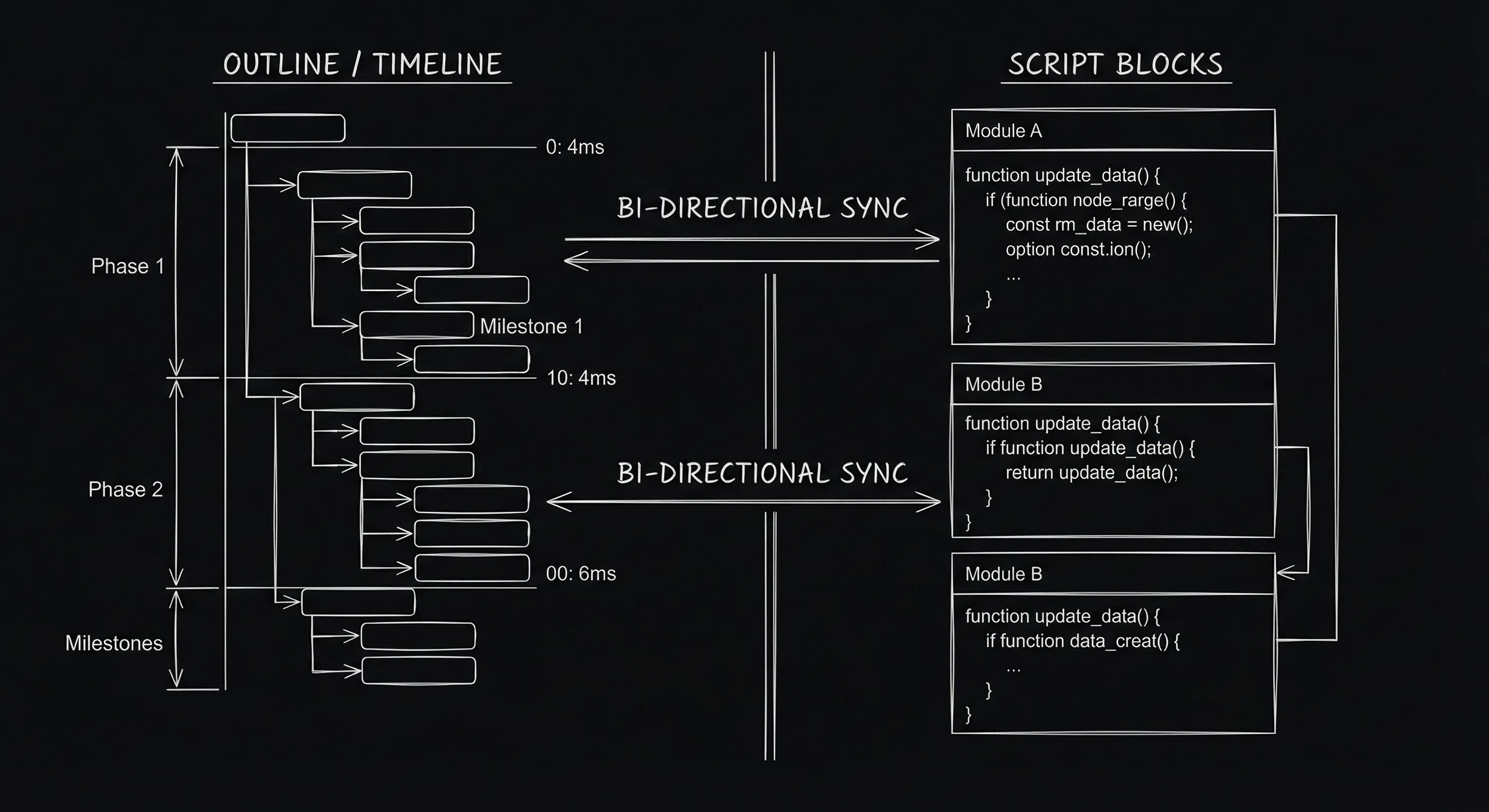
Distinct voices help the reader track who’s who when storylines intercut.
The Midpoint in an Ensemble
In a single-protagonist script, the midpoint is the protagonist’s turn. In an ensemble, you might have several midpoints,one per major thread,or one big turn that affects everyone. The risk is either crowding (everyone has a revelation on the same page) or diluting (no one has a clear turn). A useful approach: give the A-story the primary midpoint, and let the B and C threads have smaller turns that support or contrast it. The map helps again. If you can see where each thread’s “midpoint” falls, you can stagger them so the script doesn’t feel like everything happened at once,or like nothing happened at all. For more on how to land the midpoint in general, our piece on mastering the midpoint applies; for ensemble, you’re applying it per thread and then checking the overall rhythm.
The Takeaway
Writing an ensemble means conducting multiple storylines so the reader never loses the thread and no single thread dominates (or vanishes) by accident. Assign weight before you write: who’s A, who’s B, who’s support. Use a **color-coded beat sheet** tied to the script so you can see, at a glance, how screen time is distributed. When one color runs too long, trim or relocate. When there’s a long gap, add a beat or a mention. Braid the threads so they connect,thematically or in the plot,and pay off every arc you set up. Keep voices distinct so that when you cut between characters, the reader knows whose story they’re in. The goal isn’t to make every character equal. It’s to make the distribution match the story you promised,and to see that distribution on the map instead of in your head. When you can see it, you can fix it before the reader has to.
Final Step
Build your next script with Screenweaver
Move from ideas to production-ready pages faster with timeline-native writing and AI-assisted story flow.
Try Screenweaver