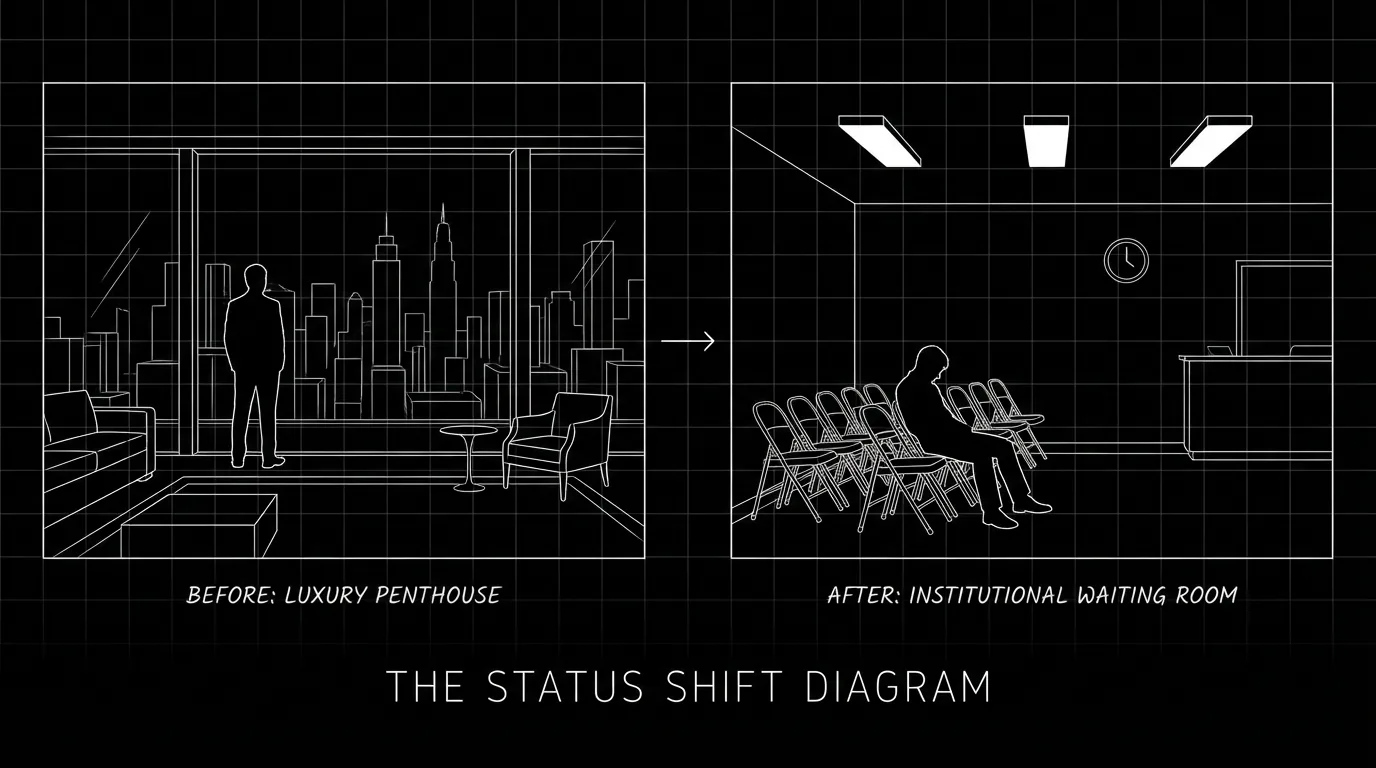

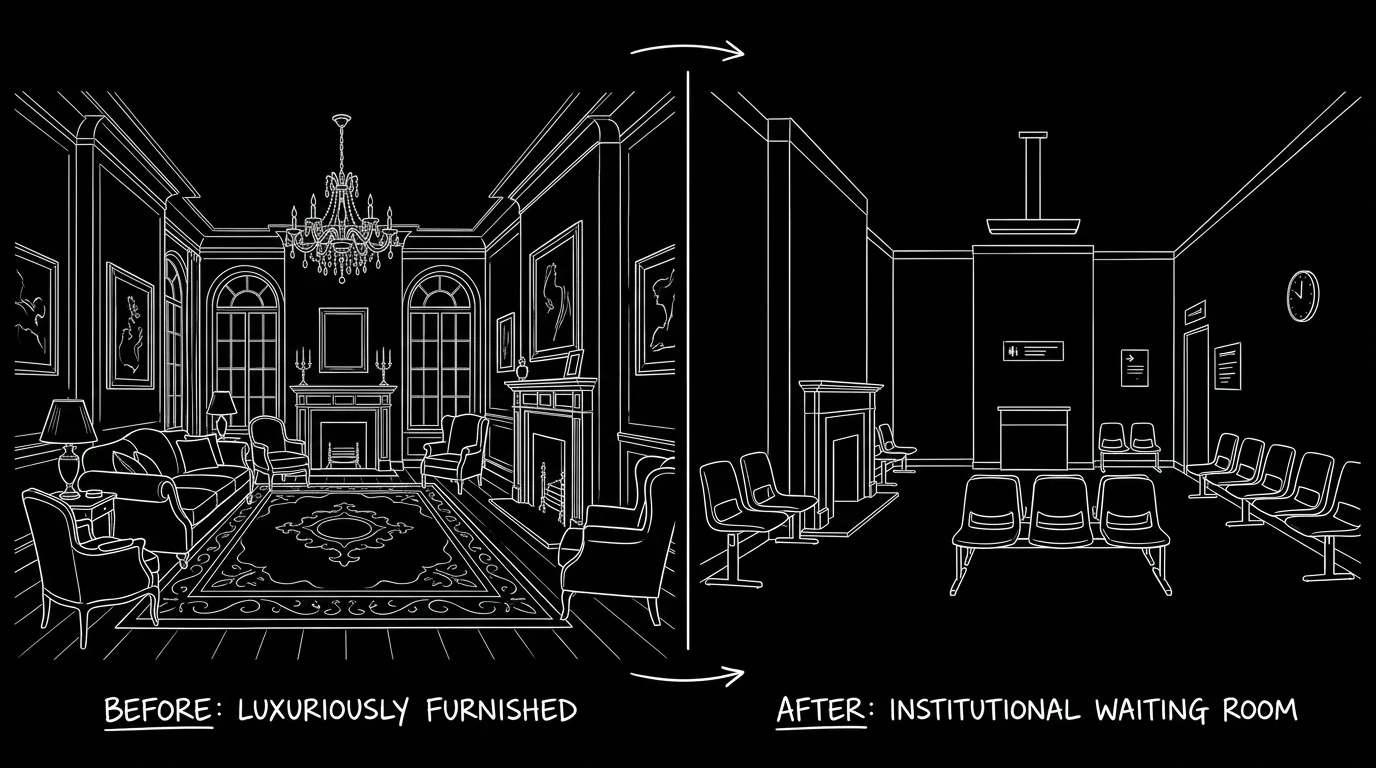
We last saw her in a penthouse suite, heels clicking on marble, champagne untouched. Now she sits on a plastic chair in a welfare office, clutching a numbered ticket. Nothing is said. Everything is understood.
The before/after scene is one of cinema's most powerful tools: showing transformation through contrast, without a single line of dialogue. Two scenes, separated by time, visually linked by their differences. The audience does the math. They understand what happened, and more importantly, they feel it.
Writing this kind of scene requires restraint. No exposition. No explanation. Just image against image, and the gulf between them.
Free tool: use the Slugline Formatter to clean up and standardize your scene headings.
Cinematic workflow frames
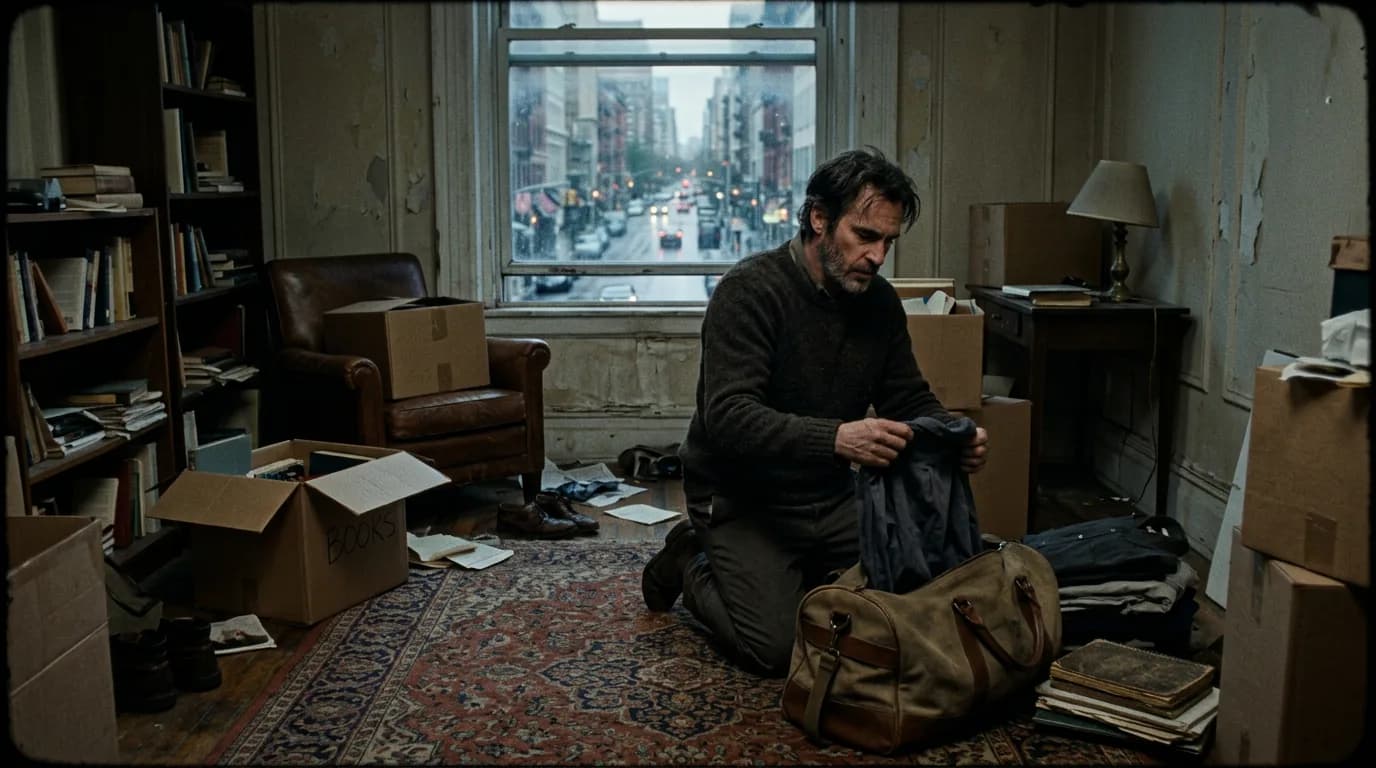
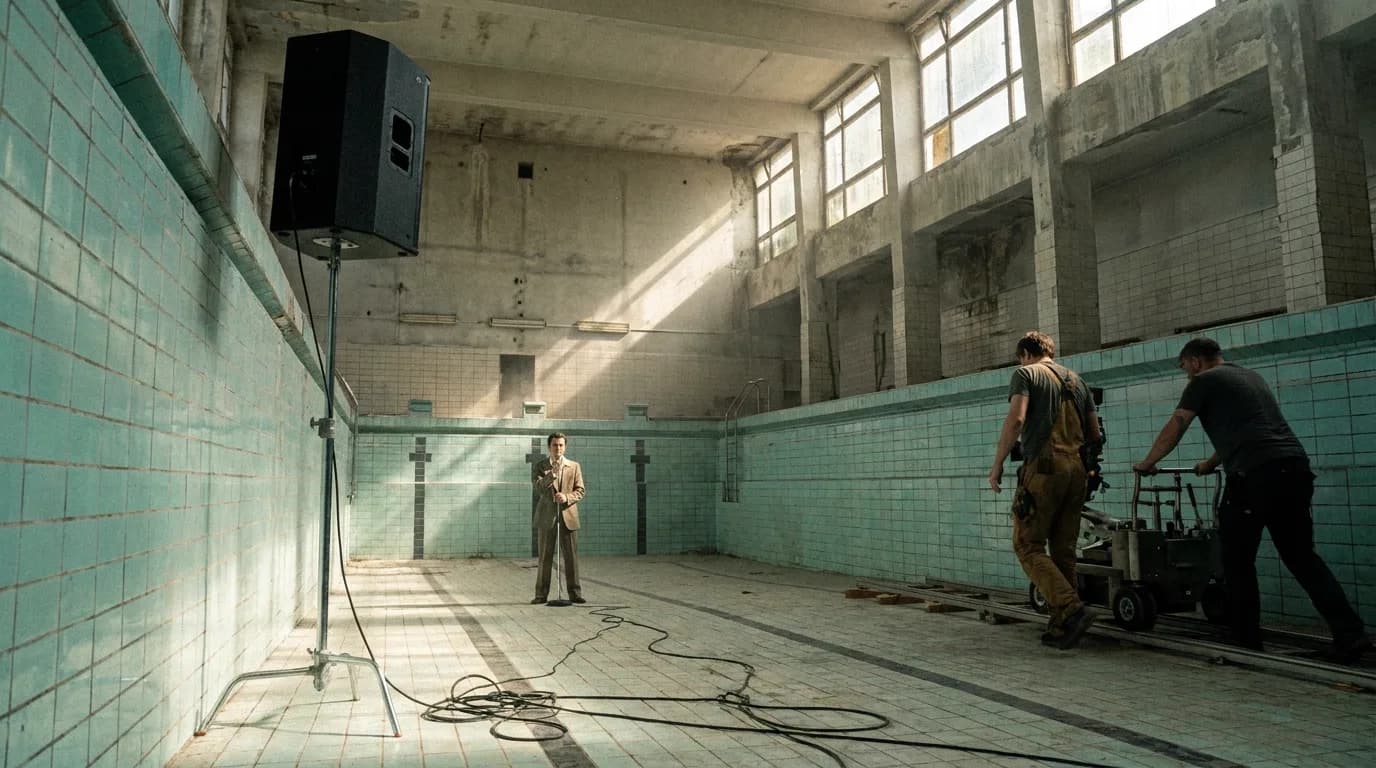
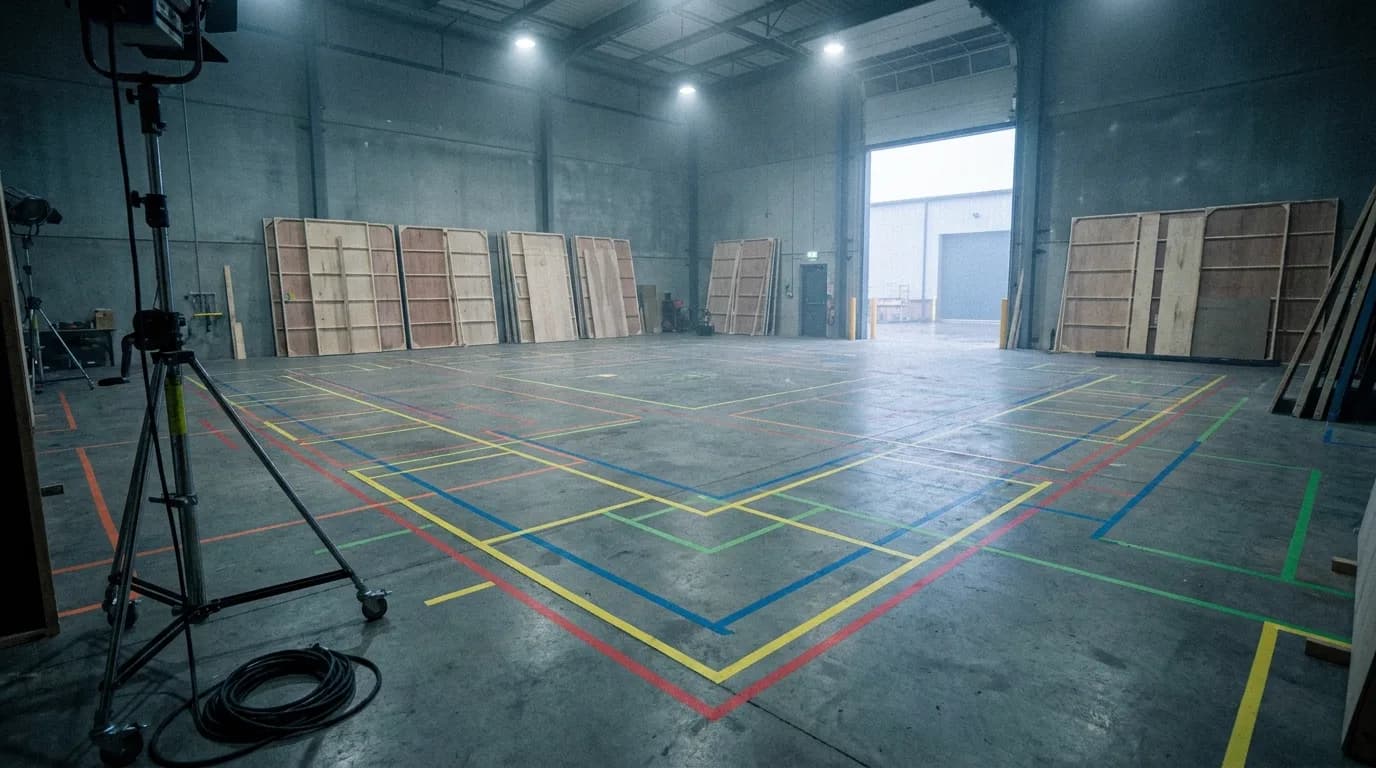
These two visuals work as a pair: the first shows Cinematic workflow still, first angle, 35mm film grain, and the second shifts to Cinematic workflow still, second angle, 35mm film grain - compare them briefly, then move on.
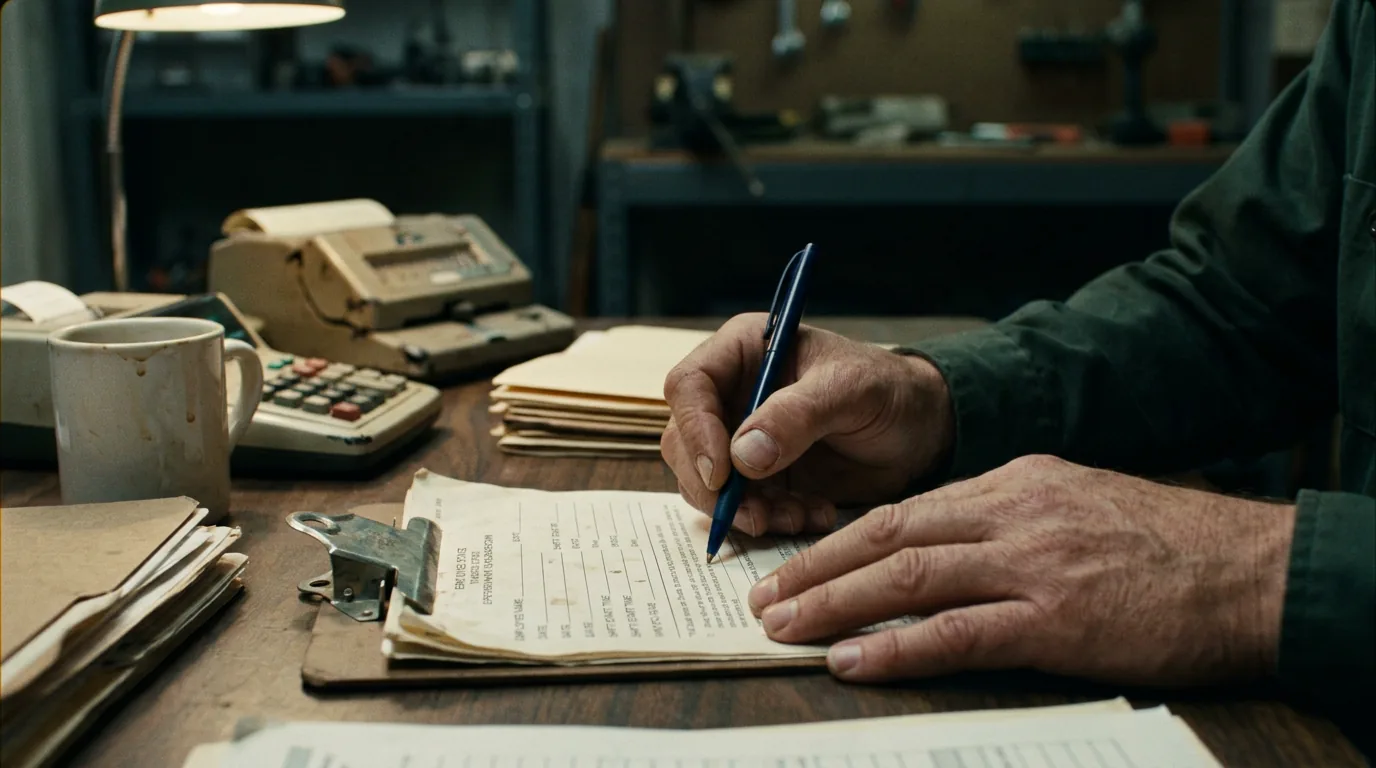
What Makes Before/After Work
The technique relies on:
Visual contrast. The same element appears in both scenes, a location, an object, a posture, but transformed. The contrast carries meaning.
Temporal gap. Time has passed. We don't see what happened in between. The gap creates narrative space; the audience fills it.
Absence of dialogue. The scene speaks through image. Words would diminish the impact.
When done well, before/after scenes deliver emotional payoffs that dialogue cannot. They show rather than tell. They trust the audience.
Technique #1: The Same Location, Different State
The character occupies the same space in both scenes, but everything has changed:
Example:
BEFORE: INT. MARCUS'S APARTMENT – NIGHT (TWO YEARS EARLIER)
The apartment is alive: GUESTS mill about, JAZZ plays, MARCUS (35, vibrant) refills drinks with easy confidence. The city sparkles through floor-to-ceiling windows.
AFTER: INT. MARCUS'S APARTMENT – NIGHT (PRESENT)
Same apartment. Empty. Dust covers surfaces. The windows are dark, curtains drawn. Marcus sits alone, a single bulb illuminating his unshaven face.
No dialogue. The apartment tells the story. Something happened, and Marcus fell.
Technique #2: The Same Object, Different Context
An object appears in both scenes, but its meaning shifts:
Example:
BEFORE: INT. WEDDING VENUE – DAY
Elena slips a WEDDING RING onto James's finger. Their smiles are incandescent.
AFTER: INT. ELENA'S BATHROOM – NIGHT
Elena holds the same RING over the sink. A long moment. She lets it drop. The ring CLINKS against porcelain, rolls into the drain.
The ring carries the whole relationship. Its disposal carries the whole ending.
Technique #3: The Same Character Action, Different Meaning
The character does the same thing in both scenes, but context transforms the meaning:
Example:
BEFORE: EXT. TRACK – DAWN
David RUNS, effortless, powerful, the motion of an athlete in his prime. He passes other runners easily.
AFTER: EXT. TRACK – DAWN (SIX MONTHS LATER)
David RUNS, labored, slower, a prosthetic leg visible below his shorts. He's alone on the track. But he's running.
Same action. Different body. Different meaning. The before shows ability; the after shows triumph over loss.
A Table: Before/After Elements and Their Contrasts
| Element | Before | After | What It Communicates |
|---|---|---|---|
| Location state | Lived-in, vibrant | Abandoned, dusty | Loss, time passed |
| Object possession | Worn, treasured | Discarded, destroyed | End of significance |
| Physical ability | Strong, capable | Diminished, adapted | Injury, aging, recovery |
| Social context | Surrounded by others | Alone | Isolation, fall from grace |
| Clothing/appearance | Polished, put-together | Disheveled, minimal | Internal state change |
| Space | Crowded, cluttered | Empty, sparse | Loss, departure |
Try it free
Try Screenweaver for free on your script
It is free. Import your existing project, get a clearer view of your outline, and regain control of your story structure in minutes.
Start FreeWriting Without Dialogue
The before/after scene is silent by design. Here's how to write it:
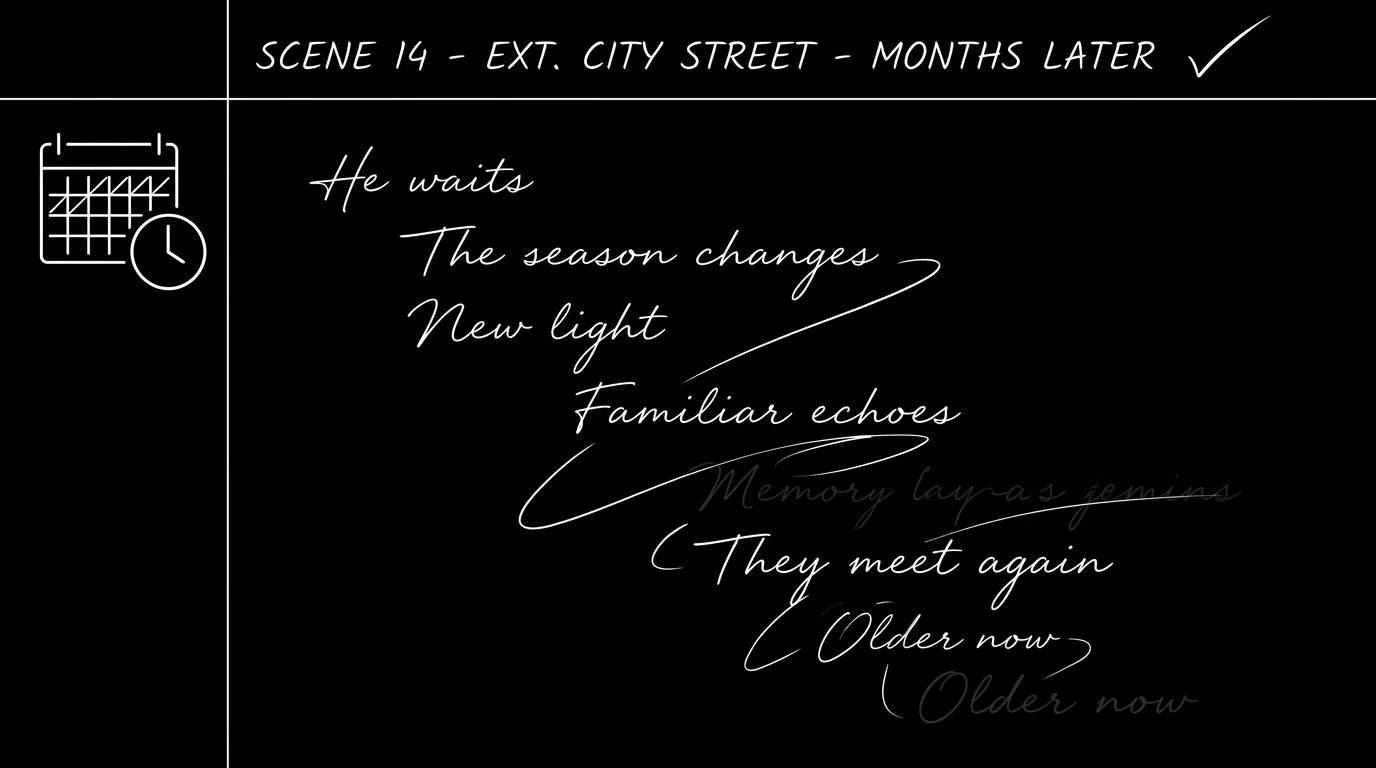
Scene heading. Include the time indicator: "TWO YEARS EARLIER," "PRESENT DAY," "SIX MONTHS LATER."
Action description. Describe visual details. Be specific. What the audience sees IS the story.
No dialogue. If a character speaks, you've broken the technique. Let the image carry the weight.
Optional: music cue. You can indicate music if it's essential, but be sparing. Let silence speak.
Example:
BEFORE: INT. SARAH'S STUDIO – MORNING (FIVE YEARS AGO)
Canvases cover every wall. Paint splatters the floor. SARAH (25) works furiously, alive with creation.
AFTER: INT. SARAH'S STUDIO – MORNING (NOW)
The same room. The canvases are gone, only blank walls. Paint stains remain, like ghosts. Sarah (30) sits in the center, staring at nothing.
The reader sees the transformation. They don't need Sarah to explain.
The "Trench Warfare" Section: What Goes Wrong
Failure Mode #1: Explaining the Contrast
After the visual contrast, a character says: "Things sure have changed around here."
How to Fix It: Trust the image. If you've set up the contrast correctly, the audience understands. Dialogue explaining it undermines the power.
Failure Mode #2: No Clear Visual Link
The before scene is in an apartment; the after scene is on a beach. There's no element connecting them.
How to Fix It: Create a visual through-line: same location, same object, same action. The contrast needs something constant to contrast against.
Failure Mode #3: Too Much Happening
The before scene has a party, a phone call, and a revelation. The after scene has a breakup, a chase, and a death. There's no stillness for the comparison to land.
How to Fix It: Simplify. Before/after scenes work best when each scene is a single image: the character in a state. Let the state speak.
Failure Mode #4: Time Gap Is Unclear
The reader doesn't know how much time has passed. Is this the next day or ten years later?
How to Fix It: Indicate time in scene headings. "TWO YEARS LATER." "ONE WEEK AGO." Clarity enables contrast.
Failure Mode #5: Contrast Is Too Subtle
Both scenes look basically the same. The transformation isn't visible.
How to Fix It: Make the contrast dramatic. If the before is light, the after is dark. If the before is full, the after is empty. Subtlety is for dialogue; before/after is visual.
Sequencing: Which Comes First?
Option A: Before, then After.
Show the original state, then jump to the transformed state. The audience understands linearly.
Option B: After, then Before (flashback).
Open with the present (fallen state), then flash back to the past (original state). This creates mystery: How did they get here?
Option C: Intercut.
Cut between past and present repeatedly. More complex, but can build emotional resonance through juxtaposition.
Most commonly, before-then-after is clearest. But opening with "after" can create powerful hooks.
Case Study: Up – The Opening Montage
The opening of Up is a masterclass in before/after: Carl and Ellie's life together, told through images. Wedding, home, dreams, setbacks, aging, loss. No dialogue beyond a few lines. The contrast between young couple dreaming and old man alone speaks everything.
The screenwriters trusted the images. The audience filled in the emotion. The result is one of cinema's most affecting sequences.
The Perspective: Showing, Not Telling
Before/after scenes embody the oldest writing advice: show, don't tell. But they go further, they show through absence. What's missing from the "after" scene tells us what was lost. What remains tells us what endured.
This is visual storytelling at its purest. No dialogue. No exposition. Just two images and the space between them. The audience does the emotional work, and that's why it hits so hard.
When you write a before/after scene, you're trusting your collaborators (director, production designer, actor) and your audience. You're saying: "I'll give you the images. You'll feel the meaning."
That trust is the craft.
[YOUTUBE VIDEO: A video essay analyzing silent before/after sequences in film, showing how contrast creates emotional impact without dialogue.]
Further reading:
- For writing internal states through action, see the unfilmable action line: writing what can't be seen.
- If you're using visual transitions to connect scenes, see the match cut: indicating brilliant transitions.
- Nerdwriter has essays on visual storytelling at youtube.com/@Nerdwriter1{:rel="nofollow"}.
Final Step
Build your next script with Screenweaver
Move from ideas to production-ready pages faster with timeline-native writing and AI-assisted story flow.
Try Screenweaver