
The wise old man who has all the answers. The mentor who appears, teaches, and dies (or leaves) so the hero can stand alone. We've seen it. So has the audience. The mentor figure still works, but it works better when you subvert the trope: when the mentor is wrong sometimes, when they have a cost, or when they're not old, not a man, and not wise in the way we expect. Here's how to use and refresh the mentor so they feel like a character, not a function.
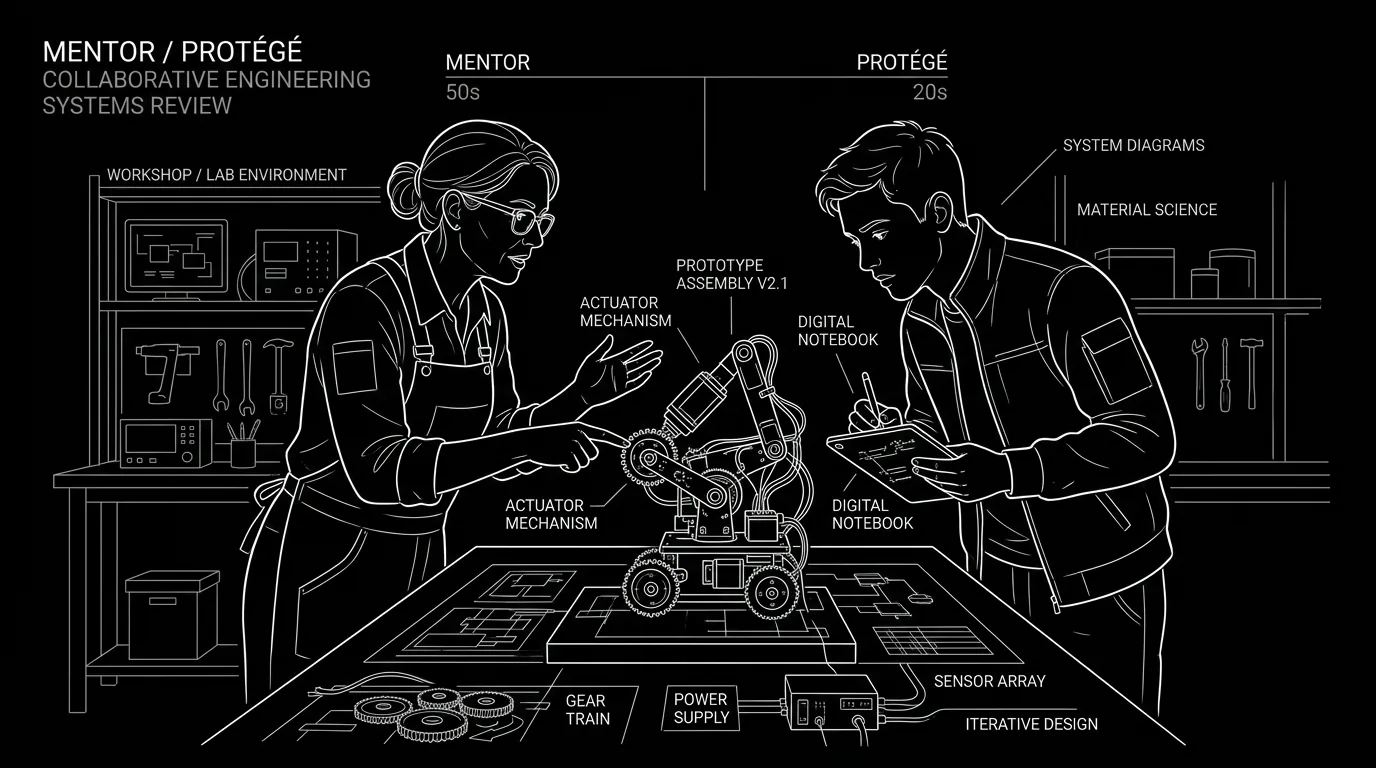
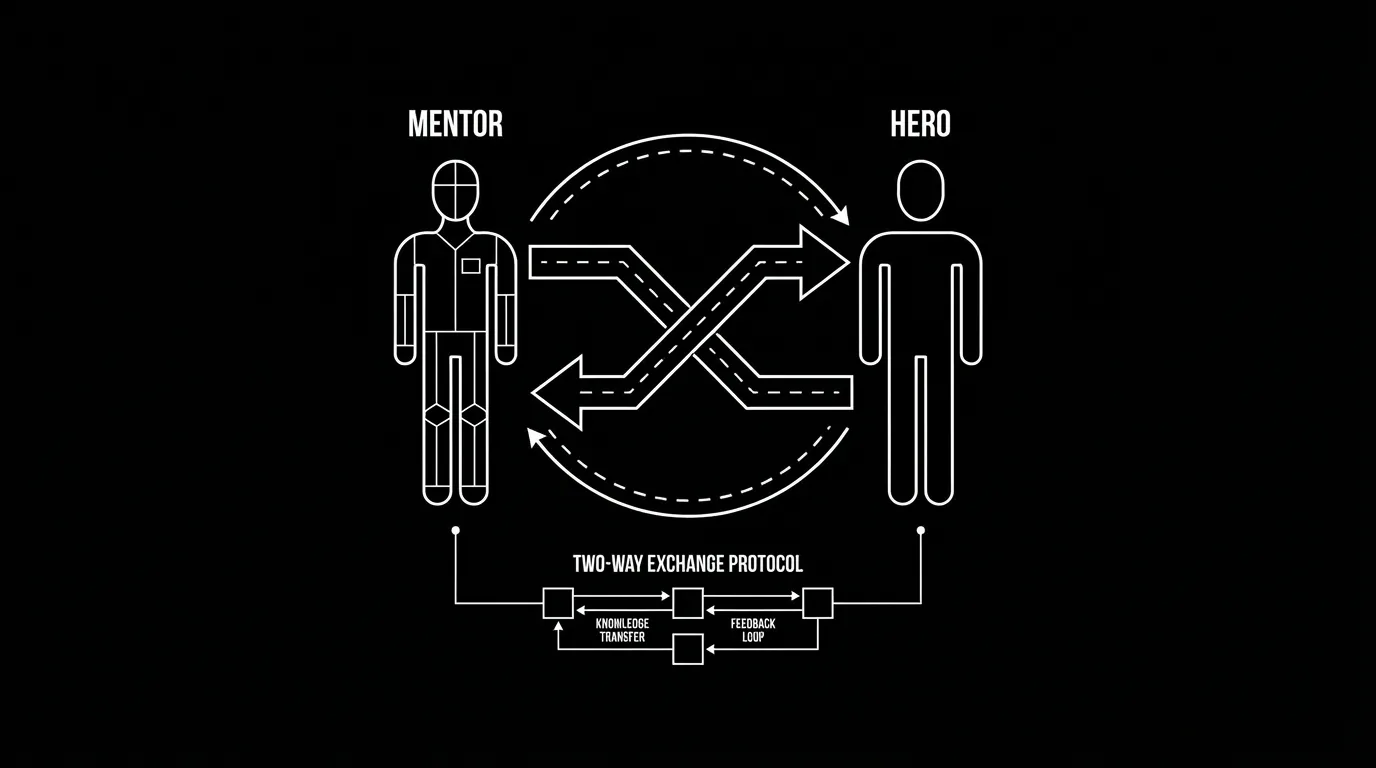
The best mentor has something to teach and something to learn. They're not a dispenser of wisdom, they're in the story.
Think about it this way. The mentor's job is to push the protagonist toward growth or skill. The trope makes them only that: a teacher, then a sacrifice or an exit. When you subvert, you give them a want, a flaw, and a relationship that goes both ways. Maybe they're wrong about the hero. Maybe the hero teaches them something. Maybe they're reluctant to mentor. Maybe they're not wise, they're just further down a bad road. Our guide on character foils applies: the mentor often foils the hero (they have what the hero needs; they've made different choices). This piece is about making the mentor a full character. For the hero's need to grow, see want vs need.
Why the Trope Feels Tired
The wise old man (or woman) appears. They have the answer. They give the hero the tool or the speech. They die or leave. The hero is ready. It's clean, and predictable. The audience has seen it in a hundred stories. Subverting doesn't mean killing the mentor. It means giving them contradictions: they're wrong about something, they need something from the hero, they're messier than the trope. When the mentor has a stake in the story beyond "teach and exit," the relationship feels real. For protagonists who need to become active, see passive protagonist, sometimes the mentor has to fail to save the hero so the hero acts.
Relatable Scenario: The Mentor Who Is Wrong
They've been through it. They think they know what the hero needs. They're partly right and partly wrong. The hero has to reject one piece of the mentor's advice to succeed. The mentor might be hurt. They might learn. They might double down. The subversion is that the mentor isn't infallible. The hero has to think for themselves. For character arcs, see character arcs.
Relatable Scenario: The Reluctant Mentor
They don't want to teach. They're retired, broken, or hiding. The hero drags them in. The mentor's arc might be re-engagement, they remember why they cared. Or they stay reluctant and the hero gets what they need anyway (tough love, one lesson, a warning). The subversion is that the mentor isn't eager. The relationship is a push-pull. For want vs need, see want vs need, the mentor might need to mentor as much as the hero needs to learn.
Relatable Scenario: The Mentor Who Is the Same Type as the Villain
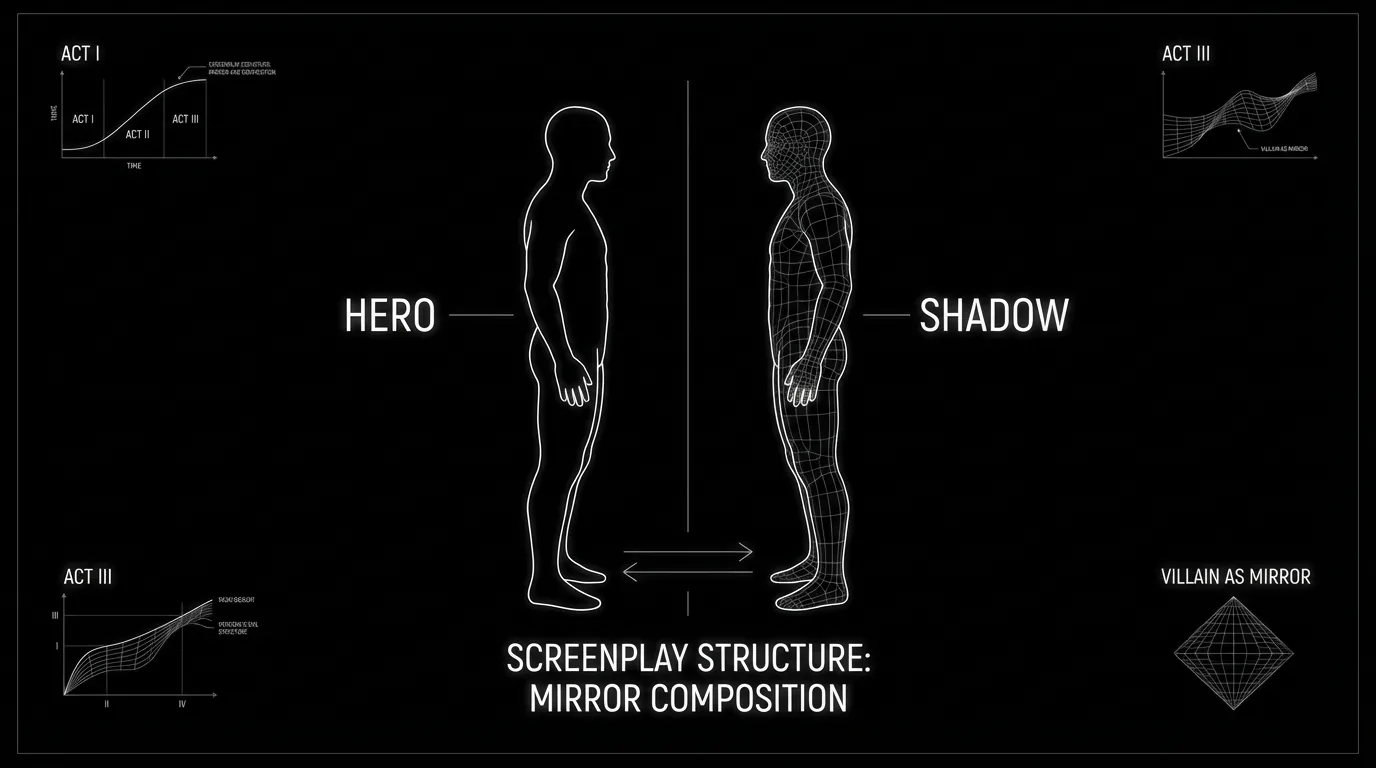
They've walked the same path as the antagonist. They chose differently, or they didn't, and they're trying to fix it through the hero. The mentor isn't pure wisdom; they're recovered or struggling. They have a past. The subversion is that the mentor and the villain are mirrors. The hero is caught between two versions of the same path. For villains as mirrors, see Jungian shadows.
The Trench Warfare Section: What Beginners Get Wrong
Making the mentor only a teacher. They exist to deliver wisdom and then leave. Fix: Give them a want. What do they need from the hero or from the world? Maybe they need to believe the hero can do it. Maybe they need redemption. The mentor is in the story for themselves too.
Making the mentor always right. Every piece of advice works. Fix: Let them be wrong about one big thing. The hero has to figure it out. The mentor can learn, or they can refuse to, either way, they're not a oracle.
Killing the mentor on schedule. They die so the hero can fly solo. It's expected. Fix: If you kill them, give the death meaning and cost. Or don't kill them, let them stay, changed. Subversion can be "the mentor lives and has to deal with what they've set in motion."
Using the same profile. Old. Male. Calm. Fix: Vary. Young mentor. Female mentor. Mentor who is messy, funny, or damaged. The function is "push the hero"; the character can look and sound like anyone. For foil design, see character foils.
No cost to the mentor. They give and give. Fix: Mentoring should cost them something, time, safety, emotion. When the mentor is reluctant or pays a price, the relationship has weight.
Try it free
Try Screenweaver for free on your script
It is free. Import your existing project, get a clearer view of your outline, and regain control of your story structure in minutes.
Start FreeMentor: Trope vs. Subversion
| Trope | Subversion |
|---|---|
| Wise, calm, has all answers | Wrong sometimes; has blind spots |
| Eager to teach | Reluctant; or needs the hero as much |
| Exists to serve the hero | Has own want and stake |
| Dies or leaves so hero can stand alone | Lives and deals with consequences; or hero rejects part of their teaching |
| One profile (old, male, sage) | Any age, gender, style |
Step-by-Step: Building a Mentor Who Subverts
First: State what the mentor teaches (skill, lesson, tool). Second: Give them a flaw or a wrong belief, something the hero will have to overcome or reject. Third: Give them a want, what do they need from the hero or from mentoring? Fourth: Decide their relationship to the villain or to the hero's path, mirror? Opposite? Fifth: If they die or leave, make it earned and costly. If they stay, give them something to do after the lesson. For more on character, see fatal flaw and character arcs.
The Perspective
Use the mentor to push the hero. Then subvert: give them a want, a flaw, and a reason to be wrong sometimes. Vary who they are. Let the hero reject part of their teaching. When the mentor is a character in the story, not just a dispenser of wisdom, the trope feels fresh. So teach, but let them learn too. And let them cost something.
Final Step
Build your next script with Screenweaver
Move from ideas to production-ready pages faster with timeline-native writing and AI-assisted story flow.
Try Screenweaver