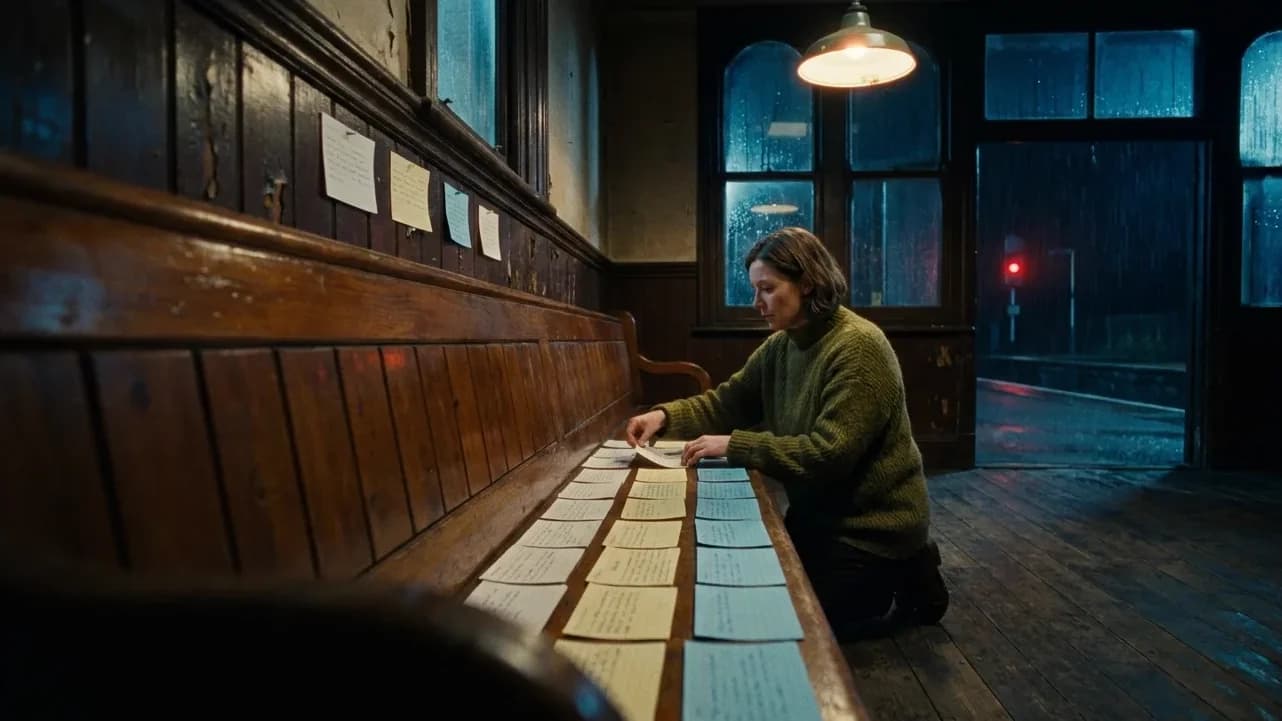
The script reads smooth. Page forty-two. Then it happens: a slug line that makes every reader groan. "FIVE YEARS AGO." Another one. "THREE MONTHS EARLIER." You've seen it before. The story screeches to a halt. Momentum dies. The audience checks their watch.
Flashbacks are one of the most abused devices in screenwriting. Writers love them because they feel like shortcuts to character depth or plot clarity. They promise to fill in the backstory, explain the motivation, solve the mystery. What they usually deliver is a narrative traffic jam. The forward momentum of your story,the thing that keeps viewers hooked,sacrificed at the altar of "but the audience needs to know."
They don't. Not always. And when they do, there are better ways to deliver that information.
Consider the last film you watched where a flashback made you groan. What was wrong with it? Chances are it stopped the story dead to deliver something the writer thought you needed. The character's childhood trauma. The origin of the feud. The moment they met. Information, delivered like a PowerPoint slide. The present tense of the story,the thing that had you leaning forward,evaporated. You were suddenly in a different movie, one you didn't ask to see. That's the flashback trap. And it's entirely avoidable.
Why Flashbacks Feel Like Pacing Killers
Every time you cut to the past, you're asking the audience to do work. They must reorient themselves: new time, new place, new context. They must hold the present narrative in their heads while you show them something that already happened. Their brain shifts from "what happens next?" to "how does this connect?" That cognitive shift costs you. Neuroscientists talk about "narrative transportation",the state where viewers are fully absorbed in the story. Flashbacks interrupt that. They create distance. The viewer steps back to process. If the payoff isn't immediate and substantial, you've lost them. They're no longer in the story. They're evaluating it. And evaluation is the enemy of immersion.
The problem isn't flashbacks themselves. Casablanca uses them. The Godfather Part II is built on them. Memento structures its entire narrative as one extended flashback puzzle. The problem is how and why most writers use them.
Most flashbacks fail because they're informational rather than experiential. The writer thinks: "The audience needs to understand why the protagonist hates his father." So they insert a scene. Father hits son. Son runs away. Cut back to present. Box checked. Information delivered. Pacing murdered.
A flashback that merely conveys information is a footnote. A flashback that delivers emotional resonance, contradiction, or recontextualization is a weapon.
The distinction matters. In The Godfather Part II, the flashbacks to young Vito Corleone aren't there to explain why Michael became who he became. They exist to contrast him. We see Vito building community, protecting his neighborhood, earning respect. We see Michael destroying community, isolating himself, demanding fear. The past doesn't explain the present,it indicts it. That's craft.
The Rule of Necessity
Before you write a single flashback, ask: could this information be delivered in the present? Could a character say it in dialogue? Could we infer it from a reaction shot? Could a photograph on the wall, a scar, a nervous habit tell us what we need to know? So much of what writers dump into flashbacks can be handled through present-tense storytelling. A character who flinches when someone raises a hand,we don't need to see the abuse. A character who can't enter a certain building,we don't need the origin story of that phobia, not right away. Trust the audience to connect dots. Trust the actor to communicate history through behavior. The best scripts leave room for both.
If the answer is yes, you probably don't need the flashback.
The strongest flashbacks exist because they cannot be replicated in the present. They show us something we wouldn't believe if we were told. They reveal a contradiction,a character who claims to have never loved, caught in a moment of tenderness. They demonstrate an event so visceral that summary would trivialize it. A soldier's last conversation with his brother. A child's betrayal that shaped everything. Those moments earn their screen time.
| Flashback Type | Pacing Impact | When It Works |
|---|---|---|
| Informational dump | High risk | Almost never |
| Emotional recontextualization | Moderate | When present action contradicts it |
| Structural (e.g., mystery reveal) | Low | When the past is the present (twist) |
| Character contradiction | Low | When showing trumps telling |
Structural Placement and Rhythm
Where you place a flashback matters as much as what it contains. Dropping one into the middle of a chase sequence? Suicide. Placing one right after a cliffhanger? You're telling the audience you care more about backstory than payoff.
The best placement follows emotional logic. Your protagonist has just failed. They're at their lowest. Maybe they've lost the job, the relationship, the fight. Now we cut to the past,to the moment that created the wound they're currently bleeding from. The flashback doesn't pause the story; it deepens the present moment's weight. We understand the failure more fully because we've felt its roots.
Rhythm matters too. One flashback can feel like a detour. Two can feel like a pattern. Five can feel like you've lost the plot. If you're using multiple flashbacks, they need a structure,escalating revelation, or a puzzle the audience is piecing together. Random chronological leaps read as indecision.
Think of Citizen Kane. The entire film is an investigation through flashbacks. Each interview yields a different perspective on the same man. The structure isn't random; it's a spiral. We're circling the truth, never quite landing on it. The flashbacks serve the central question: who was Charles Foster Kane? Compare that to a script where flashbacks appear whenever the writer remembers to add backstory. No throughline. No design. The audience feels the difference even if they can't name it. They're being yanked through time for no clear reason. That exhaustion is real. Structure your temporal jumps, or don't jump at all.
Sensory Anchoring and Return
A common mistake: cutting to the past with no bridge. One scene ends. Next slug: "TEN YEARS AGO." The audience tumbles into disorientation. Where are we? When are we? Why?
Strong flashbacks use anchors. A character touches an object,a watch, a photograph,and we dissolve into the moment that object came from. A line of dialogue echoes. "You always said you'd come back." Cut to the day they left. The present bleeds into the past through sensation, sound, or symbol. The return works the same way. We don't just cut back; we earn the return with a detail that bridges both timelines.
[Video: A breakdown of flashback transitions in The Godfather Part II and Forrest Gump, showing how sensory anchors create smooth temporal bridges]
The Quick Cut vs. The Extended Sequence
Not all flashbacks need three pages. Sometimes a single image,a face, a room, a hand reaching,does the work. A burst of memory. Two seconds. We're back. The impact lands because we didn't overstay our welcome.
Extended flashback sequences are a different beast. They require their own mini-arc. If you're spending five minutes in the past, that past needs conflict, stakes, and resolution (or deliberate non-resolution). Otherwise it's a short film stapled into your feature.
The Godfather Part II runs two timelines in parallel. Young Vito's rise in early 1900s New York, and Michael's consolidation of power in 1950s Nevada. The Vito sequences aren't flashbacks in the traditional sense,they're a parallel narrative. But they function similarly: we leave the present to understand the past. And each Vito sequence has its own shape. A problem. A confrontation. A resolution. They earn their length because they're complete stories, not fragments. If your flashback runs longer than two pages, ask yourself: does it have a beginning, middle, and end? If not, either trim it or build it out. Half-measures feel like padding.
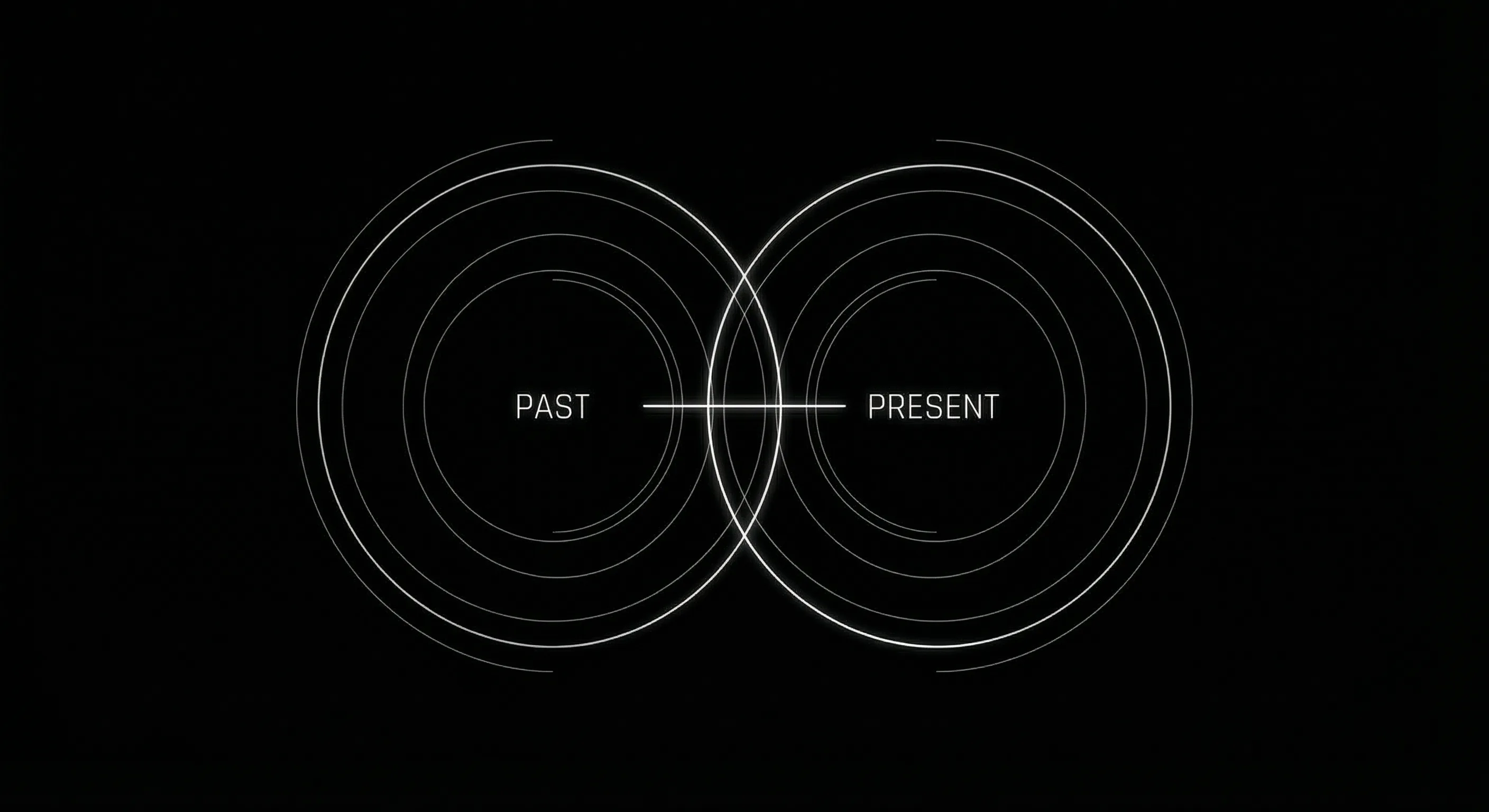
Subverting Expectations
The most effective flashbacks surprise us. We think we're seeing a happy memory; it curdles. We think we're seeing the truth; we're seeing a lie the character tells themselves. Rashomon built an entire film on this principle,multiple flashbacks, each contradicting the last. The device itself became the theme.
Even in more conventional films, a flashback that reframes rather than explains delivers more power. We thought the protagonist was the victim. The flashback reveals they were complicit. We thought they were brave. The flashback shows they froze. That recontextualization is worth the page count.
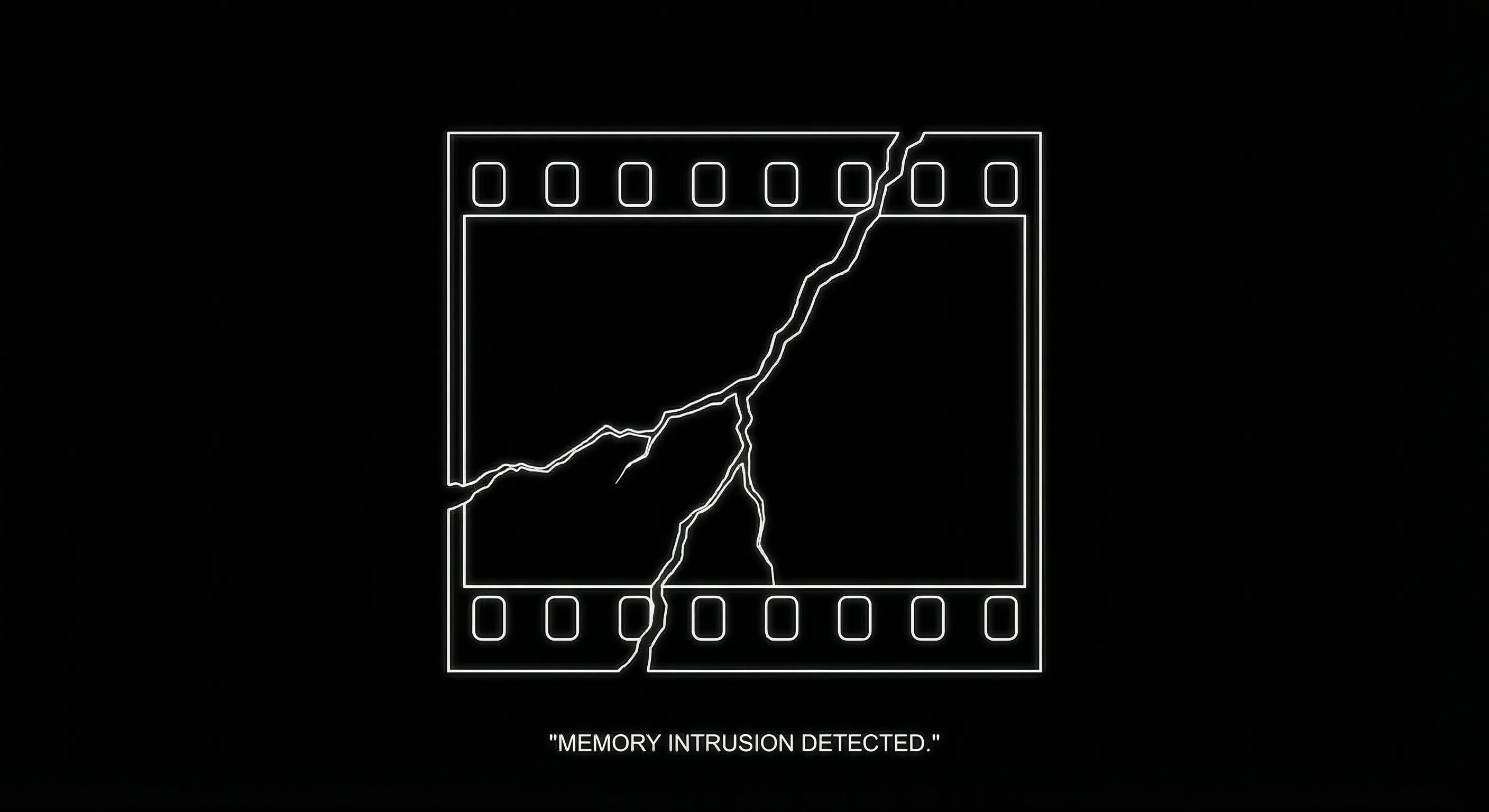
The Flashback as Memory vs. Objective Truth
An important distinction: is the flashback subjective or objective? In Eternal Sunshine of the Spotless Mind, the memories we see are Joel's,distorted, fragmented, emotionally colored. We're not watching what happened. We're watching how he remembers it. That subjectivity gives the filmmaker license. Details can shift. Chronology can bend. The past becomes plastic. Other films treat flashbacks as documentary. What we see is what happened. No ambiguity. The Usual Suspects famously plays with this,the "flashback" is a lie. The reveal reframes everything. The writer should decide early: is this memory or record? The choice affects tone, reliability, and how much you can get away with. Subjective flashbacks forgive inconsistency. Objective ones demand rigor. Mixing them without intention confuses the audience. Pick a lane.
The Cost of Over-Explaining
Writers often use flashbacks because they don't trust the audience. "They won't understand why he's so closed off unless we show the betrayal." Maybe. Or maybe a single line of dialogue,"You left. Everyone leaves.",plus a performance does the work. The urge to explain is the urge to control. But control can strangle. The best stories leave gaps. The audience participates by filling them. A flashback that explains everything removes that participation. We become passive recipients. "Here's what happened. Now you understand." Understanding isn't always the goal. Feeling might be. Uncertainty might be. A character whose past remains partly opaque can be more compelling than one whose trauma is neatly packaged in a three-minute sequence. Resist the flashback as crutch. Use it only when the gap cannot be bridged any other way.
Practical Checklist Before You Cut to the Past
Before you type "CUT TO:" or "DISSOLVE TO:" and a new time period, run through this: Is this the only way to deliver this beat? Does the flashback create emotion, not just information? Does it connect to the present through a sensory or thematic anchor? Would cutting it entirely break the story,or would it tighten it?
If you're honest, you'll kill a few flashbacks. Your pacing will thank you. Your readers will too.
The goal isn't to ban the device. It's to treat it like a rare spice. A little goes far. Too much ruins the dish. Use flashbacks when the past has claws,when it reaches into the present and pulls. Use them when showing matters more than telling. Use them when structure demands it. And when in doubt, stay in the now. The audience is already there, waiting for what happens next.
One final thought: the best flashbacks make the present unavoidable. They don't let us escape into nostalgia or explanation. They force us to see the present more clearly. We leave the past understanding why the character can't. We return to the present carrying that weight. The flashback isn't a detour. It's the road. When it works, you feel it in your chest. When it doesn't, you feel it in your wrist,checking the time.
Final Step
Build your next script with Screenweaver
Move from ideas to production-ready pages faster with timeline-native writing and AI-assisted story flow.
Try Screenweaver