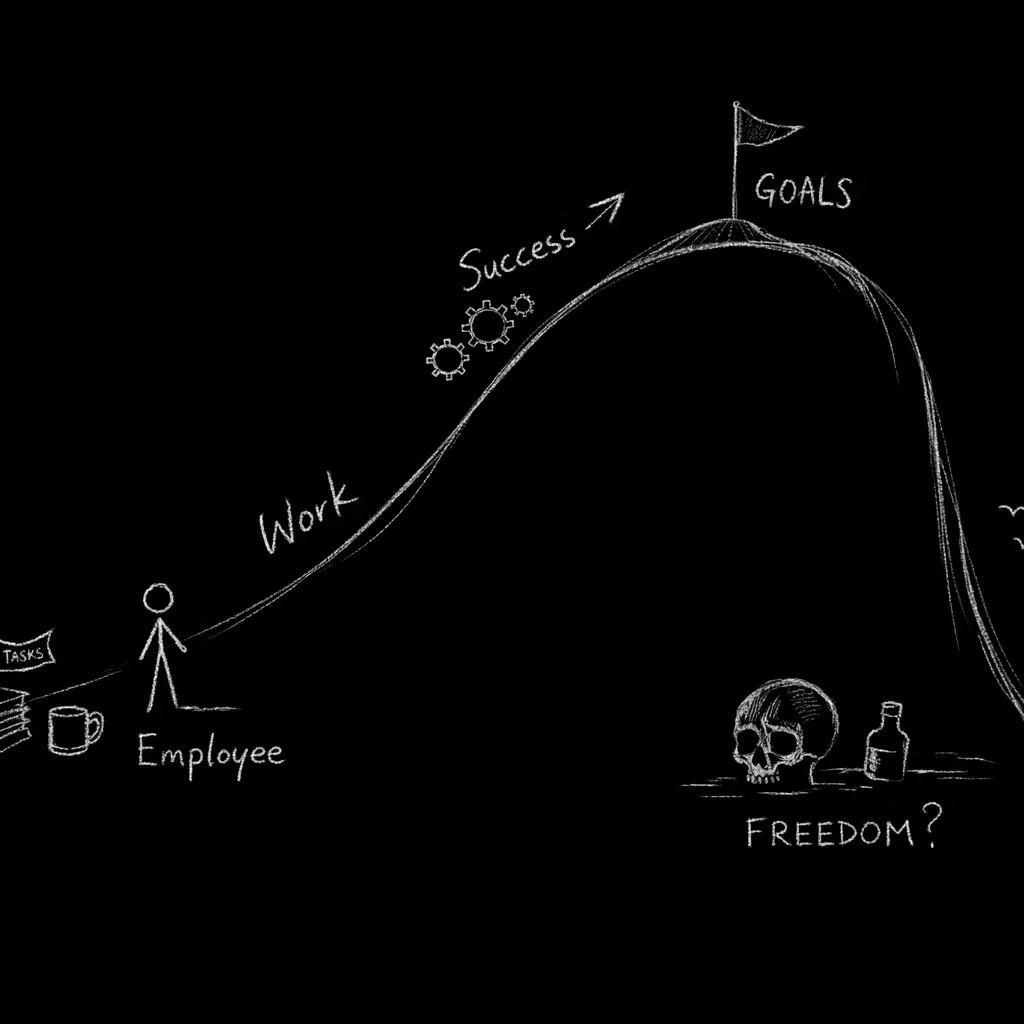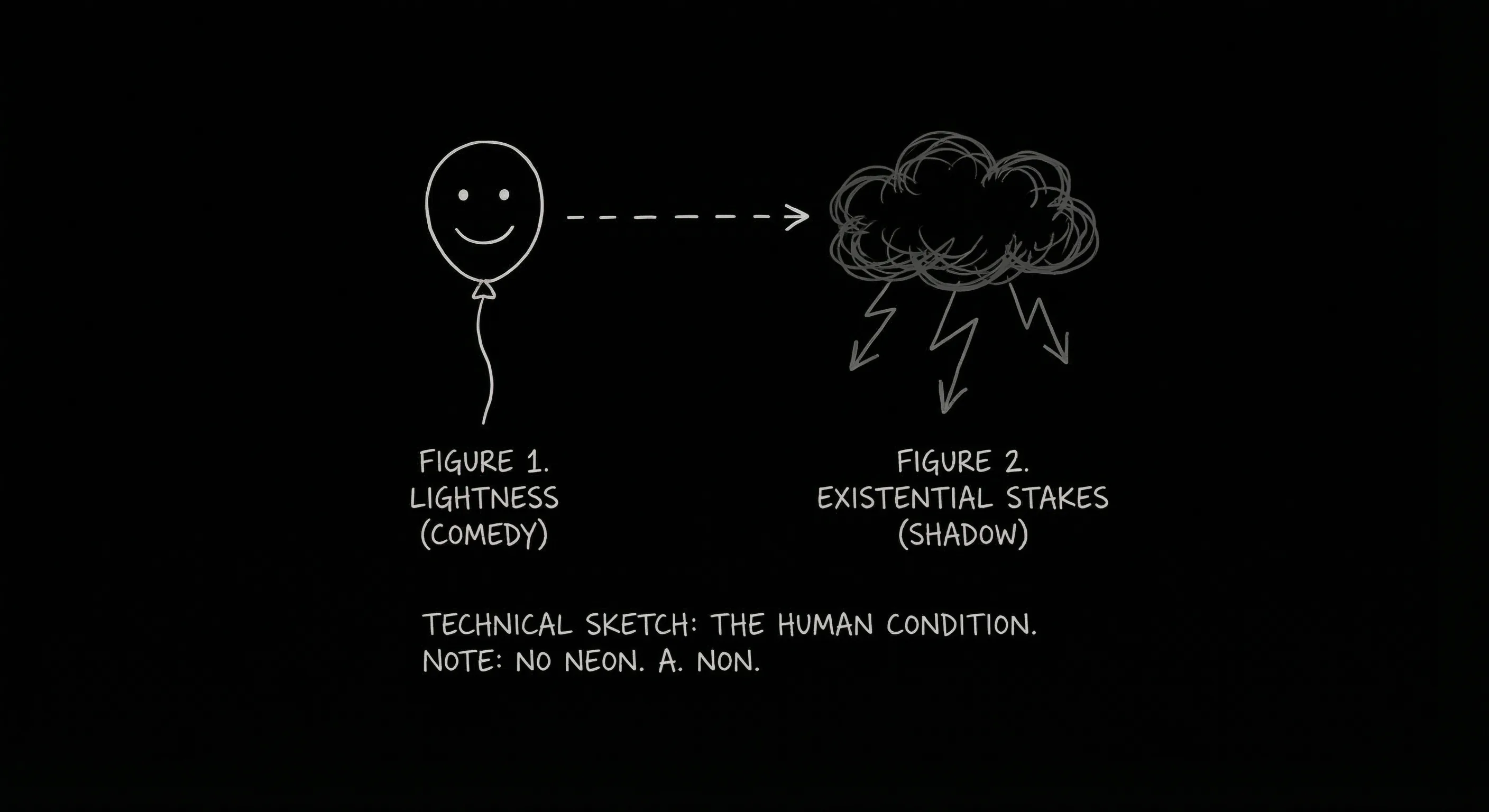
The "Whiff of Death": Why Comedies Need Existential Stakes
Comedy without stakes is noise. One moment,or one throughline,where something real could be lost. How to give comedies a spine.
The "Whiff of Death": Why Comedies Need Existential StakesDeep dives into modern screenwriting, visual storytelling, and how AI is reshaping the creative process.
Categories

Comedy without stakes is noise. One moment,or one throughline,where something real could be lost. How to give comedies a spine.
The "Whiff of Death": Why Comedies Need Existential Stakes
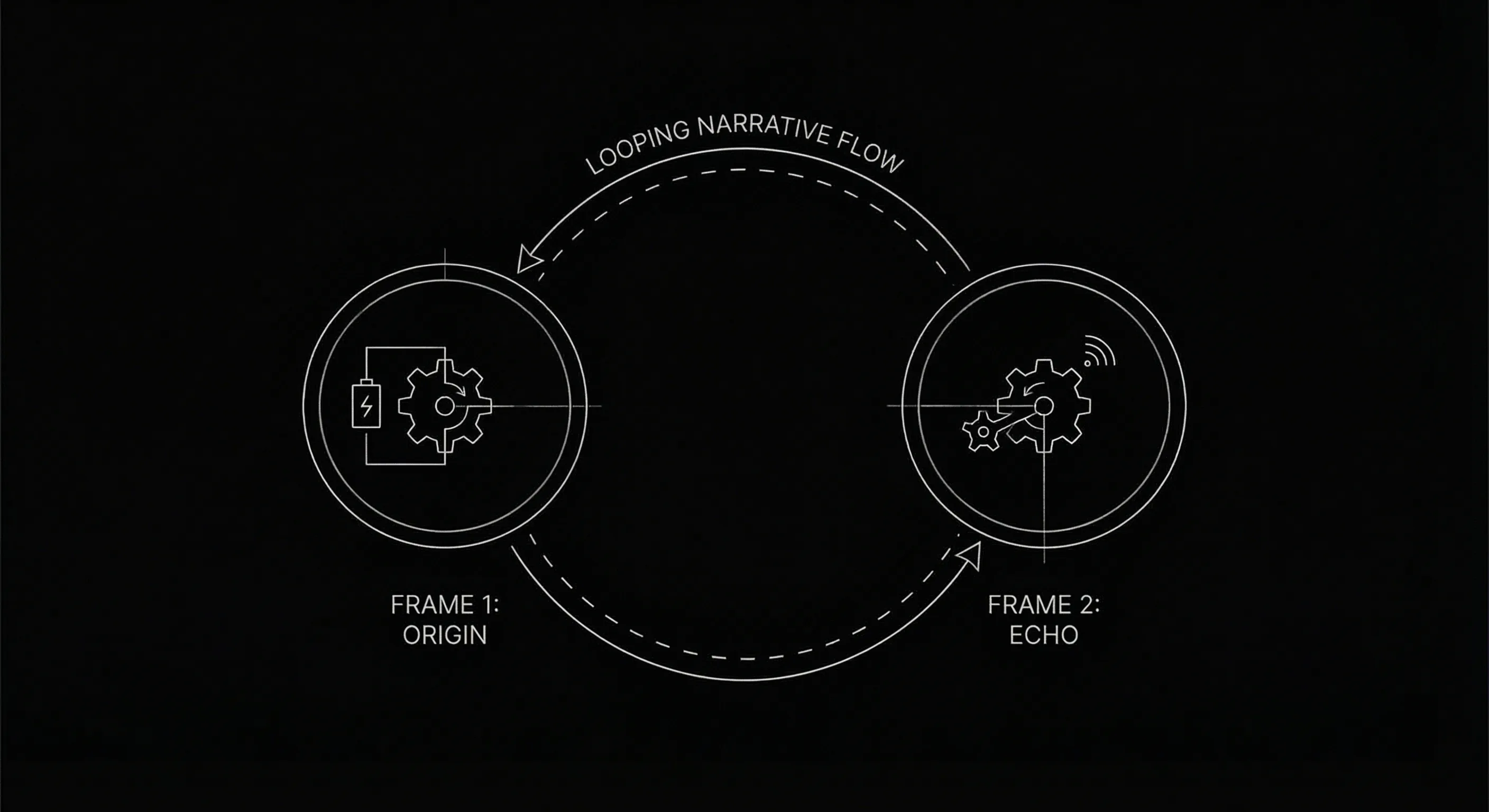
The ending returns to the opening,same image, same line,but with new meaning. How to plant the seed and close the loop.
Circular Narratives: Writing Endings That Call Back to Beginnings
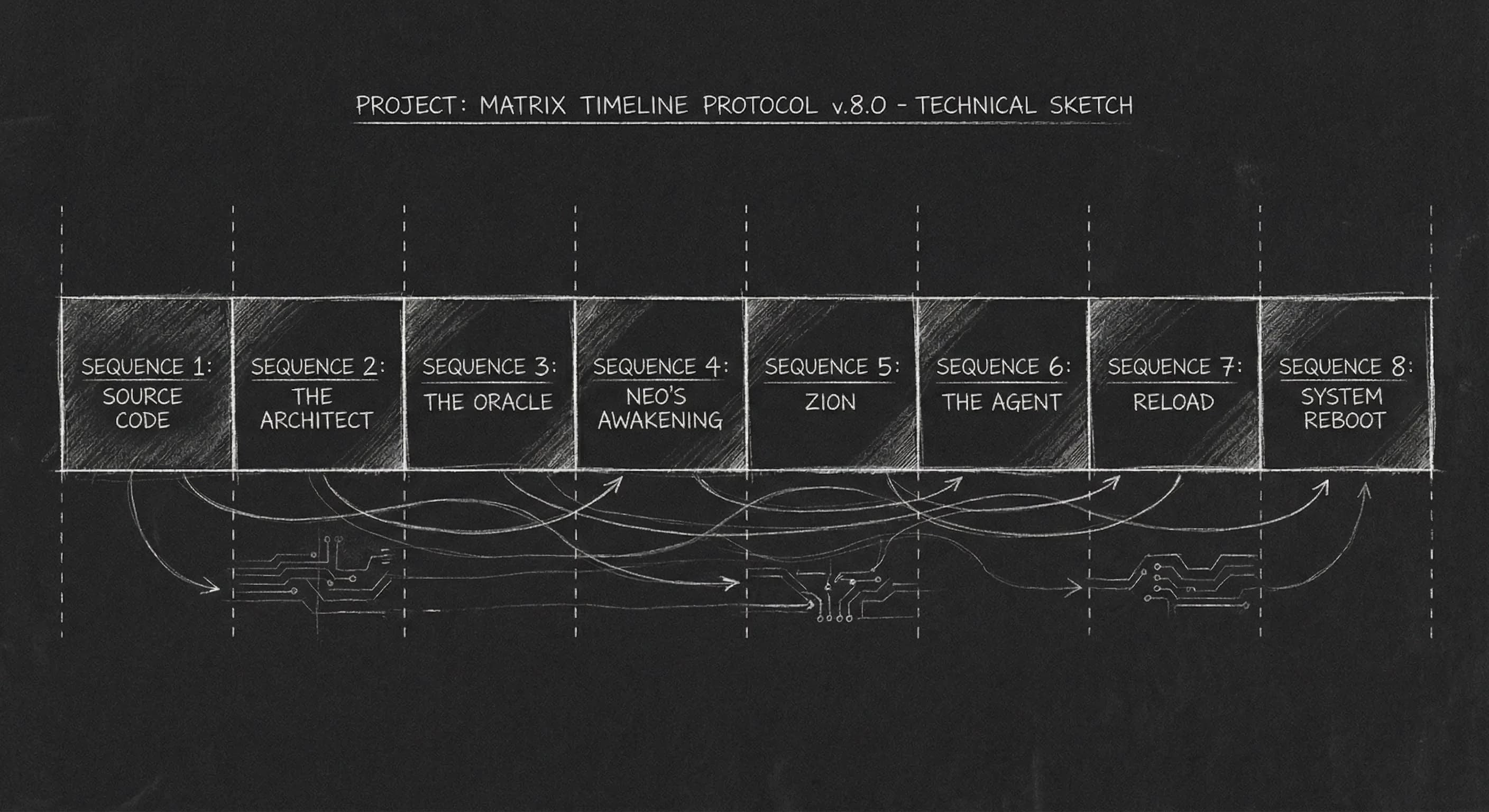
Break the feature into eight 15-minute sequences. Each has a job. How The Matrix holds the middle,and how you can do the same.
The Sequence Method Case Study: Analyzing The Matrix
Delay the turn. Refuse the clean resolution. How elevated horror and indie drama bend structure,and when to do it yourself.
Subverting the Three Acts: Lessons from A24 Films
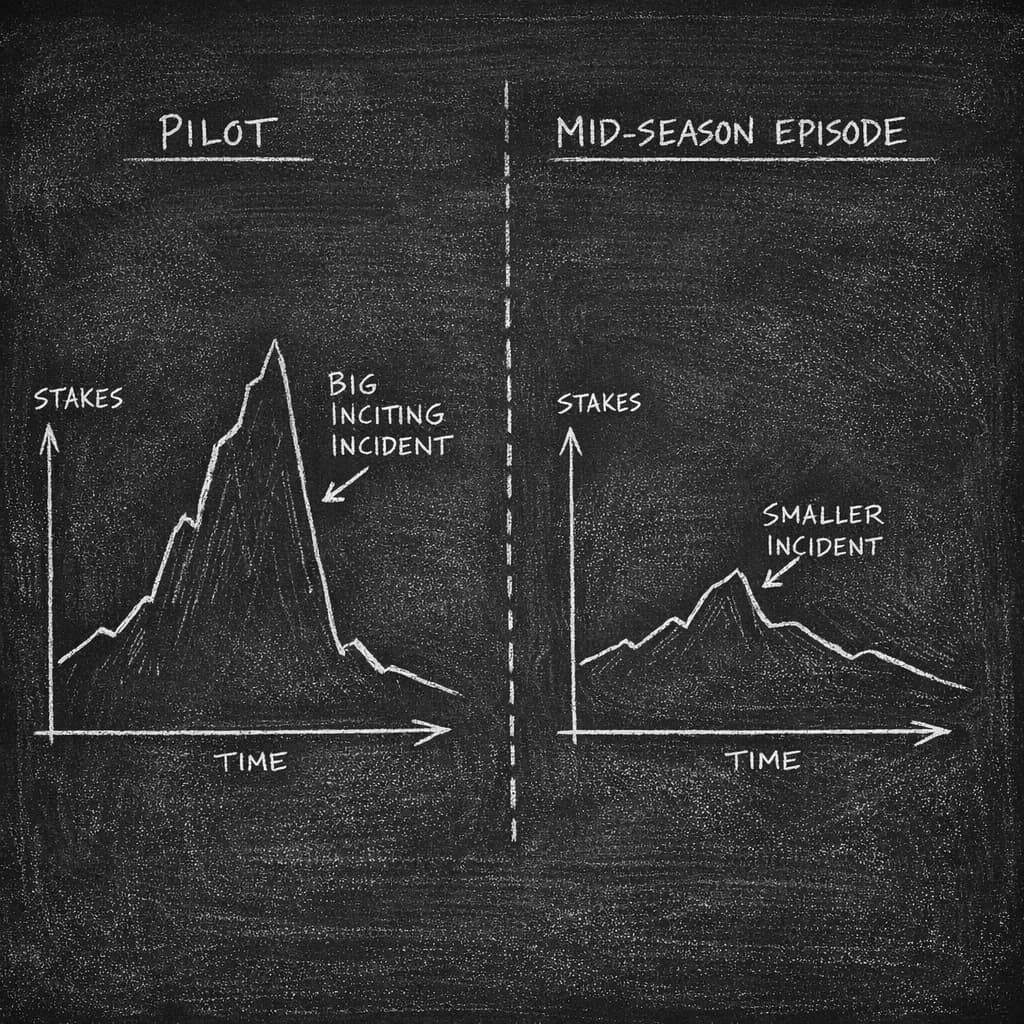
The pilot's inciting incident launches the series. The episode's launches the hour. Same beat, different scale,and how to get it right.
The Inciting Incident in Episodic TV: Pilot vs. Episode 5
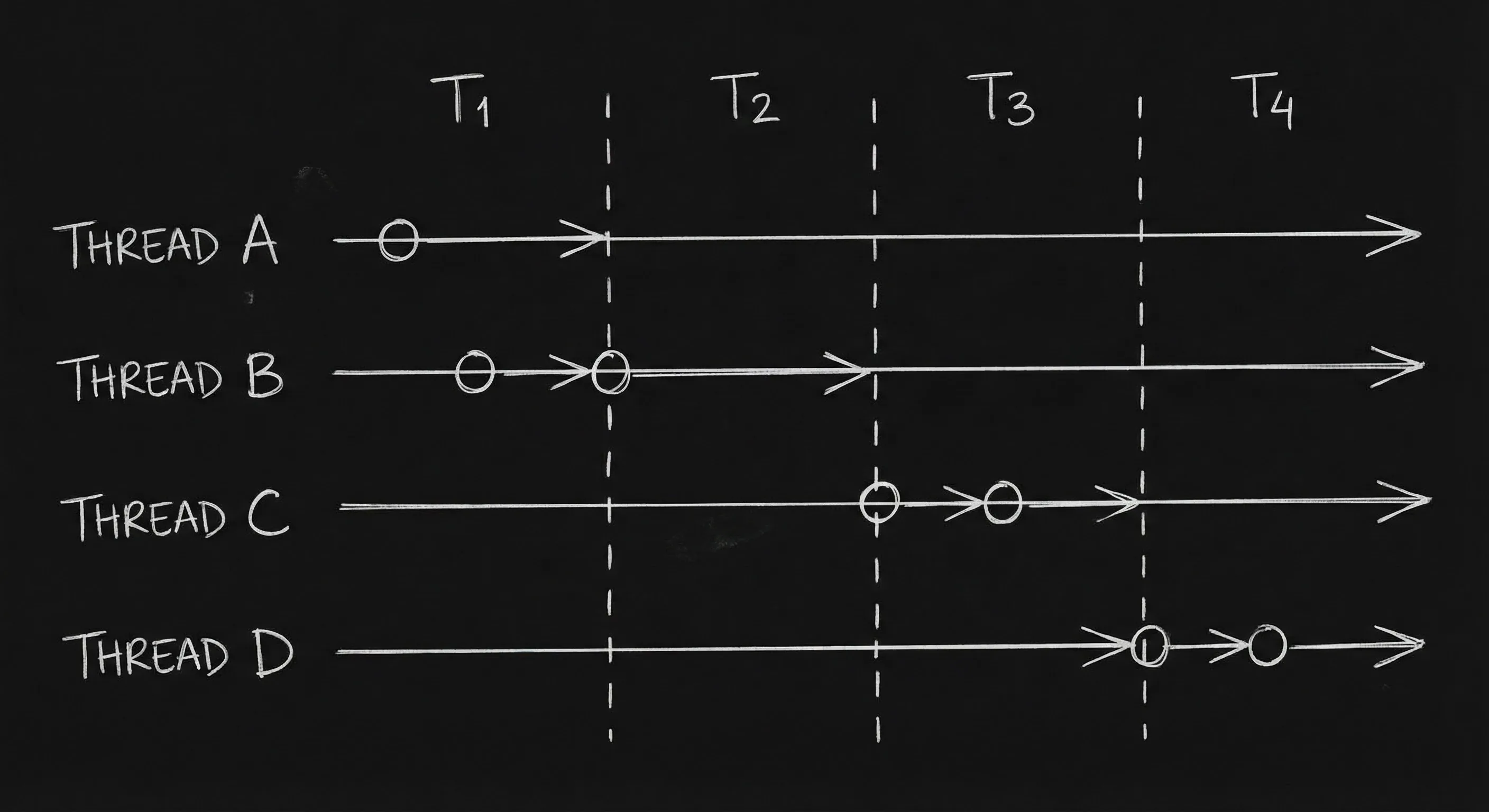
Scene headings, supers, character labels. How to signal every time shift so the reader and production never get lost.
Managing Multiple Timelines: Visual Cues for Temporal Shifts
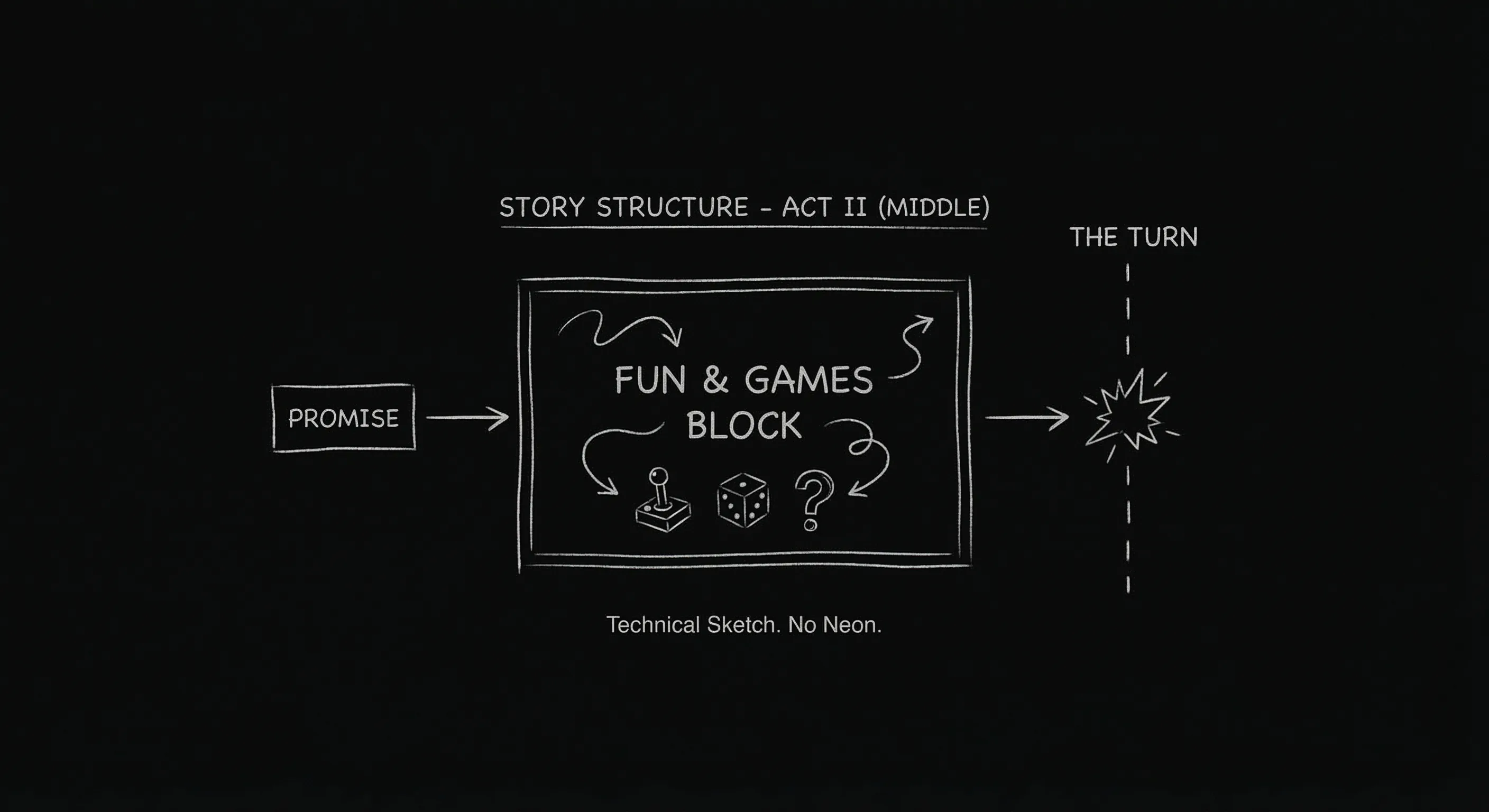
The promise of the premise. Give the audience the stretch they came for,then turn. How to hold the middle so the climax lands.
The "Fun and Games" Beat: Preventing the Second Act Sag
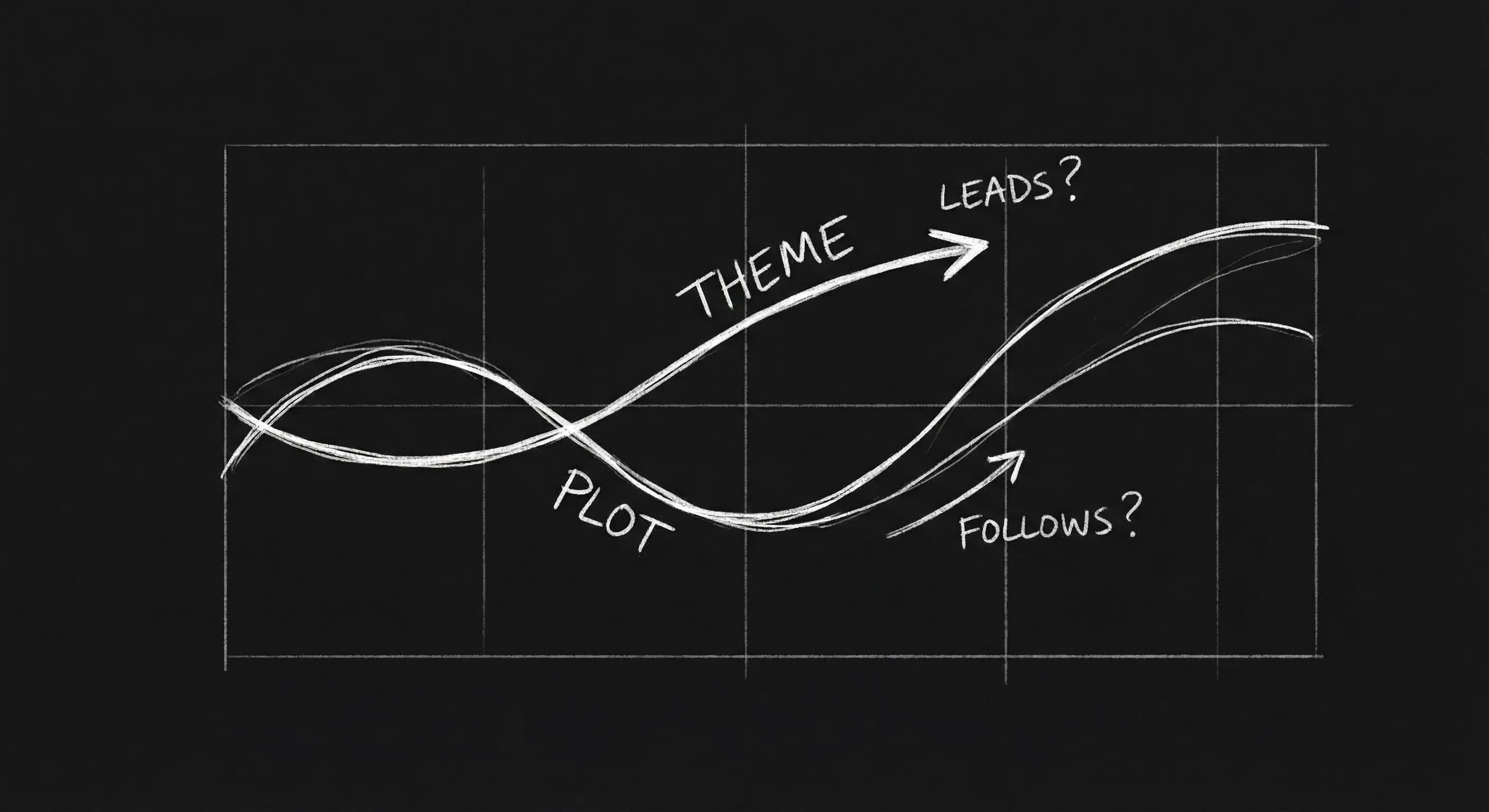
Plot is what happens. Theme is what it means. How to find one from the other,and end up with a script that moves and lands.
Theme vs. Plot: Which Should You Develop First?