The False Ending: Executing Double Climaxes in Horror
The monster is dead. The survivors exhale. Then the real threat returns. How to structure the false ending so the second climax hits harder.
The False Ending: Executing Double Climaxes in HorrorDeep dives into modern screenwriting, visual storytelling, and how AI is reshaping the creative process.
Categories

The monster is dead. The survivors exhale. Then the real threat returns. How to structure the false ending so the second climax hits harder.
The False Ending: Executing Double Climaxes in Horror
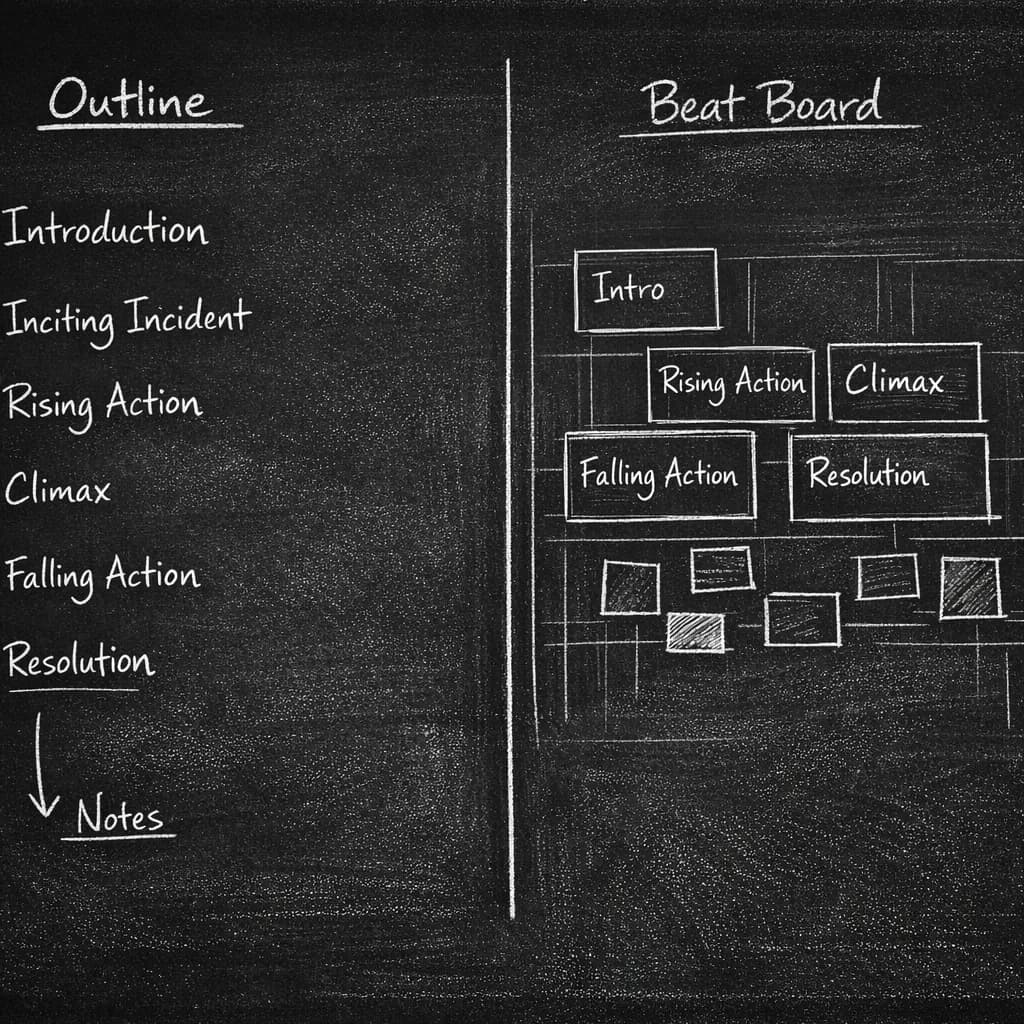
Outline = list. Beat board = map. When to use each, how to build a beat board, and how to spot sagging middles and unbalanced threads.
Beat Boards vs. Outlines: Visualizing Your Story Before Writing
Beyond acts: see the story as tension, release, accumulation, shift. When your story resists the three-act map, think in elements.
Elemental Structure: A Non-Traditional Approach to Storytelling
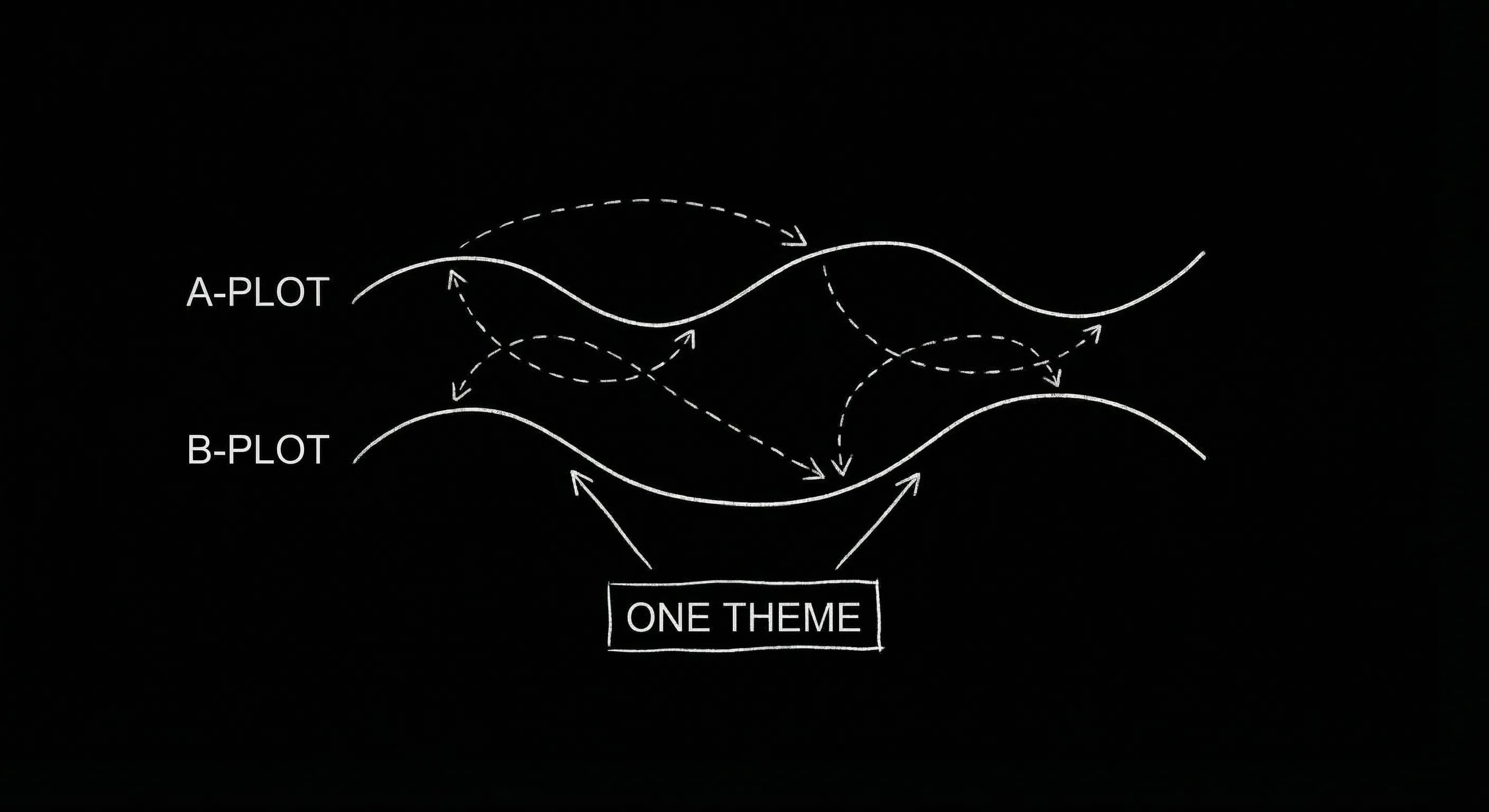
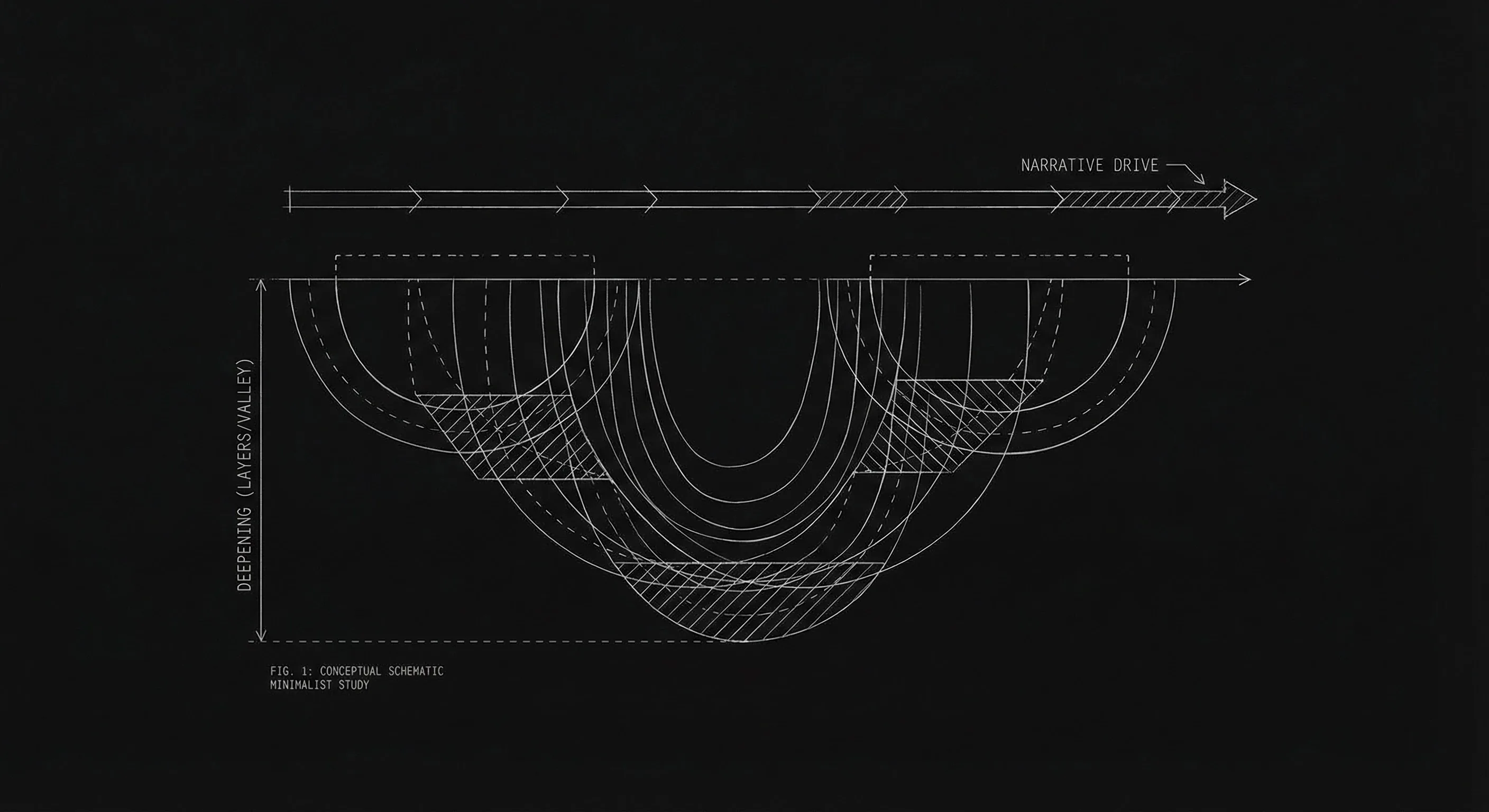
Drive pulls the audience forward. Deepening makes them care. How to balance both so the script moves and lands.
Narrative Drive vs. Narrative Deepening: The Balancing Act
Comedy without stakes is noise. One moment,or one throughline,where something real could be lost. How to give comedies a spine.
The "Whiff of Death": Why Comedies Need Existential Stakes
The ending returns to the opening,same image, same line,but with new meaning. How to plant the seed and close the loop.
Circular Narratives: Writing Endings That Call Back to Beginnings
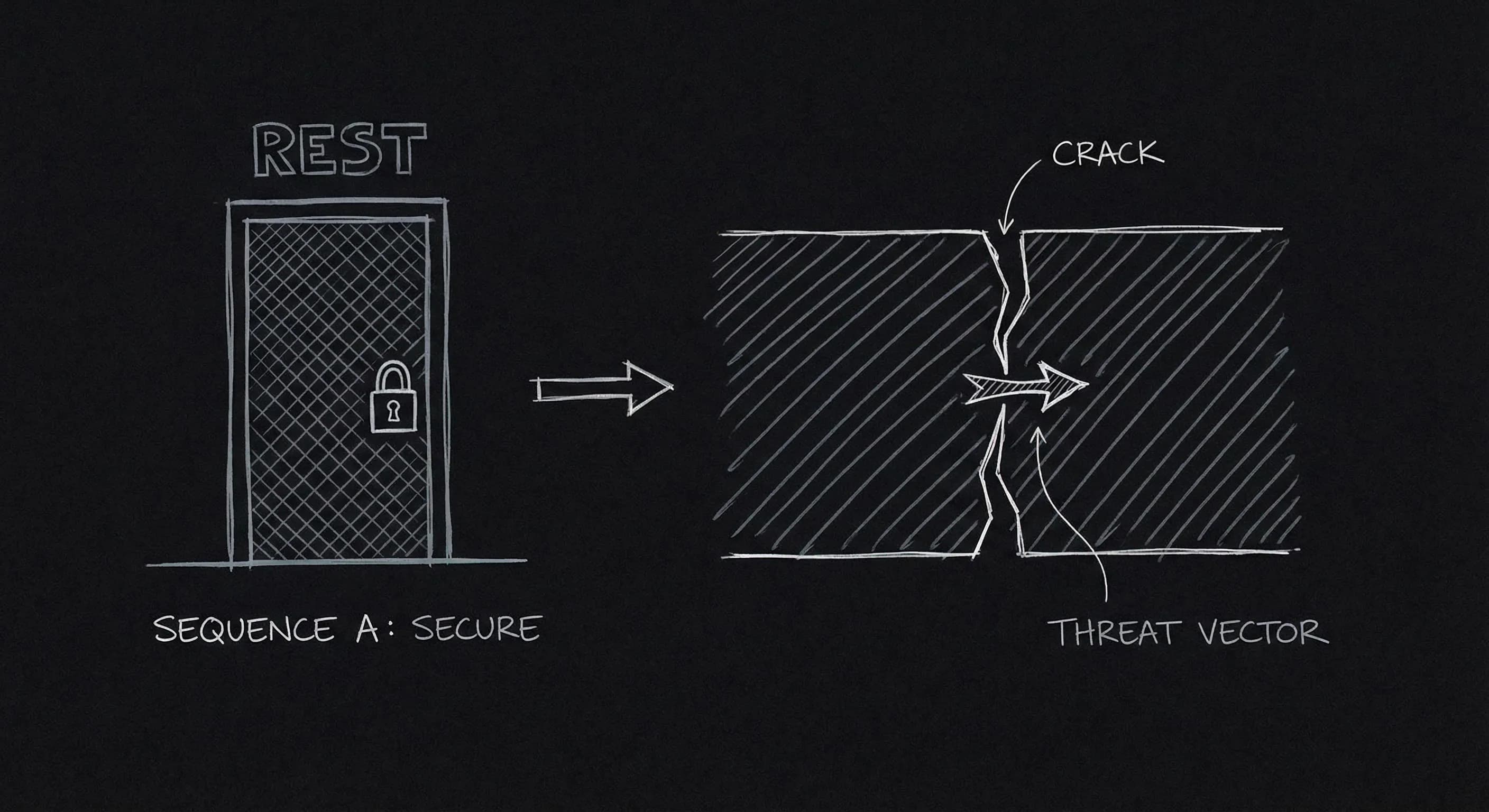
Break the feature into eight 15-minute sequences. Each has a job. How The Matrix holds the middle,and how you can do the same.
The Sequence Method Case Study: Analyzing The Matrix
Delay the turn. Refuse the clean resolution. How elevated horror and indie drama bend structure,and when to do it yourself.
Subverting the Three Acts: Lessons from A24 Films