
You finish a draft. For a moment it feels good. Then the voice: you got lucky. The next one will expose you. Everyone in the room is smarter. You're one meeting away from being found out. That's imposter syndrome. It's not a lack of talent. It's a refusal to believe that your talent counts. Writers feel it more than most. We work alone. We're judged in public. We have no objective measure of "good." So the brain fills the gap with doubt. It's exhausting. It's also beatable.
The feeling doesn't disappear when you get staffed or sell something. It often gets louder. Now you have something to lose. Now the stakes are real. The goal isn't to never feel like a fraud. It's to stop letting that feeling run the show.
What Imposter Syndrome Actually Is
Imposter syndrome is the persistent belief that your success is due to luck, timing, or other people's generosity,and that you'll eventually be exposed as inadequate. You attribute wins to external factors and losses to your own insufficiency. You dismiss praise. You ruminate on criticism. You compare your behind-the-scenes (the mess, the drafts, the anxiety) to everyone else's highlight reel. The result is a chronic sense that you don't belong. That you're one project away from being found out. That the good thing that happened was a mistake.
Writers are especially vulnerable. Our work is subjective. There's no score. No finish line. A script can be "great" to one reader and "pass" to another. We work in isolation, then we're evaluated in rooms and in notes. We see other people's credits and assume they have something we don't. We forget that they have bad days too. That they have drafts they buried. That they've been passed on more than they've been picked. The brain doesn't keep a fair ledger. It amplifies threat and minimizes evidence of competence.
You don't have to believe you're great. You have to stop believing you're the only one who isn't.
Relatable Scenario: The First Staff Job
You get staffed. Your first day in the room you're sure everyone can tell you don't belong. They're tossing around references and structure terms. You're nodding. You're taking notes. You're afraid to pitch. When you do pitch, your idea gets shot down. The voice says: see? You're not supposed to be here. What you don't see: the other writers have had ideas shot down too. The room is a filter. Not every idea lands. The fact that you're in the room means someone thought you could contribute. The voice is not giving you data. It's giving you fear. The fix isn't to never get shot down. It's to pitch again. And again. To treat the room as a place where ideas get tried, not where you get judged as a person. For more on how to function in that environment, see how to take feedback from producers,the same skills help you separate "this idea didn't work" from "I don't belong."
Relatable Scenario: After the Sale
You sold a script. Or you won a contest. For a day you're elated. Then the voice: they made a mistake. The next script will be worse. They'll realize. You start the next project with one eye on the door. You second-guess every beat. You're not writing anymore; you're performing "being a writer" while waiting for the other shoe to drop. The antidote is boring but real. You had a win. It happened. You didn't fake the script. They read it. They bought it. The next script might be harder. The next script might not sell. That's the job. It's not proof that you're a fraud. It's proof that the job is uncertain. Separate "this business is unpredictable" from "I am inadequate." The first is true. The second is a story you're telling yourself.
What Makes It Worse
Certain behaviors feed the imposter. Comparing yourself to writers who are further along,or who seem to be. They have more credits. They're in the room you want. You don't see their rejections, their rewrites, their years of near-misses. You're comparing your full reality to their curated one. Stop. Compare yourself to who you were a year ago. Are you writing more? Learning more? Getting better feedback? That's the comparison that matters.
Isolating. When you're in your head, the voice gets a monopoly. Talk to other writers. Not to brag or complain,to normalize. You'll hear that they have the same doubts. That they've been passed on. That they don't know if the next thing will work. You're not the only one. The imposter narrative depends on the idea that you're uniquely unqualified. Evidence to the contrary weakens it.
Treating every note as proof. You get notes. Some of them are right. Some of them are taste. Some of them are wrong. If you treat every criticism as confirmation that you're not good enough, you're letting the imposter run the show. Notes are information. They're not a verdict on your worth. Learn to evaluate them. Keep what helps. Let go of what doesn't. And don't let the volume of notes convince you that you're a fraud. Every writer gets notes. Good writers use them. They don't collapse under them.
Try it free
Try Screenweaver for free on your script
It is free. Import your existing project, get a clearer view of your outline, and regain control of your story structure in minutes.
Start FreeWhat Helps (The Trench Warfare Section)
Name it. When the voice says "you don't belong," say back: "That's imposter syndrome. It's a feeling, not a fact." Naming it creates distance. The feeling might still be there. It doesn't get to make the decisions.
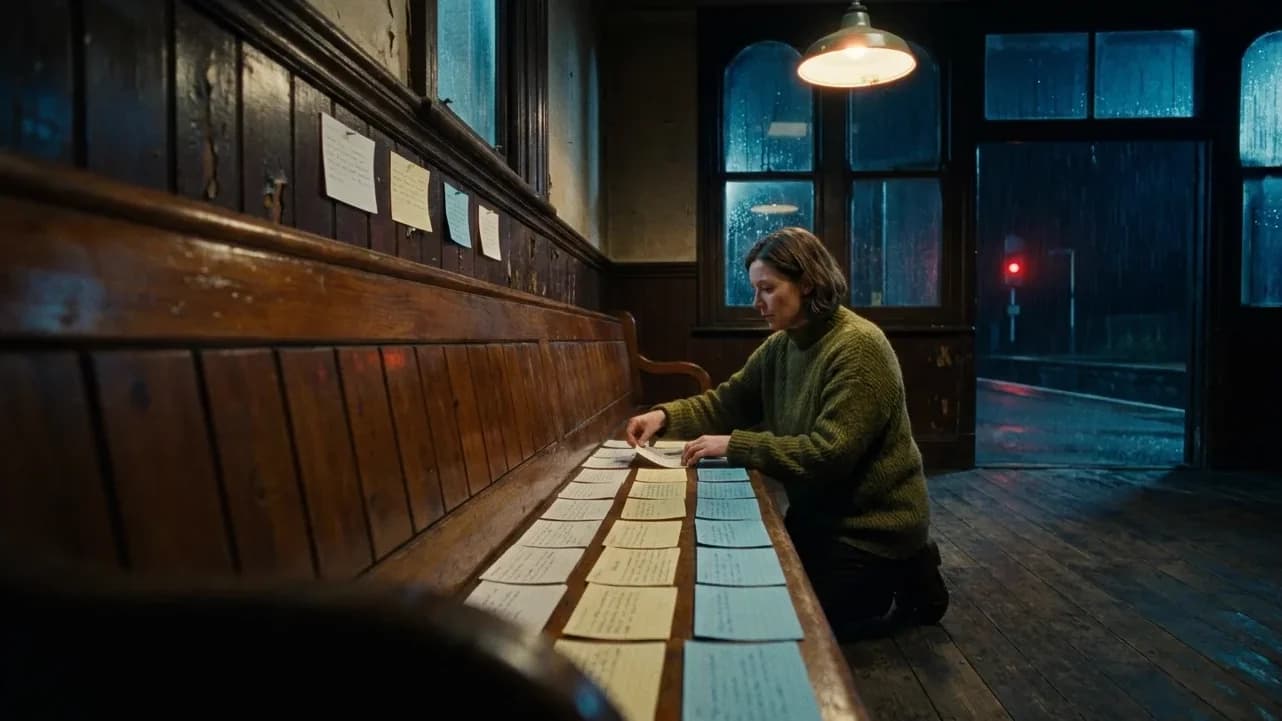
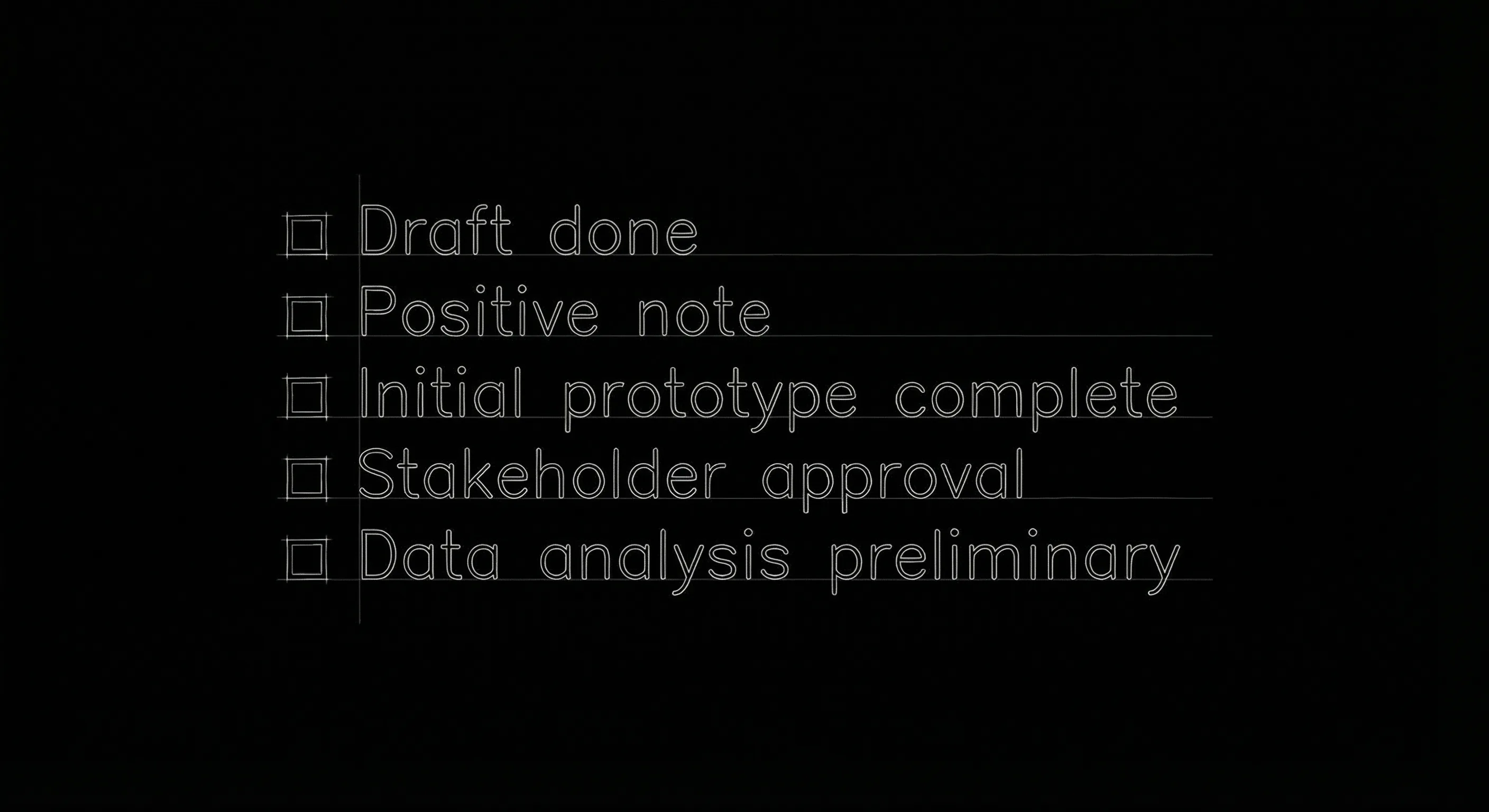
Keep a record. When you get a win,a positive note, a request to read more, a sale, a staff job,write it down. When the imposter is loud, open the list. You're not making it up. The evidence is there. The brain is bad at balance. Give it a file to read.
Ship the work. The imposter loves the draft that never leaves your desk. "It's not ready." "One more pass." "They'll see I'm not good enough." The only way to win that game is to send it. Let the world respond. Rejection will happen. So will acceptance. Both are data. Hiding is not data. It's just fear.
Find your people. Other writers who get it. A group, a mentor, a friend who doesn't need you to perform confidence. People who can say "I've felt that" and mean it. Imposter syndrome thrives in isolation. It weakens in company.
Separate the work from the worth. You are not your last script. You are not your last note. You are not your credits. You're a person who writes. Some things you write will be good. Some will be bad. You can get better. The imposter wants to tie your entire identity to the outcome. Don't give it that. Your value is not the same as your box office or your staff level. Say it until you believe it.
The Comparison Trap
Every writer you admire has written something they're not proud of. They've been rejected. They've had days when they thought about quitting. You're not seeing that. You're seeing the pilot that got picked up. The feature that got made. The room they run. You're not seeing the ten pilots that didn't sell. The feature that sat in a drawer. The years of assistant work. The imposter narrative depends on an unfair comparison: your full self versus their public self. Refuse the comparison. Your path is your path. Their path is theirs. The only question that matters is whether you're still moving.
When It's Not Just Nerves
Sometimes the feeling doesn't lift. You're not just doubting yourself; you're unable to enjoy wins, or you're avoiding writing altogether, or the voice is so loud it's affecting your sleep or your relationships. That may be more than imposter syndrome. It may be anxiety or depression. There's no shame in that. Writers carry a lot. Getting help,therapy, medication, or both,is not a sign that you're weak. It's a sign that you're taking the job of being a human seriously. The goal is to write from a place that's not constantly under attack from the inside. If you can't get there on your own, get support.
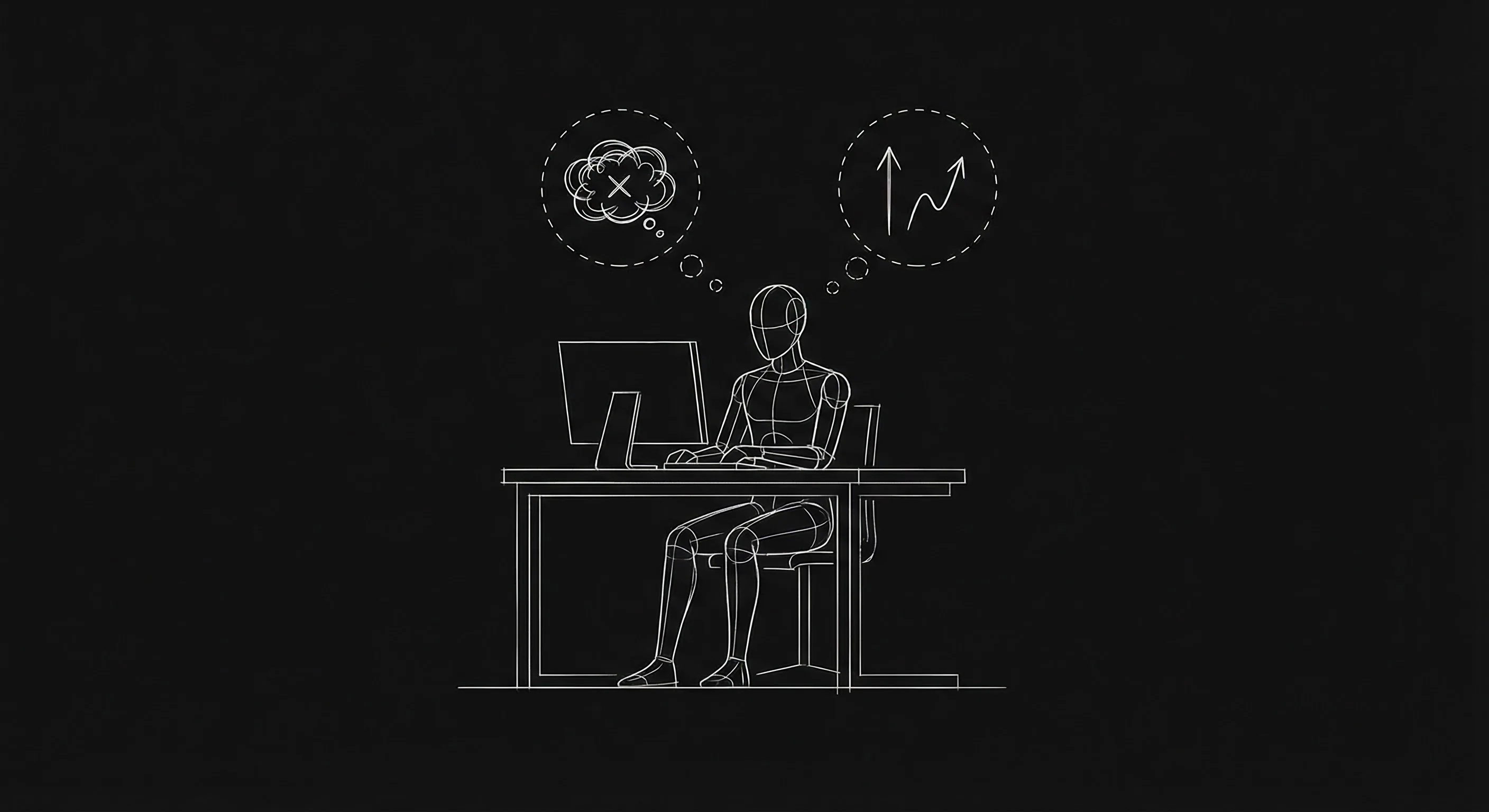
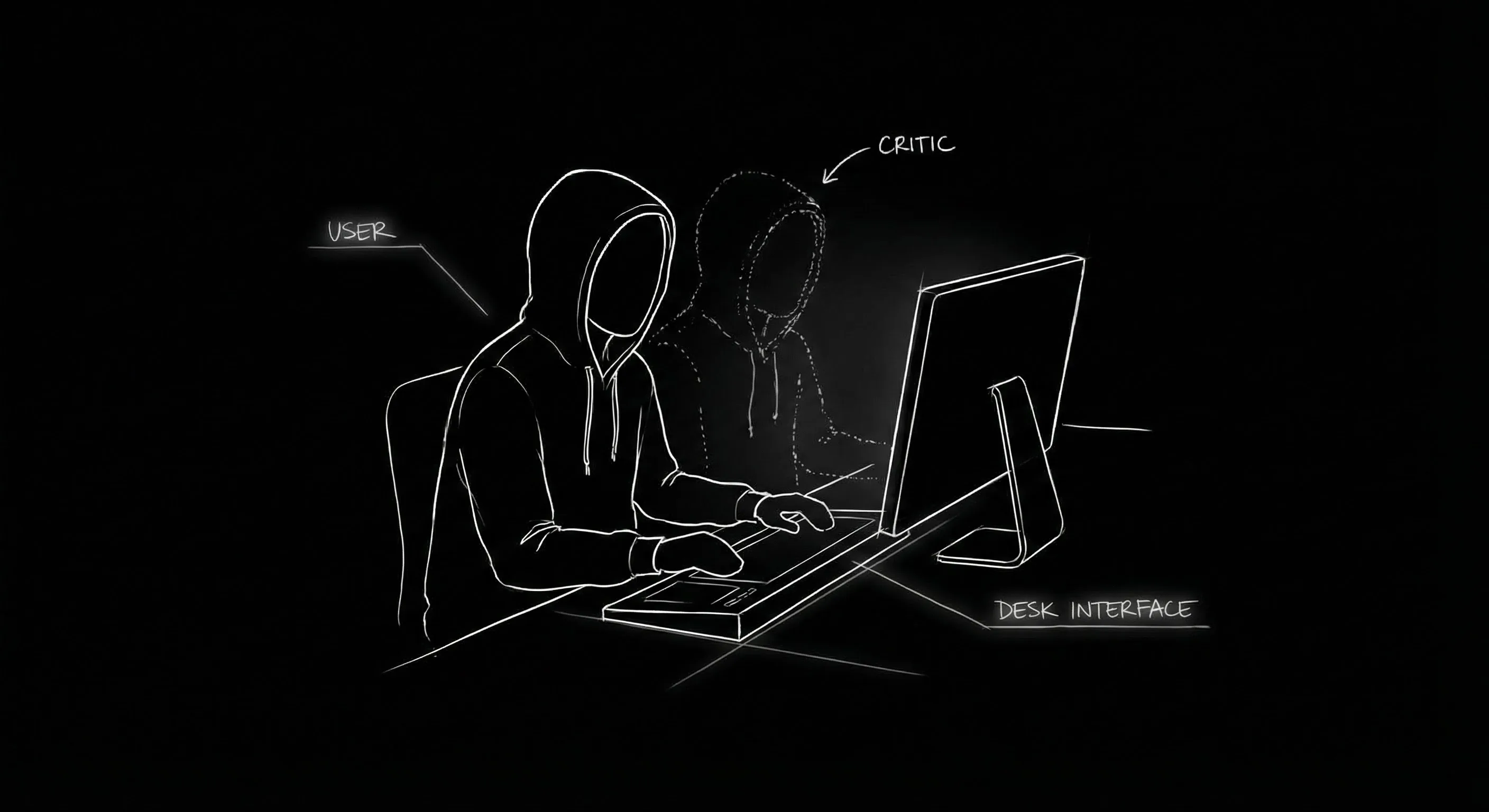
These two visuals work as a pair: the first shows Writer at desk, doubt and determination, and the second shifts to Evidence list: wins and progress - compare them briefly, then move on.
The Perspective
Imposter syndrome is the voice that says your success is a fluke and your failure is the truth. It's common. It's loud. It's not the truth. You don't have to believe you're the best writer in the room. You have to believe you have a right to be in the room. You earn that by showing up, by writing, by sending the work, and by treating the voice as a passenger,not the driver. Keep the wheel. Keep writing. And when you're in the room or in the draft, remember that how you take feedback from producers is separate from your worth,notes are about the work, not about whether you belong.
Final Step
Build your next script with Screenweaver
Move from ideas to production-ready pages faster with timeline-native writing and AI-assisted story flow.
Try Screenweaver