
The viewer has the remote. They’ve seen the title card a hundred times. What they haven’t seen is the next five minutes. That’s your cold open. No theme song yet. No “previously on.” Just the first image, the first line, the first beat. In television, those five pages do more than set the table. They decide whether anyone stays for dinner.
This piece is about the art of the cold open: how to hook audiences in the first few pages, how teasers and cold opens differ, and how to make the transition into the main episode feel inevitable rather than arbitrary. We’ll focus on television, where the cold open is a distinct form, but the principles apply to any script that has to win attention fast.
What a Cold Open Is (and Isn’t)
A cold open is the segment of a TV episode that plays before the main title sequence. It can be as short as a minute or as long as five or six. It’s “cold” because we drop in without context. No recap, no “last time.” The story just starts. The job of the cold open is to create a question, a mood, or a promise. By the time the theme song hits, the viewer should want to know what happens next.
It’s not the same as the first scene of a feature film. In a film, you have more time to establish tone and character before the inciting incident. In TV, you’re often competing with the viewer’s thumb on the “next episode” button. The cold open has to do a lot in a little space. It might introduce a mystery. It might drop us into a high-stakes moment that we’ll later understand in context. It might establish the tone,funny, tense, eerie,so the viewer knows what show they’re watching. Sometimes it’s a self-contained vignette. Sometimes it’s the start of the A-story. What it can’t be is forgettable.
The cold open is a handshake. It says: this is the show, this is the tone, and this is why you should care for the next hour.
Teaser vs. Cold Open
The terms overlap. “Teaser” often means a short, punchy open that “teases” the episode,a hook that might or might not be part of the main plot. “Cold open” is broader: any material before the titles. In some shows, the teaser is a single beat: a joke, a shock, a single line. In others, the cold open is a full mini-scene that leads directly into Act One. The difference is mostly convention. What matters is that you know what you’re doing in those pages. Are you teasing a mystery? Establishing a character? Dropping the audience into the middle of a conflict? Once you know the goal, you can shape the length and the content.
| Approach | What It Does | Example Type |
|---|---|---|
| Mystery hook | Pose a question; answer comes in the episode | Body discovered; we don’t know who or why |
| In medias res | Drop into action; context comes later | Chase, argument, or crisis already in progress |
| Tone setter | Establish mood,comedy, dread, warmth | Single character beat or joke that defines the show |
A third cousin lives outside the episode entirely: the teaser trailer, cut to sell a film before anyone has watched it. It borrows the cold open’s hook, but it has to promise a whole story in under a minute and end on a button instead of a title card. If you are cutting one for your own short with AI, our method for making an AI movie trailer starts from a three-act trailer script, not from a pile of pretty shots.
Hooking Audiences in Five Pages
Five pages is roughly five minutes on screen. In that time you need to do at least one of the following: create a question the viewer wants answered, make them care about a character, or make them feel something strong. Action can do it,a chase, a fight, a disaster. So can dialogue,a confession, a threat, a joke that lands. So can image,a single shot that’s strange or beautiful or horrifying. The worst cold opens are the ones that explain. Backstory, setup, “previously in this character’s life.” The viewer doesn’t need context yet. They need a reason to stay.
One reliable pattern is the “wrong foot” open. We think we’re in one kind of scene,comfortable, funny, mundane,and then something shifts. A line. A cut. A reveal. The tone flips and we’re in a different show than we thought. That shift is the hook. Another pattern is the “tick-tock.” We know something is going to happen. A bomb, a meeting, a deadline. The cold open is the countdown. Tension does the work. For more on how to build tension on the page, our guide on writing the jump scare and building tension applies to any moment where you need the reader or viewer braced for the next beat.
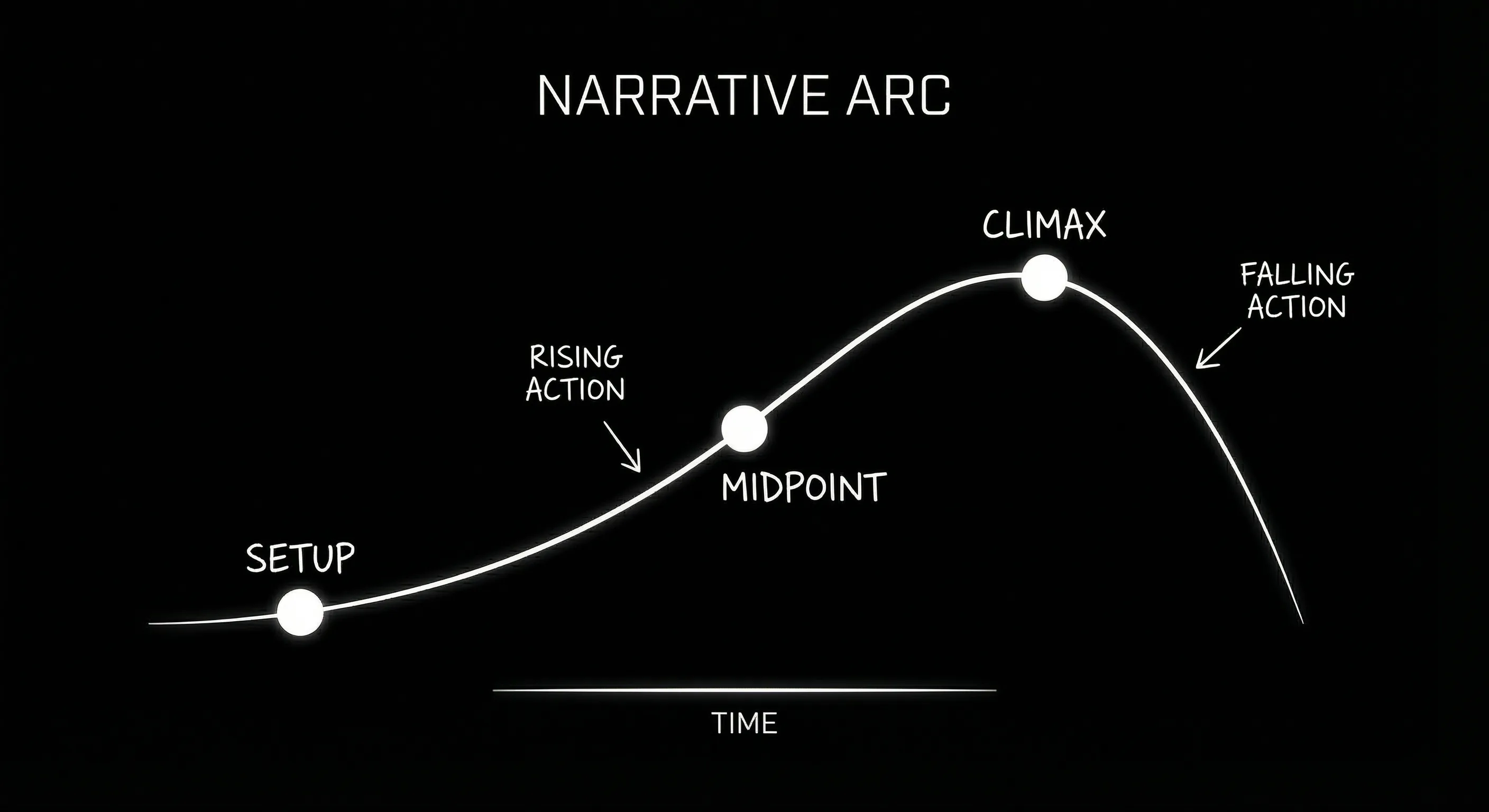
The first five pages: one clear hook before the titles.
The Handoff to the Episode
When the cold open ends, something has to happen. The title sequence. A cut to the main story. A time jump. The transition should feel intentional. If the cold open is a standalone vignette,a joke or a mood piece,the cut to Act One can be a contrast: we’re now in the “real” story. If the cold open is the start of the A-plot, the titles might interrupt at a cliffhanger moment, and Act One picks up from there or from a slightly earlier point. What’s awkward is when the cold open just… stops and the episode starts with no clear relationship. The viewer should feel that they’ve been passed from one hand to the next, not dropped.
In structural terms, the cold open often functions like a mini inciting incident for the episode. It creates the question or the stakes. The body of the episode then develops or resolves that. So when you’re outlining an episode, it helps to know what the cold open is promising. That promise doesn’t have to be paid off in the first act; it can be the thread that runs through the whole hour. But it has to be there. For more on how the inciting incident works in a longer form, see our guide on the inciting incident; the same logic applies to the open of an episode.
The best cold opens don’t just start the episode. They make the title sequence feel like a breath before the next beat,because we already want the next beat.
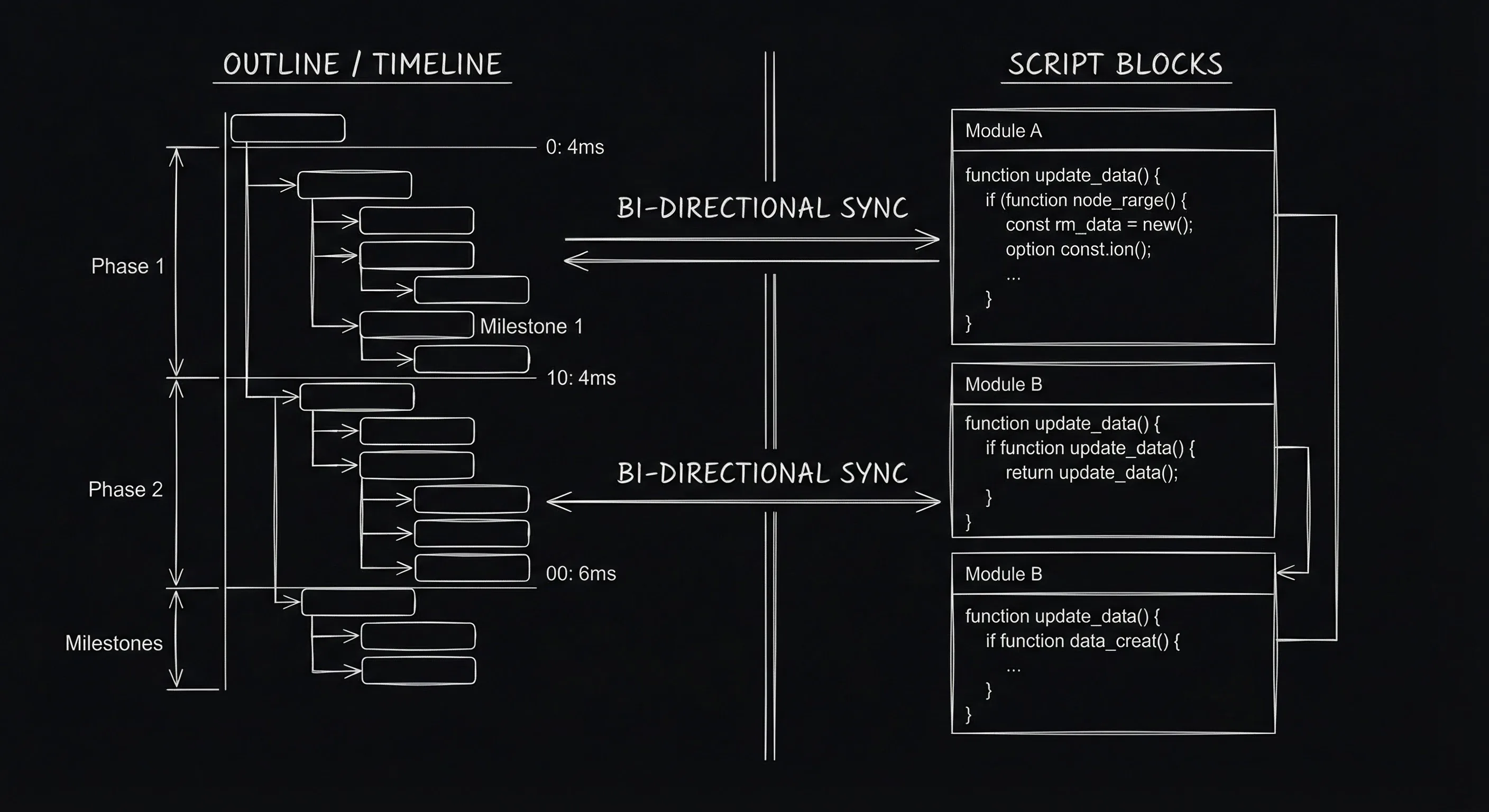
Clear transition from cold open to main episode.
Pitfalls of the Cold Open
The biggest mistake is using the cold open for setup. Backstory, exposition, “here’s who everyone is.” The viewer doesn’t need that yet. They need a reason to stay. Another mistake is the cold open that has nothing to do with the episode. A funny bit that never pays off, or a tense moment that’s never referenced again. The open should connect. It can be a parallel story that dovetails later, or the start of the A-plot, or a tone-setter that the episode then echoes. But if the viewer feels tricked,“why did you show me that?”,the open has failed. A third mistake is length. Going long because you have a lot to say usually means you’re saying too much. The best cold opens are often the ones that leave something out. The viewer stays to fill the gap.
Genre and Format
Comedy cold opens often go for a single joke or a escalating bit. The goal is to make the viewer laugh before the theme song. Drama and thriller often go for tension or mystery. Horror might go for a single scare or a slow build of dread. The length varies by show. Some series use a strict 1–2 page open. Others use a full 5–6 pages. Know the format you’re writing for. If the show has a 3-page cold open, don’t turn in 7. If it has a 5-page open, use the space. The viewer’s expectation is set by the show’s own pattern. Your job is to deliver within that frame and still make it land.
The Sharp Takeaway
The cold open is the first handshake with the viewer. In about five pages you need to create a question, a mood, or a promise. Don’t explain. Don’t warm up. Start cold,drop them in. Use a hook: mystery, action, tone shift, or tension. Then hand them off to the title sequence and the episode in a way that feels intentional. Television lives or dies in those first minutes. Make them count.
Final Step
Build your next script with Screenweaver
Move from ideas to production-ready pages faster with timeline-native writing and AI-assisted story flow.
Try Screenweaver